Crave
The Body Between Heat and Distance
Desire as appetite: heat, touch, taste, and the gaze that follows them.
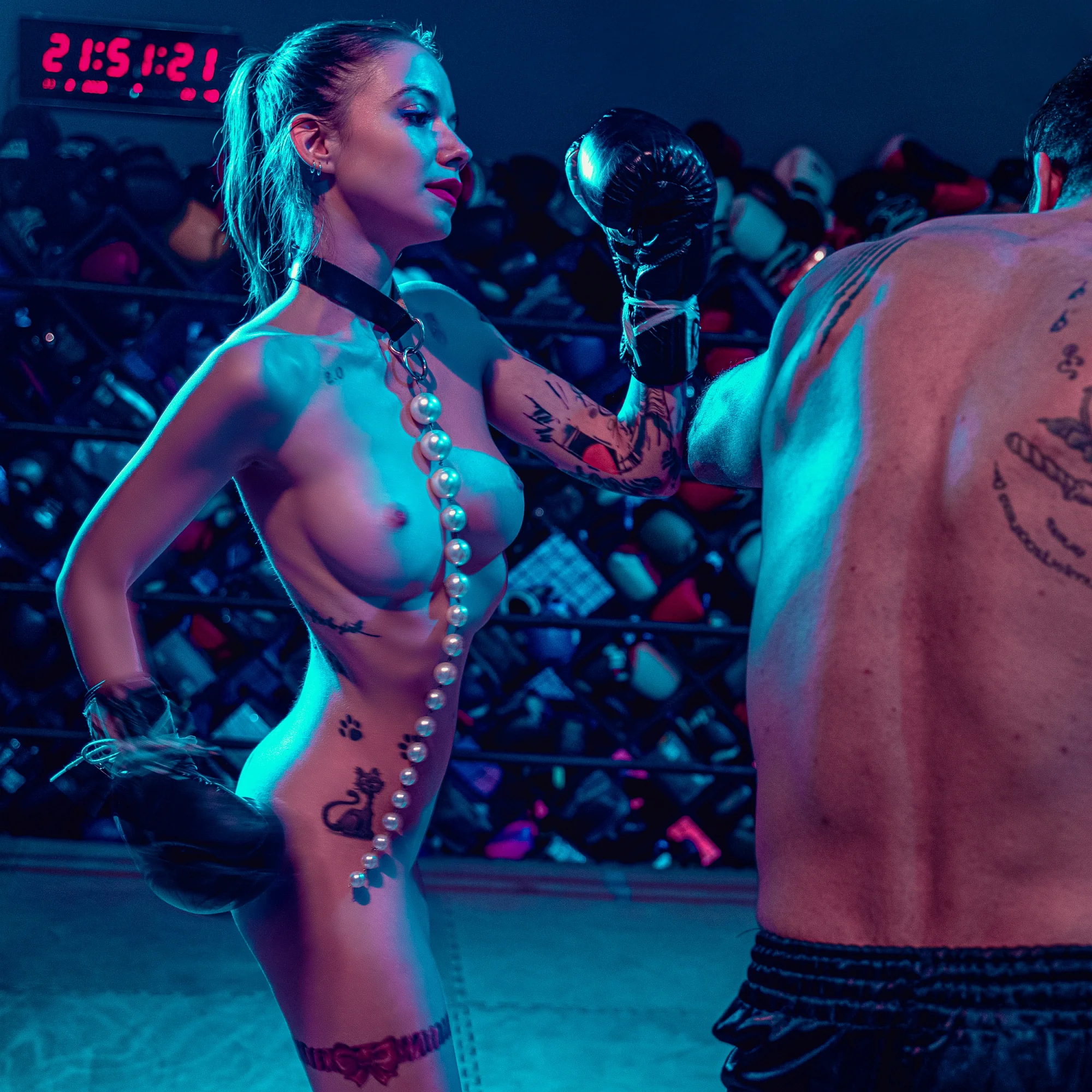
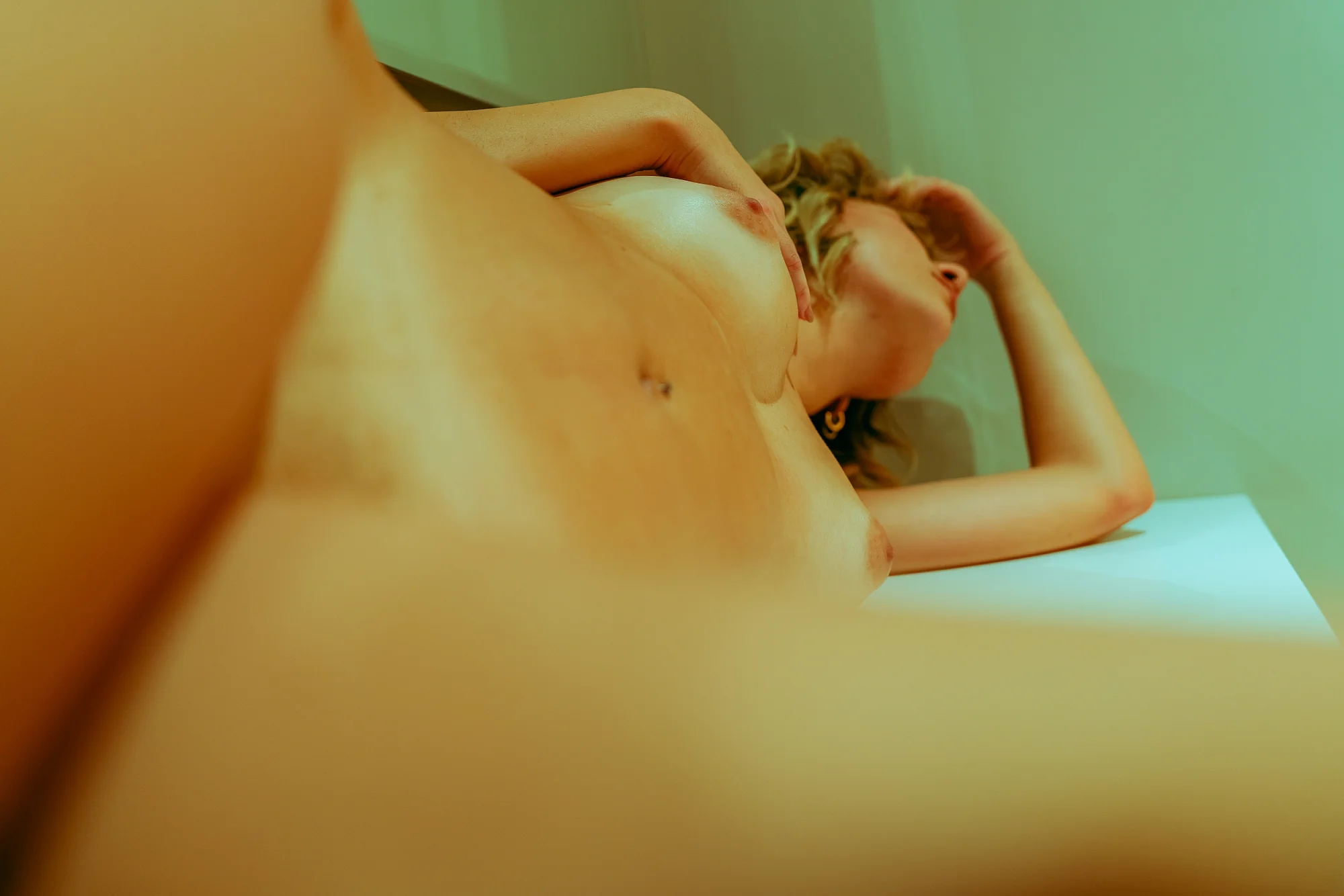
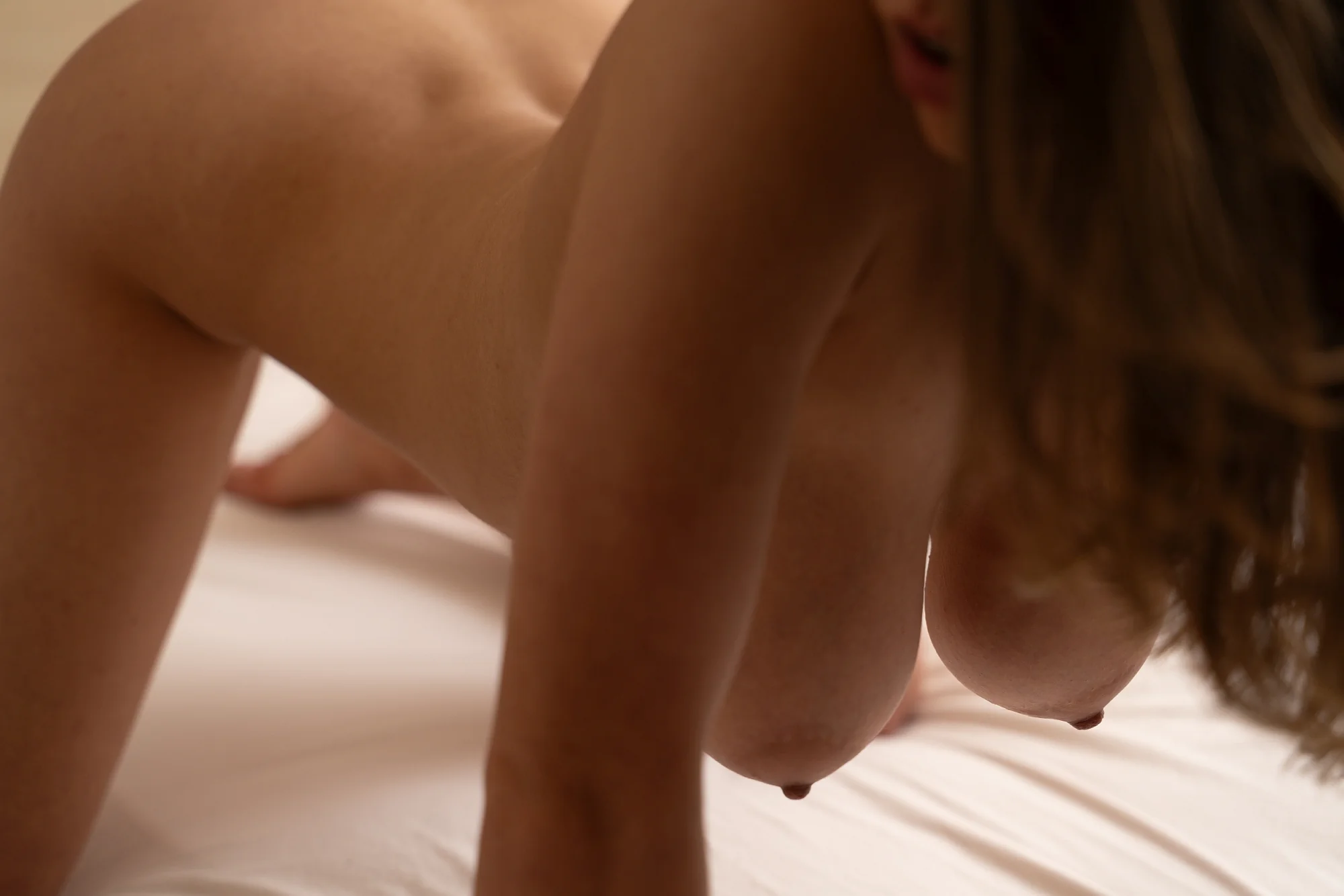
Crave is about appetite. The series photographs erotic pleasure through the senses: the warmth of skin, the slow weight of a liquid sliding across it, an open mouth, an eye that looks back. In The Pleasure of the Text (1973), Roland Barthes separated plaisir, the pleasure that comforts, from jouissance, the bliss that unsettles. Crave moves between the two. The camera comes close, close enough for the body to become texture and heat, and lets desire be what it is.
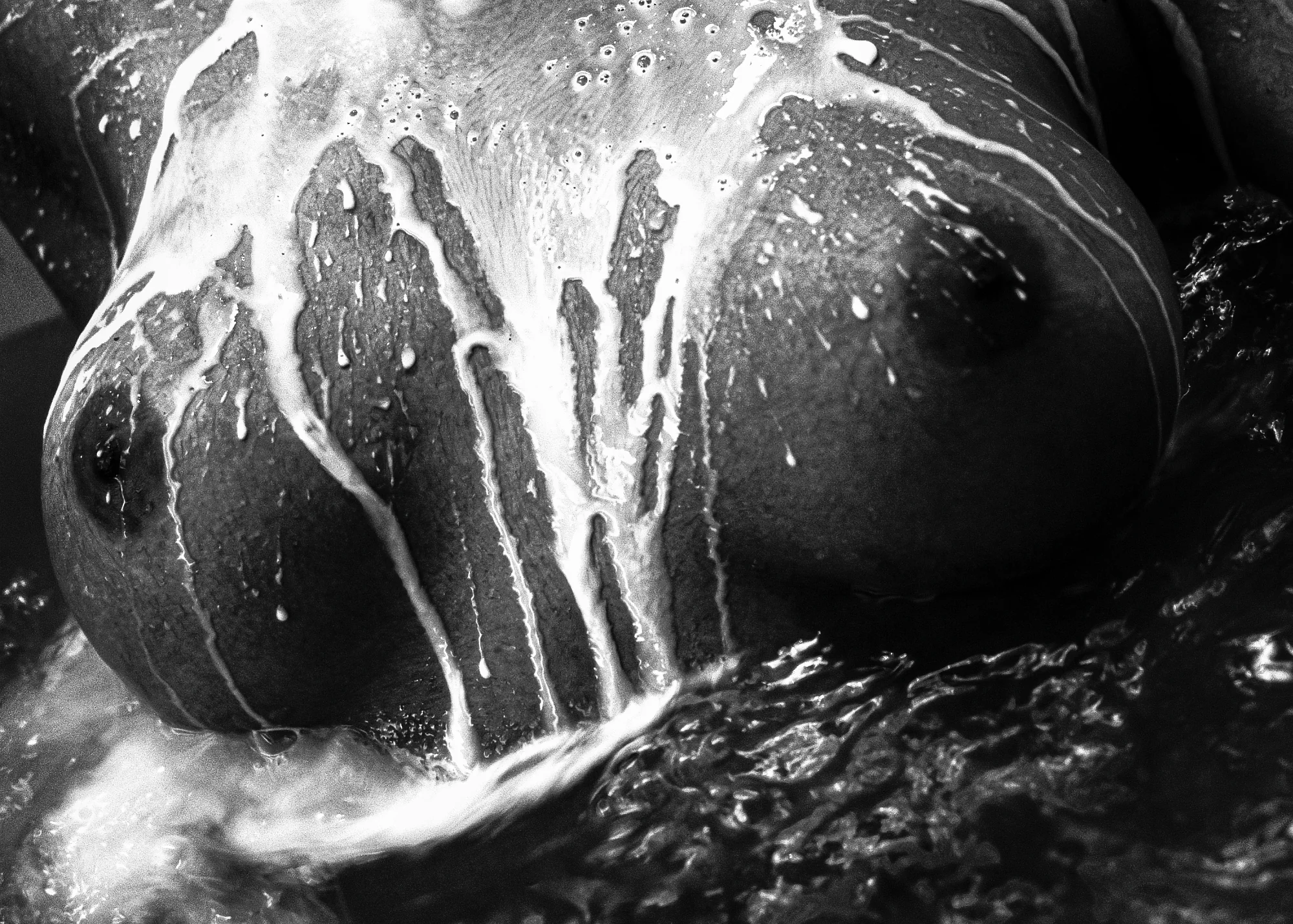
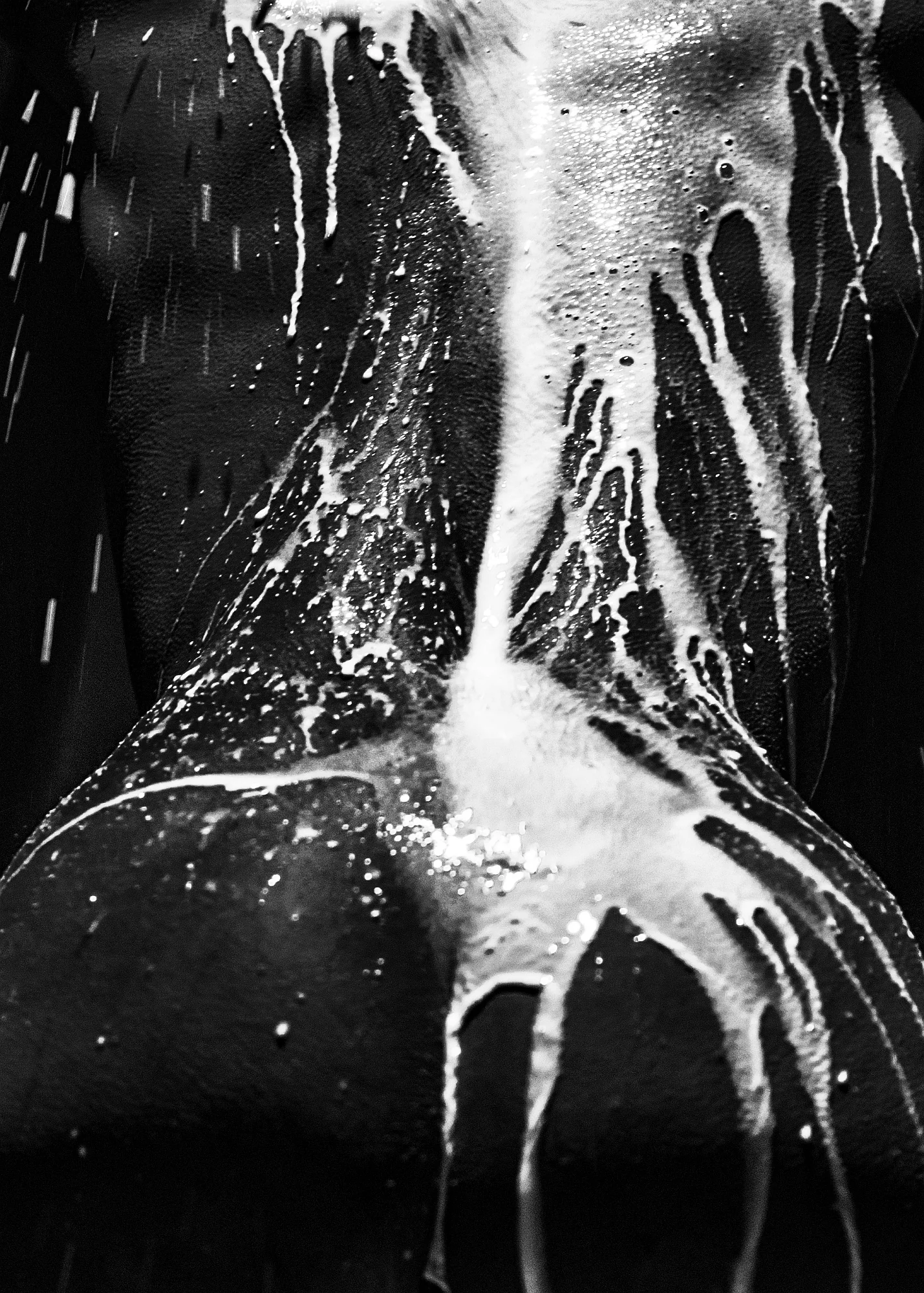
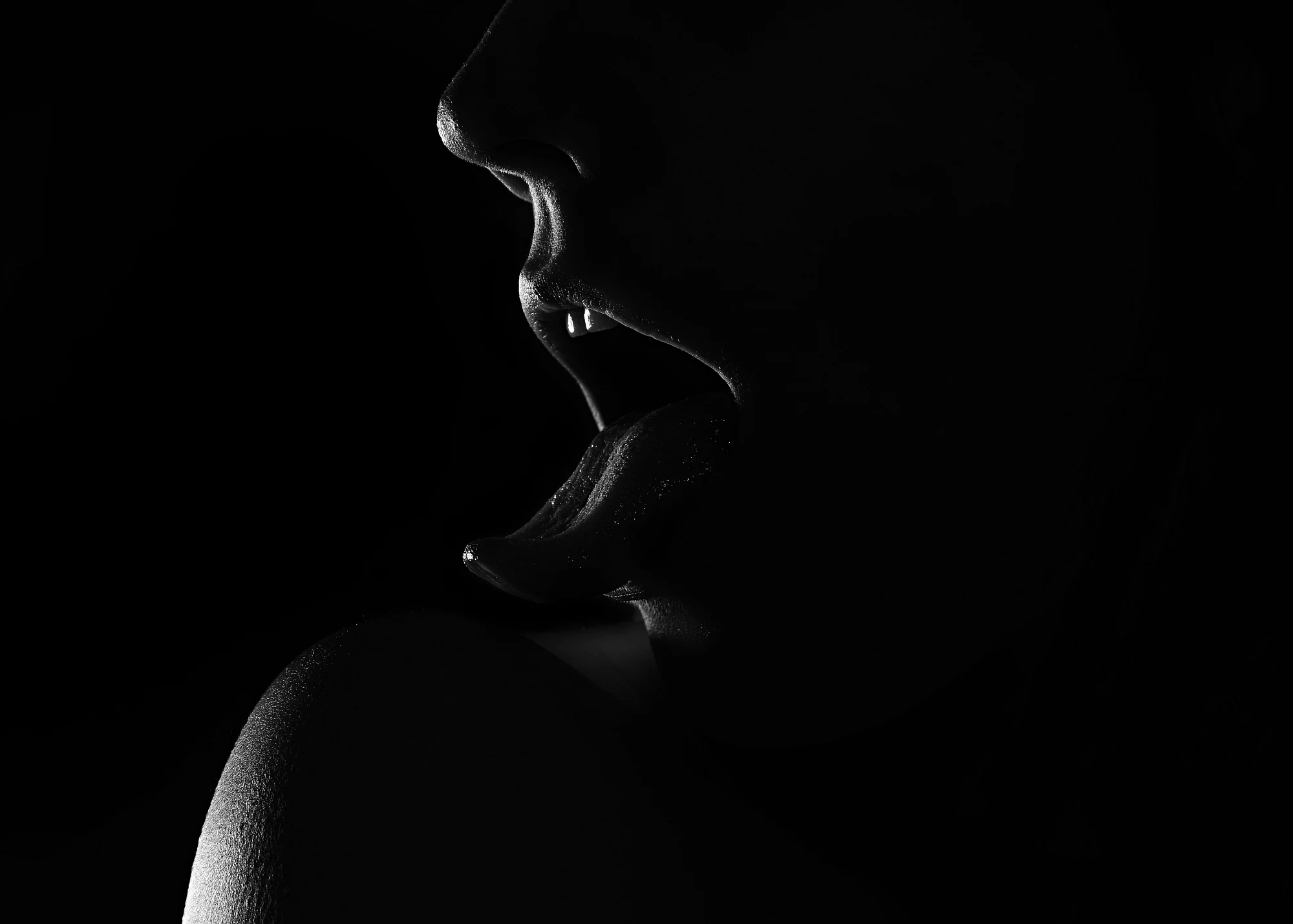
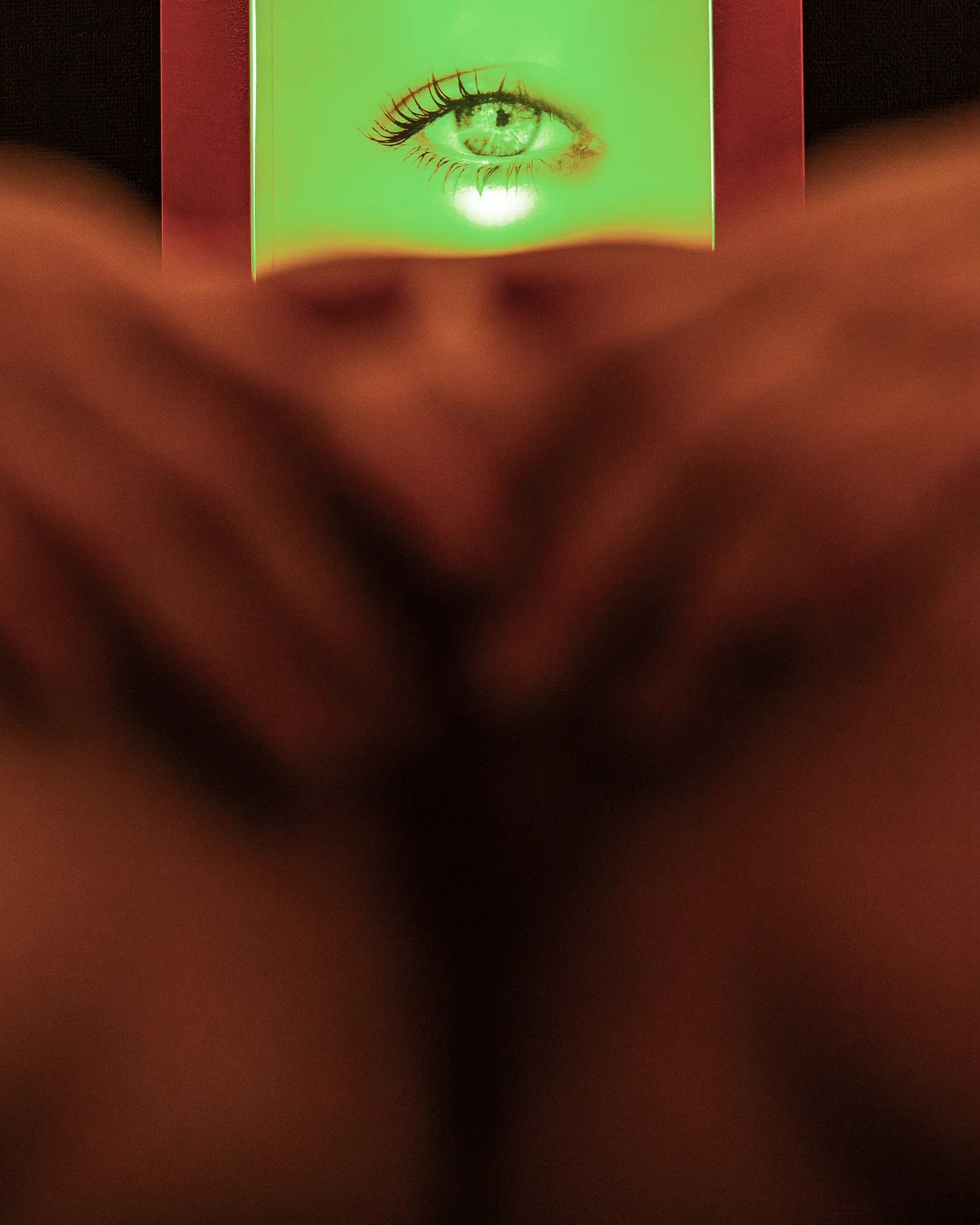
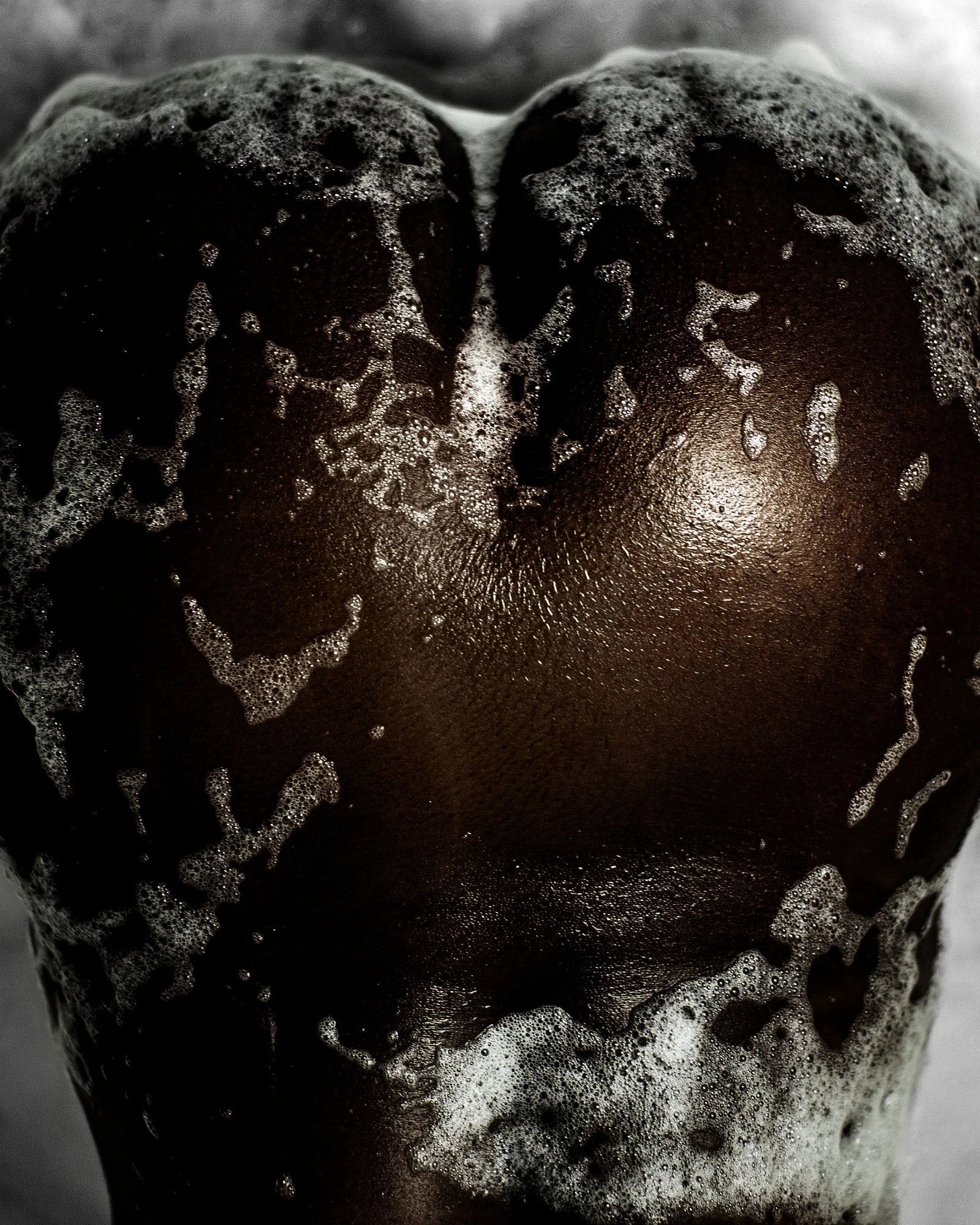
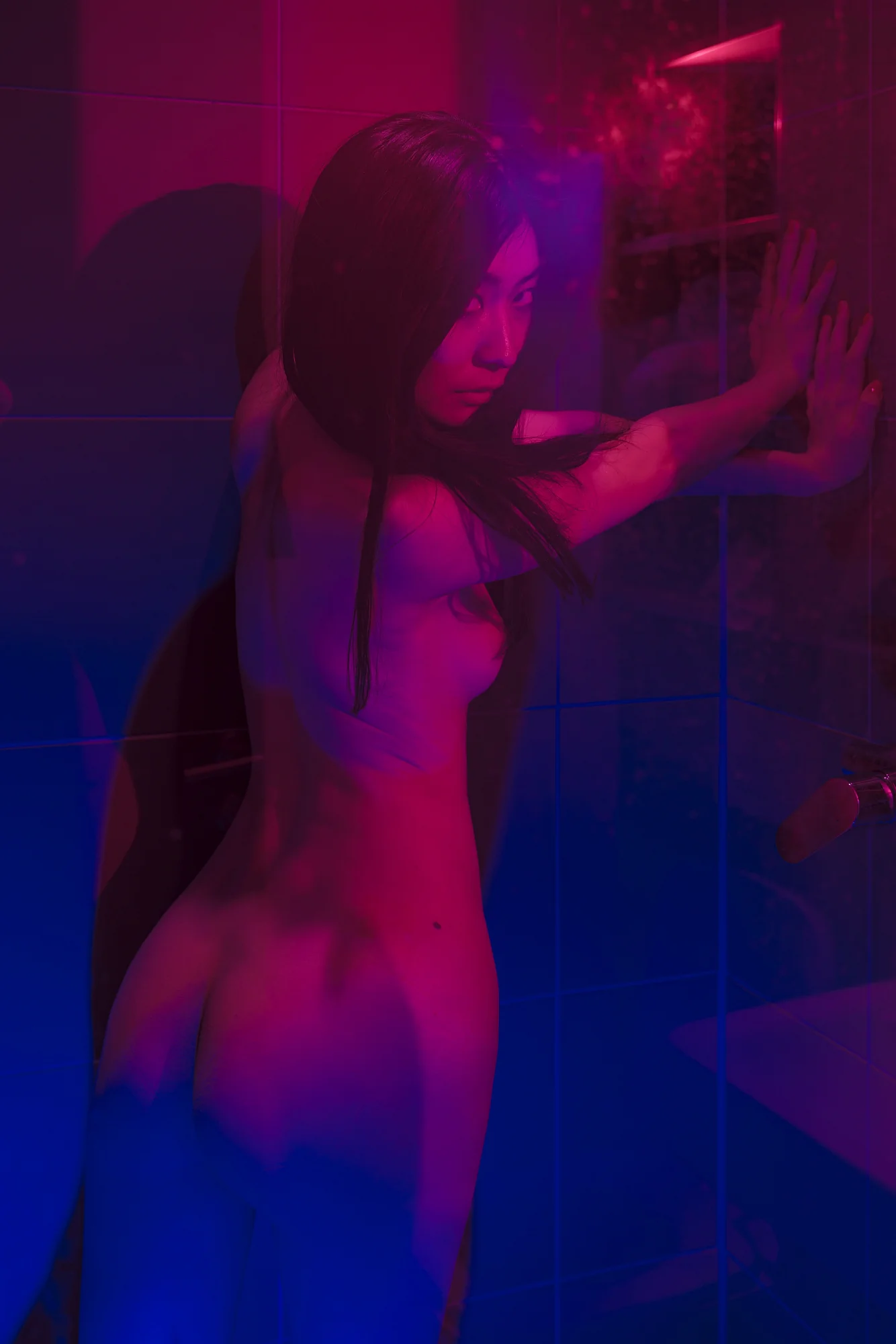
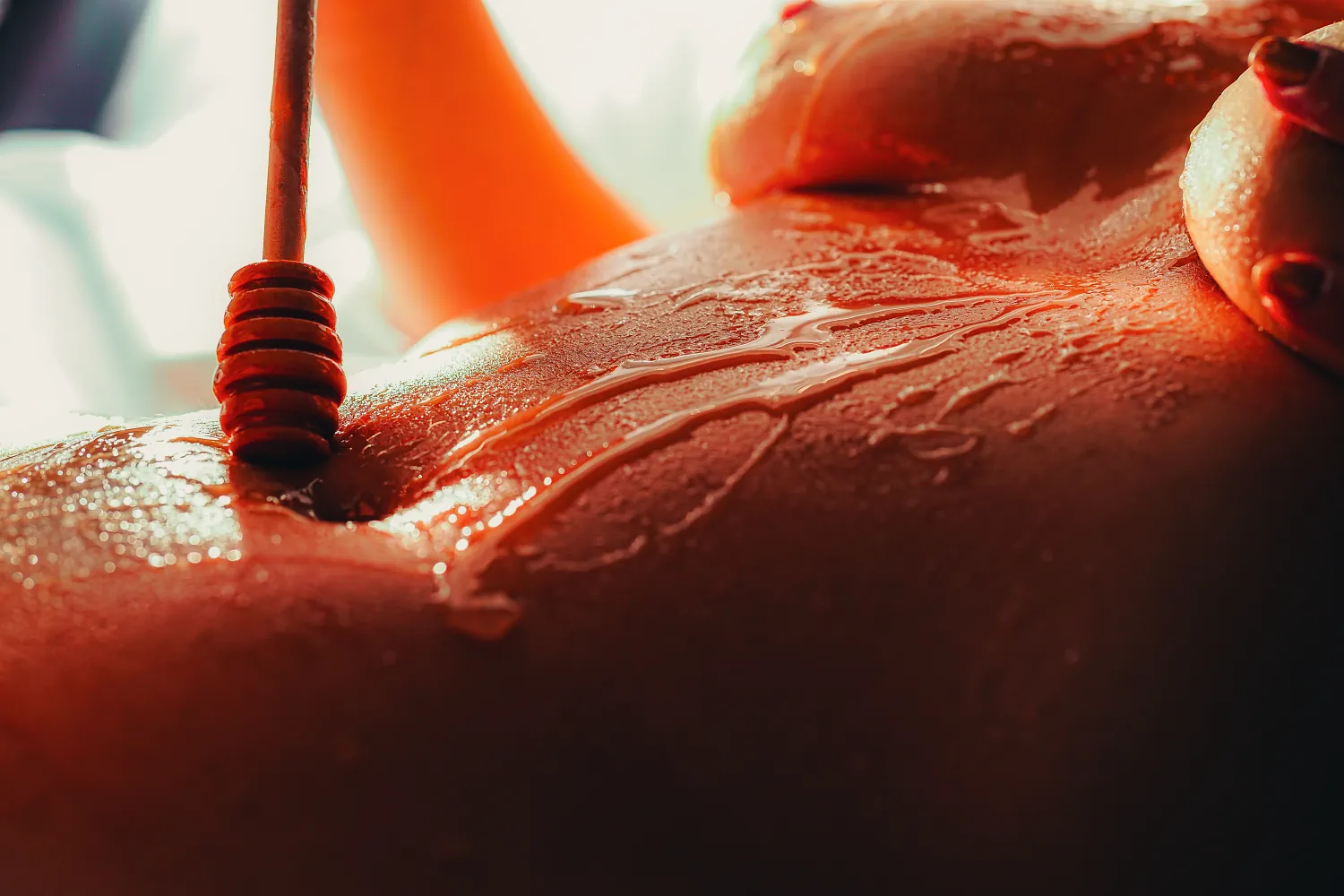
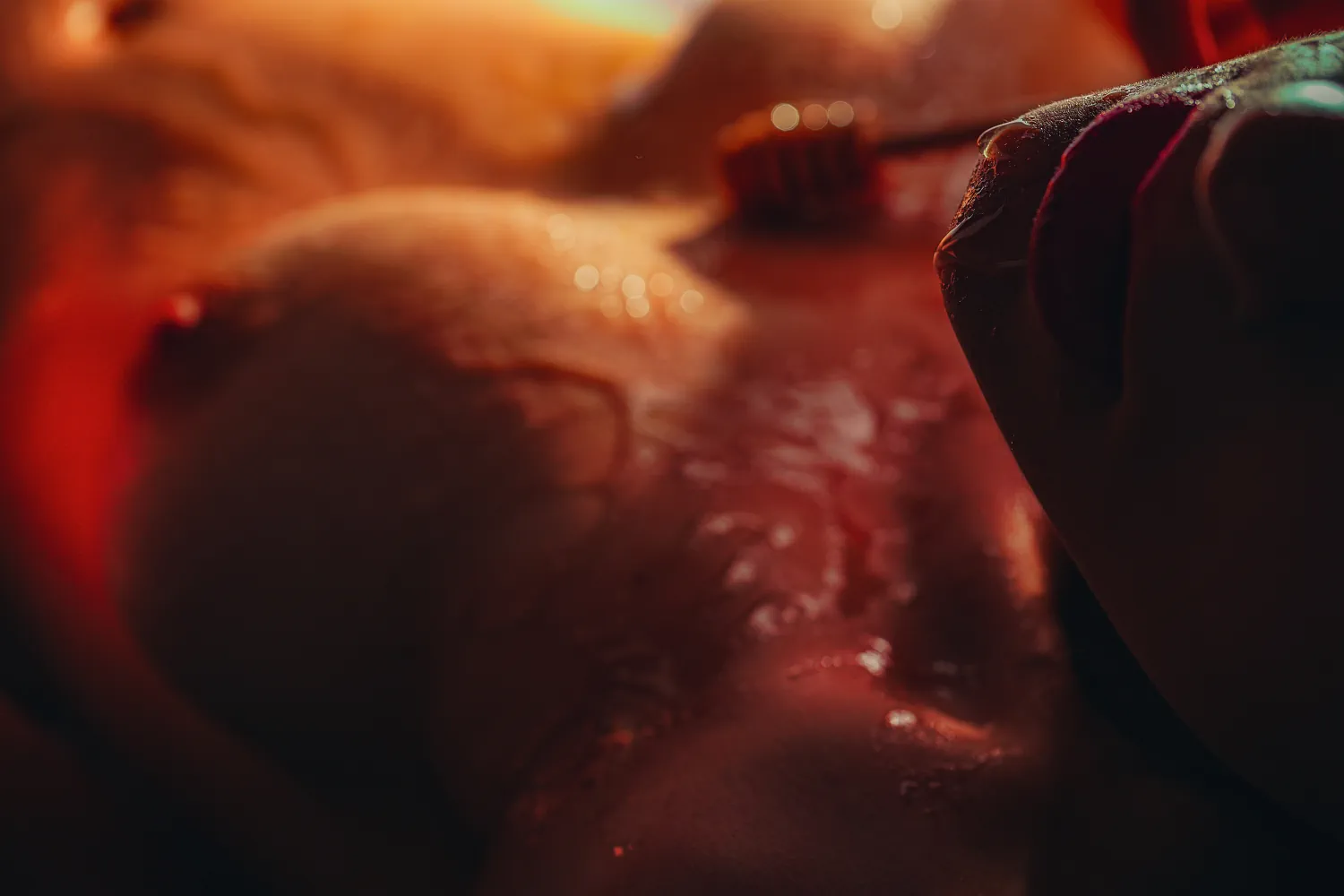
In one photograph, honey falls from a wooden dipper and gathers in the hollow of a belly, the whole frame glowing amber. In another, a pale liquid runs down a back and over the curve of the hips, caught in hard black-and-white light like rain on stone. An open mouth surfaces from total darkness. A woman leans against a wall bathed in violet light while her reflection in the mirror turns and looks straight at the viewer. An eye watches from a small green screen above a body softened into blur.
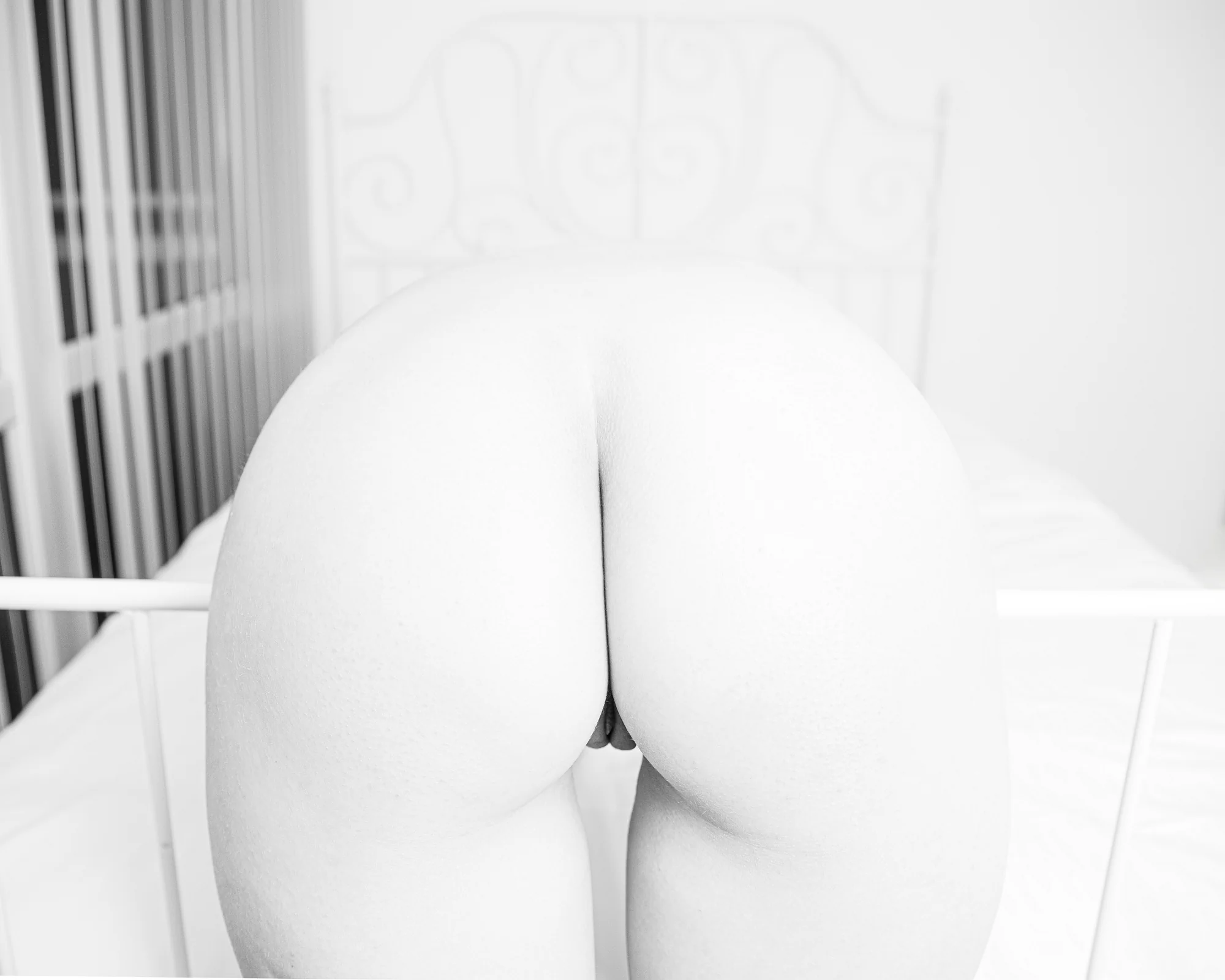
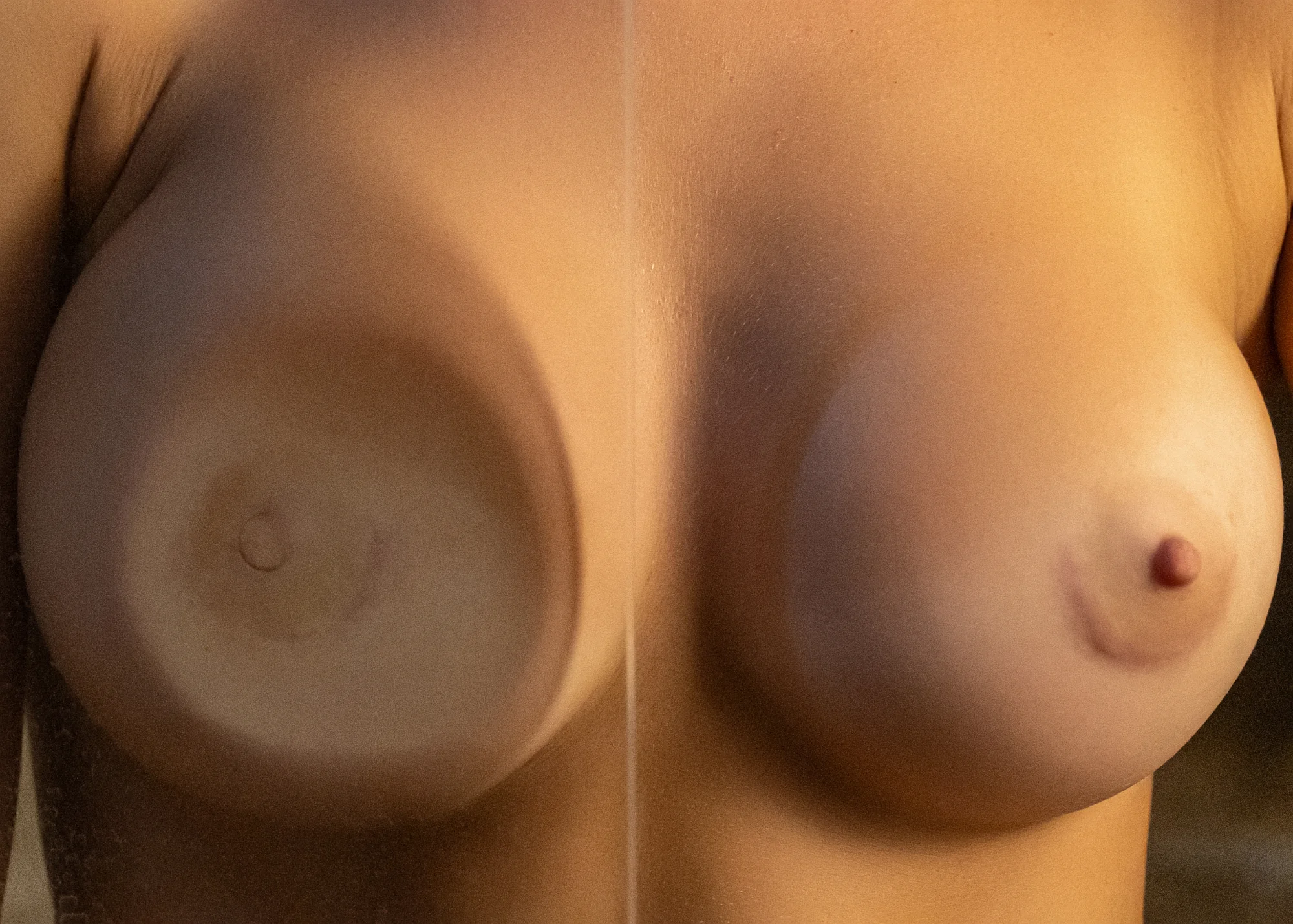
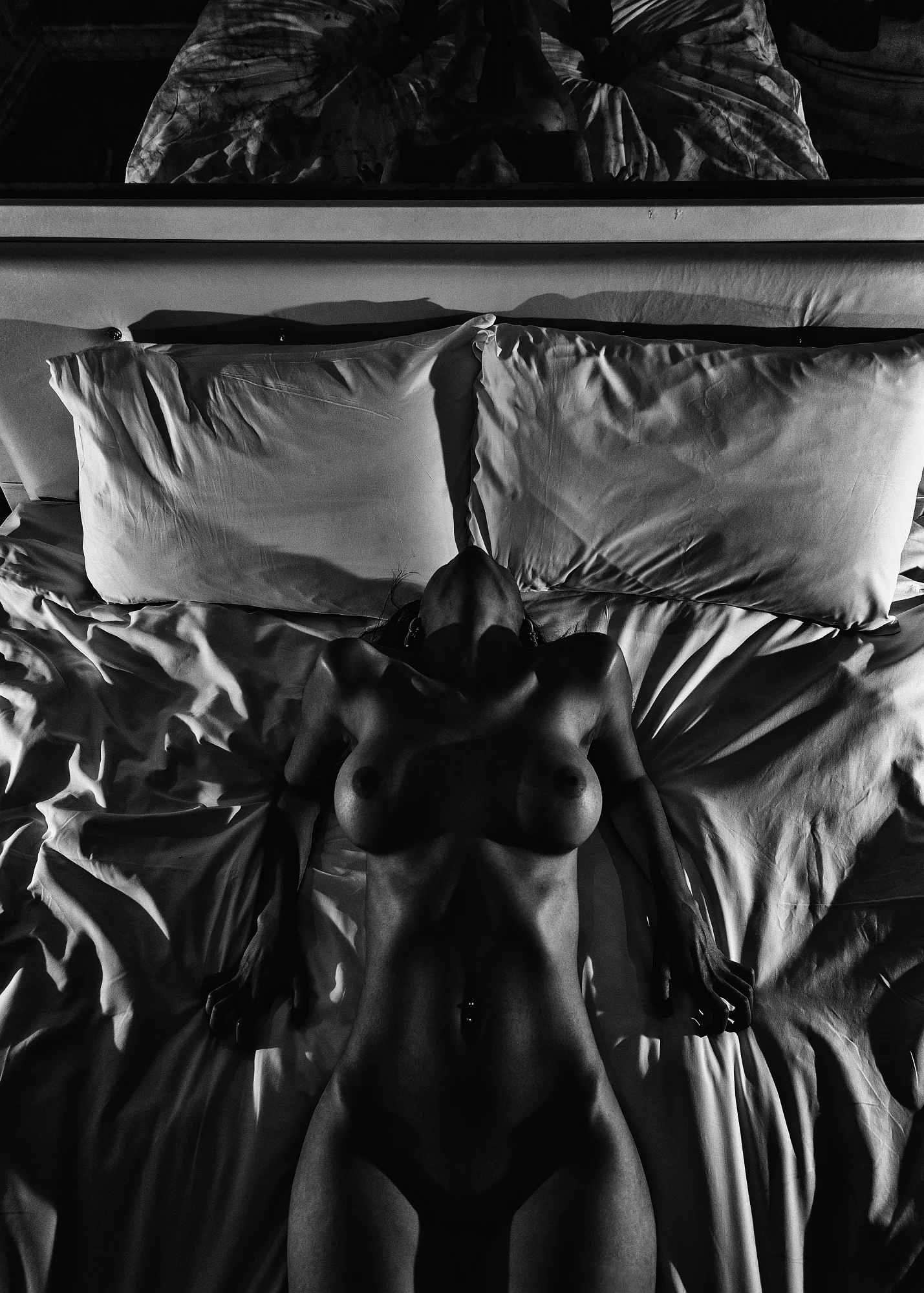
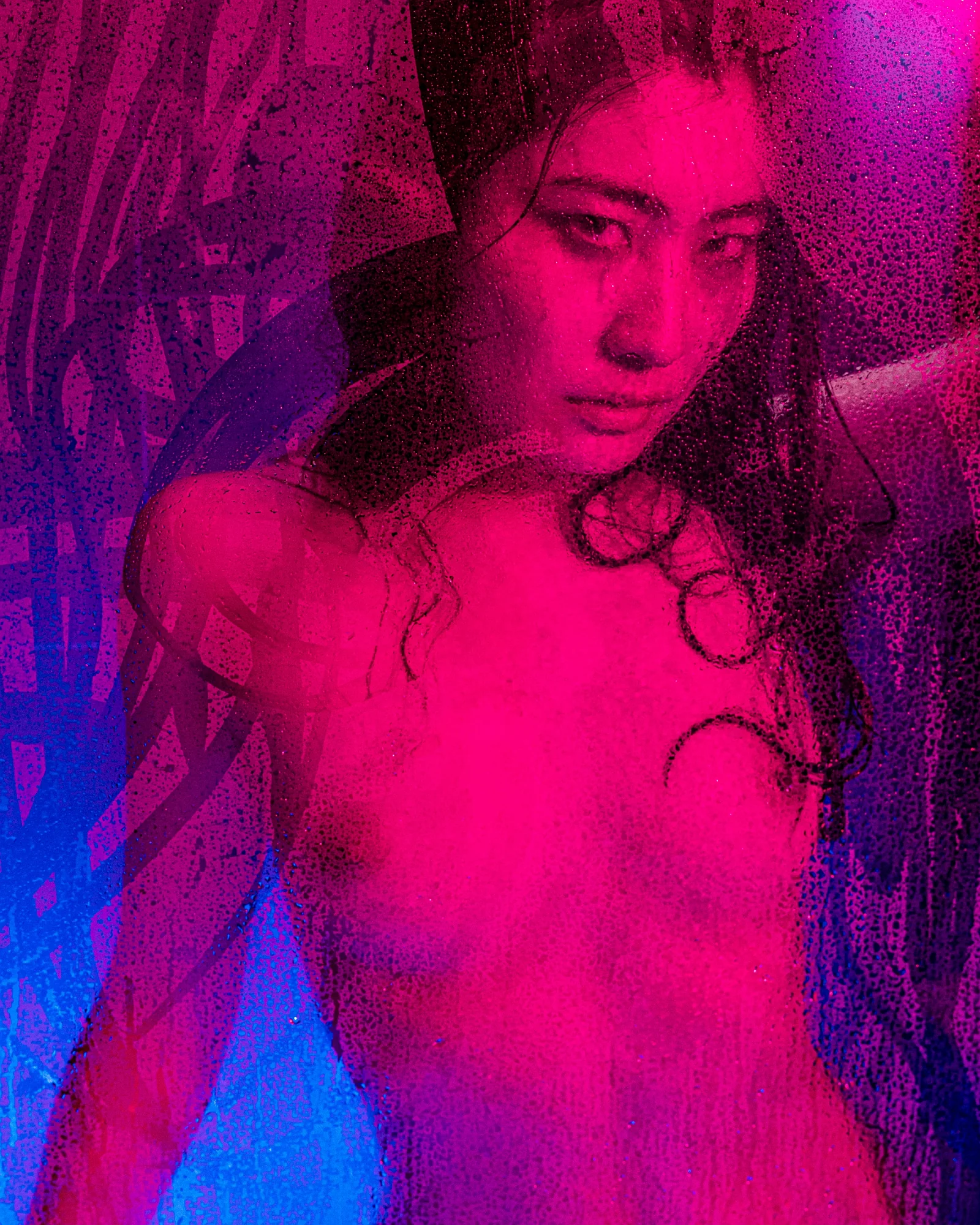
The visual grammar draws on two traditions. One is the chiaroscuro of baroque intimacy, where skin emerges from darkness into a single source of light and flesh and shadow carve each other. The other is the chromatic photography that followed Nan Goldin and Wolfgang Tillmans, where colour itself becomes emotional weather. In Crave the two meet: honey-warm ambers and reds, the artificial glow of violet and green, and black and white that turns skin and liquid into pure contrast. The framing stays tight, cropping the body to the place where sensation happens.
Georges Bataille, in Erotism (1957), described eroticism as the moment when a body briefly escapes its own separateness. Audre Lorde, in "Uses of the Erotic" (1978), claimed the erotic as a source of knowledge and power, something to be trusted rather than hidden. Between these two positions, Crave treats pleasure as a way of knowing the body from the inside, through taste, touch, and the act of looking.
Desire also lives in what stands in its way. Elsewhere in the series, smoke, fogged glass, and coloured light slip between two bodies, and the photographer becomes a witness arriving a moment too late, catching the heat of something that has just happened, or is about to. In Barthes's A Lover's Discourse, desire lives in waiting: a relation to what almost, but not quite, arrives.
Susan Sontag ended Against Interpretation (1964) by calling for "an erotics of art." Crave takes her at her word. It does not hide its pleasure or ask the viewer to look away; it asks to be felt before it is explained, and in some frames, the image looks back.
Selected Works