

Exposició col·lectiva de fotografia · Barcelona
Exposición colectiva de fotografía · Barcelona
Collective photography exhibition · Barcelona
Nudes of Istanbul · Barcelona
- Galeria Uxval Gochez
Carrer de Sicília 382, 08025 Barcelona - Inauguració: divendres 20 de novembre, a les 19:30 · Entrada lliure
- Presentació del llibre: dissabte 21 de novembre, a les 12:00
- LOOP City Screen: projecció del documental Nudes of Istanbul: The Body and the Room, de Meryem Aydın · 20 i 21 de novembre
- Horari: de dilluns a divendres, d'11:00 a 14:00 · Altres hores amb cita prèvia
- 14 fotògrafs i 3 models autores d'Istanbul · Comissariada per Burak Bulut Yıldırım
- Galería Uxval Gochez
Carrer de Sicília 382, 08025 Barcelona - Inauguración: viernes 20 de noviembre, a las 19:30 · Entrada libre
- Presentación del libro: sábado 21 de noviembre, a las 12:00
- LOOP City Screen: proyección del documental Nudes of Istanbul: The Body and the Room, de Meryem Aydın · 20 y 21 de noviembre
- Horario: de lunes a viernes, de 11:00 a 14:00 · Otros horarios con cita previa
- 14 fotógrafos y 3 modelos autoras de Estambul · Comisariada por Burak Bulut Yıldırım
- Uxval Gochez Gallery
Carrer de Sicília 382, 08025 Barcelona - Opening: Friday 20 November, 19:30 · Free admission
- Book presentation: Saturday 21 November, 12:00
- LOOP City Screen: screening of the documentary Nudes of Istanbul: The Body and the Room by Meryem Aydın · 20 and 21 November
- Hours: Monday to Friday, 11:00 to 14:00 · Other times by appointment
- 14 photographers and 3 model-authors from Istanbul · Curated by Burak Bulut Yıldırım
Curatorial Project: International Exhibitions & Publication
Nudes of Istanbul
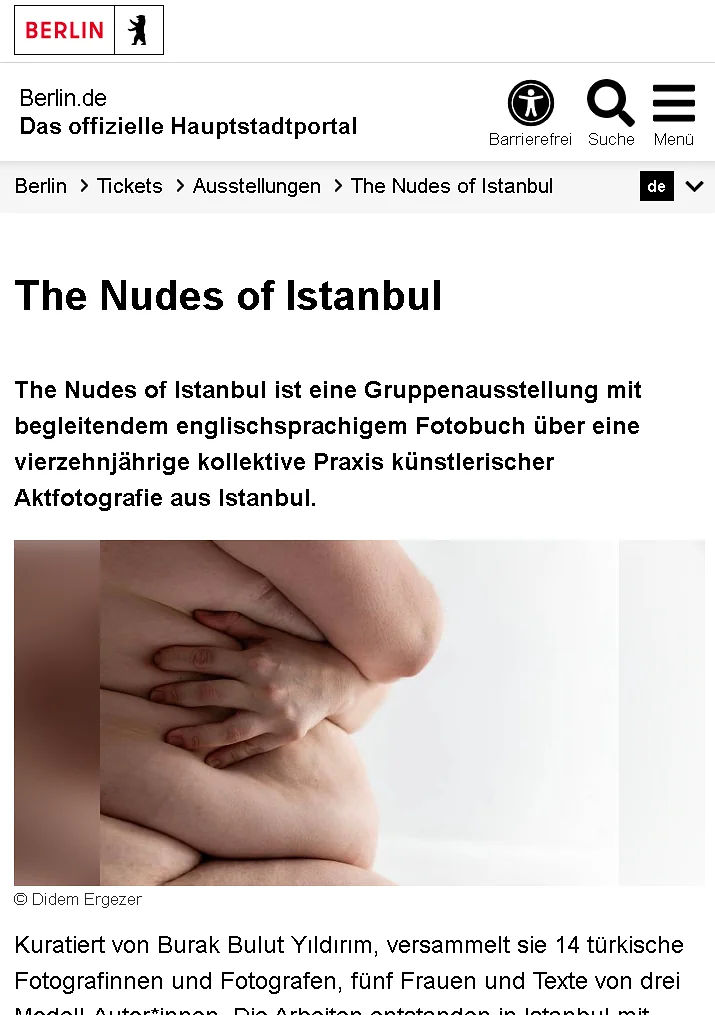
A collective photobook and travelling photography exhibition from Istanbul, centred on the body
Fourteen photographers and three model-authors, drawn from fourteen years of body-based photographic production in Istanbul. An English-language hardcover and an international exhibition programme that opened in Berlin and continues in Barcelona.
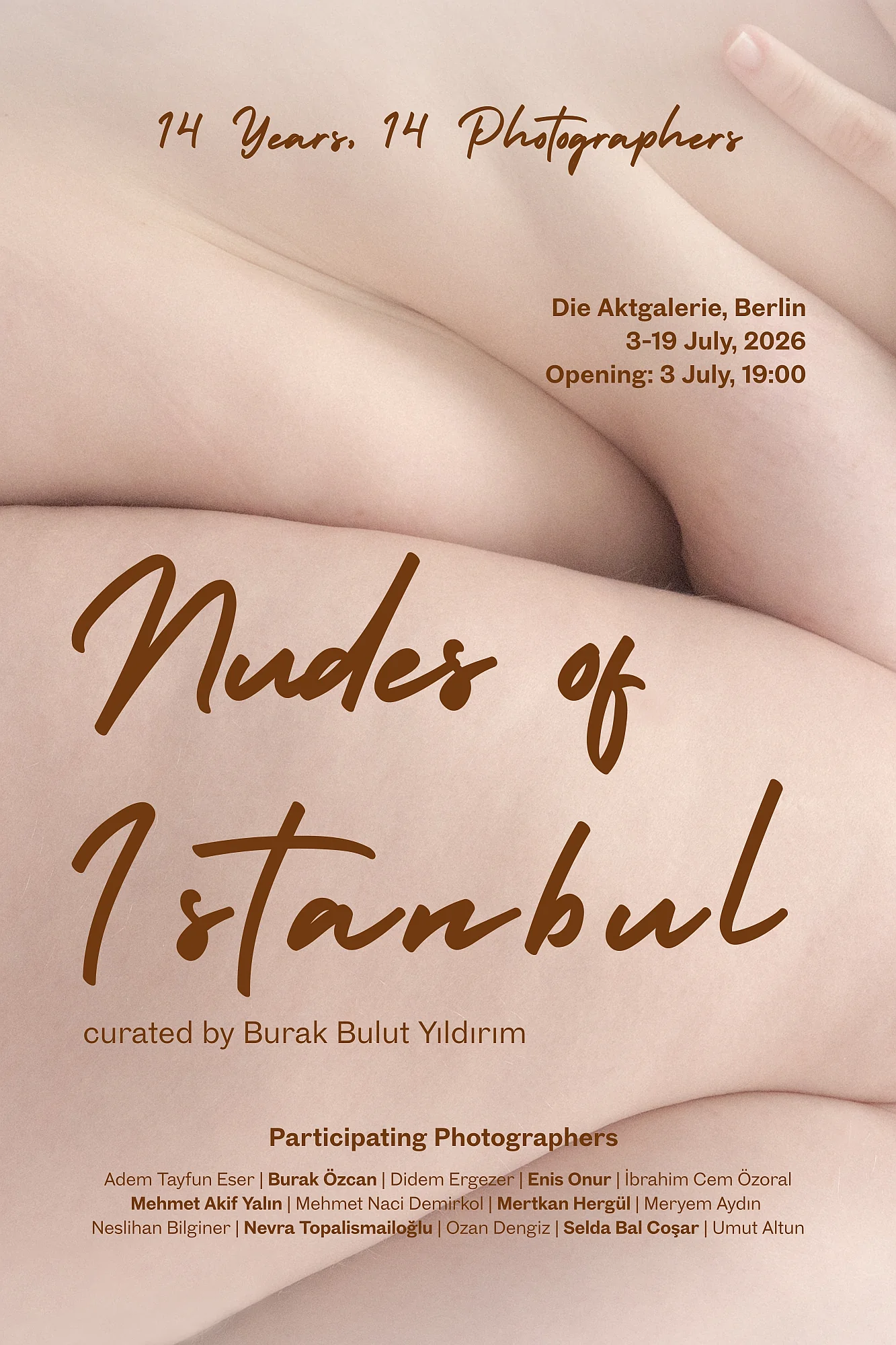
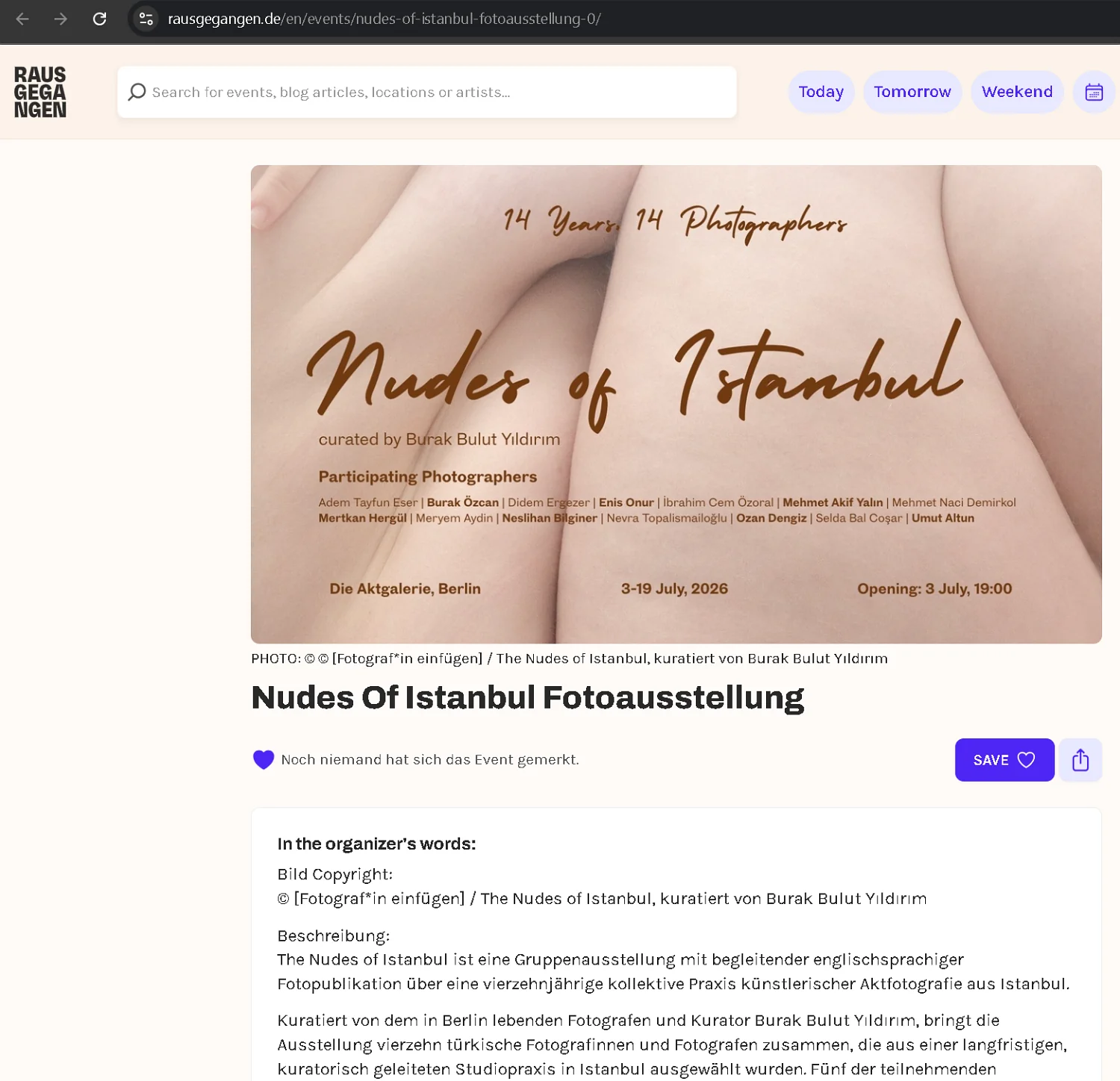
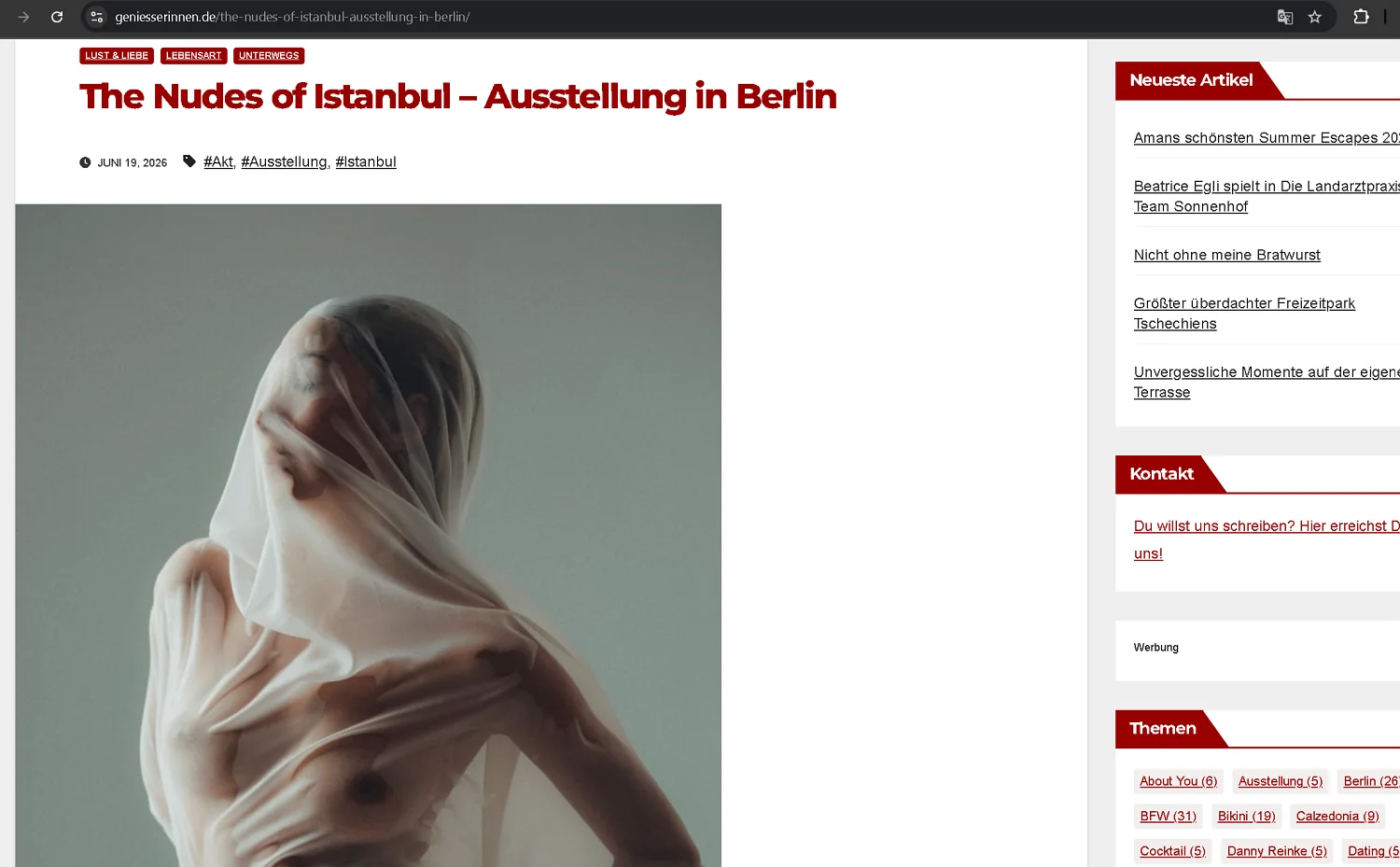
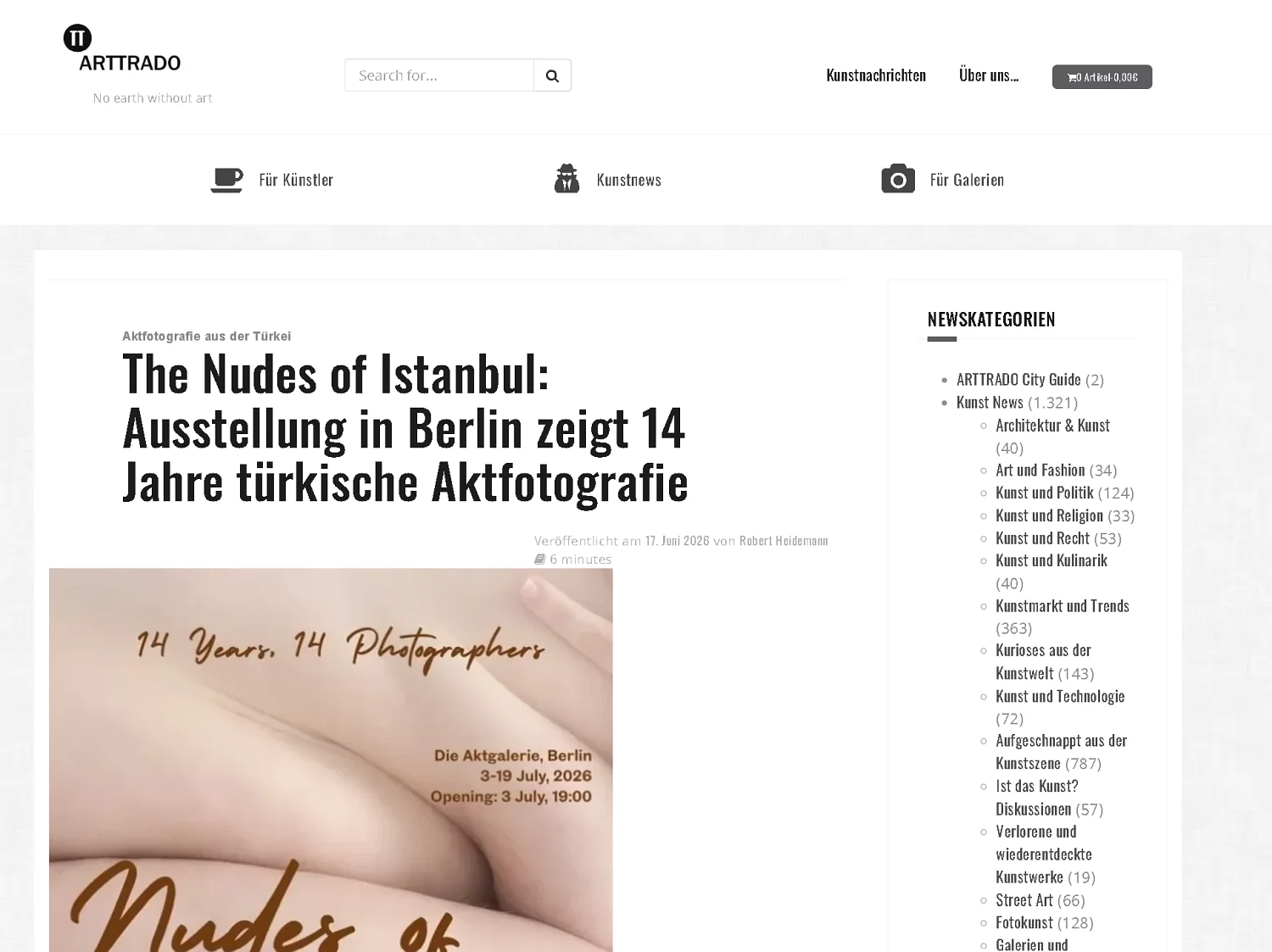
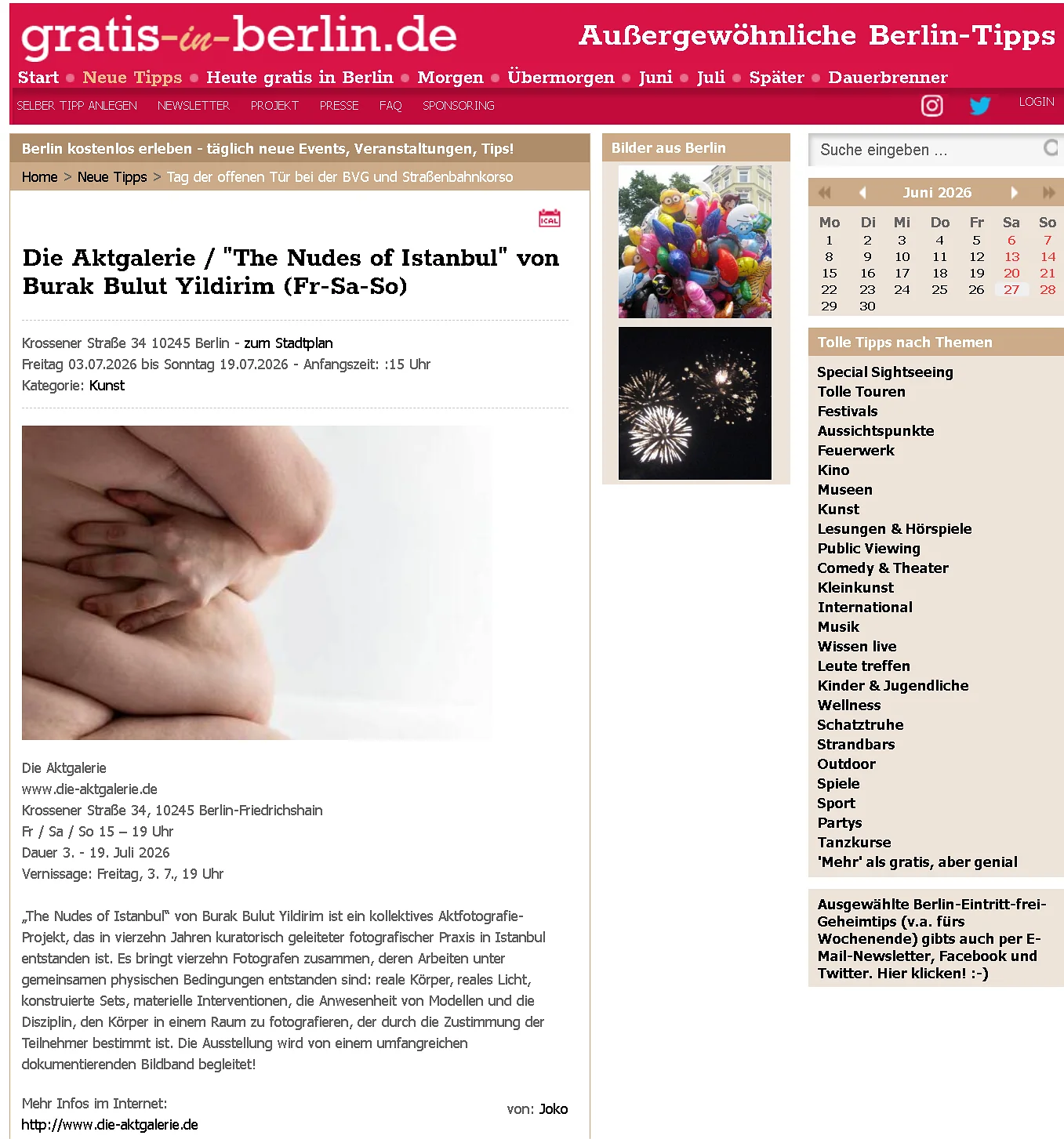
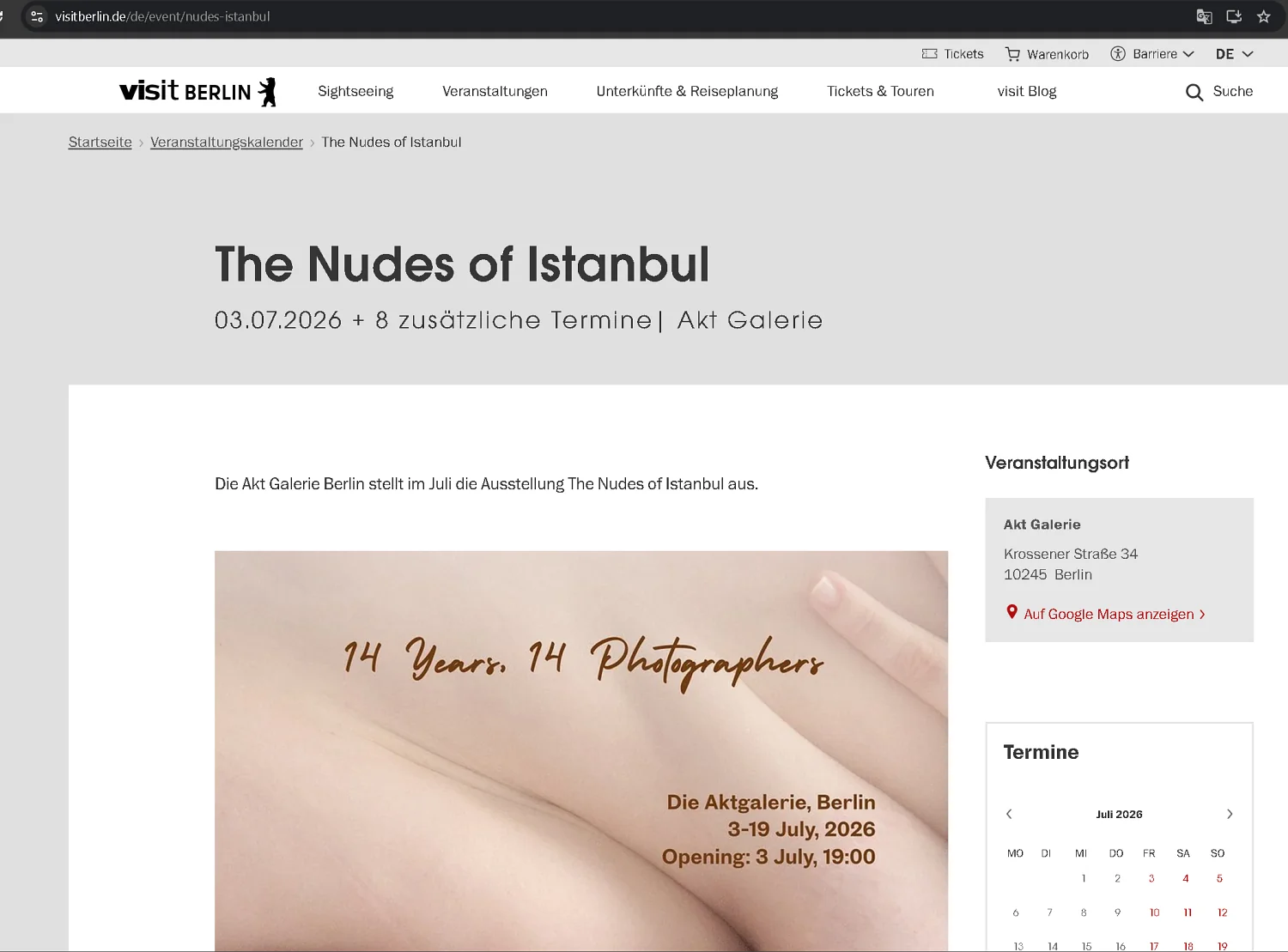
Nudes of Istanbul is a collective photography exhibition and photobook curated by Burak Bulut Yıldırım, bringing together fourteen photographers and three model-authors from Istanbul around the photographed body. After Die Akt Galerie in Berlin (July 2026), the exhibition runs at Uxval Gochez Gallery, Carrer de Sicília 382, Barcelona, from to . The accompanying English-language hardcover is published by Mijuk Papers, Berlin, ISBN 978-3-00-087439-0.
Barcelona Press Kit
· Berlin Press Kit
Press images, publication and institutional enquiries: info@burakbulut.info
Nudes of Istanbul is a collective photography project on the body, formed across fourteen years of curator-directed photographic practice in Istanbul. It brings together fourteen photographers whose works were made within shared working conditions: constructed sets, a lighting environment developed by the curator, a model present in the room, and the discipline of photographing a person on the basis of explicit consent.
The project follows one specific lineage: a long-term collective practice shaped by repeated productions in Istanbul. Burak Bulut Yıldırım developed its curatorial framework, lighting environment, casting decisions, and material conditions; the final image belonged to each photographer's frame, distance, timing, and decision. The project is neither a national survey nor an exhibition of the curator's own work. He has no photographs in the exhibition or in the book's interior selection.
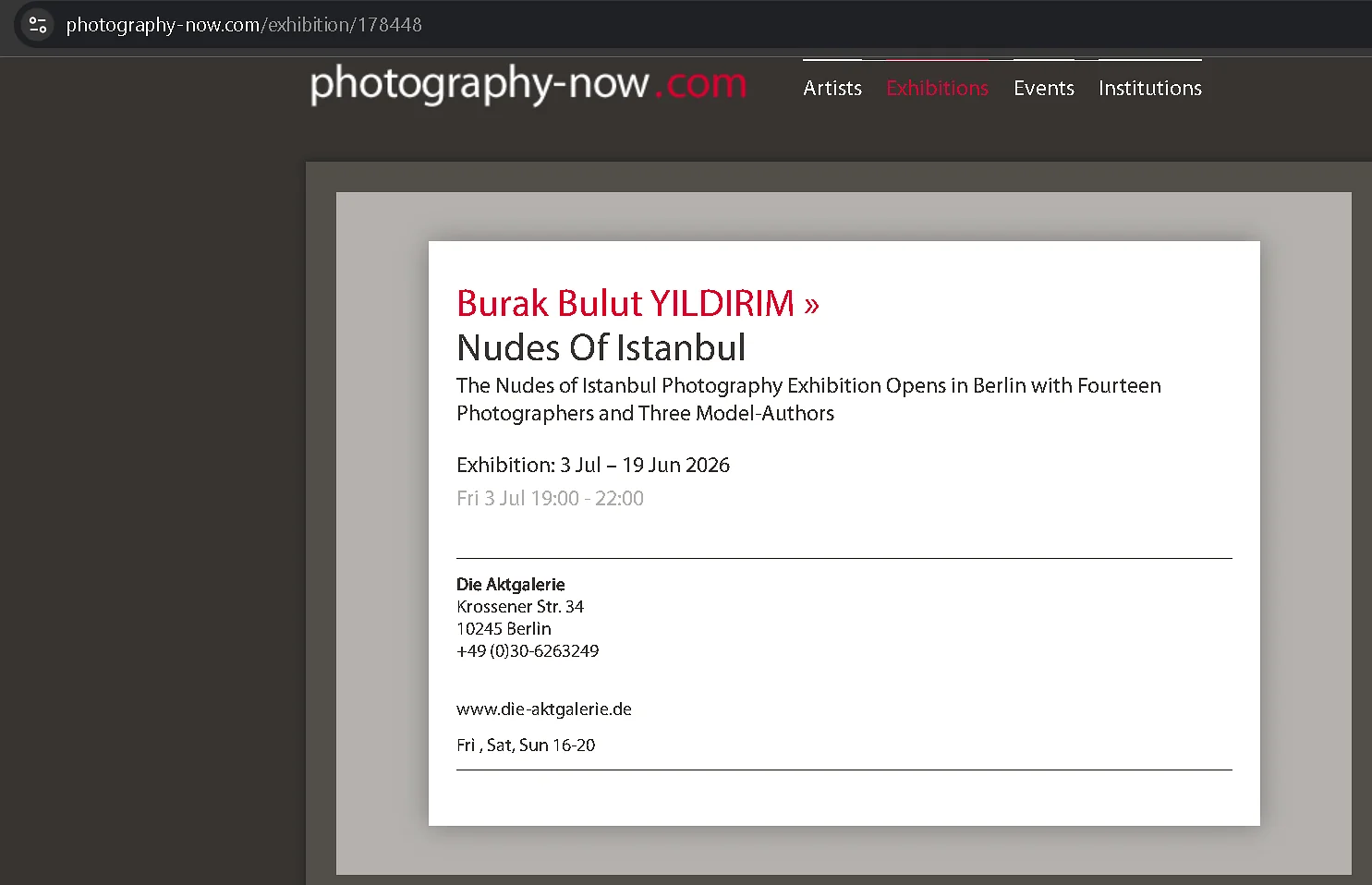
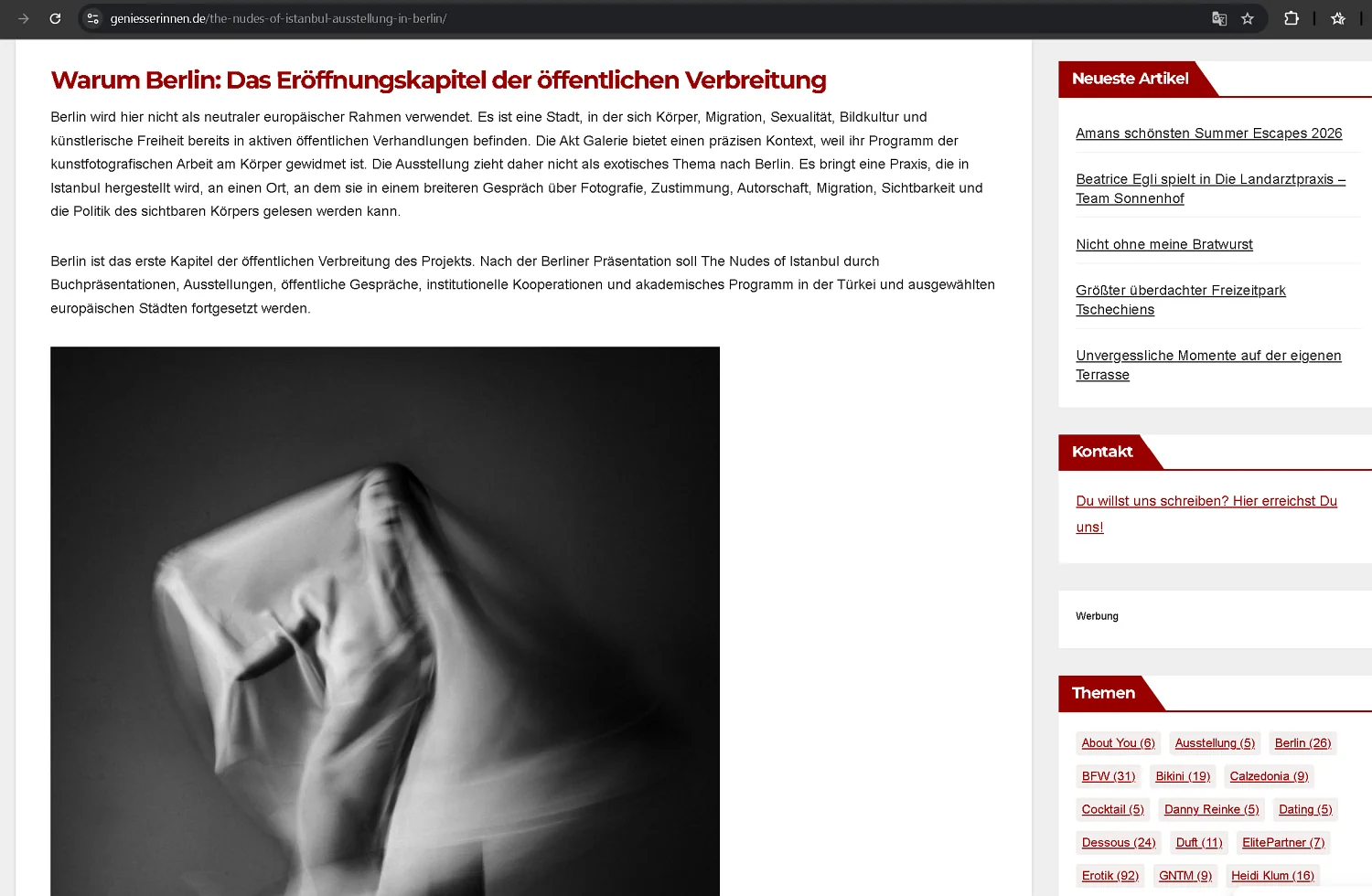
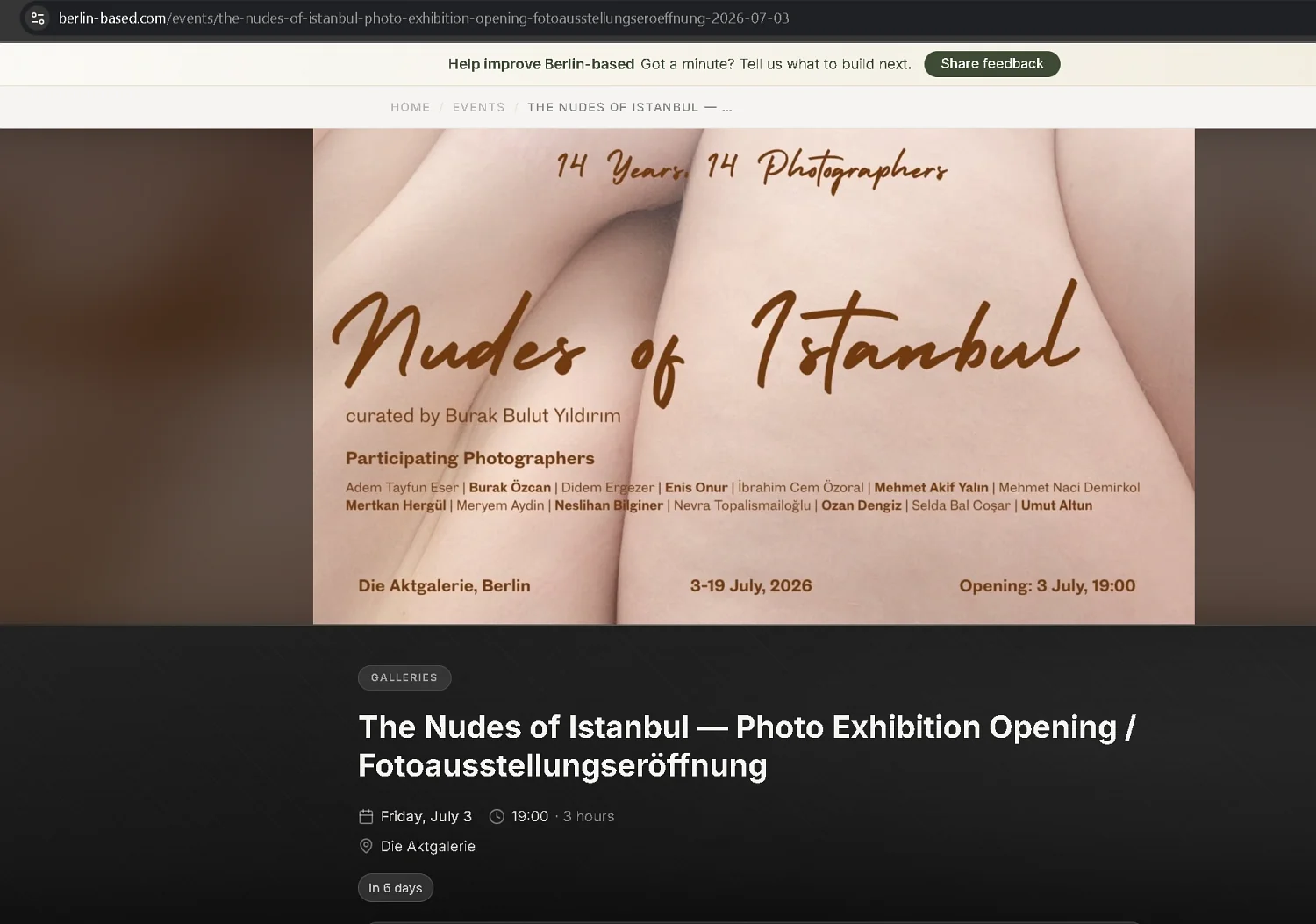
The Berlin exhibition at Die Akt Galerie, presented from 3 to 19 July 2026 with 28 photographs, opened the project's public international circulation. The second presentation runs at Uxval Gochez Gallery in Barcelona from 20 November to 4 December 2026, with an opening on 20 November at 19:30 and a public presentation of the photobook on 21 November at 12:00. On 20 and 21 November, during LOOP Barcelona, the gallery also screens the documentary Nudes of Istanbul: The Body and the Room, directed by Meryem Aydın, as part of LOOP City Screen. The book is conceived as an autonomous record, independent of any single venue, and circulates through art-book, institutional, library, academic, and curatorial contexts. London is an important context for that circulation, and further exhibition and programming possibilities are being explored.
Since publication, the book has entered several institutional libraries. The National Art Library at the Victoria and Albert Museum in London accepted a copy into its collection; Istanbul Modern Library holds a copy in Turkey; and deposit copies were delivered to the Deutsche Nationalbibliothek in Germany. These placements keep the book publicly accessible after any single exhibition has closed.
The curatorial foreword, "A Body Held in the Room", sets out the project's starting point: each photograph begins with a person who agreed to be present, and the book gives three of the models their own voice as authors.
"For fourteen years, we worked in Istanbul with Turkish models, Turkish photographers, and explicit consent. I did not want this project to treat the model as silent subject matter. Their voices had to be part of the book. With fourteen photographers from Istanbul, five women participants, and texts by three model-authors, Nudes of Istanbul brings into public view a sustained collective practice from a field that has remained only thinly visible in Turkey."
— Burak Bulut Yıldırım, Curator
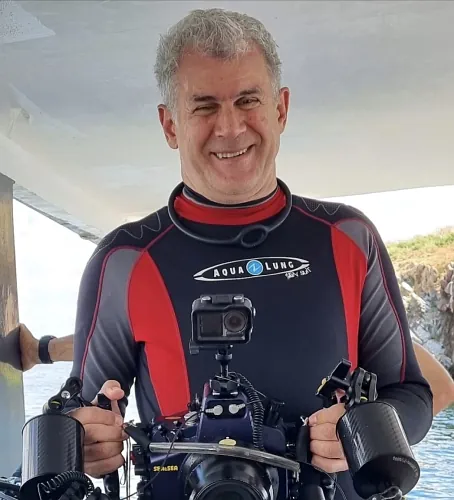
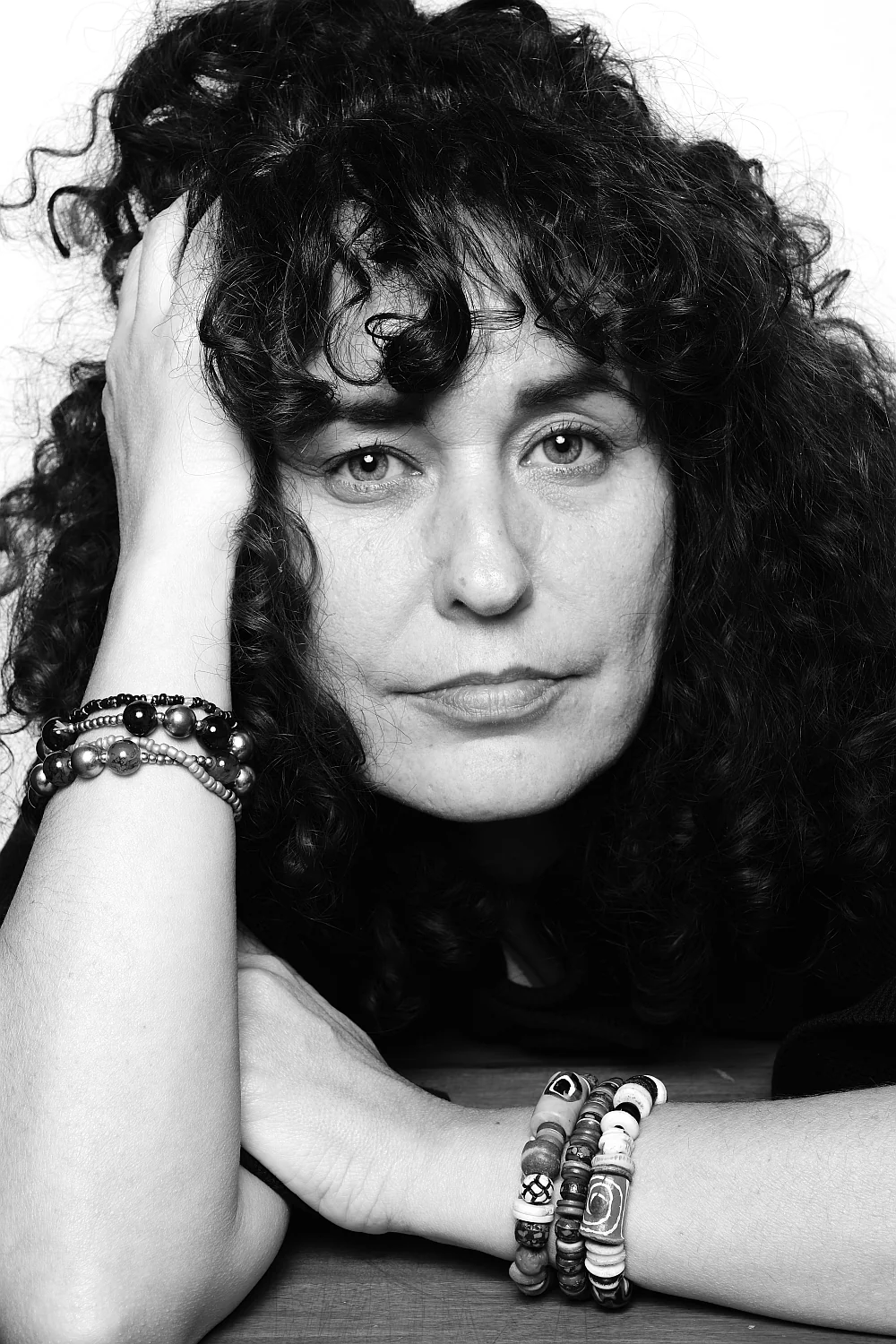
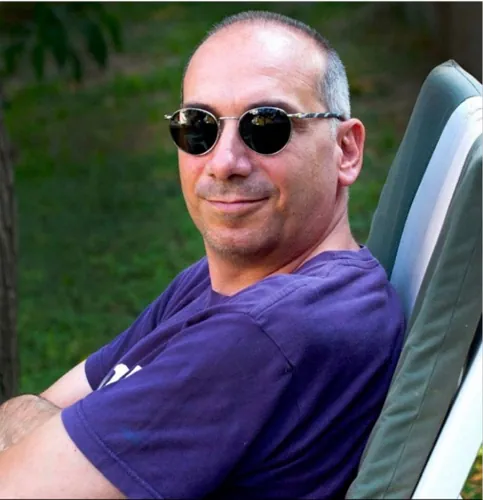
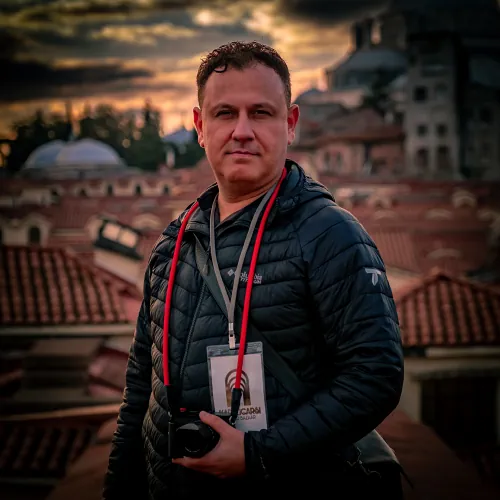
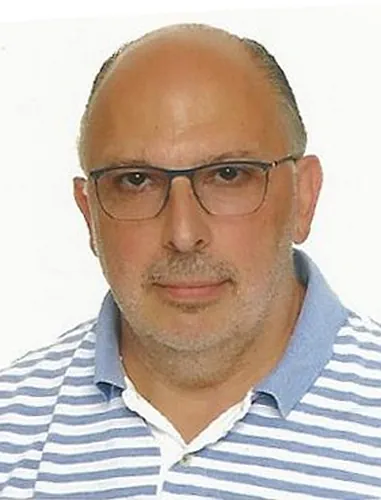
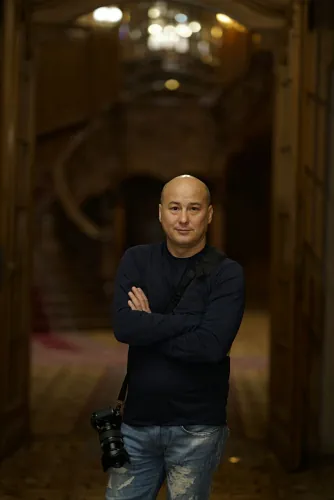
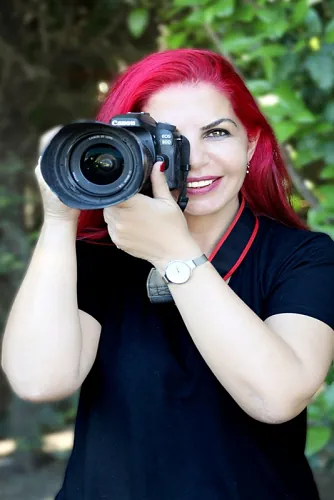
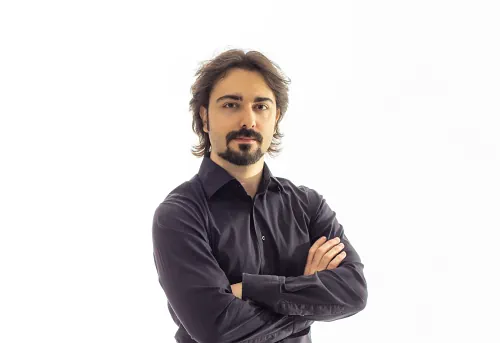
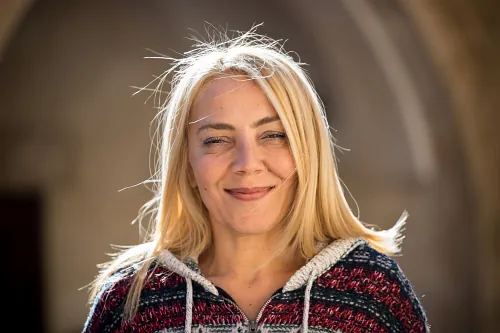
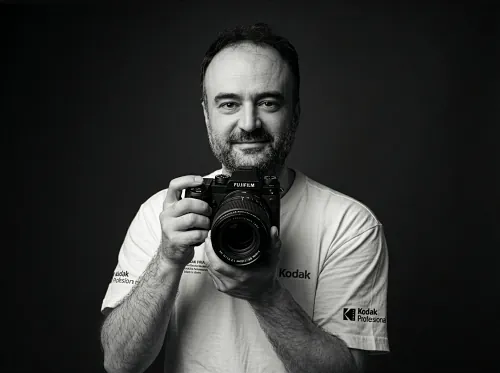
The Fourteen Participating Photographers
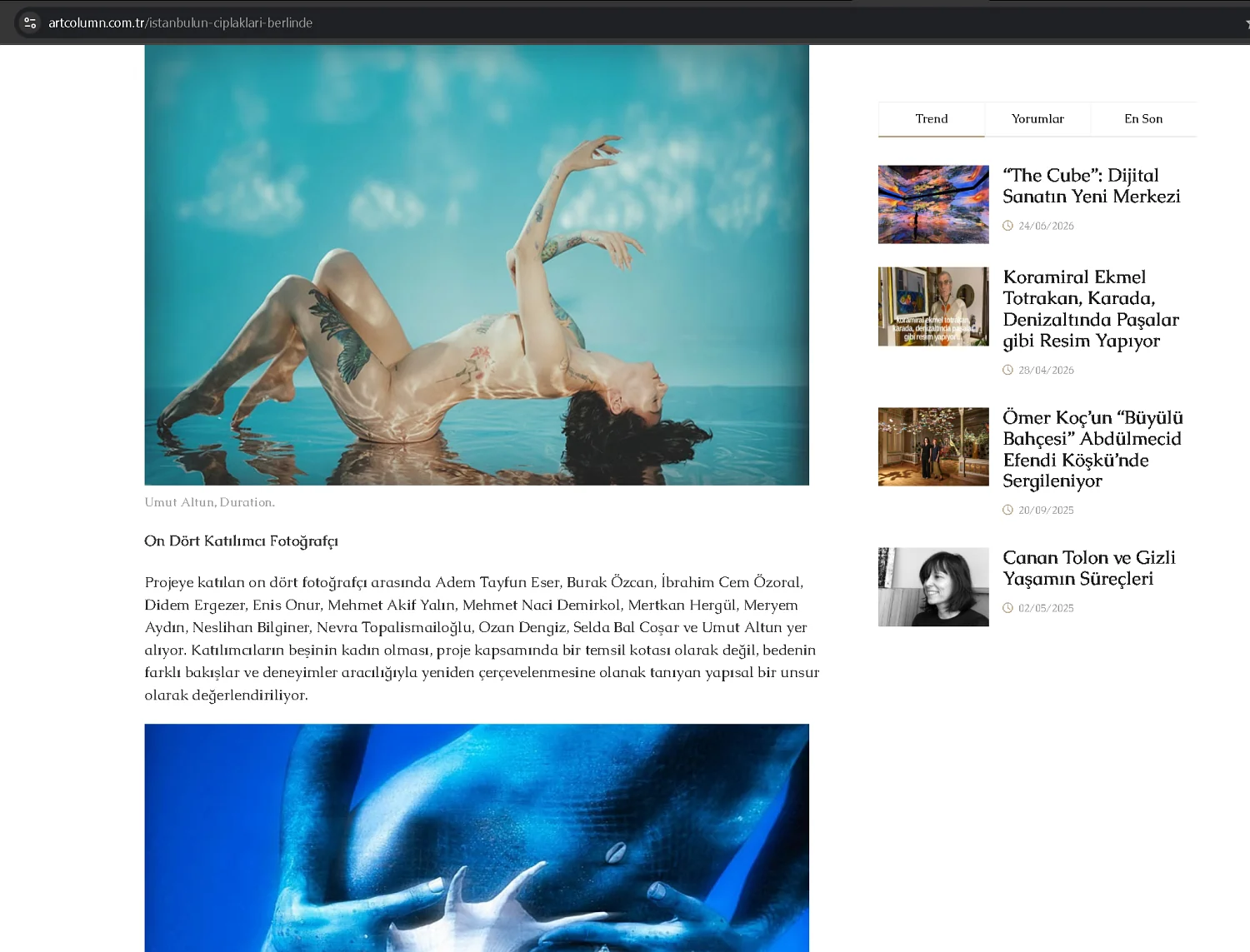
Fourteen photographers are presented in Nudes of Istanbul. They were selected from a sustained collective practice formed across fourteen years of curator-directed photographic production in Istanbul.
Selection was based on continuity of participation, technical and visual coherence, distinctness of photographic decision-making, and the ability of each photographer's work to contribute to a collective body without dissolving into it. Five of the fourteen participating photographers are women. This presence is not presented as a quota or corrective gesture, but as part of the project's authorship structure: the body is seen, framed, withheld, and released into public view through different positions of looking, distance, restraint, and self-possession.
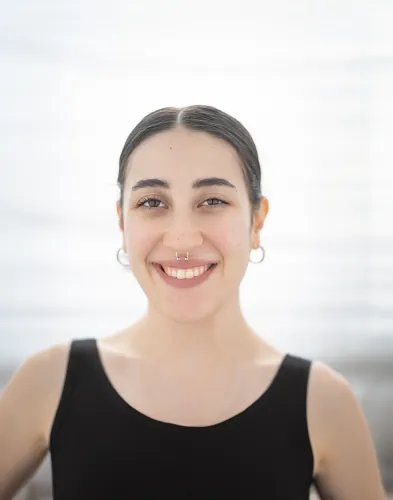
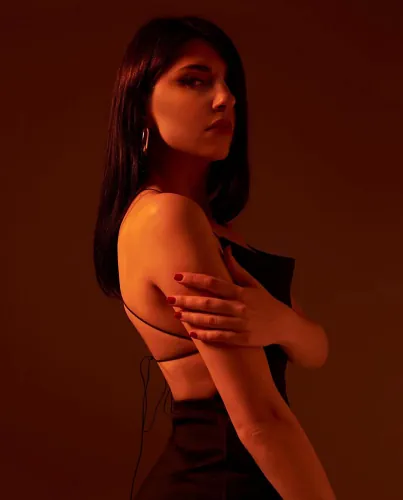
Three Model-Authors of the Publication
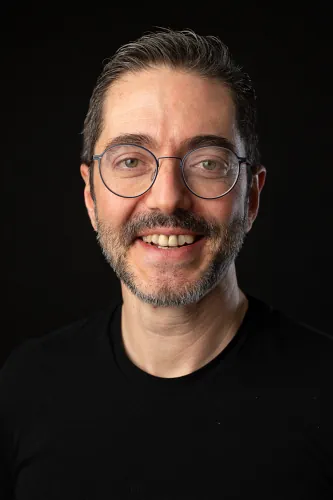
Three models who have been central to the Istanbul practice contribute to the publication as commissioned authors. Their essays sit alongside the photographs as a structural component of the book — not supplementary commentary, but voices that the project is built on.
The decision to include them as authors follows from the curatorial position that nude photography is not only an image of a body, but a relationship between the person photographed, the person photographing, and the conditions of trust, visibility, and presence inside the room. Zeynep Renda and Su Yeşil write under their own names. Marmelat writes under a chosen pseudonym, in line with her preferred level of public visibility, while adding a rarely documented perspective: nude modelling within the Turkish fine arts academy.
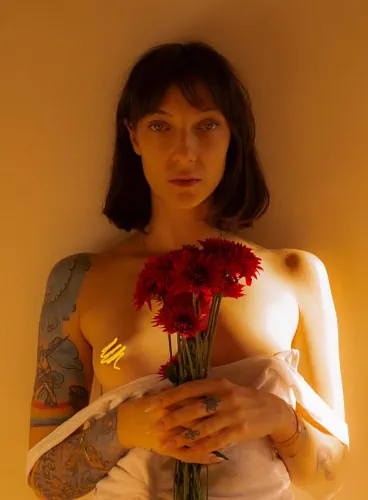
Principal essay on a decade-long modelling practice: trust, boundaries, contracts, the difference between unsafe and professional conditions, and the shift from being photographed by others toward becoming a self-portrait artist.
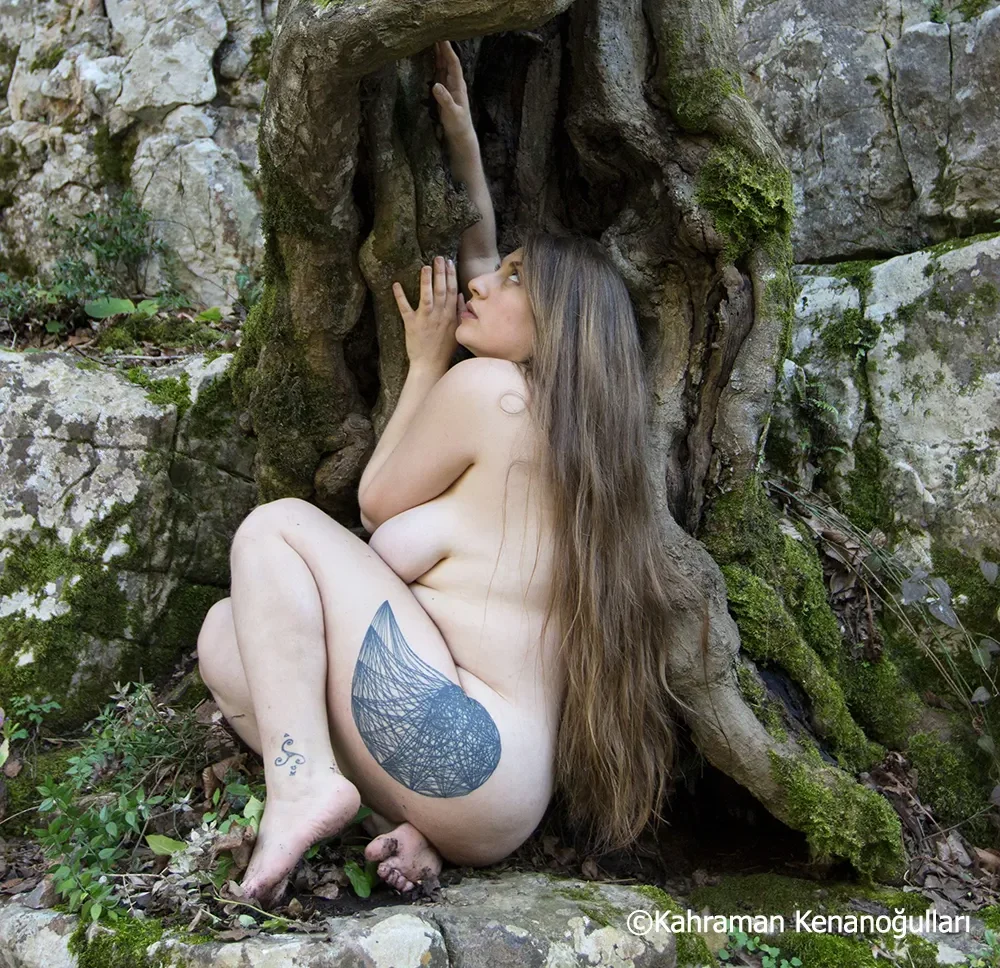
Essay on the body as lived experience: family reaction, shame, gendered norms, body dysphoria, movement, nature, performance, and the refusal to reduce nudity to sexuality.
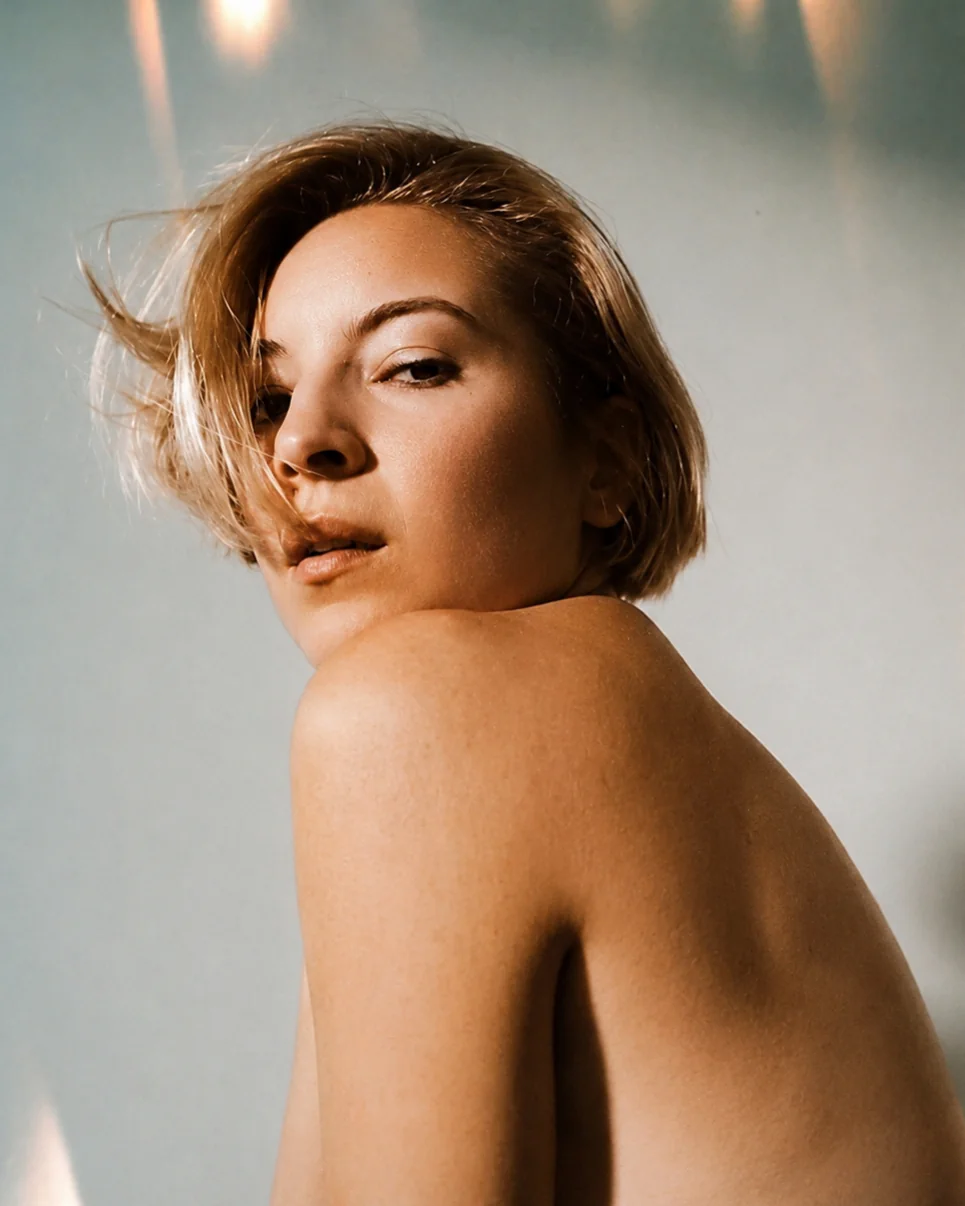
Essay on academic nude modelling in Turkey, drawing on three years of work as a nude model within a fine arts faculty — addressing a rarely documented form of labour at the intersection of art education and the nude body.
Exhibition Programme
Exhibitions
Nudes of Istanbul opened at Die Akt Galerie in Berlin in July 2026 and is presented at Uxval Gochez Gallery in Barcelona from 20 November to 4 December 2026. Both presentations show the same collective body of work by fourteen photographers, organised through the project's six curatorial registers.
Uxval Gochez Gallery, Barcelona
- Venue
- Uxval Gochez Gallery
Carrer de Sicília 382, 08025 Barcelona, Spain - Duration
- –
- Opening
- Friday,
- Book Presentation
- Saturday,
presented by Burak Bulut Yıldırım and Uxval Gochez - Film Screening
- LOOP City Screen, LOOP Barcelona 2026 · and
Nudes of Istanbul: The Body and the Room, documentary directed by Meryem Aydın - Gallery Hours
- Monday – Friday, 11:00 – 14:00
- Other Times
- By appointment · +34 627 864 011
- Gallery Telephone
- +34 931 020 001
- Getting There
- Near the Sagrada Família · nearest metro: Sagrada Família (L2 / L5)
- Gallery Page
- uxvalgochez.com — Nudes of Istanbul
Die Akt Galerie, Berlin
- Venue
- Die Akt Galerie
Krossener Str. 34, 10245 Berlin, Germany - Duration
- –
- Opening Reception
- Friday,
- Gallery Hours
- Friday – Sunday, 15:00 – 19:00
- Getting There
- 15-minute walk from S+U Warschauer Straße · short walk from U Samariterstraße (U5)
- Admission
- Free
- Status
- First public presentation of the project; opened its international circulation.
The Barcelona exhibition extends an existing relationship between Burak Bulut Yıldırım and Uxval Gochez Gallery. The gallery previously presented Yıldırım's work in the group exhibition Eros & Thanatos in 2023. Three years later, he returns not as an exhibiting photographer within the selection, but as curator and editor of a collective project authored by fourteen photographers.
Barcelona places the project within a city with a strong independent gallery culture, photographic history, publishing tradition, and international art audience. The exhibition brings the Istanbul-developed practice into a second European exhibition context while the accompanying publication continues to circulate independently through libraries, institutional collections, curatorial conversations, and photobook networks.
Barcelona press enquiries and press preview requests: info@burakbulut.info
Barcelona Press Kit
The Curatorial Ground
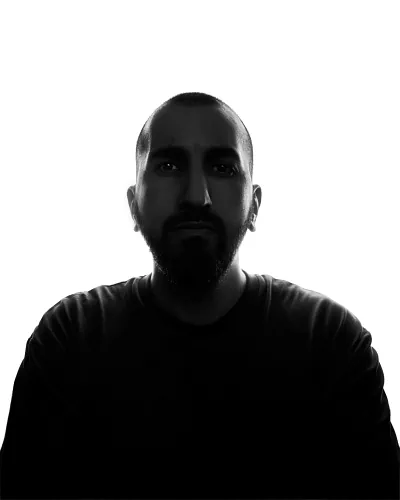
Burak Bulut Yıldırım is the sole curator of Nudes of Istanbul and does not exhibit his own photographic work within the selection.
The project rests on his twenty-year practice in fine-art nude, portraiture, body-based photography, advanced lighting, and constructed studio image-making. Since opening his first studio in Istanbul in 2005, Yıldırım has worked across commercial photography, fine-art body-based projects, photographer education, and curator-led production environments.
For close to twenty years he has photographed hundreds of models in hundreds of thousands of fine-art nude frames; exhibited this work across several European cities; and, in Istanbul, transmitted this experience for fourteen years through nude art workshops in different conceptual formats to hundreds of photographers.
His long-term use of controlled light, physical material, model direction, UV-reactive pigments, reflective surfaces, long exposure, optical distortion, and studio-built visual premises forms the conceptual and technical ground from which this project developed.
Nudes of Istanbul is his second curatorial project after LandsNude, presented at Artcore Gallery in Thessaloniki in 2015. In both projects, the body is approached not as a decorative motif but as a site where light, space, material, authorship, and cultural visibility meet.
His role in Nudes of Istanbul is not to replace the authorship of the participating photographers. It is to define the curatorial field in which their authorship becomes readable: the premise, the environment, the ethical conditions, the selection, the taxonomy, and the publication framework.
Publication
Nudes of Istanbul is an English-language hardcover photobook published by Mijuk Papers, Berlin, in 2026, containing 133 photographs by fourteen photographers, with a curatorial essay by Burak Bulut Yıldırım and commissioned texts by three model-authors. ISBN 978-3-00-087439-0.
The publication is not an exhibition catalogue. It is conceived as an autonomous book-length record of a rare collective fine-art nude photography practice from Turkey.
The book contains 133 photographs and is designed to function independently of the exhibition programme, with each of the fourteen participating photographers represented through a dedicated selection. It was published by Mijuk Papers, Berlin, in 2026. ISBN 978-3-00-087439-0.
The publication includes a foreword and an extended curatorial essay by Burak Bulut Yıldırım, a historical framing of nude photography in Turkey drawing on Alberto Modiano's edited volume Türk Fotoğrafında Çıplak (2004) and Işık Özdal's 2011 academic survey Türk Fotoğrafında Nü Sergilerin Analizi, the six-register taxonomy used to organise the work, and three commissioned essays by Zeynep Renda, Su Yeşil, and Marmelat.
The structure positions the project as a sustained collective practice shaped by shared conditions and distinct photographic authorship. It also recognises the models not as silent subject matter but as witnesses, collaborators, and authors of the book's intellectual and ethical structure.
The book circulates independently through art-book distribution, direct distribution, institutional outreach, academic reference, library acquisition, and curatorial research.
Institutional Circulation
Since publication, the book has entered institutional and library collections in three countries. The three placements are distinct in kind and are described here as they occurred.
A copy was accepted into the library's collection.
The publication is held in the museum library.
Deposit copies were delivered to Germany's national library.
These placements are part of the publication's intended long-term function: to move a collective body of photographic work from limited circulation into durable public, institutional, academic, and archival contexts.
For library acquisition, institutional purchase, publication review, research access, distribution, or curatorial enquiries: info@burakbulut.info
Photographic Provenance
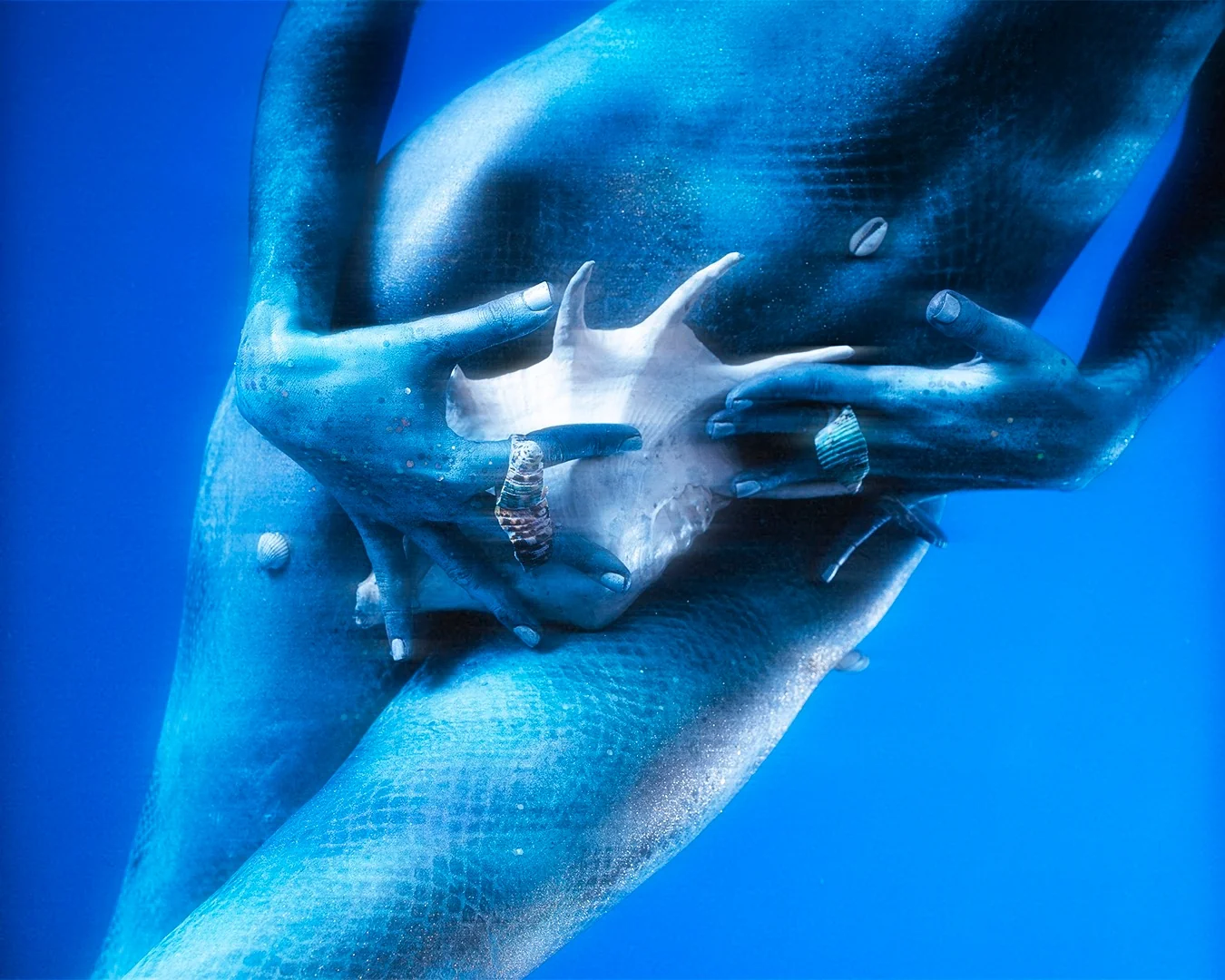
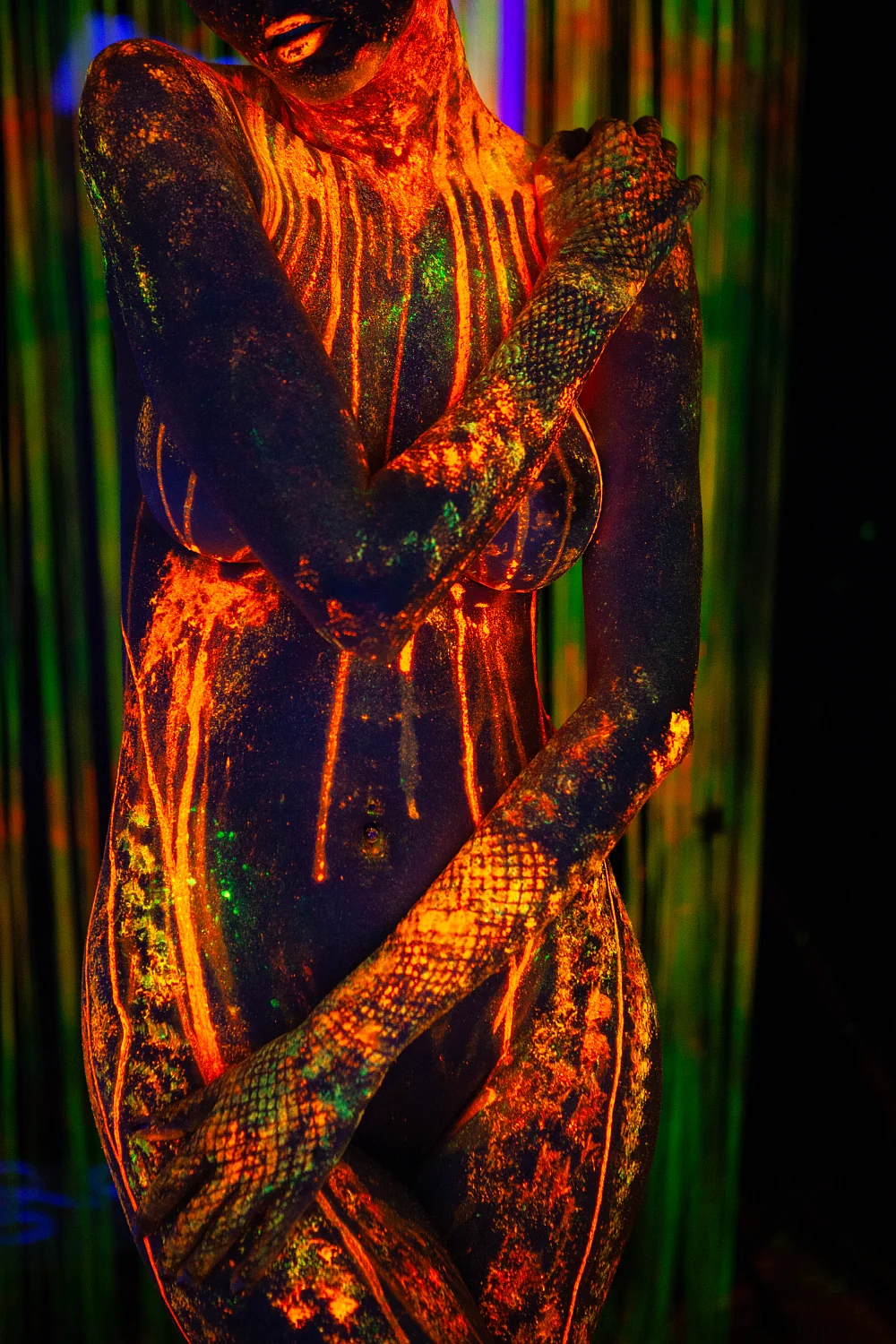
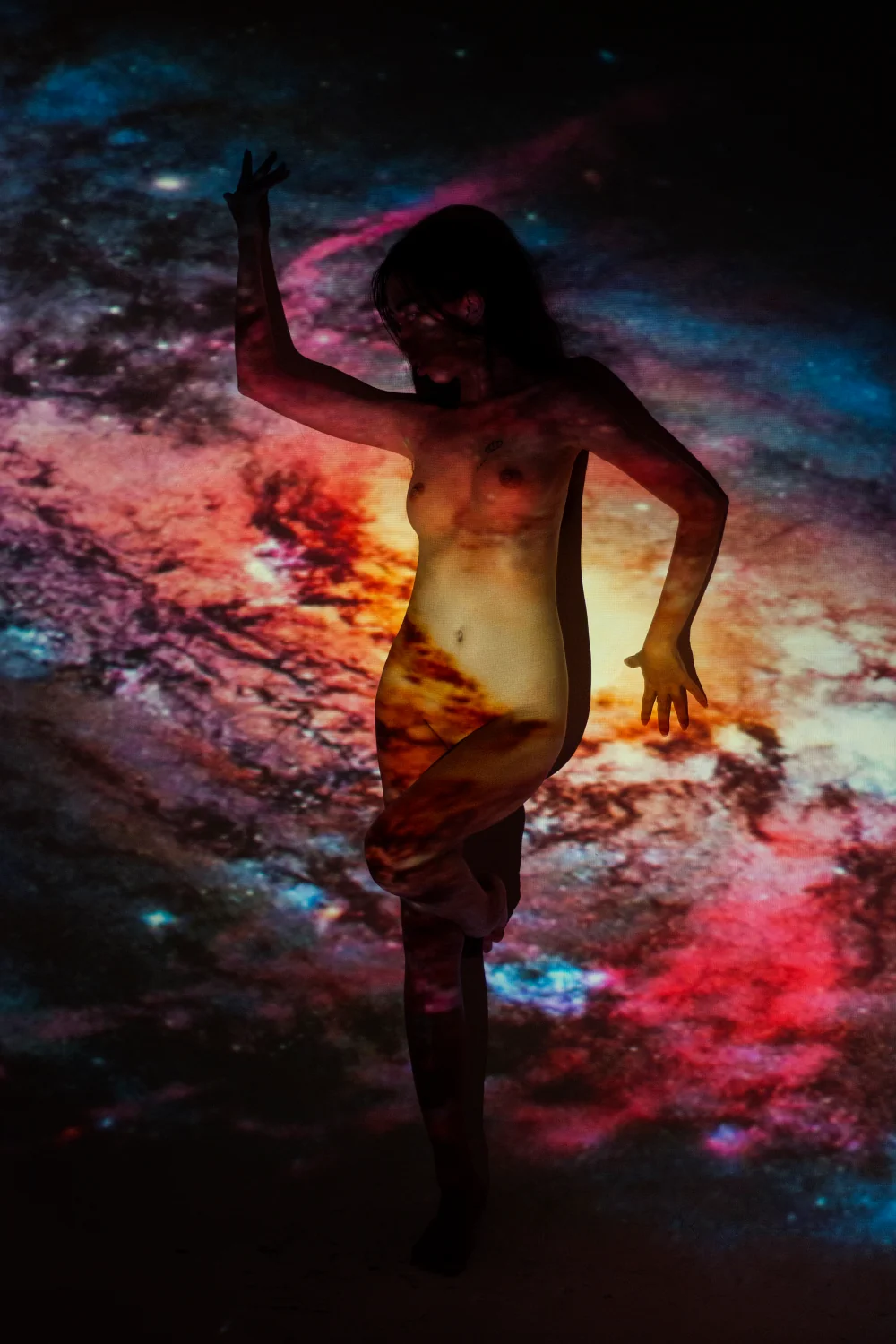
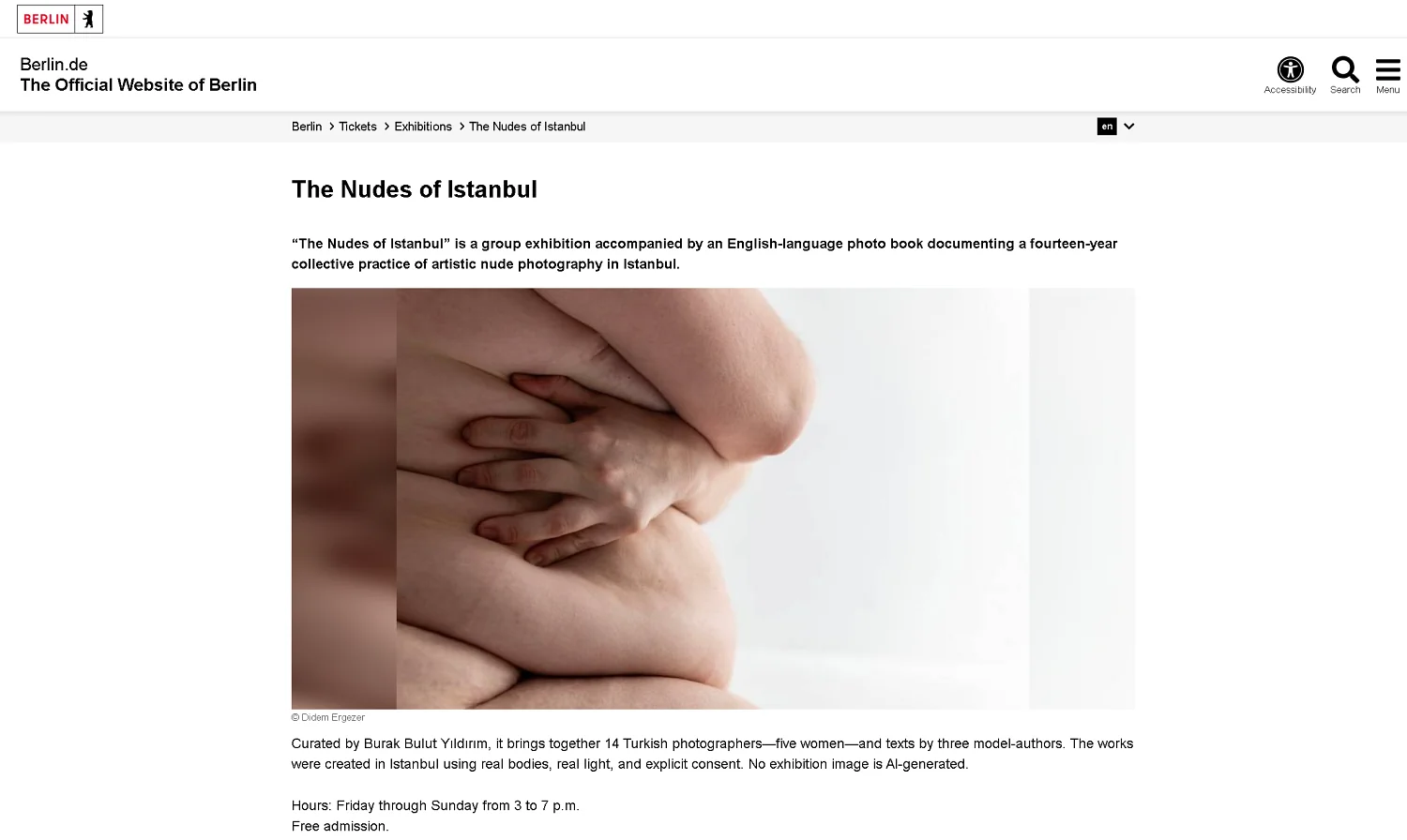
Every photograph in Nudes of Istanbul was made in-camera, with a model physically present in the room, under conditions of documented consent. No work in the exhibition or in the publication was generated, extended, retouched into being, or substituted by generative artificial intelligence. Where material appears on the skin — pigment, water, fabric, glass, powder, projected or coloured light — it was physically present at the moment of exposure.
This is stated explicitly because it can no longer be assumed. The project's curatorial argument depends on it: the difference between a photograph of a body and a synthetic image of a body is not a stylistic difference but an ontological and ethical one. Consent, presence, and duration are properties of the photographic event, and they cannot be retrofitted to a generated image.
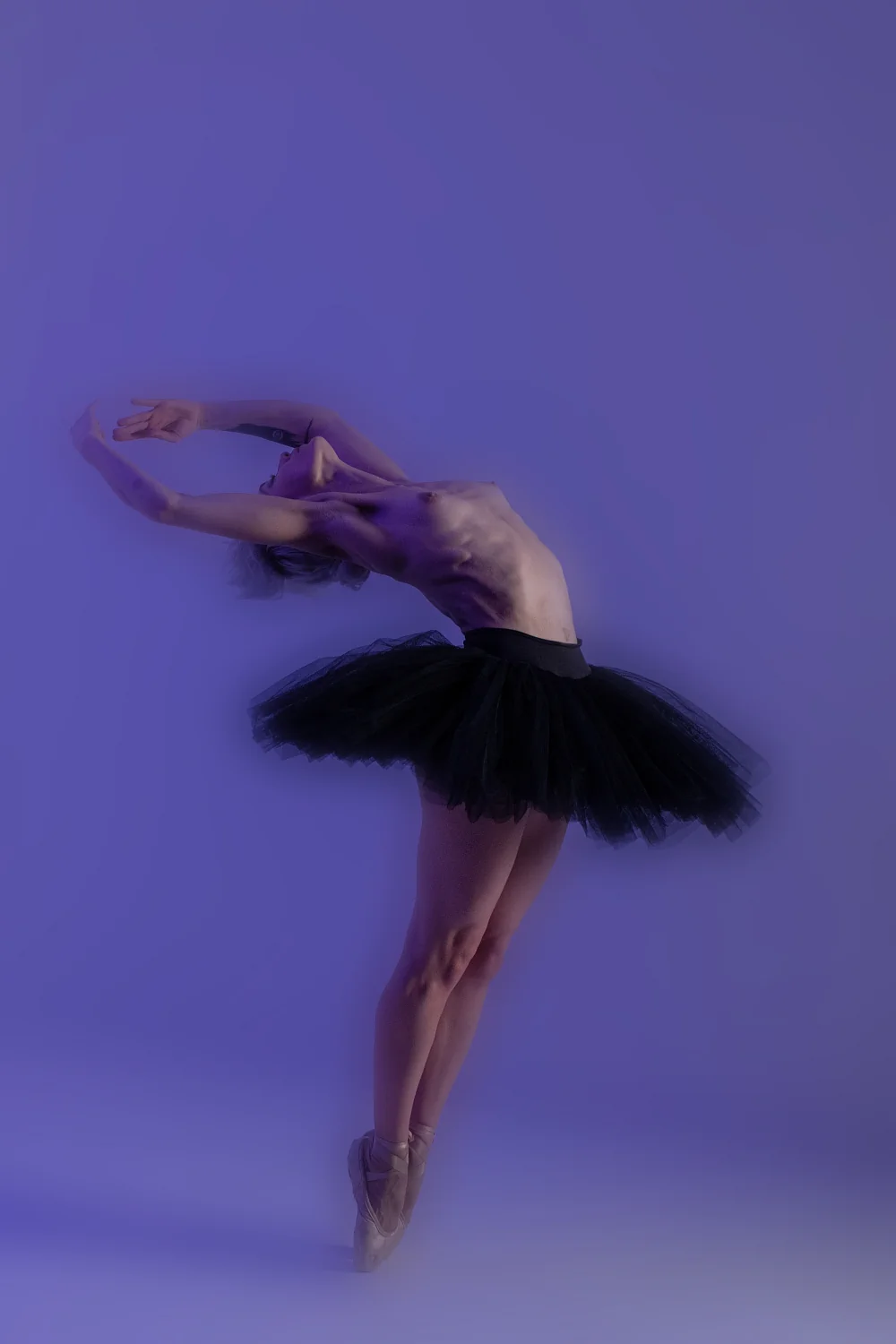
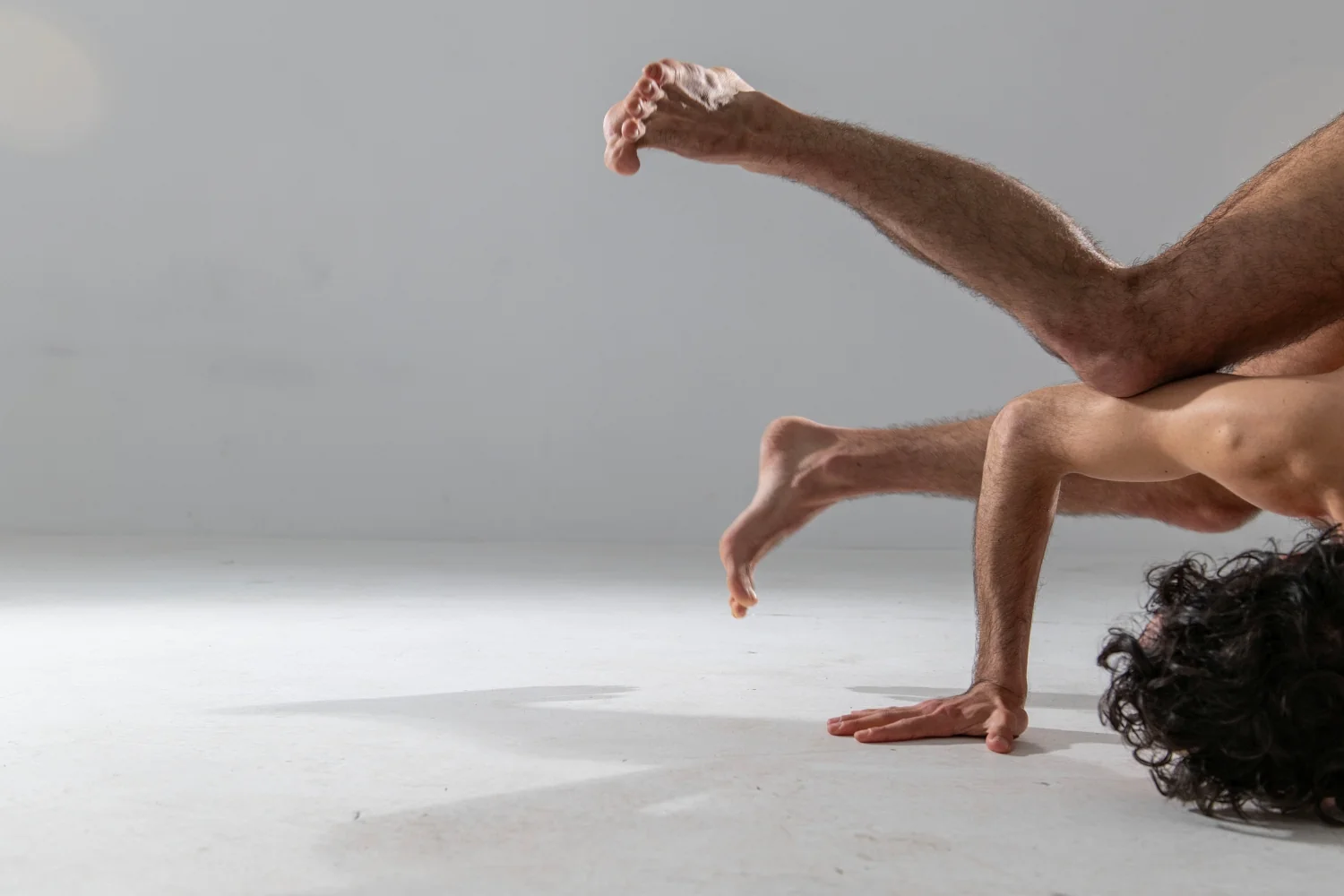
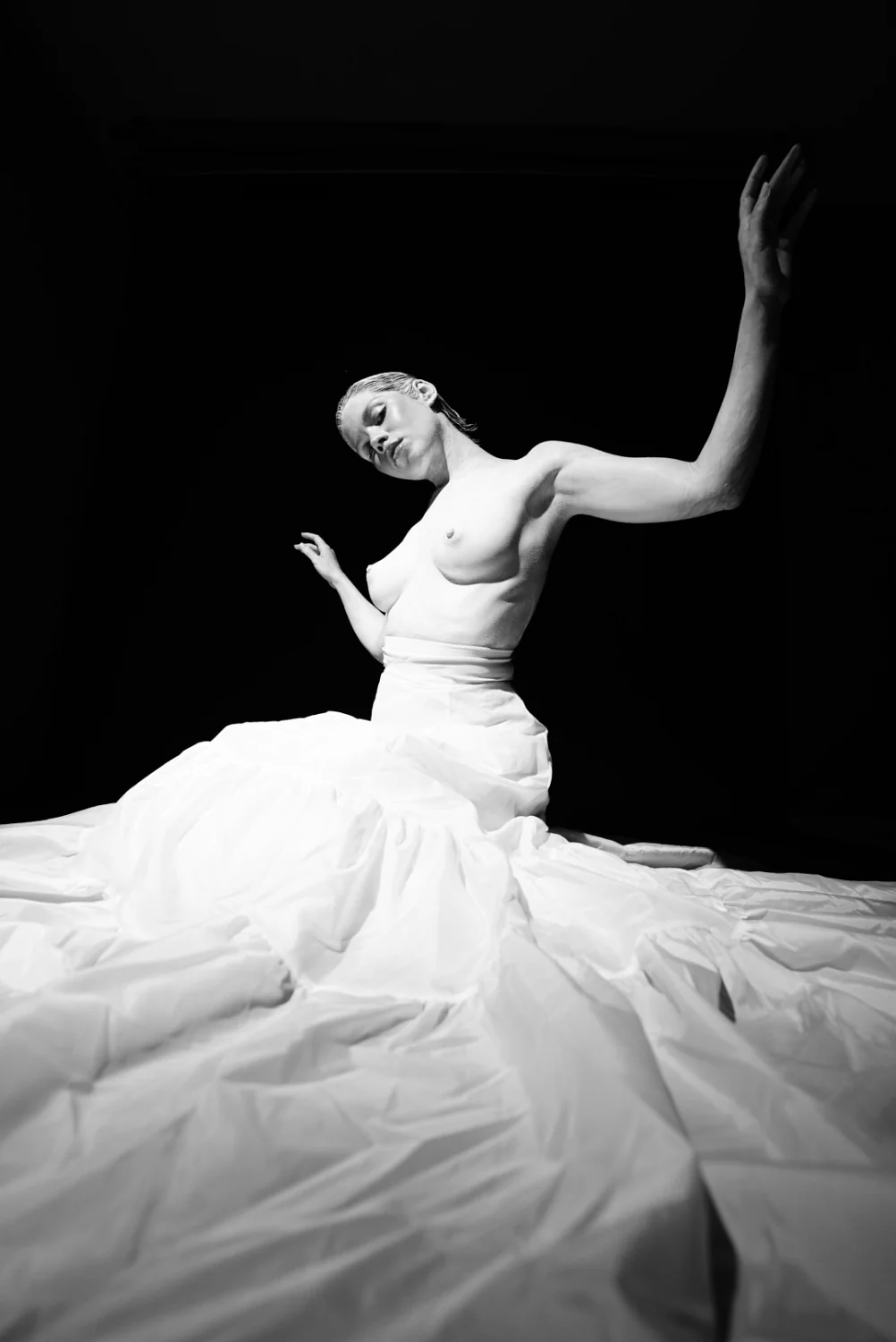
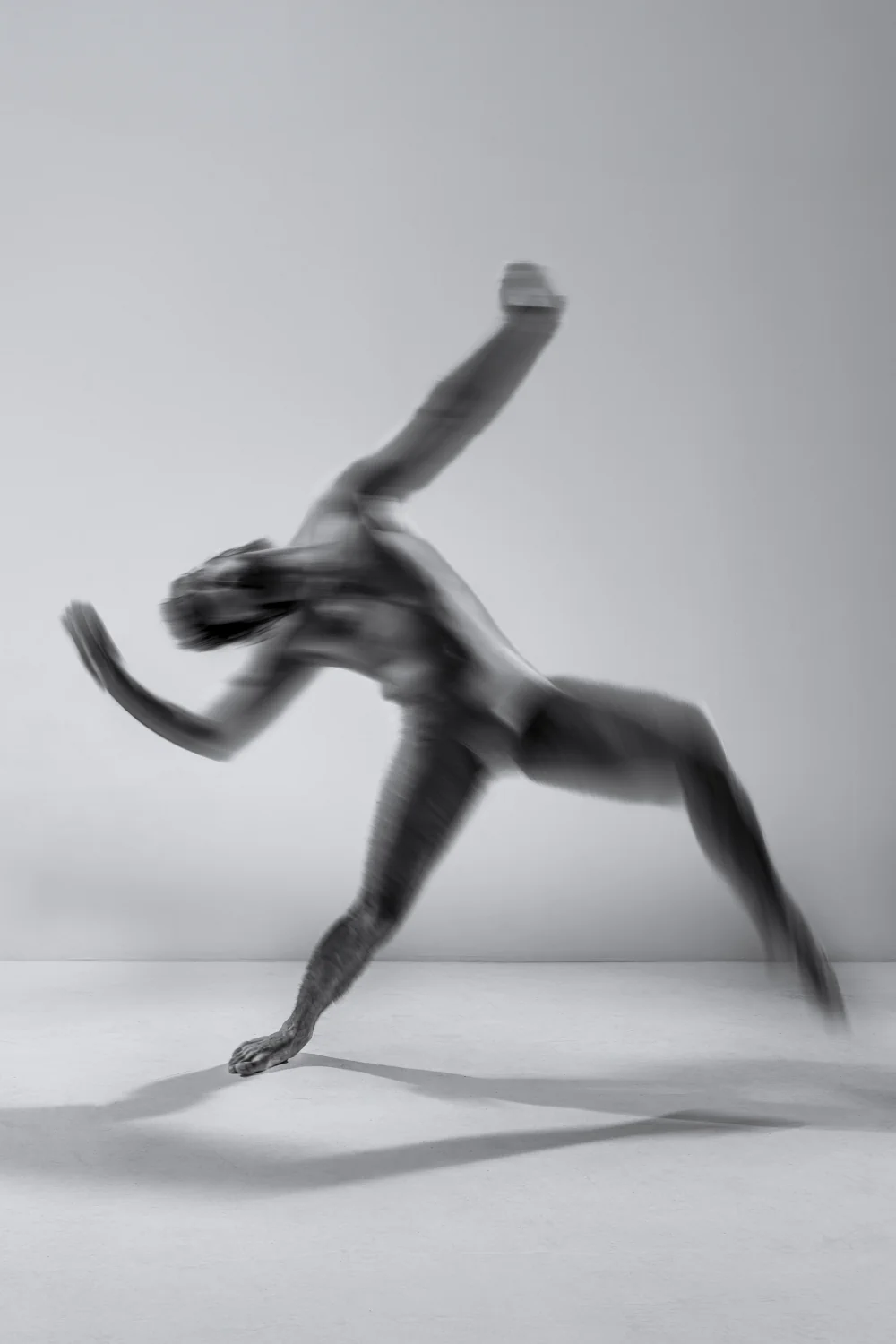
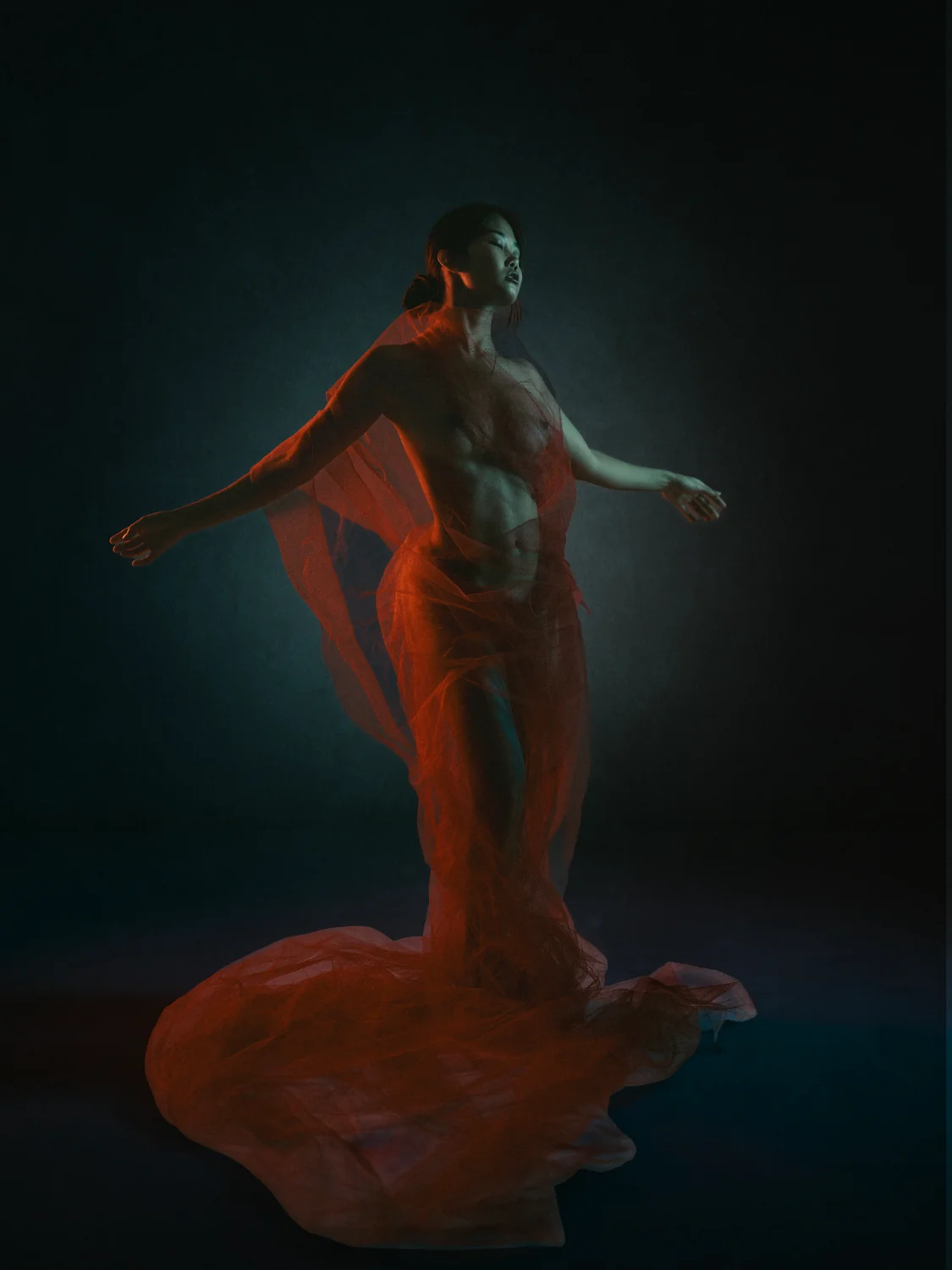
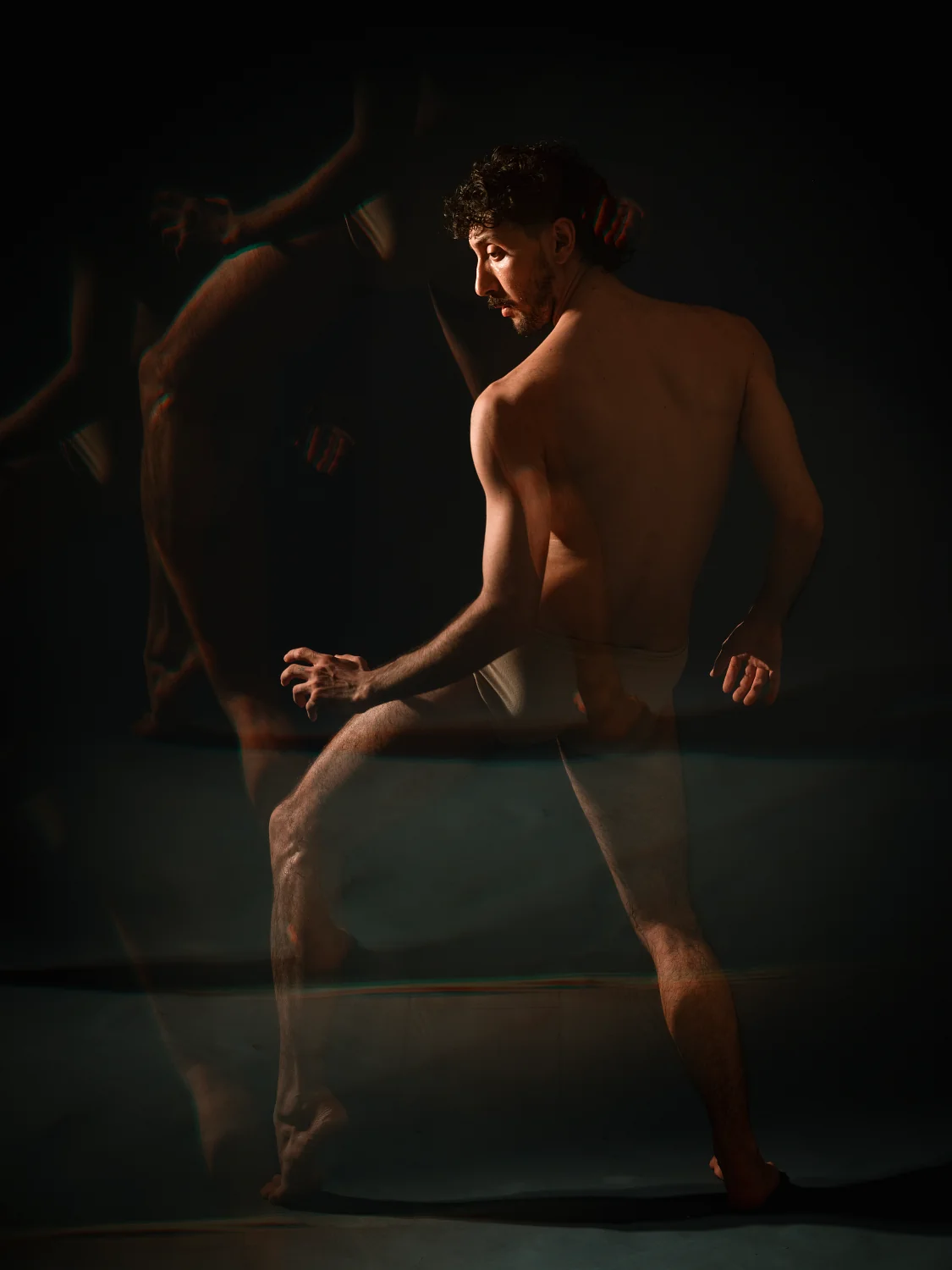
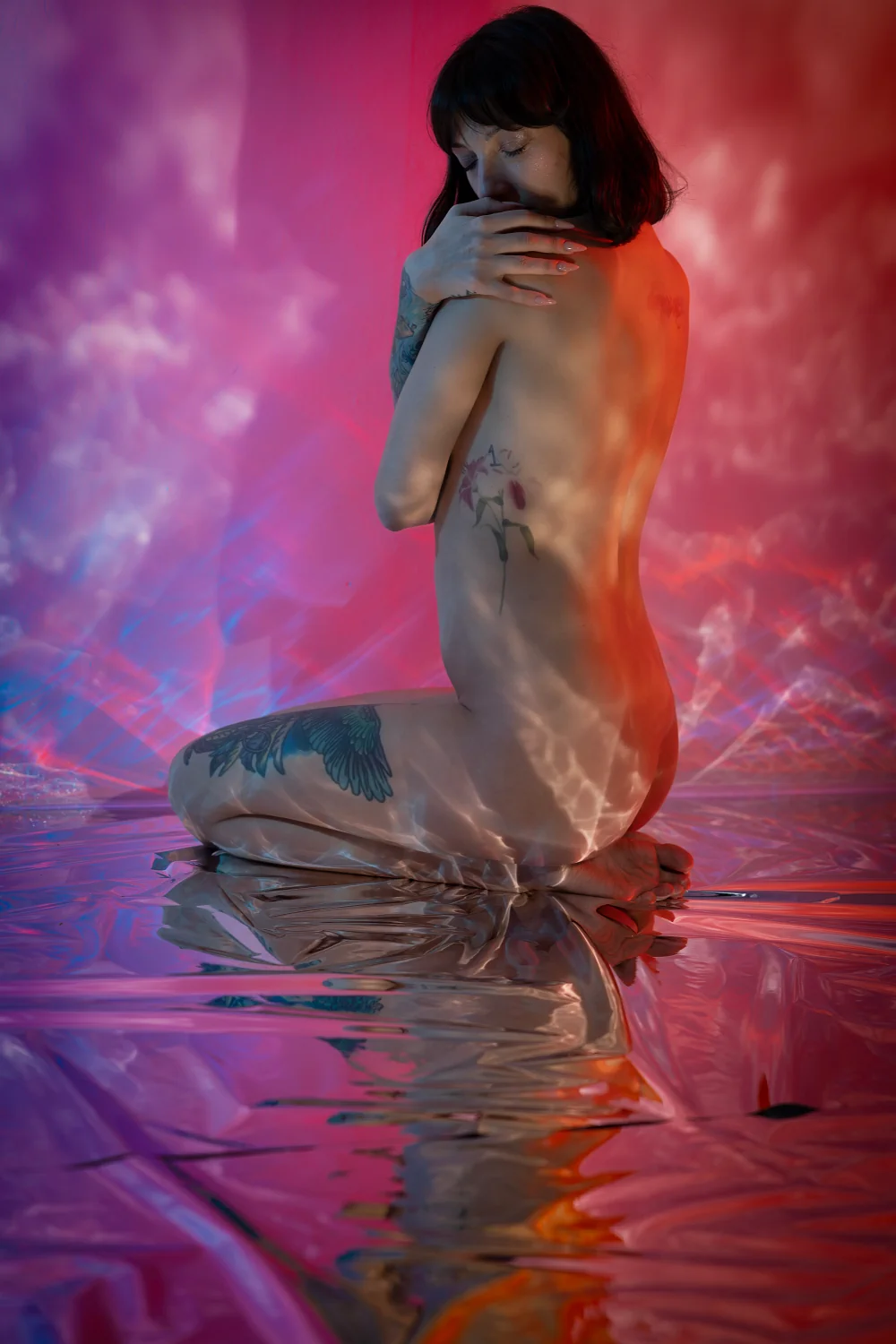
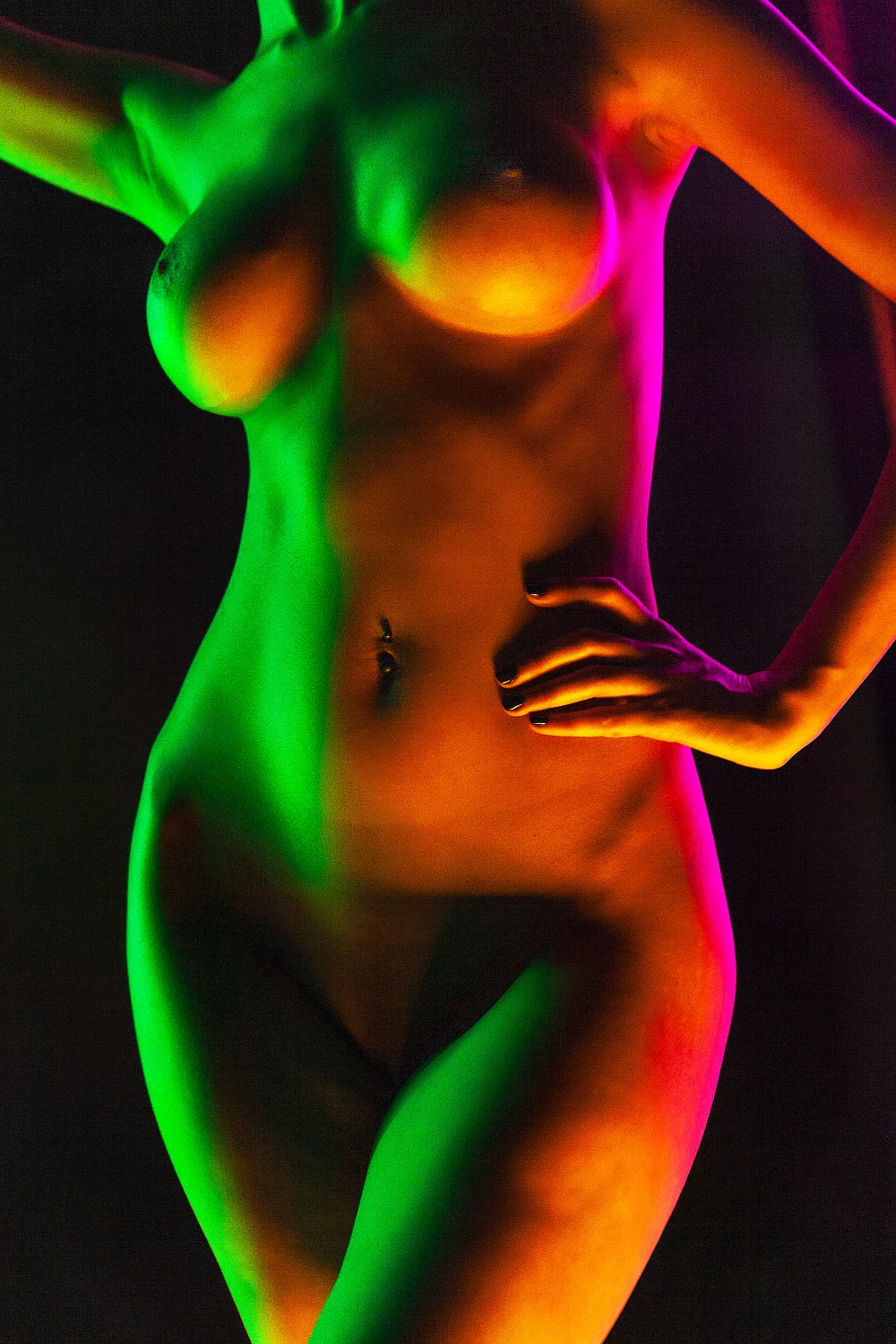
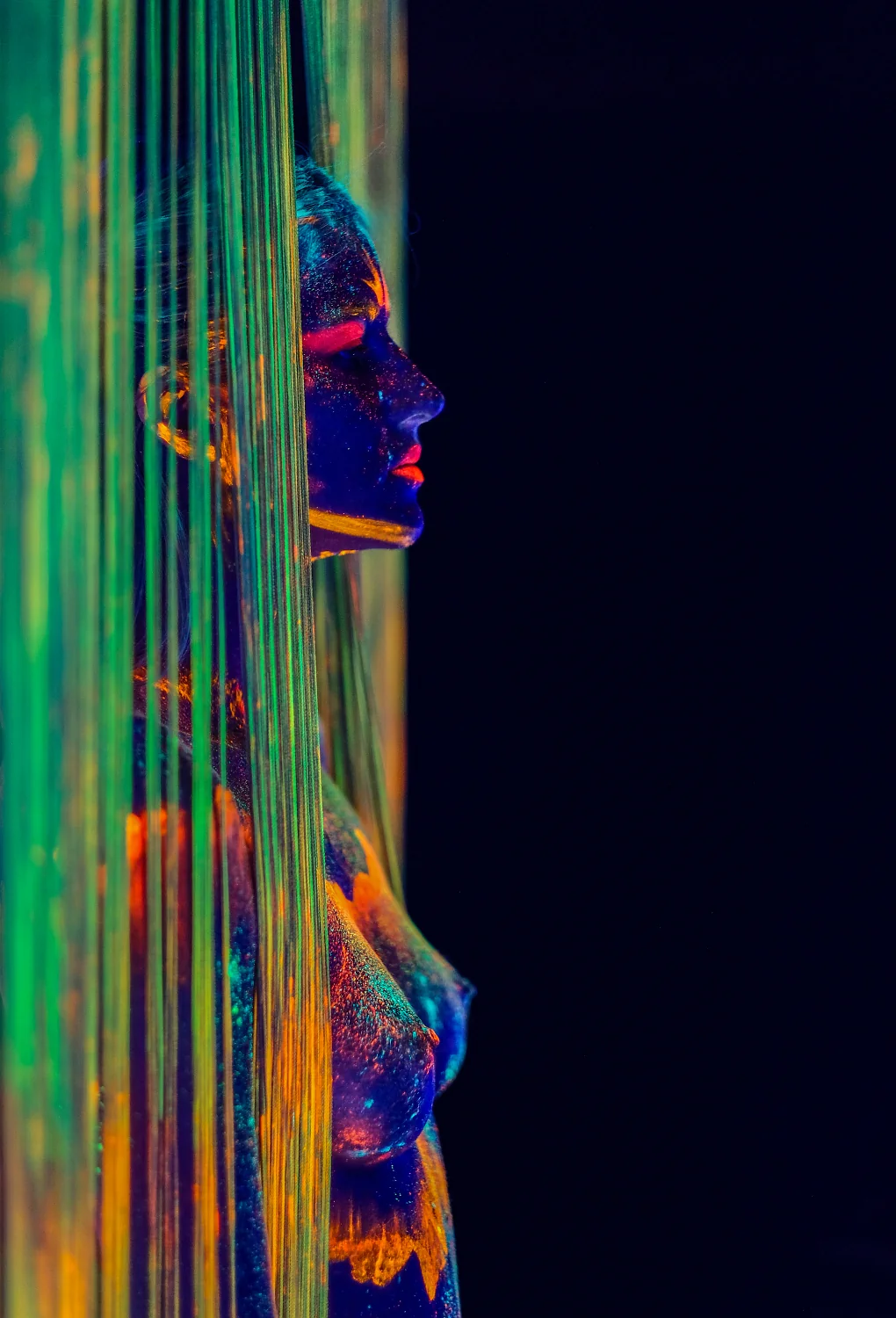
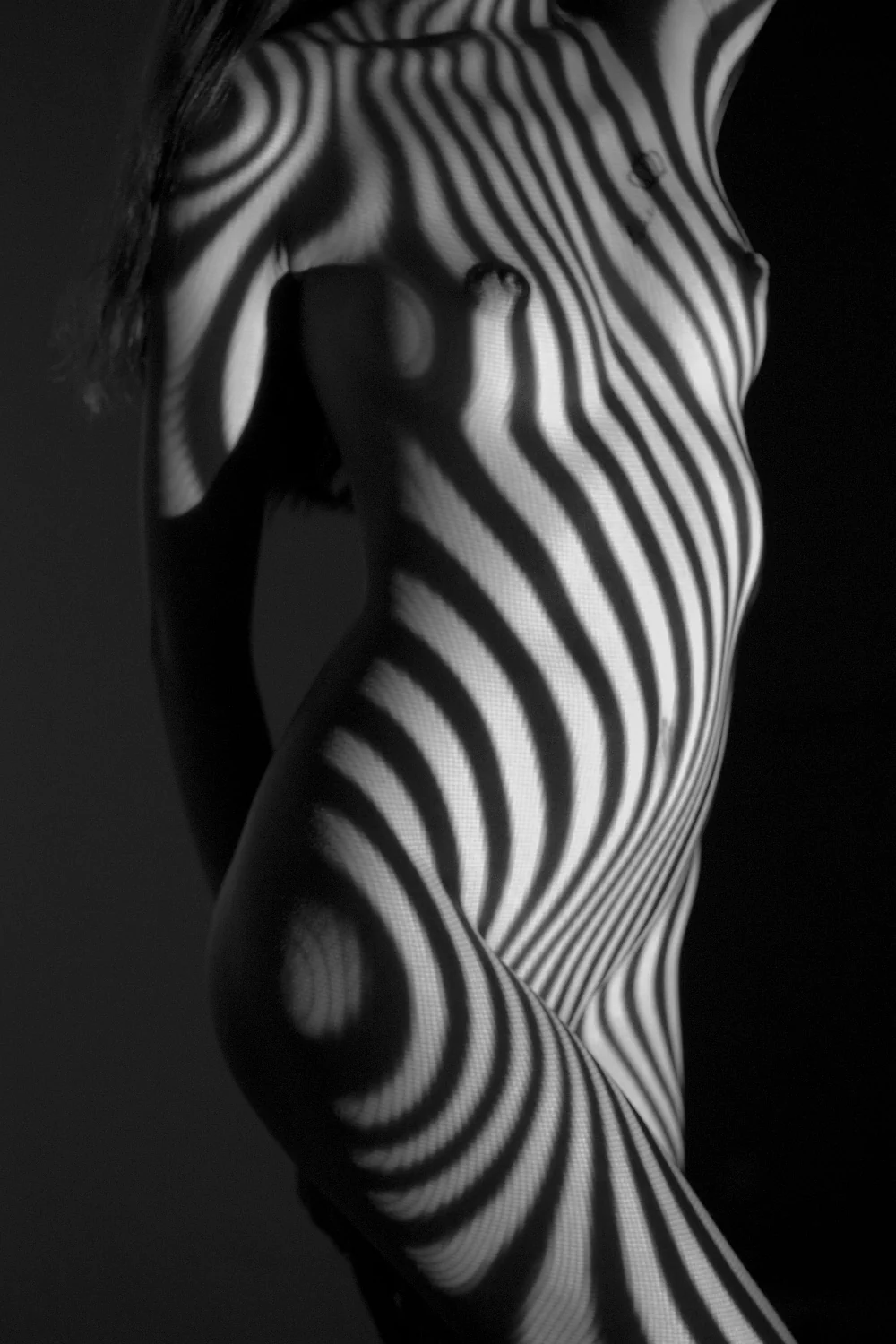
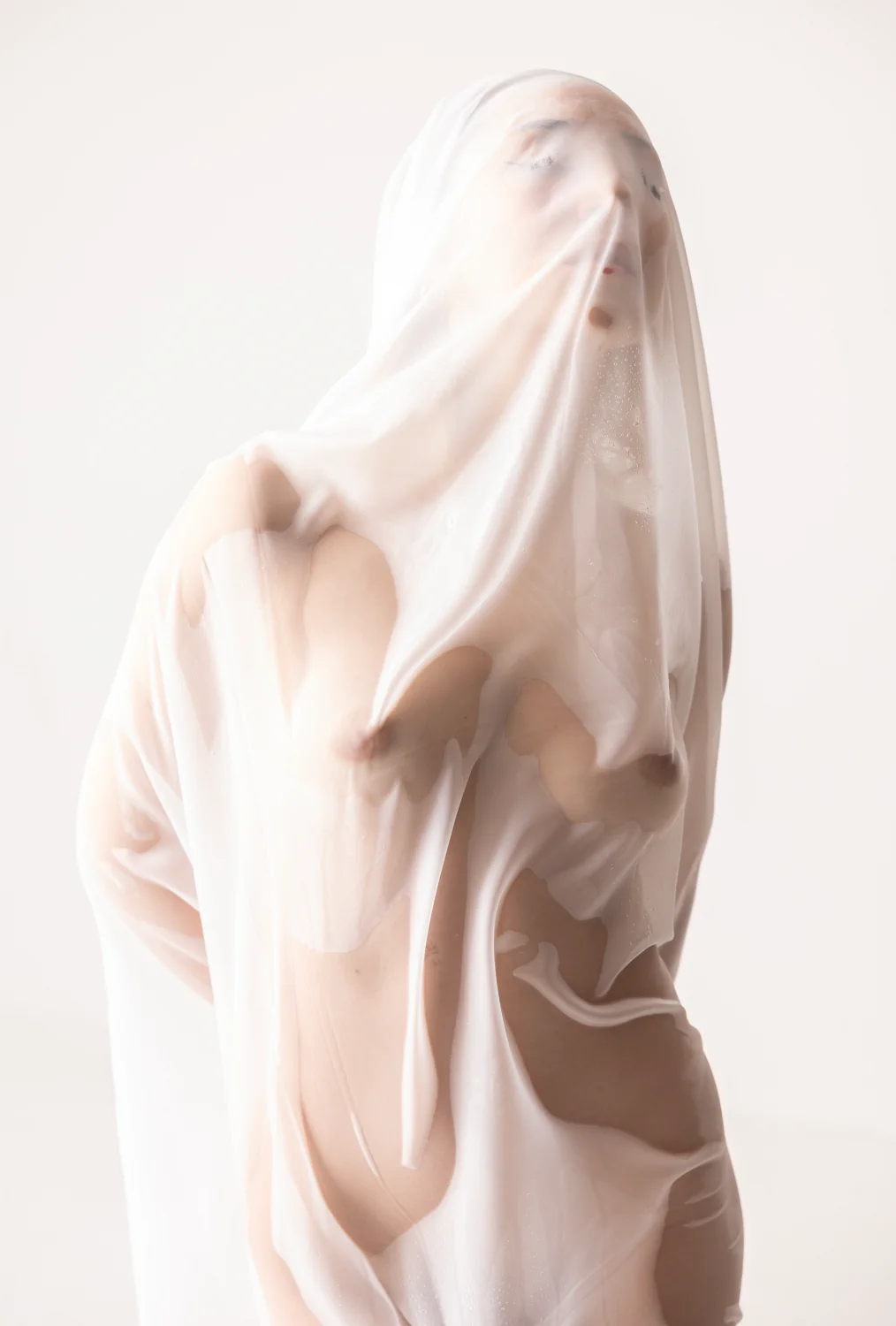
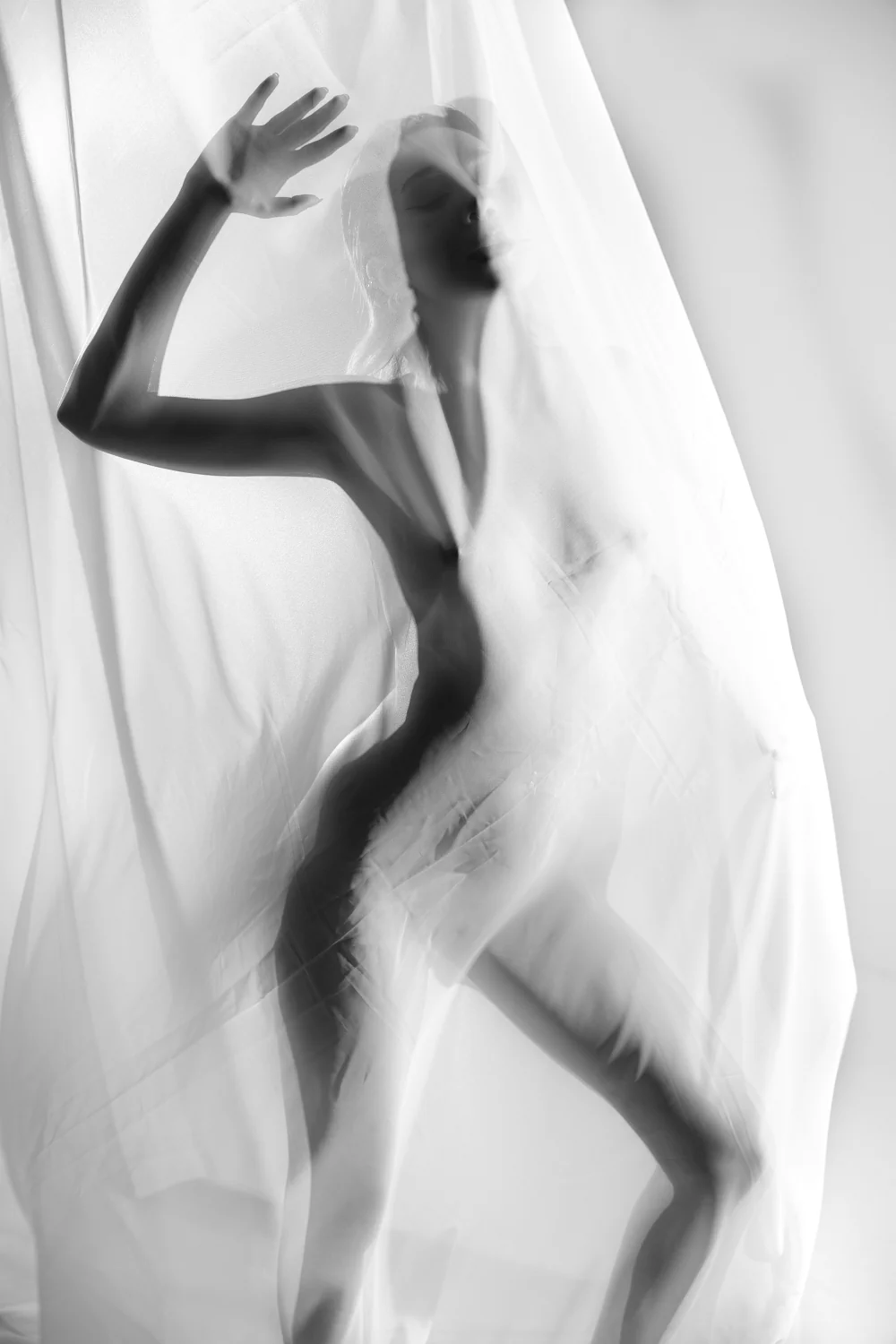
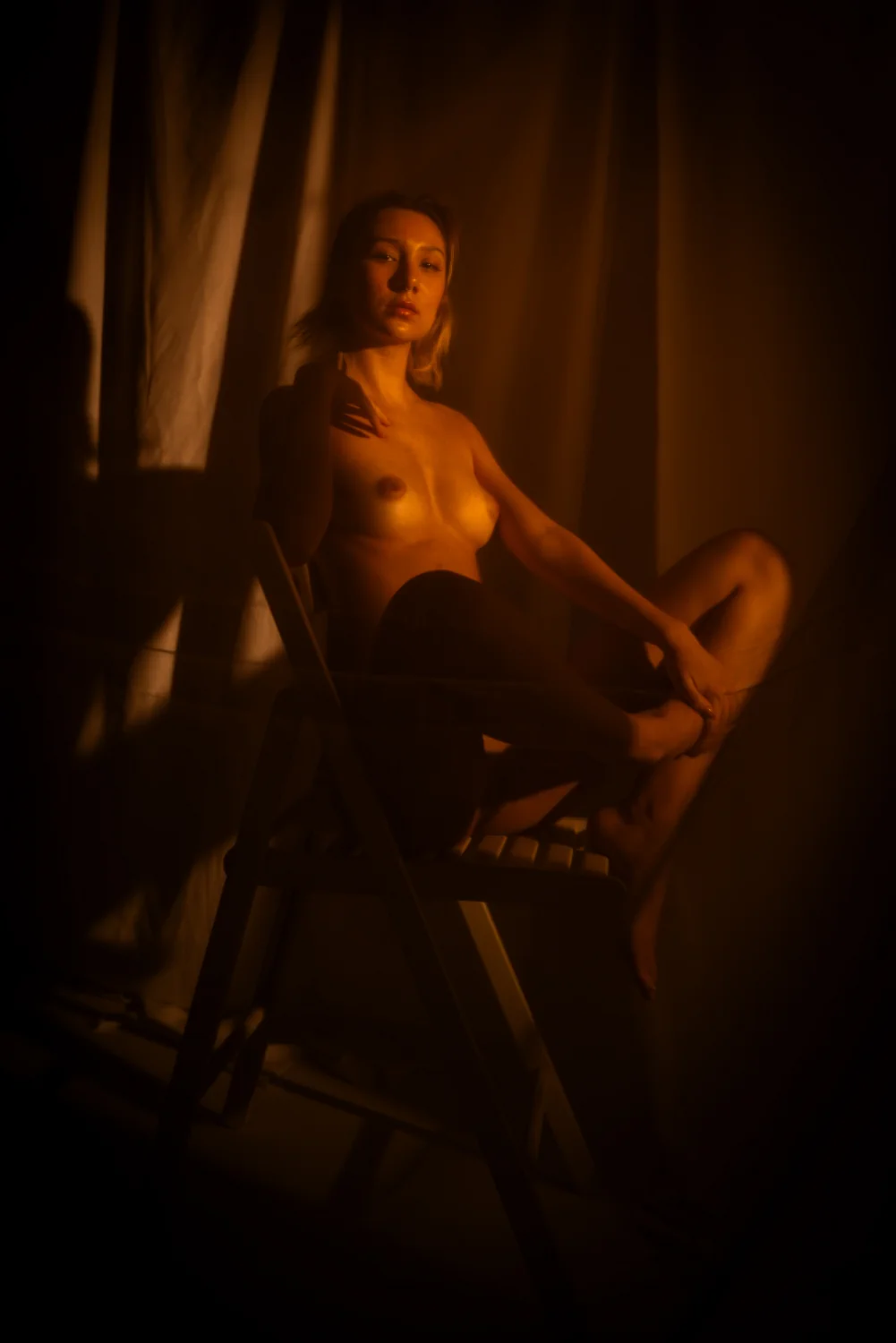
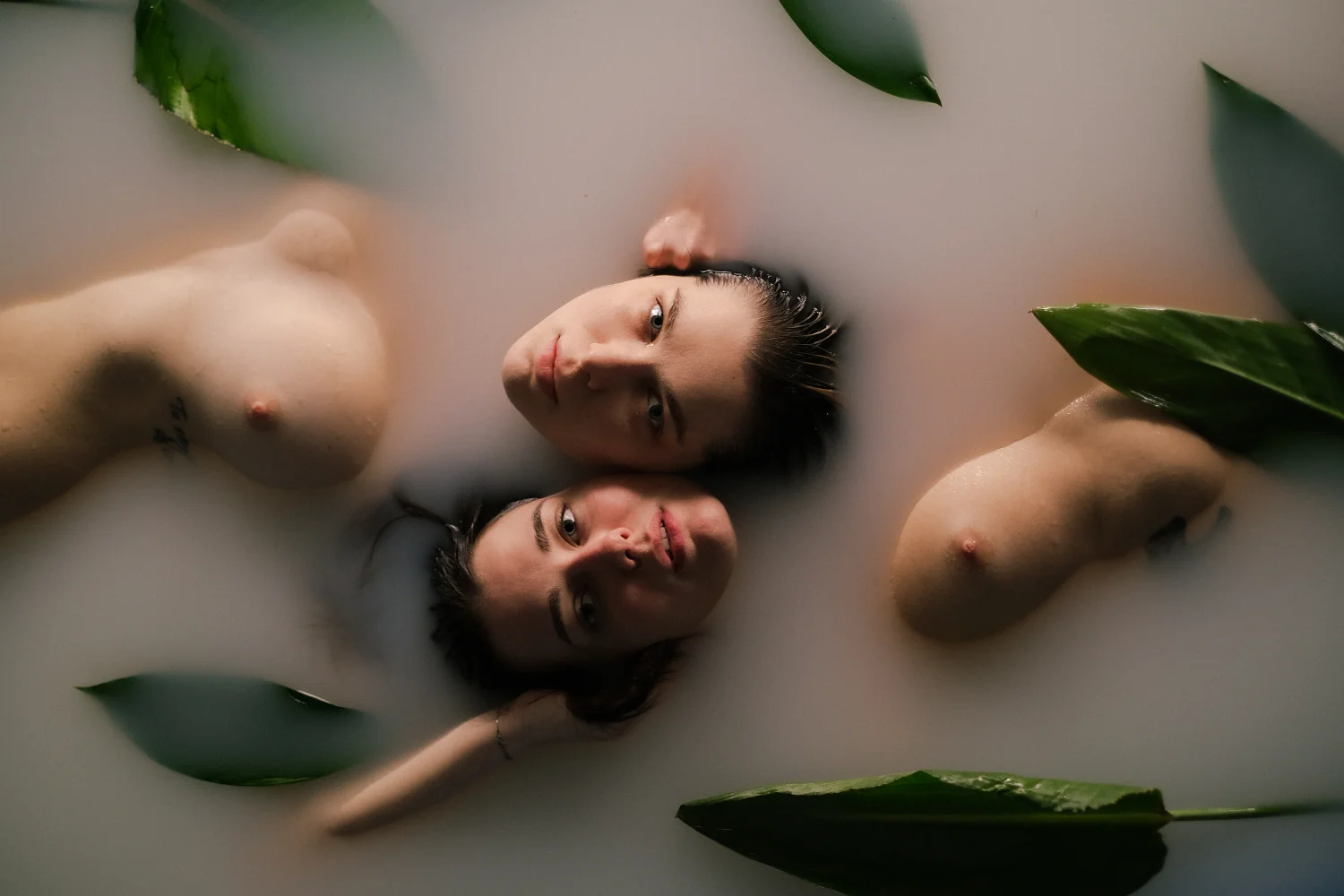
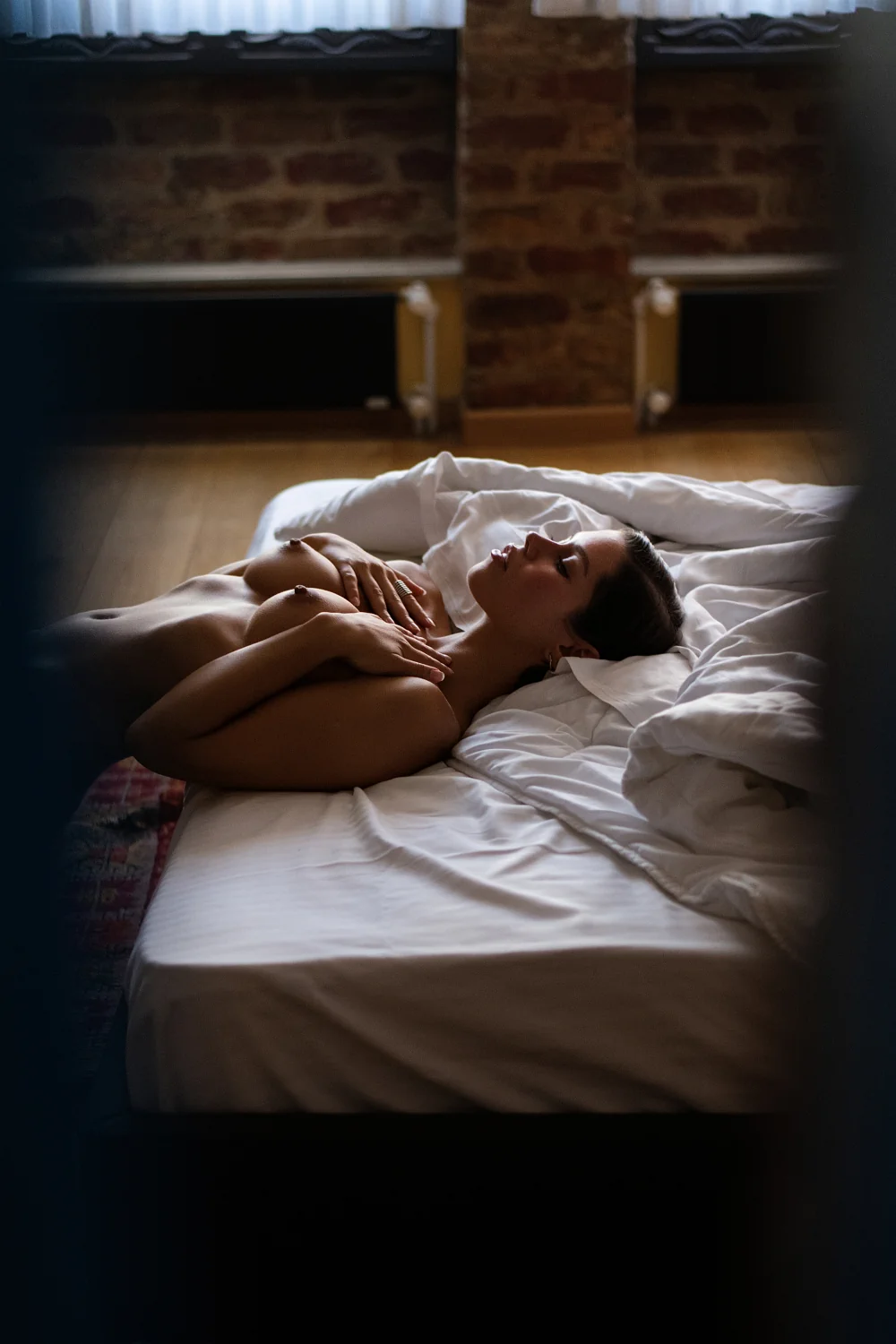
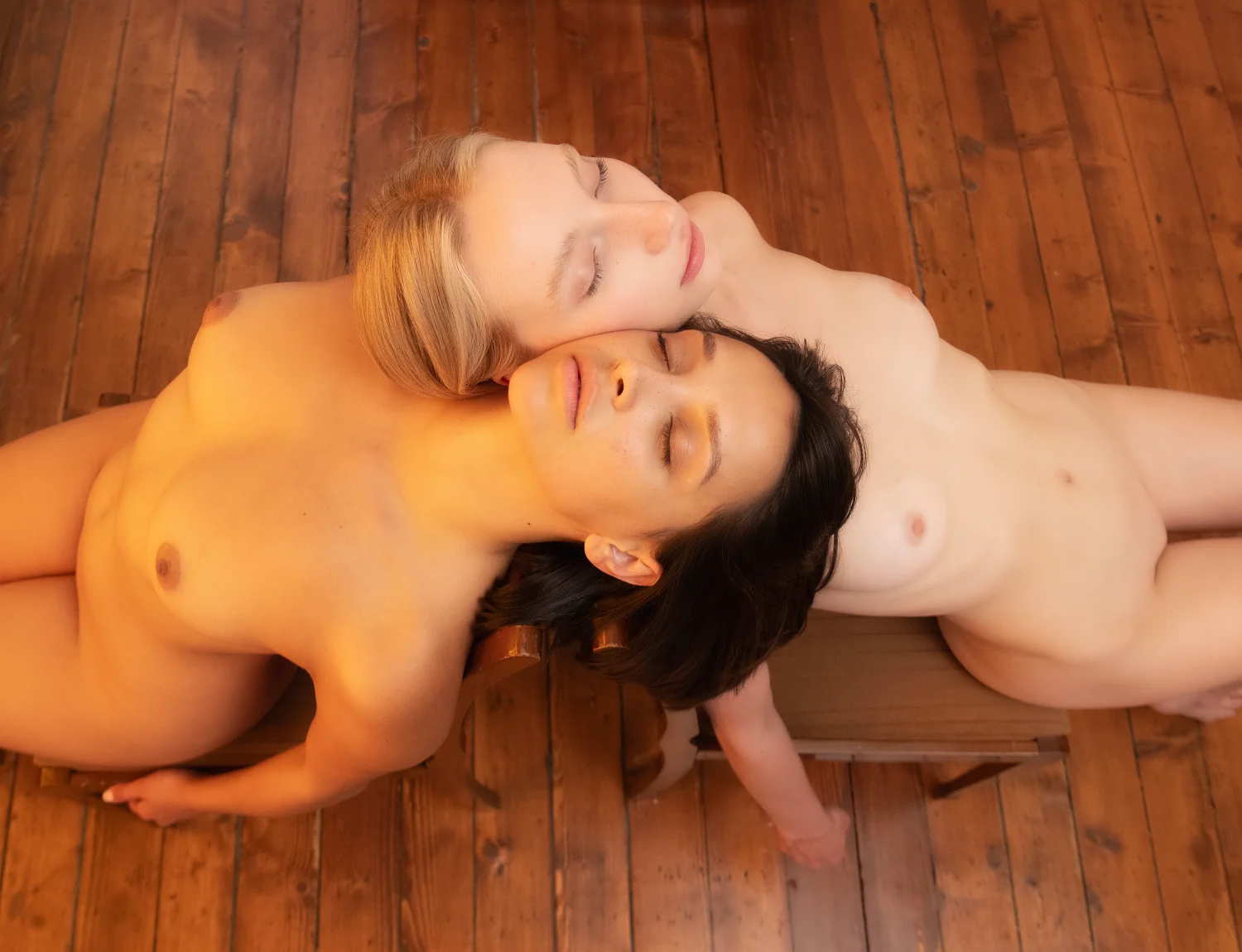
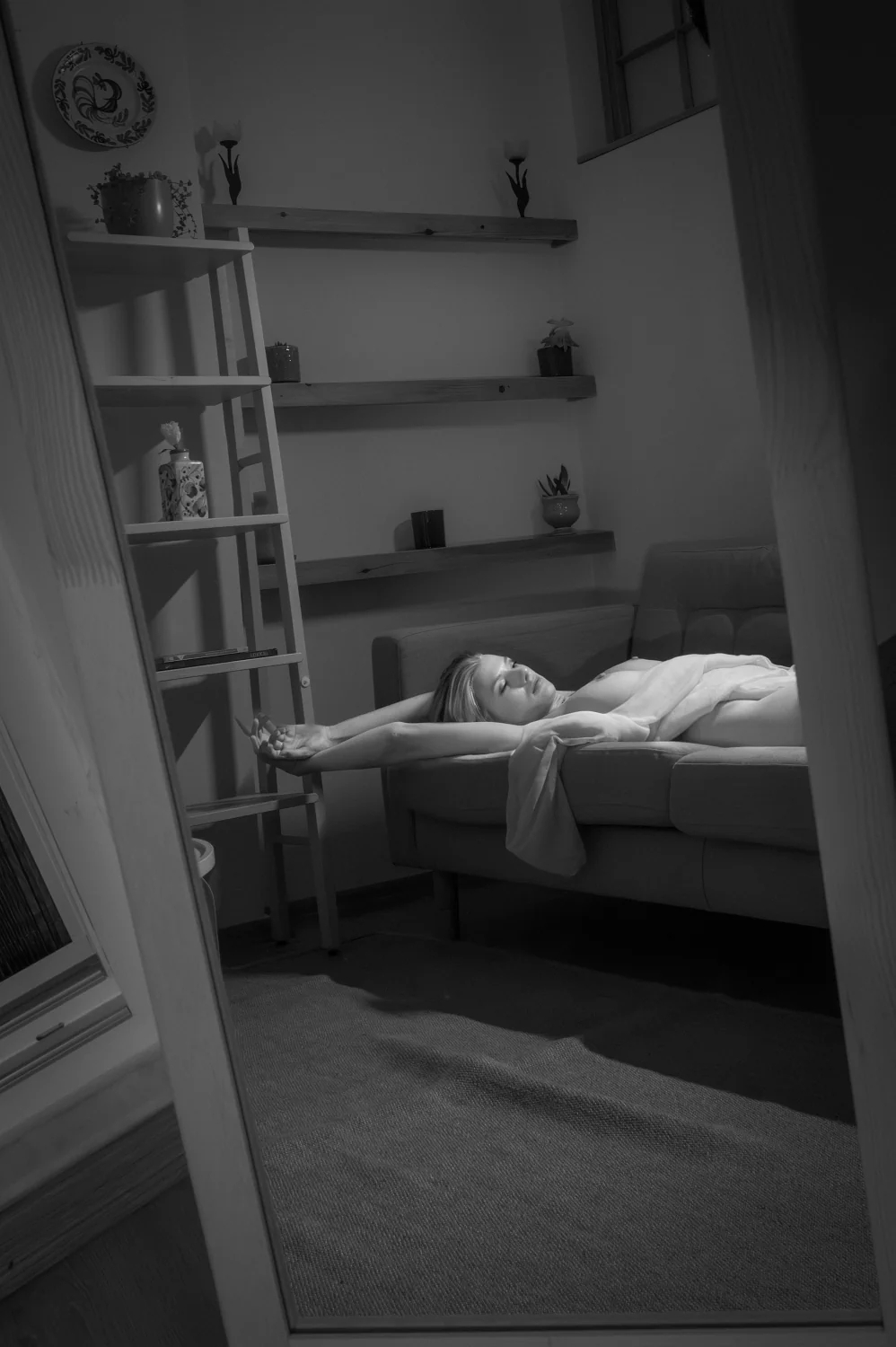
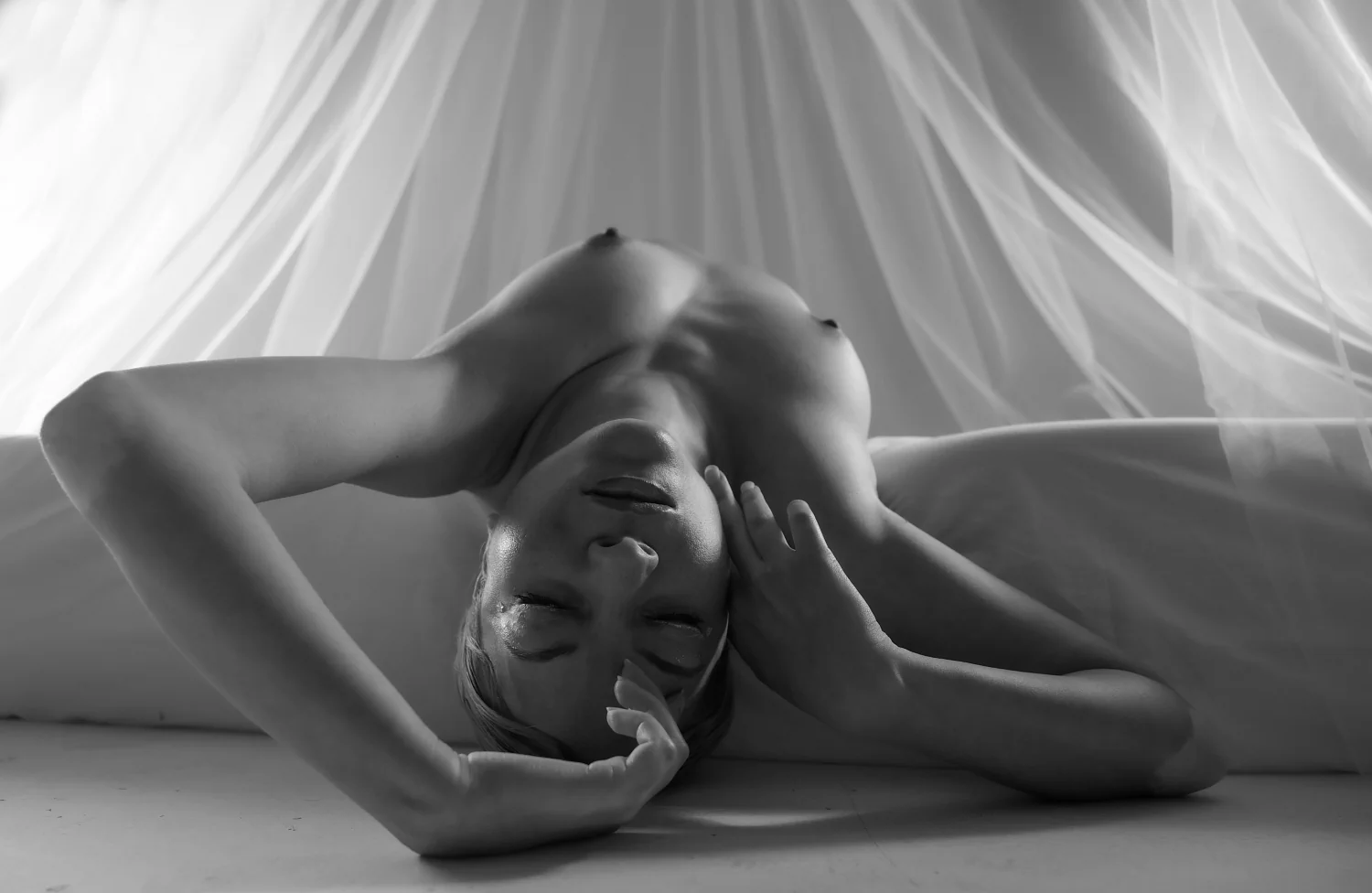
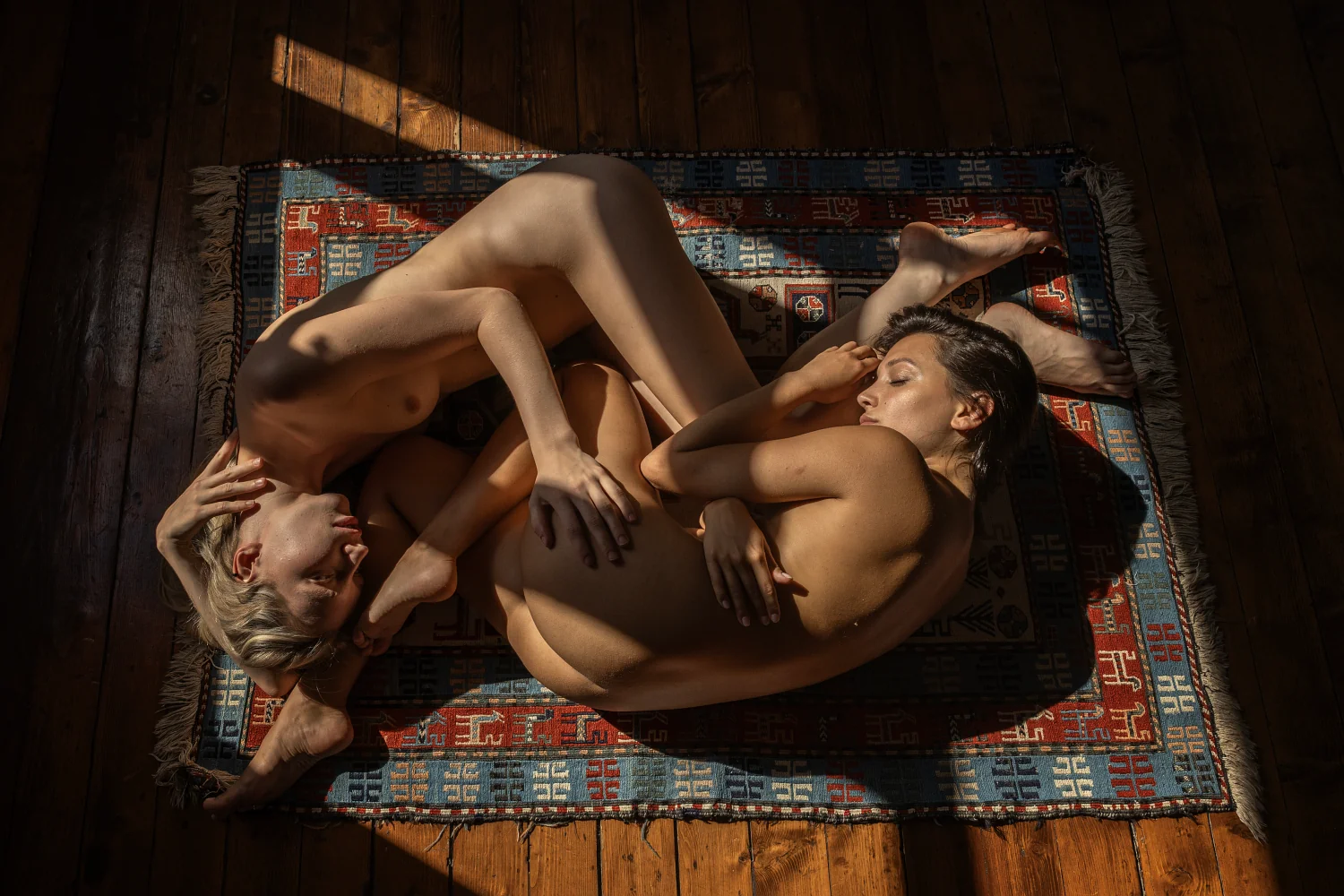
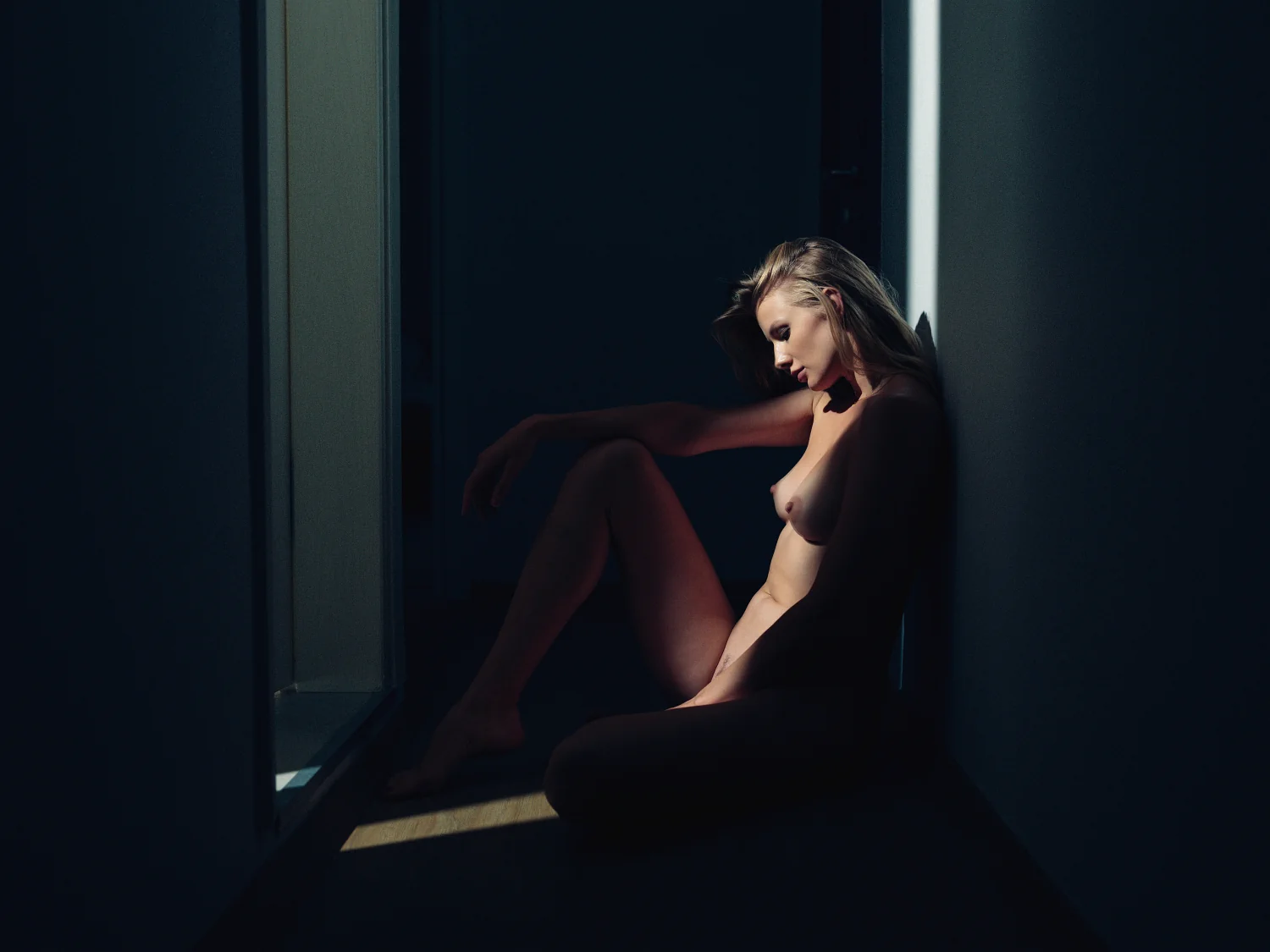
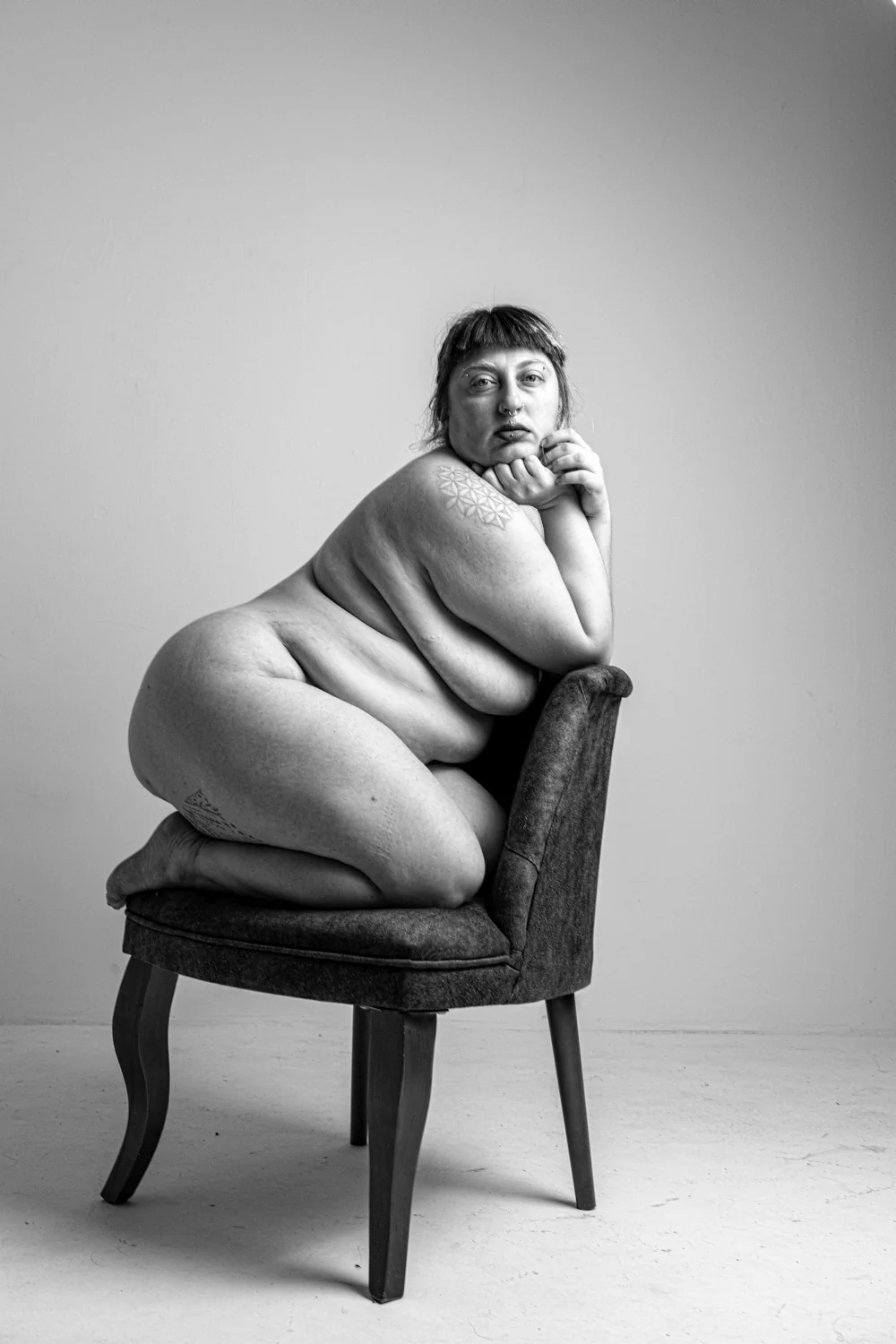
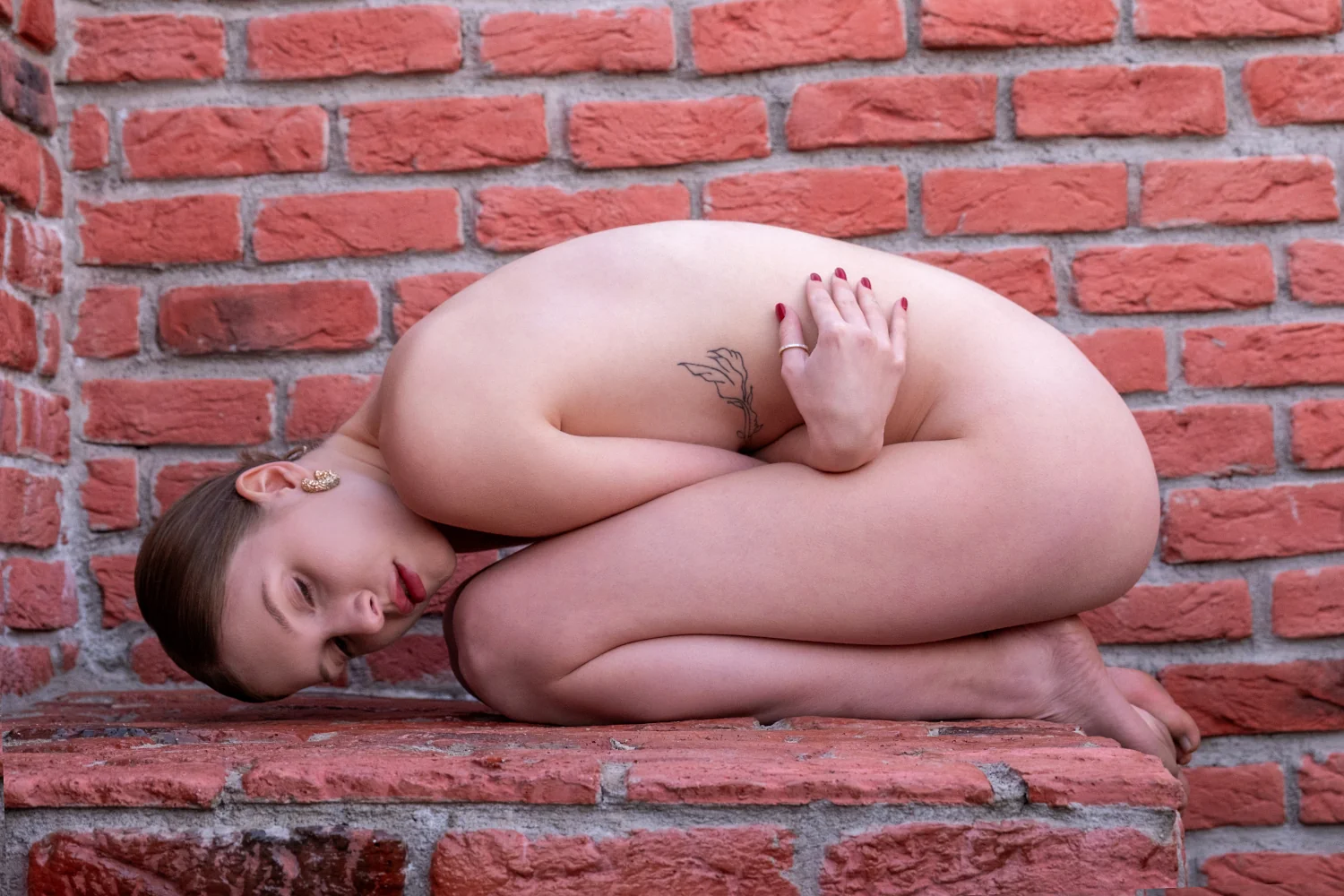
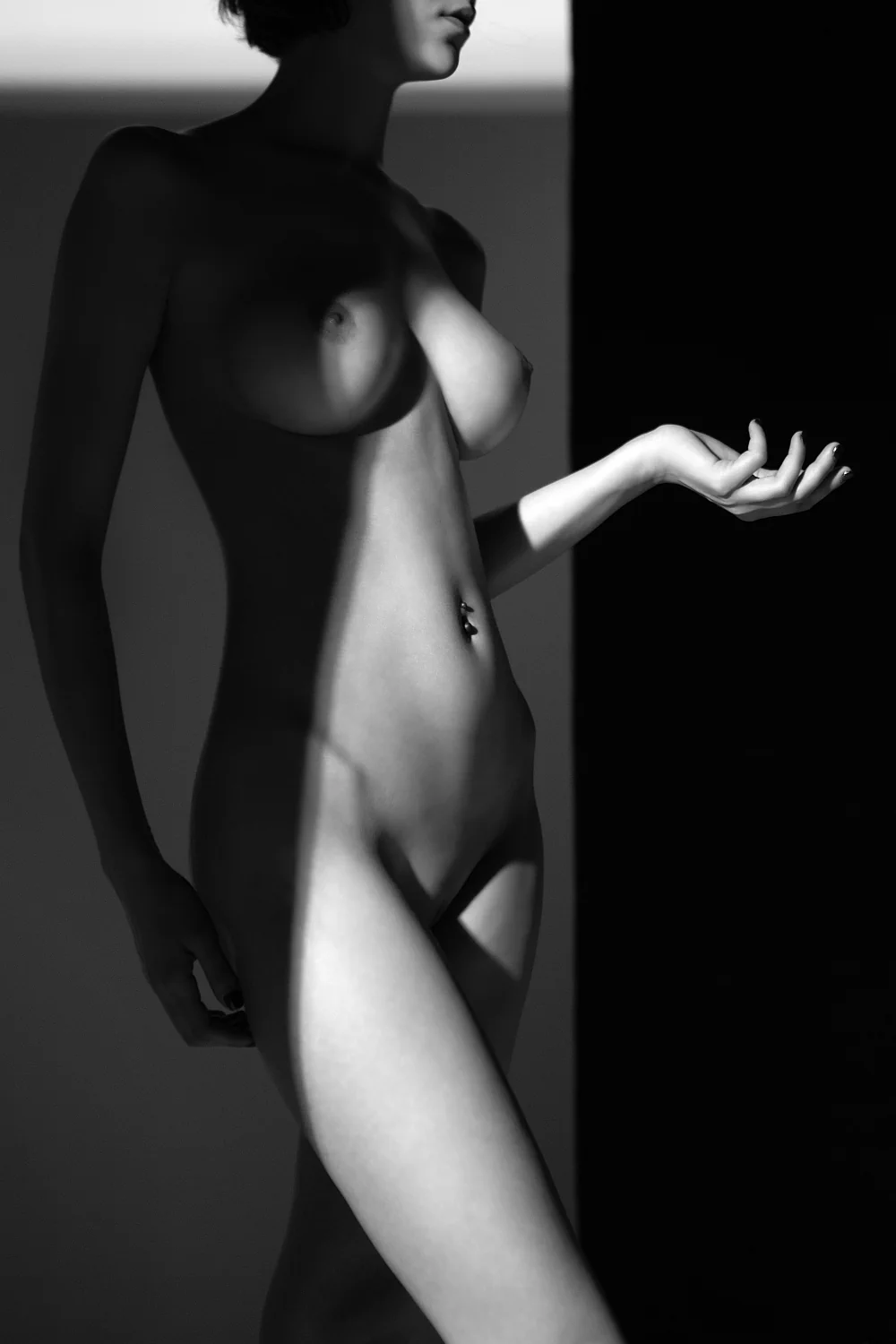
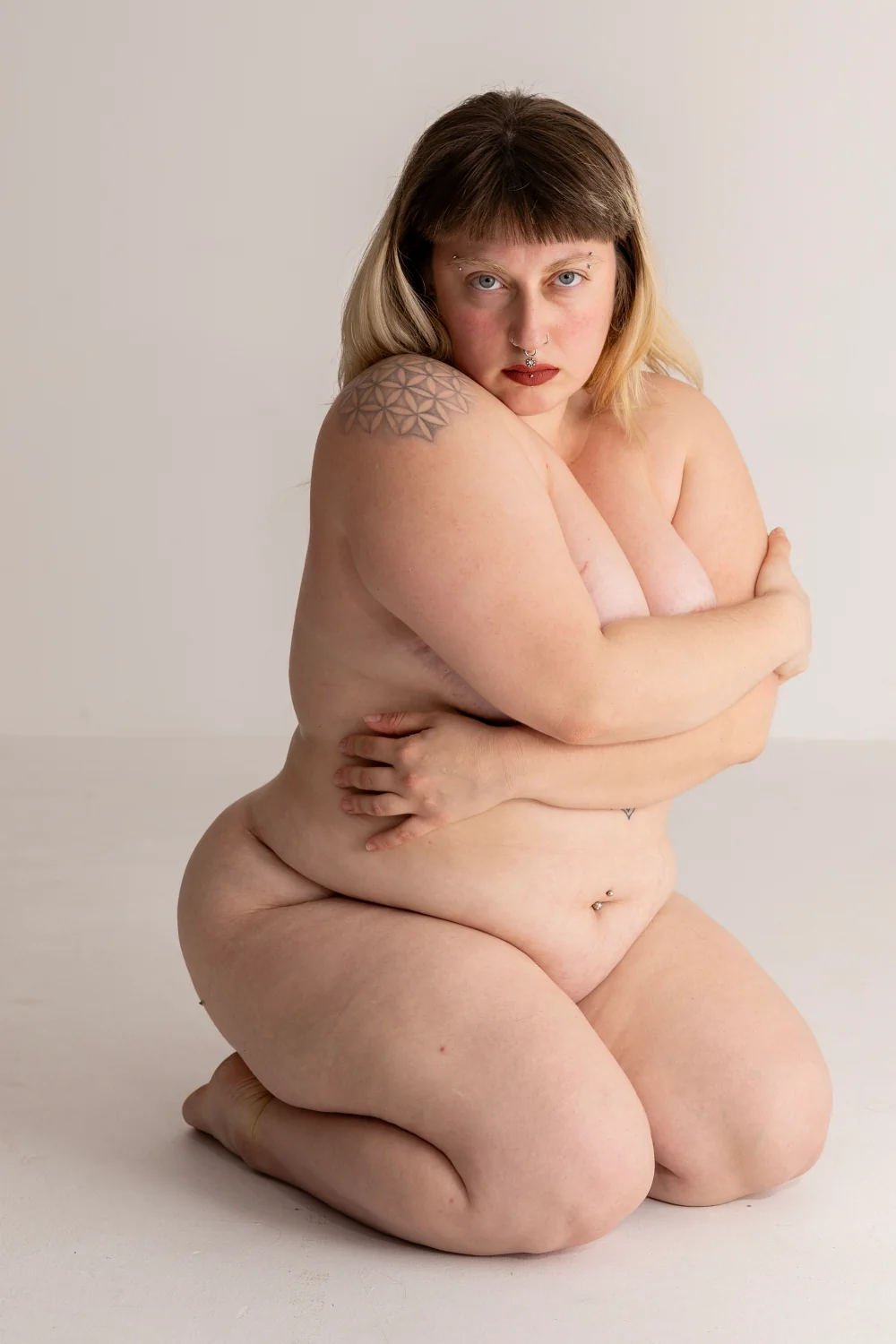
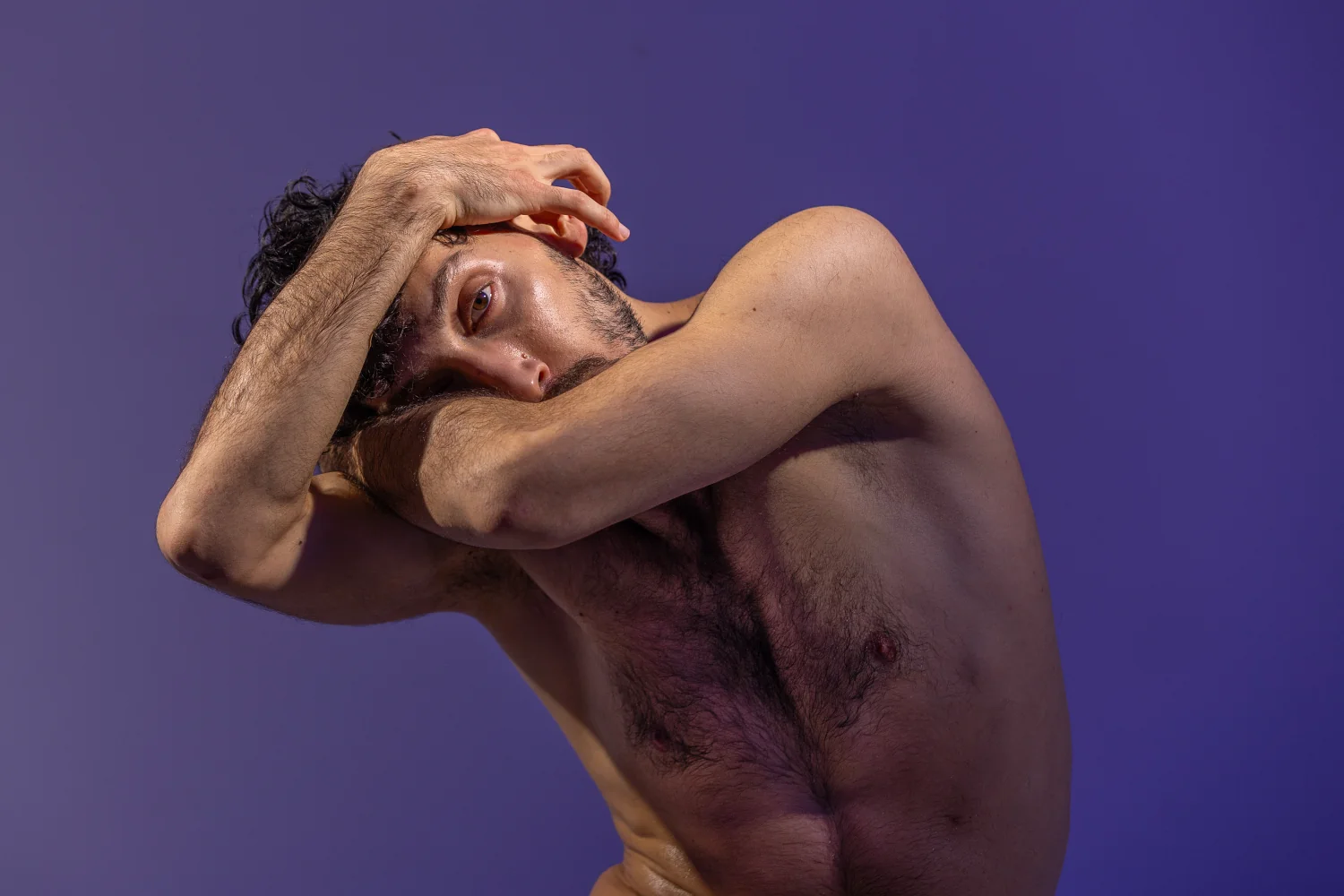
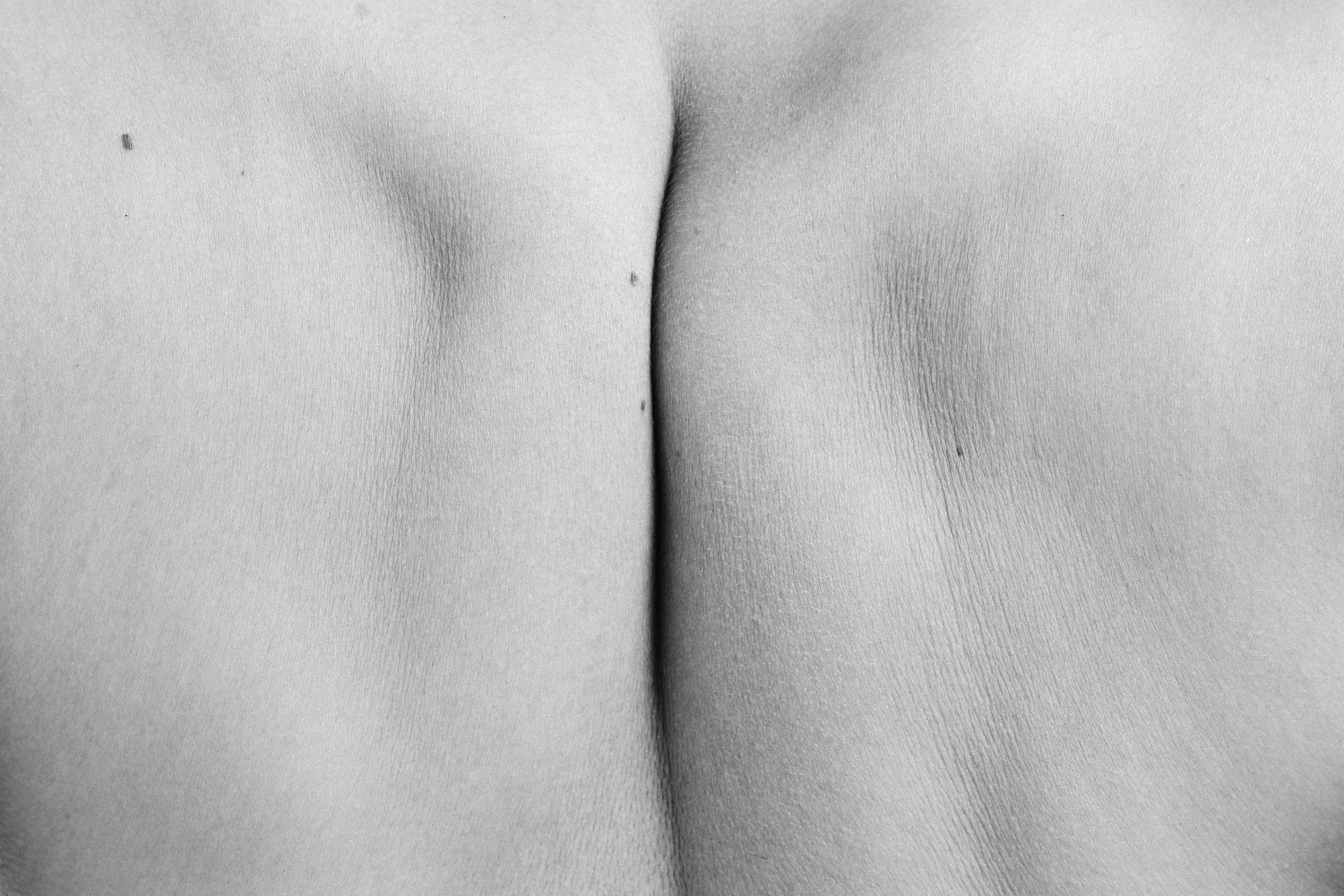
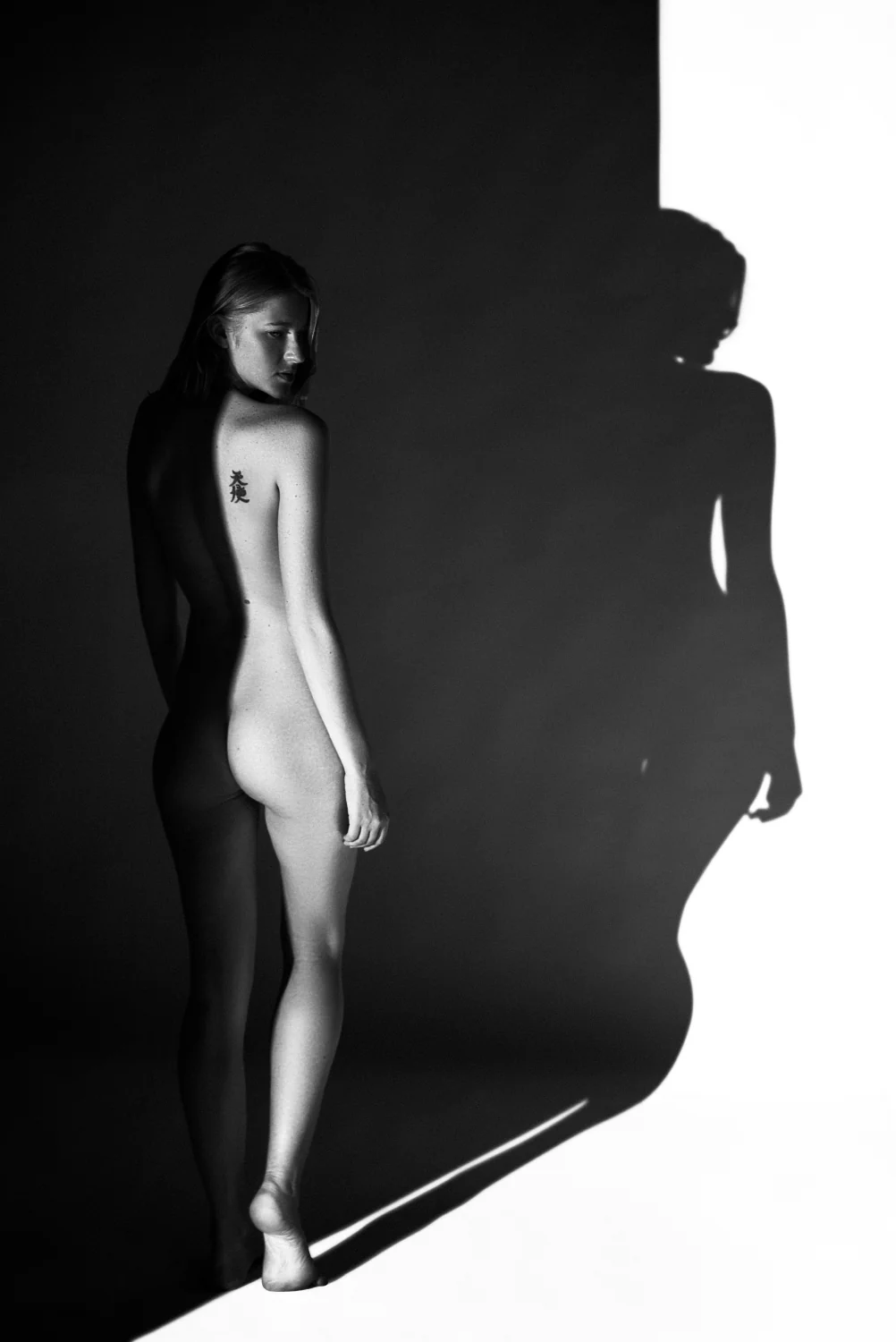
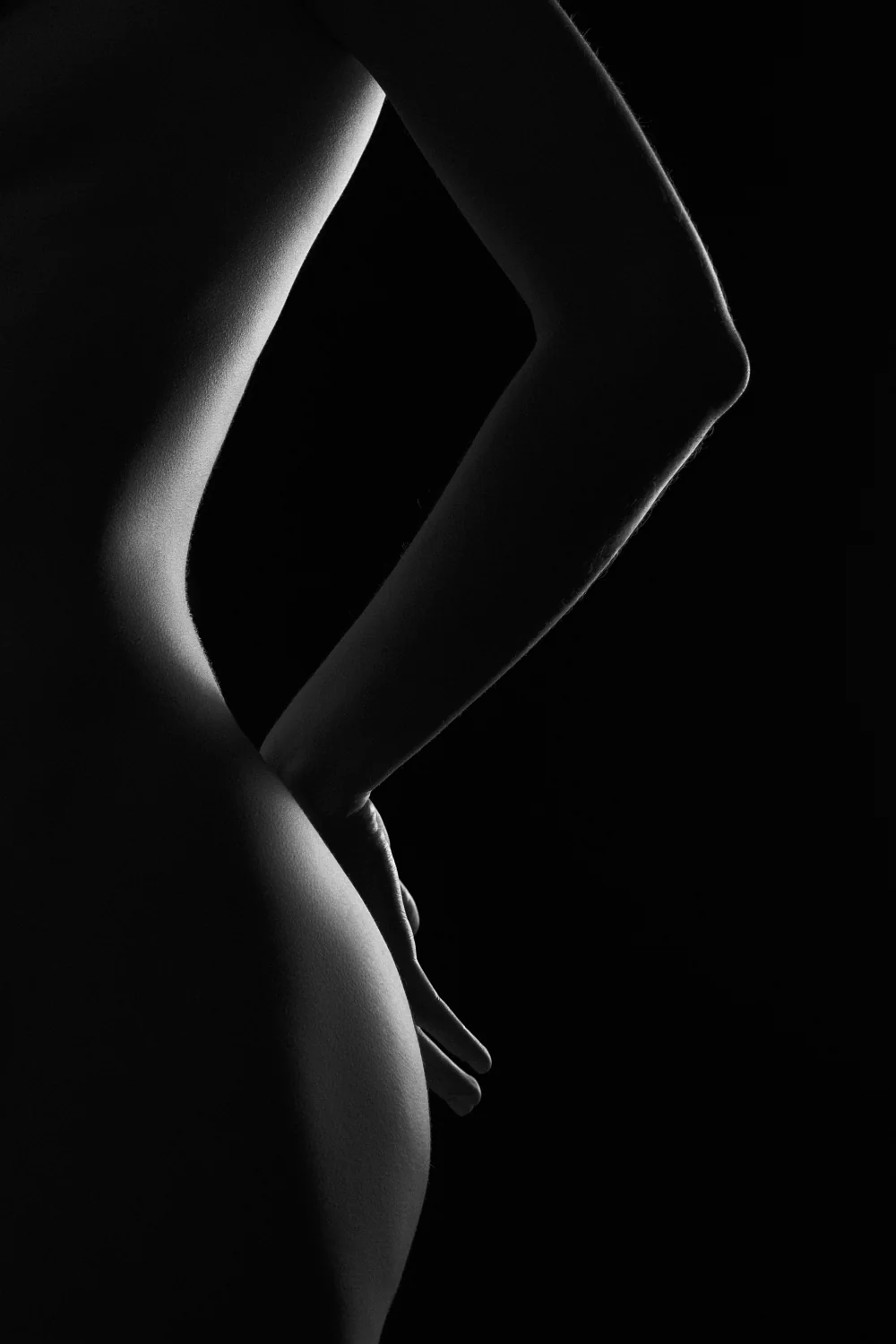
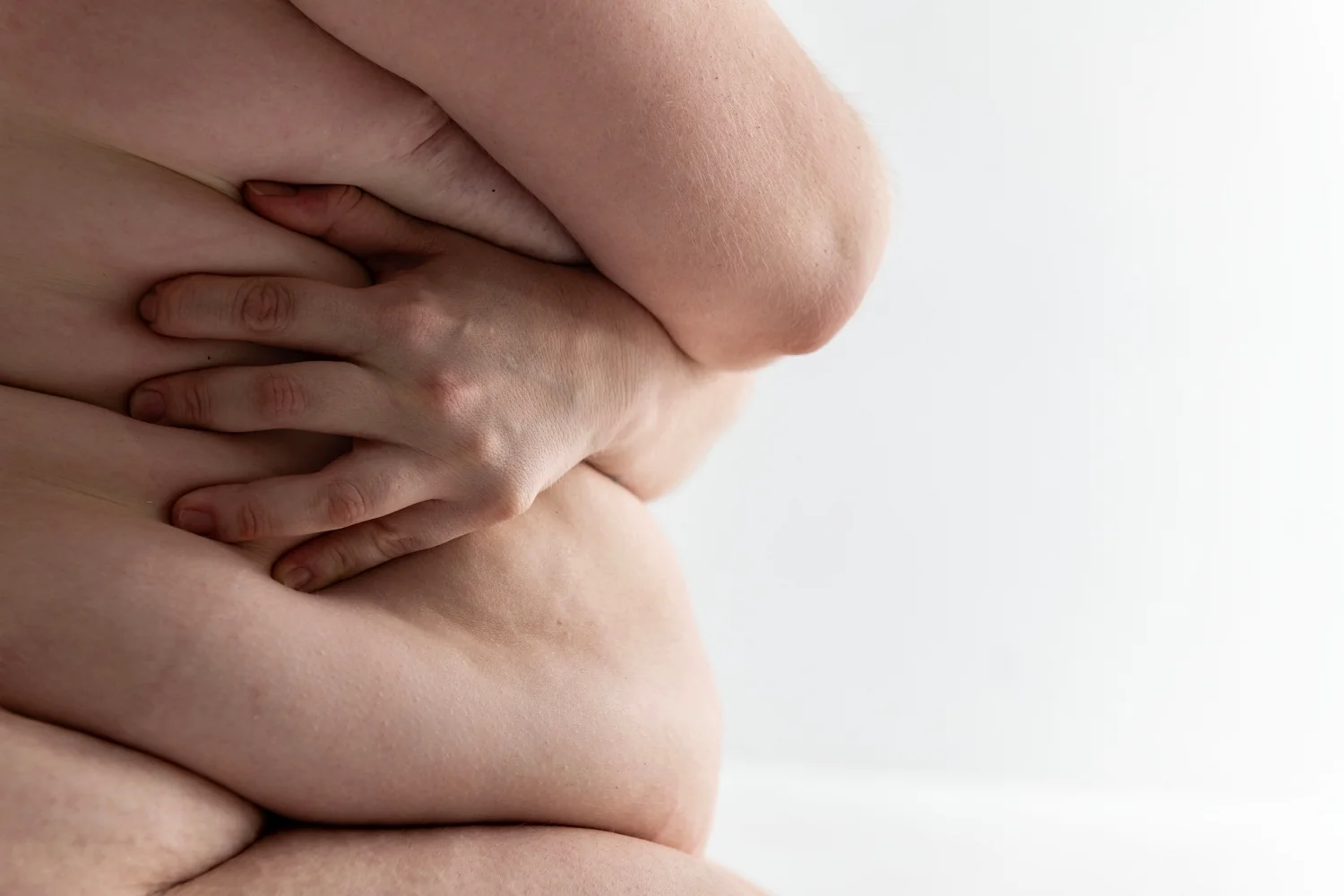
Duration – Matter – Opacity – Rooms – Self-Possession – Surface
PRESS
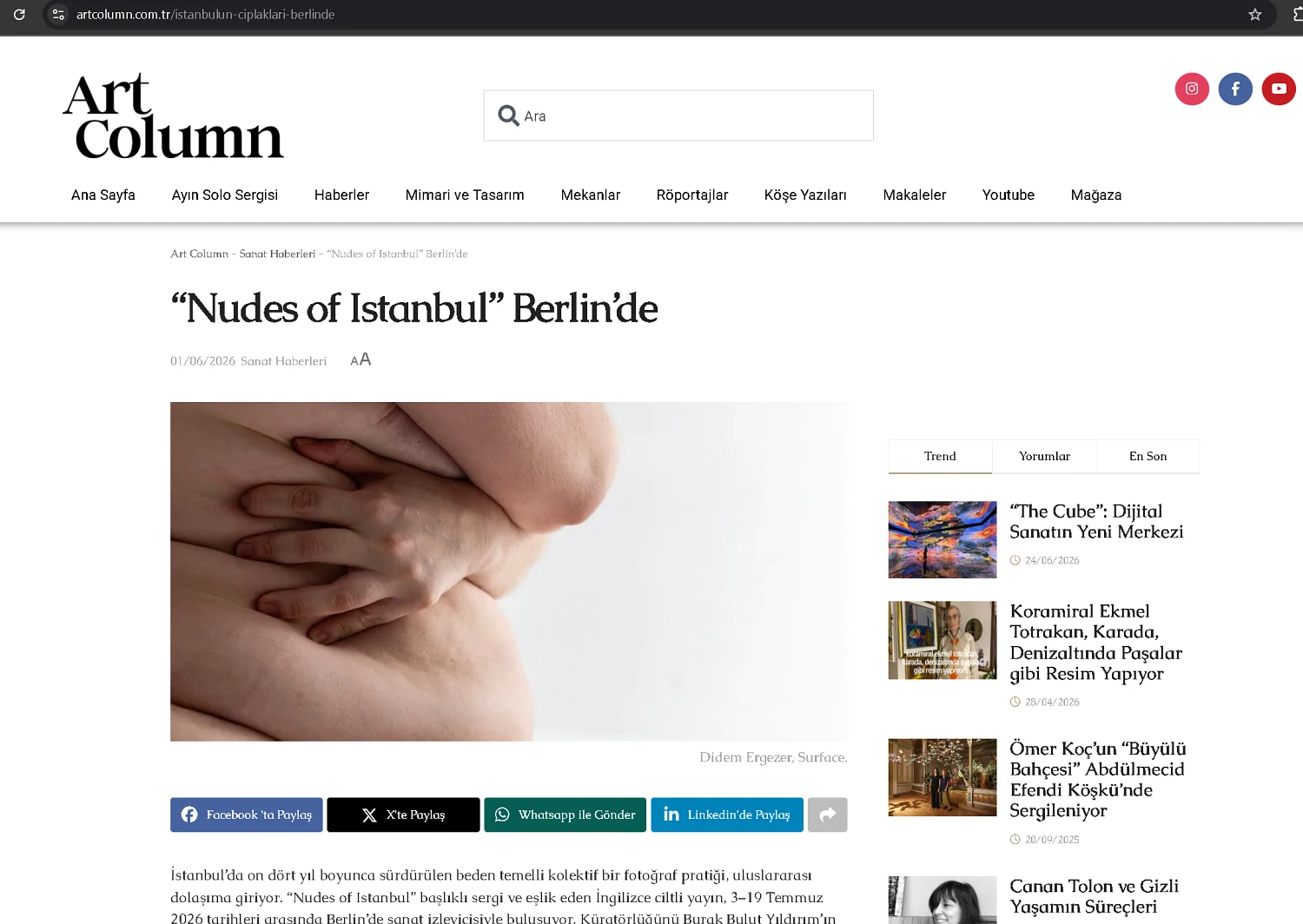
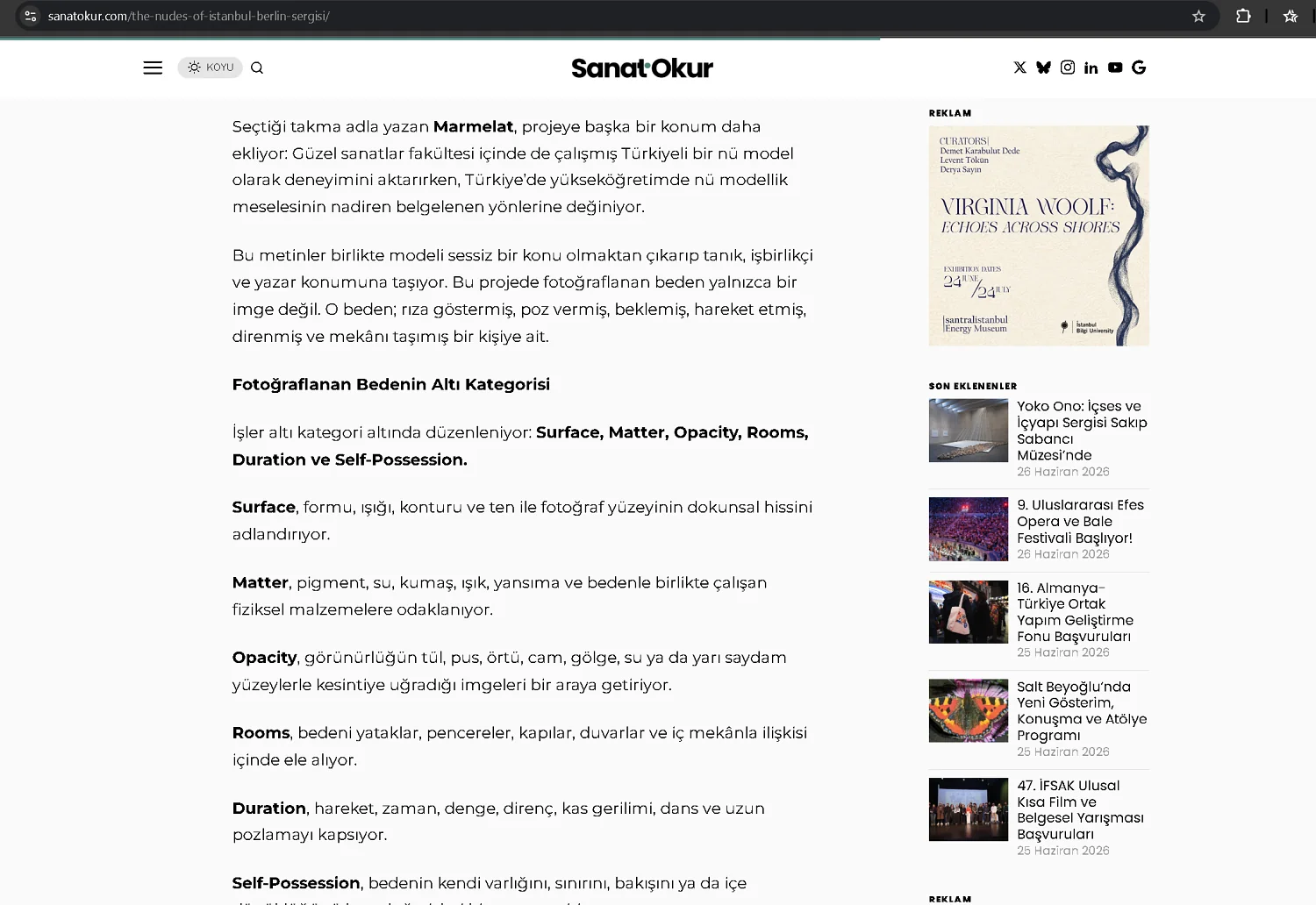
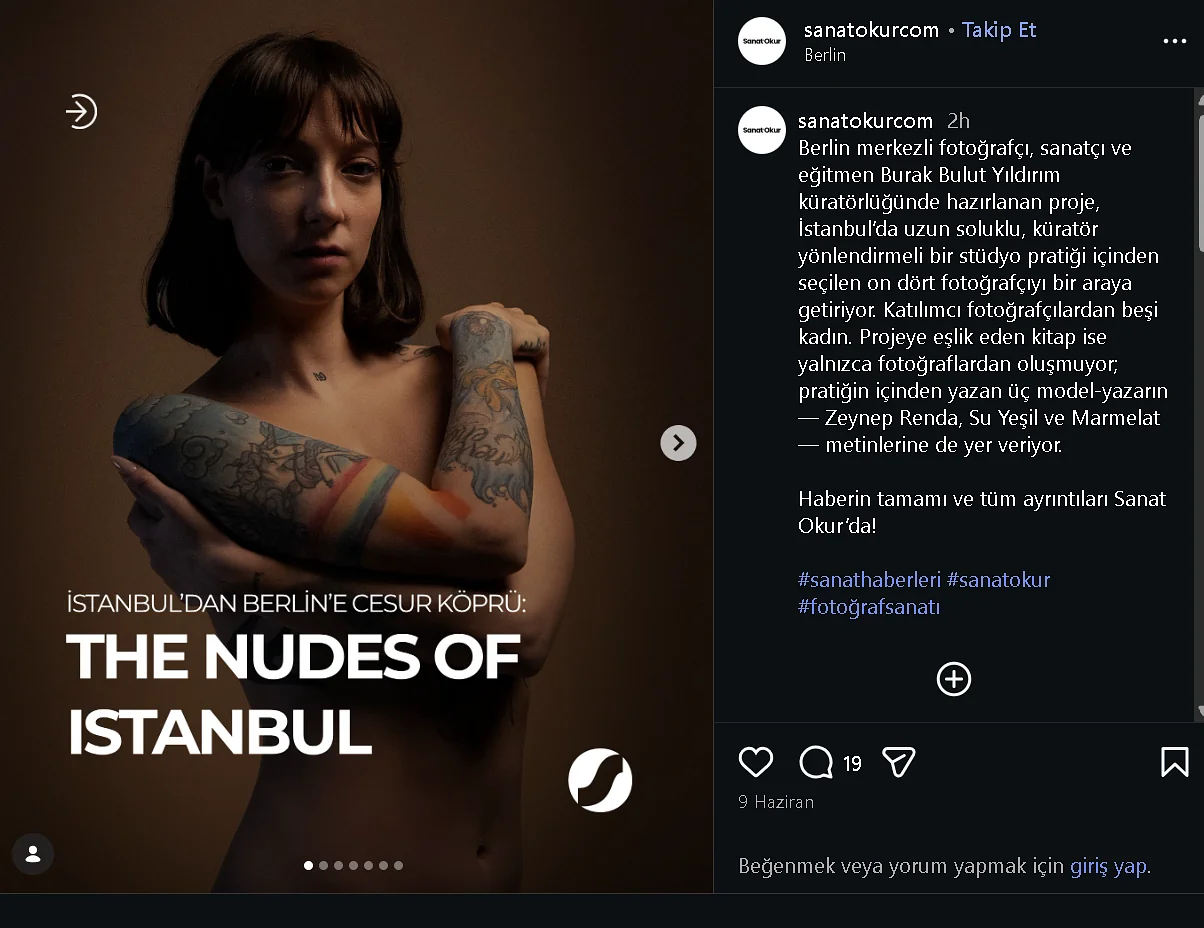
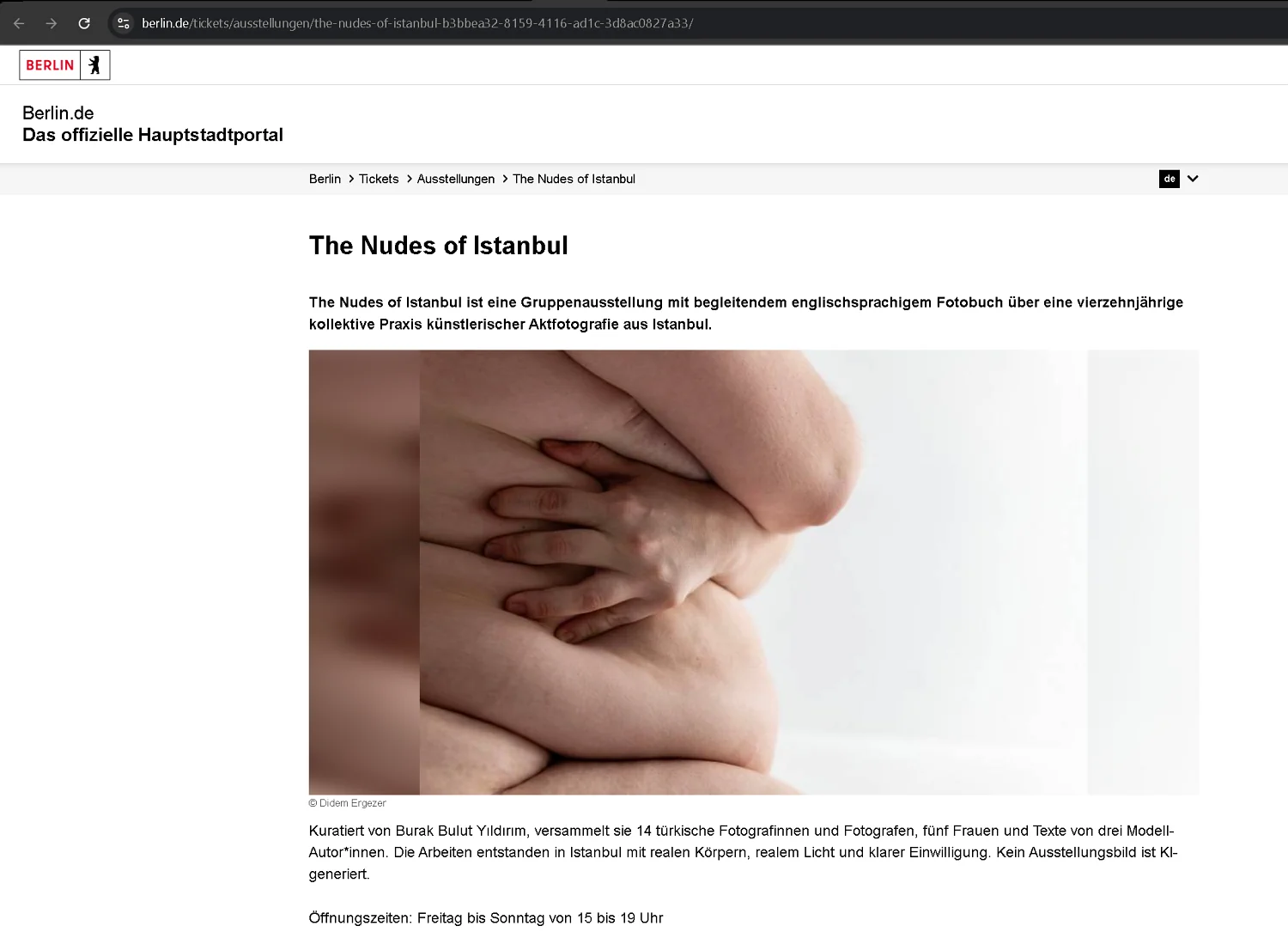
Why This Project Matters
A rare collective record from Turkey
The public record of fine-art nude photography from Turkey has remained limited and intermittent, shaped by single-author exhibitions, a thin publication history, and a small number of documented reference points. Nudes of Istanbul appears within that narrow field as a rare collective book-length project dedicated to the photographed body.
A sustained practice, not a workshop archive
The project was formed through fourteen years of repeated, curator-directed photographic productions in Istanbul. Each production created a demanding photographic situation: a body, a visual premise, a lighting environment, a set of material conditions, and a shared ethical space. The selected works are finished individual photographs, made within a sustained collective field.
Shared conditions, distinct authorship
The exhibition holds two layers together. The first is the curatorial field Burak Bulut Yıldırım developed across fourteen years: concept, lighting, casting, set construction, material direction, and publication framework. The second is the photographic authorship of each participant, located in their frame, distance, timing, restraint, tonal sensitivity, and moment of release. The shared conditions are the structure through which differences in seeing become visible.
Models as authors, not only subjects
The publication includes commissioned essays by three model-authors central to the Istanbul practice: Zeynep Renda, Su Yeşil, and Marmelat. Renda and Yeşil write under their own names. Marmelat writes under a chosen pseudonym and addresses nude modelling within the Turkish fine arts academy, drawing on three years of experience as a nude model at a fine arts faculty. Their texts are structural parts of the book, written alongside the photographs rather than about them from outside. Including them follows from the curatorial position that a photograph of the body records a relationship between the person photographed, the person photographing, and the light that holds the room.
Berlin as the opening chapter, Barcelona as the second exhibition
The Berlin exhibition did not move the work away from Istanbul. It opened a public, international chapter for photographs made there and held for years within limited channels of circulation. That chapter continues at Uxval Gochez Gallery in Barcelona from 20 November to 4 December 2026, establishing a second European exhibition context for the same collective body of work.
Curatorial Essay
The argument of Nudes of Istanbul begins from a structural contradiction. Istanbul has produced a sustained and technically accomplished field of fine-art nude and body-based photography, yet this work has rarely entered international circulation through books, institutions, dedicated platforms, or collective exhibitions. The reasons are structural, not artistic: a thin publication record, few dedicated venues, intermittent exhibition visibility, and a historical record shaped largely by individual male authorship.
The exhibition answers that absence through one specific collective practice. Fourteen photographers, drawn from a fourteen-year curator-directed practice in Istanbul, are presented together as a coherent formation on an international platform. Five of them are women. This is part of the project's structure of authorship: different positions of looking take part in deciding how the body is seen, framed, withheld, and released into public view.
Three theoretical positions frame the reading. Jean Baudrillard helps to recognise how an image can detach from the body it claims to depict. Laura Mulvey remains unavoidable for any serious discussion of the gaze, as the field within which images of the body continue to be made and read, though not as a thesis to be applied mechanically to every photograph. Maurice Merleau-Ponty offers a phenomenological understanding of the body as the ground of perception, not simply an object viewed from outside.
The project also sits inside a wider Turkish discourse on body politics and representation. Artists such as İpek Duben and Nilbar Güreş have, across different media and registers, examined gender, intimacy, social codes, the body, and self-representation in Turkish visual culture. Ahu Antmen's writing on body, identity, gender, and art provides an important art-historical framework for understanding how modernity, cultural codes, and identity politics have shaped the represented body in Turkey. Nudes of Istanbul claims no direct continuity with these practices. It stands beside them within the same broader question: how is the body allowed to be seen, by whom, under what conditions, and through which forms of public record?
That question remains charged. The public exhibition of nude photography from Turkey has often moved through limited channels: private studios, small circles, intermittent exhibitions, and a thin publication record. The pattern is not specific to one country. In November 2024, İnci Eviner's video Harem (2009), based on Antoine Ignace Melling's engraving of the Ottoman harem, was withdrawn shortly before opening from a major Jean-Léon Gérôme exhibition at Mathaf: Arab Museum of Modern Art in Doha. The artist described the decision as censorship. Cases like this show that the politics of representing the body remain active, contemporary, and unevenly distributed across cultural contexts.
The exhibition holds that a photograph of the nude, made in-camera, with physical intervention, in a room where the person is actually present, remains a serious artistic act. In these photographs the body is the working material of the image and, at the same time, a person who has consented, posed, waited, moved, resisted, and held the room.
The exhibition takes that physical and ethical ground as its starting point.
Curatorial Taxonomy
The works are organised across six registers of the photographed body. The nude is treated as a set of conditions, not a fixed genre: the sequence follows the dominant condition through which each photograph asks to be read, as surface, as matter, as withheld image, as a figure inside rooms, as duration, or as a self-possessed presence. A photograph is placed by its primary visual force, not by an inventory of what appears inside the frame. The question is always curatorial: what is the photograph fundamentally doing to the body?
1. Surface
The body as contour, terrain, and image surface
A work belongs to Surface when the body is read before identity: as contour, volume, light, shadow, line, and terrain. Close framing, reduced context, low-key light, or a neutral ground can turn skin into image surface. These photographs ask how light makes form visible, more than who the body is, where it is, or what material touches it. A face may appear but should not dominate. If the gaze or a self-held posture becomes the central force, the work moves toward Self-Possession; if pigment, liquid, fabric, or coloured light actively changes the skin, it moves toward Matter.
2. Matter
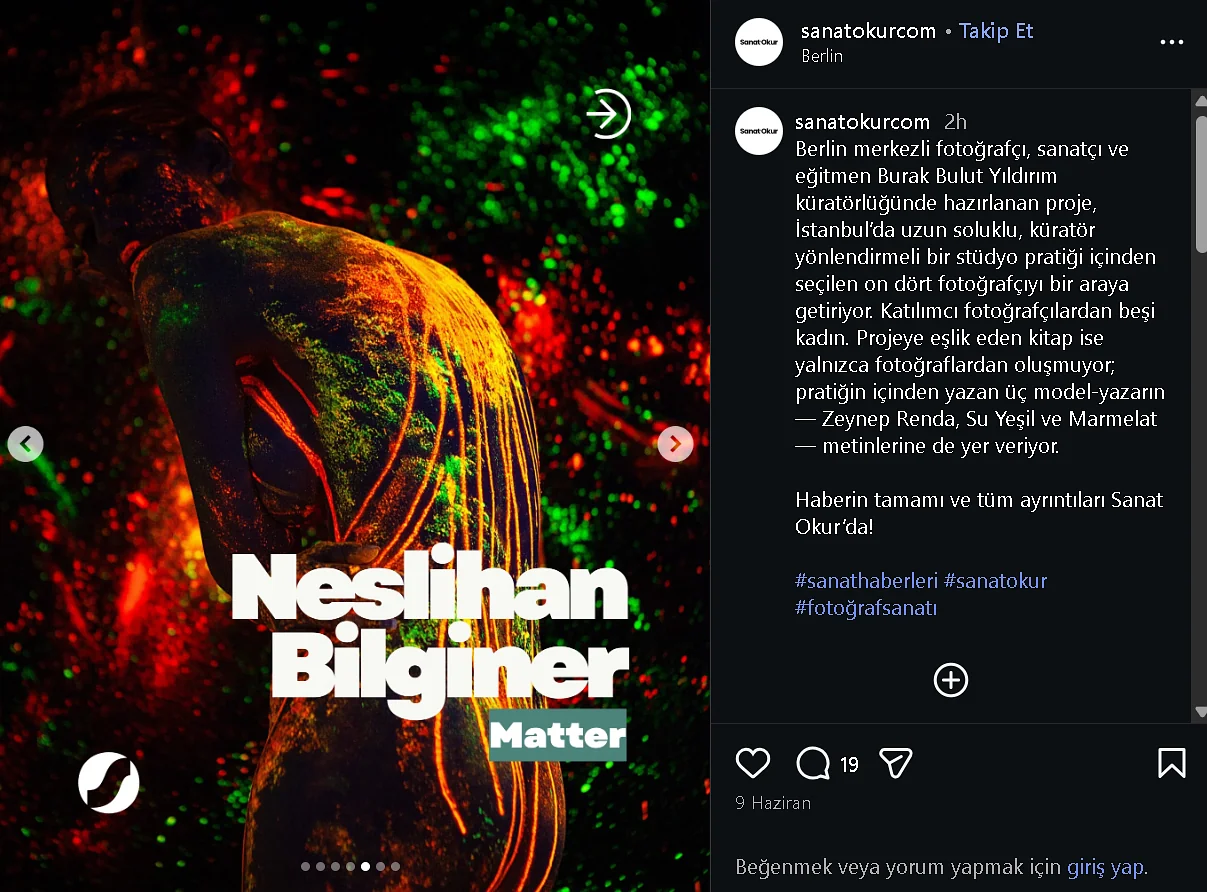
Pigment, liquid, fabric, metal, and light acting on skin
A work belongs to Matter when the body's surface is altered by physical or optical contact. Pigment, powder, paint, glitter, water, oil, fabric, metal, reflective material, projected light, or coloured light may stain, cover, mark, reflect, or reshape the skin. The body receives and records contact. If a material changes the surface of the body, the image belongs here; if it mainly interrupts the viewer's access to the body by veiling, obscuring, or withholding it, the image moves toward Opacity. Matter touches the body. Opacity stands between the body and the viewer.
3. Opacity
The refusal of full visibility
A work belongs to Opacity when the viewer's access to the body is interrupted. Fabric, water, haze, shadow, reflection, glass, translucent surfaces, veils, nets, or atmospheric light may keep the figure present but not fully available. The image delays, filters, or destabilises looking instead of offering the body as transparent information. Darkness alone does not make a work opaque: if darkness draws the body as form, the work belongs to Surface, and if the person's direct look or self-contained posture is stronger than the obstruction, it moves toward Self-Possession.
4. Rooms
Private interiors, public pressure
A work belongs to Rooms when interior space becomes a determining element of the photograph. Beds, chairs, sofas, curtains, carpets, walls, windows, doors, corners, bathrooms, and temporary studio interiors can do more than set the scene: they place the body inside a social and psychological field of privacy, permission, exposure, domesticity, and pressure. Furniture alone is not enough; the room must change how the body is read. If the body remains isolated as form, the work belongs to Surface; if the figure's inwardness or gaze is the strongest force, it belongs to Self-Possession.
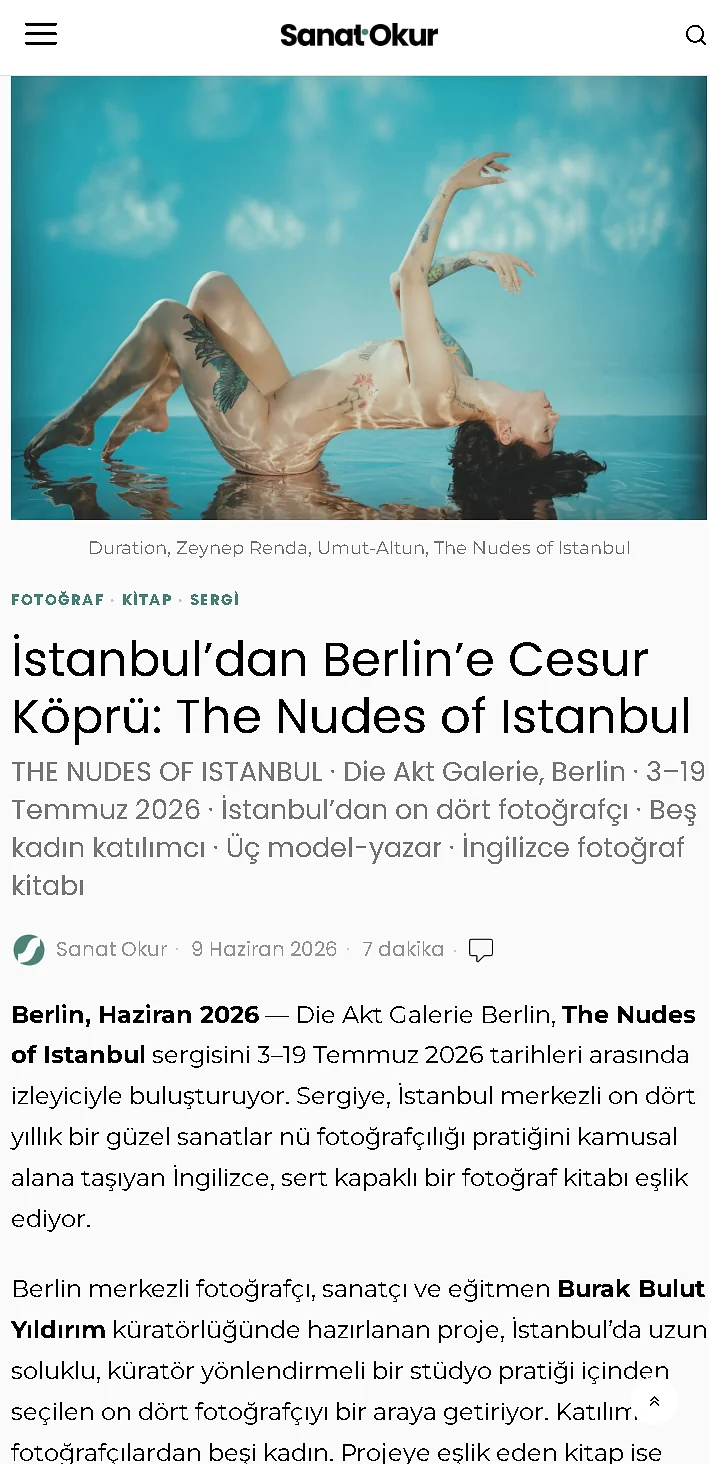
5. Duration
Movement, suspension, gravity, and time
A work belongs to Duration when the body is read as an event in time. Movement, suspension, balance, blur, long exposure, dance, acrobatics, falling, holding, stretching, or resisting gravity replace the fixed pose with a sense of physical duration. The photograph records a body together with the time it takes to hold, move, fall, stay suspended, or resist collapse. Visible blur is not required: a still image belongs here when the body carries strong physical tension, such as muscle strain, balance, suspension, or resistance.
6. Self-Possession
The body held by the person within the image
A work belongs to Self-Possession when the person within the image holds the body instead of surrendering it to the viewer. This may happen through direct gaze, refusal, stillness, inwardness, a closed posture, a self-protective gesture, or a quiet insistence on presence. The category concerns ownership, not vulnerability: the body belongs to someone. A visible face is a strong signal but not a requirement. A turned back, a folded body, or a withdrawn posture can also produce self-possession when the figure remains legible as a person setting the terms of visibility.
The Turkish Genealogy
A Turkish genealogy of nude photography exists, but it has been intermittent, not cumulative. Işık Özdal's 2011 academic survey, Türk Fotoğrafında Nü Sergilerin Analizi, traces a record beginning with Çerkes Karadağ's Nüans, shown in Cologne in 1988 and Istanbul in 1989. A limited sequence of later exhibitions followed, by photographers including Mehmet Koştumoğlu, Levent Öget, İbrahim Göğer, Orhan Alptürk, Saygun Dura, Cem Boyner, and Niko Guido.
Özdal's survey identifies a field shaped by discontinuity. The practice has appeared largely through individual exhibitions, without sustained collective structures. The published record remains thin: Alberto Modiano's Türk Fotoğrafında Çıplak (2004) stands as one of the few substantial book-length treatments of the subject. The record also shows a pronounced imbalance in authorship, with women photographers largely absent from the early exhibition history documented in the survey.
The period after 2011 has not produced a continuous, widely visible institutional record of fine-art nude photography from Turkey. Body politics, however, remained central to Turkish visual culture. Ahu Antmen's writing on body, identity, gender, and representation; İpek Duben's long-term engagement with the body, identity, gender, and self-representation; the historical framing of the nude in modern Turkish painting; and Nilbar Güreş's sustained practice around gender, social codes, and embodied identity together define a wider cultural field in which the visibility of the body remains contested.
These practices are not a direct lineage for Nudes of Istanbul, which is photographic, collective, and rooted in one long-term Istanbul working environment. They help define the broader question the project belongs to: how does the body become visible in Turkish visual culture, who is allowed to frame it, and through which structures can it enter the public record?
The accompanying publication appears as a rare book-length collective project dedicated to fine-art nude photography from Turkey since Modiano's 2004 volume. It presents a sustained collective practice through fourteen photographers, five of them women, and includes commissioned essays by three model-authors. It organises the work across six contemporary registers, Surface, Matter, Opacity, Rooms, Duration, and Self-Possession, which connect the Istanbul practice to current frameworks in art photography.
Berlin → Barcelona: International Circulation
Berlin opened the project's public international circulation, and Barcelona continues it. The publication travels on its own track, independently of either venue.
The first public presentation took place at Die Akt Galerie in Berlin from 3 to 19 July 2026, with 28 photographs. The second presentation is confirmed at Uxval Gochez Gallery in Barcelona from 20 November to 4 December 2026, with an opening on Friday, 20 November at 19:30 and a public book presentation on Saturday, 21 November at 12:00. During LOOP Barcelona, on 20 and 21 November, the documentary Nudes of Istanbul: The Body and the Room, directed by Meryem Aydın, is screened at the gallery as part of LOOP City Screen.
London is an important context for the book's institutional circulation: the National Art Library at the Victoria and Albert Museum has accepted a copy of the publication into its collection, and further presentations there are being explored.
Nudes of Istanbul is intended to continue through book presentations, exhibitions, public conversations, institutional collaborations, and academic programming in Turkey and selected European cities, including future presentations in Istanbul.
The publication circulates through art-book distribution, direct distribution, institutional outreach, library acquisition, and archival placement. Alongside the National Art Library at the V&A, the book is held by Istanbul Modern Library, and deposit copies have been delivered to the Deutsche Nationalbibliothek in Germany. Reading copies or digital previews can be made available to curators, editors, publishers, critics, and academic researchers by arrangement.
Institutions interested in hosting the exhibition, organising a public conversation, building academic programming around the publication, discussing book distribution, or acquiring the book for a library or archive are welcome to get in touch.
Press, Publishers & Institutional Enquiries
Press materials include selected high-resolution images, curatorial statements, photographer biographies, factual press releases, publication preview material, interview availability, exhibition details, and image credit and consent information. Reading copies are available by arrangement. Curatorial statements exist in English, German, and Turkish; dedicated Barcelona press materials are available in English, Spanish, and Catalan.
During the Barcelona exhibition, journalist previews, interview requests, academic visits, publisher conversations, institutional hosting enquiries, and curatorial meetings can be arranged. The curator will be in Barcelona for the opening on 20 November 2026 and for the public book presentation at Uxval Gochez Gallery on Saturday, 21 November 2026 at 12:00.
Curators, art critics, editors, publishers, library acquisition teams, and academic researchers working in contemporary photography, nude art, Turkish visual culture, gender, image politics, body-based practice, publication histories, or collective authorship are particularly welcome.
Theoretical References
The curatorial framework draws on the following primary references.
- Antmen, Ahu. Kimlikli Bedenler: Sanat, Kimlik, Cinsiyet. Sel Yayıncılık, Istanbul, 2014.
- Baudrillard, Jean. Simulacra and Simulation. University of Michigan Press, 1994.
- Berger, John. Ways of Seeing. Penguin Books, 1972.
- Merleau-Ponty, Maurice. Phenomenology of Perception. Routledge, 2012 (1945).
- Modiano, Alberto (ed.). Türk Fotoğrafında Çıplak. Bileşim Yayınevi, Istanbul, 2004.
- Mulvey, Laura. "Visual Pleasure and Narrative Cinema." Screen 16:3, 1975.
- Özdal, Işık. "Türk Fotoğrafında Nü Sergilerin Analizi." SDÜ ART-E, 2011.
- Sontag, Susan. On Photography. Farrar, Straus and Giroux, 1977.
The full bibliography, including primary sources for the Turkish exhibition history and the post-2011 body-politics references discussed above, appears in the publication.