Progetto curatoriale: Mostre internazionali e pubblicazioni
Nudi di Istanbul
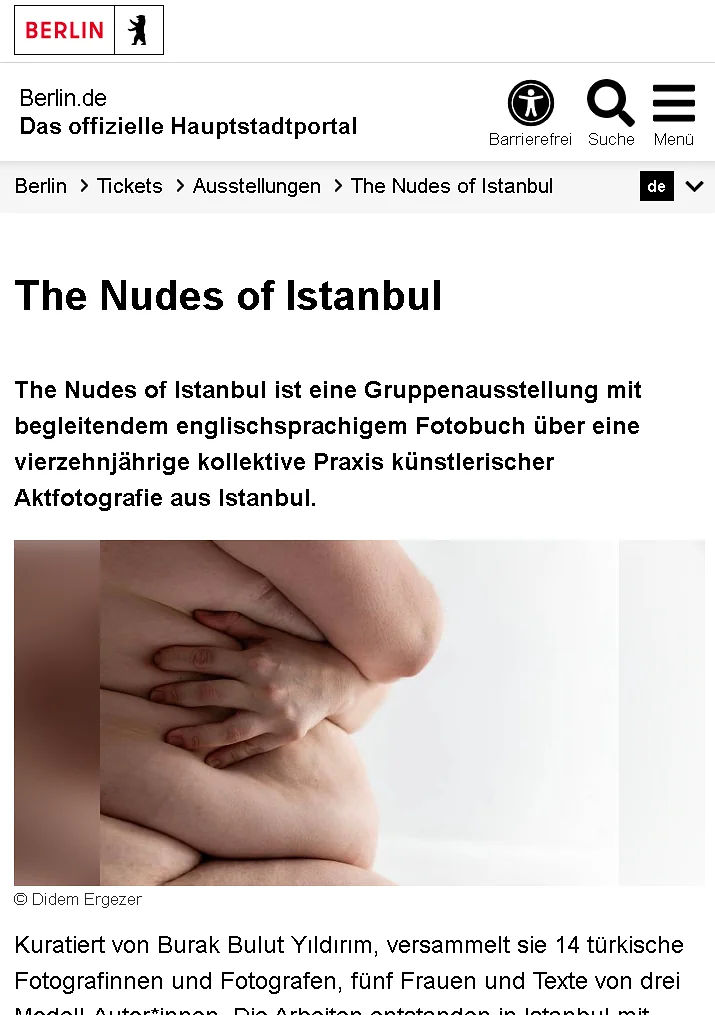
Un libro fotografico collettivo e una mostra fotografica itinerante da Istanbul, incentrati sul corpo
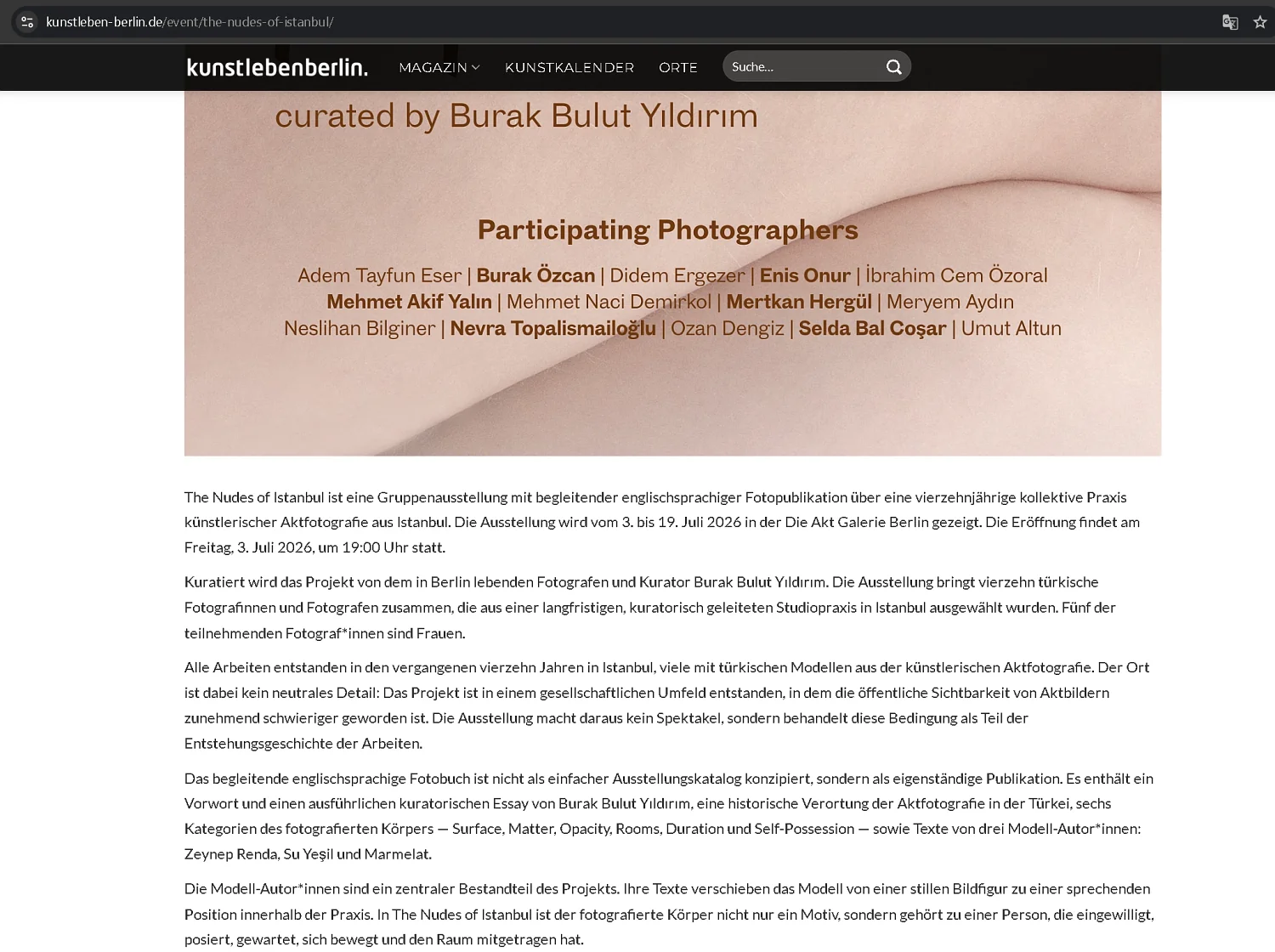
Quattordici fotografi e tre modelli-autori, selezionati tra quattordici anni di produzione fotografica incentrata sul corpo a Istanbul. Un volume rilegato in lingua inglese e un programma espositivo internazionale inaugurato a Berlino e che prosegue a Barcellona.
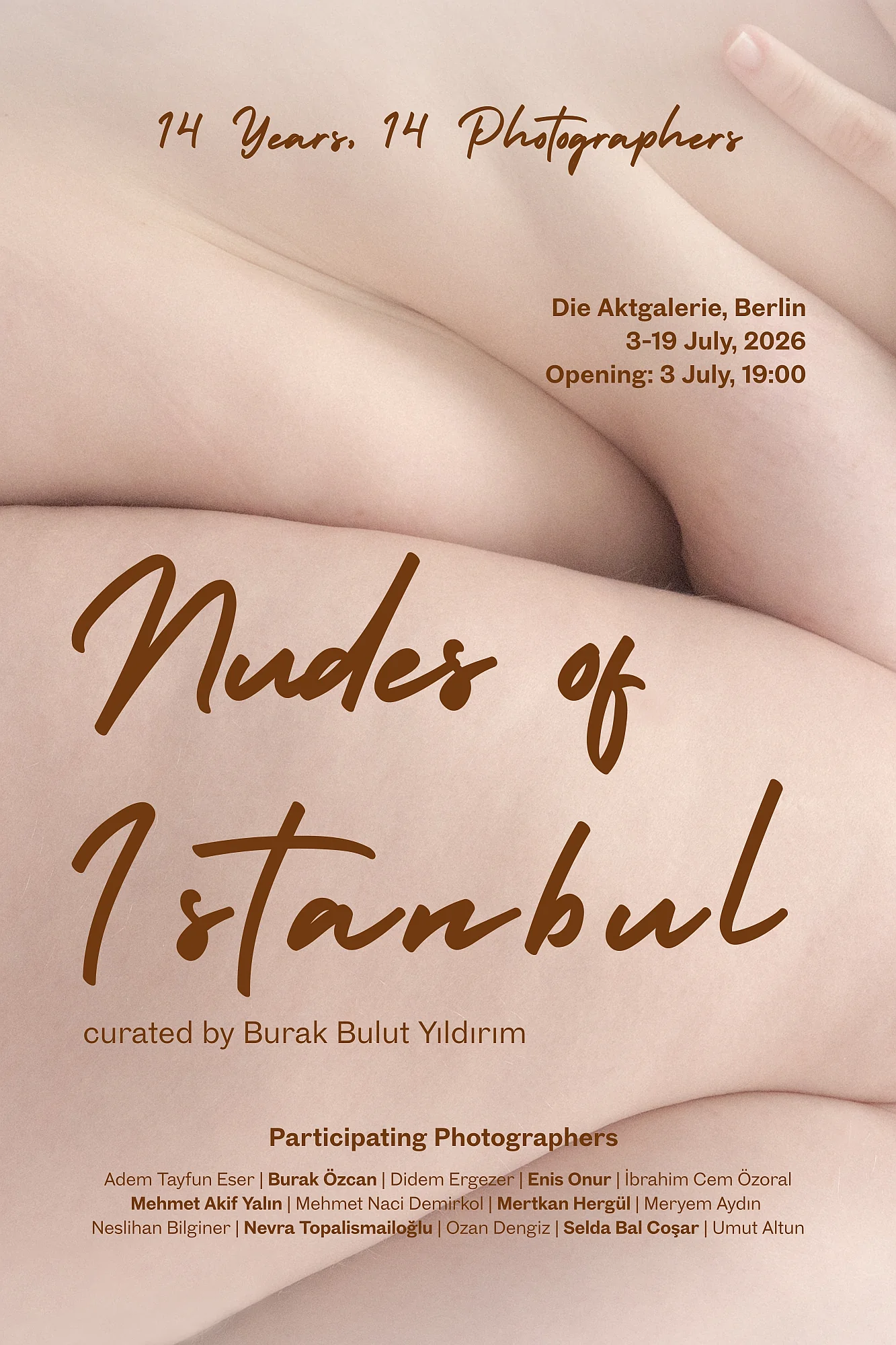
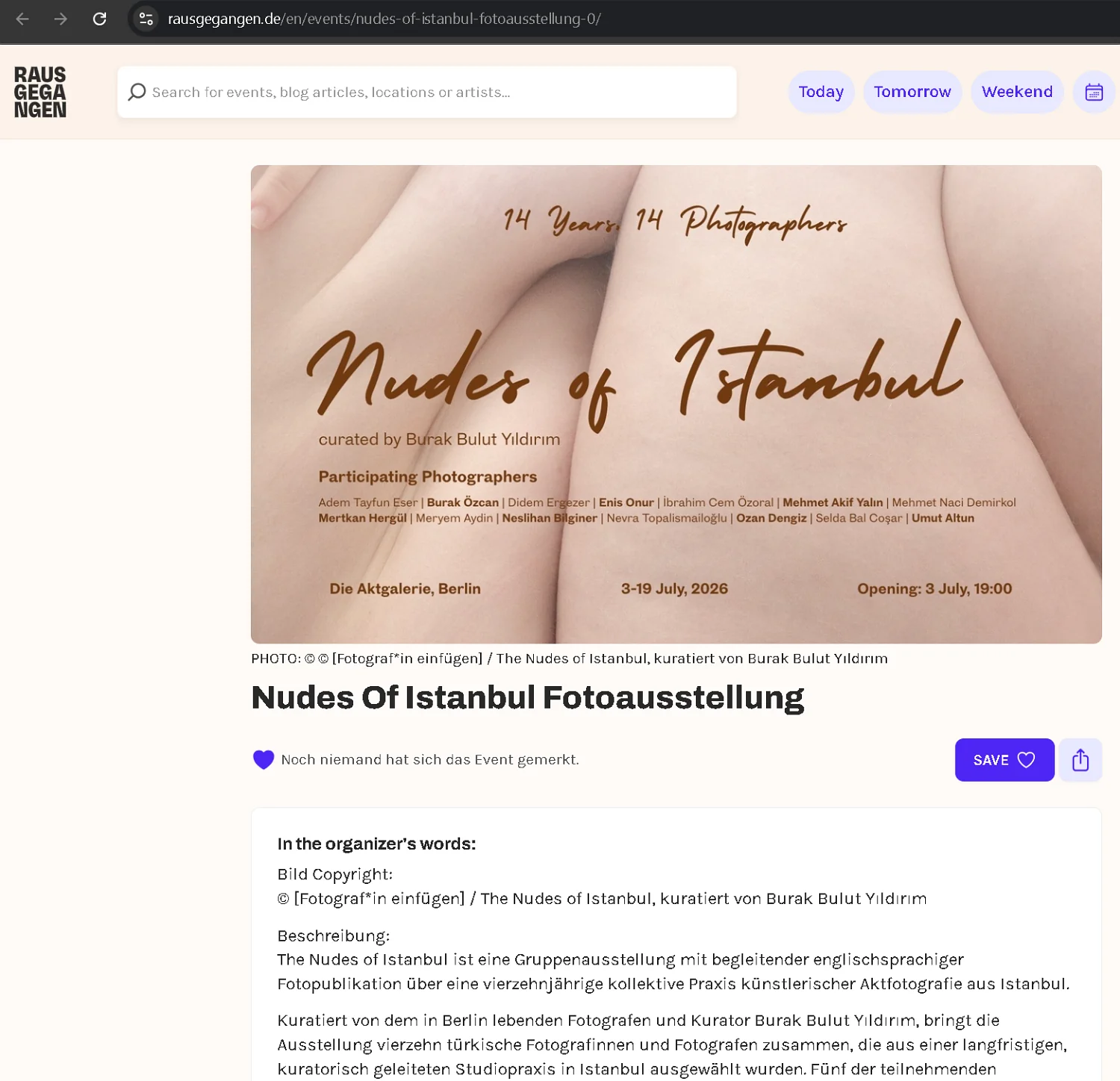
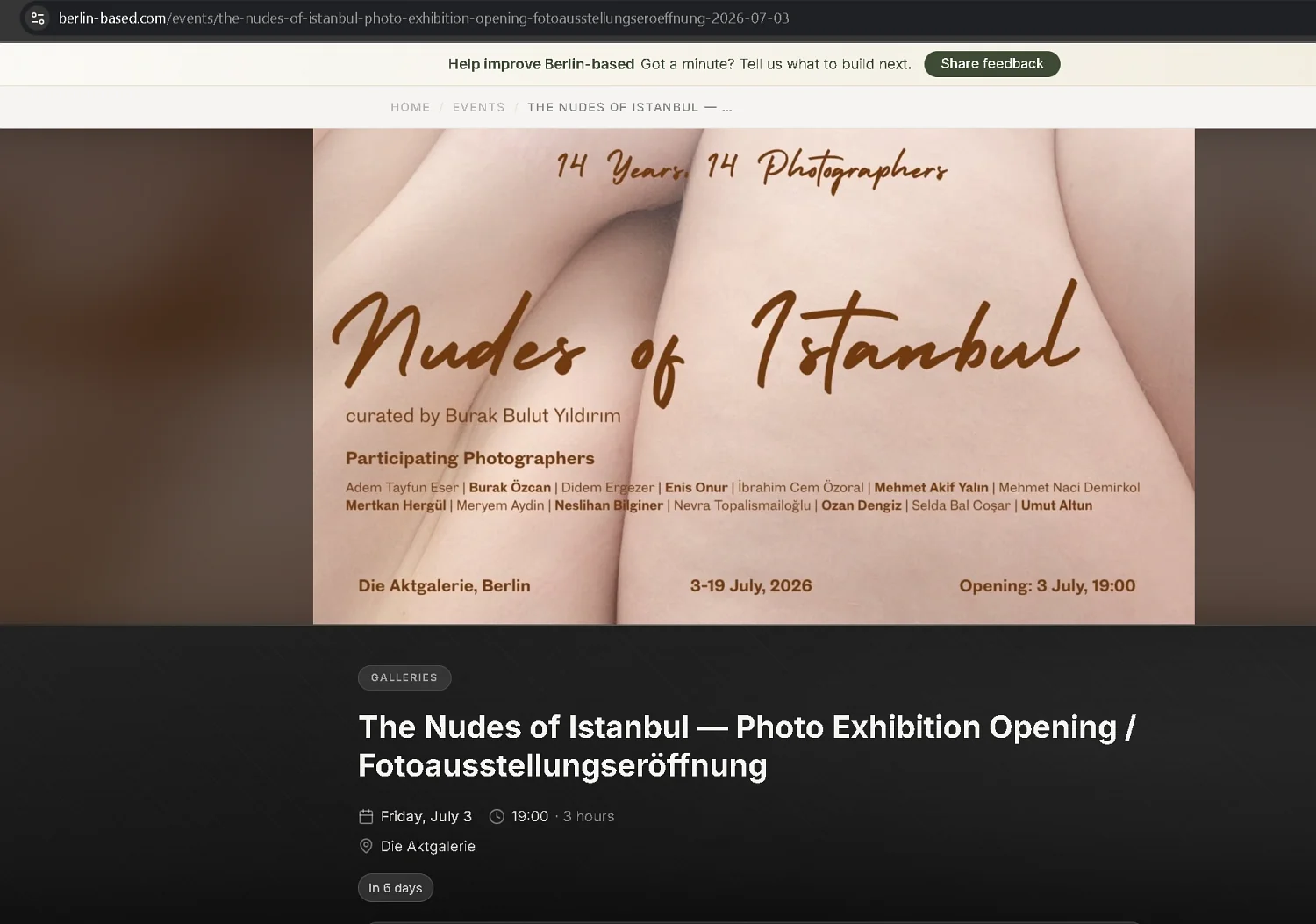
Nudi di Istanbul È una mostra collettiva di fotografia e un libro fotografico a cura di Burak Bulut Yıldırım, che riunisce quattordici fotografi e tre modelli-autori di Istanbul attorno al tema del corpo fotografato. Dopo la Die Akt Galerie di Berlino (luglio 2026), la mostra sarà ospitata presso la Galleria Uxval Gochez, in Carrer de Sicília 382, a Barcellona, dal a . L'edizione in lingua inglese con copertina rigida che accompagna l'opera è pubblicata da Mijuk Papers, Berlino, ISBN 978-3-00-087439-0.
Cartella stampa di Barcellona
· Cartella stampa di Berlino
Immagini per la stampa, richieste relative a pubblicazioni e istituzioni: info@burakbulut.info
Nudi di Istanbul è un progetto fotografico collettivo incentrato sul corpo, nato nel corso di quattordici anni di pratica fotografica guidata dal curatore a Istanbul. Riunisce quattordici fotografi le cui opere sono state realizzate in condizioni di lavoro comuni: set allestiti, un ambiente di illuminazione ideato dal curatore, la presenza di una modella nella stanza e l’impegno a fotografare una persona solo sulla base di un consenso esplicito.
Il progetto si inserisce in una specifica tradizione: una pratica collettiva di lungo corso, plasmata da ripetute produzioni a Istanbul. Burak Bulut Yıldırım ne ha sviluppato l’impostazione curatoriale, l’illuminazione, le scelte relative al casting e le condizioni materiali; l’immagine finale è stata invece frutto dell’inquadratura, della distanza, della tempistica e delle decisioni di ciascun fotografo. Il progetto non è né una rassegna nazionale né una mostra delle opere del curatore stesso. Non vi sono sue fotografie né nella mostra né nella selezione interna del libro.
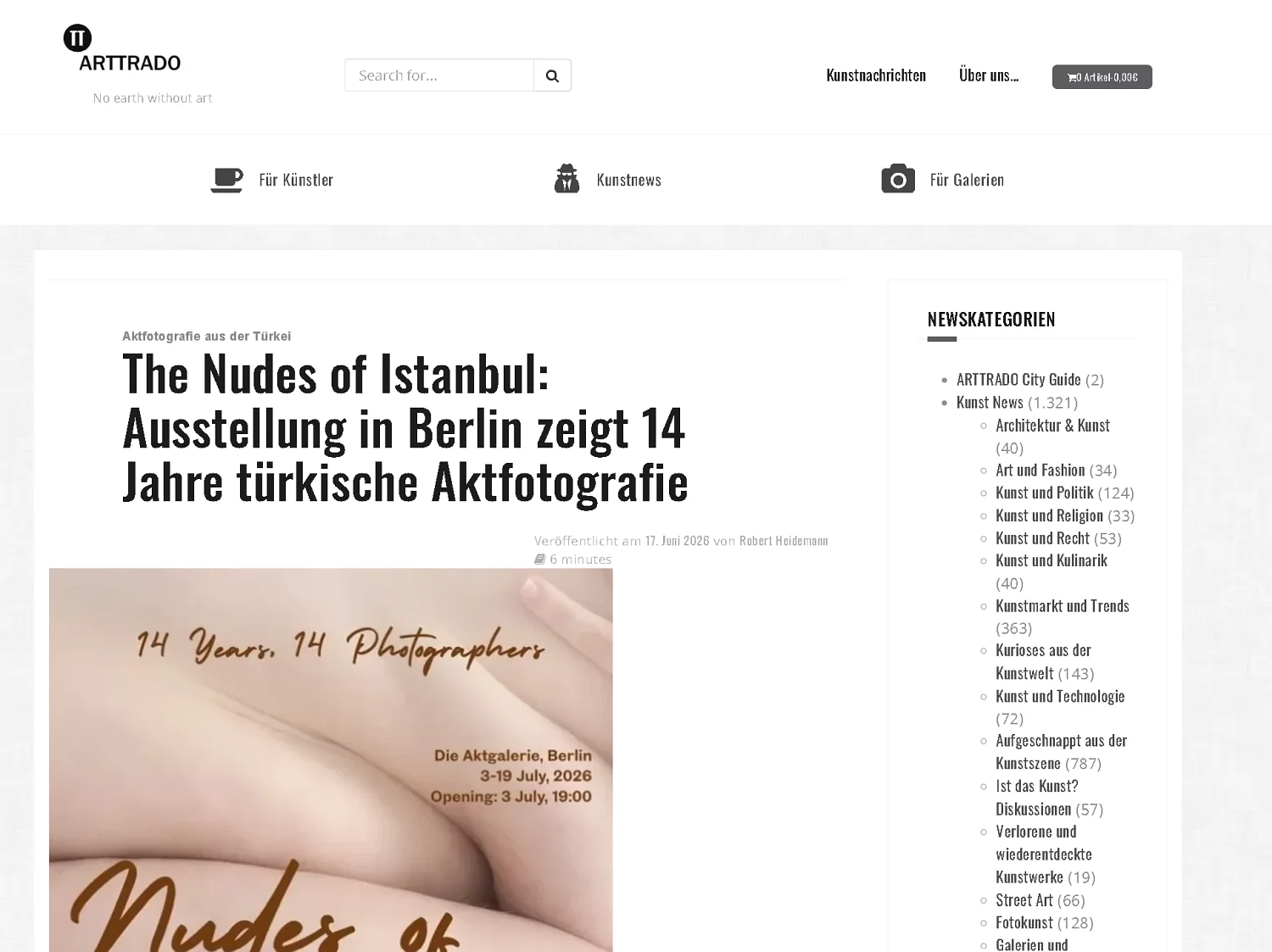
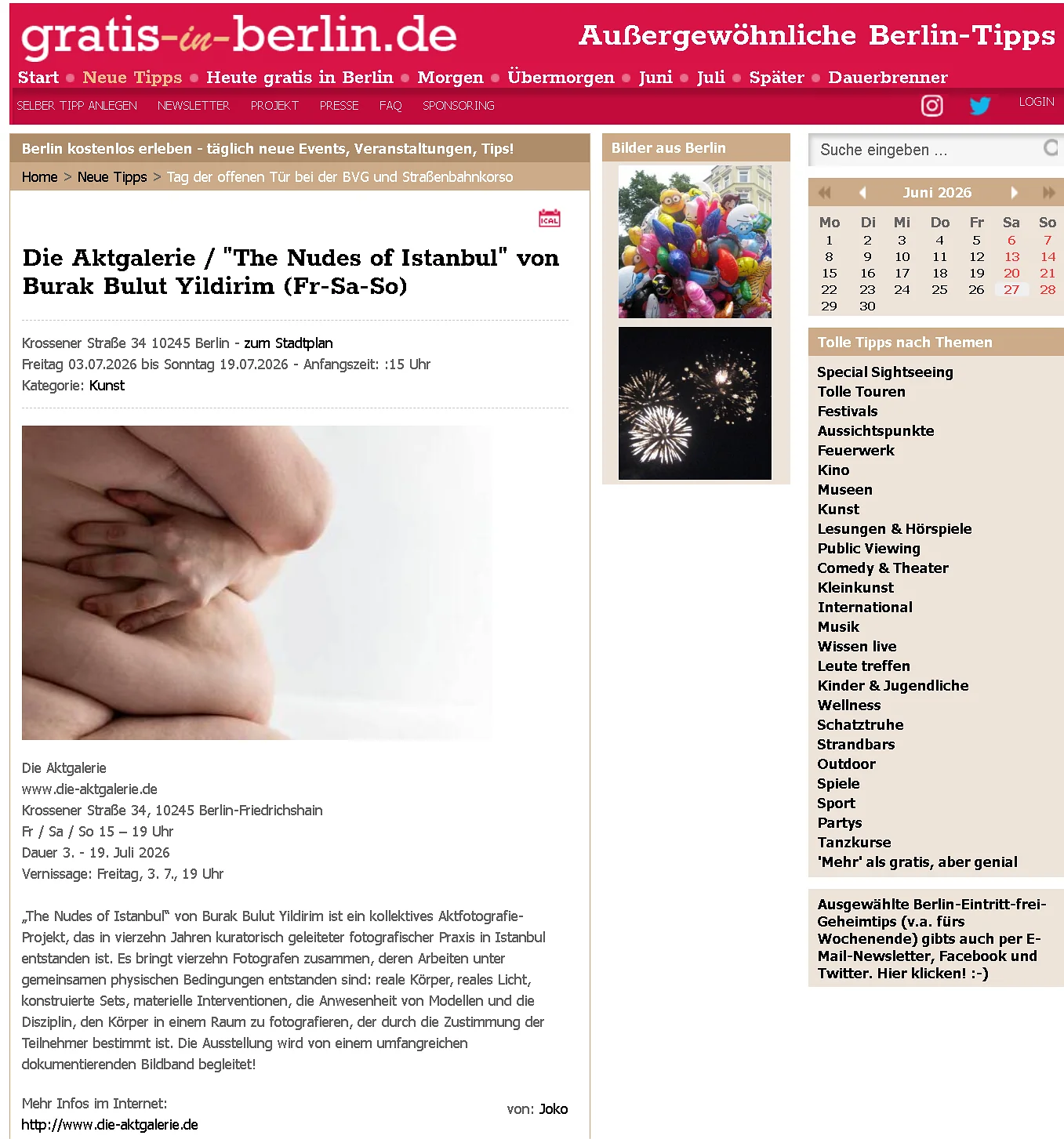
La mostra di Berlino presso la Die Akt Galerie, presentata dal 3 al 19 luglio 2026 con 28 fotografie, ha dato il via alla diffusione pubblica internazionale del progetto. La seconda presentazione si terrà alla Uxval Gochez Gallery di Barcellona dal 20 novembre al 4 dicembre 2026, con l’inaugurazione prevista per il 20 novembre alle ore 19:30 e la presentazione pubblica del libro fotografico il 21 novembre alle ore 12:00. Il libro è concepito come una testimonianza autonoma, indipendente da qualsiasi sede specifica, e circola in contesti legati ai libri d’arte, alle istituzioni, alle biblioteche, al mondo accademico e alla curatela. Londra rappresenta un contesto importante per tale diffusione e si stanno valutando ulteriori possibilità espositive e di programmazione.
Sin dalla sua pubblicazione, il libro è stato inserito nelle collezioni di diverse biblioteche istituzionali. La National Art Library del Victoria and Albert Museum di Londra ne ha accolto un esemplare nella propria collezione; la Istanbul Modern Library ne conserva una copia in Turchia; inoltre, sono state consegnate copie di deposito alla Deutsche Nationalbibliothek in Germania. Grazie a queste collocazioni, il libro rimane accessibile al pubblico anche dopo la chiusura di ogni singola mostra.
La prefazione curatoriale, intitolata "A Body Held in the Room", illustra il punto di partenza del progetto: ogni fotografia ha come protagonista una persona che ha acconsentito a partecipare, e il libro offre a tre dei modelli la possibilità di esprimersi in prima persona in qualità di autori.
"Per quattordici anni abbiamo lavorato a Istanbul con modelle turche, fotografi turchi e un consenso esplicito. Non volevo che questo progetto trattasse le modelle come soggetti muti. Le loro voci dovevano far parte del libro. Con quattordici fotografi di Istanbul, cinque donne partecipanti e i testi di tre modelle-autrici, Nudi di Istanbul porta in pubblico una pratica collettiva sostenuta da un campo che è rimasto poco visibile in Turchia"."
- Burak Bulut Yıldırım, curatore
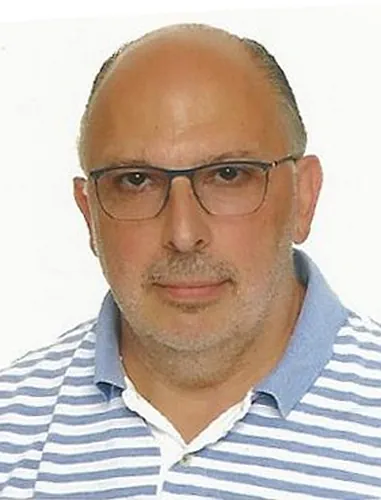
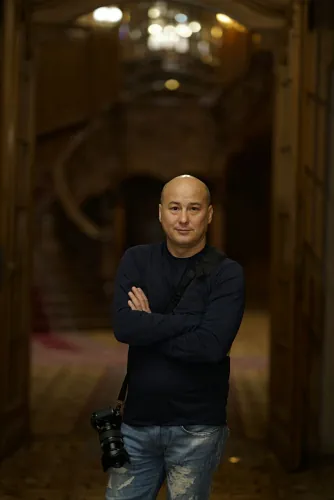
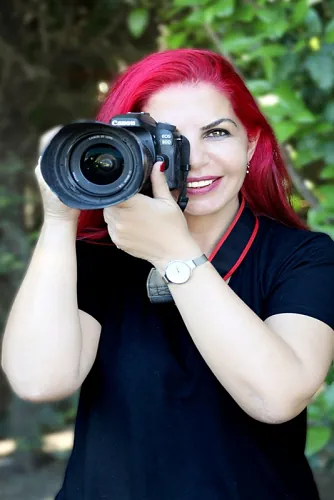
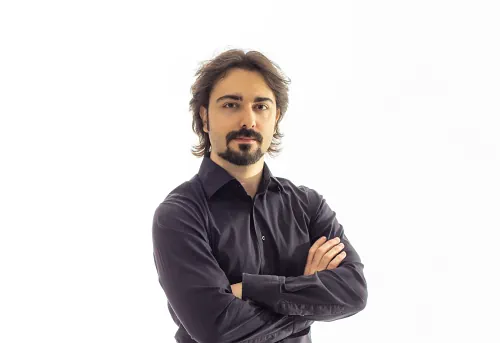
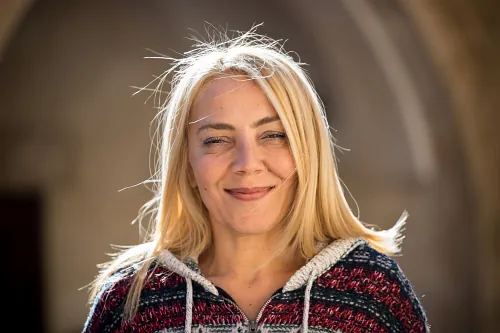
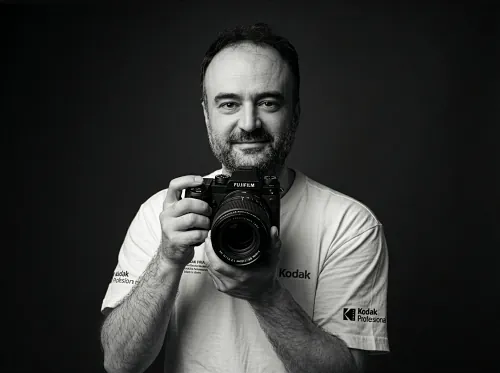
I quattordici fotografi partecipanti
Quattordici fotografi sono presentati in Nudi di Istanbul. Sono stati selezionati da una pratica collettiva sostenuta che si è formata in quattordici anni di produzione fotografica diretta dal curatore a Istanbul.
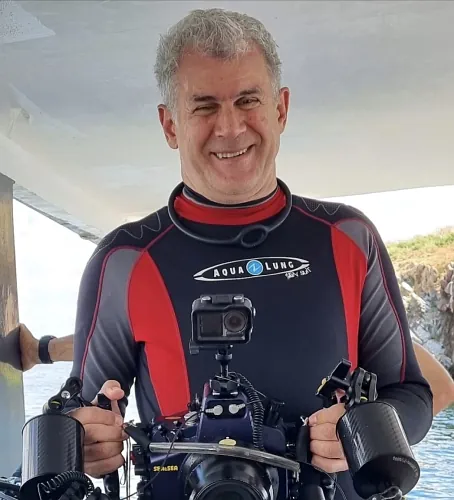
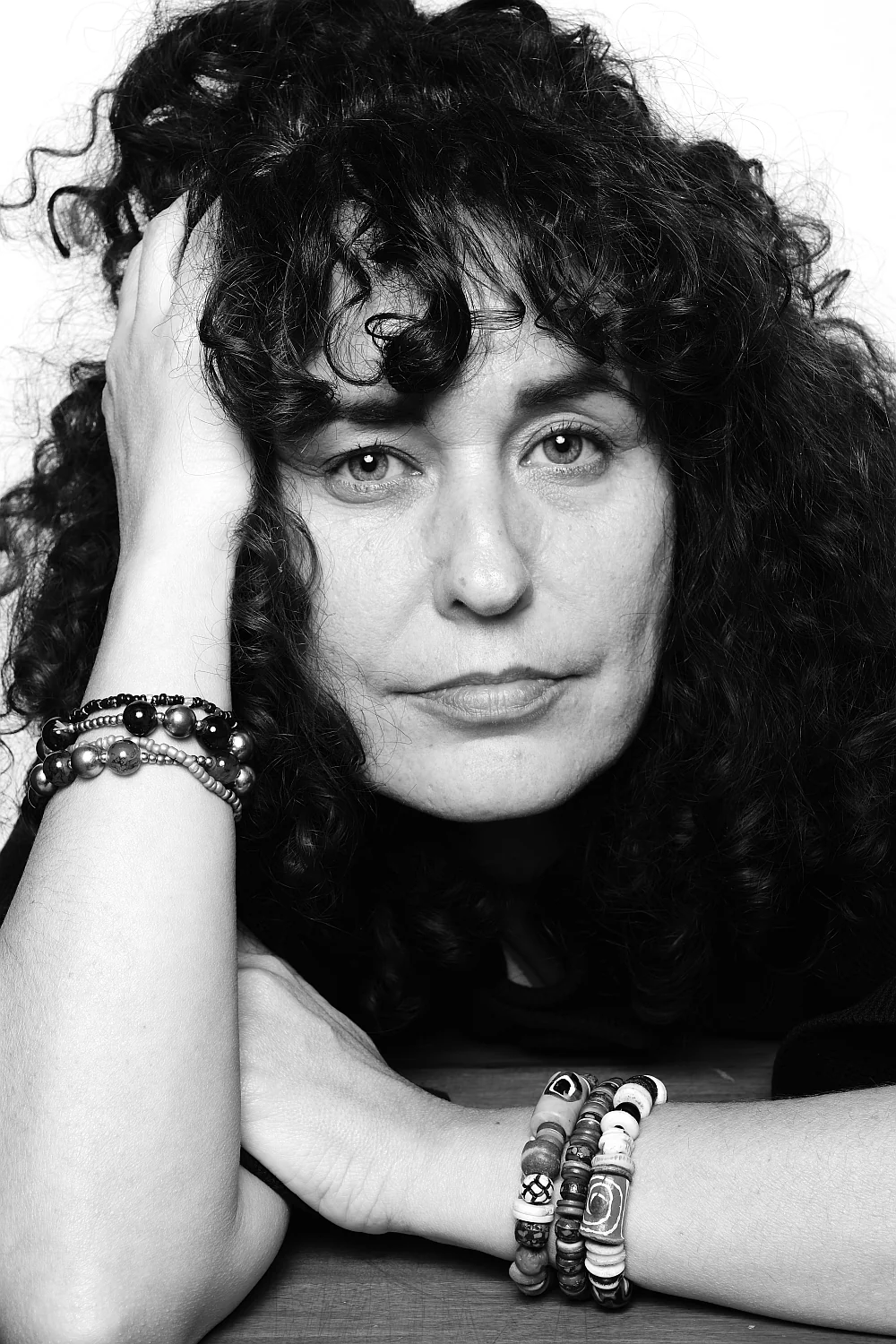
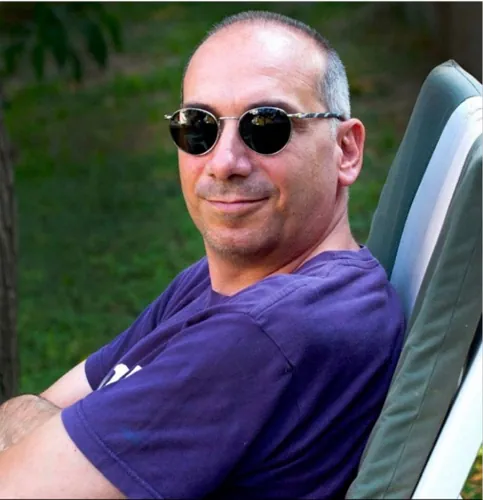
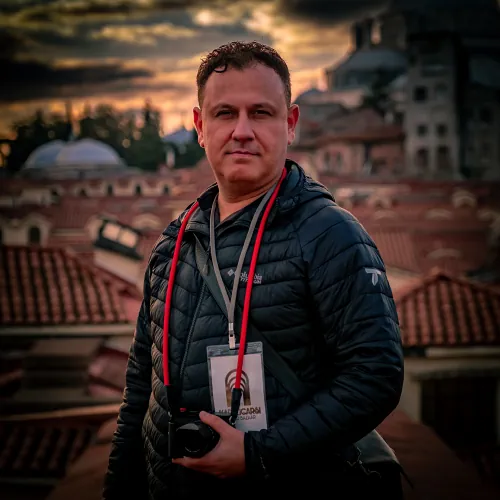
La selezione si è basata sulla continuità della partecipazione, sulla coerenza tecnica e visiva, sulla distinzione del processo decisionale fotografico e sulla capacità del lavoro di ciascun fotografo di contribuire a un corpo collettivo senza dissolversi in esso. Cinque dei quattordici fotografi partecipanti sono donne. Questa presenza non è presentata come una quota o un gesto correttivo, ma come parte della struttura autoriale del progetto: il corpo è visto, incorniciato, trattenuto e rilasciato alla vista del pubblico attraverso diverse posizioni di sguardo, distanza, contenimento e possesso di sé.
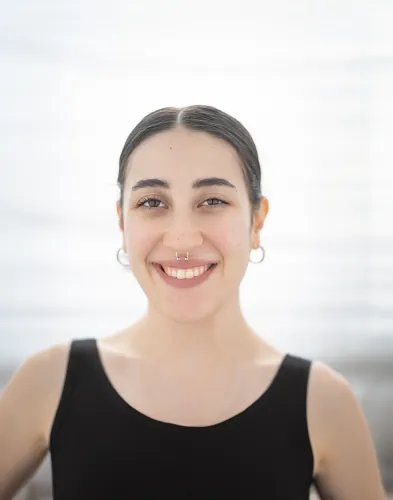
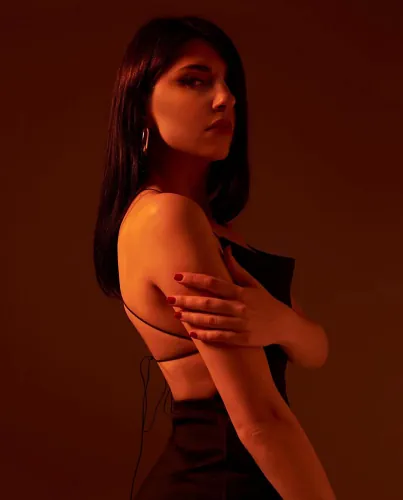
Tre autori modello della pubblicazione
Tre modelli che hanno avuto un ruolo centrale nella pratica di Istanbul contribuiscono alla pubblicazione come autori incaricati. I loro saggi si affiancano alle fotografie come componente strutturale del libro - non sono commenti supplementari, ma voci su cui si fonda il progetto.
La decisione di includerle come autrici deriva dalla posizione curatoriale secondo cui la fotografia di nudo non è solo l'immagine di un corpo, ma una relazione tra la persona fotografata, la persona che fotografa e le condizioni di fiducia, visibilità e presenza all'interno della stanza. Zeynep Renda e Su Yeşil scrivono con il proprio nome. Marmelat scrive con uno pseudonimo scelto, in linea con il suo livello preferito di visibilità pubblica, aggiungendo una prospettiva raramente documentata: la modella di nudo all'interno dell'accademia di belle arti turca.
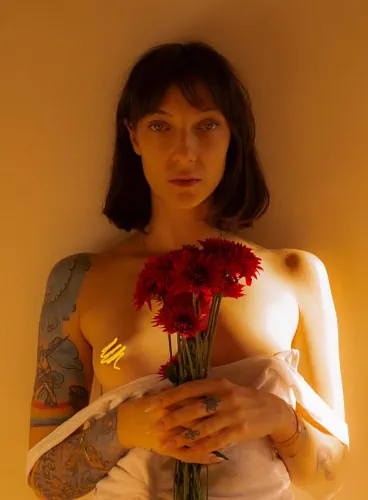
Saggio principale su una pratica decennale di modella: la fiducia, i confini, i contratti, la differenza tra condizioni non sicure e professionali, e il passaggio dall'essere fotografata da altri al diventare un'artista dell'autoritratto.
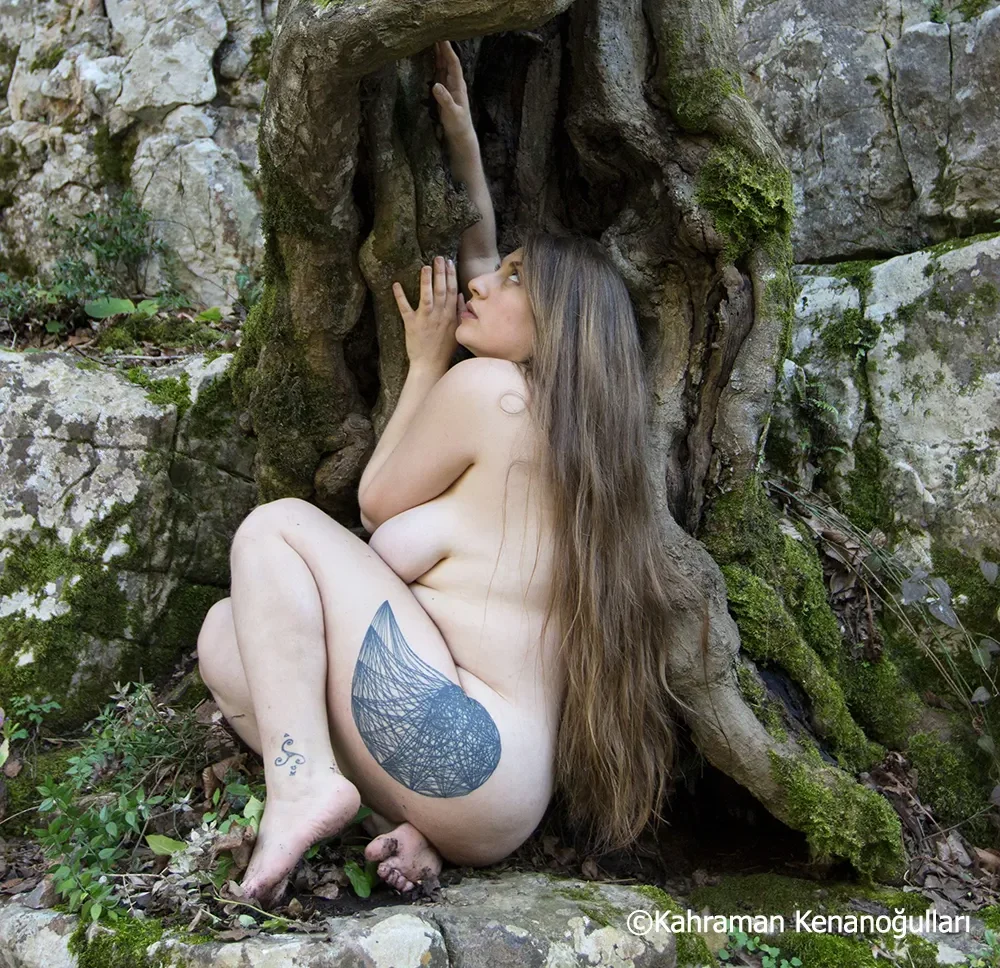
Saggio sul corpo come esperienza vissuta: reazione della famiglia, vergogna, norme di genere, disforia corporea, movimento, natura, performance e rifiuto di ridurre la nudità alla sessualità.
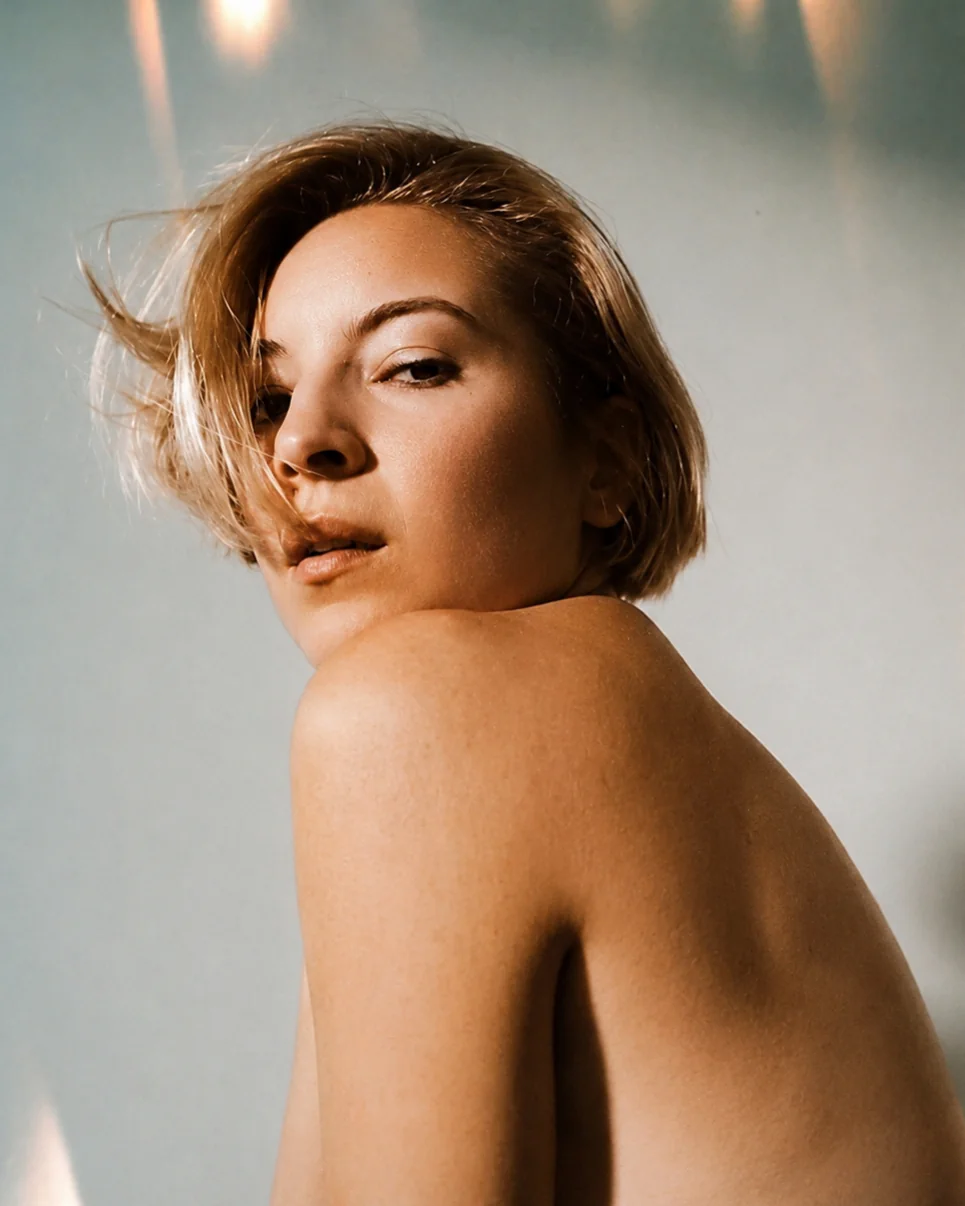
Saggio sul nudo accademico in Turchia, basato su tre anni di lavoro come modella di nudo all'interno di una facoltà di belle arti, che affronta una forma di lavoro raramente documentata all'intersezione tra educazione artistica e corpo nudo.
Programma della mostra
Mostre
Nudi di Istanbul La mostra ha aperto i battenti alla Die Akt Galerie di Berlino nel luglio 2026 e sarà presentata alla Uxval Gochez Gallery di Barcellona dal 20 novembre al 4 dicembre 2026. Entrambe le esposizioni presentano lo stesso corpus collettivo di opere realizzate da quattordici fotografi, organizzato secondo i sei filoni curatoriali del progetto.
Galleria Uxval Gochez, Barcellona
- Sede
- Galleria Uxval Gochez (Galleria Uxval Gochez)
Sicilia 382, 08025 Barcellona, Spagna - Durata
- –
- Apertura
- Venerdì,
- Presentazione del libro
- Sabato,
a cura di Burak Bulut Yıldırım e Uxval Gochez - Orari della galleria
- Dal lunedì al venerdì, dalle 11:00 alle 14:00
- Altre volte
- Su appuntamento · +34 627 864 011
- Galleria Telefono
- +34 931 020 001
- Come arrivare
- Vicino alla Sagrada Família · Stazione della metropolitana più vicina: Sagrada Família (L2 / L5)
- Pagina della galleria
- uxvalgochez.com — Nudi di Istanbul
Galleria Die Akt, Berlino
- Sede
- Galleria Die Akt
Krossener Str. 34, 10245 Berlino, Germania - Durata
- –
- Ricevimento di apertura
- Venerdì,
- Orari della galleria
- Venerdì - domenica, 15:00 - 19:00
- Come arrivare
- 15 minuti a piedi da S+U Warschauer Straße - breve passeggiata da U Samariterstraße (U5)
- Ammissione
- Gratuito
- Stato
- Prima presentazione pubblica del progetto; avvio della sua diffusione internazionale.
La mostra di Barcellona consolida il rapporto già esistente tra Burak Bulut Yıldırım e la Galleria Uxval Gochez. La galleria aveva già presentato le opere di Yıldırım nella mostra collettiva Eros e Thanatos nel 2023. Tre anni dopo, torna non come fotografo espositore all’interno della selezione, ma come curatore e coordinatore di un progetto collettivo a cui hanno collaborato quattordici fotografi.
Barcellona inserisce il progetto in una città caratterizzata da una forte cultura delle gallerie indipendenti, da una storia della fotografia, da una tradizione editoriale e da un pubblico internazionale appassionato d’arte. La mostra porta la pratica artistica sviluppata a Istanbul in un secondo contesto espositivo europeo, mentre la pubblicazione che l’accompagna continua a circolare in modo indipendente attraverso biblioteche, collezioni istituzionali, dibattiti curatoriali e reti dedicate ai libri fotografici.
Richieste della stampa a Barcellona · Richiedi un’anteprima per la stampa
Il terreno curatoriale
Burak Bulut Yıldırım è il curatore unico di Nudi di Istanbul e non espone le proprie opere fotografiche all'interno della selezione.
Il progetto si fonda sulla sua esperienza ventennale nel campo del nudo artistico, della ritrattistica, della fotografia incentrata sul corpo, dell’illuminazione avanzata e della creazione di immagini in studio. Da quando ha aperto il suo primo studio a Istanbul nel 2005, Yıldırım ha lavorato in diversi ambiti, tra cui la fotografia commerciale, i progetti artistici incentrati sul corpo, la formazione dei fotografi e gli ambienti di produzione curati da curatori.
Da quasi vent’anni ha fotografato centinaia di modelle in centinaia di migliaia di scatti di nudo artistico; ha esposto il proprio lavoro in diverse città europee; e, a Istanbul, ha trasmesso questa esperienza per quattordici anni attraverso laboratori di nudo artistico in diversi formati concettuali a centinaia di fotografi.
Il suo ricorso pluriennale all’illuminazione controllata, ai materiali fisici, alla regia dei modelli, ai pigmenti reattivi ai raggi UV, alle superfici riflettenti, alle lunghe esposizioni, alla distorsione ottica e alle ambientazioni visive realizzate in studio costituisce la base concettuale e tecnica da cui si è sviluppato questo progetto.
Nudi di Istanbul è il suo secondo progetto curatoriale dopo TerreNude, presentato alla Galleria Artcore di Salonicco nel 2015. In entrambi i progetti, il corpo viene affrontato non come un motivo decorativo, ma come un luogo in cui si incontrano luce, spazio, materia, autorialità e visibilità culturale.
Il suo ruolo in Nudi di Istanbul non vuole sostituire la paternità dei fotografi partecipanti. Si tratta di definire il campo curatoriale in cui la loro paternità diventa leggibile: la premessa, l'ambiente, le condizioni etiche, la selezione, la tassonomia e il quadro di pubblicazione.
Pubblicazione
Nudi di Istanbul È un libro fotografico in lingua inglese, con copertina rigida, pubblicato da Mijuk Papers, Berlino, nel 2026, contenente 133 fotografie di quattordici fotografi, con un saggio curatoriale di Burak Bulut Yıldırım e testi commissionati a tre modelli-autori. ISBN 978-3-00-087439-0.
La pubblicazione non è un catalogo di mostra. È concepita come una documentazione autonoma di una rara pratica collettiva di fotografia di nudo artistico proveniente dalla Turchia.
Il libro contiene 133 fotografie ed è concepito per funzionare indipendentemente dal programma espositivo, con ciascuno dei quattordici fotografi partecipanti rappresentato attraverso una selezione dedicata. È stato pubblicato da Mijuk Papers, Berlino, nel 2026. ISBN 978-3-00-087439-0.
La pubblicazione comprende una prefazione e un ampio saggio curatoriale di Burak Bulut Yıldırım, un inquadramento storico della fotografia di nudo in Turchia a partire dal volume curato da Alberto Modiano Türk Fotoğrafında Çıplak (2004) e l'indagine accademica del 2011 di Işık Özdal Türk Fotoğrafında Nü Sergilerin Analizi, la tassonomia a sei registri utilizzata per organizzare l'opera, e tre saggi commissionati da Zeynep Renda, Su Yeşil, e Marmelat.
La struttura posiziona il progetto come una pratica collettiva sostenuta, plasmata da condizioni condivise e da un'autorialità fotografica distinta. Inoltre, riconosce le modelle non come soggetti muti, ma come testimoni, collaboratori e autori della struttura intellettuale ed etica del libro.
Il libro viene diffuso in modo indipendente attraverso la distribuzione di libri d’arte, la distribuzione diretta, le iniziative di sensibilizzazione istituzionale, la consultazione accademica, l’acquisizione da parte delle biblioteche e la ricerca curatoriale.
Diffusione istituzionale
Dalla sua pubblicazione, il libro è entrato a far parte delle collezioni di istituzioni e biblioteche in tre paesi. Le tre acquisizioni sono di natura diversa e vengono qui descritte nell’ordine in cui si sono verificate.
Un esemplare è stato inserito nel fondo della biblioteca.
La pubblicazione è conservata nella biblioteca del museo.
Le copie di deposito sono state consegnate alla Biblioteca Nazionale tedesca.
Questi inserimenti rientrano nella funzione a lungo termine prevista dalla pubblicazione: trasferire un corpus collettivo di opere fotografiche da una diffusione limitata a contesti permanenti di natura pubblica, istituzionale, accademica e archivistica.
Per richieste relative ad acquisizioni bibliotecarie, acquisti istituzionali, recensioni di pubblicazioni, accesso a fini di ricerca, distribuzione o attività curatoriali: info@burakbulut.info.
Provenienza fotografica
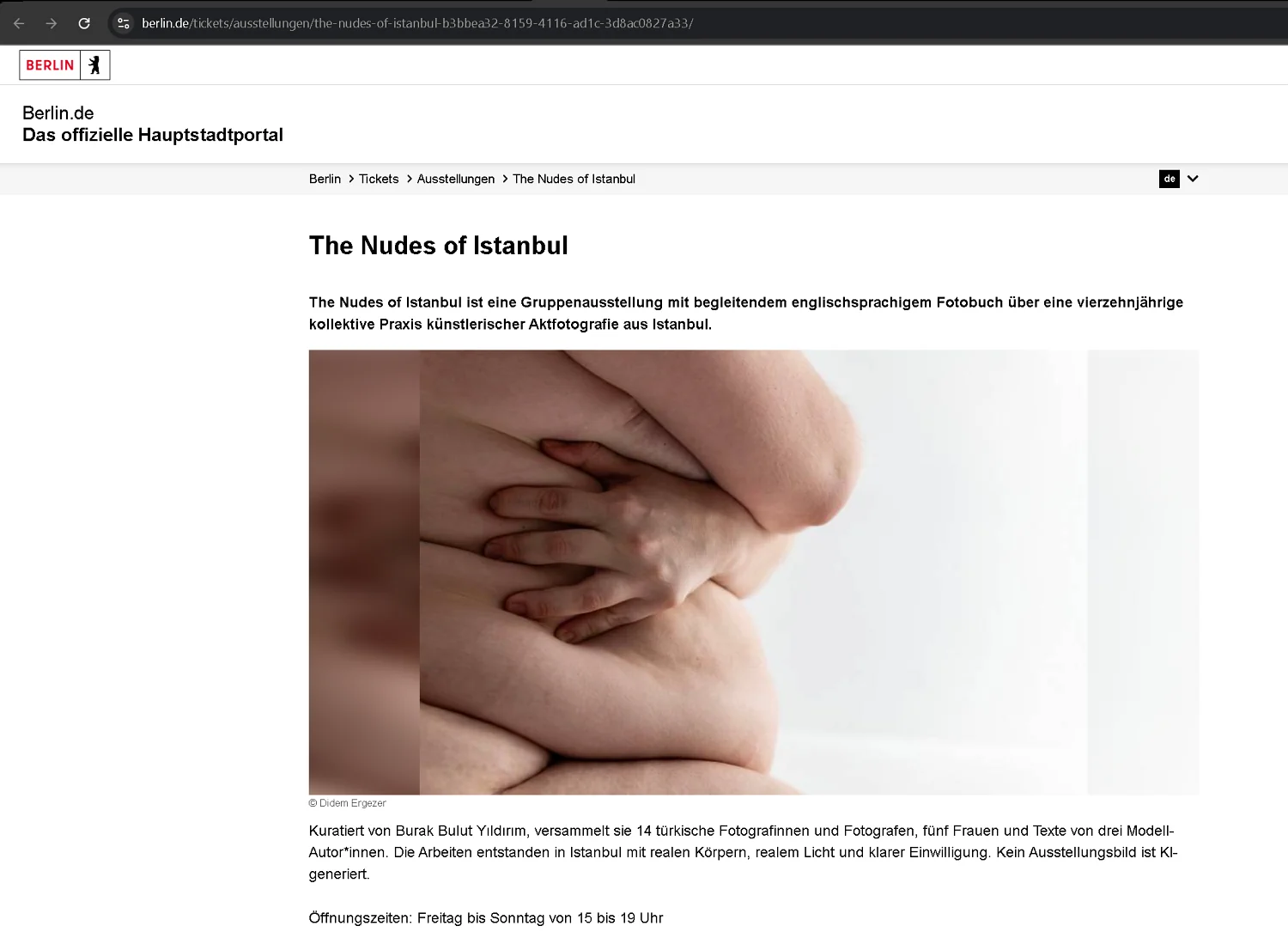
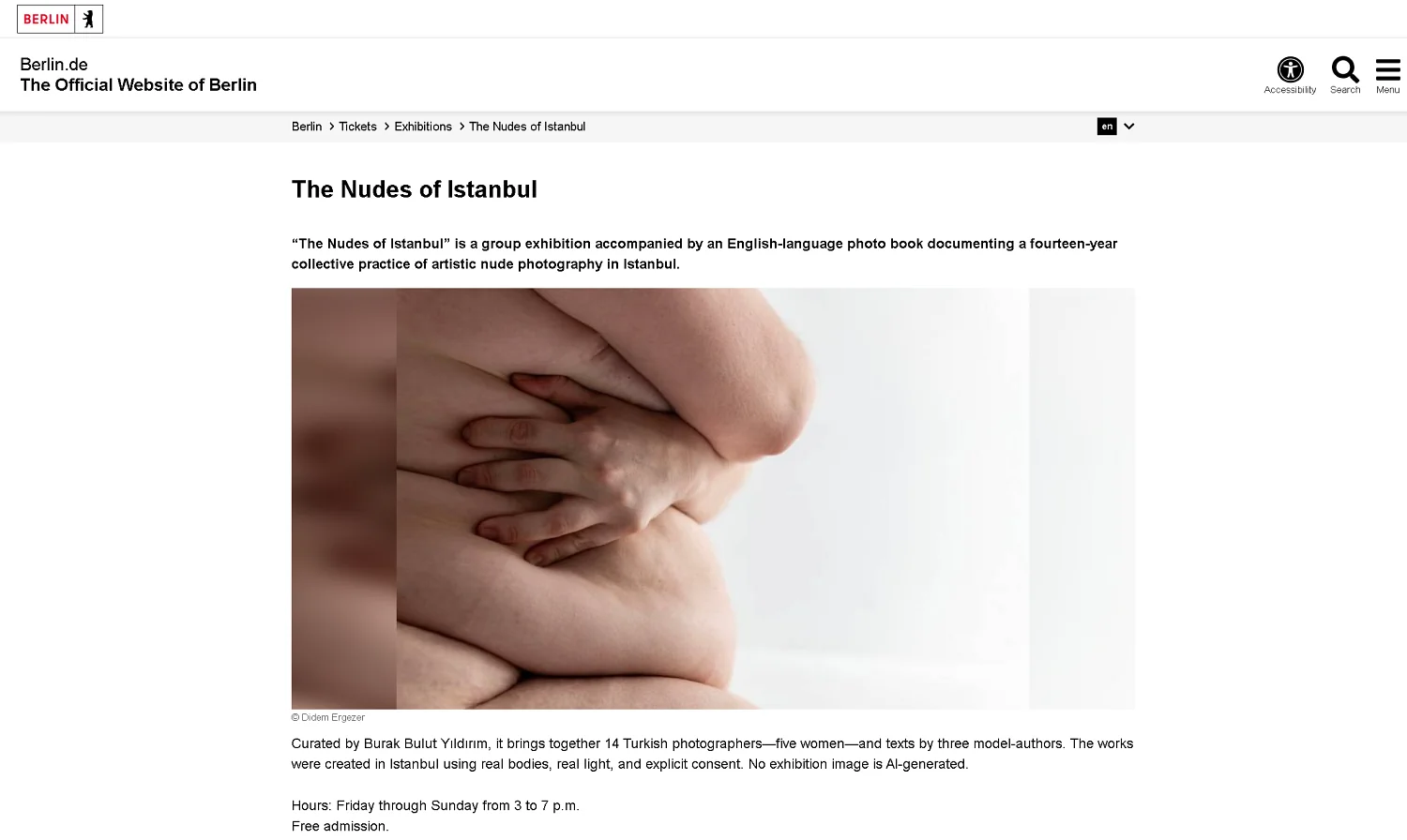
Ogni fotografia in Nudi di Istanbul è stata realizzata a porte chiuse, con una modella fisicamente presente nella stanza, in condizioni di consenso documentato. Nessuna opera presente nella mostra o nella pubblicazione è stata generata, ampliata, ritoccata o sostituita da un’intelligenza artificiale generativa. Laddove sulla pelle è visibile del materiale — pigmento, acqua, tessuto, vetro, polvere, luce proiettata o colorata — esso era fisicamente presente al momento dell’esposizione.
Questo viene affermato esplicitamente perché non può più essere dato per scontato. L’argomentazione curatoriale del progetto si basa proprio su questo: la differenza tra una fotografia di un corpo e un’immagine sintetica di un corpo non è una differenza stilistica, ma ontologica ed etica. Il consenso, la presenza e la durata sono proprietà dell’evento fotografico e non possono essere attribuite a posteriori a un’immagine generata.
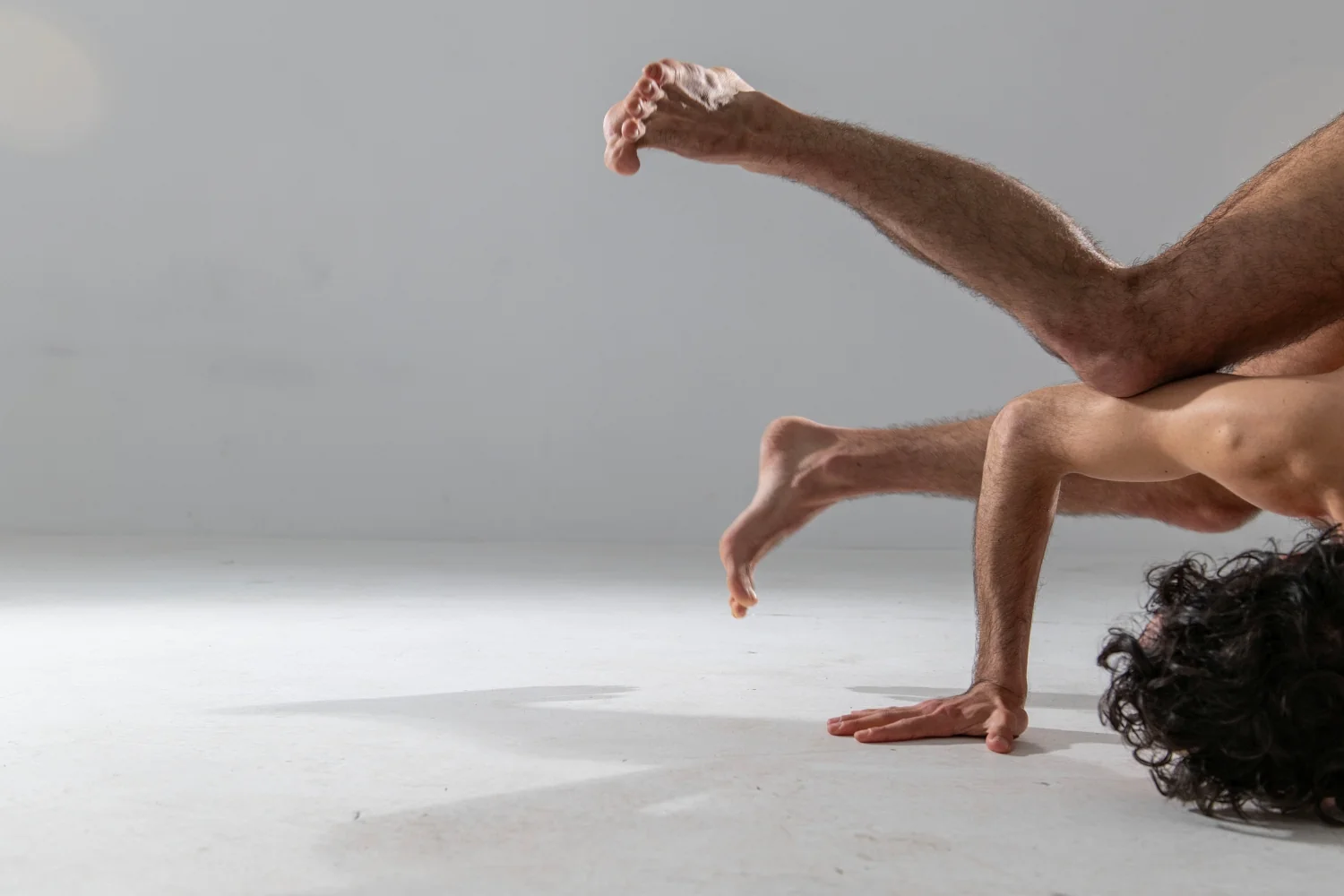
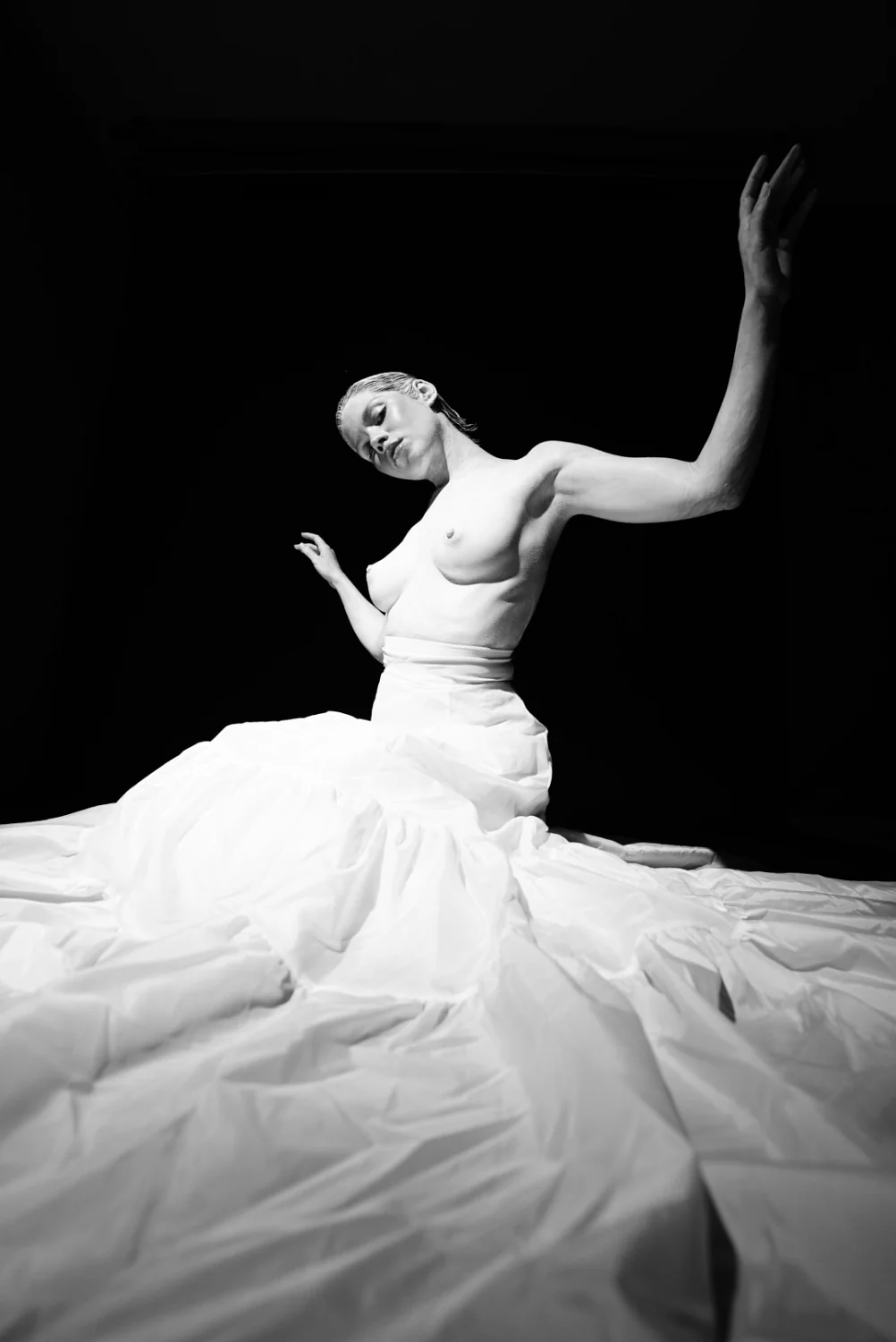
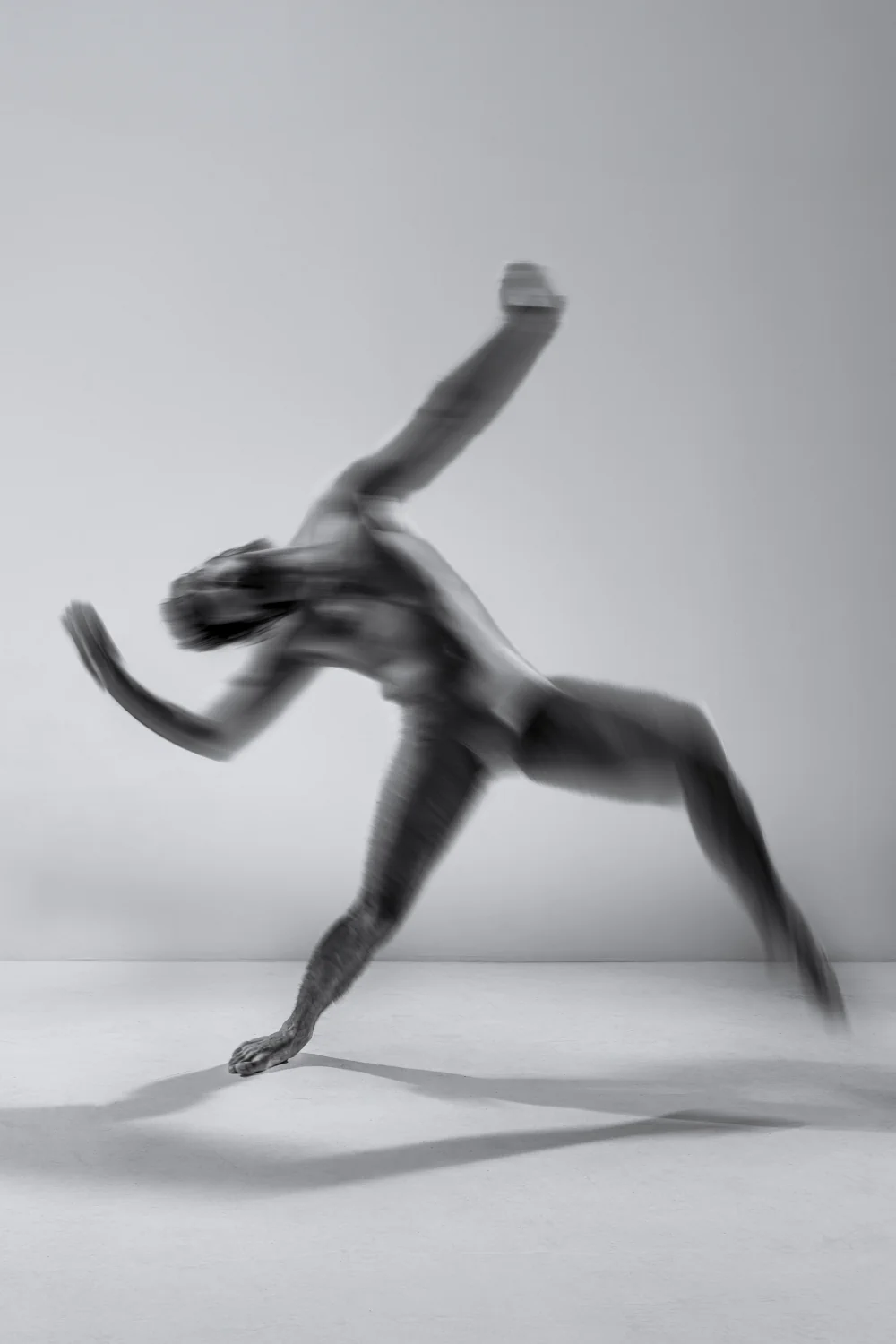
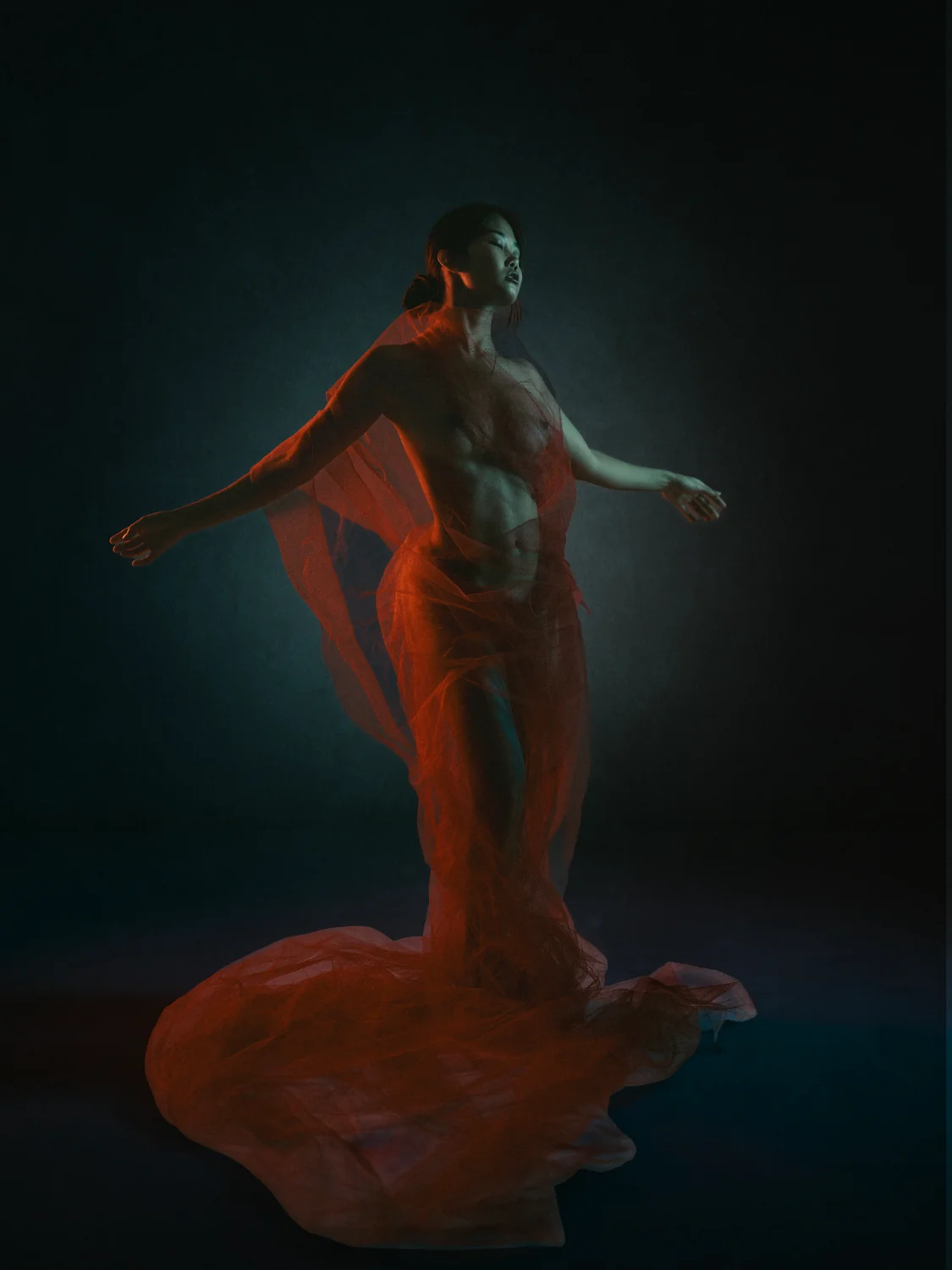
Durata - Materia - Opacità - Camere - Autopromozione - Superficie
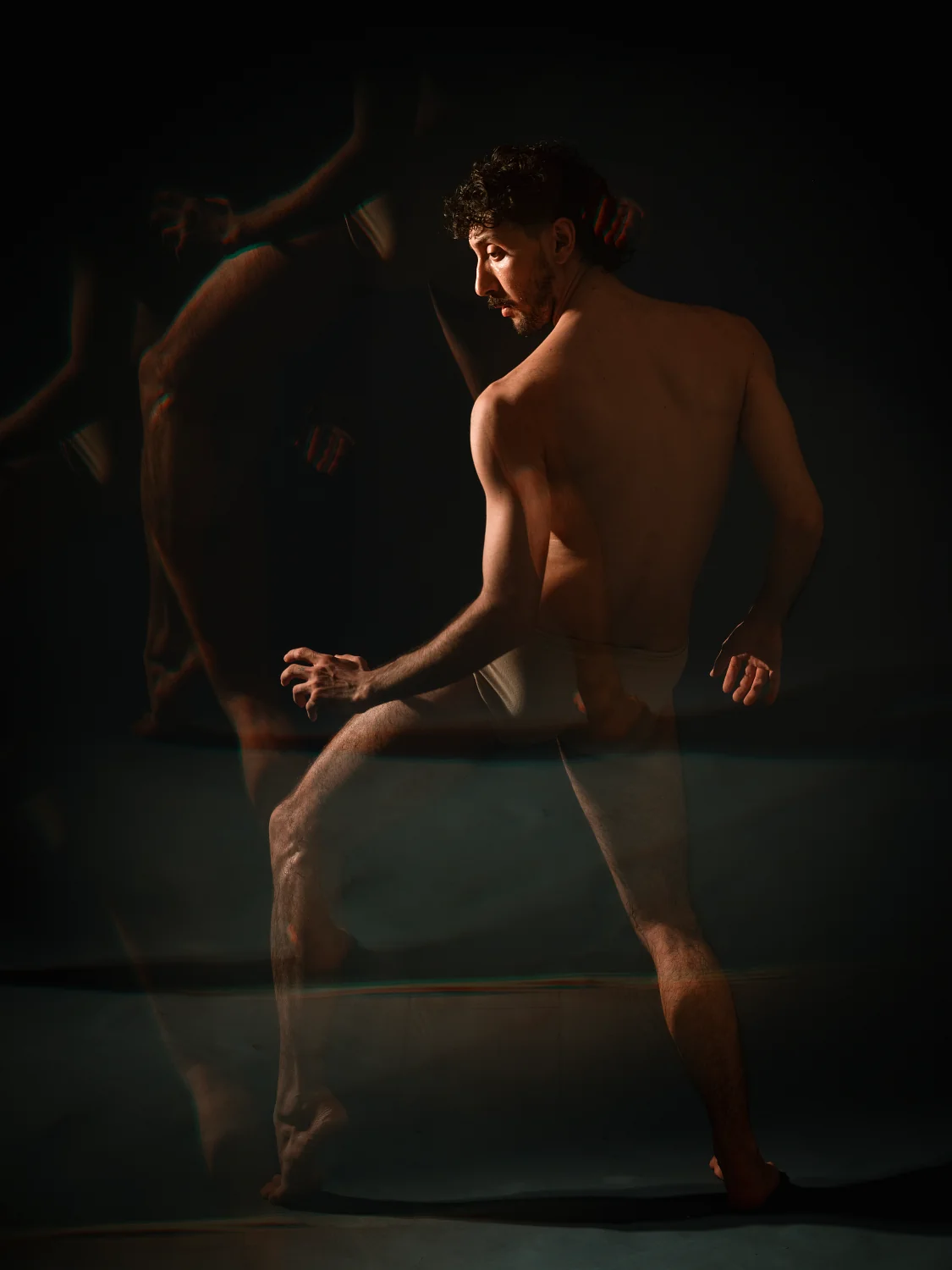
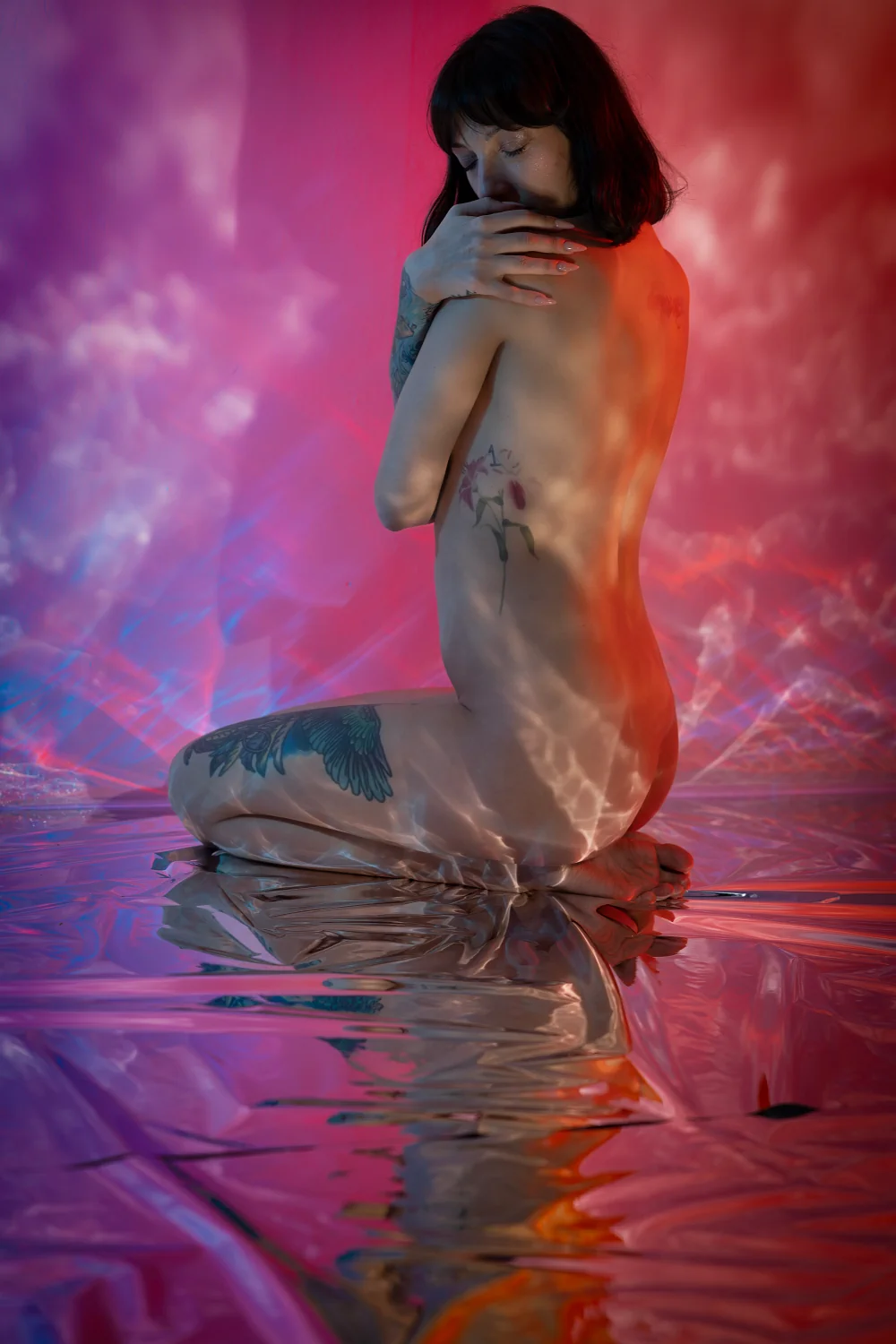
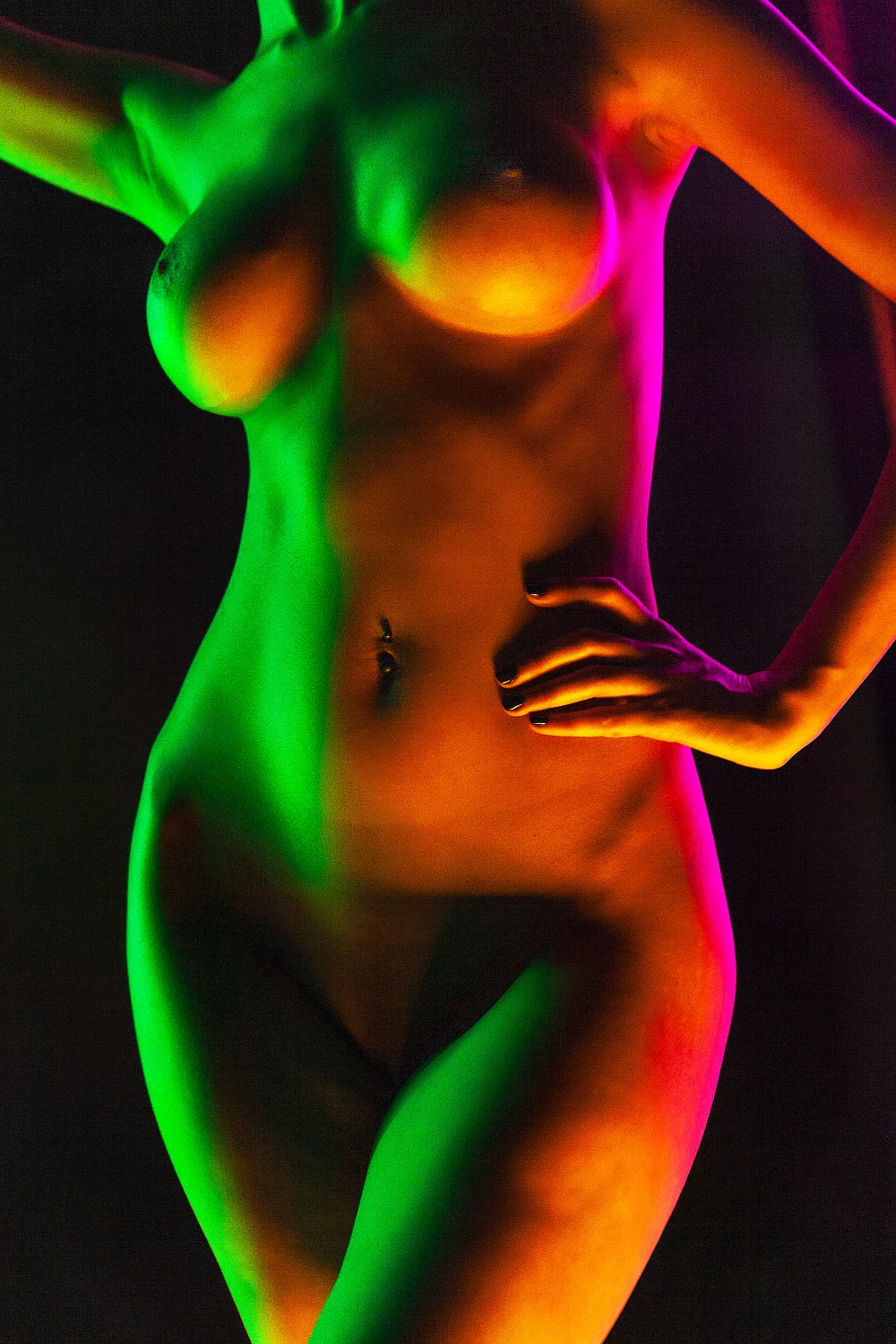
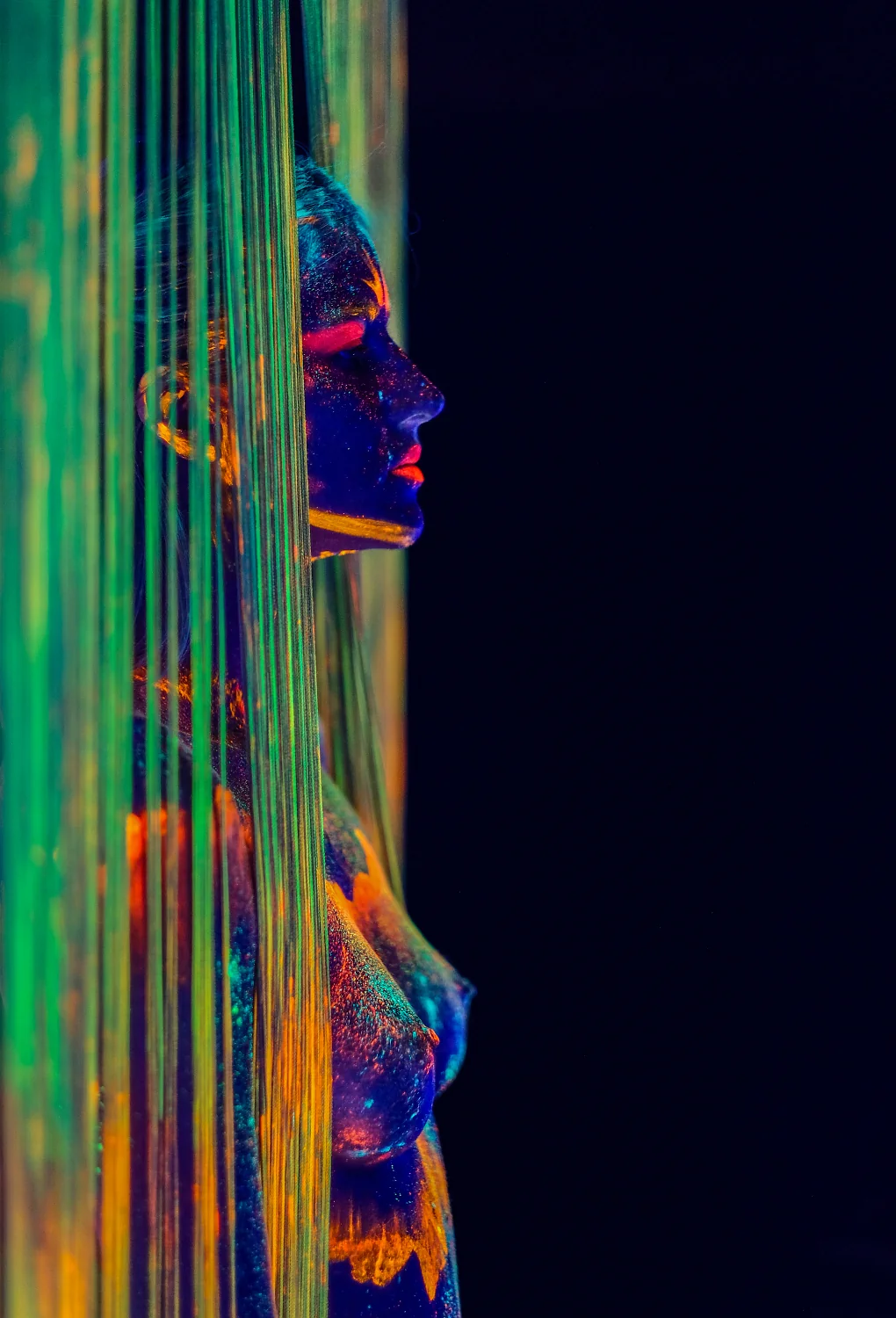
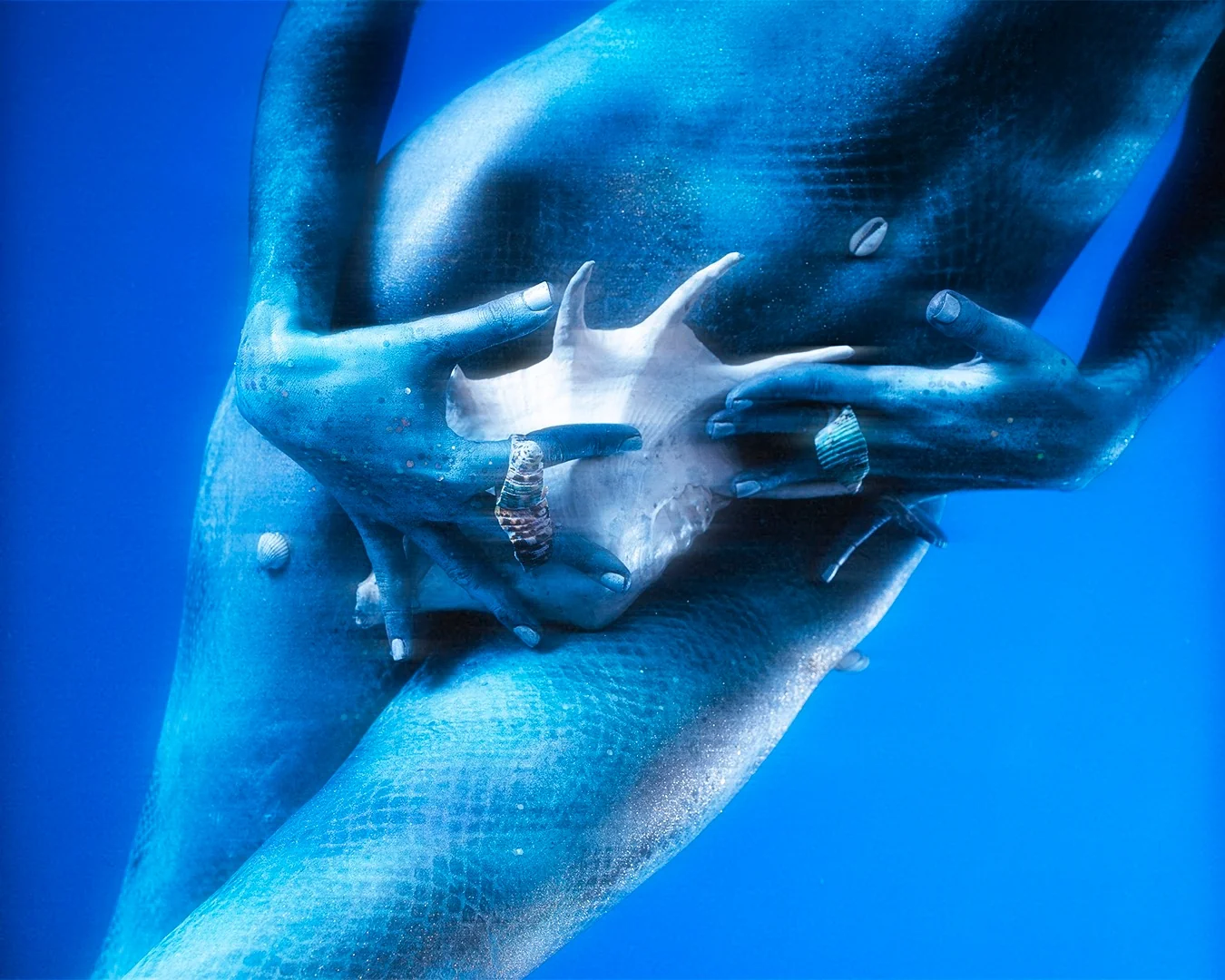
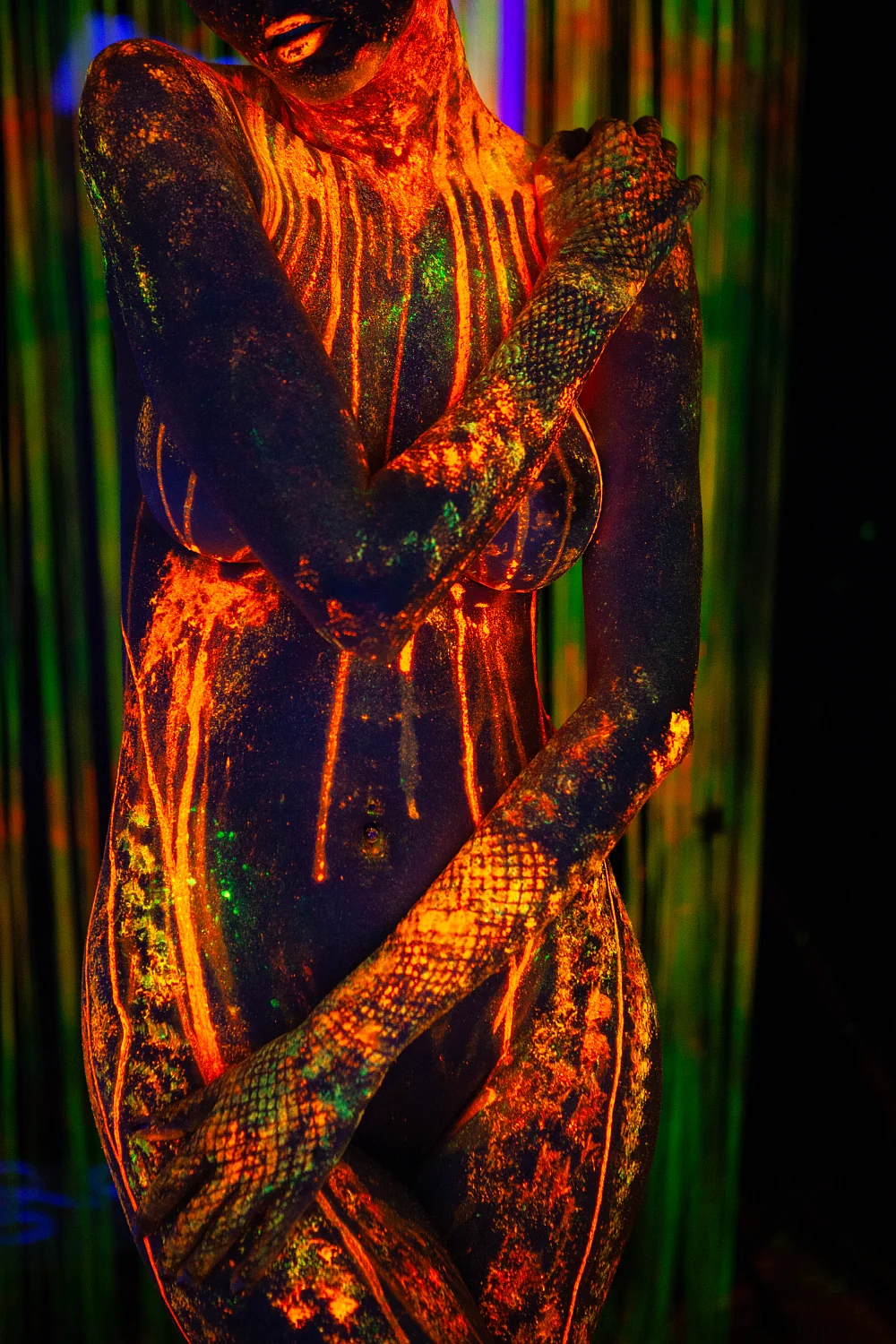
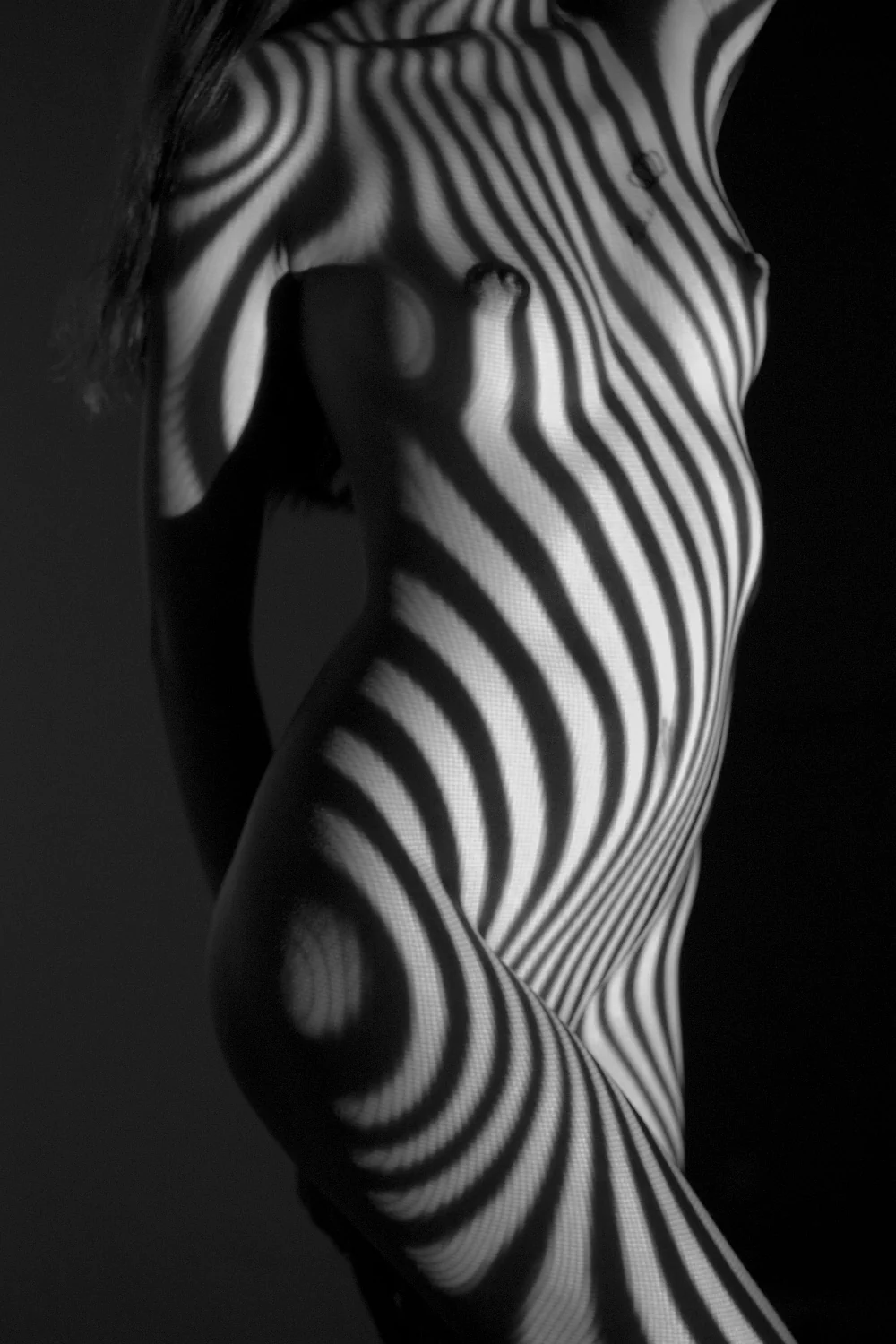
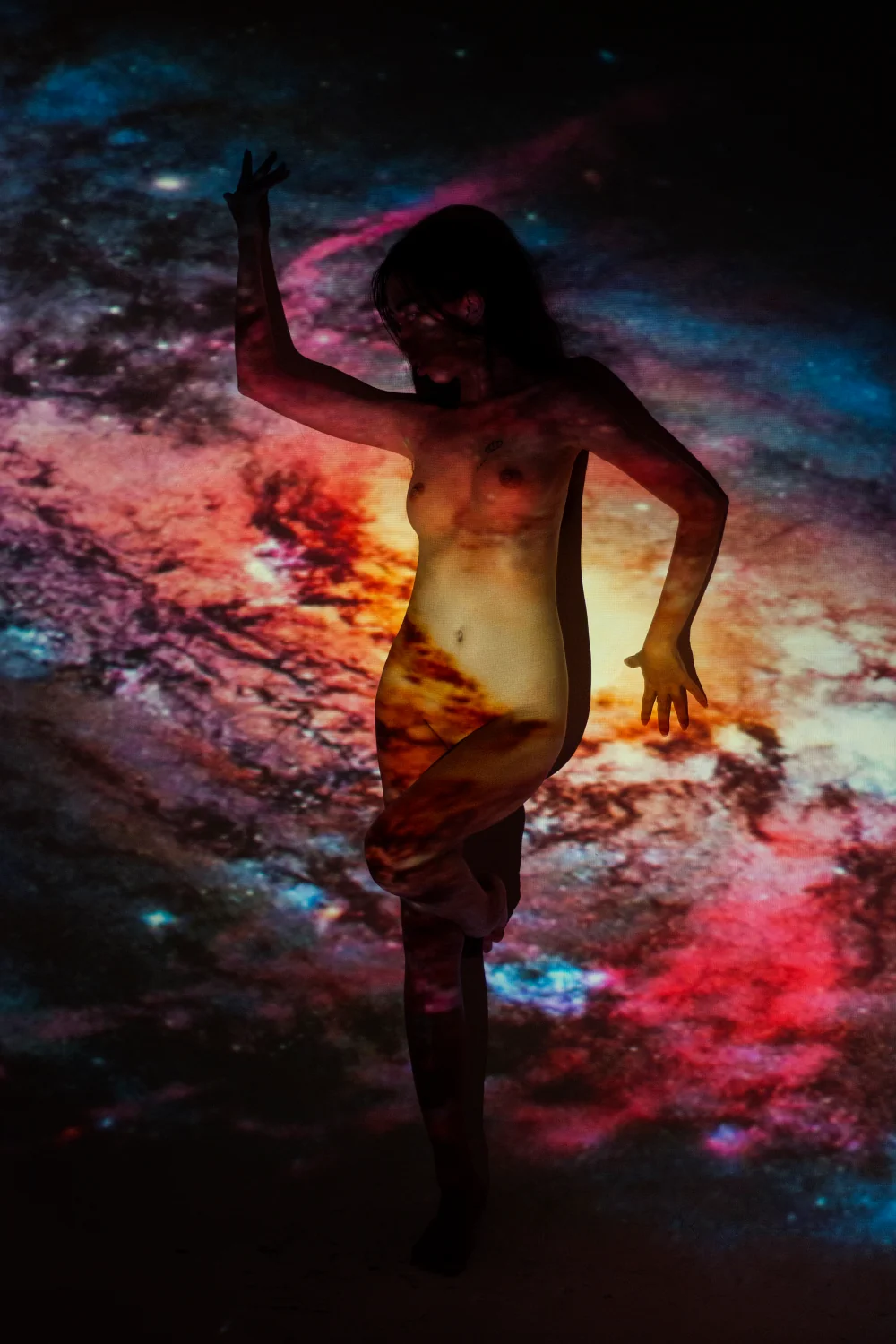
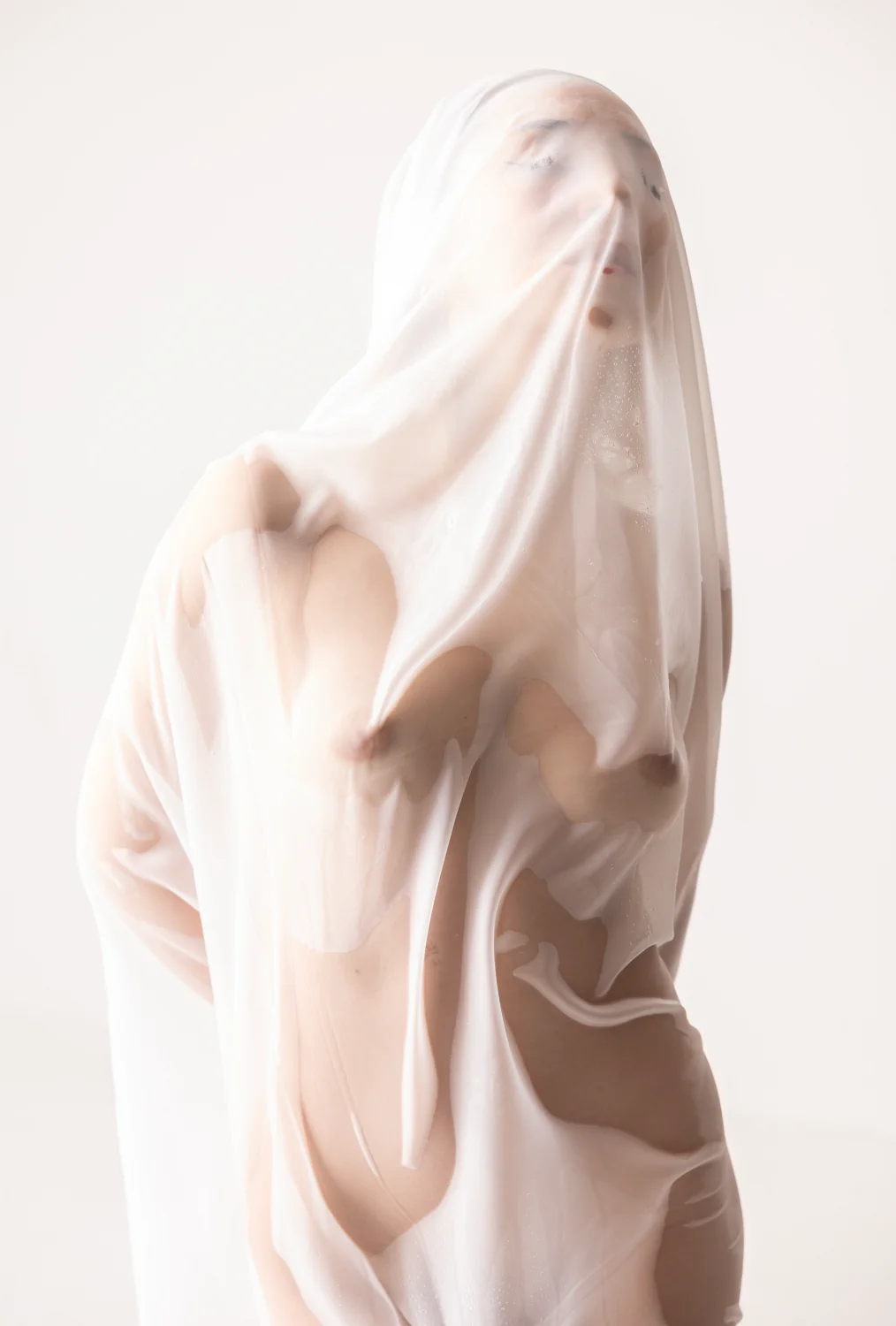
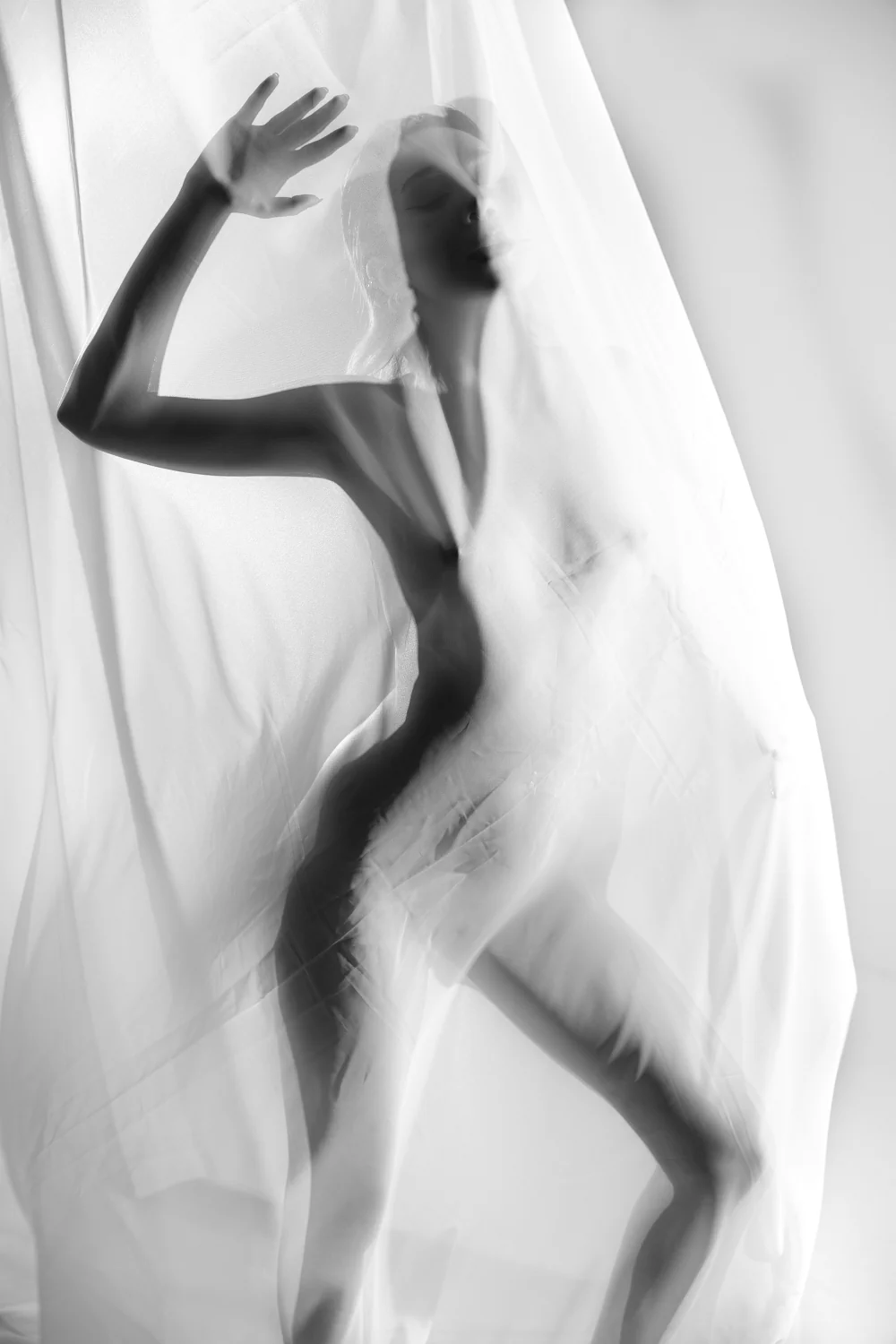
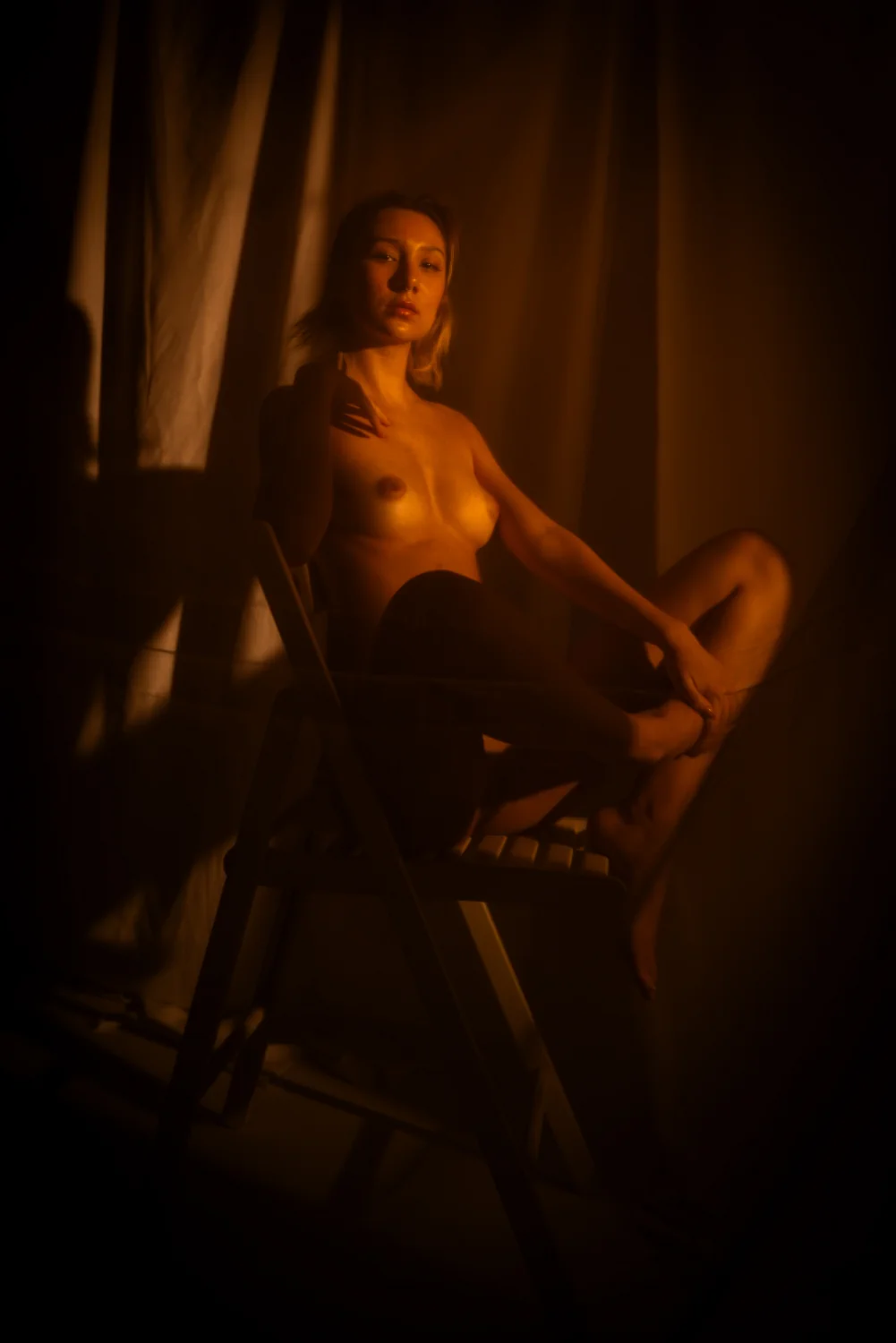
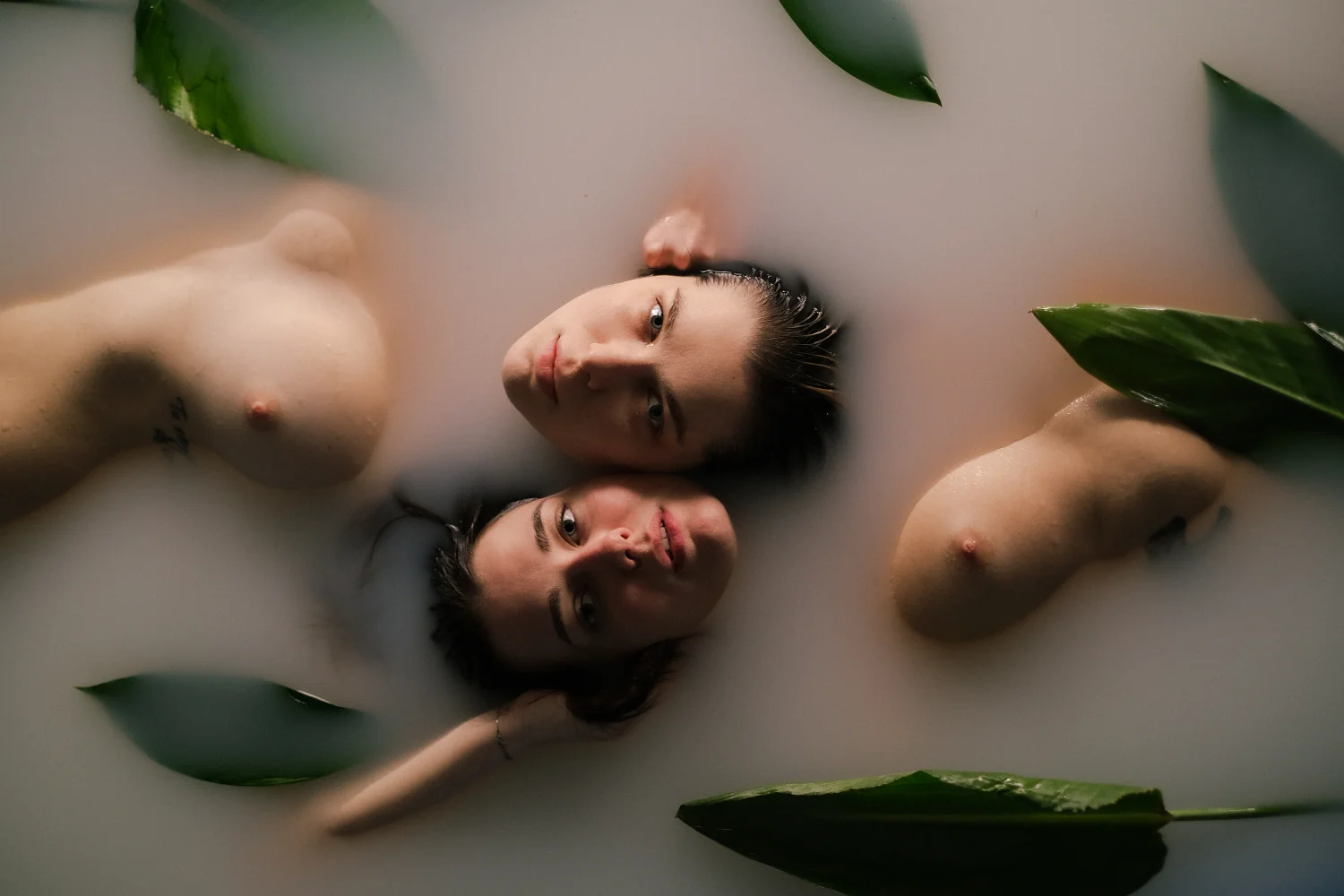
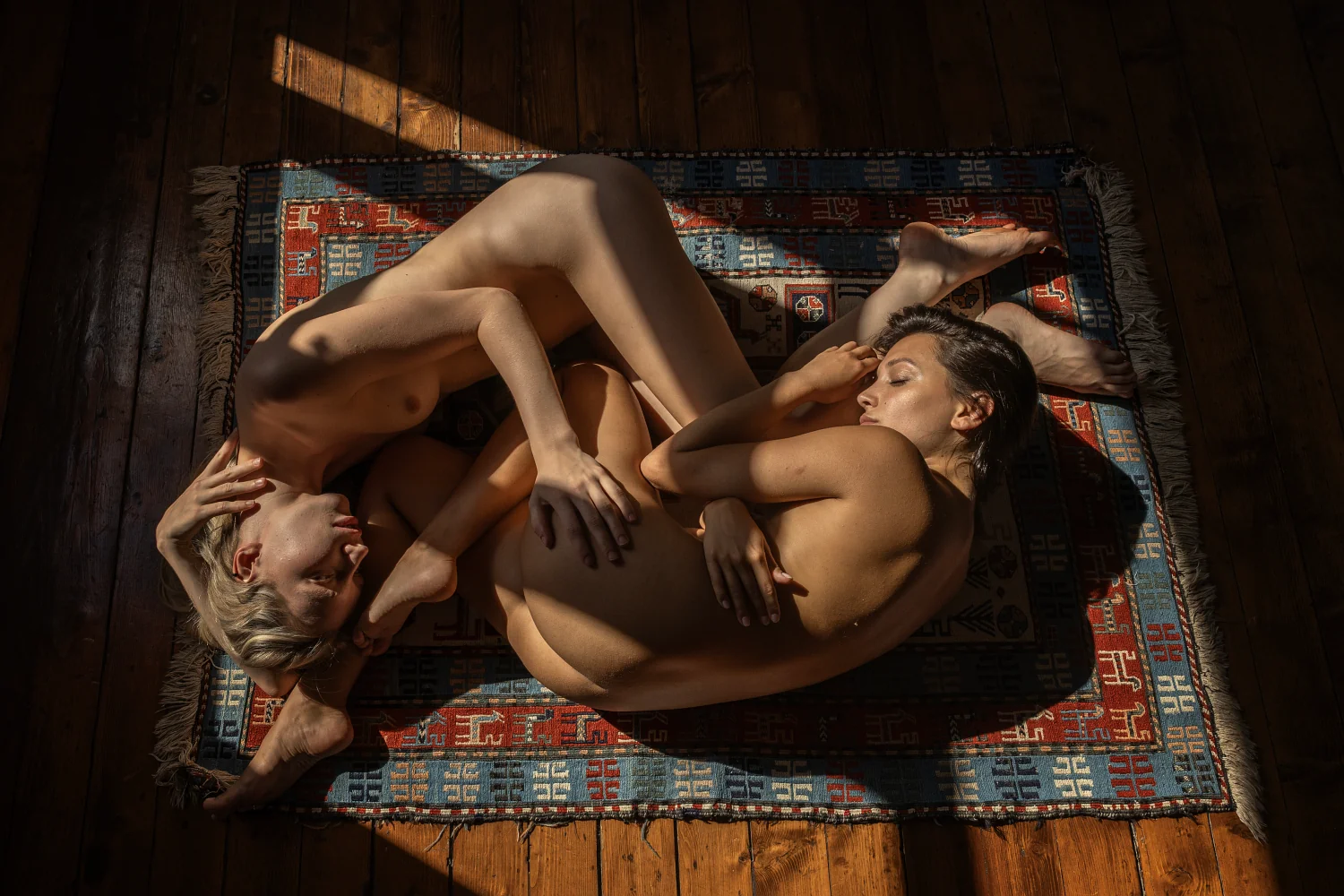
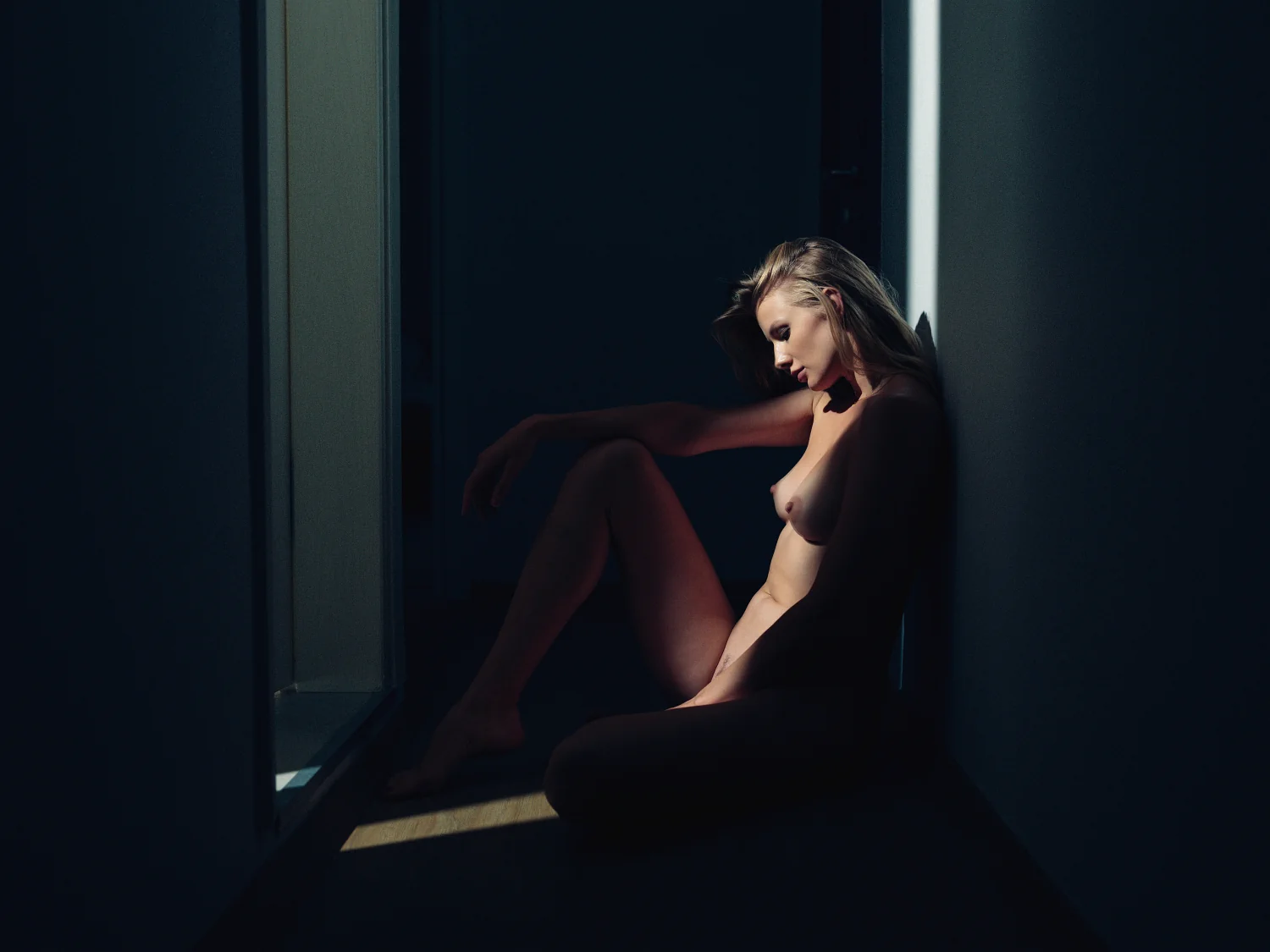
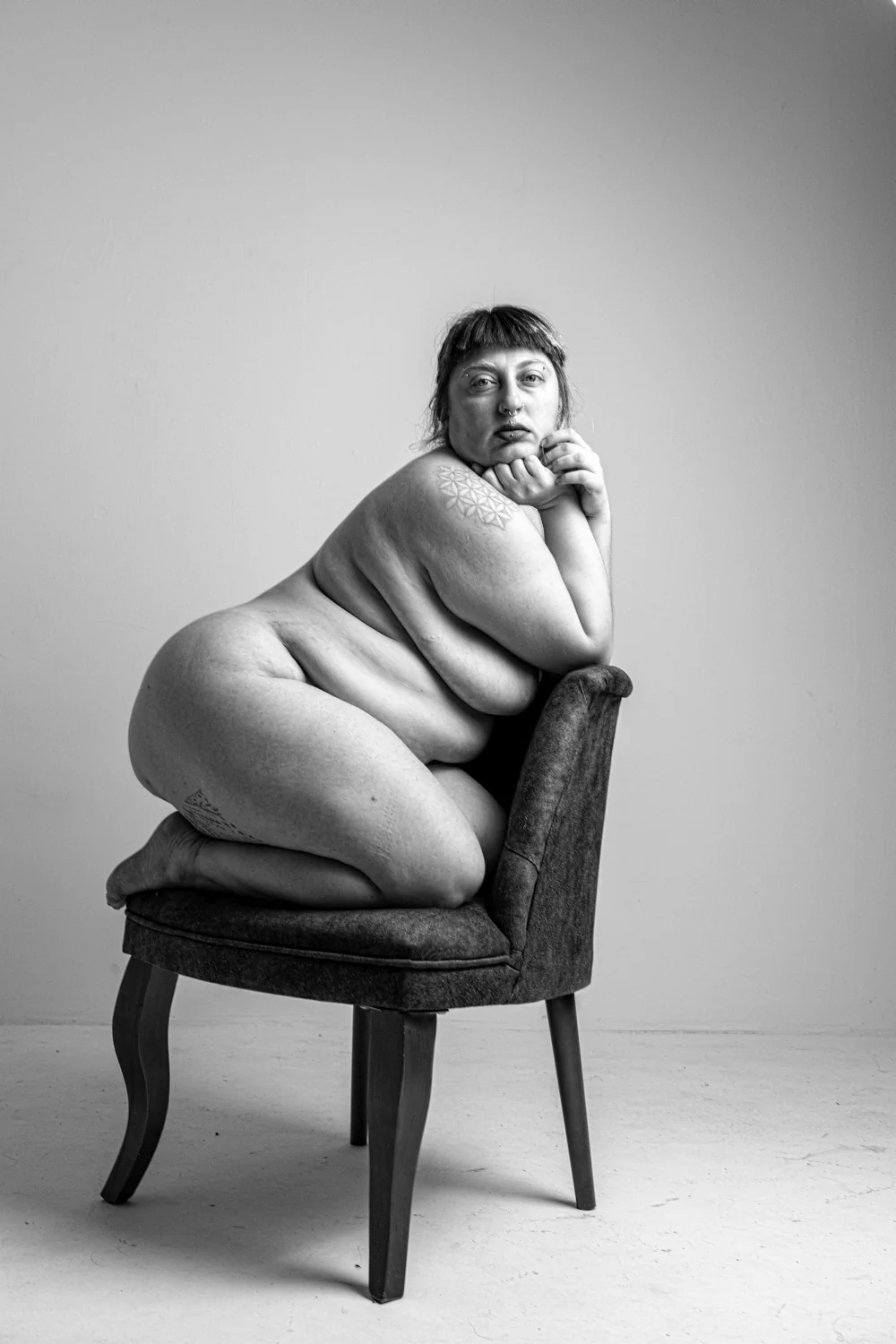
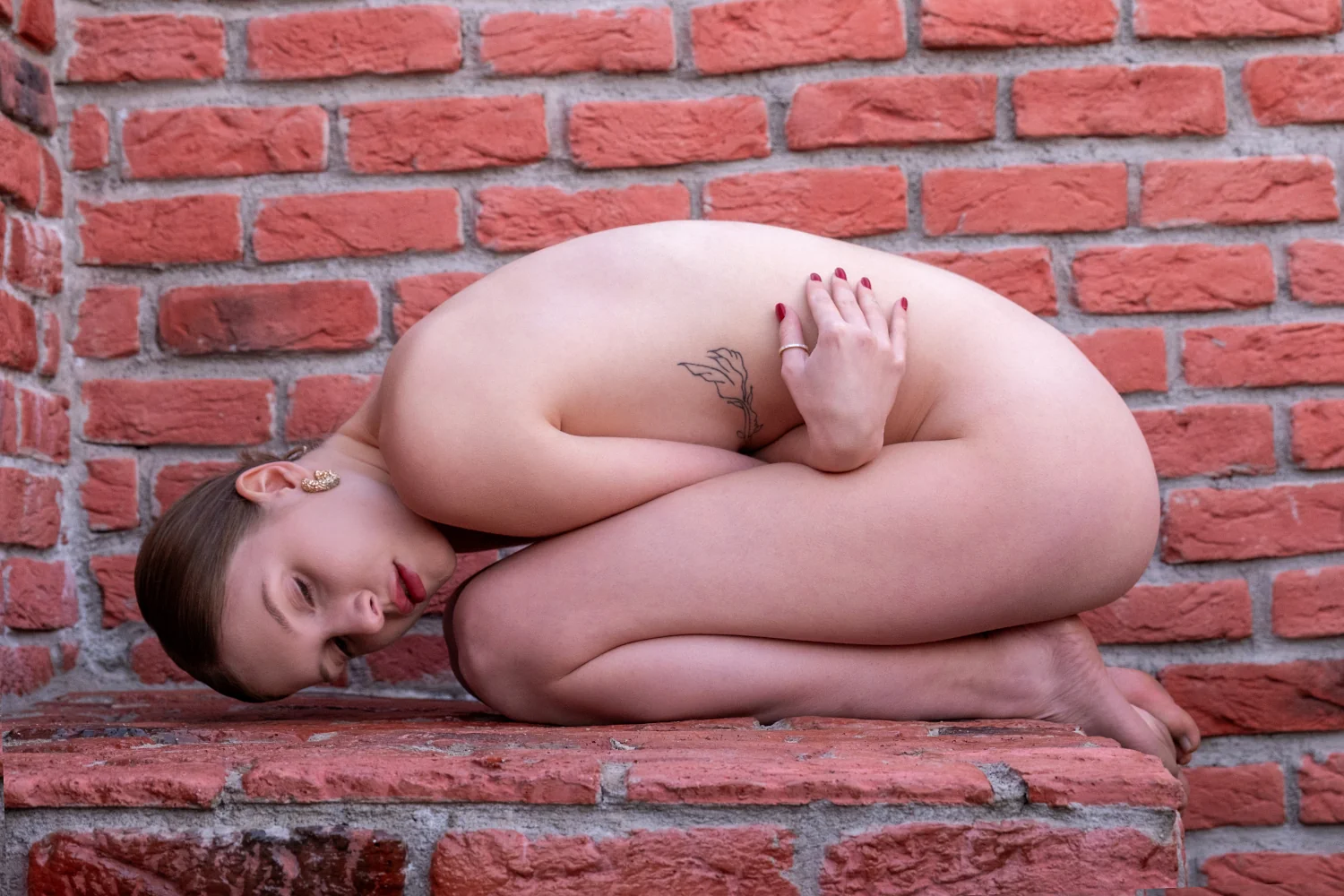
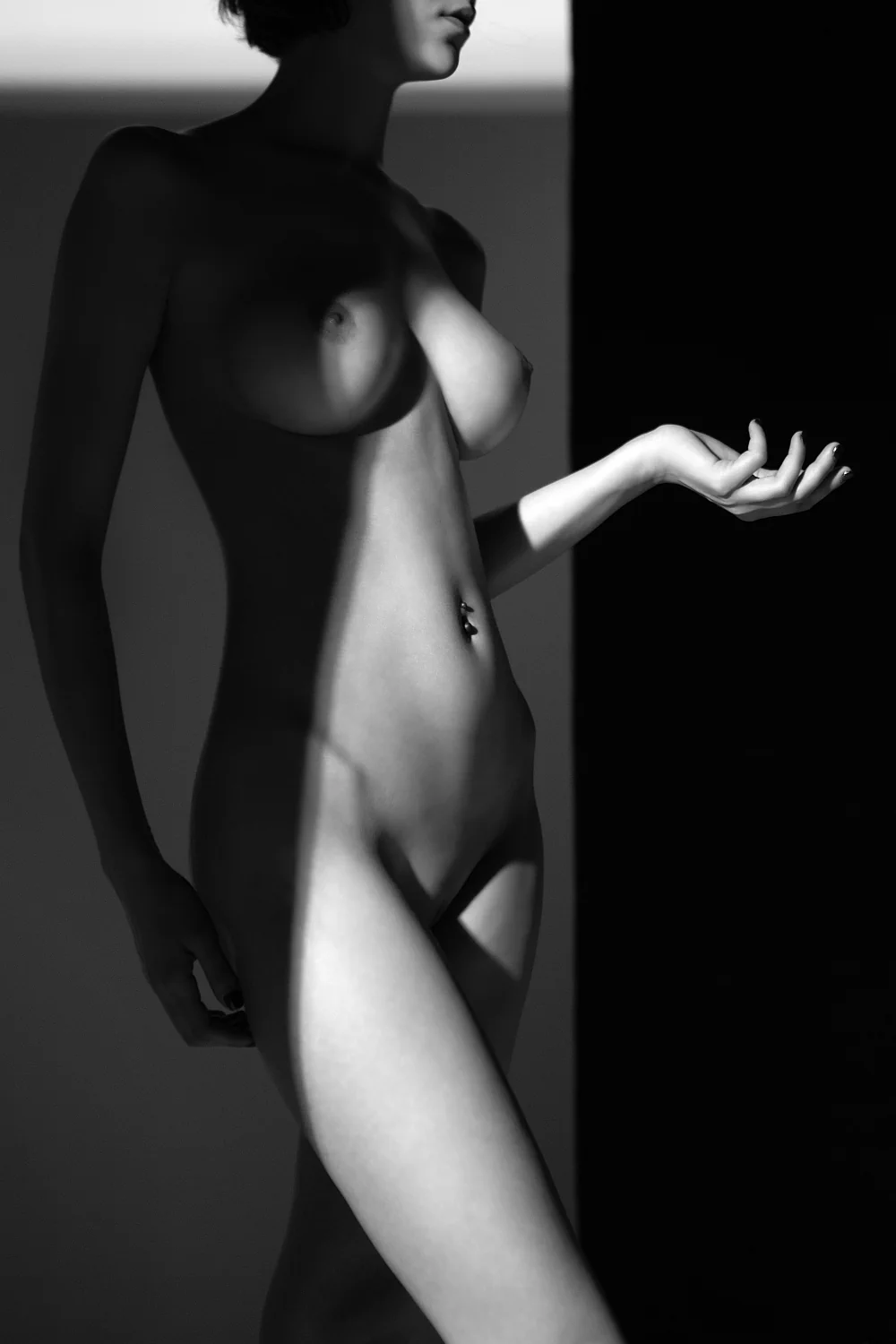
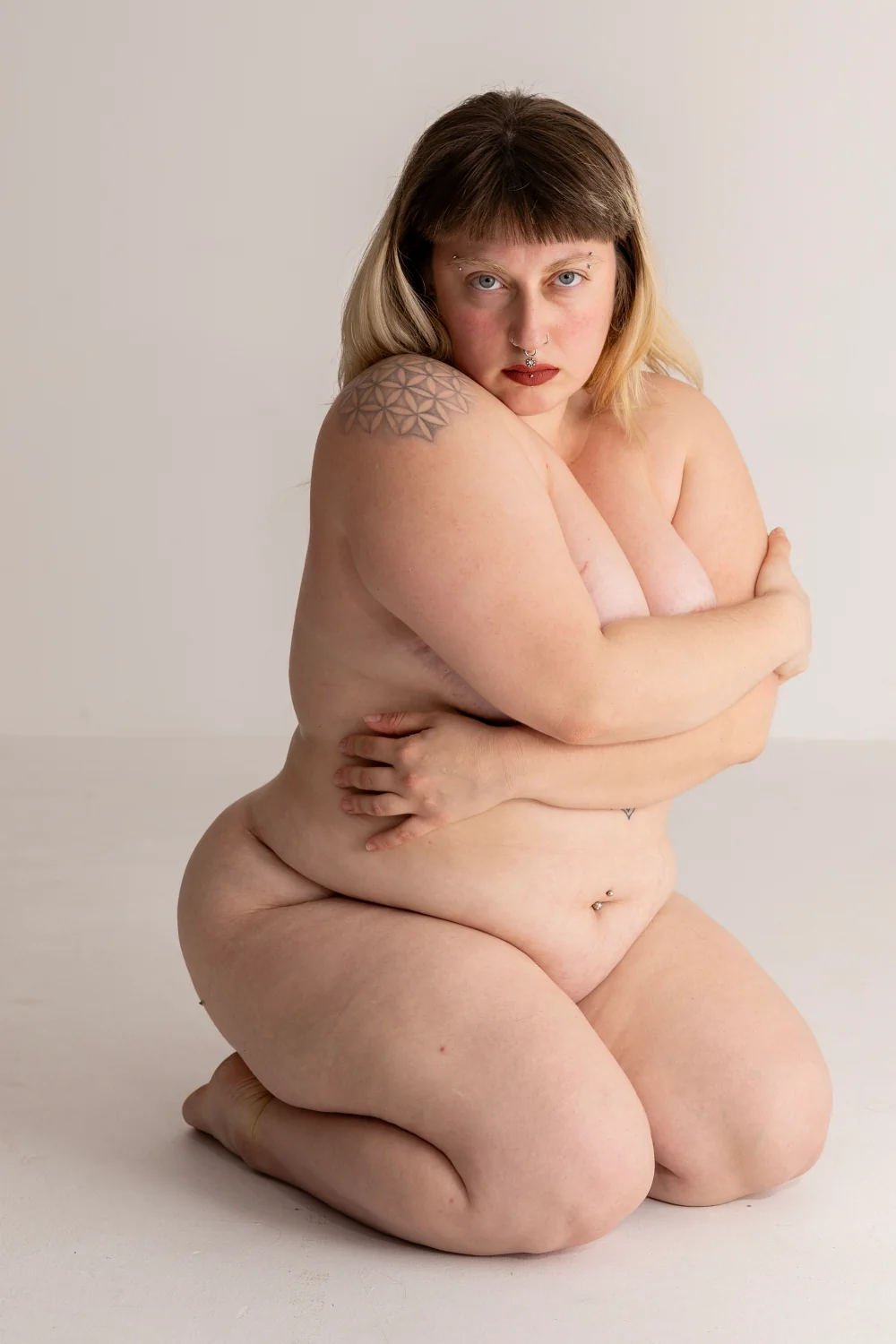
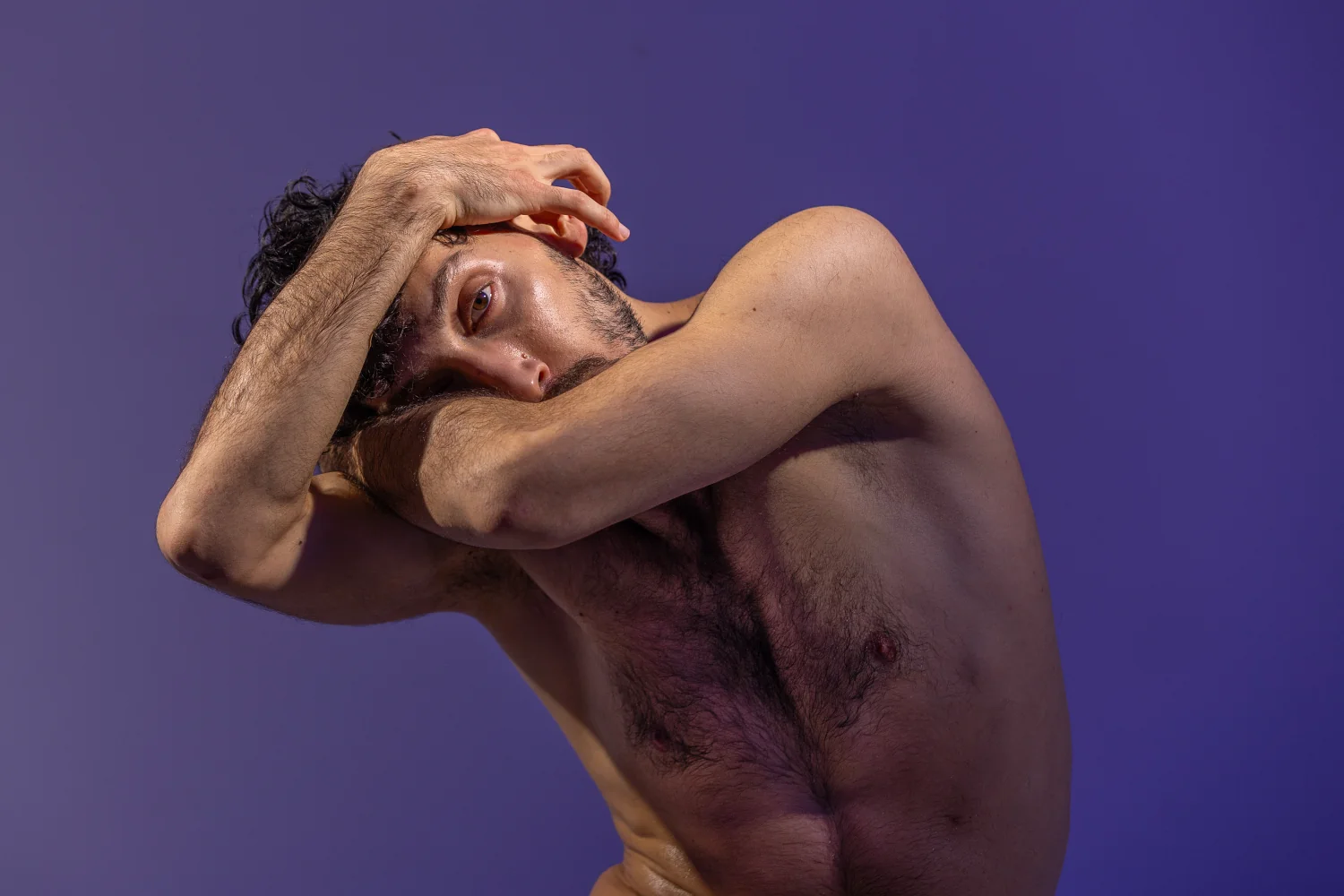
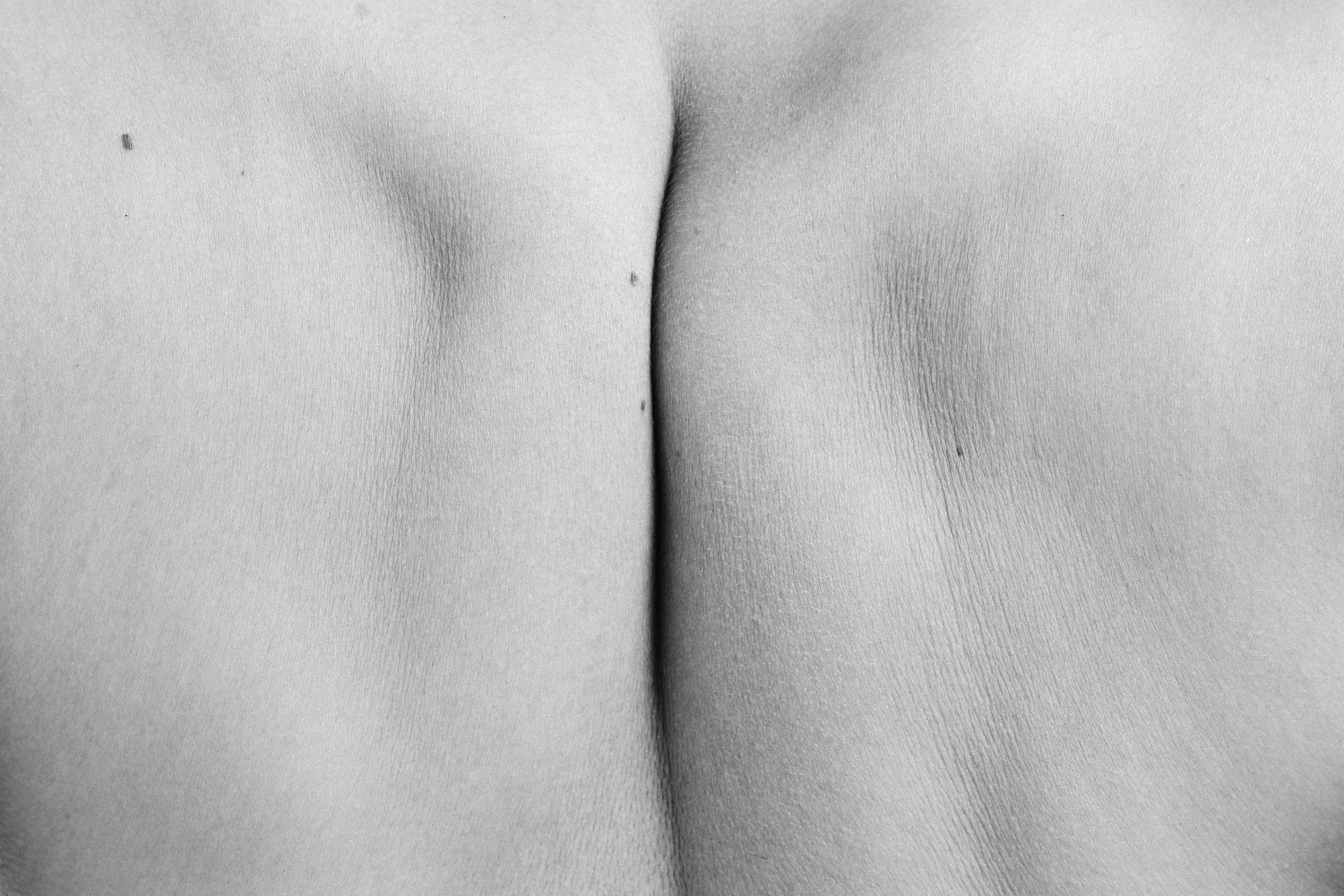
STAMPA
Perché questo progetto è importante
Un raro record collettivo dalla Turchia
La produzione documentata di fotografia artistica di nudo in Turchia è rimasta limitata e sporadica, caratterizzata da mostre di singoli autori, una scarsa produzione editoriale e un numero esiguo di punti di riferimento documentati. Nudi di Istanbul si inserisce in questo ristretto ambito come uno dei rari progetti collettivi, della portata di un libro, dedicati al corpo fotografato.
Una pratica sostenuta, non un archivio di workshop
Il progetto è il risultato di quattordici anni di ripetute produzioni fotografiche condotte da curatori a Istanbul. Ogni produzione ha dato vita a una situazione fotografica complessa: un corpo, una premessa visiva, un ambiente luminoso, una serie di condizioni materiali e uno spazio etico condiviso. Le opere selezionate sono singole fotografie finite, realizzate all’interno di un campo collettivo di lunga durata.
Condizioni condivise, paternità distinta
La mostra riunisce due livelli. Il primo è il percorso curatoriale sviluppato da Burak Bulut Yıldırım nell’arco di quattordici anni: concetto, illuminazione, selezione dei soggetti, allestimento scenografico, direzione dei materiali e struttura editoriale. Il secondo è l’autorevolezza fotografica di ciascun partecipante, che si manifesta nell’inquadratura, nella distanza, nella tempistica, nella moderazione, nella sensibilità tonale e nel momento dello scatto. Le condizioni condivise costituiscono la struttura attraverso la quale le differenze di visione diventano visibili.
Modelli come autori, non solo soggetti
La pubblicazione comprende saggi commissionati da tre autori modello centrali nella pratica di Istanbul: Zeynep Renda, Su Yeşil, e Marmelat. Renda e Yeşil scrivono a nome proprio. Marmelat scrive sotto uno pseudonimo scelto e affronta il tema della posa nuda all’interno dell’Accademia di Belle Arti turca, attingendo a tre anni di esperienza come modella nuda presso una facoltà di Belle Arti. I loro testi costituiscono parti strutturali del libro, scritti a corredo delle fotografie piuttosto che su di esse da un punto di vista esterno. La loro inclusione deriva dalla posizione curatoriale secondo cui una fotografia del corpo registra una relazione tra la persona fotografata, chi fotografa e la luce che pervade la stanza.
Berlino come primo capitolo, Barcellona come seconda mostra
La mostra di Berlino non ha allontanato l’opera da Istanbul. Ha invece inaugurato un capitolo pubblico e internazionale per le fotografie scattate in quella città e rimaste per anni confinate in circuiti di diffusione limitati. Tale capitolo prosegue alla Galleria Uxval Gochez di Barcellona dal 20 novembre al 4 dicembre 2026, creando un secondo contesto espositivo europeo per lo stesso corpus collettivo di opere.
Saggio curatoriale
L'argomento di Nudi di Istanbul Tutto parte da una contraddizione strutturale. Istanbul ha dato vita a un panorama consolidato e tecnicamente raffinato di fotografia artistica incentrata sul nudo e sul corpo, eppure queste opere sono raramente entrate nel circuito internazionale attraverso libri, istituzioni, piattaforme dedicate o mostre collettive. Le ragioni sono di natura strutturale, non artistica: una scarsa produzione editoriale, pochi spazi dedicati, una visibilità espositiva intermittente e una storia plasmata in gran parte da autori maschi individuali.
La mostra risponde a tale assenza attraverso una specifica pratica collettiva. Quattordici fotografi, selezionati nell’ambito di un percorso curatoriale durato quattordici anni a Istanbul, vengono presentati insieme come un insieme coerente su una piattaforma internazionale. Cinque di loro sono donne. Ciò fa parte della struttura autoriale del progetto: diversi punti di vista contribuiscono a determinare il modo in cui il corpo viene visto, inquadrato, nascosto e mostrato al pubblico.
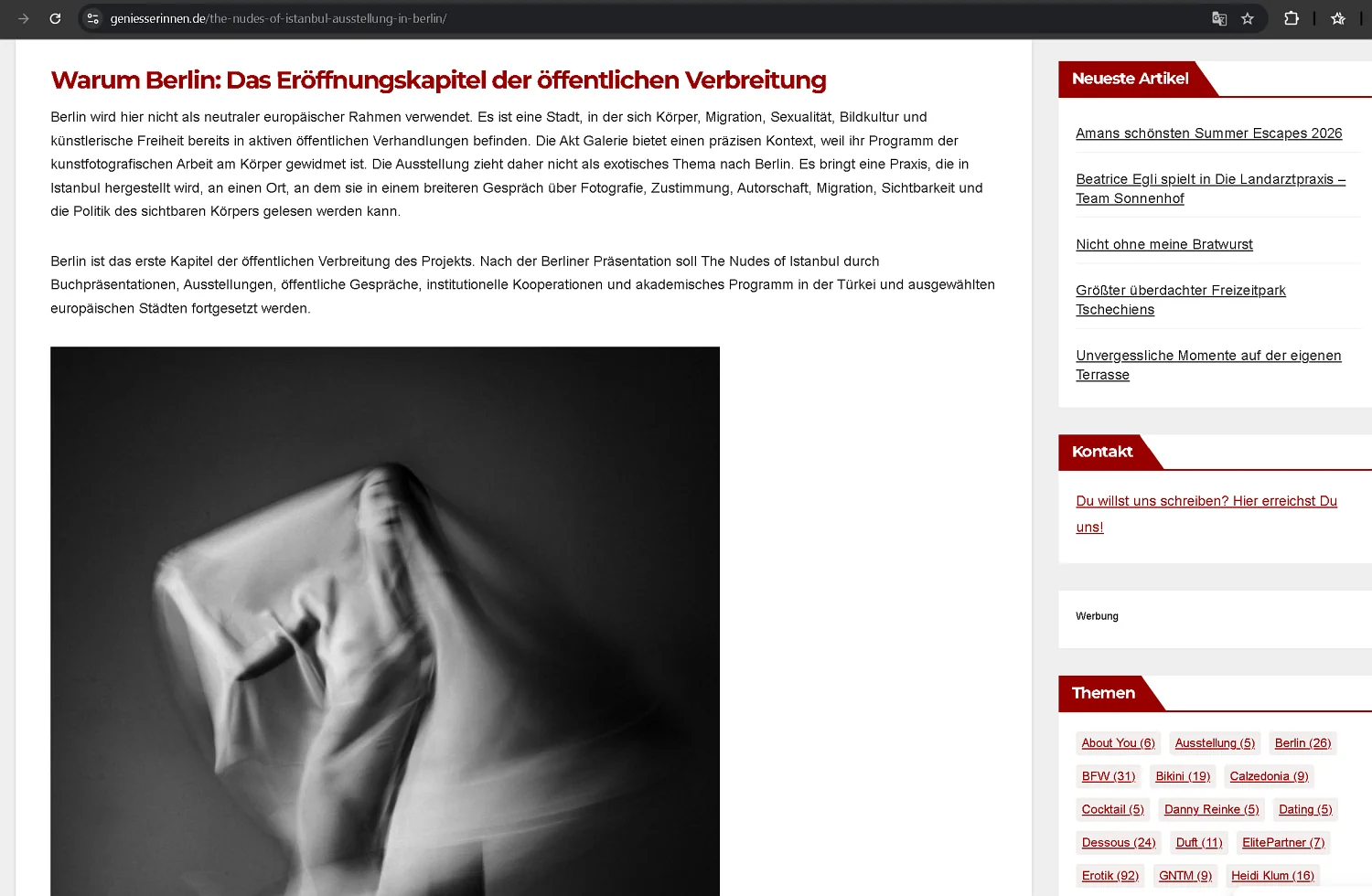
Tre posizioni teoriche fanno da cornice a questa lettura. Jean Baudrillard aiuta a comprendere come un’immagine possa distaccarsi dal corpo che pretende di rappresentare. Laura Mulvey rimane un punto di riferimento imprescindibile per qualsiasi discussione seria sullo sguardo, inteso come il campo all’interno del quale le immagini del corpo continuano a essere prodotte e interpretate, sebbene non come una tesi da applicare meccanicamente a ogni fotografia. Maurice Merleau-Ponty offre una comprensione fenomenologica del corpo come fondamento della percezione, non semplicemente come oggetto osservato dall’esterno.
Il progetto si inserisce inoltre in un più ampio dibattito turco sulla politica del corpo e sulla sua rappresentazione. Artisti come İpek Duben e Nilbar Güreş hanno esaminato, attraverso diversi mezzi espressivi e registri, il genere, l’intimità, i codici sociali, il corpo e l’autorappresentazione nella cultura visiva turca. Gli scritti di Ahu Antmen sul corpo, l’identità, il genere e l’arte forniscono un importante quadro storico-artistico per comprendere come la modernità, i codici culturali e la politica identitaria abbiano plasmato il corpo rappresentato in Turchia. Nudi di Istanbul non rivendica alcuna continuità diretta con queste pratiche. Si colloca al loro fianco nell’ambito della stessa questione più ampia: in che modo il corpo può essere visto, da chi, a quali condizioni e attraverso quali forme di documentazione pubblica?
La questione rimane delicata. L’esposizione pubblica di fotografie di nudo provenienti dalla Turchia si è spesso limitata a canali ristretti: studi privati, circoli ristretti, mostre sporadiche e una scarsa produzione editoriale. Questo modello non è specifico di un solo Paese. Nel novembre 2024, il video di İnci Eviner Harem (2009), opera ispirata all’incisione di Antoine Ignace Melling raffigurante l’harem ottomano, è stata ritirata poco prima dell’inaugurazione da un’importante mostra dedicata a Jean-Léon Gérôme presso il Mathaf: Arab Museum of Modern Art di Doha. L’artista ha definito questa decisione un atto di censura. Casi come questo dimostrano che le dinamiche politiche legate alla rappresentazione del corpo rimangono attuali, contemporanee e distribuite in modo diseguale nei diversi contesti culturali.
La mostra sostiene che una fotografia di nudo, realizzata con la macchina fotografica, con un intervento fisico, in una stanza in cui la persona è effettivamente presente, rimanga un atto artistico di grande rilievo. In queste fotografie il corpo è la materia prima dell’immagine e, al tempo stesso, una persona che ha acconsentito, ha posato, ha atteso, si è mossa, ha opposto resistenza e ha occupato lo spazio.
La mostra prende spunto da questo terreno fisico ed etico.
Tassonomia curatoriale
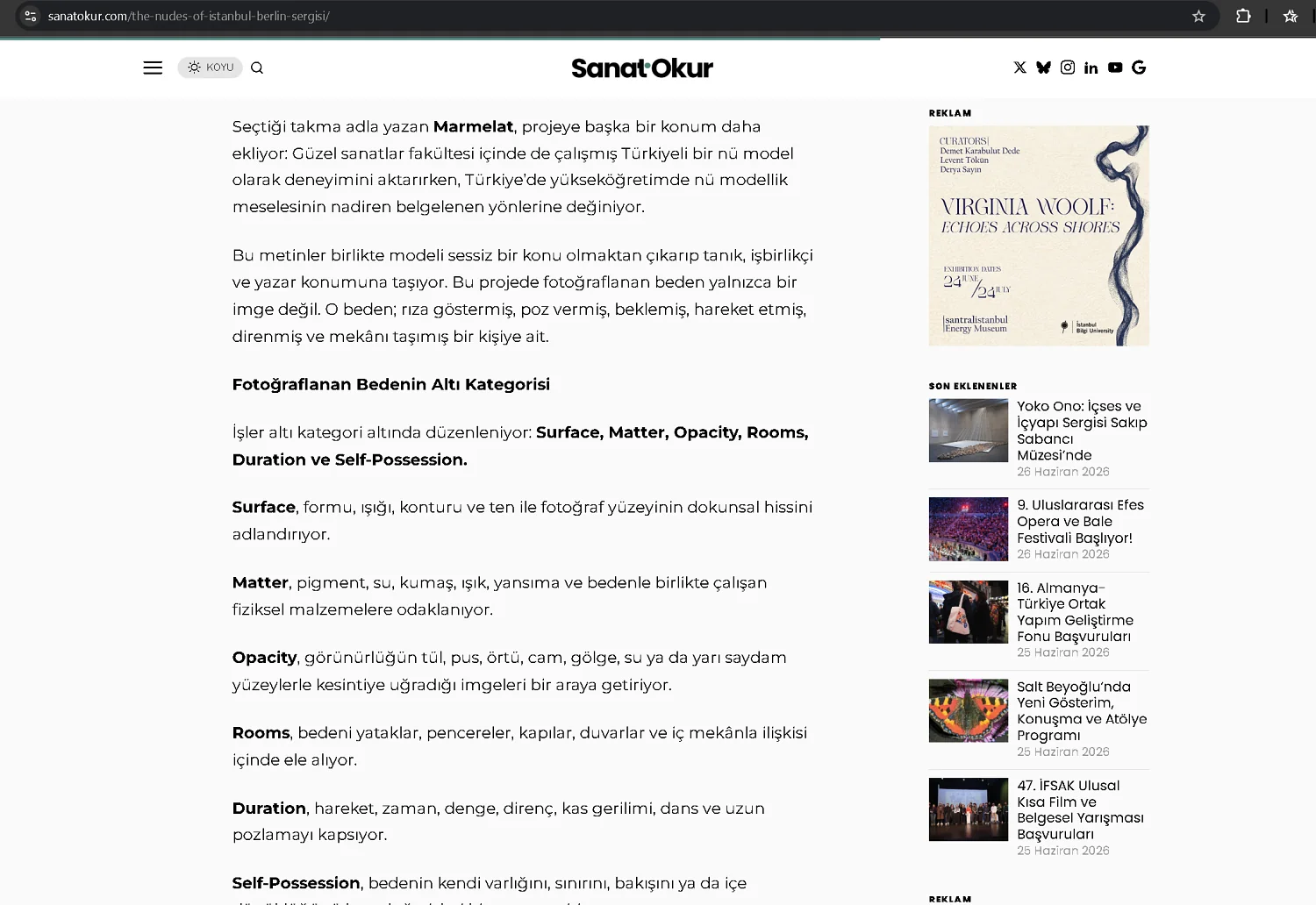
Le opere sono organizzate attorno a sei registri del corpo fotografato. Il nudo è trattato come un insieme di condizioni, non come un genere fisso: la sequenza segue la condizione dominante attraverso la quale ogni fotografia chiede di essere letta, come superficie, come materia, come immagine trattenuta, come figura all’interno di stanze, come durata o come presenza padrona di sé. Una fotografia si definisce in base alla sua forza visiva primaria, non a un inventario di ciò che appare all’interno dell’inquadratura. La domanda è sempre di natura curatoriale: cosa fa fondamentalmente la fotografia al corpo?
1. Superficie
Il corpo come contorno, terreno e superficie dell'immagine
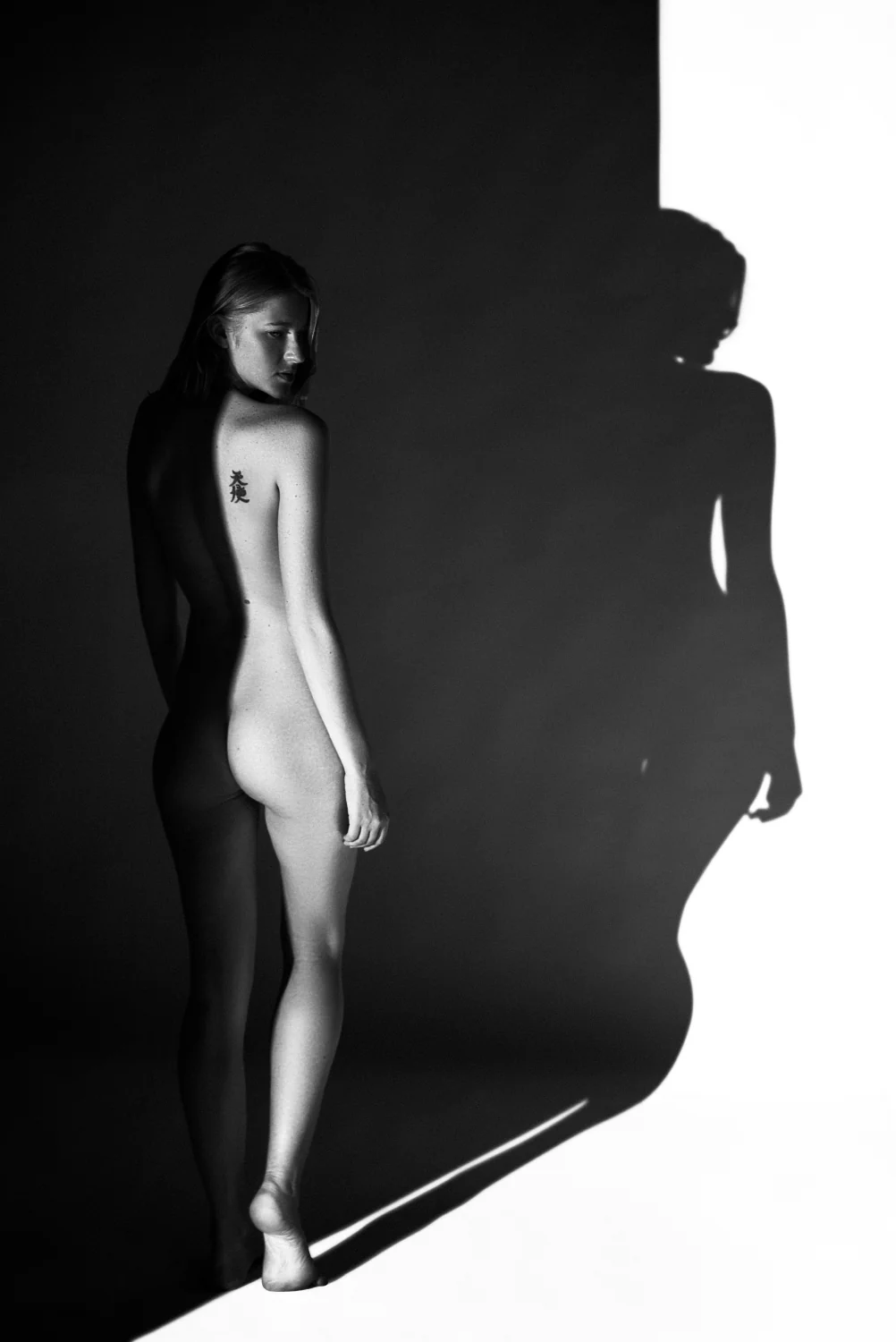
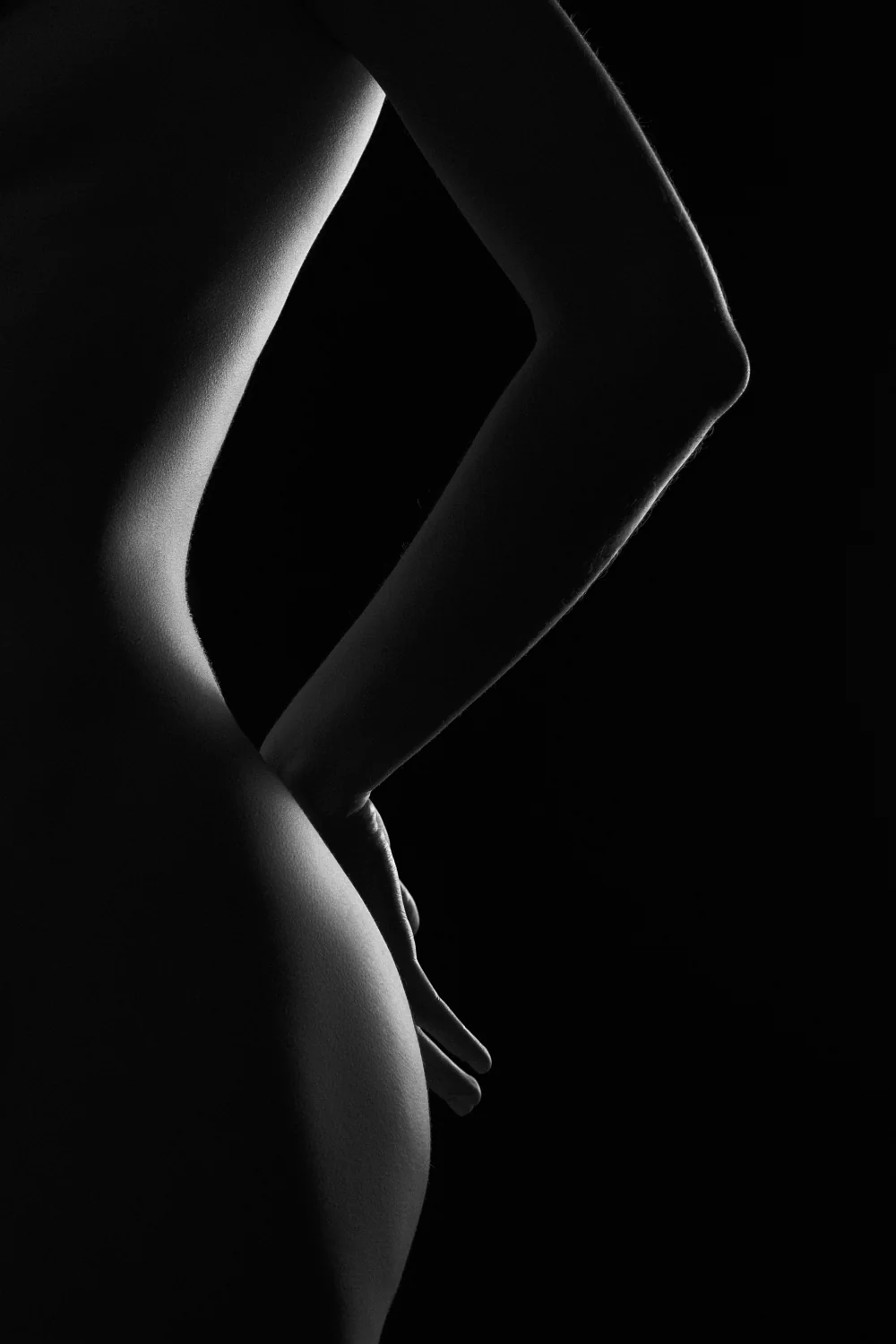
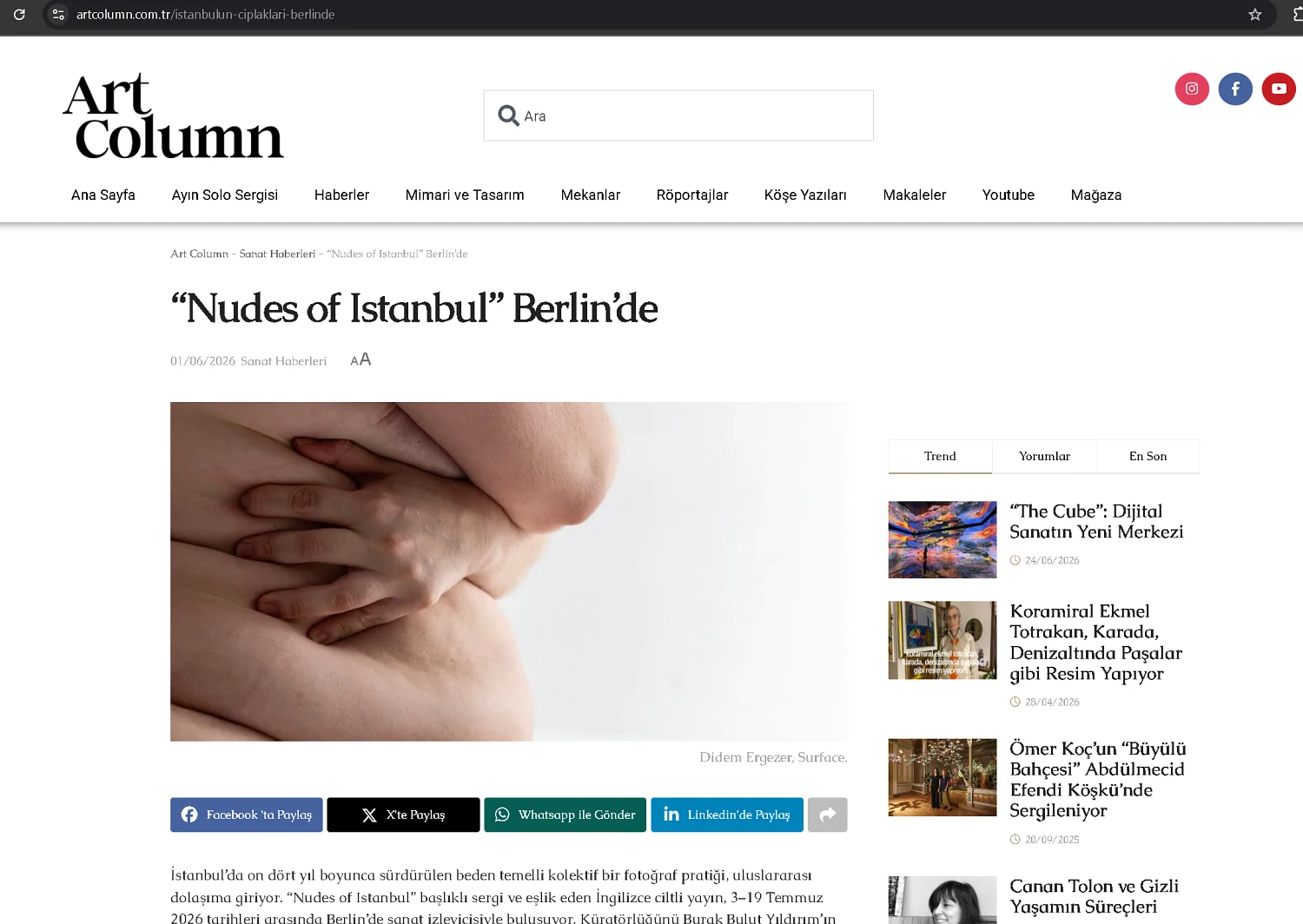
Un'opera appartiene a Superficie quando il corpo viene interpretato prima ancora dell’identità: come contorno, volume, luce, ombra, linea e rilievo. Un'inquadratura ravvicinata, un contesto ridotto, una luce soffusa o uno sfondo neutro possono trasformare la pelle in una superficie pittorica. Queste fotografie si interrogano su come la luce renda visibile la forma, più che su chi sia il corpo, dove si trovi o quale materiale lo tocchi. Un volto può apparire, ma non deve dominare. Se lo sguardo o una postura assunta volontariamente diventano la forza centrale, l’opera si sposta verso Autopromozione; se un pigmento, un liquido, un tessuto o una luce colorata modificano attivamente la pelle, questa si sposta verso Materia.
2. Materia
Pigmento, liquido, tessuto, metallo e luce che agisce sulla pelle
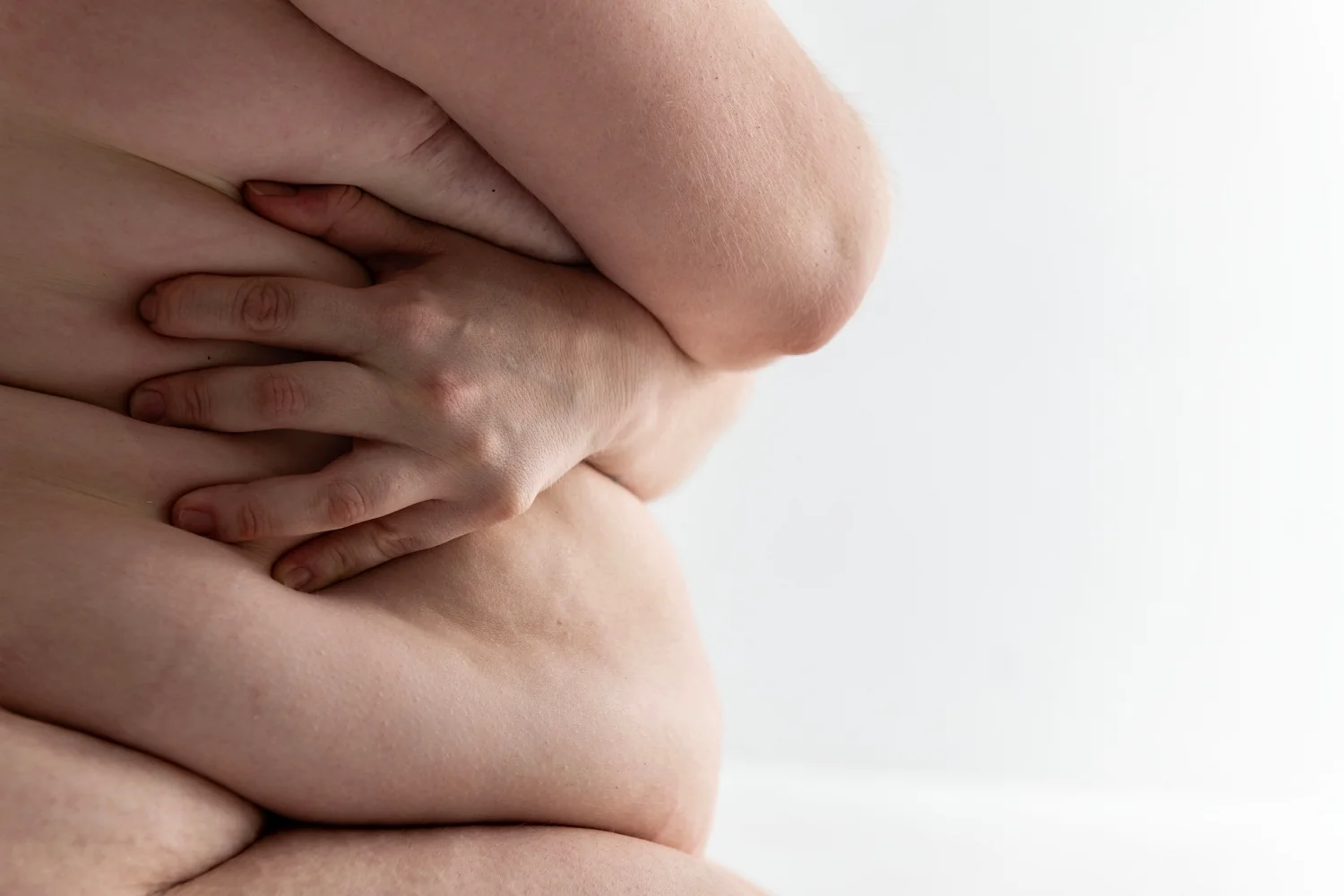
Un'opera appartiene a Materia quando la superficie del corpo viene alterata da un contatto fisico o ottico. Pigmenti, polveri, vernici, glitter, acqua, olio, tessuti, metalli, materiali riflettenti, luce proiettata o luce colorata possono macchiare, coprire, segnare, riflettere o rimodellare la pelle. Il corpo riceve e registra il contatto. Se un materiale modifica la superficie del corpo, l’immagine appartiene a questa categoria; se invece interrompe principalmente l’accesso dello spettatore al corpo velandolo, oscurandolo o nascondendolo, l’immagine si sposta verso Opacità. La materia entra in contatto con il corpo. L’opacità si frappone tra il corpo e lo spettatore.
3. Opacità
Il rifiuto della piena visibilità
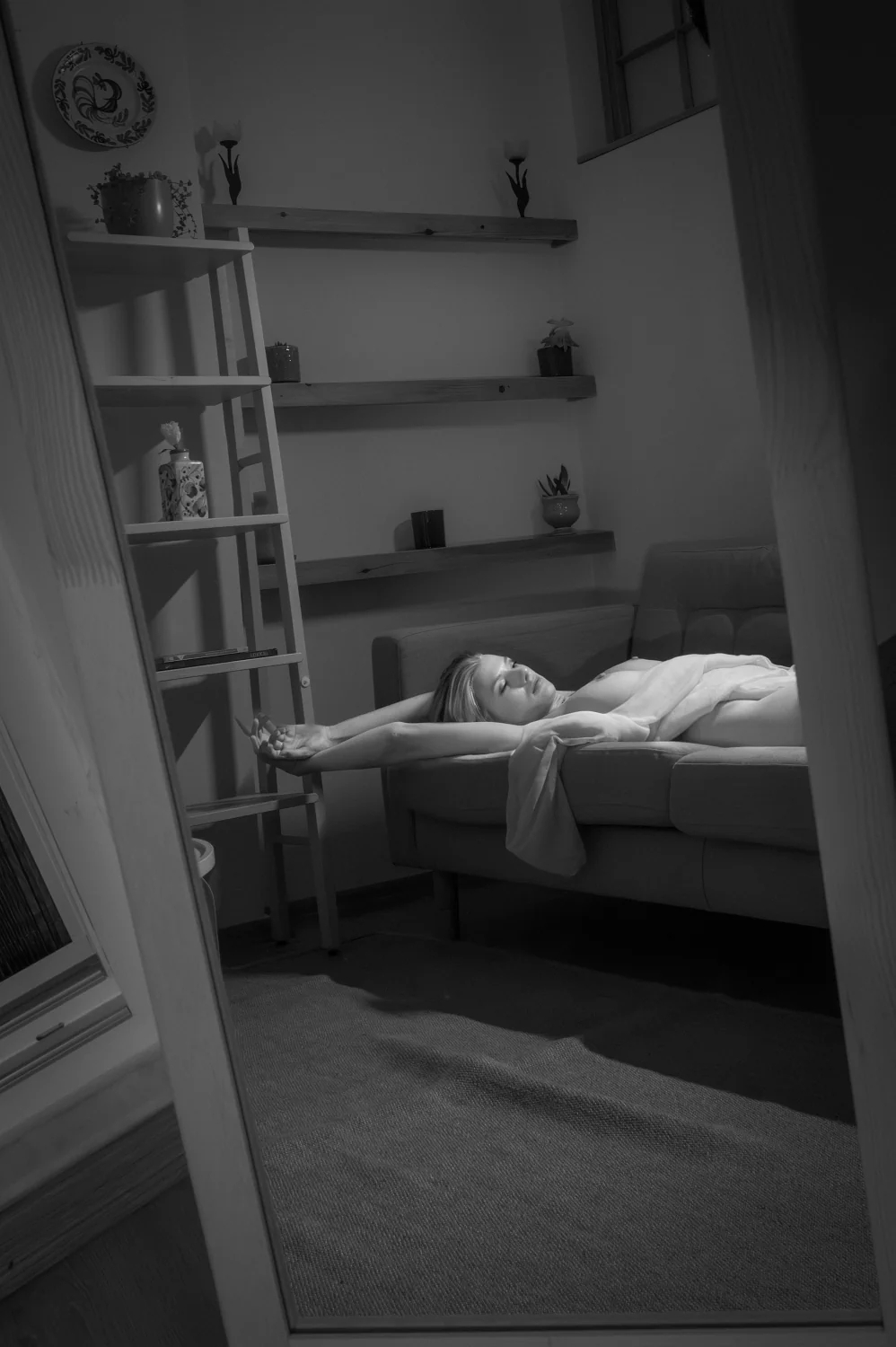
Un'opera appartiene a Opacità quando l’accesso dello spettatore al corpo viene interrotto. Tessuto, acqua, foschia, ombra, riflesso, vetro, superfici traslucide, veli, reti o luce atmosferica possono mantenere la figura presente ma non pienamente accessibile. L’immagine ritarda, filtra o destabilizza lo sguardo invece di offrire il corpo come informazione trasparente. L’oscurità da sola non rende un’opera opaca: se l’oscurità disegna il corpo come forma, l’opera appartiene a Superficie, e se lo sguardo diretto o il portamento risoluto della persona sono più forti dell’ostacolo, questa si sposta verso Autopromozione.
4. Le camere
Interni privati, pressione pubblica
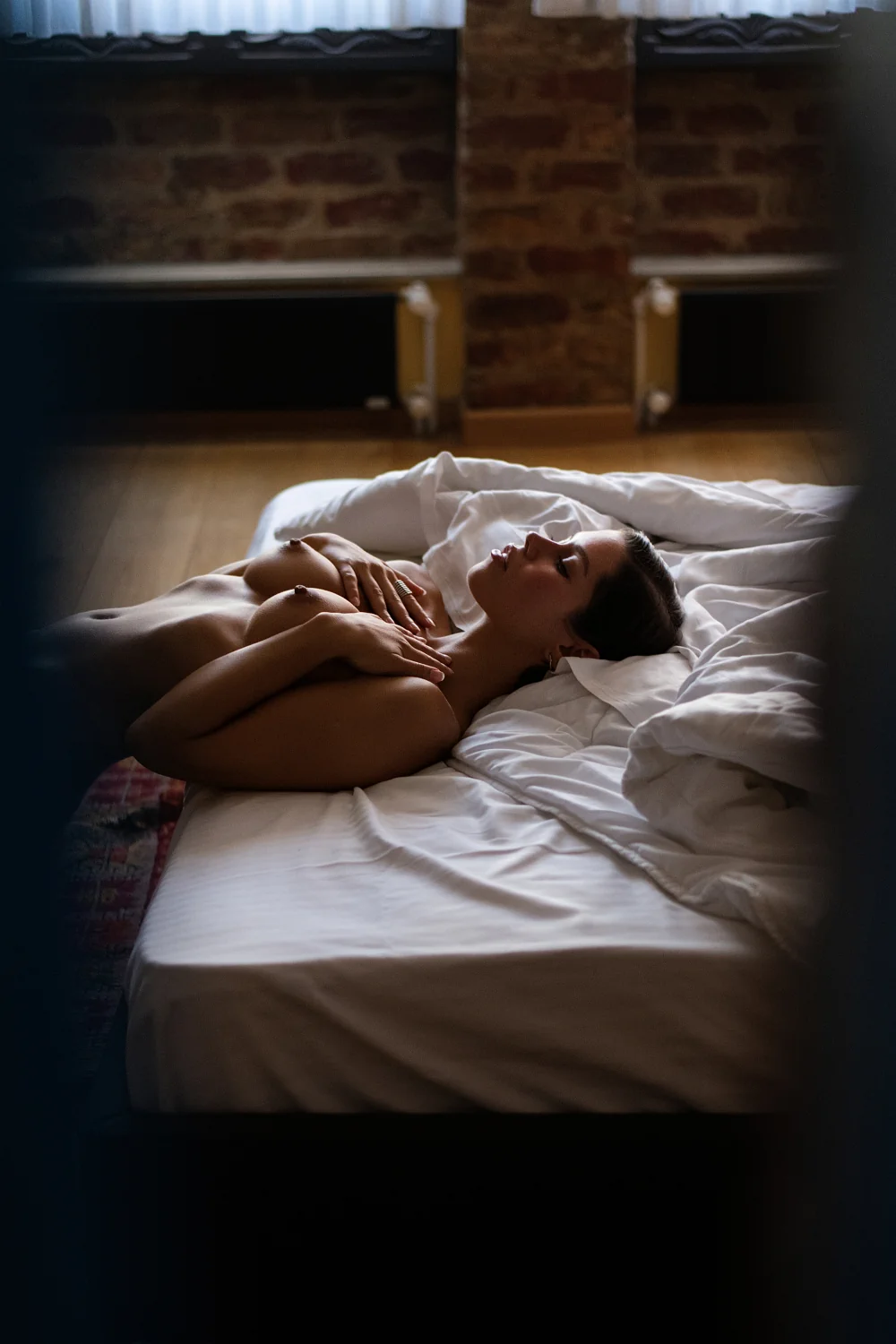
Un'opera appartiene a Camere quando lo spazio interno diventa un elemento determinante della fotografia. Letti, sedie, divani, tende, tappeti, pareti, finestre, porte, angoli, bagni e interni provvisori degli studi fotografici possono fare ben più che creare l’ambientazione: collocano il corpo all’interno di un campo sociale e psicologico fatto di privacy, consenso, esposizione, domesticità e pressione. L’arredamento da solo non basta; la stanza deve modificare il modo in cui il corpo viene interpretato. Se il corpo rimane isolato come forma, l’opera appartiene a Superficie; se l’interiorità o lo sguardo della figura costituiscono la forza più potente, essa appartiene a Autopromozione.
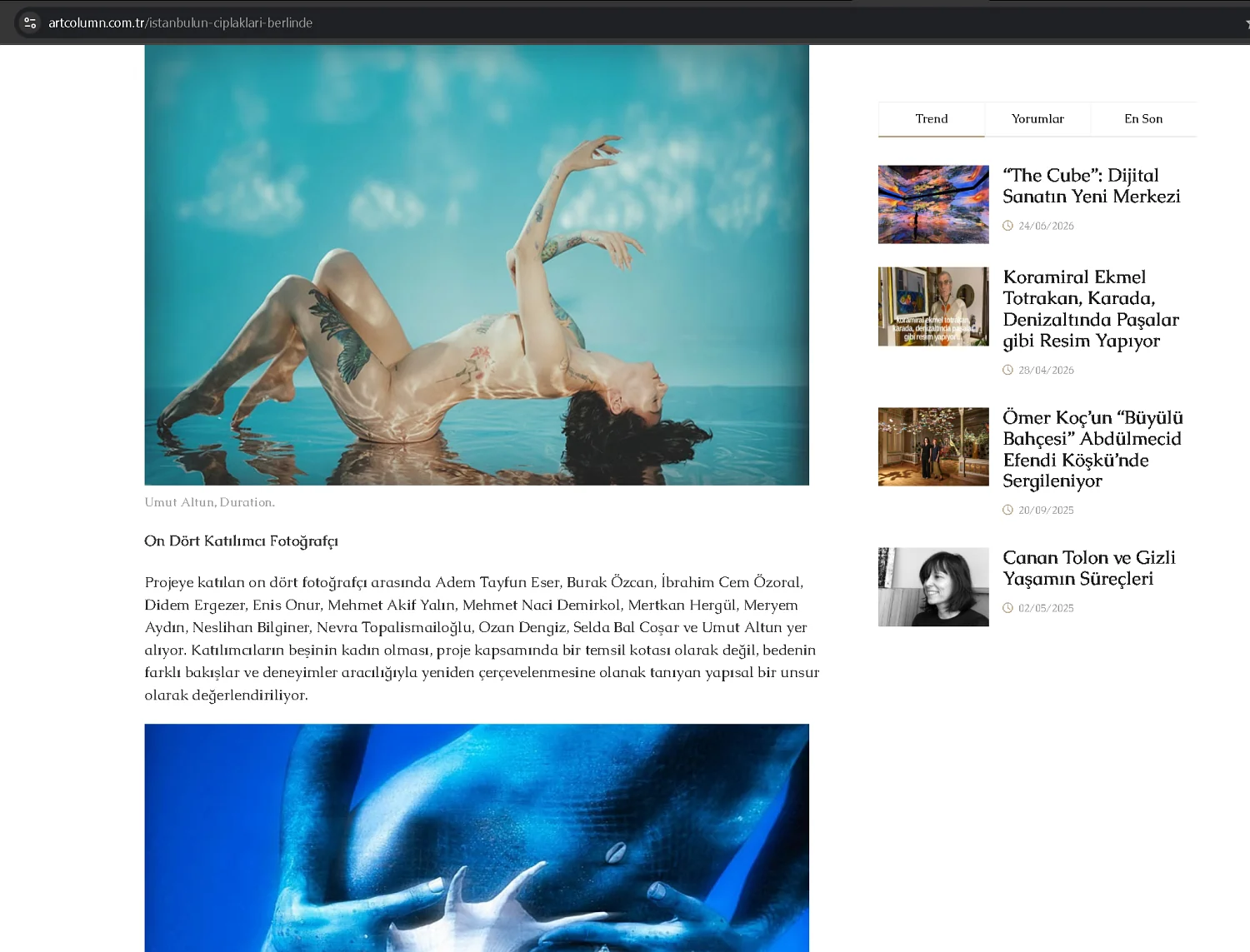
5. Durata
Movimento, sospensione, gravità e tempo
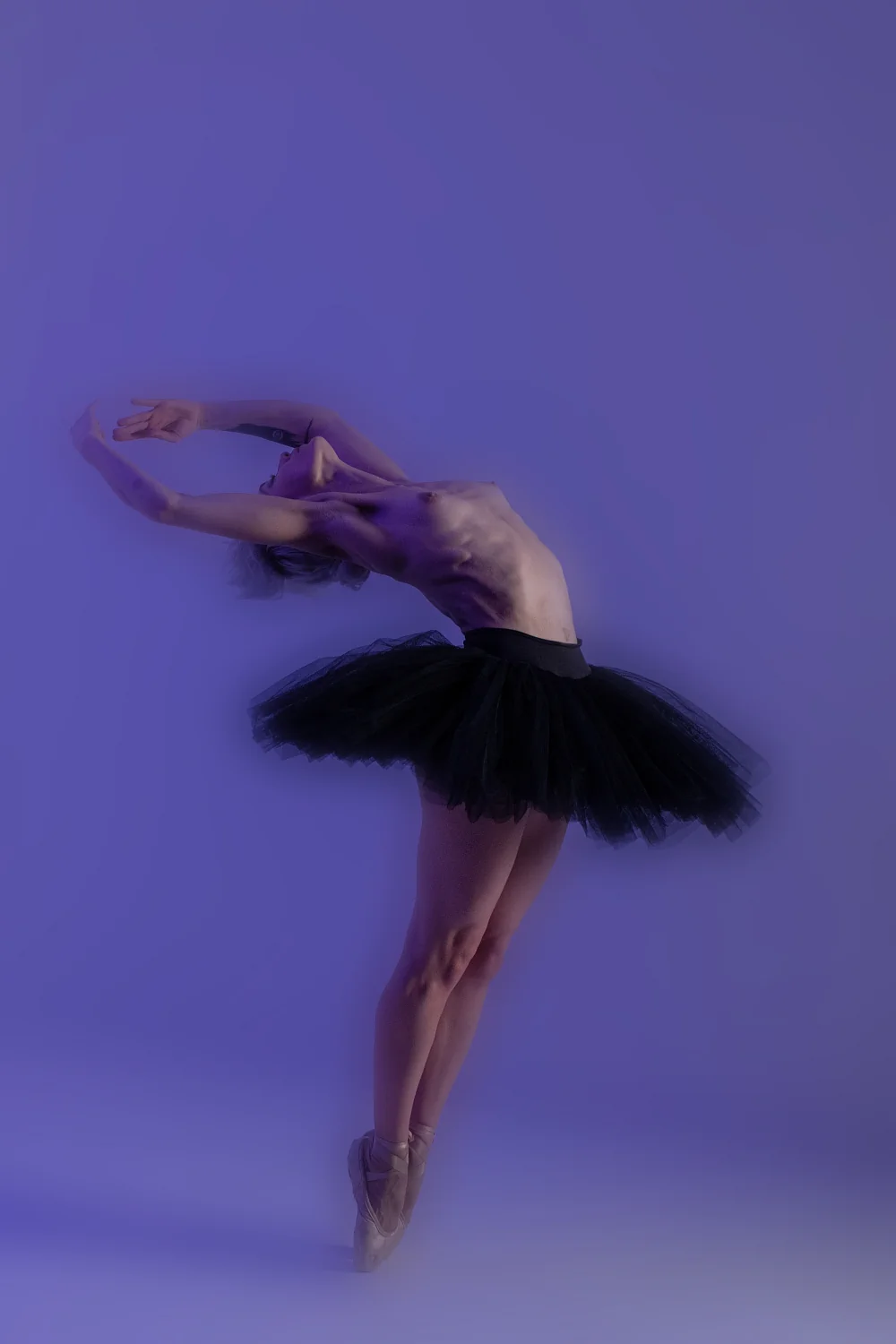
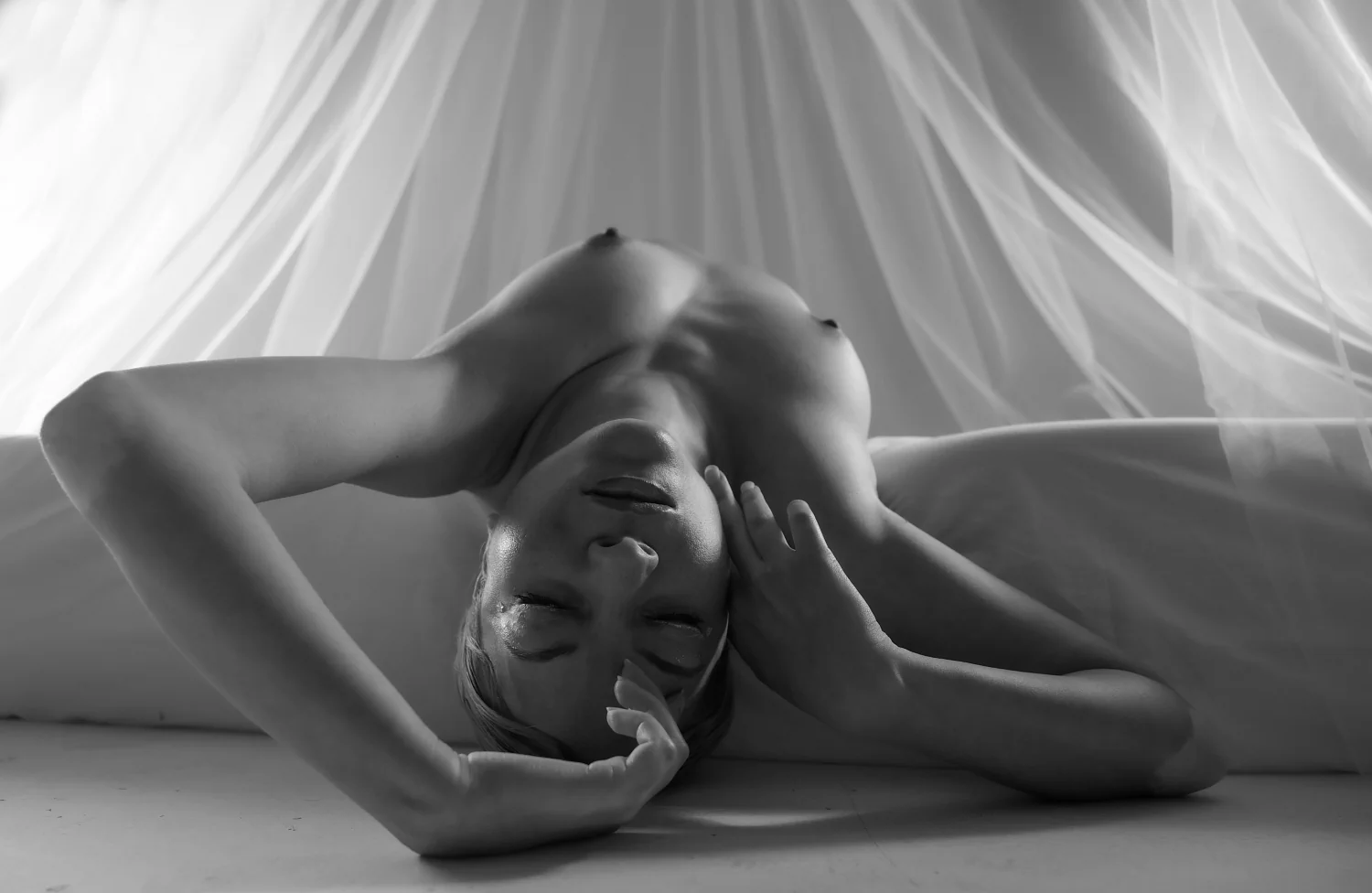
Un'opera appartiene a Durata quando il corpo viene interpretato come un evento nel tempo. Il movimento, la sospensione, l’equilibrio, la sfocatura, la lunga esposizione, la danza, l’acrobazia, la caduta, il mantenimento della posizione, l’allungamento o la resistenza alla gravità sostituiscono la posa fissa con un senso di durata fisica. La fotografia immortala un corpo insieme al tempo che impiega a mantenere una posizione, muoversi, cadere, rimanere sospeso o resistere al crollo. Non è necessaria una sfocatura visibile: un’immagine fissa rientra in questa categoria quando il corpo è caratterizzato da una forte tensione fisica, come lo sforzo muscolare, l’equilibrio, la sospensione o la resistenza.
6. L'autopromozione
Il corpo della persona all'interno dell'immagine
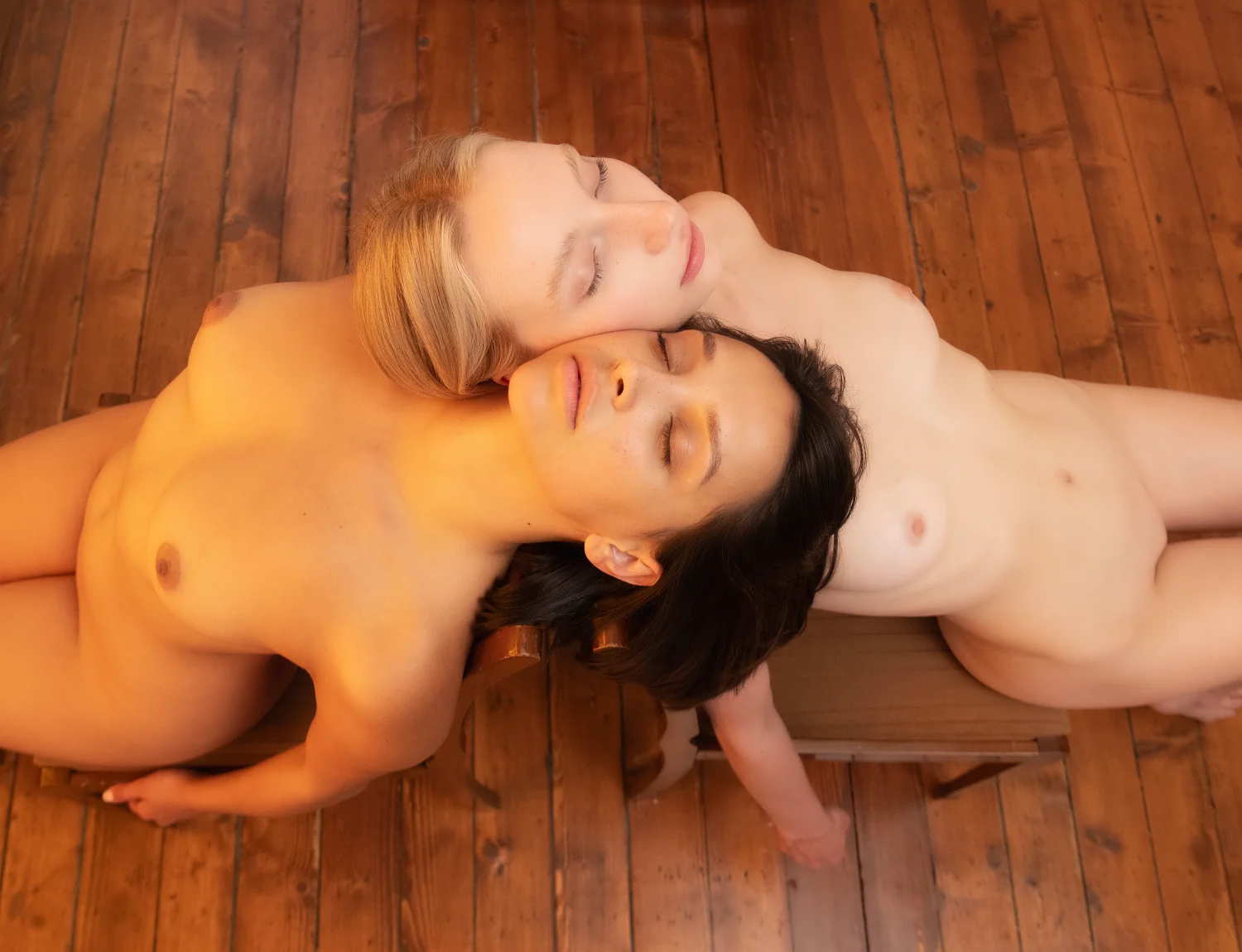
Un'opera appartiene a Autopromozione quando la persona raffigurata nell’immagine mantiene il controllo del proprio corpo invece di cederlo allo spettatore. Ciò può avvenire attraverso uno sguardo diretto, un rifiuto, l’immobilità, l’introversione, una postura chiusa, un gesto di autodifesa o una silenziosa insistenza sulla propria presenza. La categoria riguarda la proprietà, non la vulnerabilità: il corpo appartiene a qualcuno. Un volto visibile è un segnale forte ma non un requisito indispensabile. Anche una schiena voltata, un corpo piegato o una postura chiusa possono trasmettere autocontrollo quando la figura rimane riconoscibile come una persona che stabilisce le condizioni della propria visibilità.
La genealogia turca
Esiste una storia della fotografia di nudo in Turchia, ma si è sviluppata in modo discontinuo, non progressivo. Lo studio accademico di Işık Özdal del 2011, Türk Fotoğrafında Nü Sergilerin Analizi, traccia un record che inizia con il libro di Çerkes Karadağ Nüans, esposta a Colonia nel 1988 e a Istanbul nel 1989. Seguirono alcune mostre successive, in numero limitato, dedicate a fotografi quali Mehmet Koştumoğlu, Levent Öget, İbrahim Göğer, Orhan Alptürk, Saygun Dura, Cem Boyner e Niko Guido.
L’indagine di Özdal mette in luce un ambito caratterizzato dalla discontinuità. Questa pratica si è manifestata principalmente attraverso mostre personali, senza strutture collettive stabili. La documentazione pubblicata rimane scarsa: quella di Alberto Modiano Türk Fotoğrafında Çıplak (2004) rappresenta una delle poche opere di approfondimento di una certa consistenza dedicate all’argomento. Dai dati emerge inoltre un marcato squilibrio nella rappresentanza degli autori, con le fotografe che risultano in gran parte assenti dalla storia delle prime mostre documentata nella rassegna.
Il periodo successivo al 2011 non ha prodotto una produzione istituzionale continua e di ampio risalto nel campo della fotografia di nudo artistico in Turchia. La politica del corpo, tuttavia, è rimasta al centro della cultura visiva turca. Gli scritti di Ahu Antmen sul corpo, l’identità, il genere e la rappresentazione; l’impegno di lungo corso di İpek Duben nei confronti del corpo, dell’identità, del genere e dell’autorappresentazione; l’inquadramento storico del nudo nella pittura turca moderna; e la pratica costante di Nilbar Güreş incentrata sul genere, sui codici sociali e sull’identità incarnata definiscono insieme un campo culturale più ampio in cui la visibilità del corpo rimane oggetto di controversia.
Queste pratiche non costituiscono un filone diretto per Nudi di Istanbul, che è di natura fotografica, collettiva e radicata in un ambiente di lavoro a Istanbul di lunga durata. Queste immagini contribuiscono a definire la questione più ampia in cui si inserisce il progetto: in che modo il corpo diventa visibile nella cultura visiva turca, a chi è consentito ritrarlo e attraverso quali strutture può entrare a far parte del patrimonio pubblico?
La pubblicazione che accompagna la mostra si presenta come un raro progetto collettivo, della portata di un libro, dedicato alla fotografia d’arte di nudo turca a partire dal volume di Modiano del 2004. Presenta una pratica collettiva costante attraverso quattordici fotografi, cinque dei quali donne, e include saggi commissionati a tre modelle-autrici. L’opera è organizzata in sei registri contemporanei – Superficie, Materia, Opacità, Spazi, Durata e Autocontrollo – che collegano la pratica artistica di Istanbul ai contesti attuali della fotografia d’arte.
Berlino → Barcellona: Circolazione internazionale
Berlino ha dato il via alla diffusione pubblica internazionale del progetto, e Barcellona ne porta avanti il percorso. La pubblicazione segue un proprio percorso, indipendentemente da entrambe le sedi.
La prima esposizione pubblica si è tenuta alla Die Akt Galerie di Berlino dal 3 al 19 luglio 2026, con 28 fotografie. La seconda esposizione è confermata presso la Galleria Uxval Gochez di Barcellona dal 20 novembre al 4 dicembre 2026, con l’inaugurazione venerdì 20 novembre alle ore 19:30 e la presentazione pubblica del libro sabato 21 novembre alle ore 12:00.
Londra rappresenta un contesto importante per la diffusione istituzionale del libro: la National Art Library del Victoria and Albert Museum ha inserito una copia della pubblicazione nella propria collezione e si sta valutando la possibilità di organizzare ulteriori presentazioni in quella sede.
Nudi di Istanbul è destinato a proseguire attraverso presentazioni di libri, mostre, dibattiti pubblici, collaborazioni istituzionali e iniziative accademiche in Turchia e in alcune città europee, comprese future presentazioni a Istanbul.
La pubblicazione viene diffusa tramite la distribuzione di libri d’arte, la distribuzione diretta, la diffusione presso le istituzioni, l’acquisizione da parte delle biblioteche e il deposito presso gli archivi. Oltre che presso la National Art Library del V&A, il libro è conservato presso la Istanbul Modern Library, mentre alcune copie di deposito sono state consegnate alla Deutsche Nationalbibliothek in Germania. Su richiesta, è possibile mettere a disposizione di curatori, redattori, editori, critici e ricercatori accademici copie di lettura o anteprime digitali.
Le istituzioni interessate ad ospitare la mostra, a organizzare un dibattito pubblico, a sviluppare un programma accademico incentrato sulla pubblicazione, a discutere della distribuzione del libro o ad acquistarlo per una biblioteca o un archivio sono invitate a contattarci.
Stampa, editori e richieste istituzionali
Il materiale stampa comprende immagini selezionate ad alta risoluzione, dichiarazioni dei curatori, biografie dei fotografi, comunicati stampa informativi, anteprime delle pubblicazioni, disponibilità per interviste, dettagli sulla mostra e informazioni sui crediti e sui consensi relativi alle immagini. È possibile richiedere copie di lettura previo accordo. Le dichiarazioni dei curatori sono disponibili in inglese, tedesco e turco; il materiale stampa dedicato a Barcellona è disponibile in Inglese, spagnolo e catalano.
Durante la mostra di Barcellona, sarà possibile organizzare anteprime per i giornalisti, richieste di interviste, visite di studiosi, incontri con gli editori, richieste di ospitalità da parte di istituzioni e incontri con i curatori. Il curatore sarà presente a Barcellona per l’inaugurazione del 20 novembre 2026 e per la presentazione pubblica del libro presso la Galleria Uxval Gochez sabato 21 novembre 2026 alle ore 12:00.
Sono particolarmente benvenuti curatori, critici d’arte, redattori, editori, responsabili delle acquisizioni bibliotecarie e ricercatori accademici che si occupano di fotografia contemporanea, arte del nudo, cultura visiva turca, questioni di genere, politica dell’immagine, pratiche incentrate sul corpo, storia delle pubblicazioni o autorialità collettiva.
Riferimenti teorici
Il quadro curatoriale si basa sui seguenti riferimenti primari.
- Antmen, Ahu. Kimlikli Bedenler: Sanat, Kimlik, Cinsiyet. Sel Yayıncılık, Istanbul, 2014.
- Baudrillard, Jean. Simulacri e simulazione. University of Michigan Press, 1994.
- Berger, John. Modi di vedere. Penguin Books, 1972.
- Merleau-Ponty, Maurice. Fenomenologia della percezione. Routledge, 2012 (1945).
- Modiano, Alberto (a cura di). Türk Fotoğrafında Çıplak. Bileşim Yayınevi, Istanbul, 2004.
- Mulvey, Laura. "Piacere visivo e cinema narrativo"." Schermo 16:3, 1975.
- Özdal, Işık. "Türk Fotoğrafında Nü Sergilerin Analizi"." SDÜ ART-E, 2011.
- Sontag, Susan. Sulla fotografia. Farrar, Straus and Giroux, 1977.
La bibliografia completa, comprese le fonti primarie relative alla storia espositiva turca e ai riferimenti alla “politica del corpo” successivi al 2011 di cui si è parlato in precedenza, è riportata nella pubblicazione.