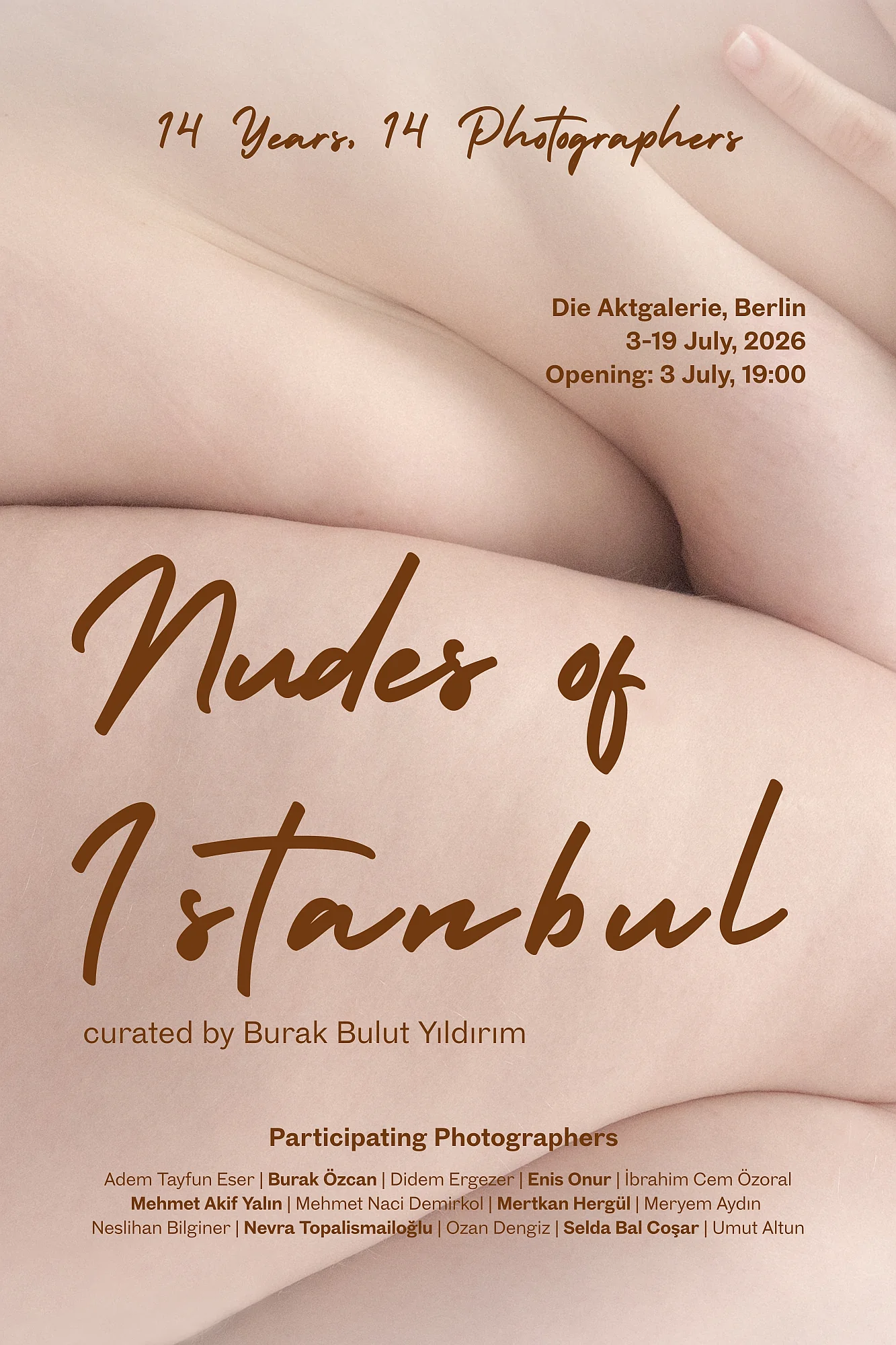


Exposición colectiva de fotografía · Barcelona
Exposición colectiva de fotografía · Barcelona
Exposición colectiva de fotografía · Barcelona
Desnudos de Estambul · Barcelona
- Galería Uxval Gochez
Calle de Sicilia, 382, 08025 Barcelona - Inauguración: Viernes 20 de noviembre, a las 19:30 · Entrada gratuita
- Presentación del libro: sábado 21 de noviembre, a las 12:00
- LOOP City Screen: proyección del documental Desnudos de Estambul: el cuerpo y la habitación, de Meryem Aydın · 20 y 21 de noviembre
- Horario: De lunes a viernes, de 11:00 a 14:00 · Otros horarios con cita previa
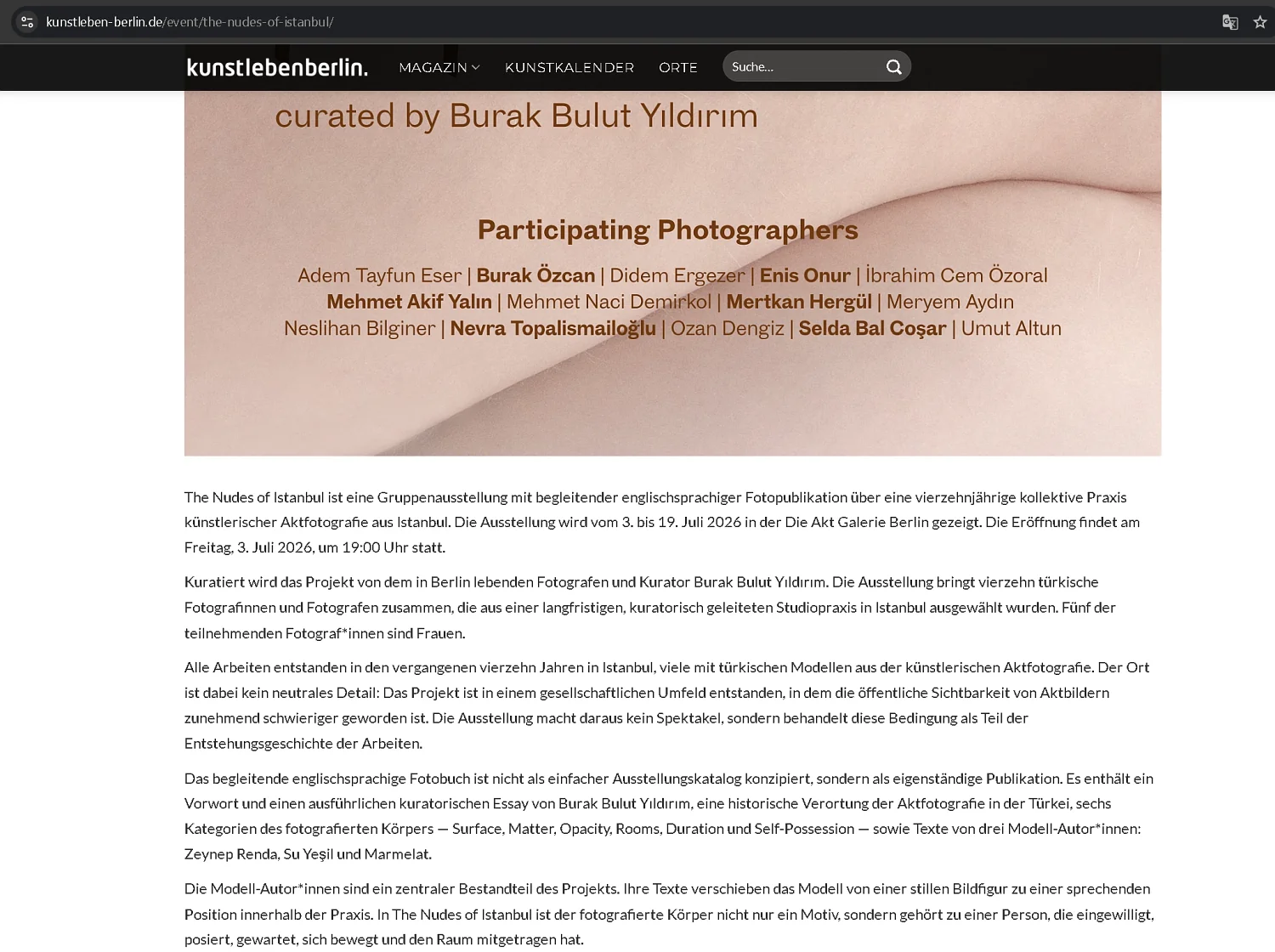
- 14 fotógrafos y 3 modelos de Estambul · Comisariada por Burak Bulut Yıldırım
- Galería Uxval Gochez
Calle de Sicilia, 382, 08025 Barcelona - Inauguración: viernes 20 de noviembre, a las 19:30 · Entrada gratuita
- Presentación del libro: sábado 21 de noviembre, a las 12:00
- LOOP City Screen: proyección del documental Desnudos de Estambul: el cuerpo y la habitación, de Meryem Aydın · 20 y 21 de noviembre
- Horario: De lunes a viernes, de 11:00 a 14:00 · Otros horarios con cita previa
- 14 fotógrafos y 3 modelos de Estambul · Comisariada por Burak Bulut Yıldırım
- Galería Uxval Gochez
Calle de Sicilia, 382, 08025 Barcelona - Apertura: Viernes, 20 de noviembre, 19:30 · Entrada gratuita
- Presentación del libro: Sábado, 21 de noviembre, a las 12:00
- LOOP City Screen: proyección del documental Desnudos de Estambul: el cuerpo y la habitación por Meryem Aydın · 20 y 21 de noviembre
- Horario: De lunes a viernes, de 11:00 a 14:00 · Otros horarios con cita previa
- 14 fotógrafos y 3 modelos-autores de Estambul · Comisariada por Burak Bulut Yıldırım
Proyecto curatorial: Exposiciones internacionales y publicación
Desnudos de Estambul
Un álbum fotográfico colectivo y una exposición fotográfica itinerante de Estambul, centrados en el cuerpo
Catorce fotógrafos y tres modelos-autores, seleccionados de entre catorce años de producción fotográfica centrada en el cuerpo en Estambul. Una edición en tapa dura en inglés y un programa de exposiciones internacional que se inauguró en Berlín y continúa en Barcelona.
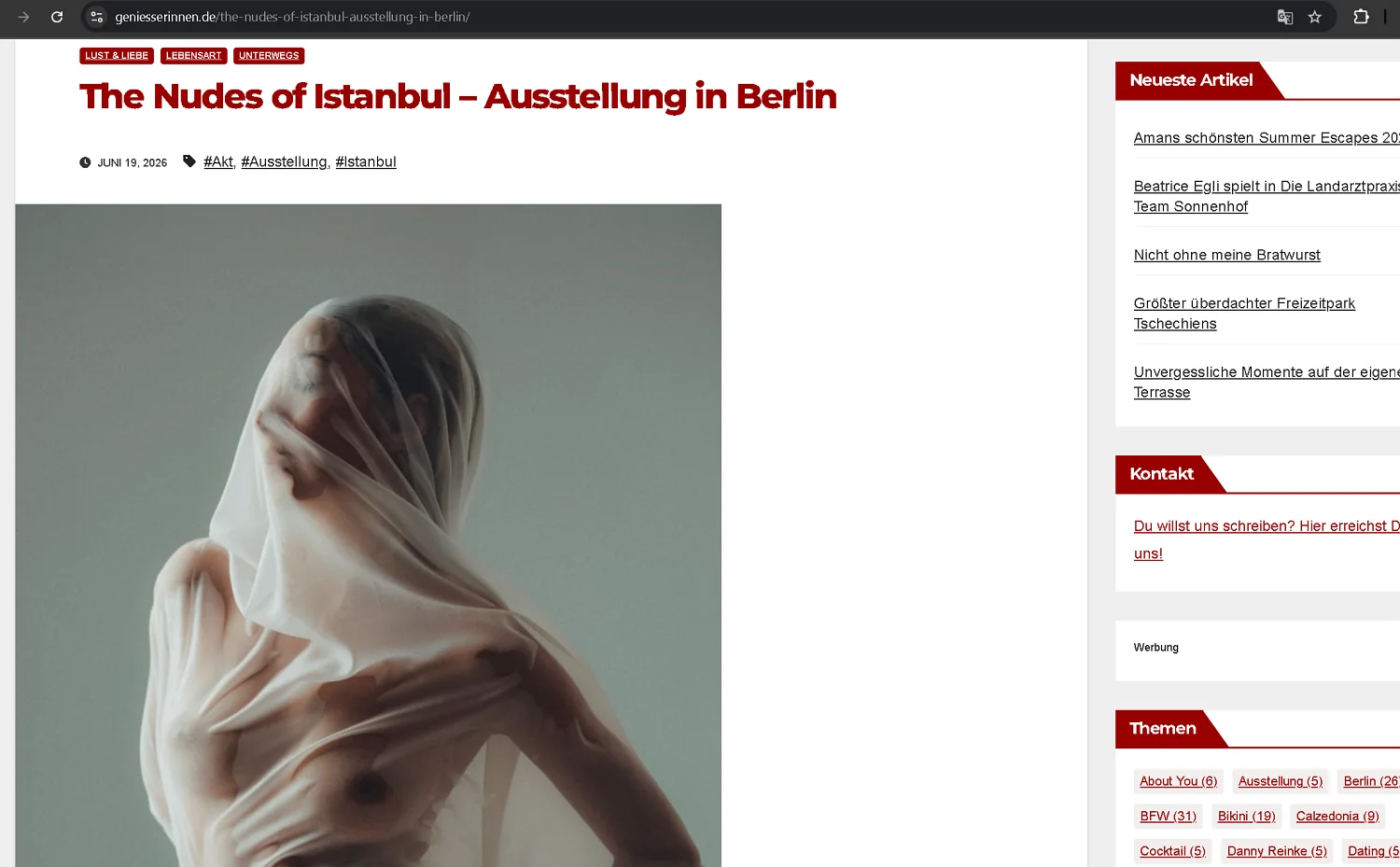
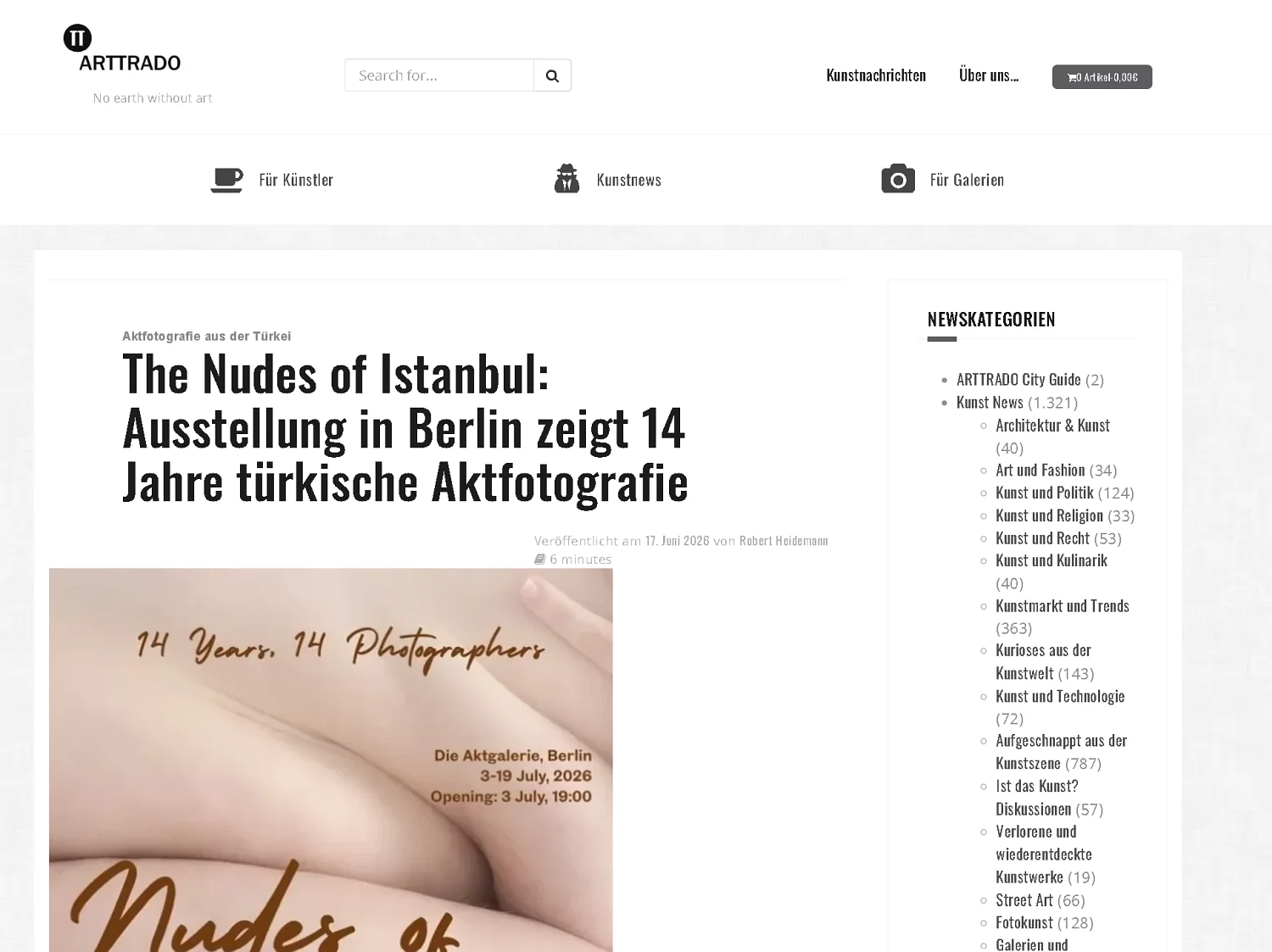
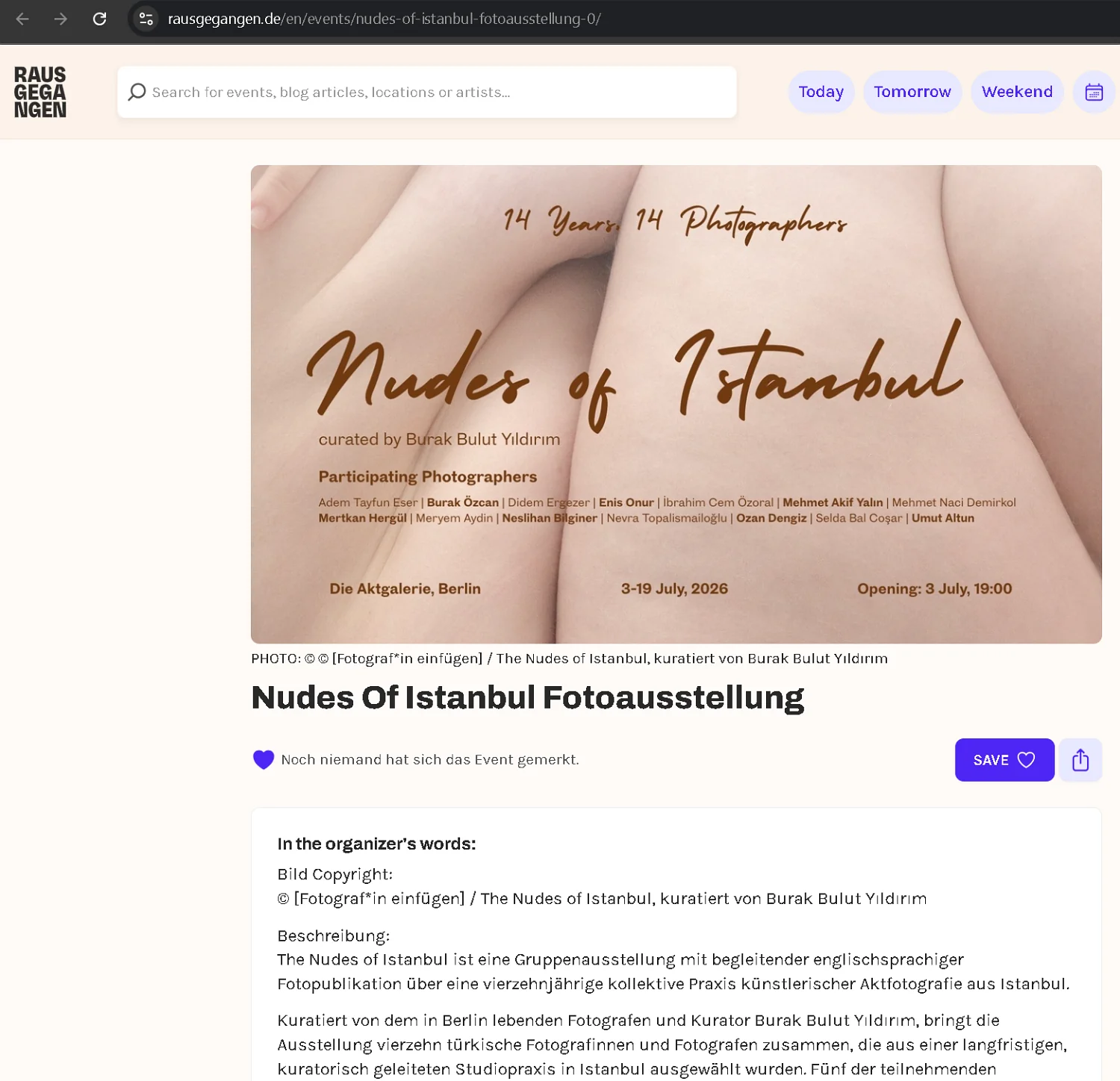
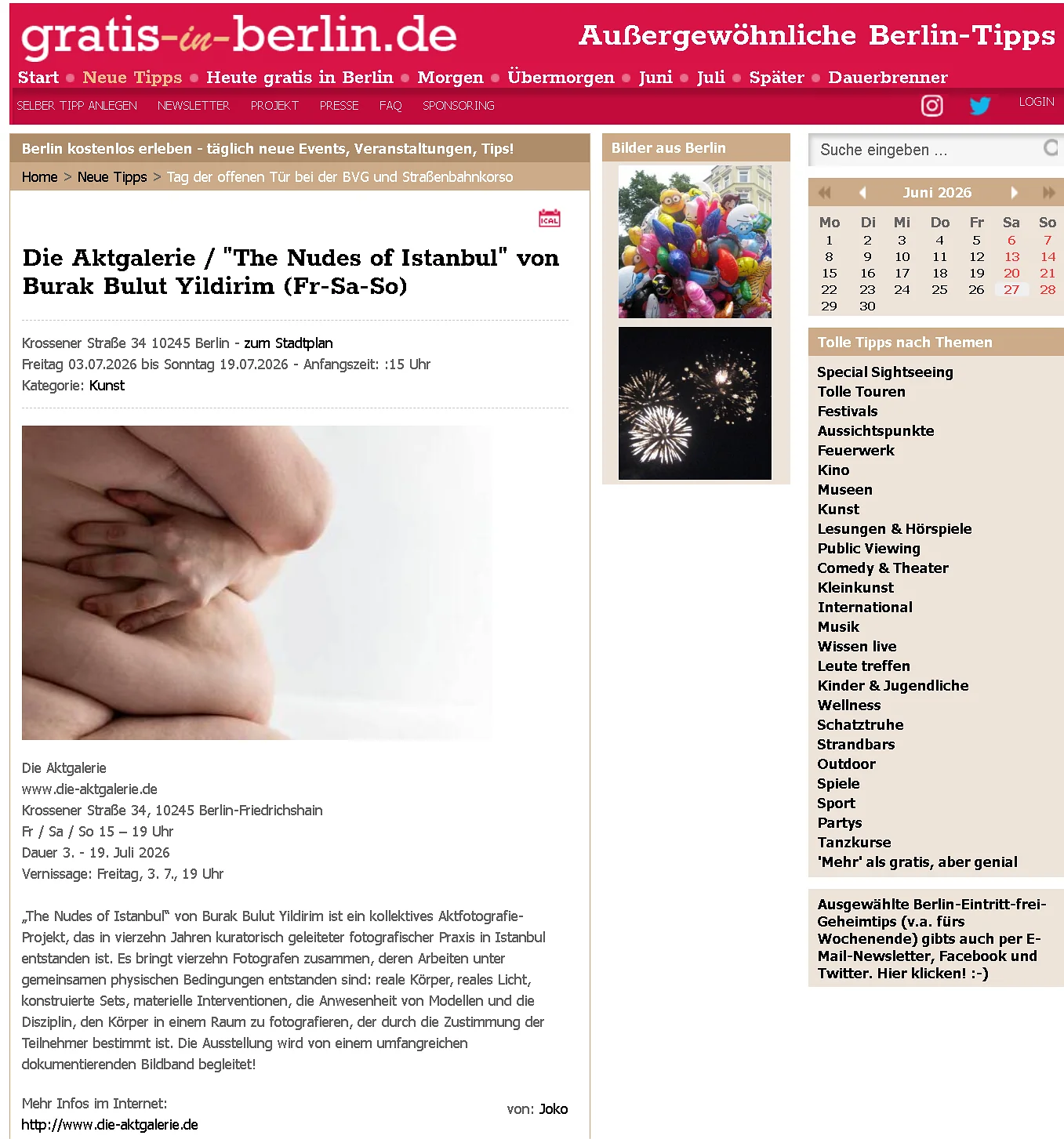
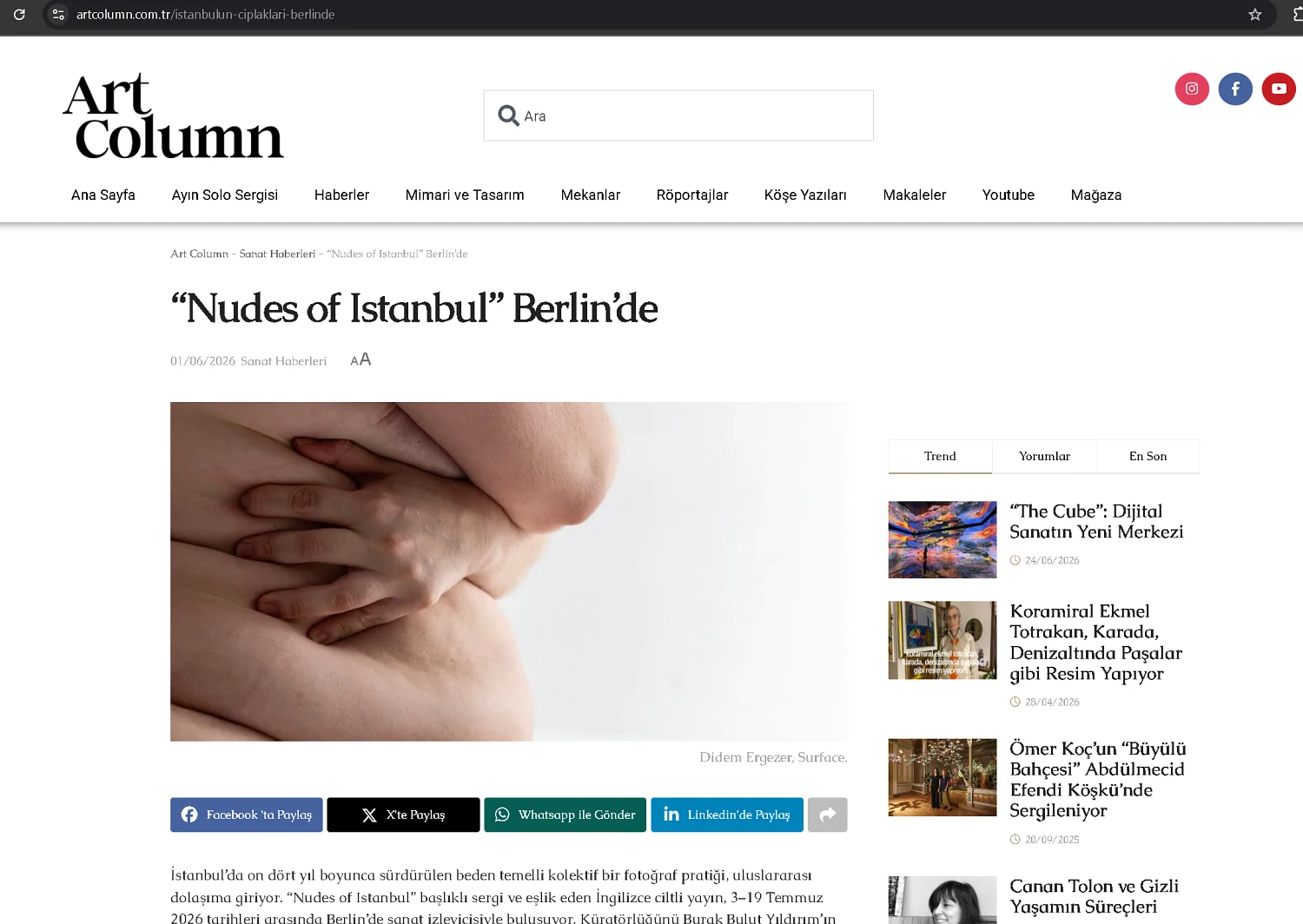
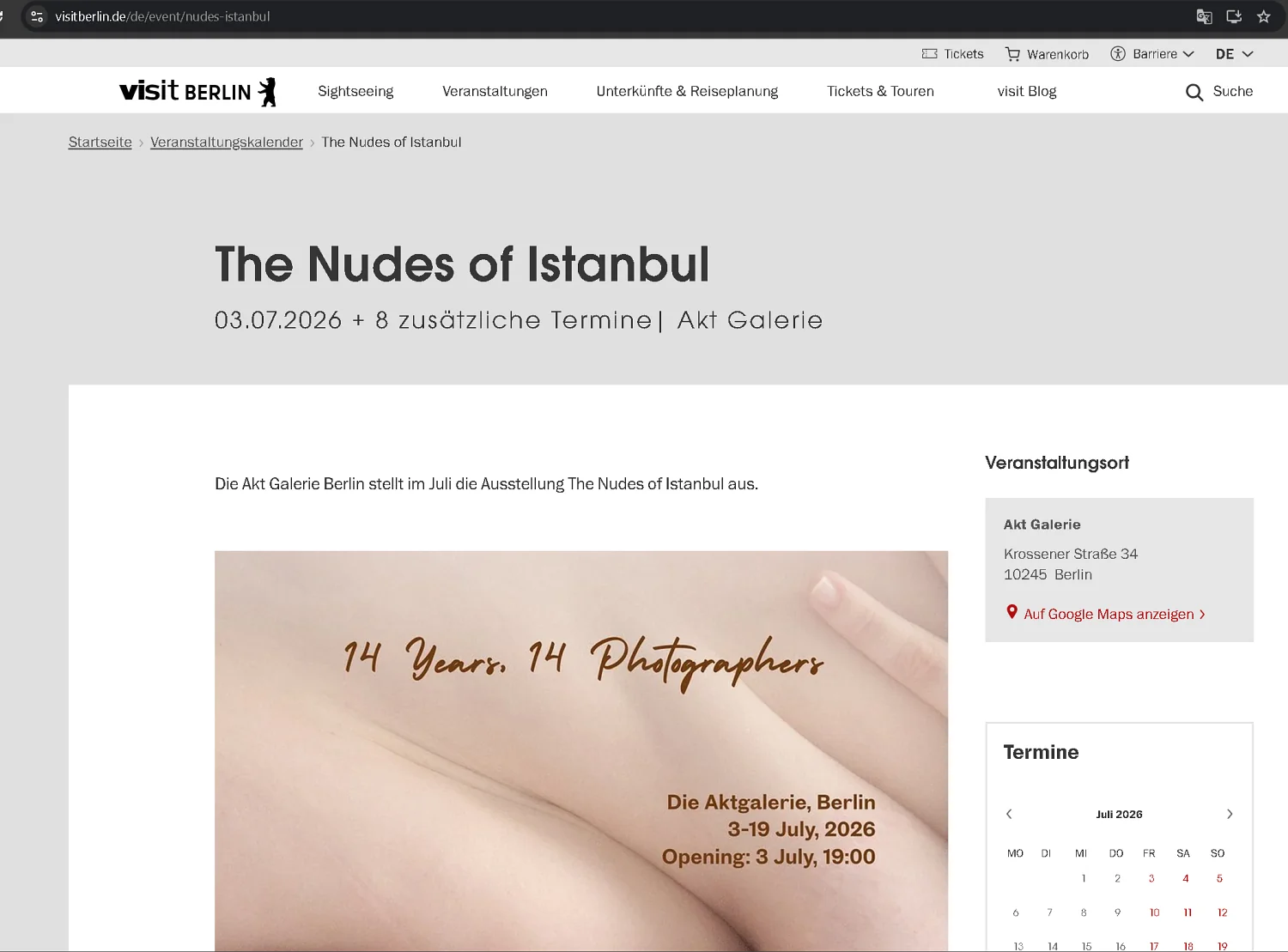
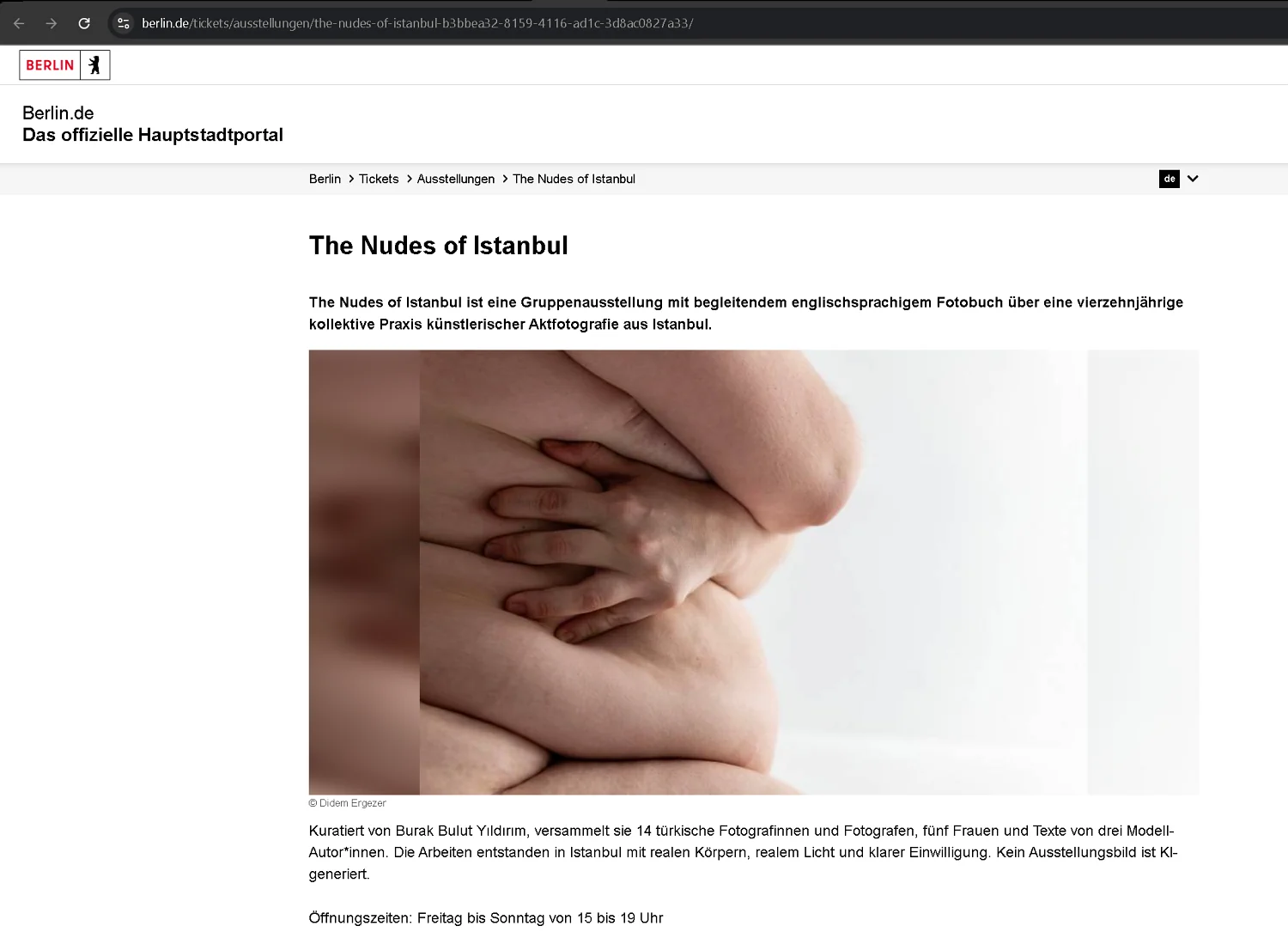
Desnudos de Estambul Es una exposición colectiva de fotografía y un libro de fotografía comisariados por Burak Bulut Yıldırım, que reúne a catorce fotógrafos y tres modelos-autores de Estambul en torno al cuerpo fotografiado. Tras su paso por la Die Akt Galerie de Berlín (julio de 2026), la exposición se podrá visitar en la Galería Uxval Gochez, en la calle de Sicilia, 382, de Barcelona, a partir del a . La edición en tapa dura en inglés que acompaña a esta obra ha sido publicada por Mijuk Papers, Berlín, ISBN 978-3-00-087439-0.
Dossier de prensa de Barcelona
· Dossier de prensa de Berlín
Imágenes de prensa, consultas sobre publicaciones y cuestiones institucionales: info@burakbulut.info
Desnudos de Estambul Es un proyecto fotográfico colectivo sobre el cuerpo, desarrollado a lo largo de catorce años de práctica fotográfica dirigida por un comisario en Estambul. Reúne a catorce fotógrafos cuyas obras se realizaron en condiciones de trabajo comunes: decorados construidos, un entorno de iluminación diseñado por el comisario, la presencia de un modelo en la sala y la disciplina de fotografiar a una persona sobre la base de un consentimiento explícito.
El proyecto sigue una línea específica: una práctica colectiva a largo plazo forjada a partir de repetidas producciones en Estambul. Burak Bulut Yıldırım desarrolló su marco curatorial, el entorno lumínico, las decisiones sobre el reparto y las condiciones materiales; la imagen final dependió del encuadre, la distancia, el momento y la decisión de cada fotógrafo. El proyecto no es ni un estudio nacional ni una exposición de la propia obra del comisario. No hay ninguna fotografía suya ni en la exposición ni en la selección que aparece en el interior del libro.
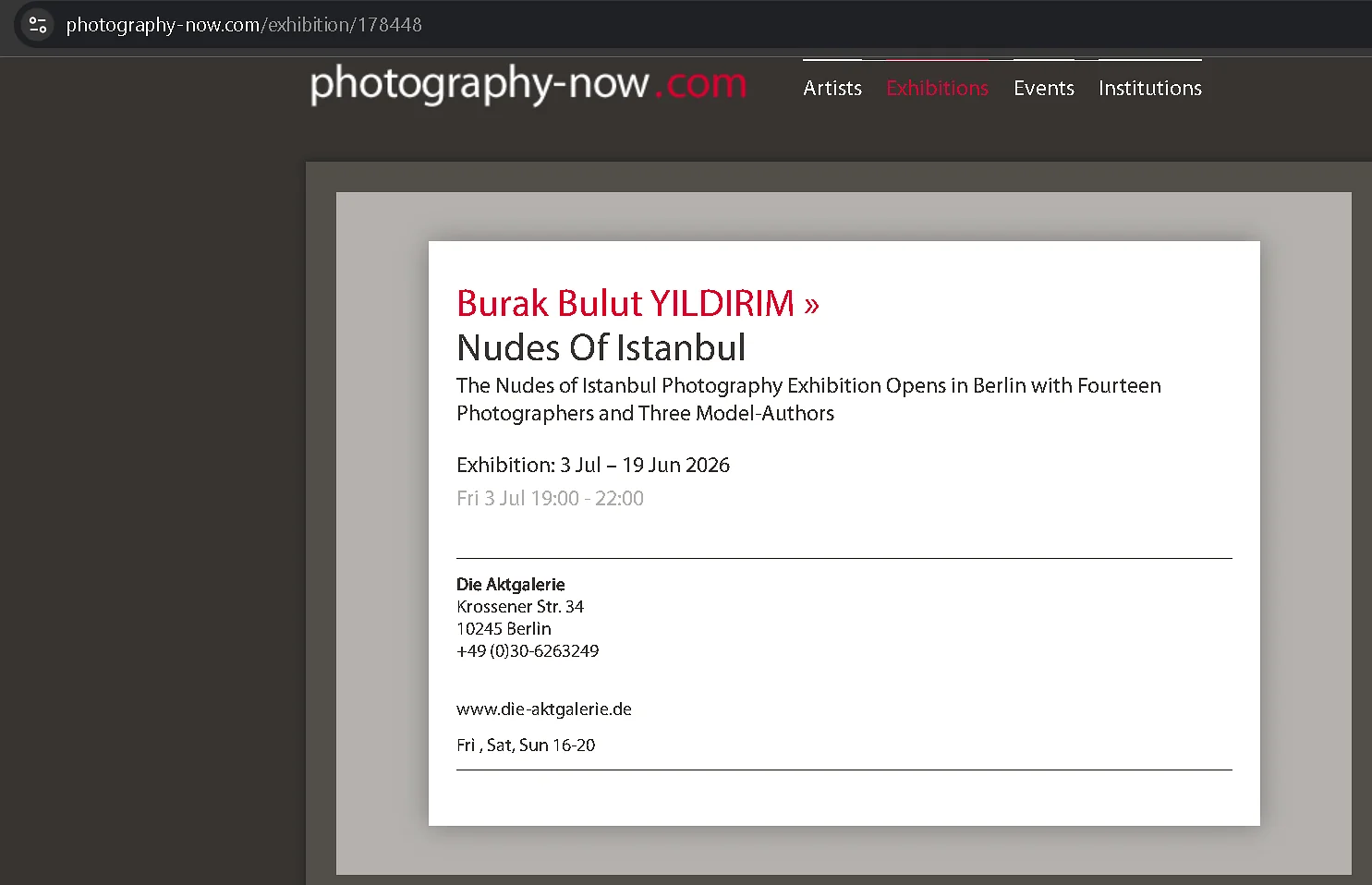
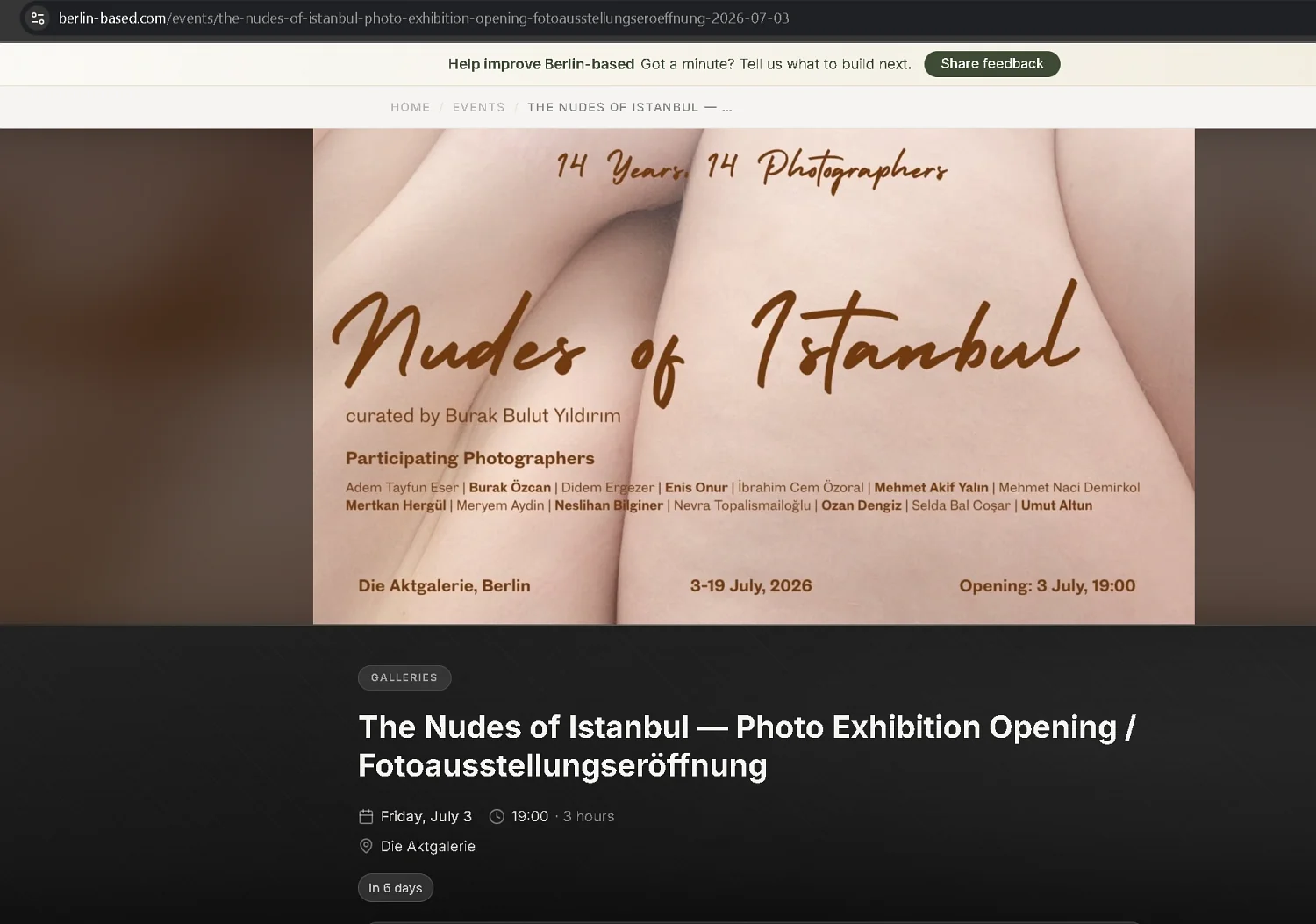
La exposición de Berlín en la galería Die Akt, que se presentó del 3 al 19 de julio de 2026 con 28 fotografías, marcó el inicio de la difusión pública internacional del proyecto. La segunda presentación tendrá lugar en la Galería Uxval Gochez de Barcelona del 20 de noviembre al 4 de diciembre de 2026, con una inauguración el 20 de noviembre a las 19:30 y una presentación pública del fotolibro el 21 de noviembre a las 12:00. Los días 20 y 21 de noviembre, durante LOOP Barcelona, la galería también proyectará el documental Desnudos de Estambul: el cuerpo y la habitación, dirigida por Meryem Aydın, en el marco de LOOP City Screen. El libro se concibe como un documento autónomo, independiente de cualquier sede concreta, y circula por entornos relacionados con los libros de arte, las instituciones, las bibliotecas, el ámbito académico y el curatorial. Londres es un contexto importante para esa circulación, y se están explorando nuevas posibilidades de exposición y programación.
Desde su publicación, el libro ha pasado a formar parte de varias bibliotecas institucionales. La Biblioteca Nacional de Arte del Museo Victoria and Albert de Londres ha incorporado un ejemplar a su colección; la Biblioteca del Museo Moderno de Estambul conserva un ejemplar en Turquía; y se han entregado ejemplares de depósito a la Biblioteca Nacional Alemana en Alemania. Estas incorporaciones permiten que el libro siga siendo accesible al público una vez finalizada cada exposición.
El prólogo curatorial, "Un cuerpo en la habitación", expone el punto de partida del proyecto: cada fotografía parte de una persona que aceptó estar presente, y el libro da voz propia, en calidad de autores, a tres de los modelos.
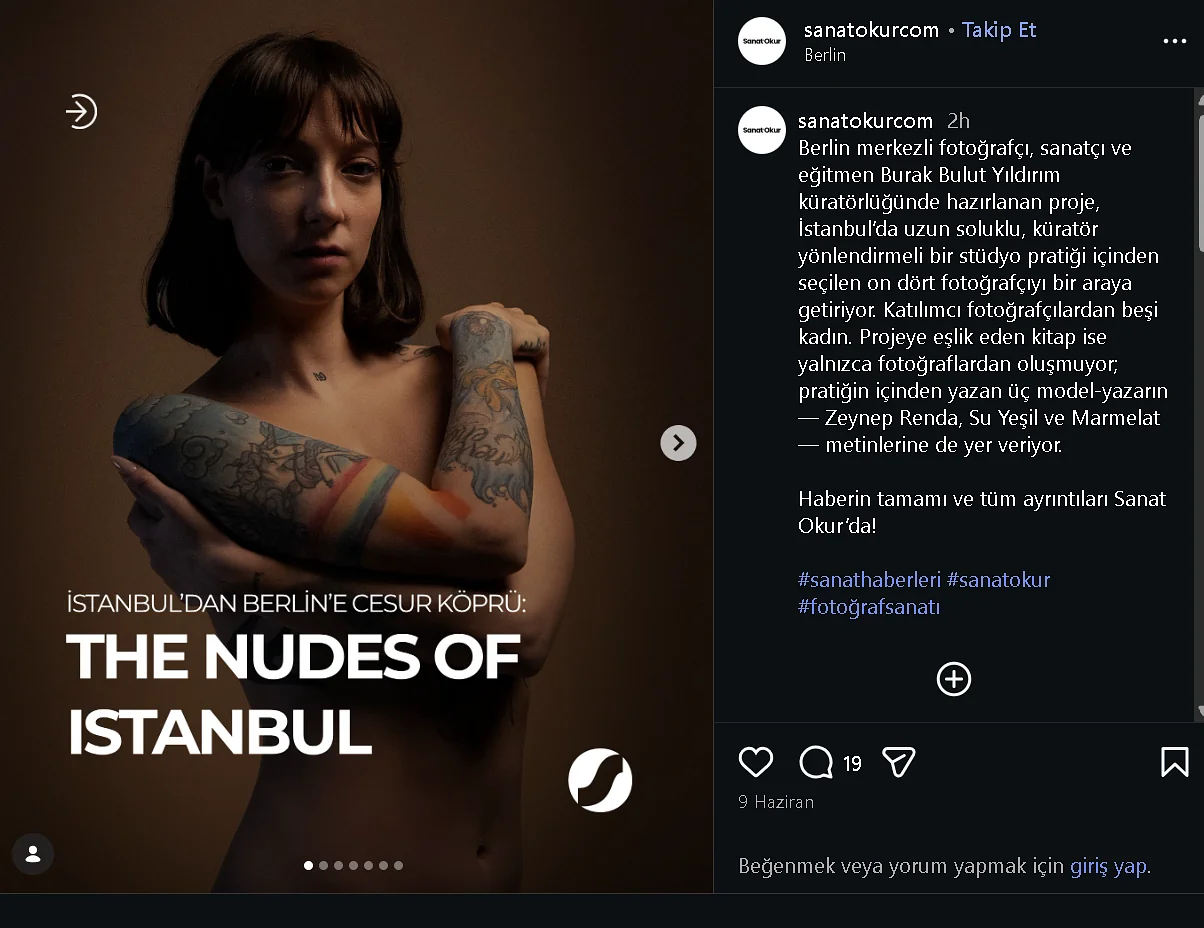
"Durante catorce años trabajamos en Estambul con modelos turcos, fotógrafos turcos y consentimiento explícito. No quería que este proyecto tratara a la modelo como un sujeto mudo. Sus voces tenían que formar parte del libro". Con catorce fotógrafos de Estambul, cinco mujeres participantes y textos de tres modelos-autoras, Desnudos de Estambul saca a la luz pública una práctica colectiva sostenida de un campo que ha permanecido escasamente visible en Turquía"."
- Burak Bulut Yıldırım, conservador
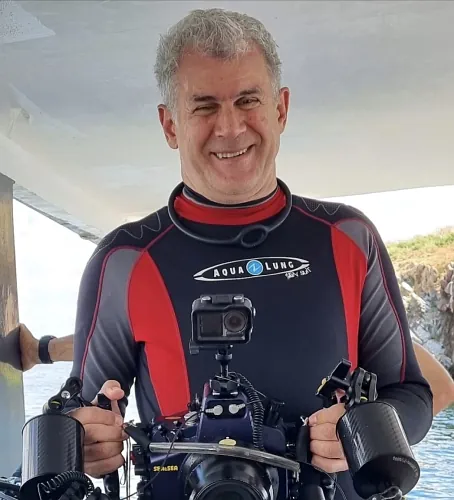
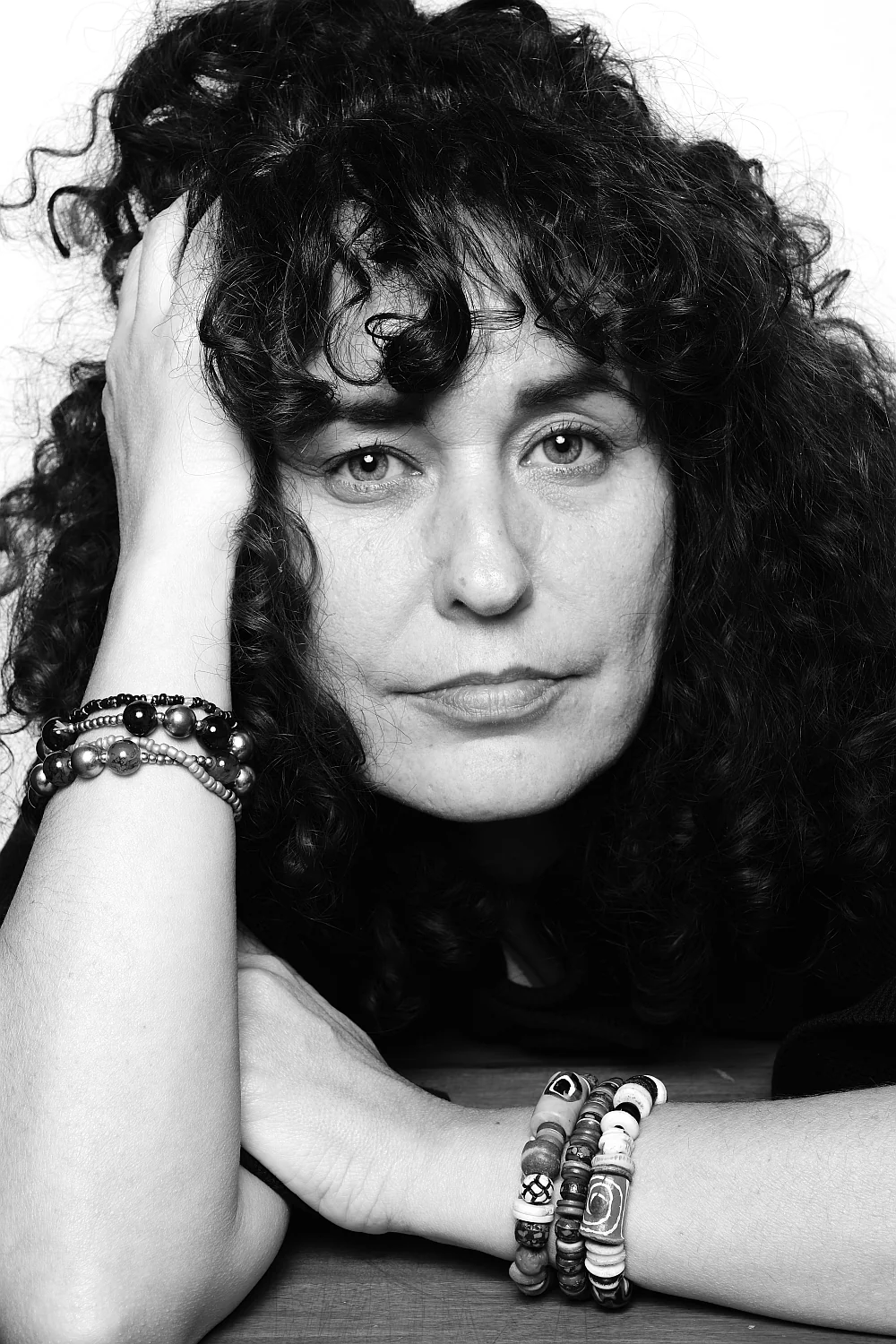
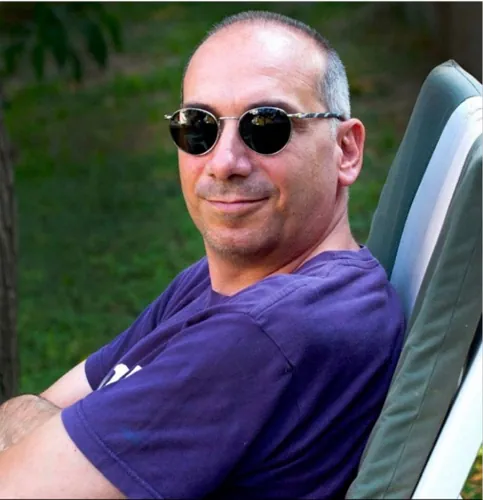
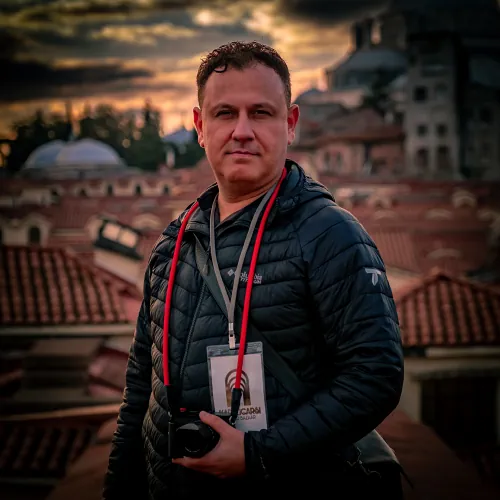
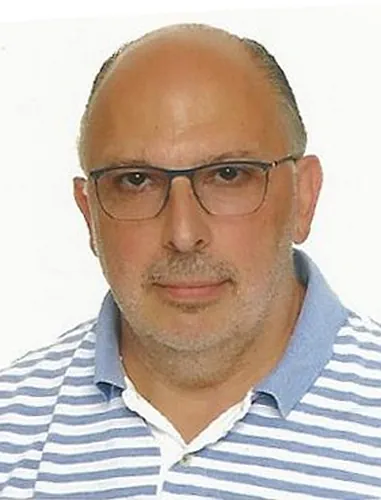
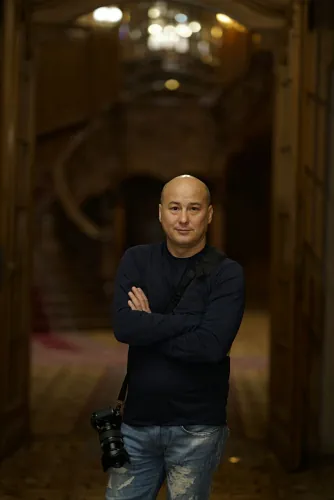
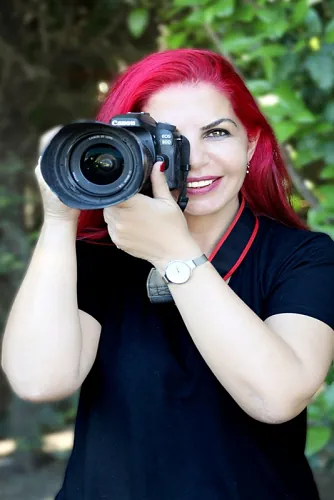
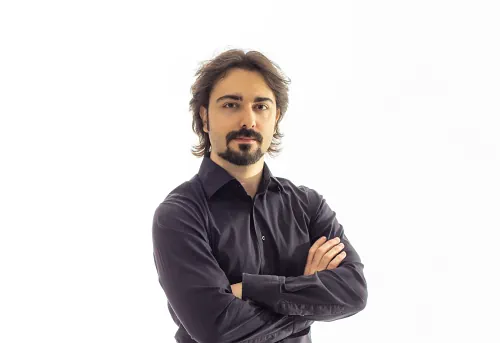
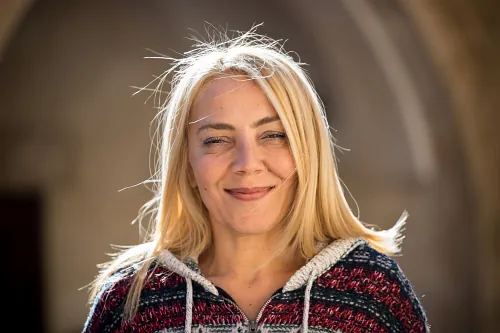
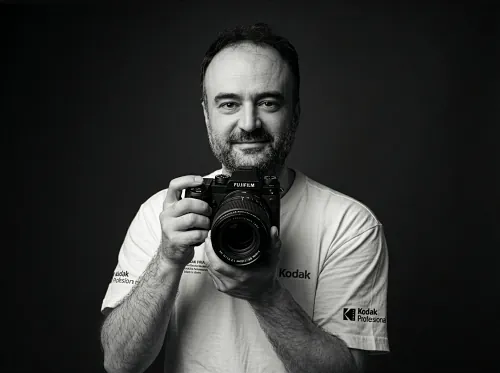
Los catorce fotógrafos participantes
Catorce fotógrafos se presentan en Desnudos de Estambul. Se seleccionaron a partir de una práctica colectiva sostenida a lo largo de catorce años de producción fotográfica dirigida por comisarios en Estambul.
La selección se basó en la continuidad de la participación, la coherencia técnica y visual, la distinción en la toma de decisiones fotográficas y la capacidad de la obra de cada fotógrafo para contribuir a un cuerpo colectivo sin disolverse en él. Cinco de los catorce fotógrafos participantes son mujeres. Esta presencia no se presenta como una cuota o un gesto correctivo, sino como parte de la estructura de autoría del proyecto: el cuerpo es visto, enmarcado, retenido y liberado a la vista pública a través de diferentes posiciones de mirada, distancia, contención y autoposesión.
Tres autores modelo de la publicación
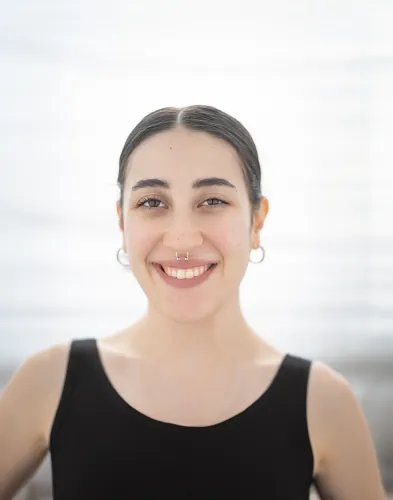
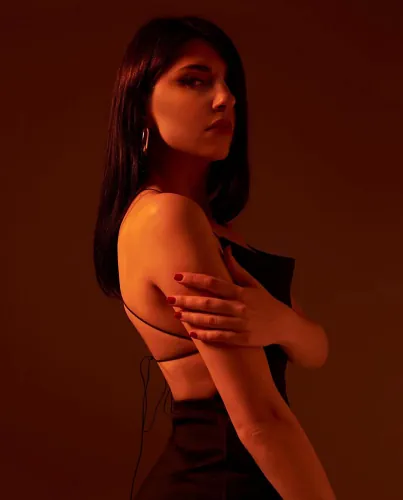
Tres modelos que han sido fundamentales en la práctica de Estambul contribuyen a la publicación como autores por encargo. Sus ensayos se sitúan junto a las fotografías como un componente estructural del libro, no como comentarios complementarios, sino como voces sobre las que se construye el proyecto.
La decisión de incluirlas como autoras obedece a la postura curatorial de que la fotografía de desnudos no es sólo la imagen de un cuerpo, sino una relación entre la persona fotografiada, la persona que fotografía y las condiciones de confianza, visibilidad y presencia dentro de la sala. Zeynep Renda y Su Yeşil escriben con sus propios nombres. Marmelat escribe bajo un seudónimo elegido, en consonancia con su nivel preferido de visibilidad pública, al tiempo que añade una perspectiva raramente documentada: el modelaje de desnudos en la academia turca de bellas artes.
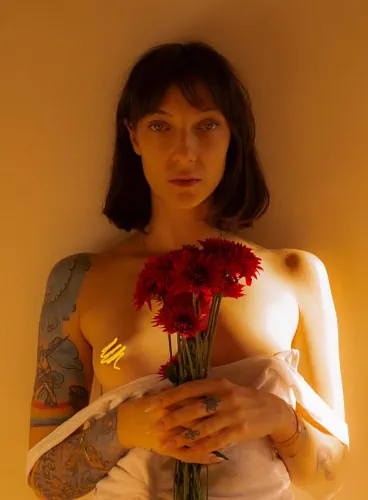
Ensayo principal sobre una década de práctica como modelo: confianza, límites, contratos, la diferencia entre condiciones inseguras y profesionales, y el paso de ser fotografiado por otros a convertirse en autorretratista.
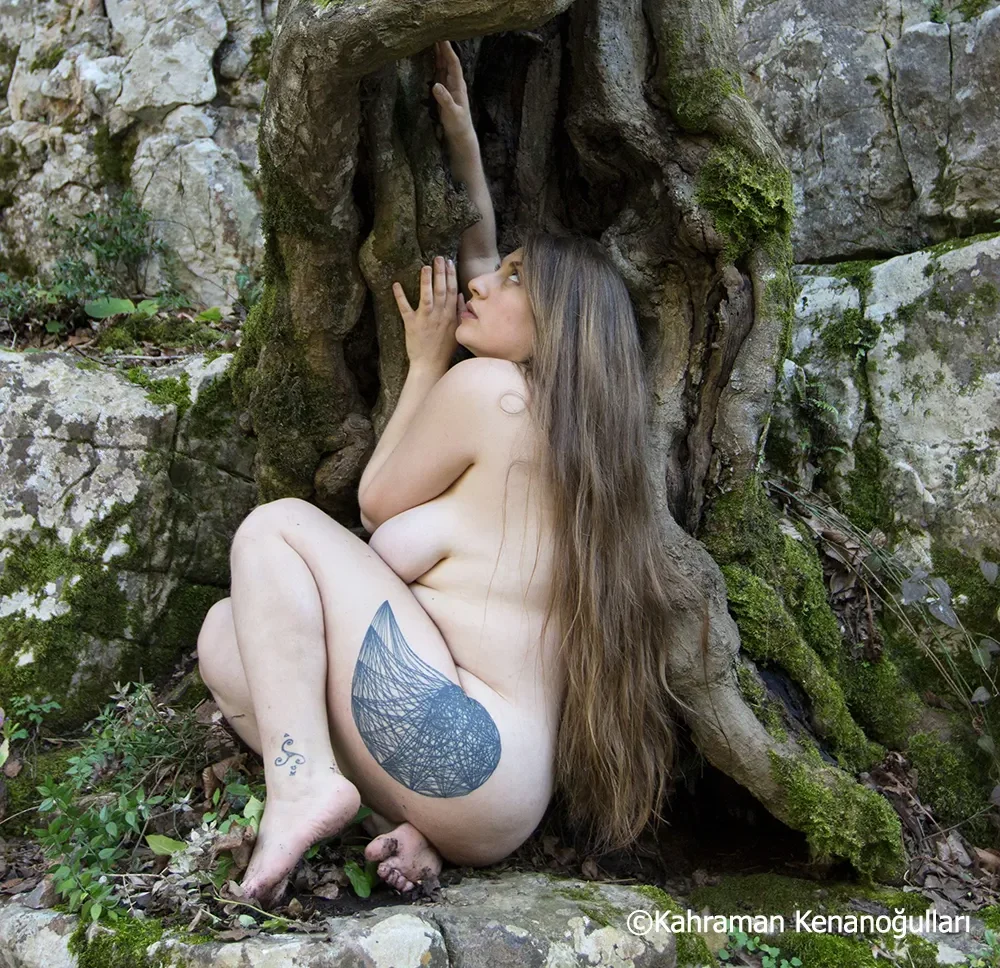
Ensayo sobre el cuerpo como experiencia vivida: reacción familiar, vergüenza, normas de género, disforia corporal, movimiento, naturaleza, performance y rechazo a reducir la desnudez a sexualidad.
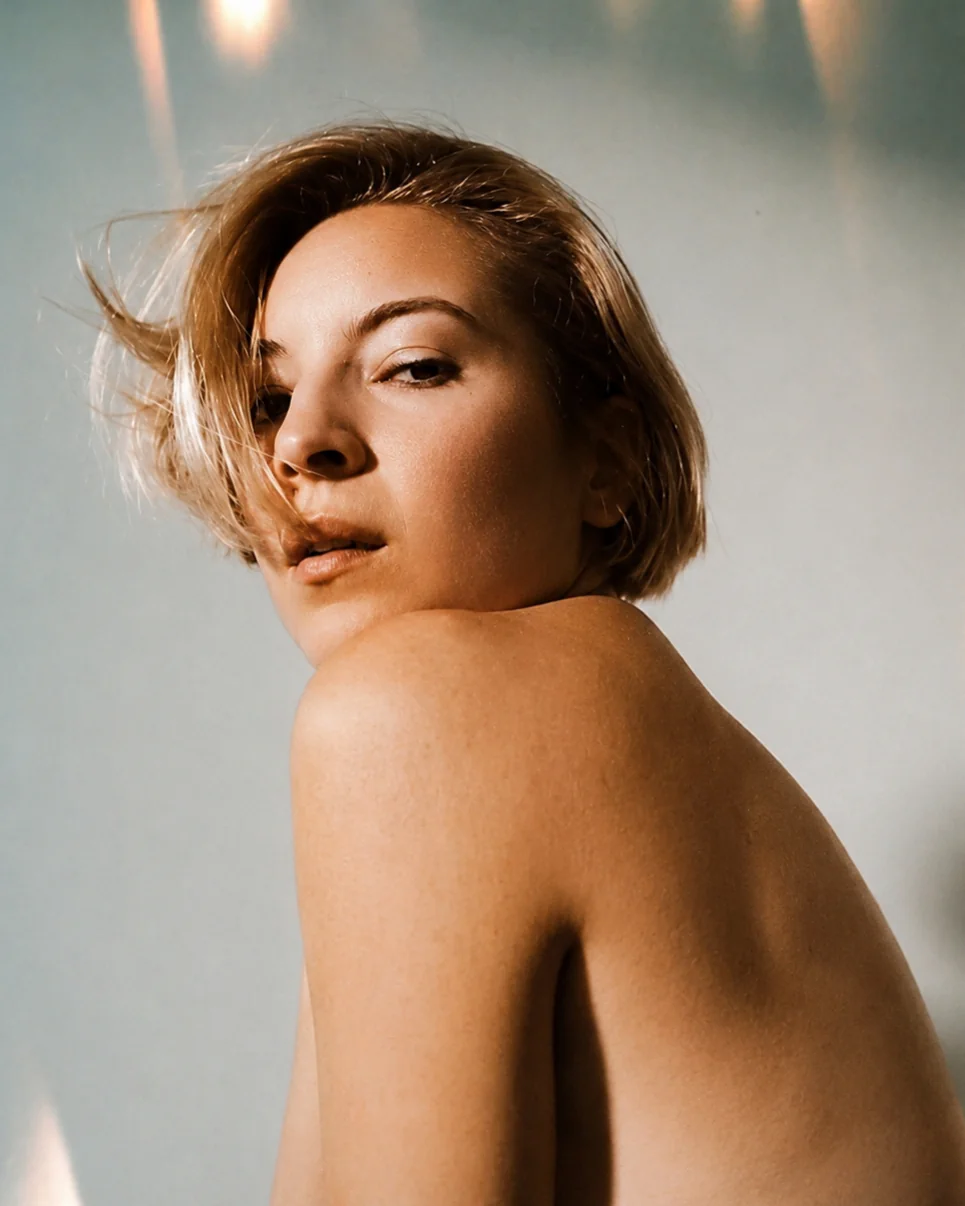
Ensayo sobre el modelaje de desnudos académicos en Turquía, basado en tres años de trabajo como modelo de desnudos en una facultad de Bellas Artes, abordando una forma de trabajo raramente documentada en la intersección de la educación artística y el cuerpo desnudo.
Programa de exposiciones
Exposiciones
Desnudos de Estambul Se inauguró en la galería Die Akt Galerie de Berlín en julio de 2026 y se expone en la Galería Uxval Gochez de Barcelona del 20 de noviembre al 4 de diciembre de 2026. Ambas exposiciones muestran el mismo conjunto de obras colectivas de catorce fotógrafos, organizadas en torno a los seis ejes curatoriales del proyecto.
Galería Uxval Gochez, Barcelona
- Lugar
- Galería Uxval Gochez
Calle de Sicilia, 382, 08025 Barcelona, España - Duración
- –
- Apertura
- Viernes,
- Presentación de un libro
- Sábado,
presentado por Burak Bulut Yıldırım y Uxval Gochez - Proyección de una película
- LOOP City Screen, LOOP Barcelona 2026 · y
Desnudos de Estambul: el cuerpo y la habitación, documental dirigido por Meryem Aydın - Horario de la Galería
- De lunes a viernes, de 11:00 a 14:00
- Otras ocasiones
- Con cita previa · +34 627 864 011
- Teléfono de la galería
- +34 931 020 001
- Cómo llegar
- Cerca de la Sagrada Familia · estación de metro más cercana: Sagrada Familia (L2 / L5)
- Página de la galería
- uxvalgochez.com — Desnudos de Estambul
Galería Die Akt, Berlín
- Lugar
- Galería Die Akt
Krossener Str. 34, 10245 Berlín, Alemania - Duración
- –
- Recepción inaugural
- Viernes,
- Horario de la Galería
- Viernes - Domingo, 15:00 - 19:00
- Cómo llegar
- A 15 minutos a pie de S+U Warschauer Straße - a un corto paseo de U Samariterstraße (U5)
- Admisión
- Gratis
- Estado
- Primera presentación pública del proyecto; se inició su difusión internacional.
La exposición de Barcelona consolida la relación ya existente entre Burak Bulut Yıldırım y la Galería Uxval Gochez. La galería ya había presentado la obra de Yıldırım en la exposición colectiva Eros y Tánatos en 2023. Tres años después, regresa, no como fotógrafo expositor dentro de la selección, sino como comisario y editor de un proyecto colectivo en el que participan catorce fotógrafos.
Barcelona sitúa el proyecto en una ciudad con una sólida cultura de galerías independientes, una larga historia fotográfica, una tradición editorial y un público internacional interesado en el arte. La exposición traslada la práctica desarrollada en Estambul a un segundo contexto expositivo europeo, mientras que la publicación que la acompaña sigue circulando de forma independiente a través de bibliotecas, colecciones institucionales, coloquios curatoriales y redes de fotolibros.
Consultas de prensa y solicitudes de acceso a las sesiones previas para la prensa en Barcelona: info@burakbulut.info
Dossier de prensa de Barcelona
El terreno curatorial
Burak Bulut Yıldırım es el único comisario de Desnudos de Estambul y no expone su propia obra fotográfica dentro de la selección.
El proyecto se basa en sus veinte años de trayectoria en el desnudo artístico, el retrato, la fotografía centrada en el cuerpo, la iluminación avanzada y la creación de imágenes en estudio. Desde que abrió su primer estudio en Estambul en 2005, Yıldırım ha desarrollado su actividad en los ámbitos de la fotografía comercial, los proyectos artísticos centrados en el cuerpo, la formación de fotógrafos y los entornos de producción dirigidos por comisarios.
Durante casi veinte años ha fotografiado a cientos de modelos en cientos de miles de instantáneas de desnudos artísticos; ha expuesto esta obra en varias ciudades europeas; y, en Estambul, ha transmitido esta experiencia durante catorce años a través de talleres de arte del desnudo, en diferentes formatos conceptuales, a cientos de fotógrafos.
Su uso prolongado de la luz controlada, los materiales físicos, la dirección de los modelos, los pigmentos reactivos a los rayos UV, las superficies reflectantes, la exposición prolongada, la distorsión óptica y los planteamientos visuales creados en el estudio constituyen la base conceptual y técnica a partir de la cual se desarrolló este proyecto.
Desnudos de Estambul es su segundo proyecto curatorial tras TierrasDesnudo, presentada en la Galería Artcore de Tesalónica en 2015. En ambos proyectos, el cuerpo no se aborda como un motivo decorativo, sino como un lugar en el que confluyen la luz, el espacio, el material, la autoría y la visibilidad cultural.
Su papel en Desnudos de Estambul no es sustituir la autoría de los fotógrafos participantes. Se trata de definir el ámbito curatorial en el que su autoría se hace legible: la premisa, el entorno, las condiciones éticas, la selección, la taxonomía y el marco de publicación.
Publicación
Desnudos de Estambul Es un libro de fotografía en inglés, con tapa dura, publicado por Mijuk Papers, Berlín, en 2026, que contiene 133 fotografías de catorce fotógrafos, con un ensayo curatorial de Burak Bulut Yıldırım y textos encargados a tres modelos-autores. ISBN 978-3-00-087439-0.
La publicación no es un catálogo de exposición. Está concebida como un registro autónomo en forma de libro de una rara práctica colectiva de fotografía de desnudo artística de Turquía.
El libro contiene 133 fotografías y está concebido para funcionar con independencia del programa de exposiciones, de modo que cada uno de los catorce fotógrafos participantes cuenta con una selección específica. Ha sido publicado por Mijuk Papers, Berlín, en 2026. ISBN 978-3-00-087439-0.
La publicación incluye un prólogo y un extenso ensayo curatorial de Burak Bulut Yıldırım, un encuadre histórico de la fotografía de desnudos en Turquía a partir del volumen editado por Alberto Modiano Türk Fotoğrafında Çıplak (2004) y el estudio académico de Işık Özdal de 2011. Türk Fotoğrafında Nü Sergilerin Analizi, la taxonomía de seis registros utilizada para organizar la obra, y tres ensayos encargados por Zeynep Renda, Su Yeşily Marmelat.
La estructura sitúa el proyecto como una práctica colectiva sostenida, conformada por condiciones compartidas y una autoría fotográfica diferenciada. También reconoce a las modelos no como sujetos silenciosos, sino como testigos, colaboradoras y autoras de la estructura intelectual y ética del libro.
El libro se difunde de forma independiente a través de la distribución de libros de arte, la distribución directa, la divulgación institucional, las referencias académicas, las adquisiciones de bibliotecas y la investigación curatorial.
Circulación institucional
Desde su publicación, el libro ha pasado a formar parte de los fondos de instituciones y bibliotecas de tres países. Las tres incorporaciones son de naturaleza distinta y se describen a continuación tal y como se produjeron.
Se incorporó un ejemplar al fondo de la biblioteca.
La publicación se conserva en la biblioteca del museo.
Se entregaron ejemplares de depósito a la biblioteca nacional de Alemania.
Estas colocaciones forman parte de la función a largo plazo que se ha fijado la publicación: trasladar un conjunto colectivo de obras fotográficas de una difusión limitada a contextos públicos, institucionales, académicos y archivísticos duraderos.
Para consultas sobre adquisiciones bibliotecarias, compras institucionales, reseñas de publicaciones, acceso a investigaciones, distribución o cuestiones relacionadas con la gestión de colecciones: info@burakbulut.info
Procedencia fotográfica
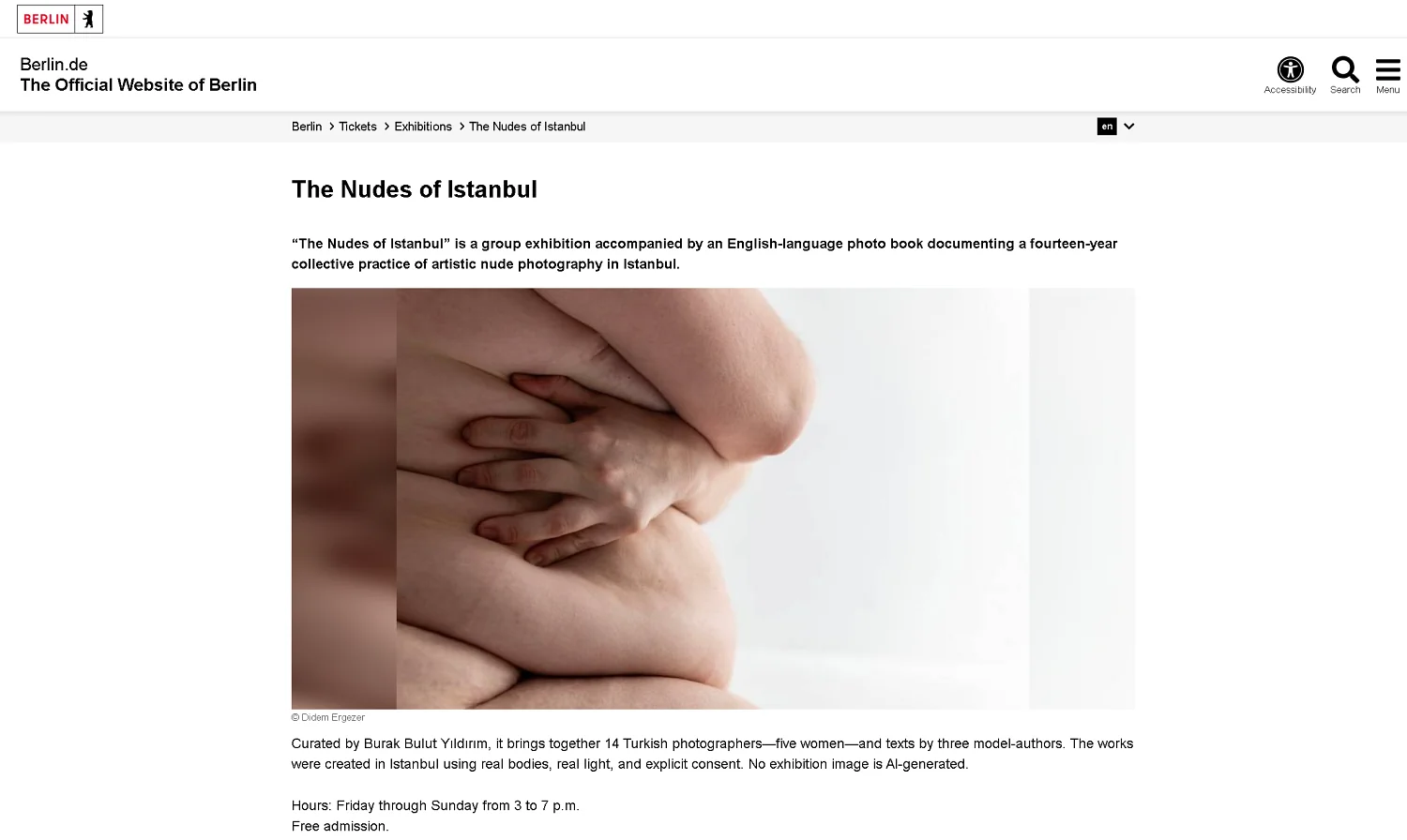
Todas las fotografías de Desnudos de Estambul Se realizó a puerta cerrada, con una modelo presente físicamente en la sala, en condiciones de consentimiento documentado. Ninguna de las obras de la exposición ni de la publicación ha sido generada, ampliada, retocada ni sustituida por inteligencia artificial generativa. Todo material que aparece sobre la piel —pigmento, agua, tejido, cristal, polvo, luz proyectada o coloreada— estaba físicamente presente en el momento de la exposición.
Esto se afirma de forma explícita porque ya no se puede dar por sentado. El argumento curatorial del proyecto depende de ello: la diferencia entre una fotografía de un cuerpo y una imagen sintética de un cuerpo no es una diferencia estilística, sino ontológica y ética. El consentimiento, la presencia y la duración son propiedades del acto fotográfico, y no pueden aplicarse a posteriori a una imagen generada.
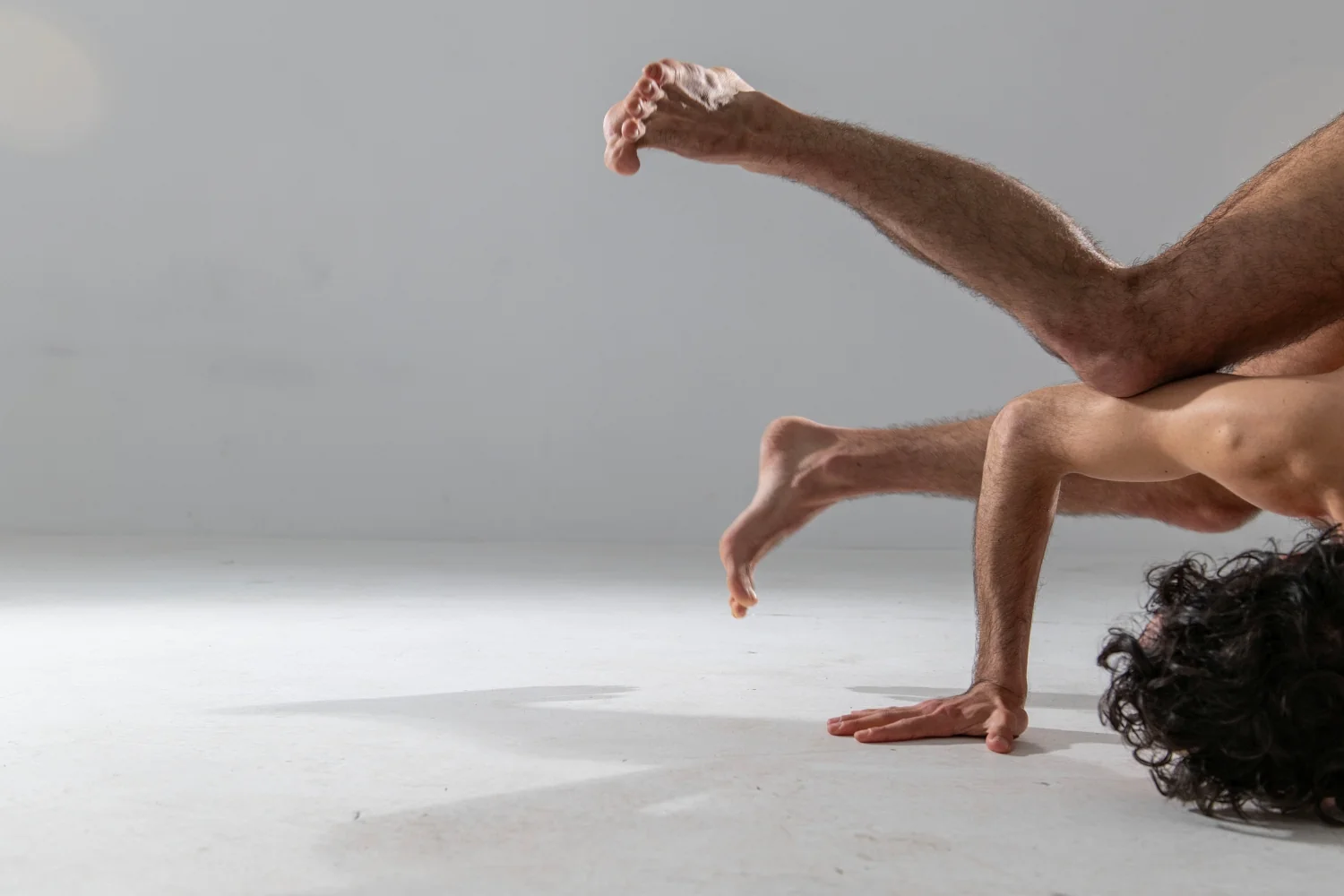
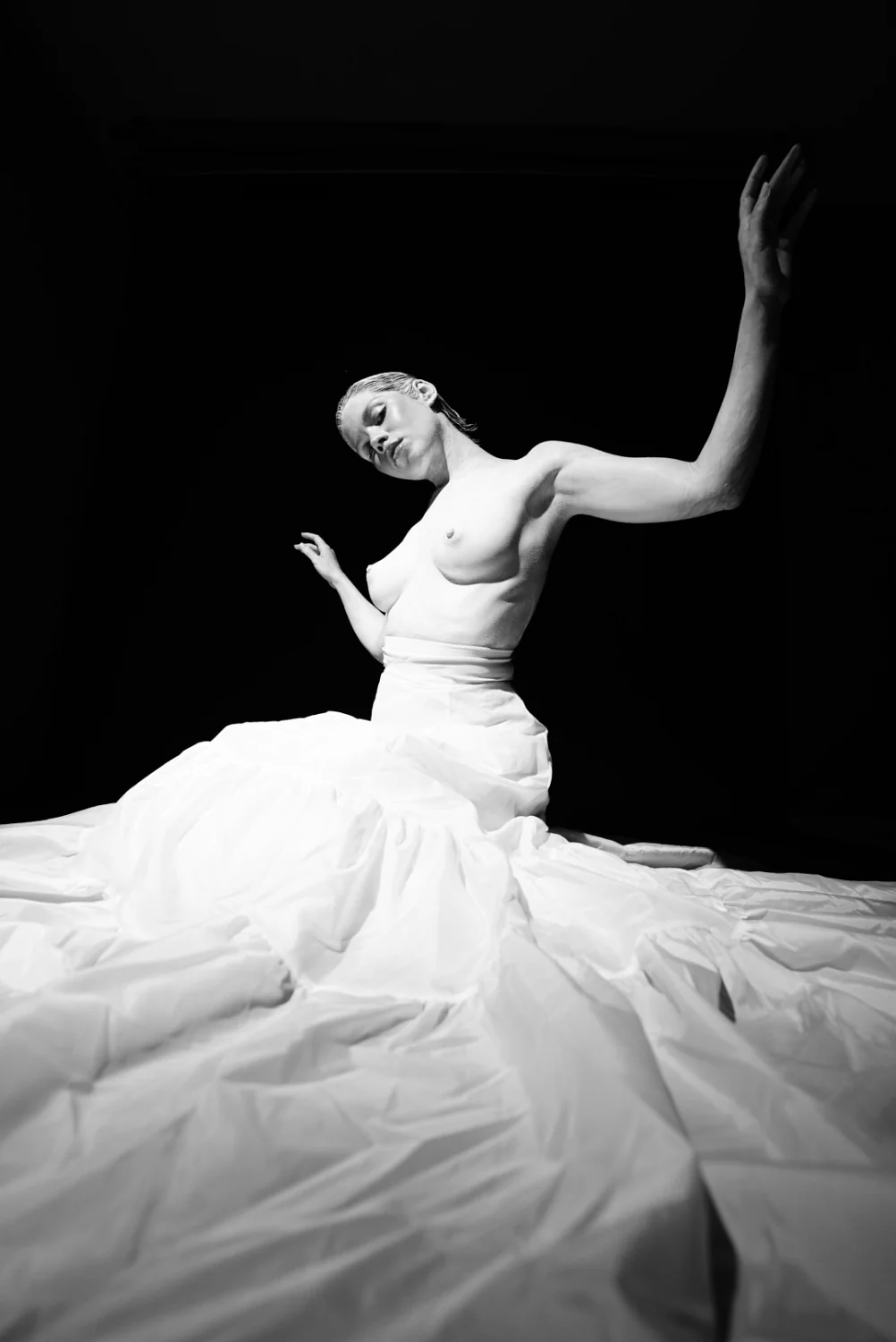
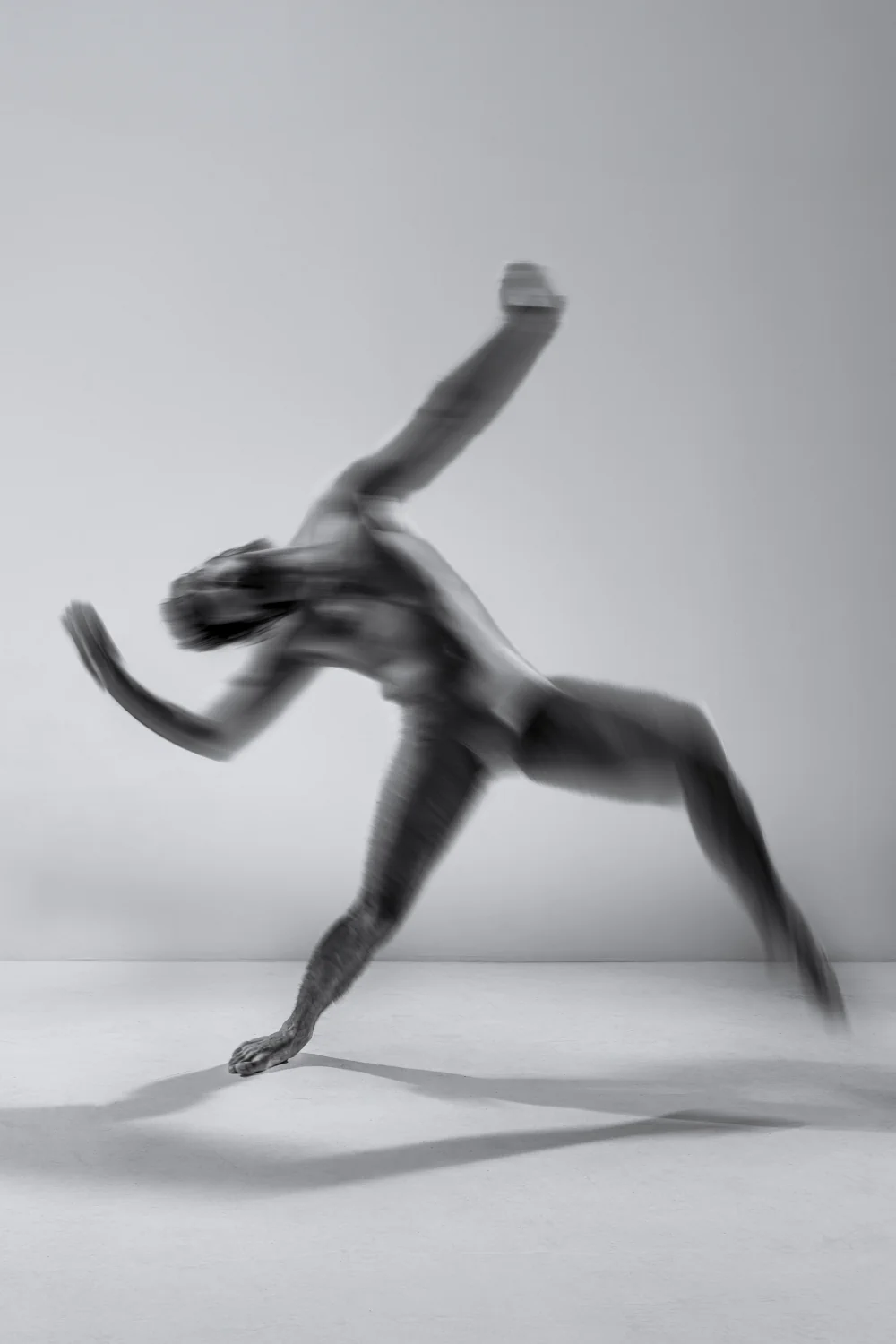
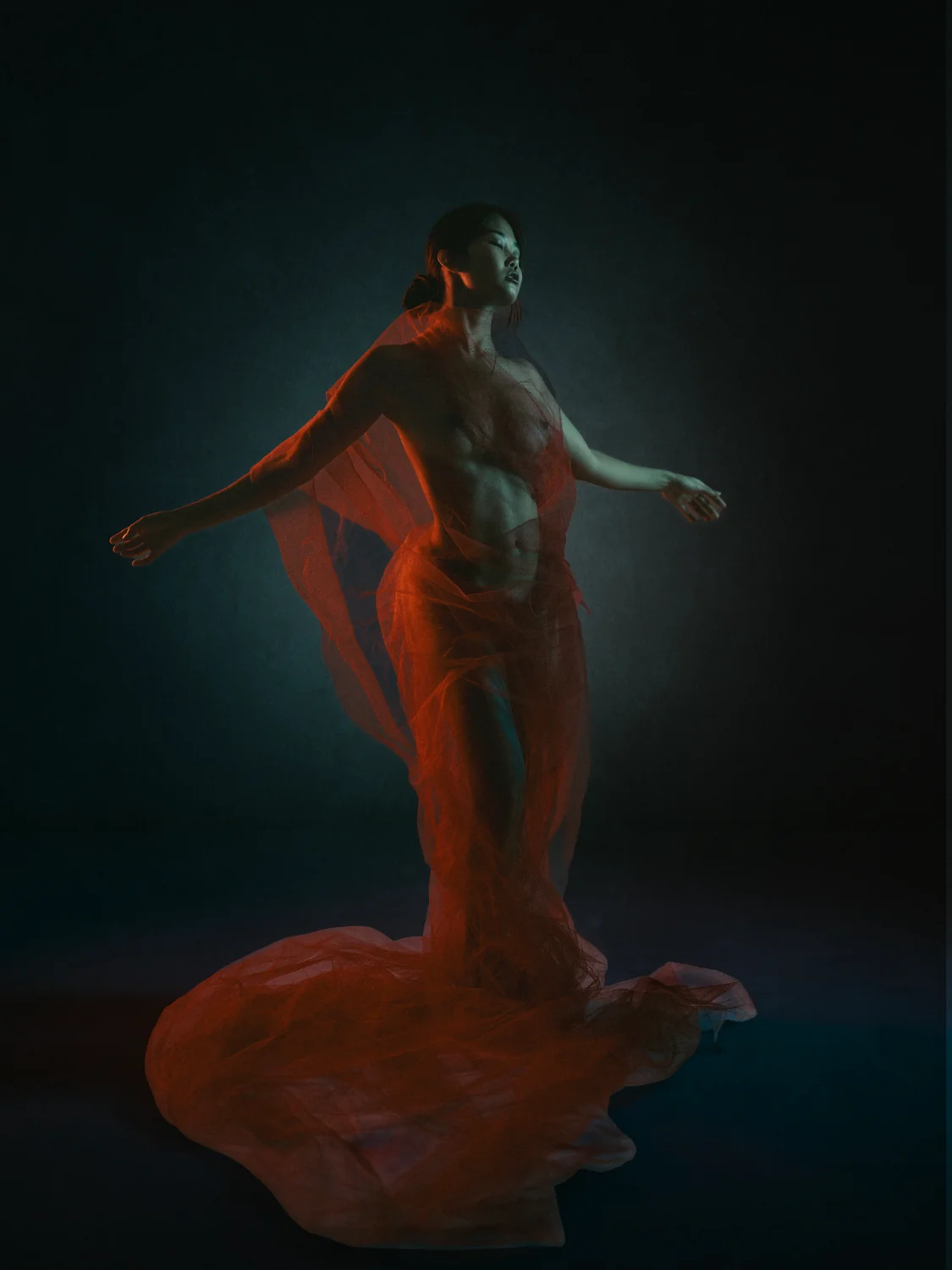
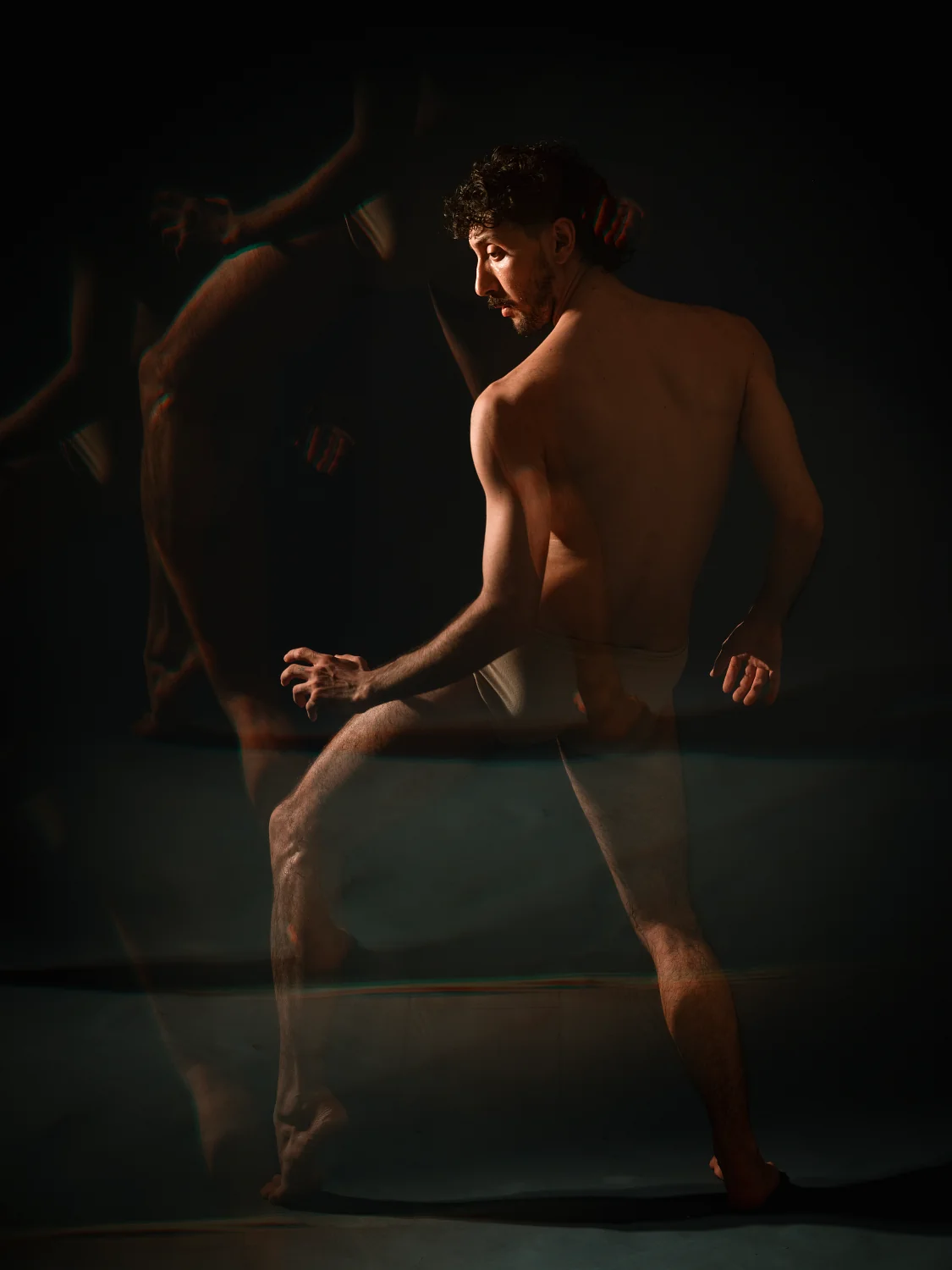
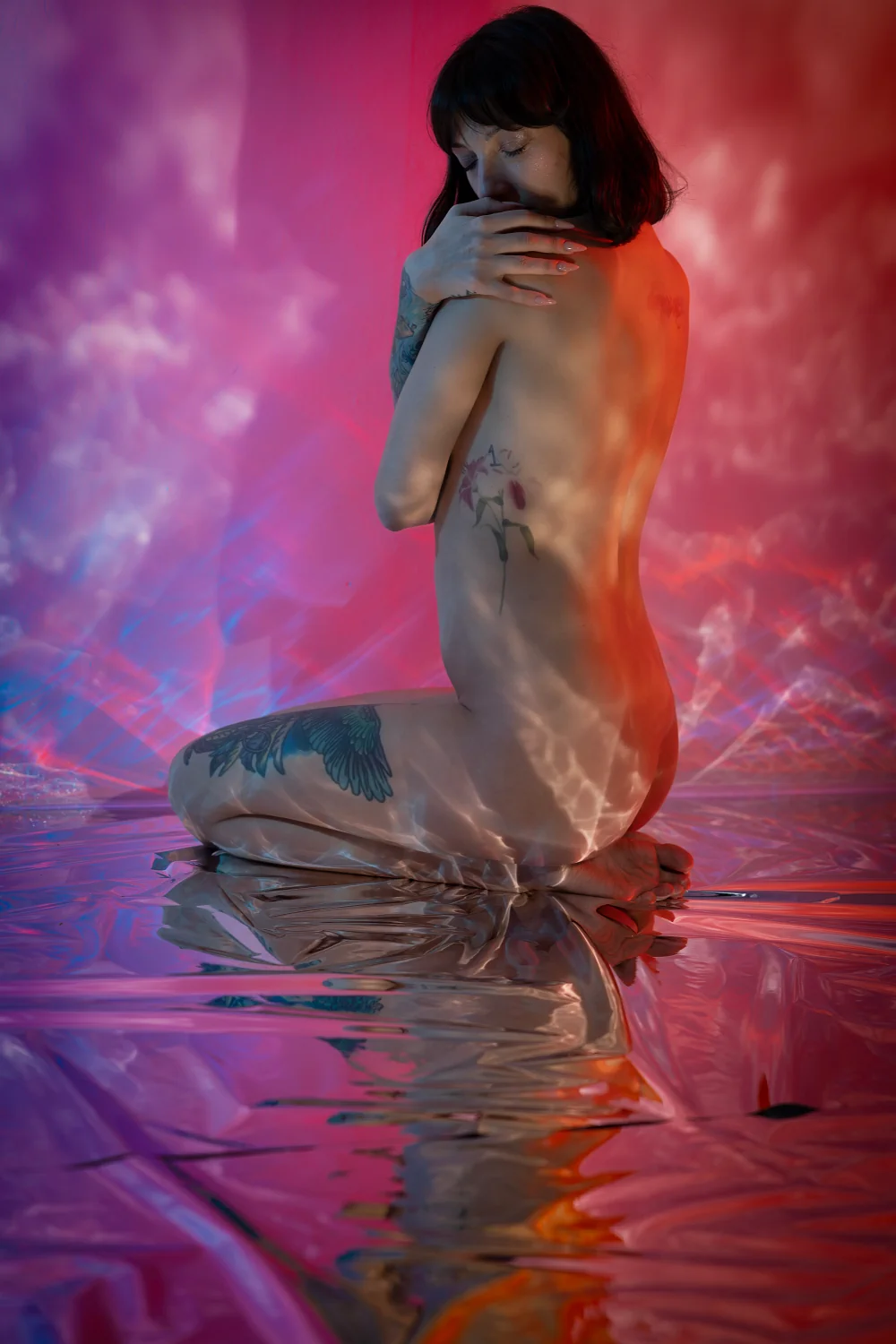
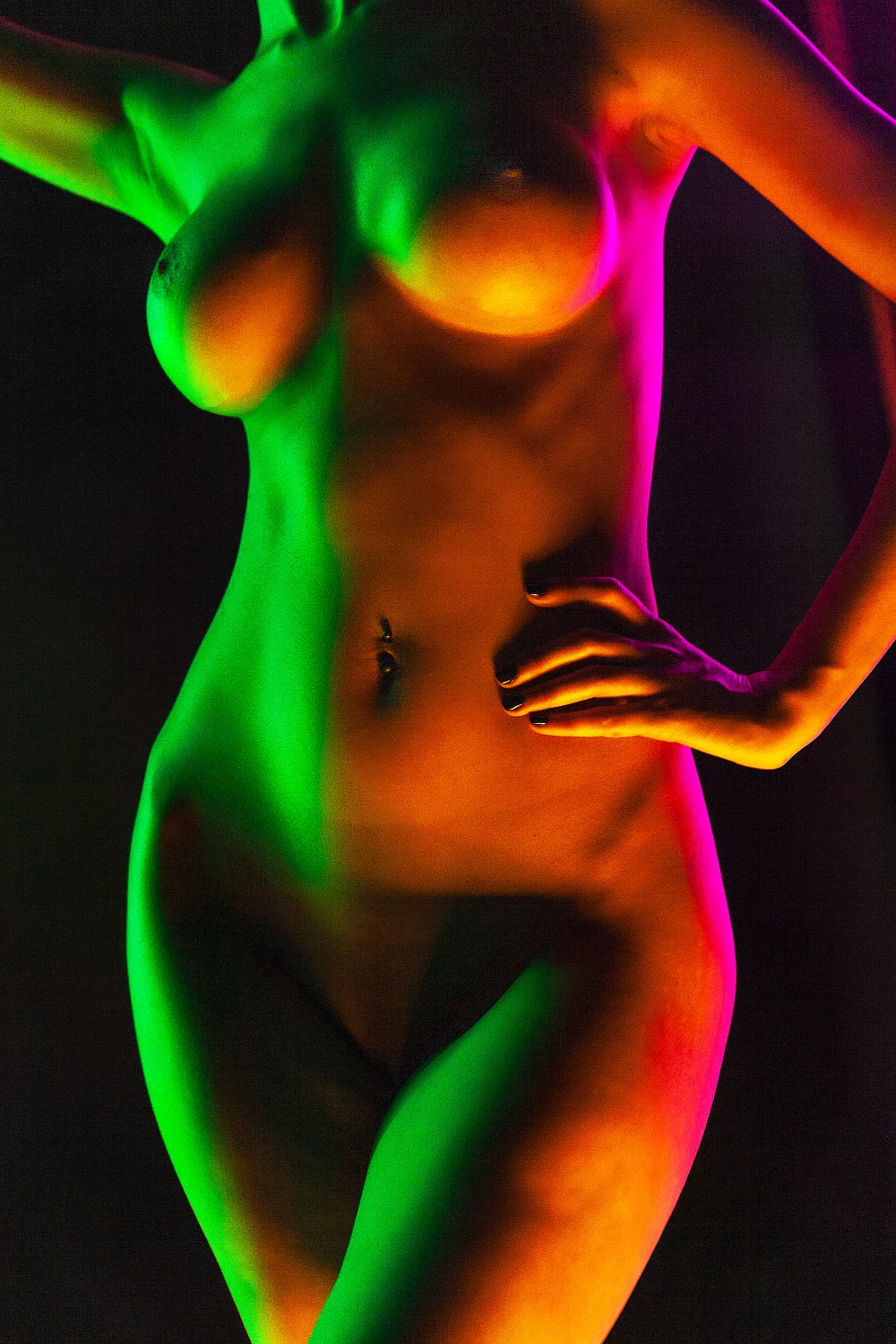
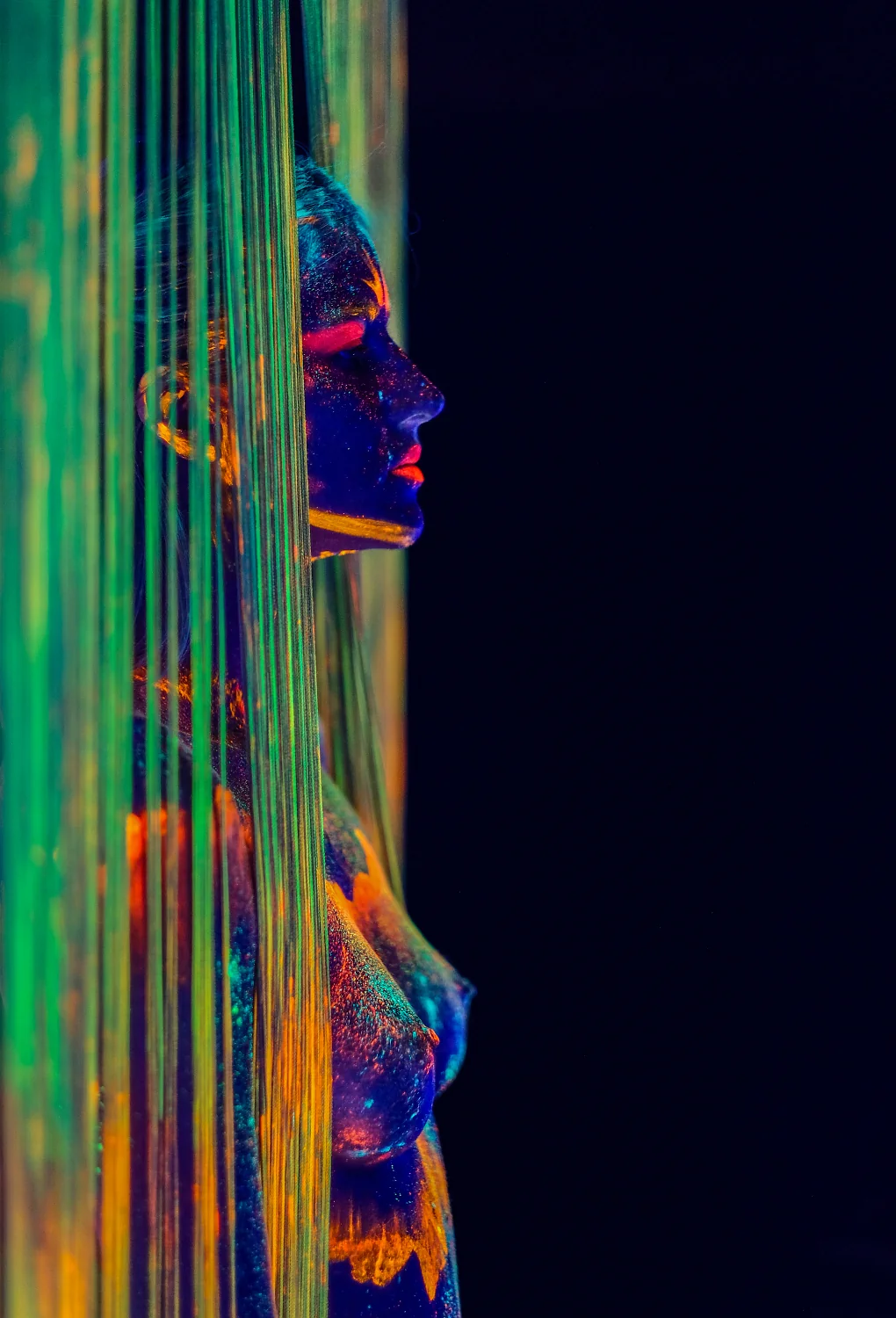
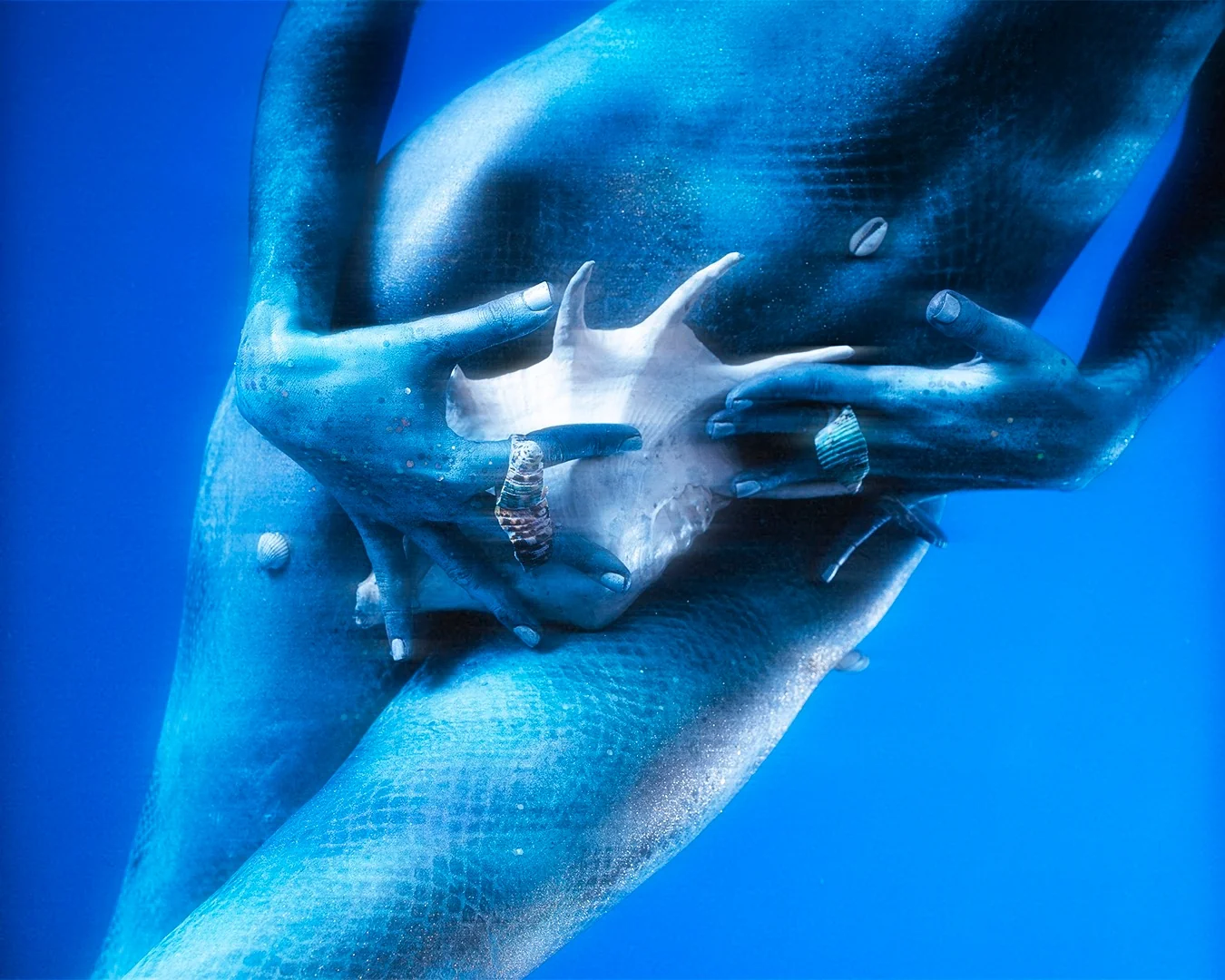
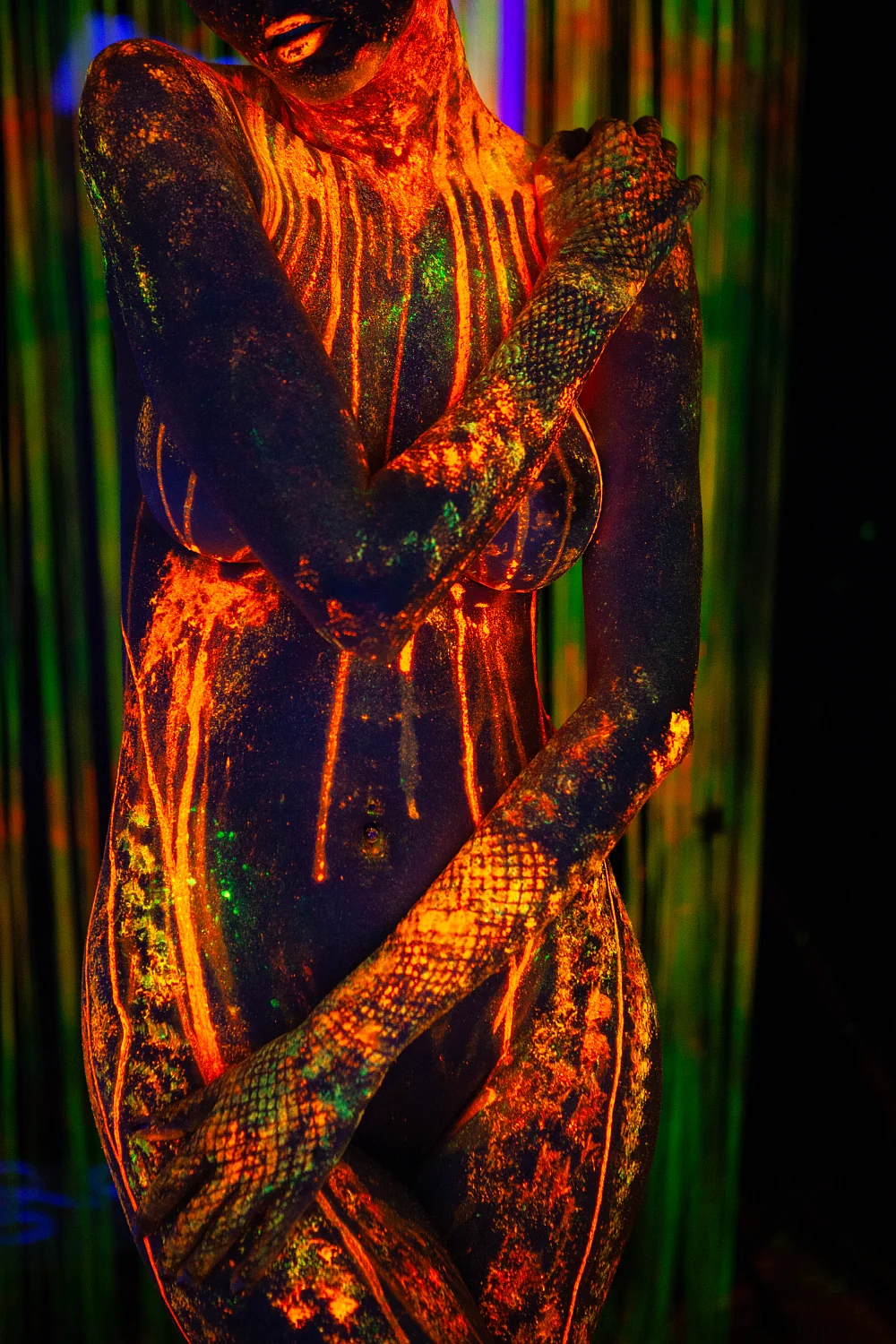
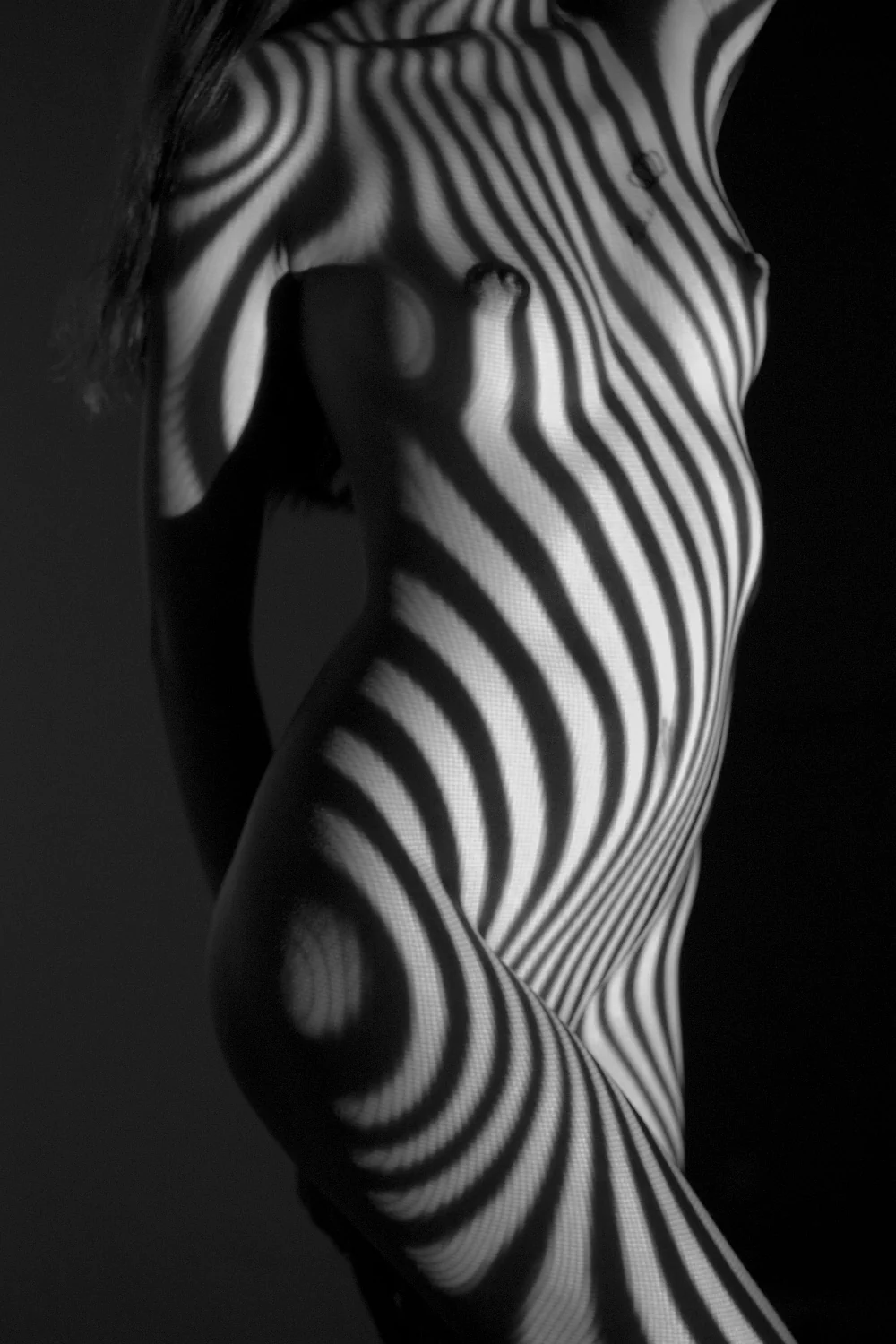
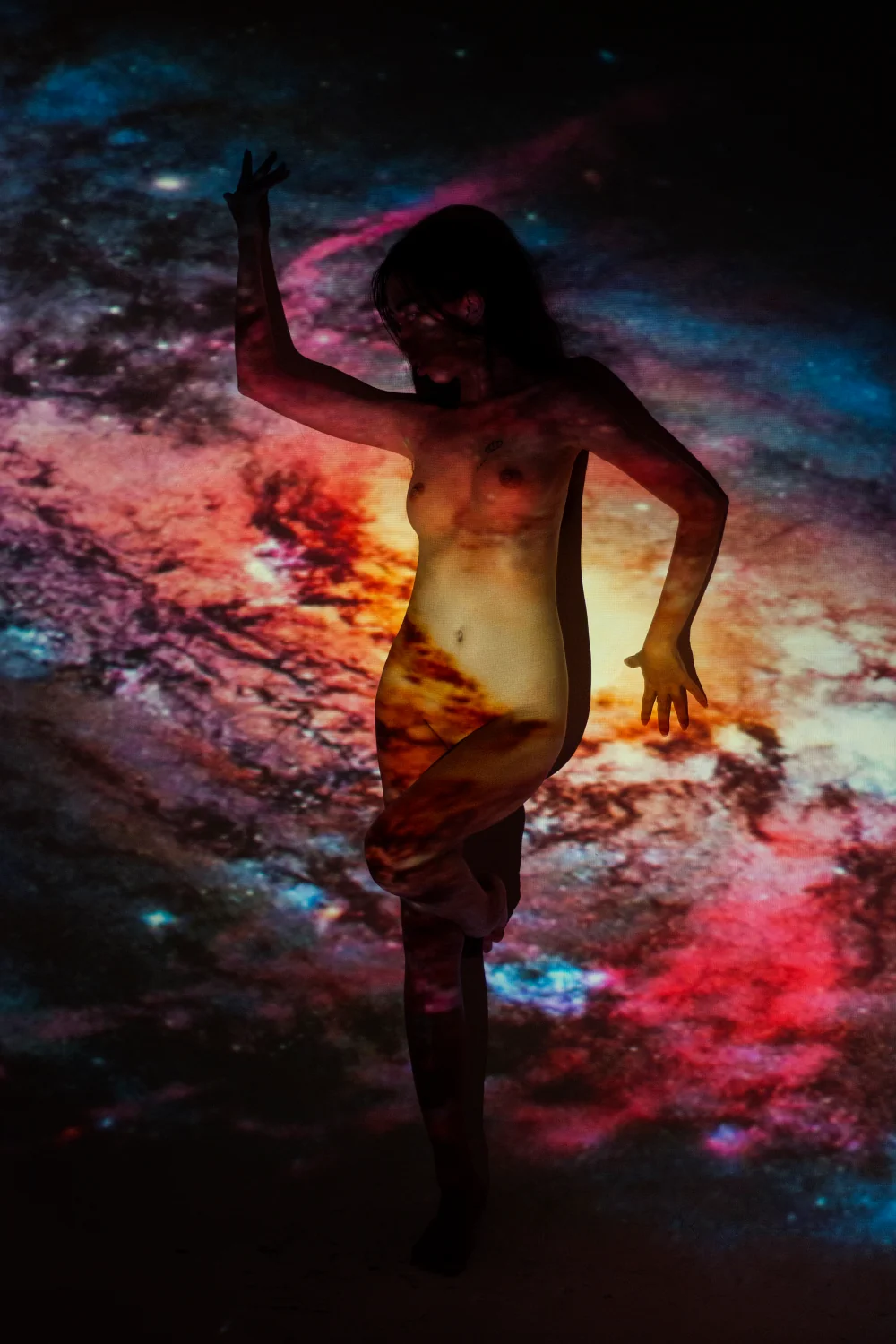
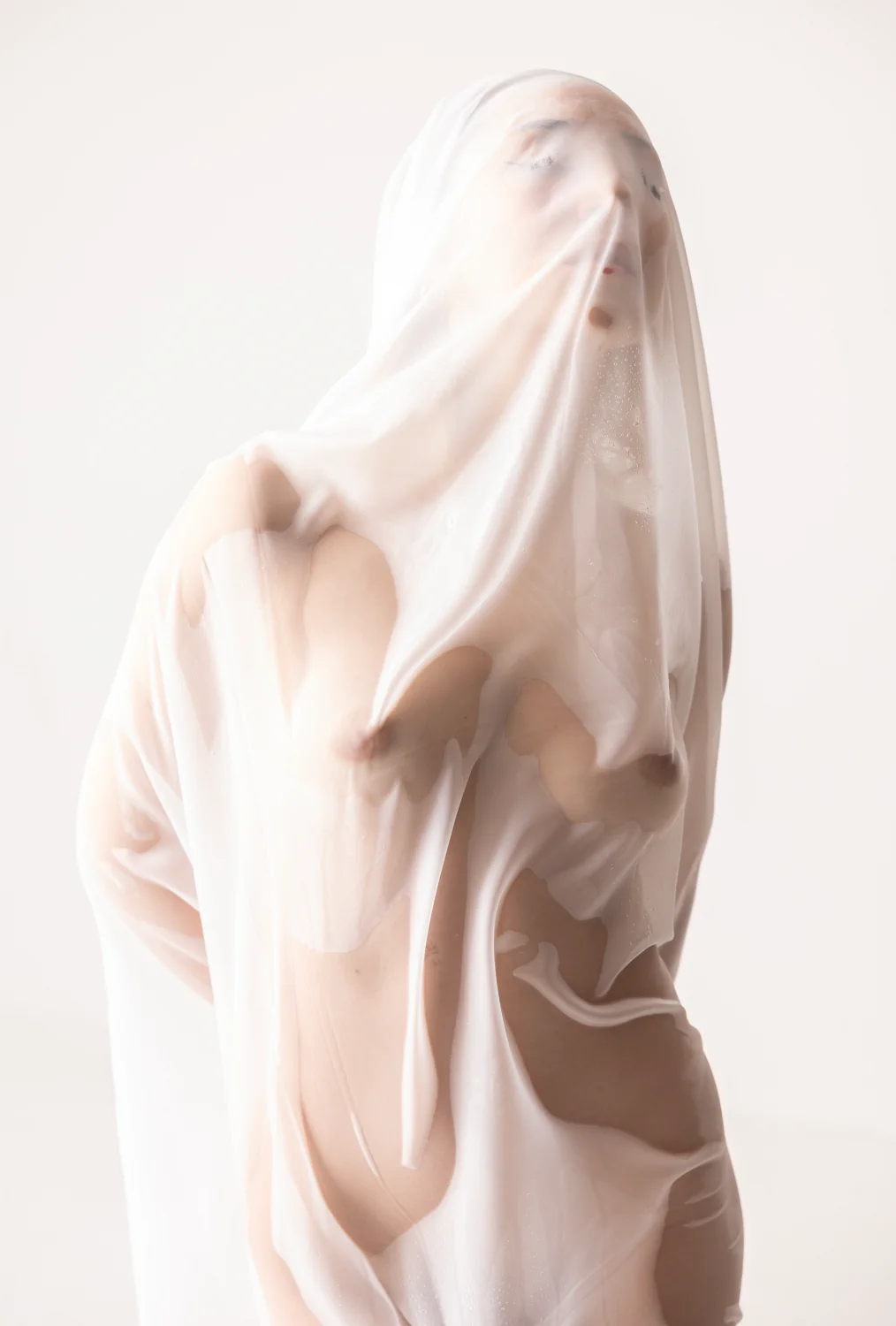
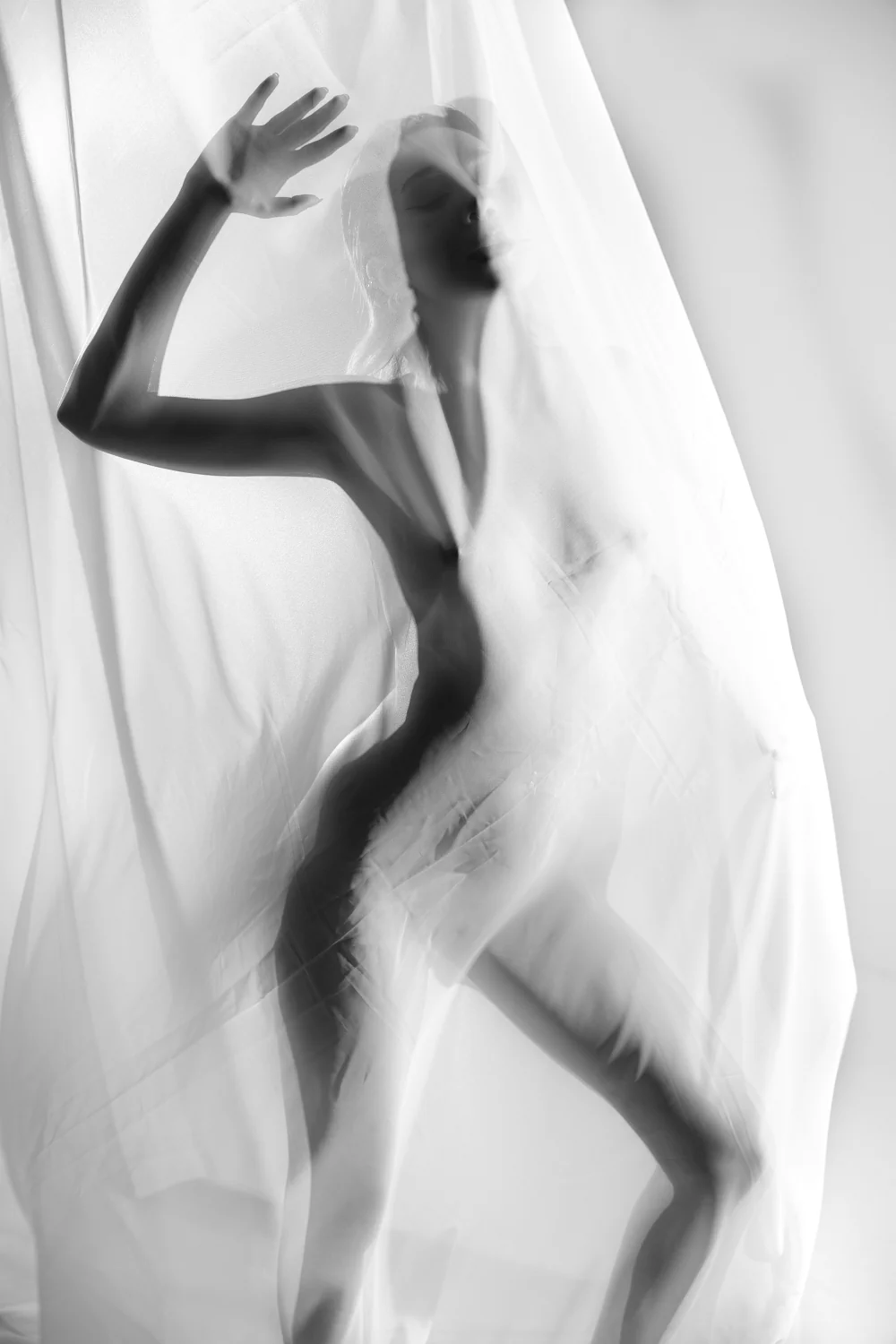
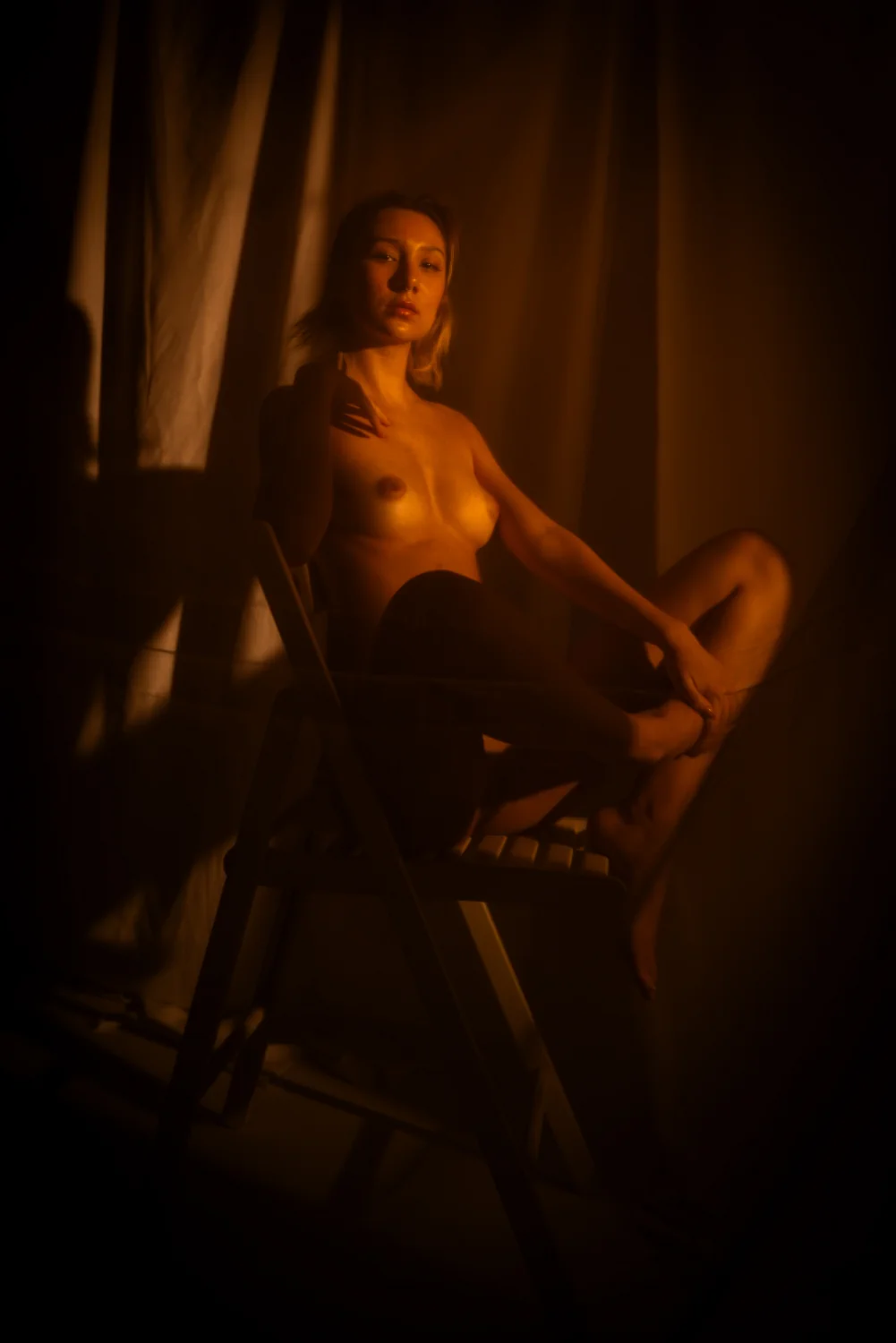
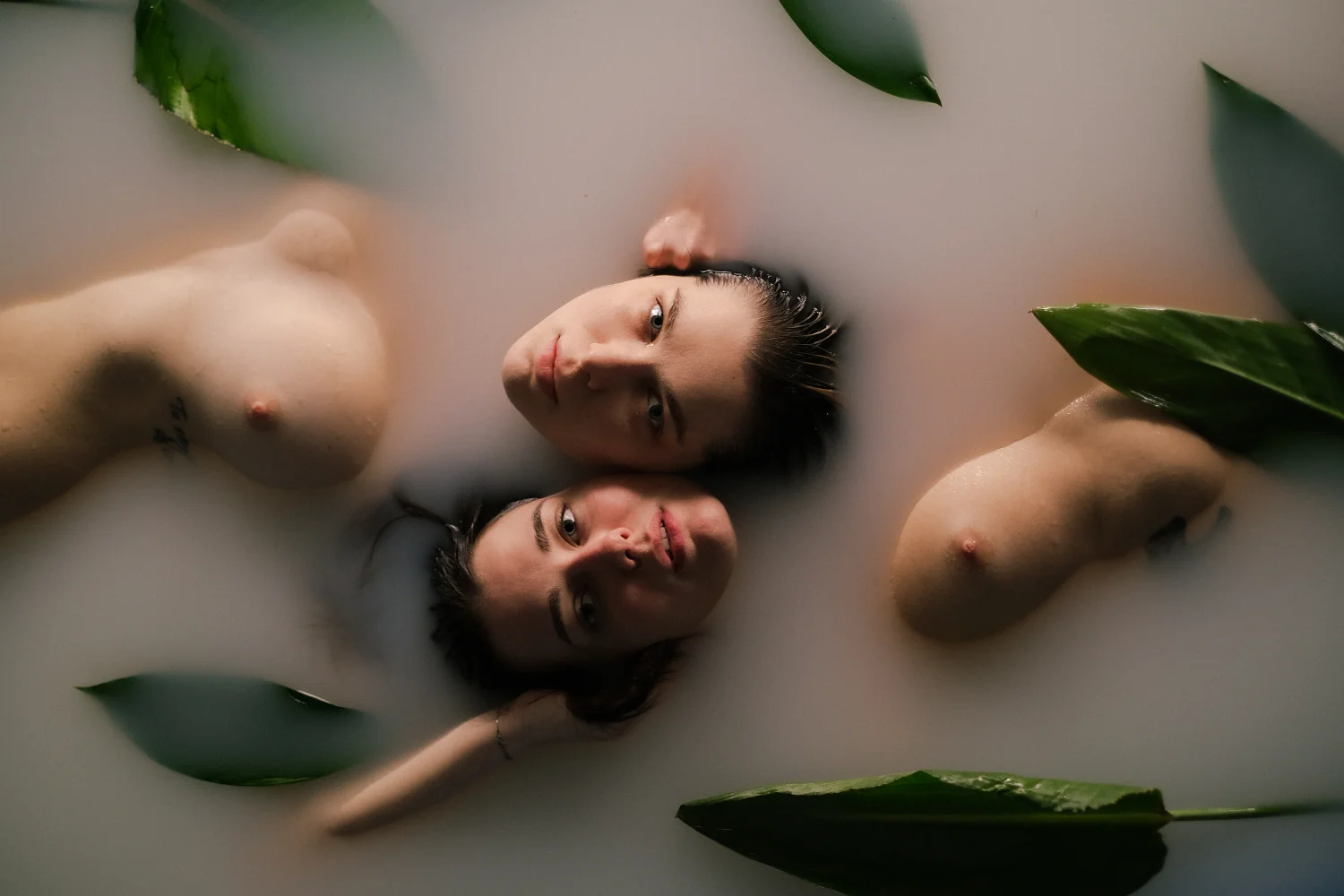
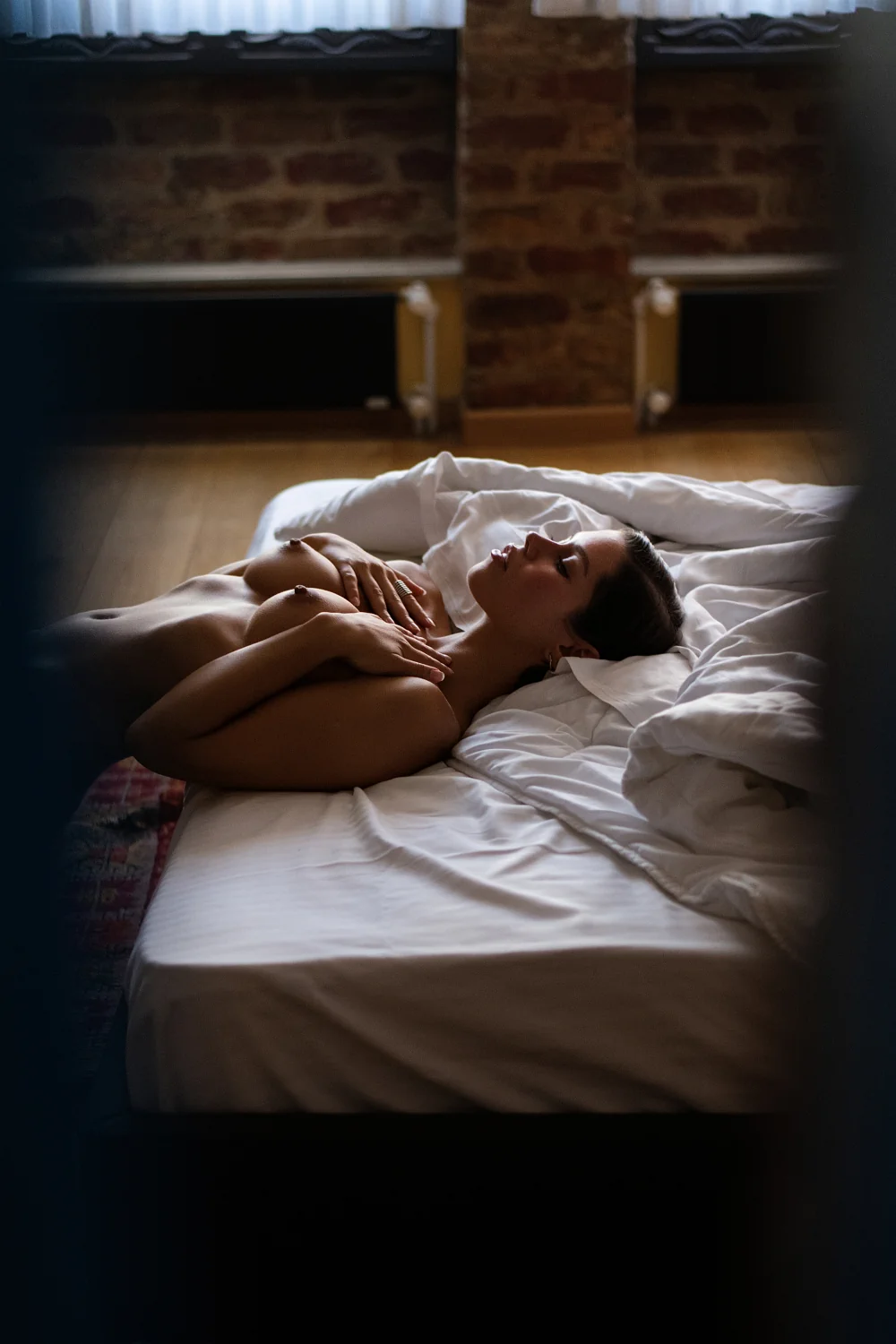
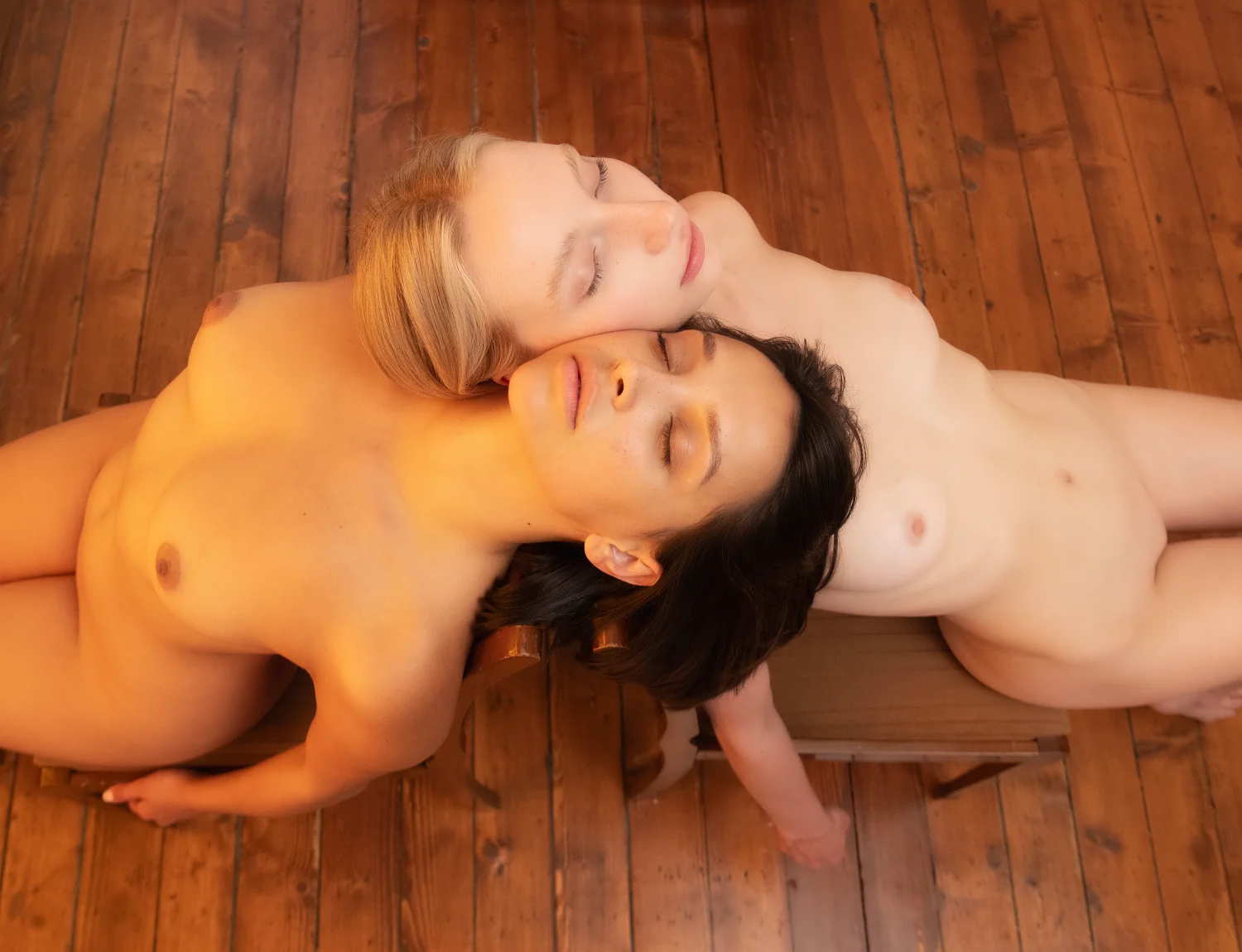
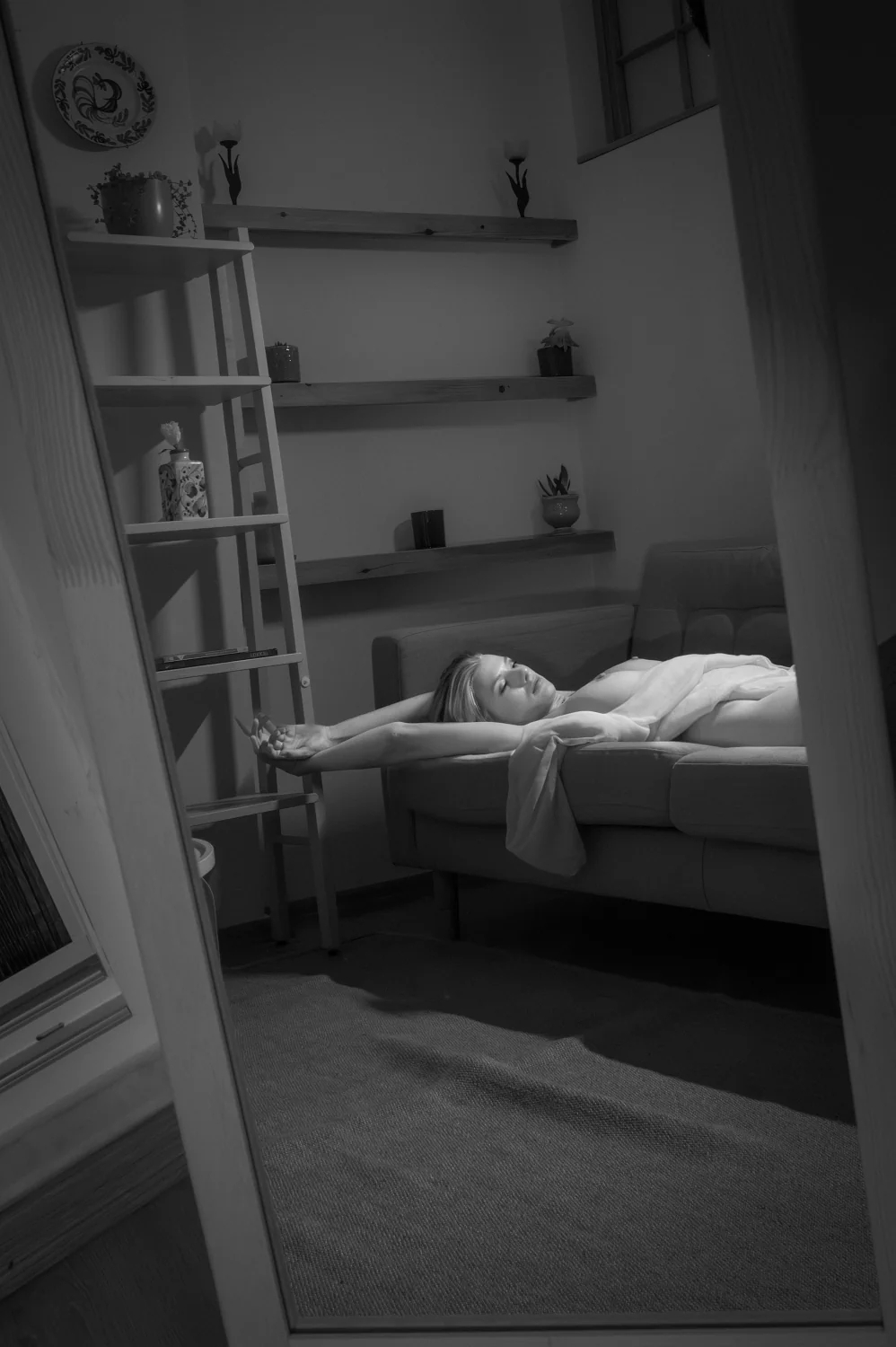
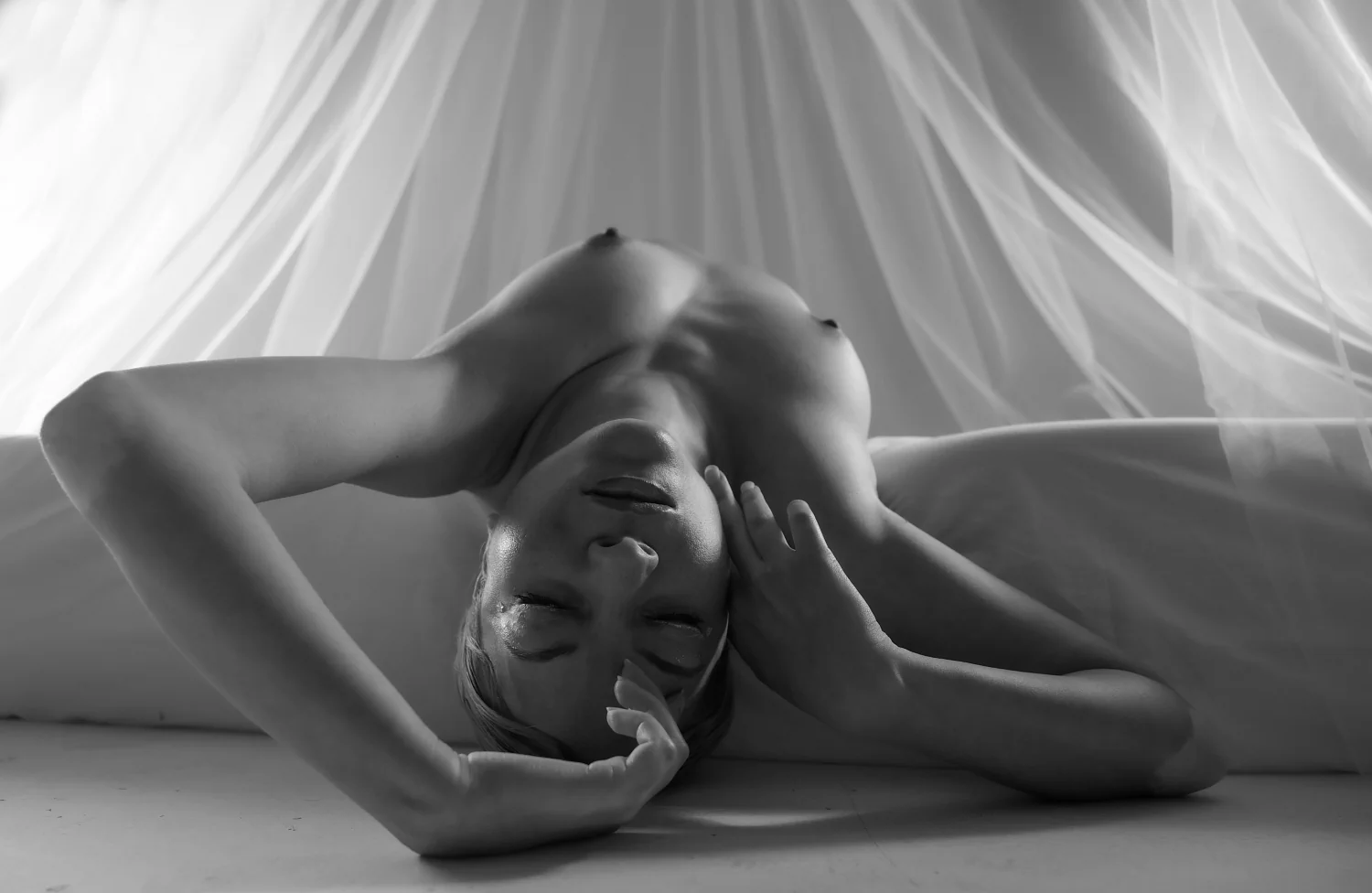
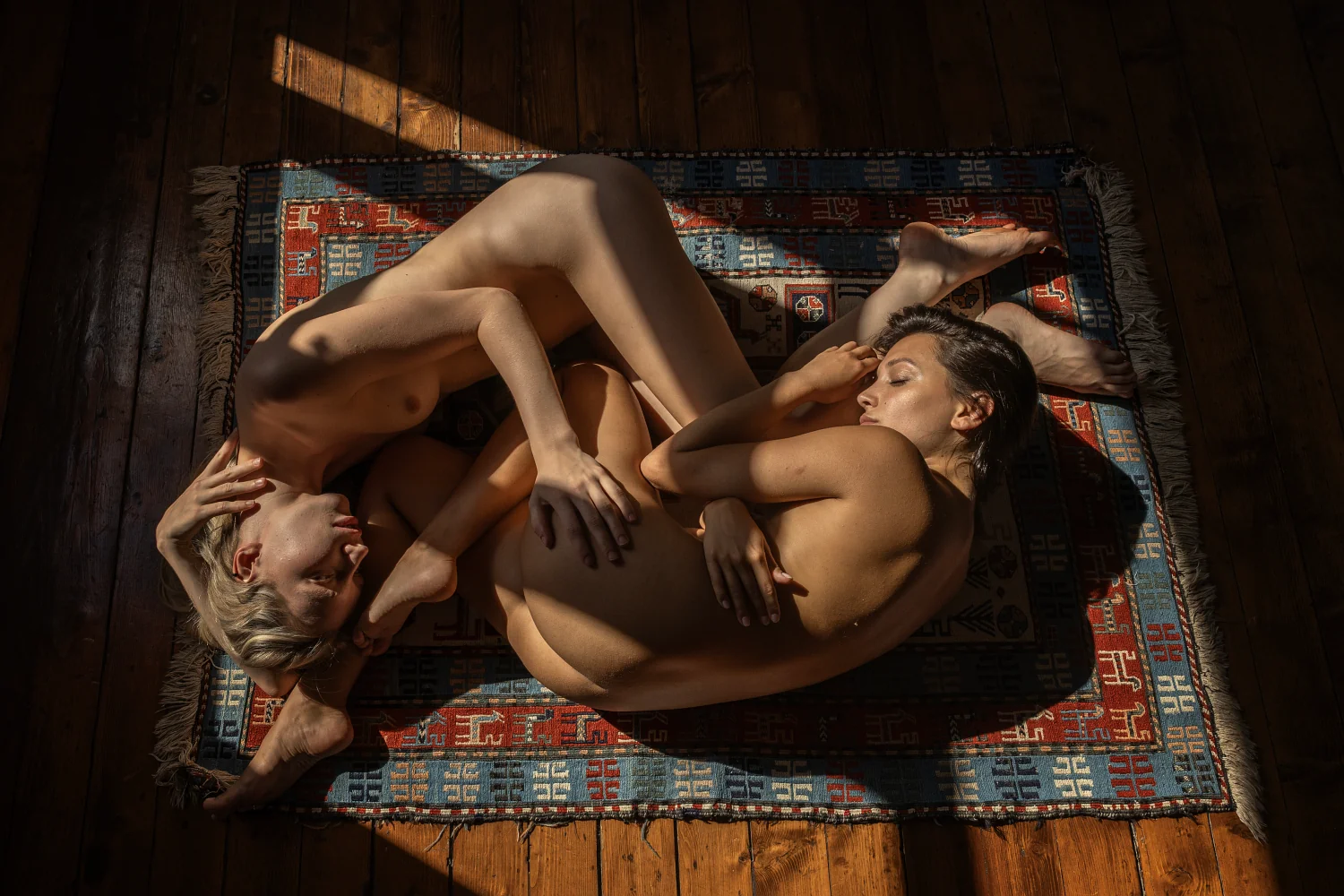
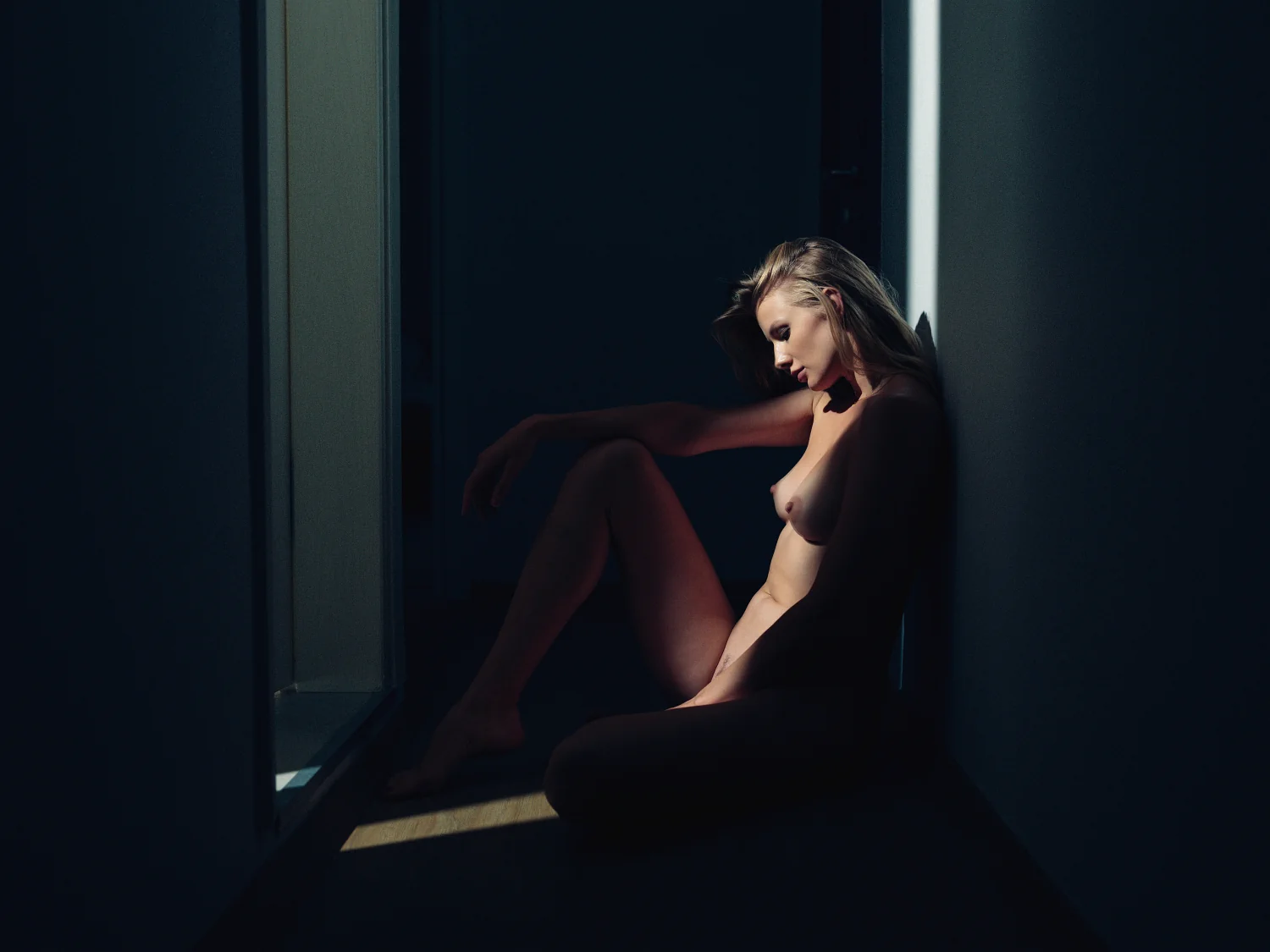
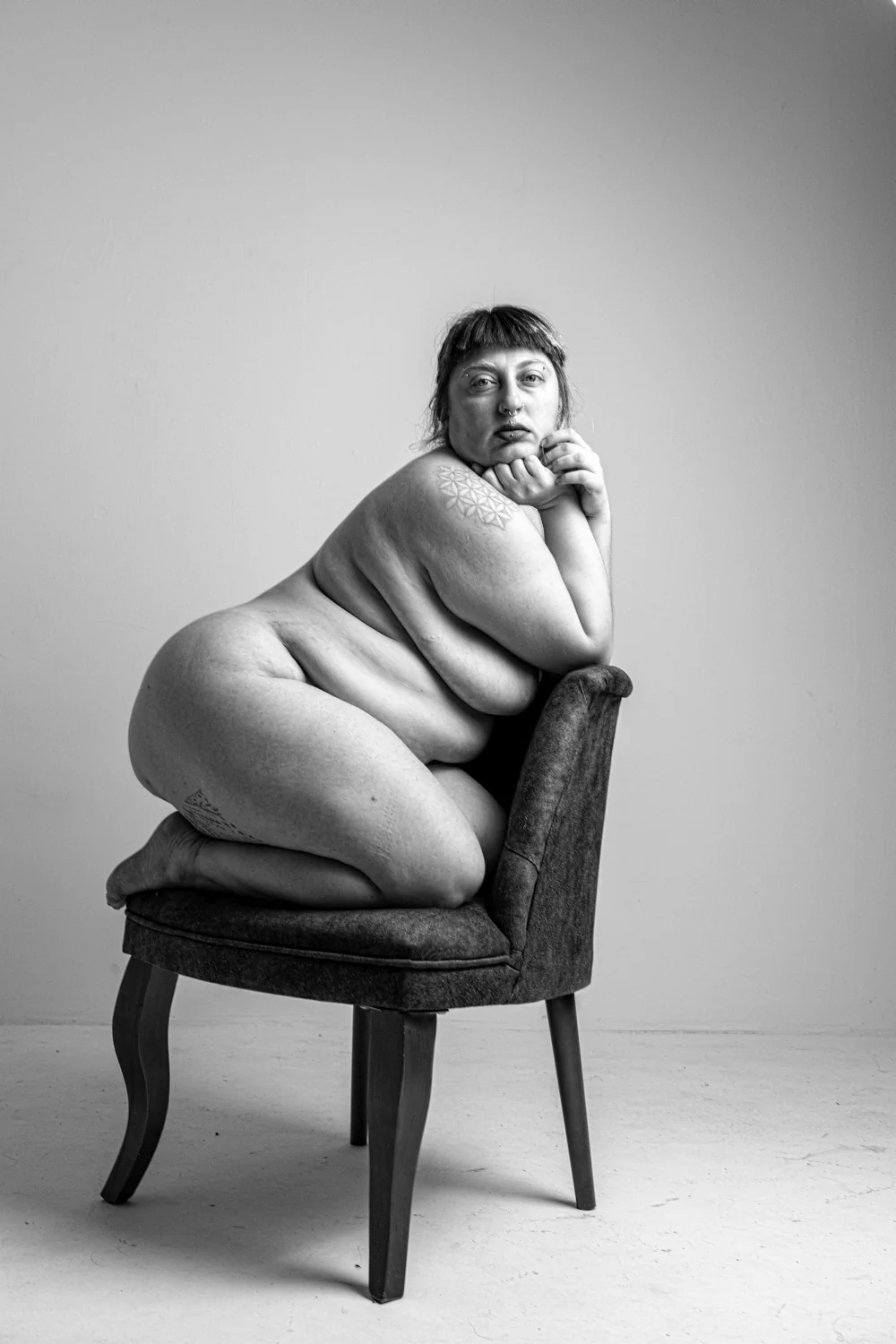
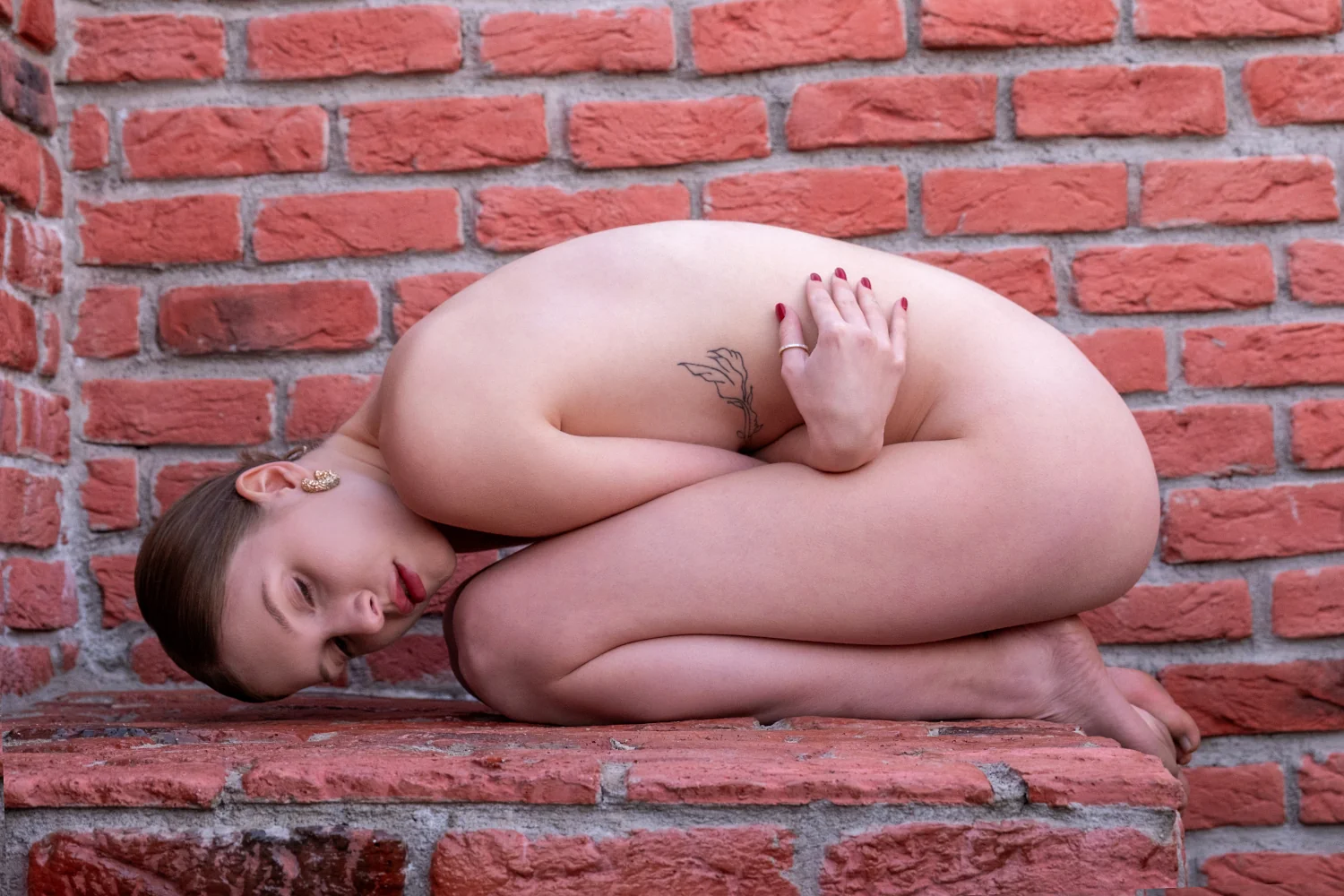
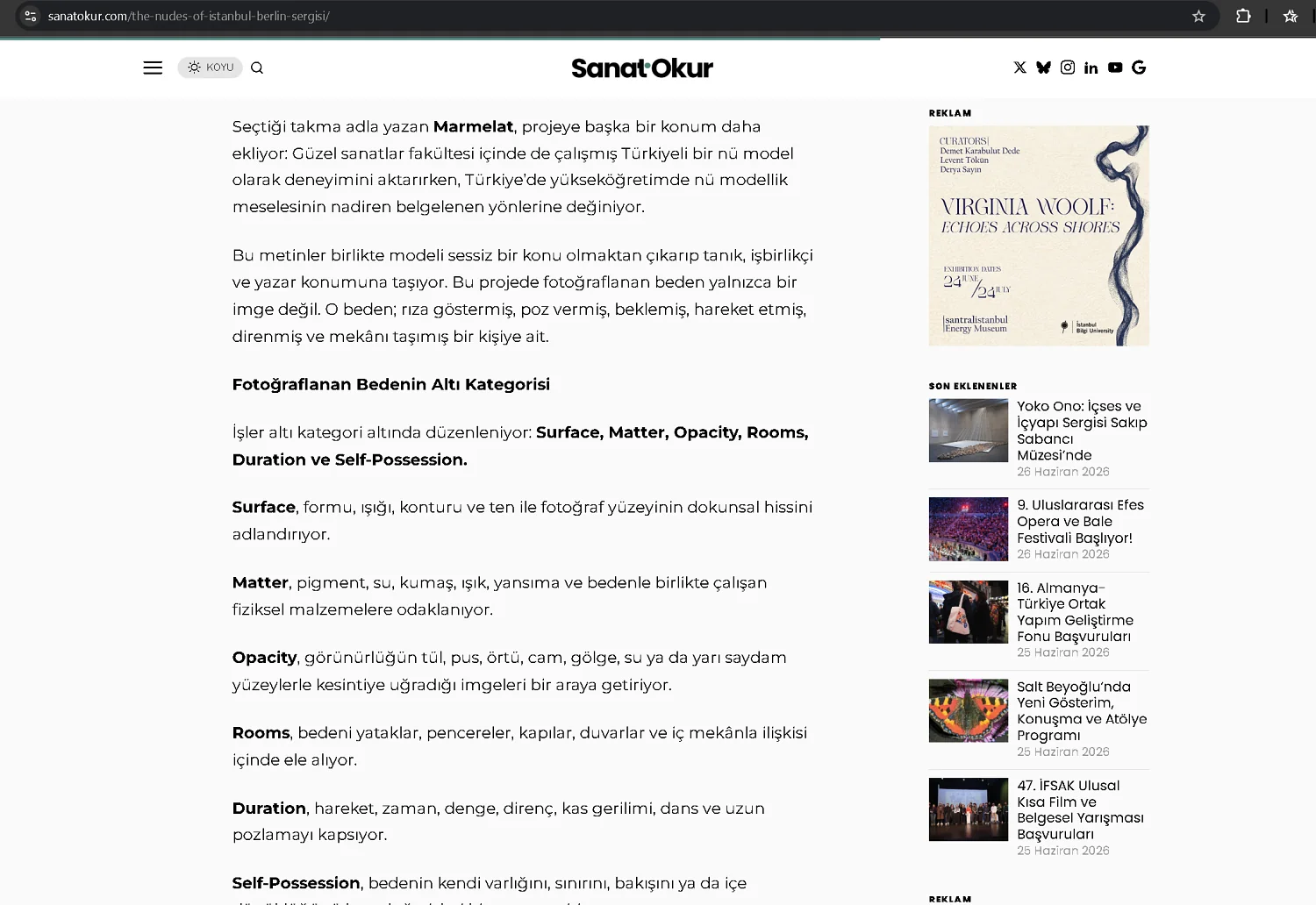
Duración - Materia - Opacidad - Habitaciones - Autoposesión - Superficie
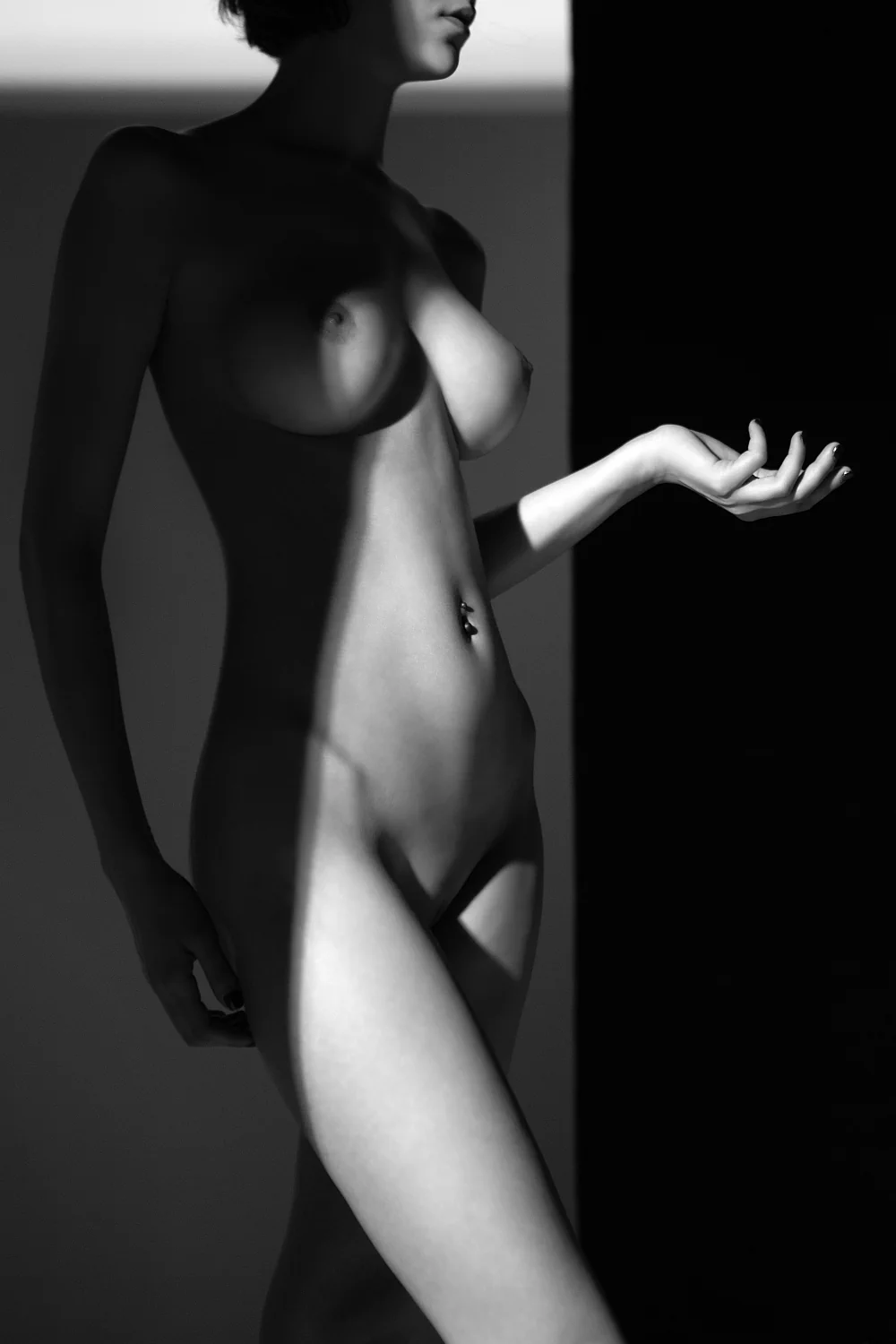
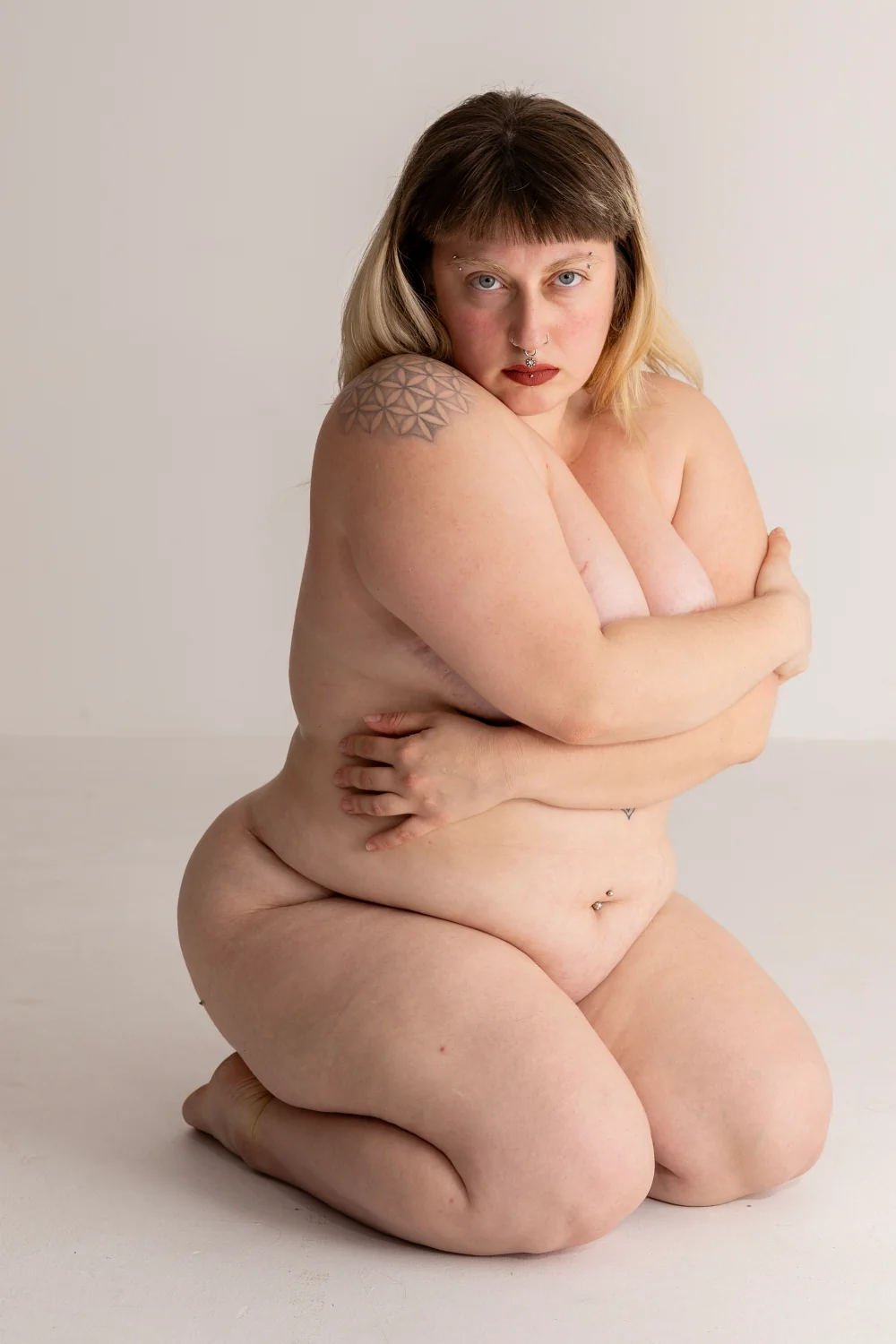
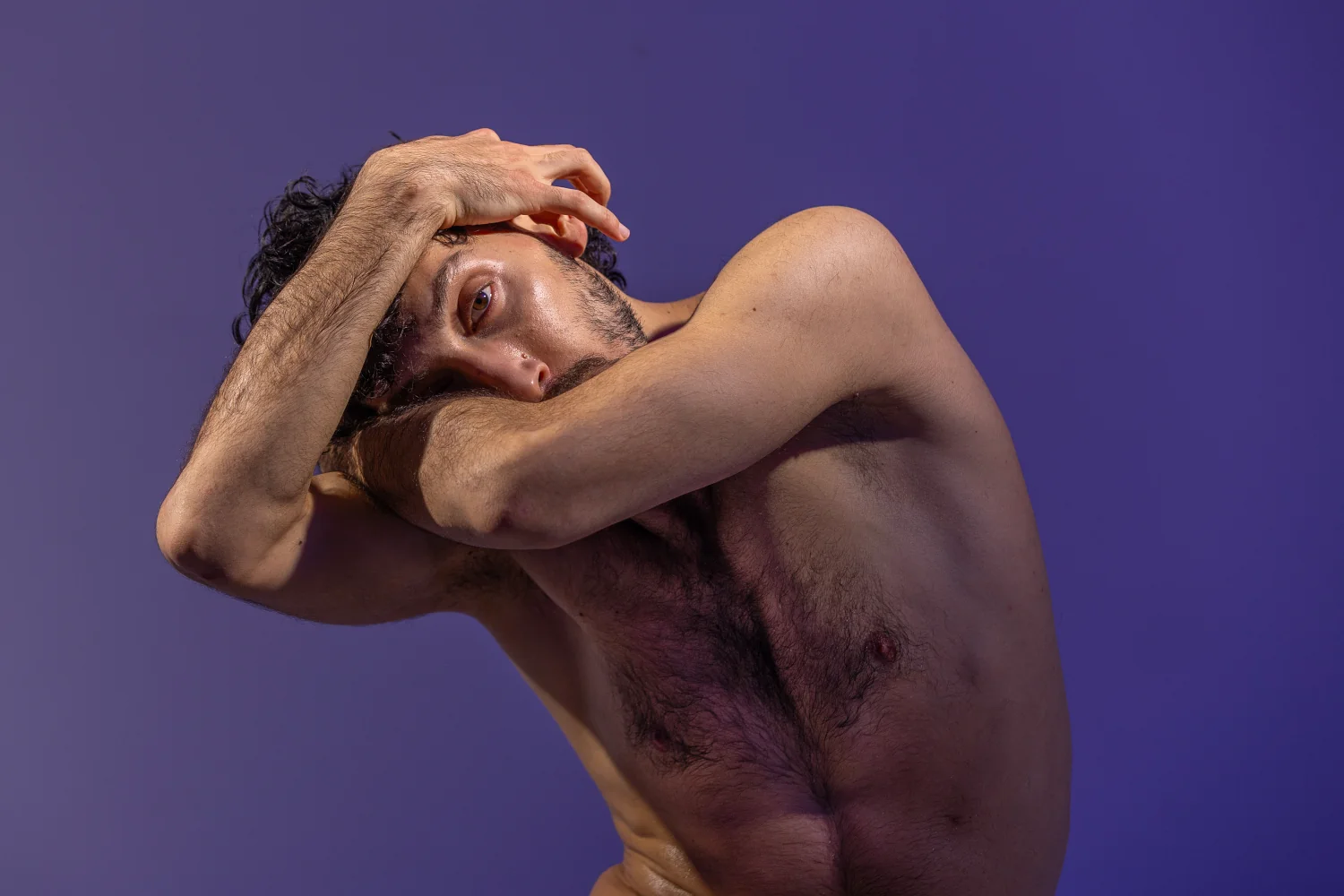
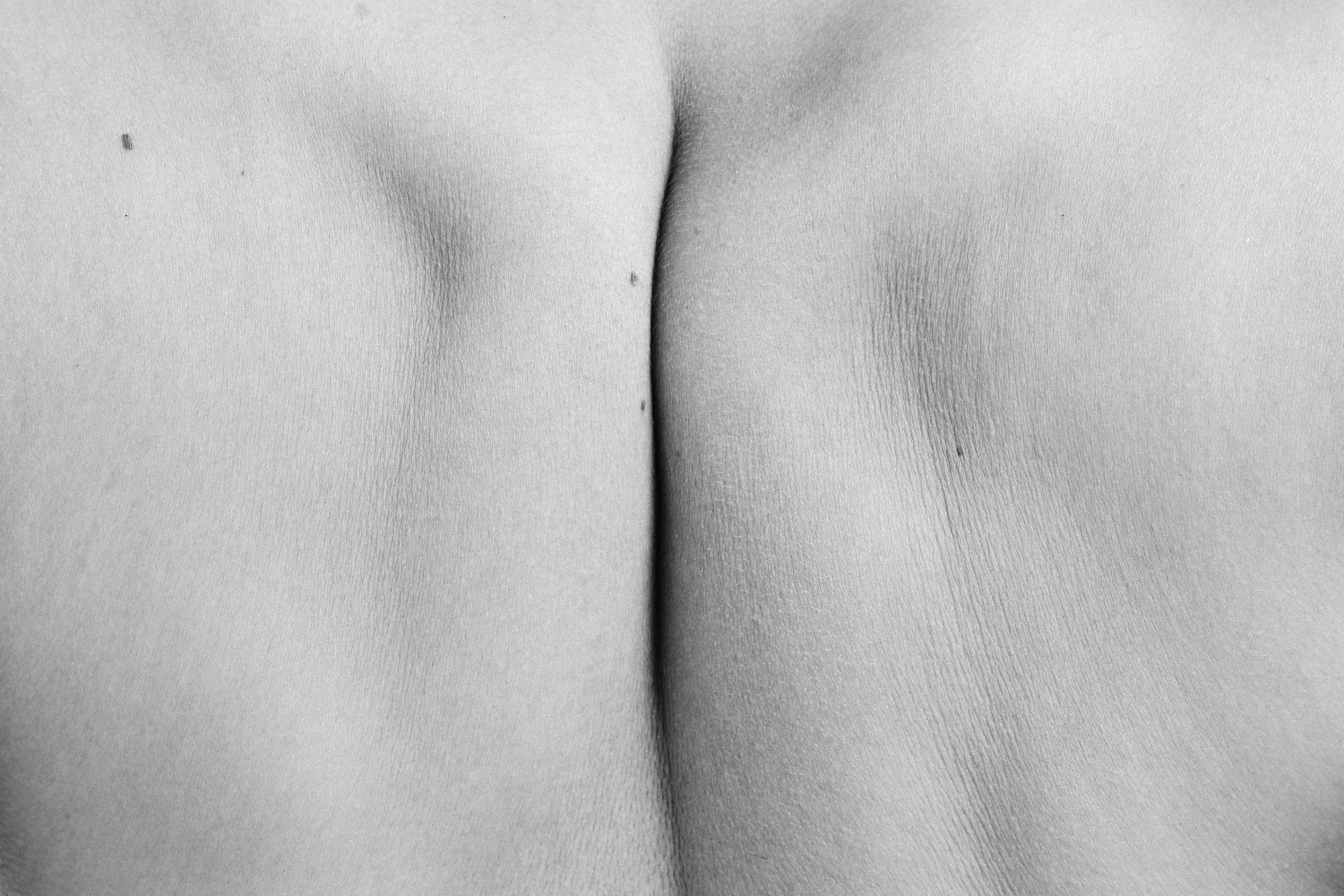
PRENSA
Por qué es importante este proyecto
Un raro registro colectivo de Turquía
El historial público de la fotografía artística de desnudos en Turquía ha sido hasta ahora limitado e intermitente, caracterizado por exposiciones de un solo autor, una escasa trayectoria editorial y un reducido número de puntos de referencia documentados. Desnudos de Estambul Se presenta, dentro de ese ámbito tan específico, como un proyecto colectivo poco común, con la extensión de un libro, dedicado al cuerpo fotografiado.
Una práctica sostenida, no un archivo de taller
El proyecto se gestó a lo largo de catorce años de producciones fotográficas repetidas y dirigidas por comisarios en Estambul. Cada producción creaba una situación fotográfica exigente: un cuerpo, una premisa visual, un entorno lumínico, un conjunto de condiciones materiales y un espacio ético compartido. Las obras seleccionadas son fotografías individuales acabadas, realizadas en el marco de un ámbito colectivo sostenido.
Condiciones compartidas, autoría diferenciada
La exposición aúna dos planos. El primero es el trabajo curatorial que Burak Bulut Yıldırım ha desarrollado a lo largo de catorce años: concepto, iluminación, selección de modelos, construcción de decorados, dirección de materiales y marco editorial. El segundo es la autoría fotográfica de cada participante, que se plasma en su encuadre, distancia, sincronización, moderación, sensibilidad tonal y momento del disparo. Las condiciones compartidas constituyen la estructura a través de la cual se hacen visibles las diferencias en la forma de ver.
Modelos como autores, no sólo como sujetos
La publicación incluye ensayos encargados por tres autores-modelo fundamentales para la práctica de Estambul: Zeynep Renda, Su Yeşily Marmelat. Renda y Yeşil escriben con sus propios nombres. Marmelat escribe bajo un seudónimo elegido y aborda el tema del modelaje de desnudo en la academia de bellas artes turca, basándose en tres años de experiencia como modelo de desnudo en una facultad de bellas artes. Sus textos son parte integrante del libro, escritos junto a las fotografías en lugar de sobre ellas desde una perspectiva externa. Su inclusión se deriva de la postura curatorial según la cual una fotografía del cuerpo registra una relación entre la persona fotografiada, la persona que fotografía y la luz que impregna la estancia.
Berlín como primer capítulo, Barcelona como segunda exposición
La exposición de Berlín no supuso que la obra saliera de Estambul. Supuso el inicio de una etapa pública e internacional para unas fotografías tomadas allí y que, durante años, habían circulado por canales limitados. Esa etapa continúa en la Galería Uxval Gochez de Barcelona, del 20 de noviembre al 4 de diciembre de 2026, creando un segundo contexto expositivo europeo para el mismo conjunto de obras.
Ensayo curatorial
El argumento de Desnudos de Estambul Todo parte de una contradicción estructural. Estambul ha generado un ámbito sostenido y técnicamente consumado de fotografía artística de desnudos y centrada en el cuerpo; sin embargo, esta obra rara vez ha llegado al público internacional a través de libros, instituciones, plataformas especializadas o exposiciones colectivas. Las razones son estructurales, no artísticas: un escaso historial de publicaciones, pocos espacios dedicados a este tema, una visibilidad intermitente en las exposiciones y un historial moldeado en gran medida por la autoría masculina individual.
La exposición da respuesta a esa ausencia a través de una práctica colectiva concreta. Catorce fotógrafos, seleccionados a partir de una trayectoria de catorce años dirigida por un comisario en Estambul, se presentan juntos como un conjunto coherente en una plataforma internacional. Cinco de ellos son mujeres. Esto forma parte de la estructura de autoría del proyecto: diferentes perspectivas participan en la decisión de cómo se ve, se enmarca, se oculta y se muestra al público el cuerpo.
Tres planteamientos teóricos sirven de marco a esta lectura. Jean Baudrillard nos ayuda a comprender cómo una imagen puede separarse del cuerpo que pretende representar. Laura Mulvey sigue siendo imprescindible en cualquier debate serio sobre la mirada, como el ámbito en el que se siguen creando e interpretando las imágenes del cuerpo, aunque no como una tesis que deba aplicarse mecánicamente a todas las fotografías. Maurice Merleau-Ponty ofrece una interpretación fenomenológica del cuerpo como fundamento de la percepción, y no simplemente como un objeto contemplado desde fuera.
El proyecto también se inscribe en un discurso turco más amplio sobre la política del cuerpo y la representación. Artistas como İpek Duben y Nilbar Güreş han analizado, a través de diferentes medios y registros, el género, la intimidad, los códigos sociales, el cuerpo y la autorrepresentación en la cultura visual turca. Los escritos de Ahu Antmen sobre el cuerpo, la identidad, el género y el arte proporcionan un importante marco histórico-artístico para comprender cómo la modernidad, los códigos culturales y la política de identidad han moldeado la representación del cuerpo en Turquía. Desnudos de Estambul no reivindica ninguna continuidad directa con estas prácticas. Se sitúa junto a ellas en el marco de la misma cuestión más amplia: ¿cómo se permite que se vea el cuerpo, quién lo ve, en qué condiciones y a través de qué formas de registro público?
Esa cuestión sigue siendo controvertida. La exposición pública de fotografía de desnudos procedente de Turquía se ha limitado a menudo a canales restringidos: estudios privados, círculos reducidos, exposiciones esporádicas y un escaso historial editorial. Este patrón no es exclusivo de un solo país. En noviembre de 2024, el vídeo de İnci Eviner Harén (2009), basada en el grabado de Antoine Ignace Melling sobre el harén otomano, fue retirada poco antes de la inauguración de una importante exposición de Jean-Léon Gérôme en el Mathaf: Museo Árabe de Arte Moderno de Doha. El artista calificó la decisión de censura. Casos como este demuestran que la política de la representación del cuerpo sigue vigente, es contemporánea y se distribuye de forma desigual entre los distintos contextos culturales.
La exposición sostiene que una fotografía de desnudo, realizada directamente con la cámara, con intervención física, en una estancia en la que la persona está realmente presente, sigue siendo un acto artístico serio. En estas fotografías, el cuerpo es la materia prima de la imagen y, al mismo tiempo, una persona que ha dado su consentimiento, ha posado, ha esperado, se ha movido, se ha resistido y ha ocupado el espacio.
La exposición toma como punto de partida ese terreno físico y ético.
Taxonomía curatorial
Las obras se organizan en torno a seis registros del cuerpo fotografiado. El desnudo se aborda como un conjunto de condiciones, no como un género fijo: la secuencia sigue la condición dominante a través de la cual cada fotografía pide ser interpretada, ya sea como superficie, como materia, como imagen retenida, como figura en el interior de estancias, como duración o como presencia serena. Una fotografía se sitúa en función de su fuerza visual primaria, no de un inventario de lo que aparece dentro del encuadre. La pregunta es siempre de carácter curatorial: ¿qué le hace fundamentalmente la fotografía al cuerpo?
1. Superficie
El cuerpo como contorno, terreno y superficie de la imagen
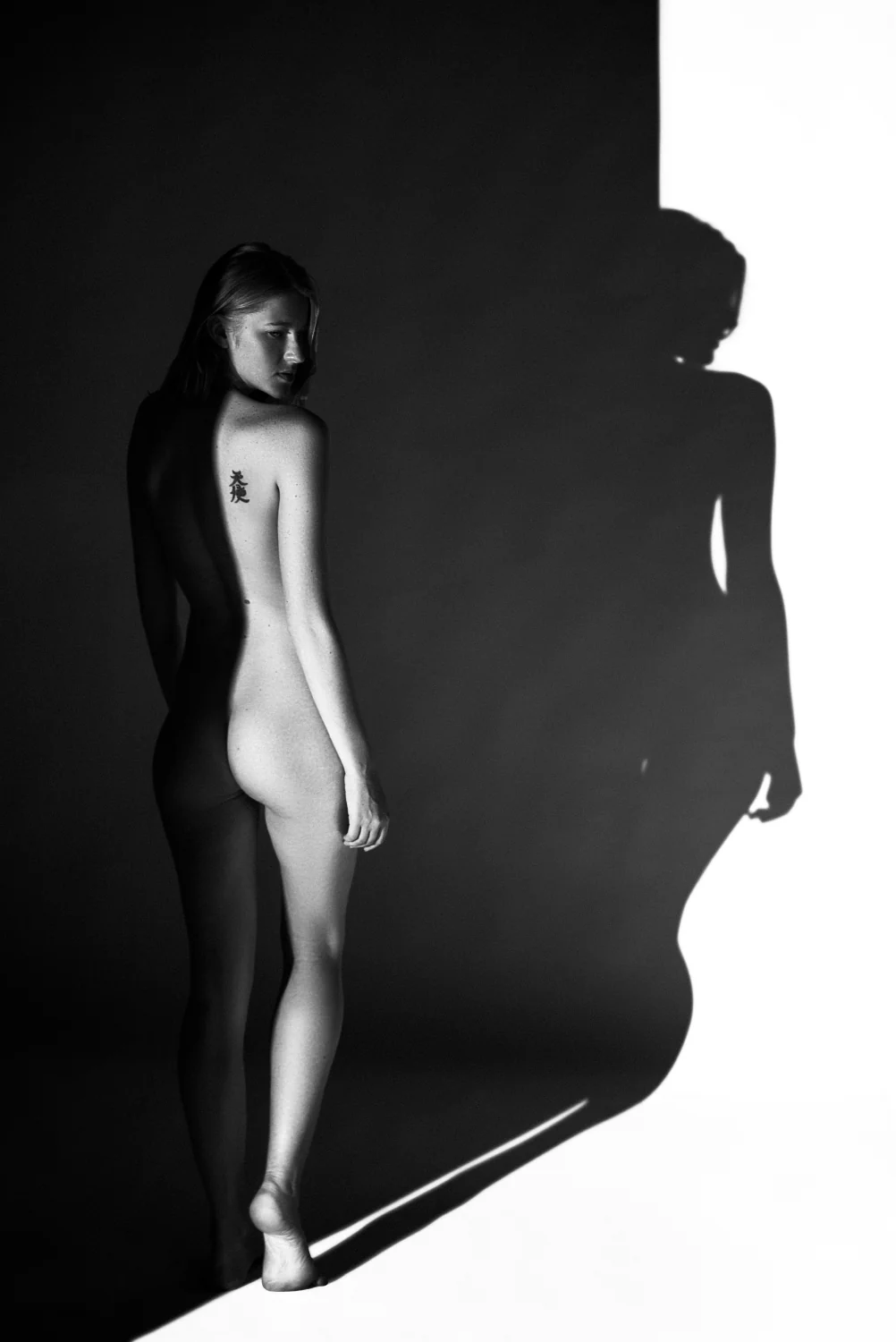
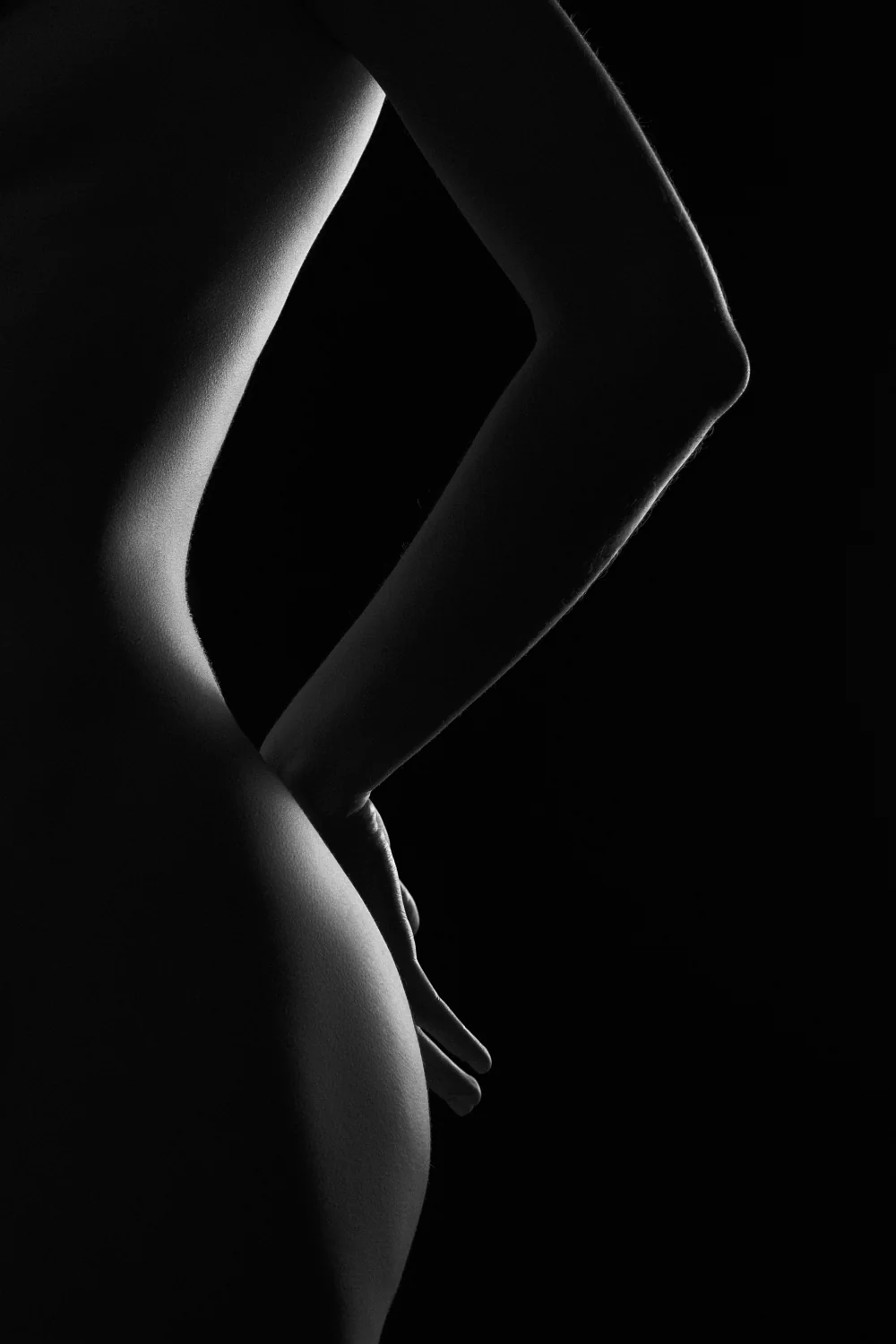
Una obra pertenece a Superficie cuando el cuerpo se percibe antes que la identidad: como contorno, volumen, luz, sombra, línea y relieve. Un encuadre cerrado, un contexto reducido, una iluminación tenue o un fondo neutro pueden convertir la piel en una superficie pictórica. Estas fotografías se preguntan cómo la luz hace visible la forma, más que quién es el cuerpo, dónde está o qué material lo roza. Puede aparecer un rostro, pero no debe dominar la imagen. Si la mirada o una postura adoptada por el propio sujeto se convierten en la fuerza central, la obra se inclina hacia Autoposesión; si un pigmento, un líquido, un tejido o una luz de color alteran de forma activa la piel, esta se desplaza hacia Materia.
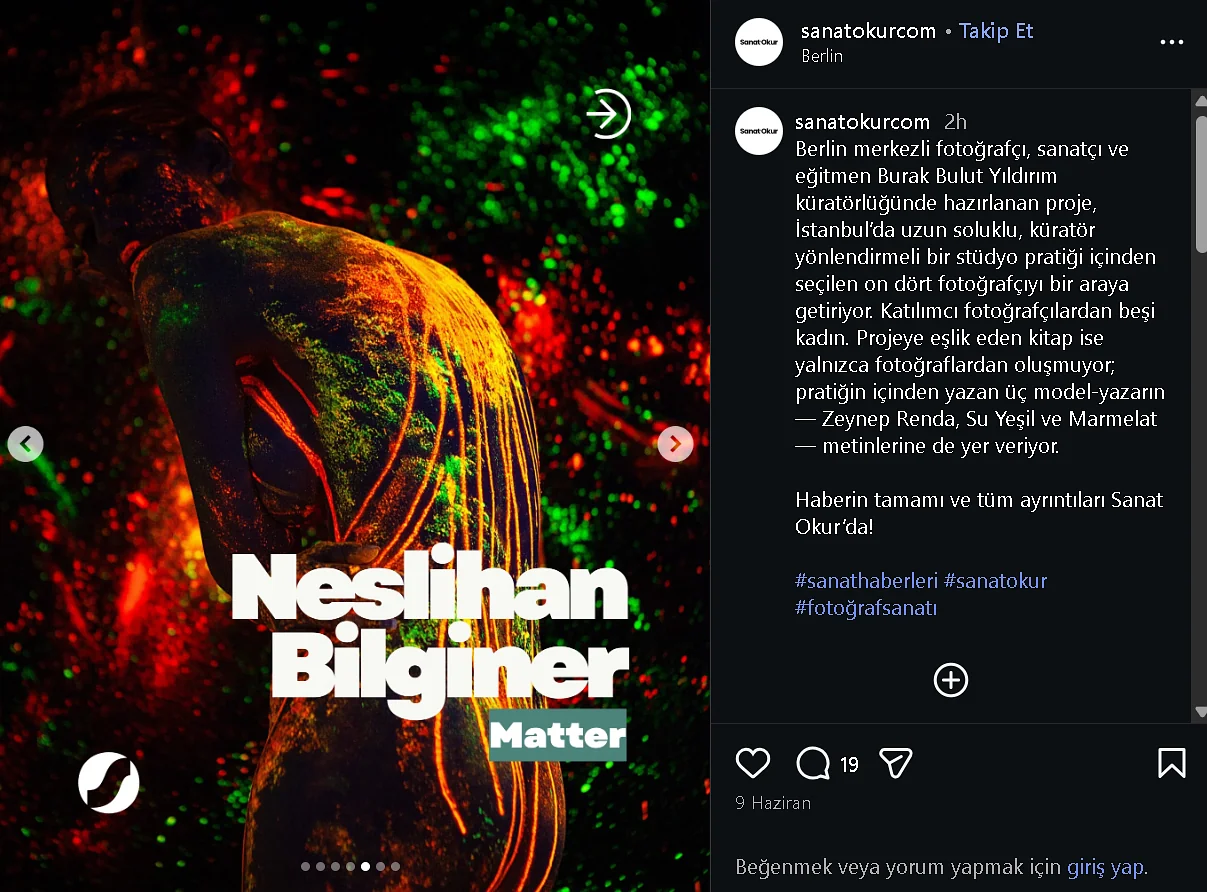
2. Materia
Pigmento, líquido, tejido, metal y luz que actúan sobre la piel
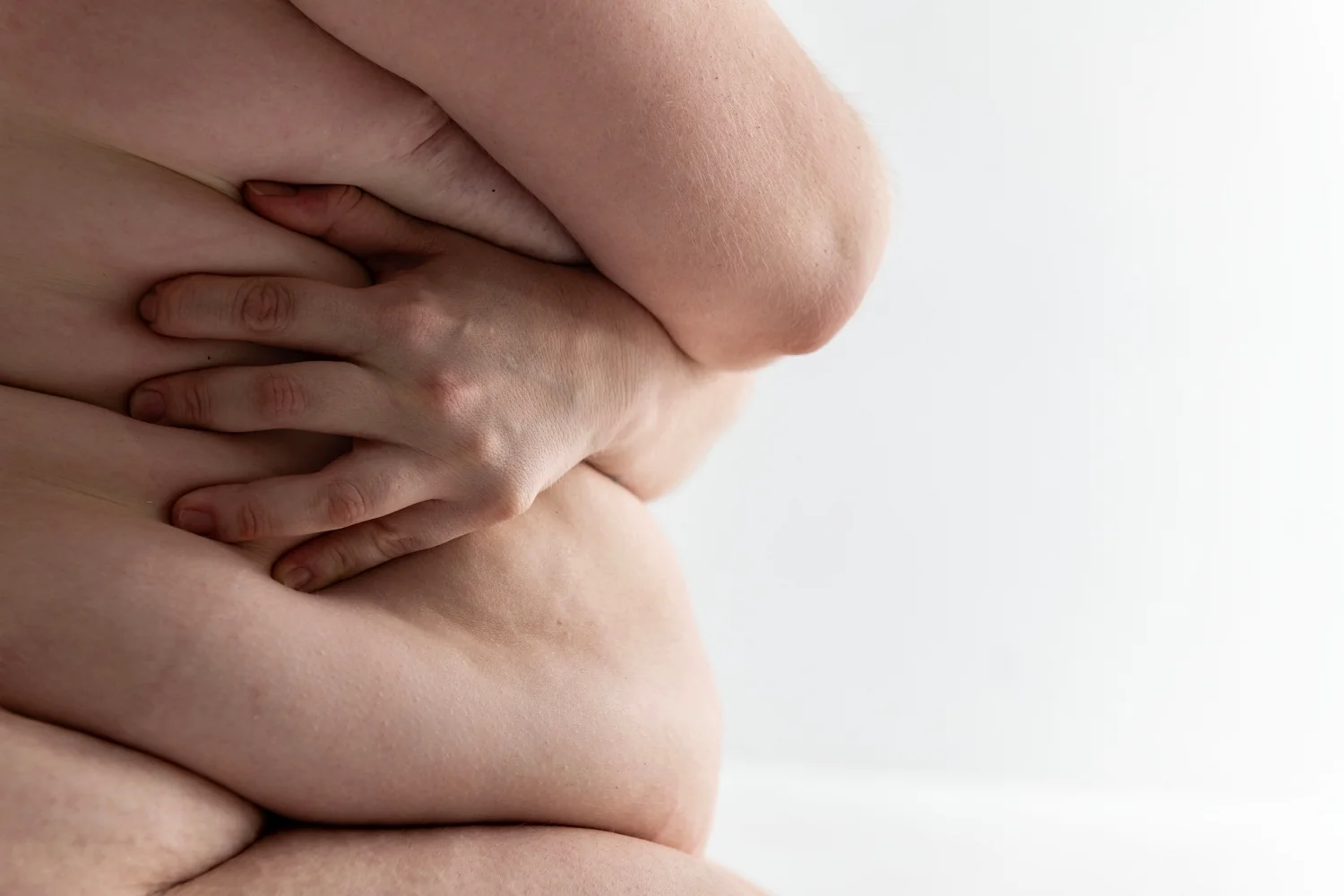
Una obra pertenece a Materia cuando la superficie del cuerpo se ve alterada por el contacto físico u óptico. El pigmento, el polvo, la pintura, la purpurina, el agua, el aceite, la tela, el metal, los materiales reflectantes, la luz proyectada o la luz de color pueden manchar, cubrir, marcar, reflejar o remodelar la piel. El cuerpo recibe y registra el contacto. Si un material modifica la superficie del cuerpo, la imagen pertenece a esta categoría; si, por el contrario, interrumpe principalmente el acceso del espectador al cuerpo al velarlo, oscurecerlo u ocultarlo, la imagen se desplaza hacia Opacidad. La materia entra en contacto con el cuerpo. La opacidad se interpone entre el cuerpo y el espectador.
3. Opacidad
La negativa a la plena visibilidad
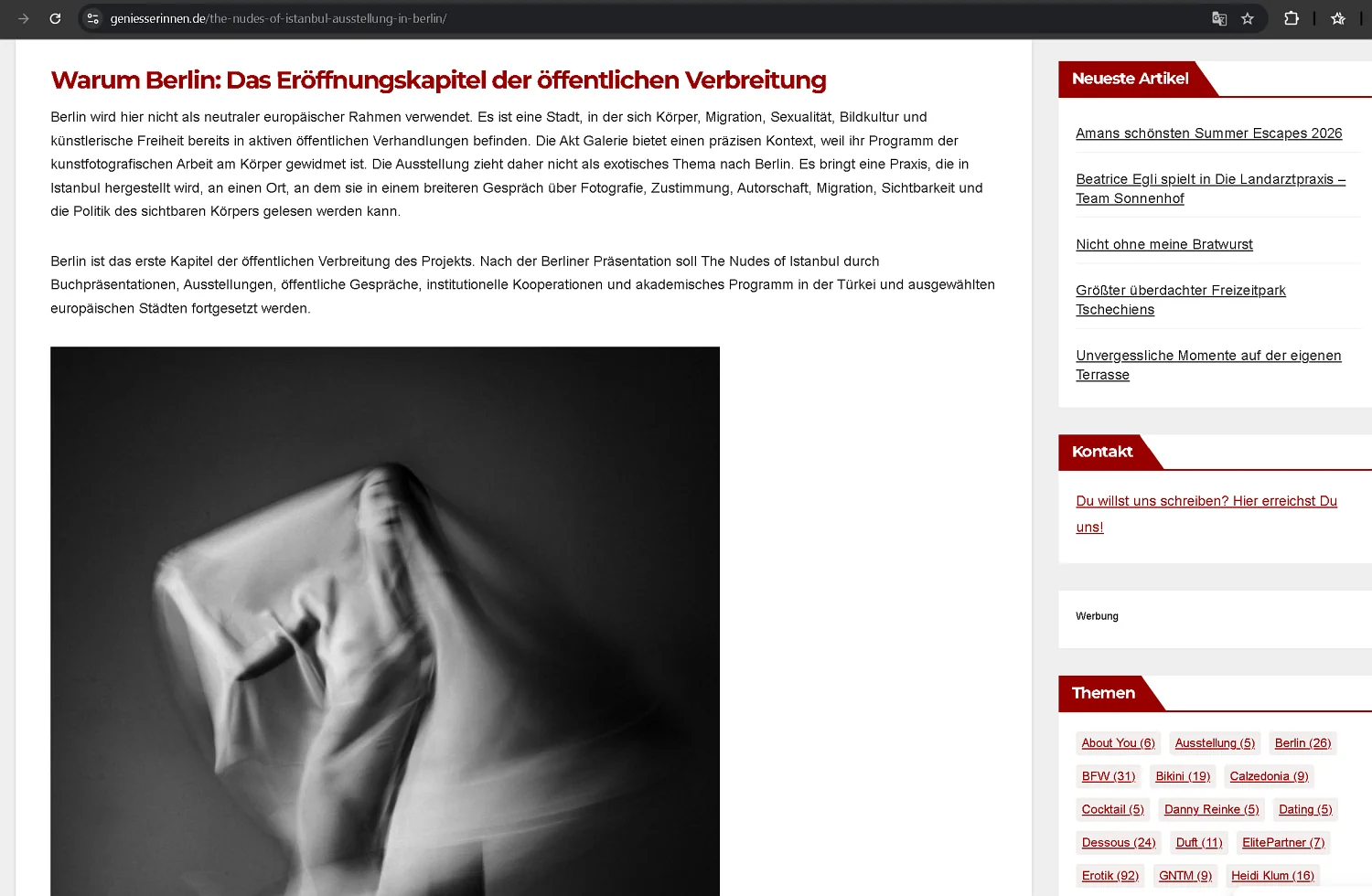
Una obra pertenece a Opacidad cuando se interrumpe el acceso del espectador al cuerpo. La tela, el agua, la neblina, la sombra, el reflejo, el cristal, las superficies translúcidas, los velos, las redes o la luz atmosférica pueden mantener la figura presente, pero no totalmente accesible. La imagen retrasa, filtra o desestabiliza la mirada, en lugar de ofrecer el cuerpo como información transparente. La oscuridad por sí sola no convierte una obra en opaca: si la oscuridad perfila el cuerpo como forma, la obra pertenece a Superficie, y si la mirada directa o la postura serena de la persona son más fuertes que el obstáculo, este se desplaza hacia Autoposesión.
4. Habitaciones
Interiores privados, presión pública
Una obra pertenece a Habitaciones cuando el espacio interior se convierte en un elemento determinante de la fotografía. Las camas, las sillas, los sofás, las cortinas, las alfombras, las paredes, las ventanas, las puertas, los rincones, los cuartos de baño y los interiores provisionales de los estudios pueden hacer algo más que servir de escenario: sitúan al cuerpo dentro de un campo social y psicológico de intimidad, permiso, exposición, domesticidad y presión. El mobiliario por sí solo no basta; la habitación debe cambiar la forma en que se interpreta el cuerpo. Si el cuerpo permanece aislado como forma, la obra pertenece a Superficie; si la interioridad o la mirada de la figura es la fuerza más poderosa, esta pertenece a Autoposesión.
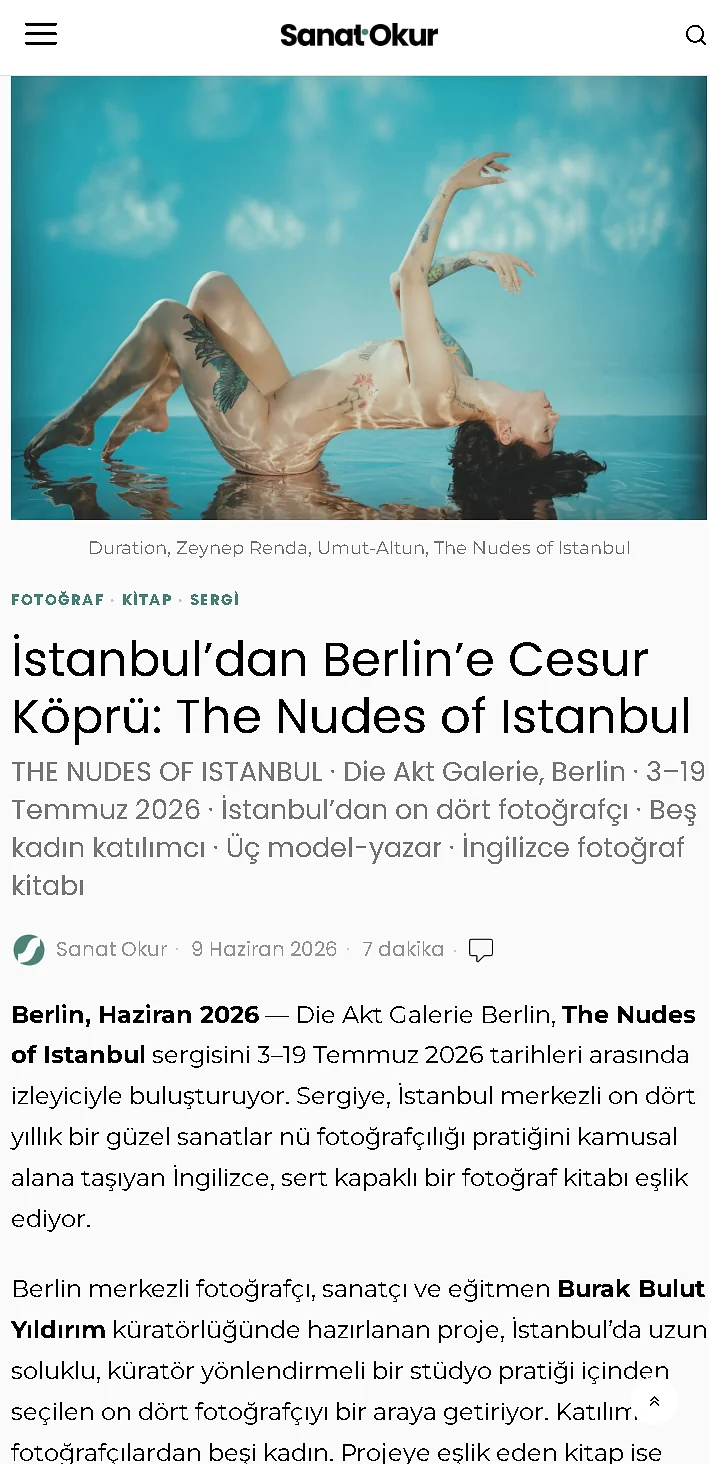
5. Duración
Movimiento, suspensión, gravedad y tiempo
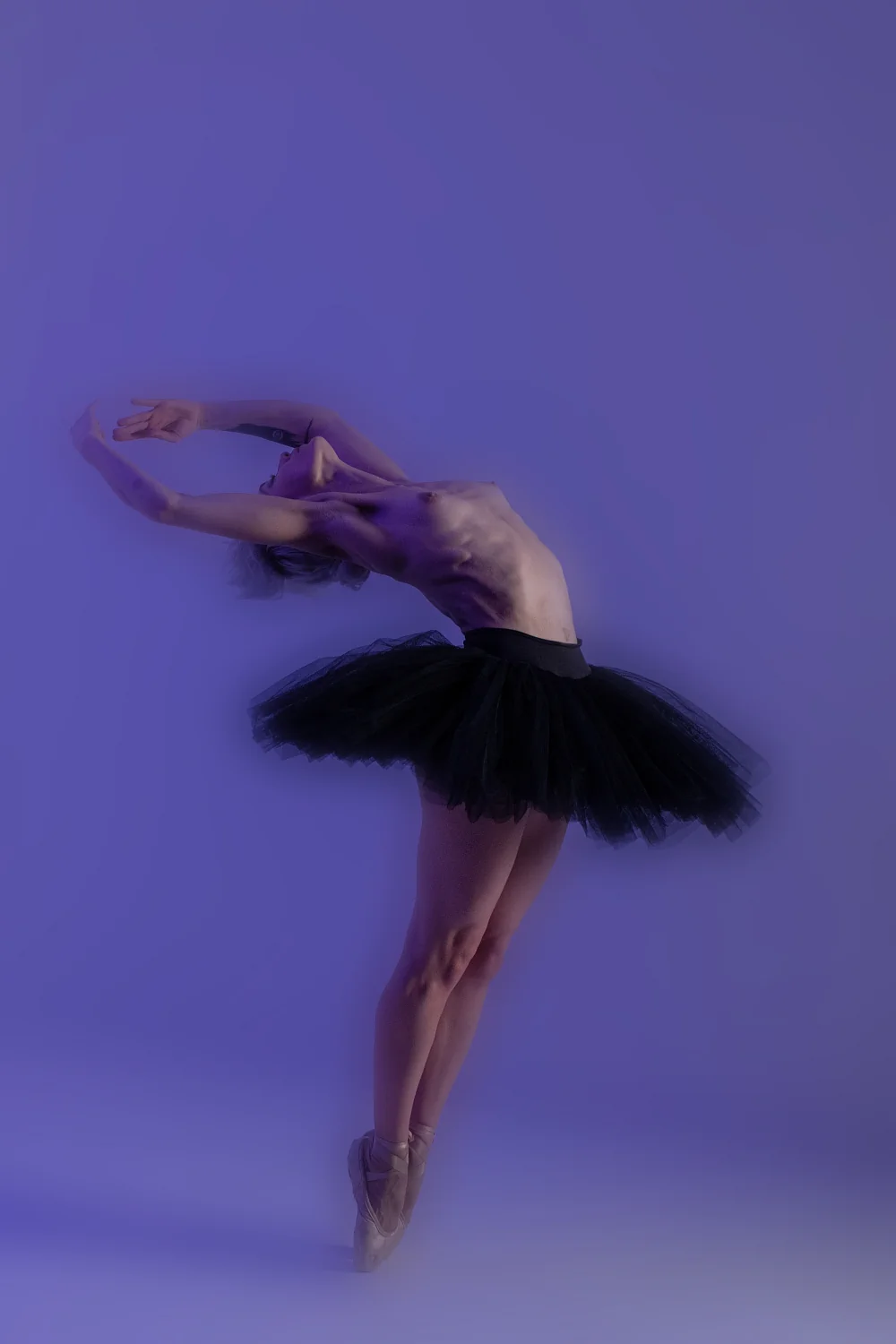
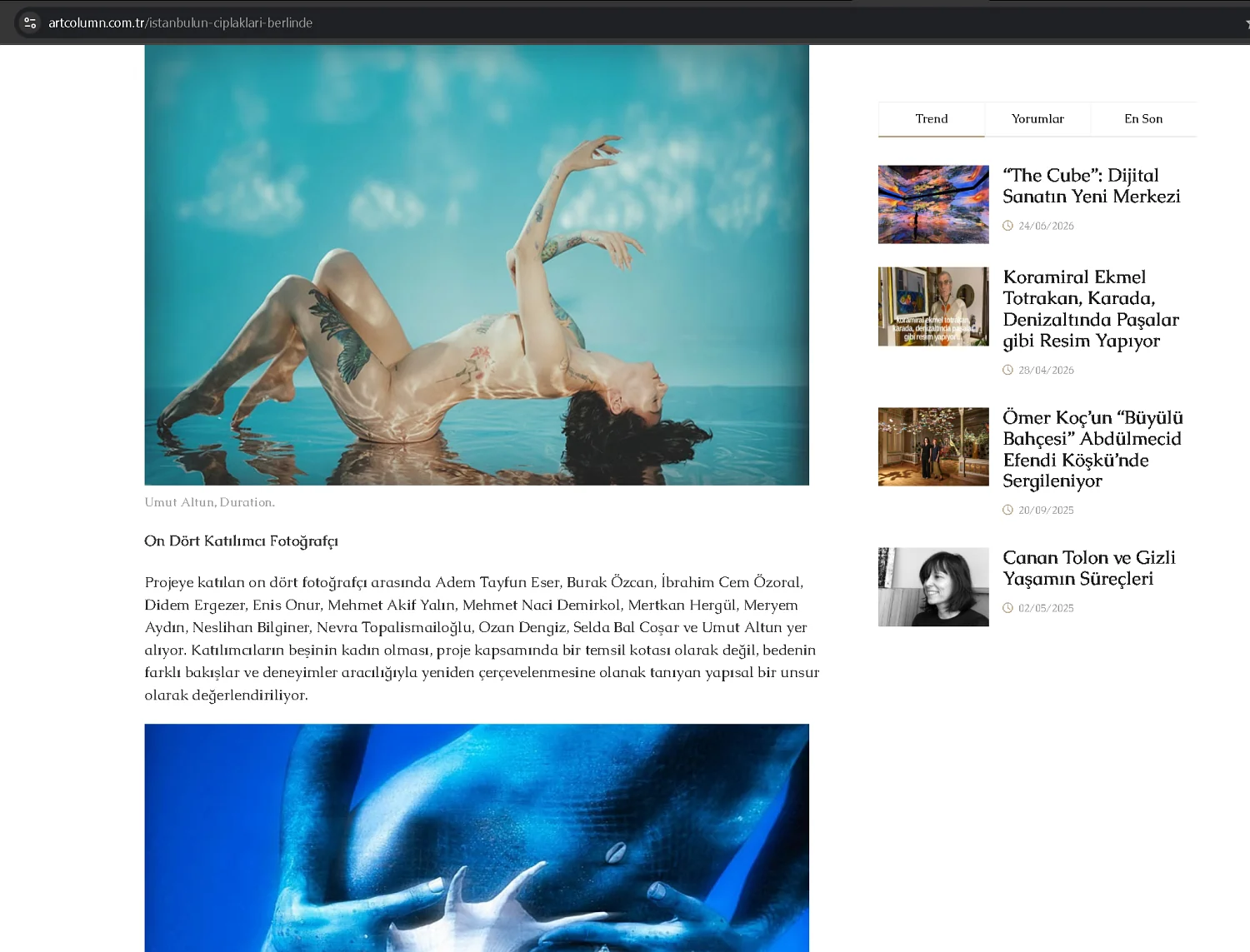
Una obra pertenece a Duración cuando el cuerpo se interpreta como un acontecimiento en el tiempo. El movimiento, la suspensión, el equilibrio, el desenfoque, la exposición prolongada, la danza, las acrobacias, la caída, el sostenimiento, el estiramiento o la resistencia a la gravedad sustituyen la pose fija por una sensación de duración física. La fotografía capta un cuerpo junto con el tiempo que tarda en mantenerse, moverse, caer, permanecer suspendido o resistir el colapso. No es necesario que haya desenfoque visible: una imagen fija encaja aquí cuando el cuerpo presenta una fuerte tensión física, como tensión muscular, equilibrio, suspensión o resistencia.
6. Autoposesión
El cuerpo que sostiene la persona de la imagen
Una obra pertenece a Autoposesión cuando la persona que aparece en la imagen se adueña de su cuerpo en lugar de entregarlo al espectador. Esto puede manifestarse a través de una mirada directa, un rechazo, la quietud, la introspección, una postura cerrada, un gesto de autoprotección o una insistencia silenciosa en la presencia. Esta categoría tiene que ver con la propiedad, no con la vulnerabilidad: el cuerpo pertenece a alguien. Un rostro visible es una señal clara, pero no un requisito imprescindible. Una espalda de espaldas, un cuerpo encogido o una postura retraída también pueden transmitir dominio de sí mismo cuando la figura sigue siendo reconocible como una persona que establece las condiciones de la visibilidad.
Genealogía turca
Existe una historia de la fotografía de desnudos en Turquía, pero ha sido intermitente, no acumulativa. El estudio académico de Işık Özdal de 2011, Türk Fotoğrafında Nü Sergilerin Analizi, traza un registro que comienza con Çerkes Karadağ's Nüans, que se expuso en Colonia en 1988 y en Estambul en 1989. A continuación tuvo lugar una serie limitada de exposiciones posteriores, con fotógrafos como Mehmet Koştumoğlu, Levent Öget, İbrahim Göğer, Orhan Alptürk, Saygun Dura, Cem Boyner y Niko Guido.
El estudio de Özdal identifica un ámbito marcado por la discontinuidad. Esta práctica se ha manifestado principalmente a través de exposiciones individuales, sin estructuras colectivas sostenidas. El material publicado sigue siendo escaso: la obra de Alberto Modiano… Türk Fotoğrafında Çıplak (2004) es uno de los pocos trabajos de envergadura, con extensión de libro, que abordan este tema. Los datos también revelan un marcado desequilibrio en cuanto a la autoría, ya que las fotógrafas brillan por su ausencia en la historia de las primeras exposiciones documentadas en el estudio.
El periodo posterior a 2011 no ha generado un historial institucional continuo y ampliamente visible de la fotografía de desnudo artístico en Turquía. Sin embargo, la política del cuerpo siguió siendo un elemento central de la cultura visual turca. Los escritos de Ahu Antmen sobre el cuerpo, la identidad, el género y la representación; el compromiso a largo plazo de İpek Duben con el cuerpo, la identidad, el género y la autorrepresentación; el marco histórico del desnudo en la pintura turca moderna; y la práctica constante de Nilbar Güreş en torno al género, los códigos sociales y la identidad encarnada definen, en conjunto, un campo cultural más amplio en el que la visibilidad del cuerpo sigue siendo objeto de controversia.
Estas prácticas no constituyen una línea de transmisión directa de Desnudos de Estambul, que es fotográfico, colectivo y está arraigado en un entorno de trabajo a largo plazo en Estambul. Estas obras ayudan a definir la cuestión más amplia a la que pertenece el proyecto: ¿cómo se hace visible el cuerpo en la cultura visual turca?, ¿a quién se le permite representarlo y a través de qué estructuras puede pasar a formar parte del registro público?
La publicación que acompaña a la exposición se presenta como un proyecto colectivo, en forma de libro, poco habitual y dedicado a la fotografía artística de desnudos de Turquía desde el volumen de Modiano de 2004. Presenta una práctica colectiva continuada a través de catorce fotógrafos, cinco de ellos mujeres, e incluye ensayos encargados a tres modelos-autoras. La obra se organiza en seis registros contemporáneos —Superficie, Materia, Opacidad, Espacios, Duración y Autocontrol— que conectan la práctica de Estambul con los marcos actuales de la fotografía artística.
Berlín → Barcelona: Circulación internacional
Berlín inauguró la difusión pública internacional del proyecto, y Barcelona la continúa. La publicación sigue su propio camino, independientemente de cualquiera de las dos sedes.
La primera exposición pública tuvo lugar en la galería Die Akt Galerie de Berlín, del 3 al 19 de julio de 2026, con 28 fotografías. La segunda exposición está confirmada en la Galería Uxval Gochez de Barcelona, del 20 de noviembre al 4 de diciembre de 2026, con una inauguración el viernes 20 de noviembre a las 19:30 y una presentación pública del libro el sábado 21 de noviembre a las 12:00. Durante LOOP Barcelona, los días 20 y 21 de noviembre, el documental Desnudos de Estambul: el cuerpo y la habitación, dirigida por Meryem Aydın, se proyecta en la galería en el marco del ciclo LOOP City Screen.
Londres es un escenario importante para la difusión institucional del libro: la Biblioteca Nacional de Arte del Museo Victoria and Albert ha incorporado un ejemplar de la publicación a su colección, y se está estudiando la posibilidad de organizar más presentaciones en dicho museo.
Desnudos de Estambul tiene como objetivo continuar a través de presentaciones de libros, exposiciones, coloquios públicos, colaboraciones institucionales y programación académica en Turquía y en determinadas ciudades europeas, incluidas futuras presentaciones en Estambul.
La publicación se difunde a través de la distribución de libros de arte, la distribución directa, la divulgación institucional, la adquisición por parte de bibliotecas y el depósito en archivos. Además de la Biblioteca Nacional de Arte del V&A, el libro forma parte de los fondos de la Biblioteca del Museo Moderno de Estambul, y se han entregado ejemplares de depósito a la Biblioteca Nacional Alemana (Deutsche Nationalbibliothek) en Alemania. Se pueden facilitar ejemplares de lectura o vistas previas digitales a comisarios, editores, críticos e investigadores académicos previa solicitud.
Las instituciones interesadas en acoger la exposición, organizar un coloquio público, desarrollar una programación académica en torno a la publicación, tratar la distribución del libro o adquirirlo para una biblioteca o un archivo pueden ponerse en contacto con nosotros.
Prensa, editoriales y consultas institucionales
Los materiales de prensa incluyen una selección de imágenes en alta resolución, declaraciones de los comisarios, biografías de los fotógrafos, comunicados de prensa con datos objetivos, material de avance de la publicación, información sobre la disponibilidad para entrevistas, detalles de la exposición e información sobre los créditos y los permisos de uso de las imágenes. Se pueden facilitar ejemplares de lectura previa solicitud. Las declaraciones de los comisarios están disponibles en inglés, alemán y turco; los materiales de prensa específicos para Barcelona están disponibles en Inglés, español y catalán.
Durante la exposición de Barcelona, se pueden organizar visitas previas para periodistas, solicitudes de entrevistas, visitas de académicos, conversaciones con editoriales, consultas sobre acogida institucional y reuniones con los comisarios. El comisario estará en Barcelona para la inauguración, el 20 de noviembre de 2026, y para la presentación pública del libro en la Galería Uxval Gochez el sábado 21 de noviembre de 2026 a las 12:00.
Son especialmente bienvenidos los comisarios, críticos de arte, editores, responsables de editoriales, equipos de adquisición de bibliotecas e investigadores académicos que trabajen en los ámbitos de la fotografía contemporánea, el arte del desnudo, la cultura visual turca, el género, la política de la imagen, las prácticas centradas en el cuerpo, las historias de las publicaciones o la autoría colectiva.
Referencias teóricas
El marco curatorial se basa en las siguientes referencias primarias.
- Antmen, Ahu. Kimlikli Bedenler: Sanat, Kimlik, Cinsiyet. Sel Yayıncılık, Estambul, 2014.
- Baudrillard, Jean. Simulacros y simulación. University of Michigan Press, 1994.
- Berger, John. Formas de ver. Penguin Books, 1972.
- Merleau-Ponty, Maurice. Fenomenología de la percepción. Routledge, 2012 (1945).
- Modiano, Alberto (ed.). Türk Fotoğrafında Çıplak. Bileşim Yayınevi, Estambul, 2004.
- Mulvey, Laura. "Placer visual y cine narrativo"." Pantalla 16:3, 1975.
- Özdal, Işık. "Türk Fotoğrafında Nü Sergilerin Analizi"." SDÜ ART-E, 2011.
- Sontag, Susan. Sobre fotografía. Farrar, Straus y Giroux, 1977.
La bibliografía completa, que incluye las fuentes primarias sobre la historia de las exposiciones en Turquía y las referencias a la «política del cuerpo» posteriores a 2011 mencionadas anteriormente, figura en la publicación.