
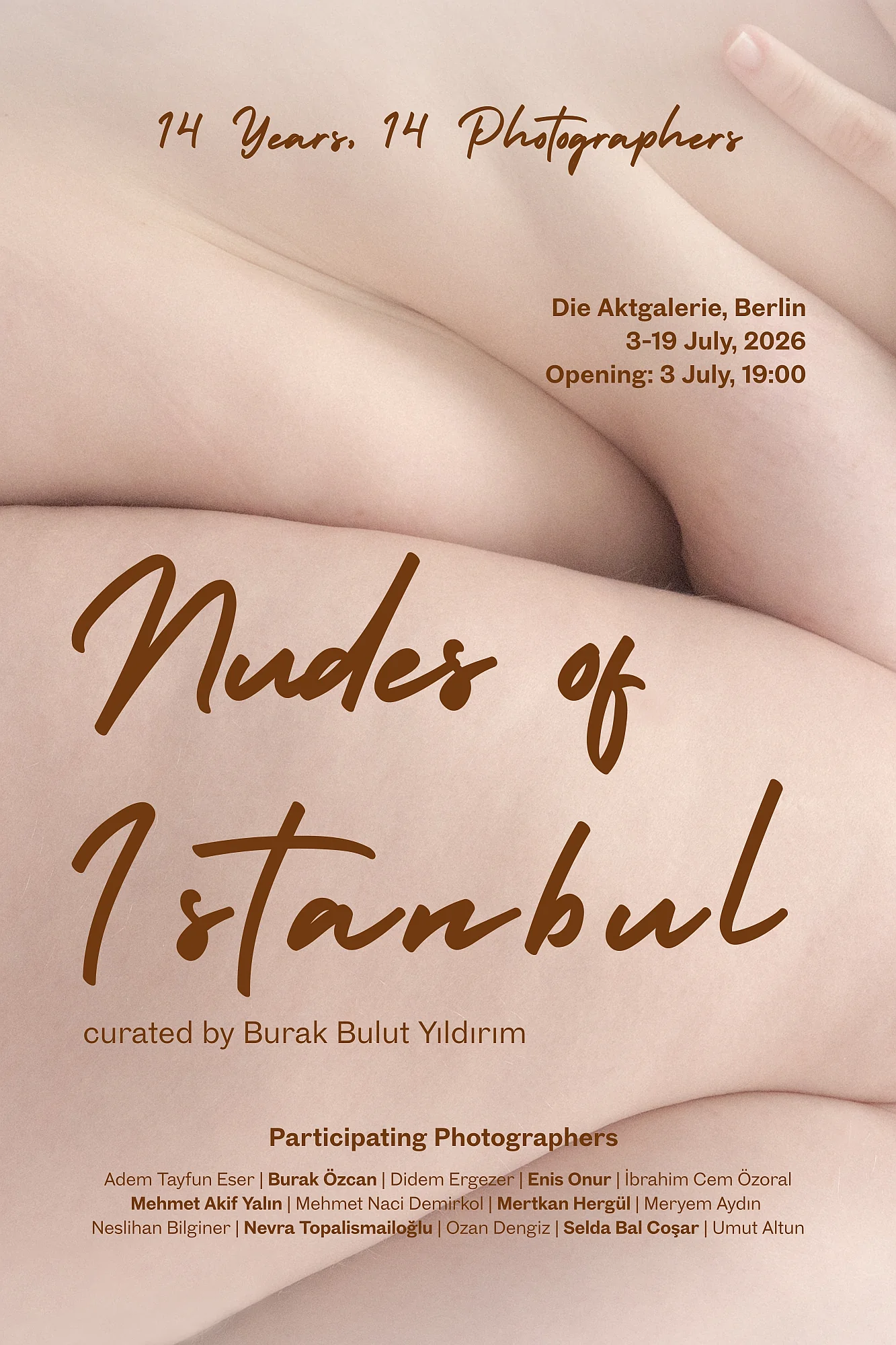
Kuratorisches Projekt – Internationale Ausstellungen und Publikation
Aktbilder von Istanbul
Eine seltene Publikation und Wanderausstellung mit kollektiven Kunstaktfotografien aus der Türkei
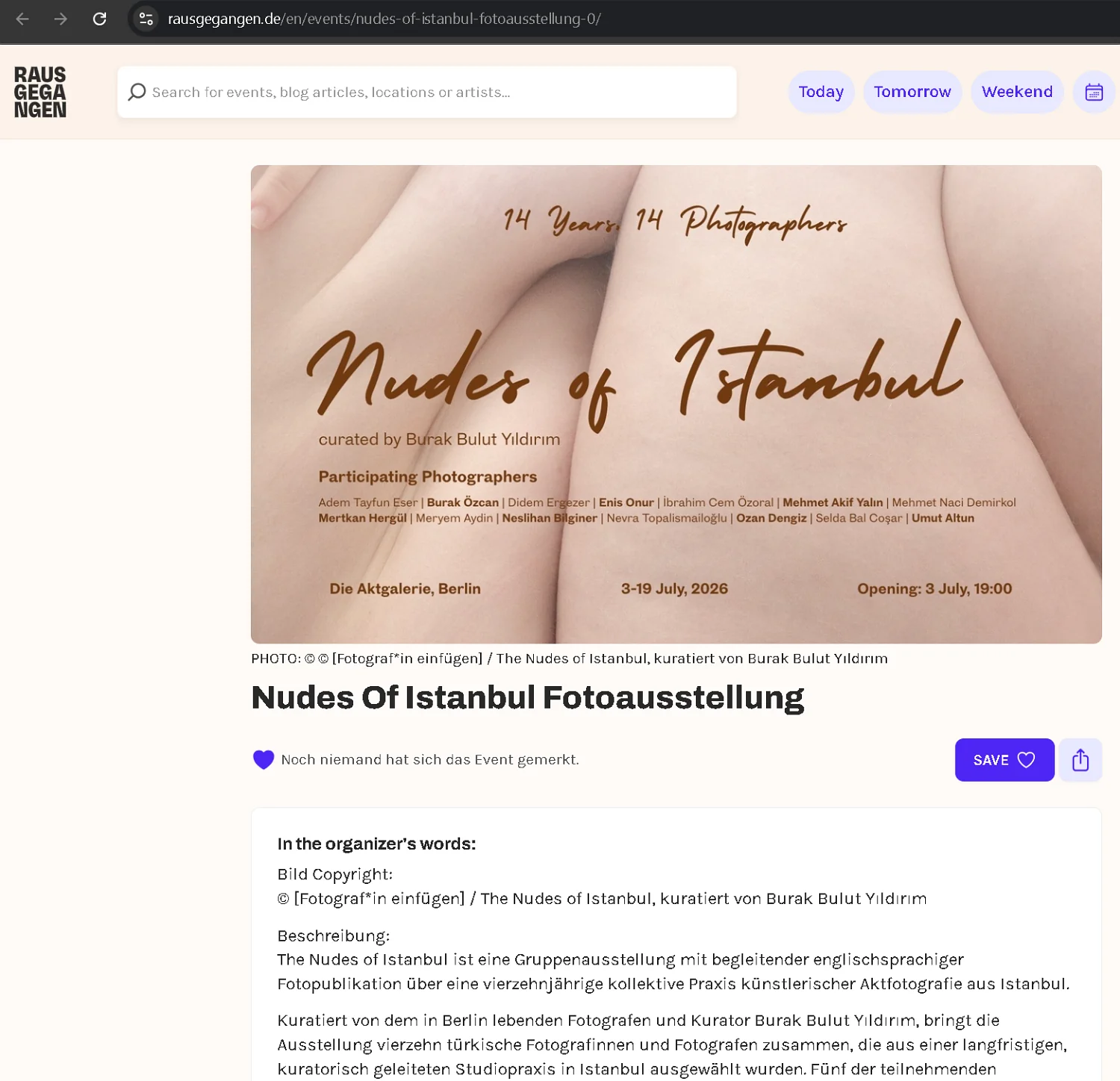
Vierzehn Fotografen. Drei Modell-Autoren. Vierzehn Jahre körperbezogene Fotoproduktion in Istanbul. Eine englischsprachige Hardcover-Publikation und ein internationales Ausstellungsprogramm, das in Berlin eröffnet wurde und nun in Barcelona fortgesetzt wird.
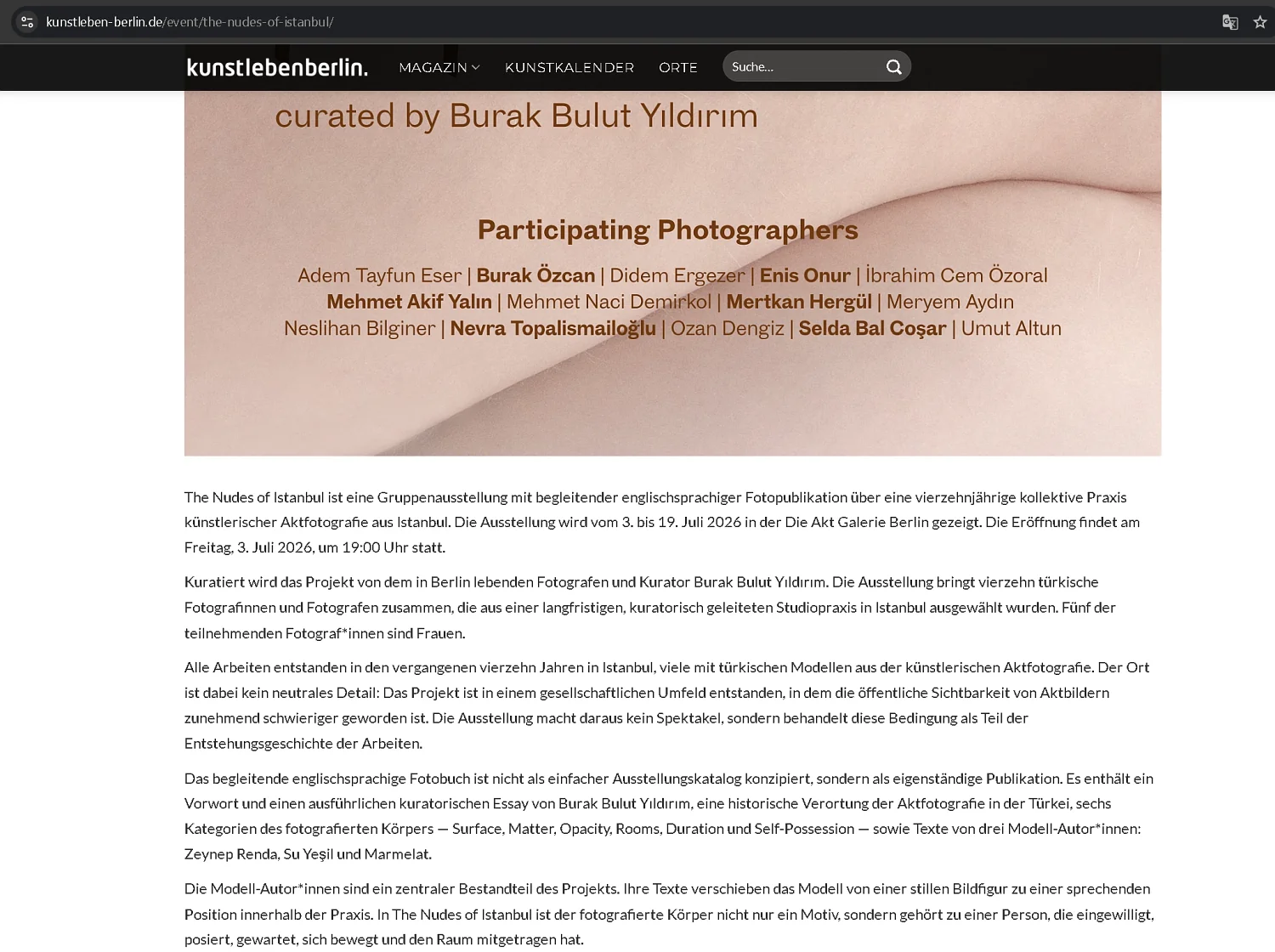
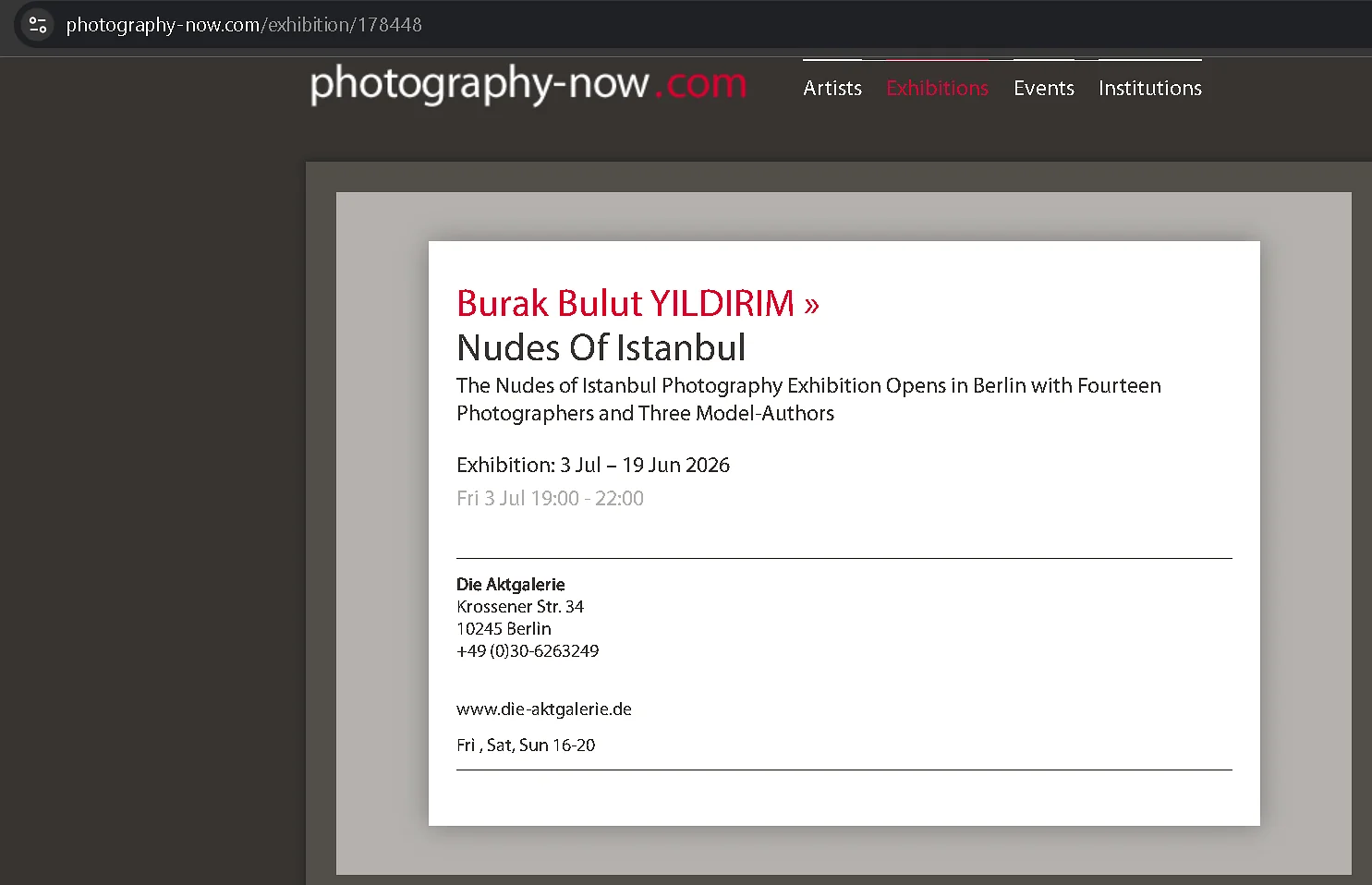
Aktbilder von Istanbul ist eine von Burak Bulut Yıldırım kuratierte Gemeinschaftsausstellung mit künstlerischer Aktfotografie und Fotobüchern, an der vierzehn Fotografen und drei Model-Autoren aus Istanbul beteiligt sind. Nach der Die Akt Galerie in Berlin (Juli 2026) wird die Ausstellung in der Uxval Gochez Gallery, Sicilia 382, Barcelona, vom zu . Die begleitende englischsprachige gebundene Ausgabe erscheint bei Mijuk Papers, Berlin, ISBN 978-3-00-087439-0.
Pressemappe herunterladen · Pressebilder anfordern · Veröffentlichung und institutionelle Anfragen
Aktbilder von Istanbul ist ein kollektives Aktfotografie-Projekt, das in vierzehn Jahren kuratorisch geleiteter fotografischer Praxis in Istanbul entstanden ist. Es bringt vierzehn Fotografen zusammen, deren Arbeiten unter gemeinsamen physischen Bedingungen entstanden sind: reale Körper, reales Licht, konstruierte Sets, materielle Interventionen, die Anwesenheit von Modellen und die Disziplin, den Körper in einem Raum zu fotografieren, der durch die Zustimmung der Teilnehmer bestimmt ist.
Das Projekt ist weder ein nationaler Überblick über die Aktfotografie in der Türkei noch eine persönliche Ausstellung des Kurators. Es konzentriert sich auf eine bestimmte Linie: eine langfristige kollektive Praxis, die von wiederholten fotografischen Produktionen in Istanbul geprägt ist, bei denen der kuratorische Rahmen, die Lichtumgebung, die Entscheidungen für den Abdruck und die materiellen Bedingungen von Burak Bulut Yıldırım entwickelt wurden, während das endgültige Bild dem Rahmen, der Entfernung, dem Timing, der Aufmerksamkeit und der Entscheidung jedes einzelnen Fotografen zu verdanken ist.
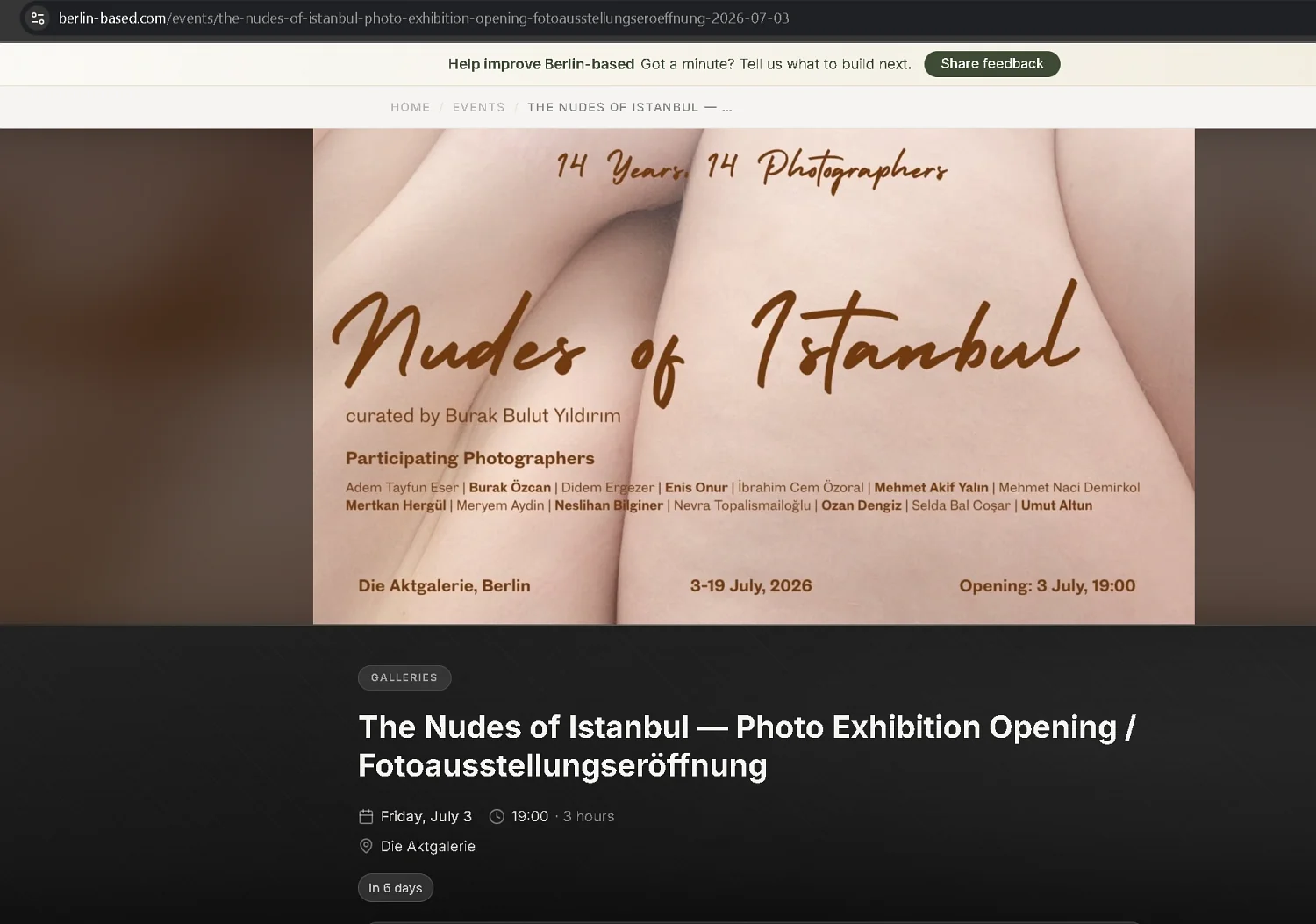
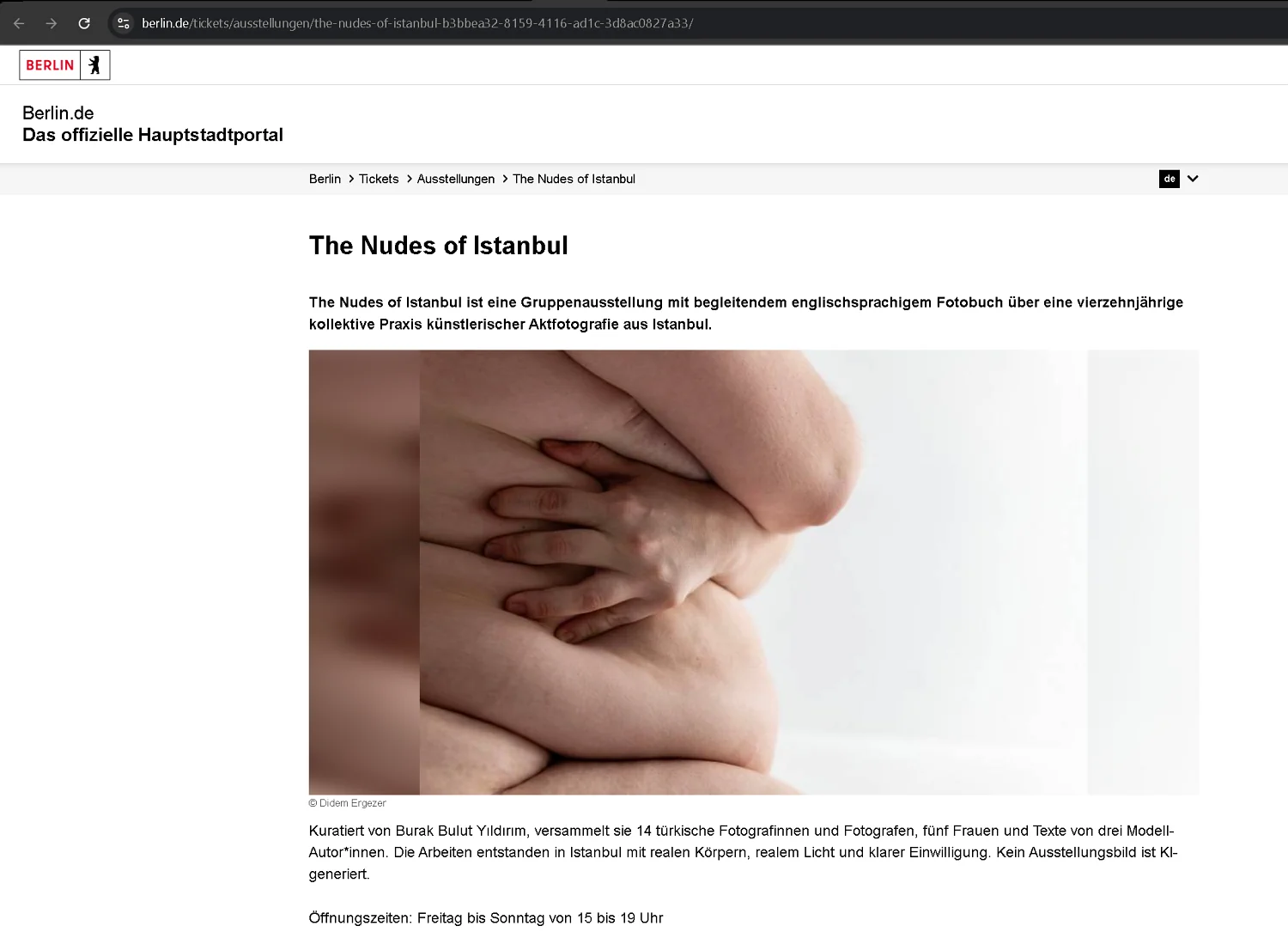
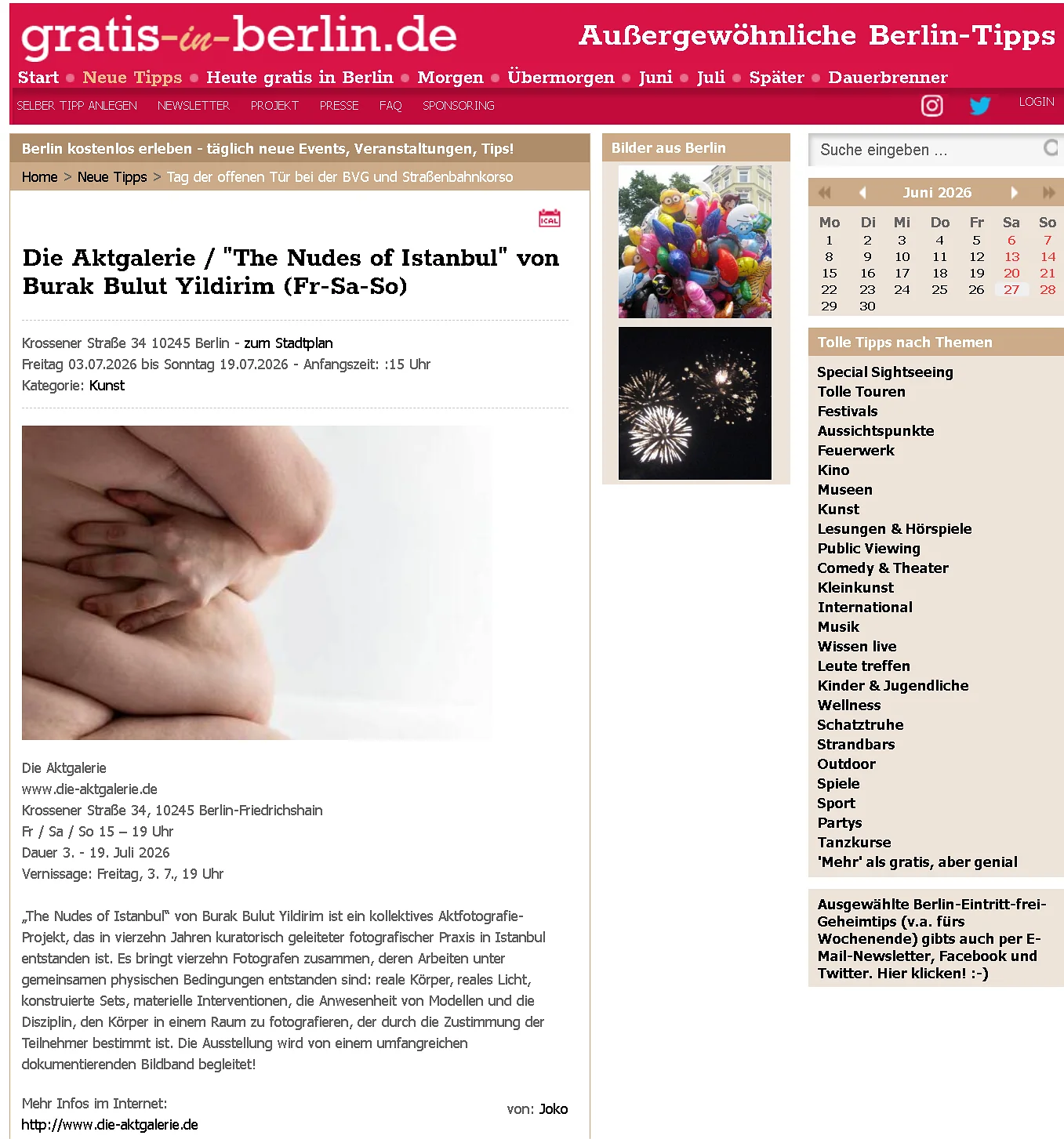
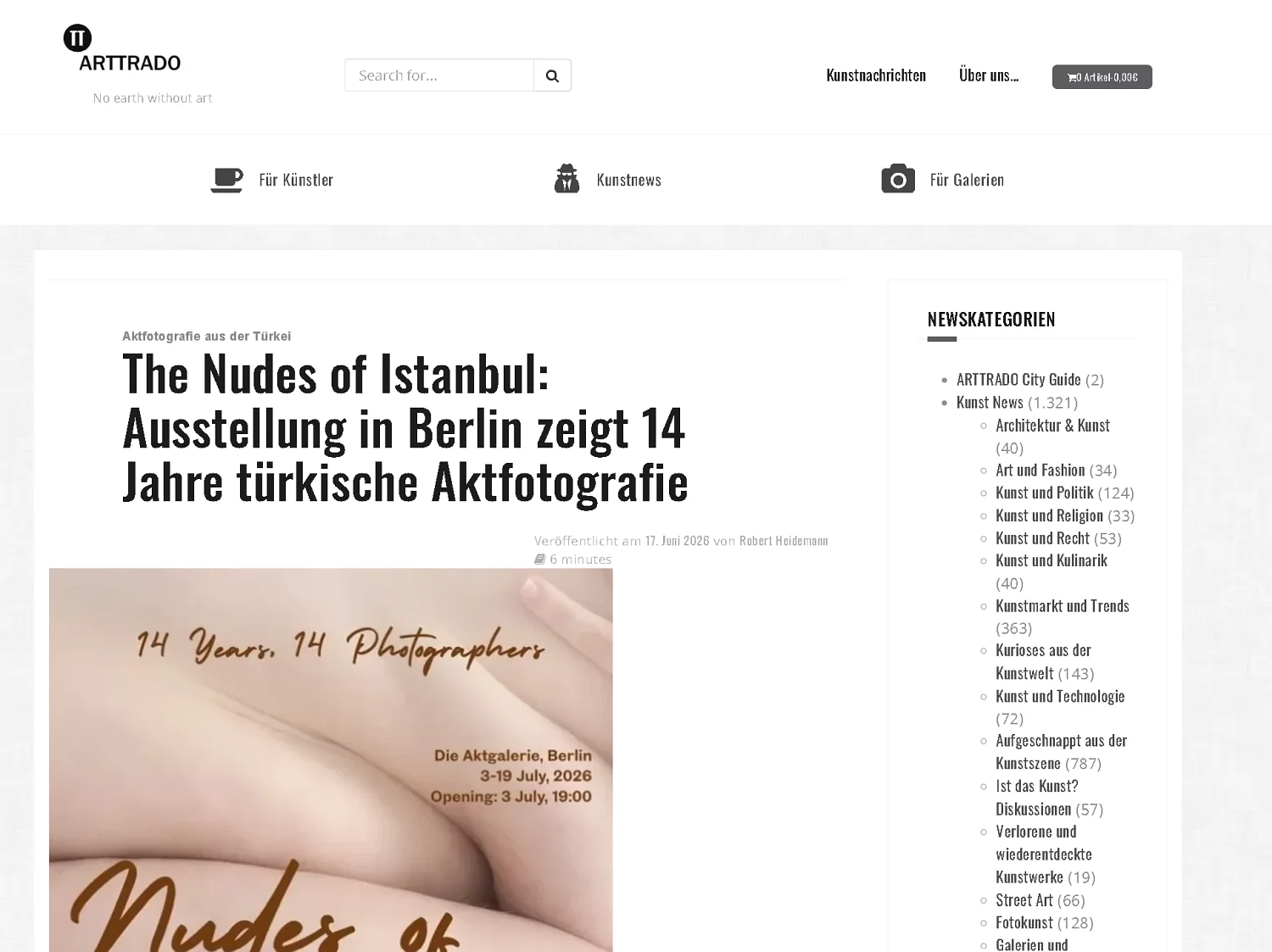
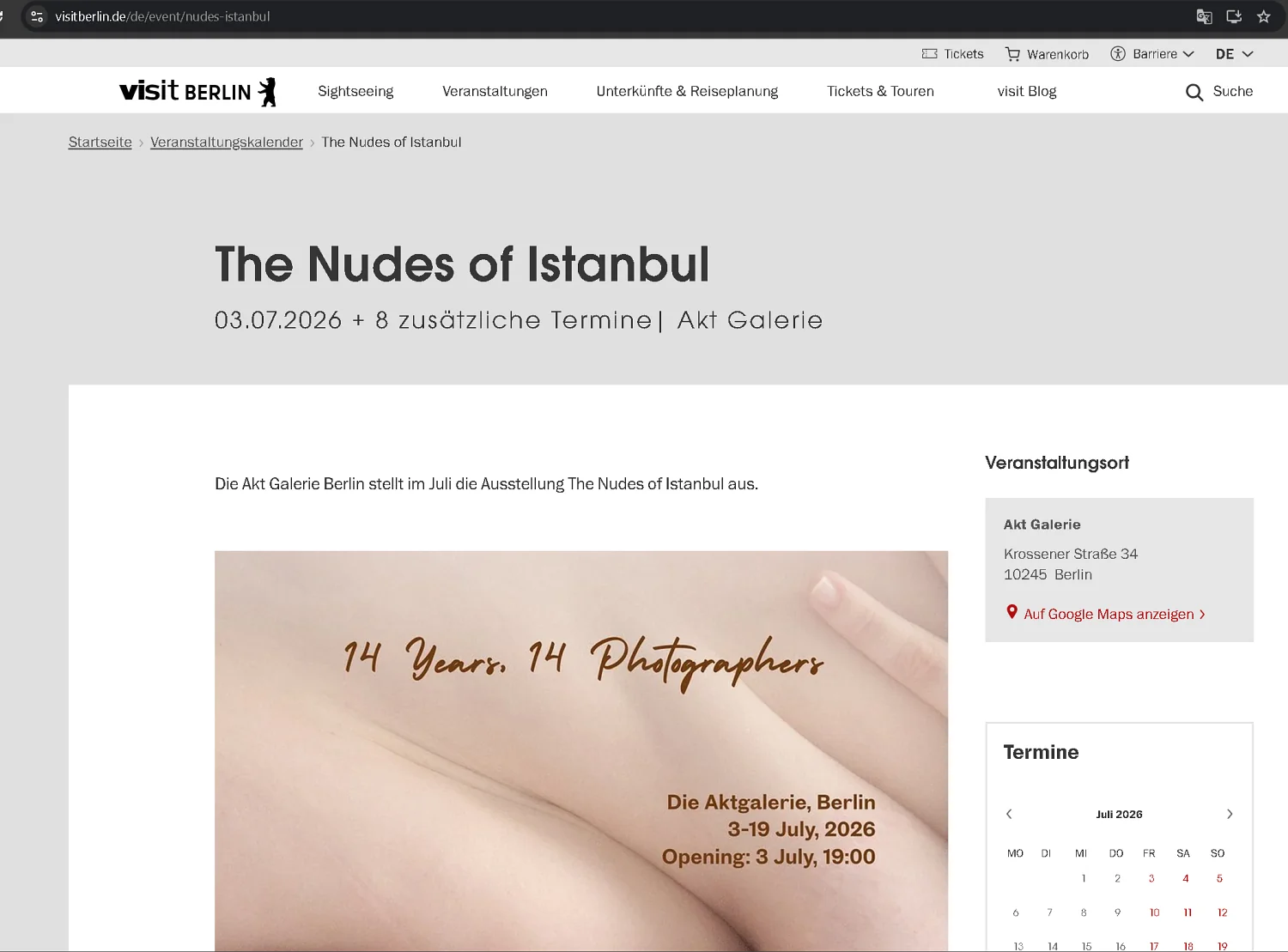
Die Berliner Ausstellung in der „Die Akt Galerie“, die vom 3. bis 19. Juli 2026 zu sehen war, bildete den Auftakt zur internationalen öffentlichen Präsentation des Projekts. Die zweite Ausstellungspräsentation findet vom 20. November bis zum 4. Dezember 2026 in der Uxval Gochez Gallery in Barcelona statt, mit einer Vernissage am 20. November um 19:30 Uhr und einer öffentlichen Präsentation des Fotobuchs am 21. November um 12:00 Uhr. Die Begleitpublikation ist als eigenständiges, buchförmiges Dokument konzipiert, das unabhängig von einem bestimmten Ausstellungsort ist und weiterhin in Kunstbuch-, institutionellen, bibliothekarischen, akademischen und kuratorischen Kontexten zirkuliert. London bleibt ein wichtiger Kontext für die Veröffentlichung und die institutionelle Verbreitung des Projekts, während weitere Ausstellungs- und Programmierungsmöglichkeiten geprüft werden.
Seit seiner Veröffentlichung hat das Buch Eingang in verschiedene institutionelle und bibliothekarische Bestände gefunden: Die National Art Library im Victoria and Albert Museum in London hat ein Exemplar in ihren Bestand aufgenommen; die Istanbul Modern Library verfügt über ein Exemplar in der Türkei; und Pfandexemplare wurden an die Deutsche Nationalbibliothek in Deutschland übergeben. Diese Aufbewahrungsorte erweitern die Reichweite des Projekts über die Dauer einer einzelnen Ausstellung hinaus und verankern das Buch als dauerhaften Bestandteil seiner internationalen öffentlichen Präsenz.
In einer Zeit, in der synthetische und KI-generierte Körperbilder immer mehr zur Normalität geworden sind, Aktbilder von Istanbul beharrt auf dem physischen Ereignis der Fotografie. Der Körper in diesen Bildern wird nicht generiert, simuliert oder zu Daten abstrahiert. Er ist anwesend. Er hat eingewilligt. Er hat den Raum eingenommen. Das Licht ist echtes Licht; die Oberfläche ist echte Haut, Stoff, Glas, Pigment, Wasser, Schatten und Atem.
"Vierzehn Jahre lang haben wir in Istanbul mit türkischen Modellen, türkischen Fotografen und mit ausdrücklicher Zustimmung gearbeitet. Ich wollte nicht, dass dieses Projekt die Modelle als stumme Subjekte behandelt. Ihre Stimmen mussten Teil des Buches sein. Mit vierzehn Fotografen aus Istanbul, fünf Teilnehmerinnen und Texten von drei Model-Autoren, Aktbilder von Istanbul bringt eine nachhaltige kollektive Praxis aus einem Bereich an die Öffentlichkeit, der in der Türkei nur wenig sichtbar geblieben ist"."
- Burak Bulut Yıldırım, Kurator
Die vierzehn teilnehmenden Fotografen
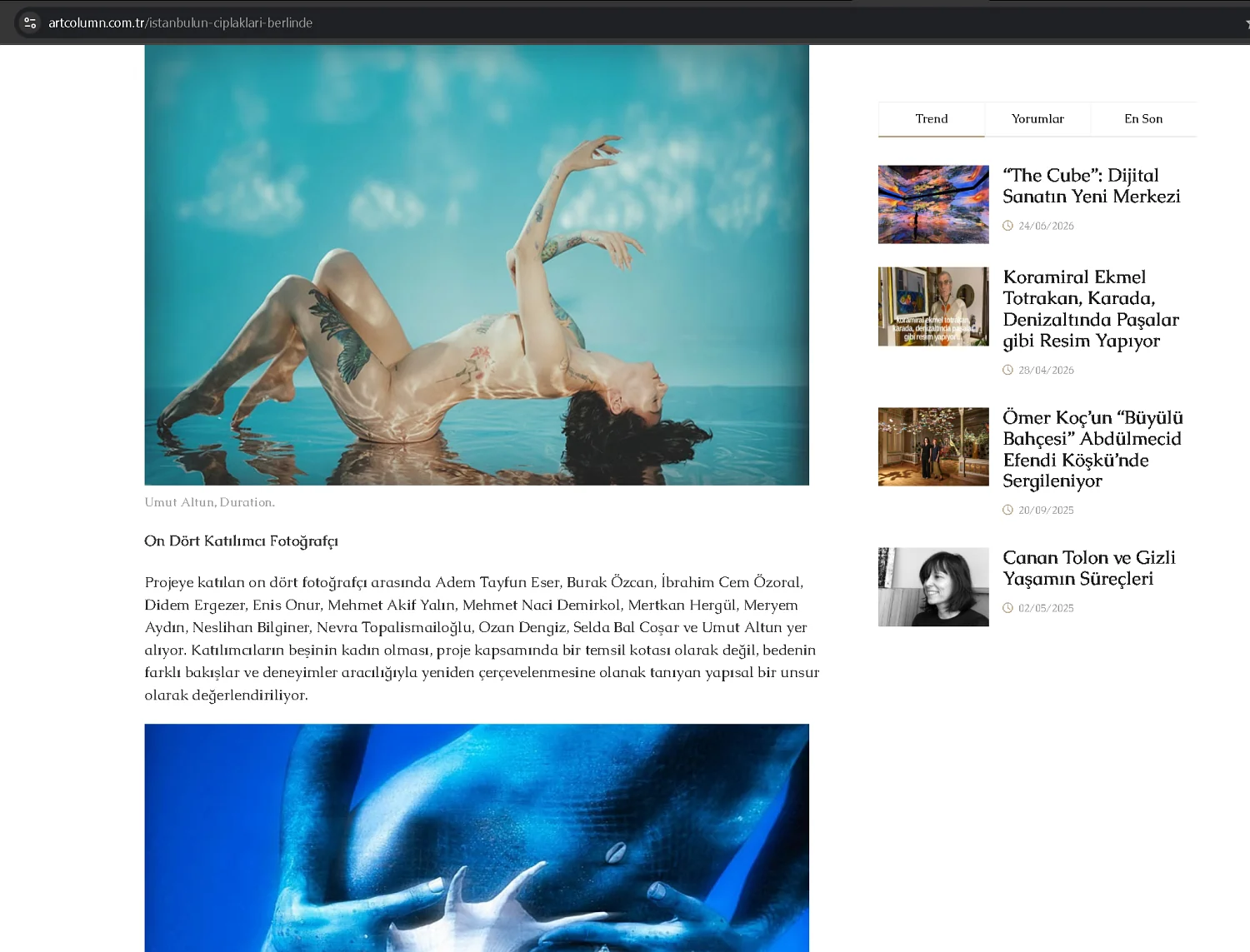
Vierzehn Fotografen werden vorgestellt in Aktbilder von Istanbul. Sie wurden aus einer kontinuierlichen kollektiven Praxis ausgewählt, die sich in vierzehn Jahren kuratorisch geleiteter Fotoproduktion in Istanbul herausgebildet hat.
Ausschlaggebend für die Auswahl waren die Kontinuität der Teilnahme, die technische und visuelle Kohärenz, die Eindeutigkeit der fotografischen Entscheidungen und die Fähigkeit der einzelnen Fotografen, zu einem kollektiven Werk beizutragen, ohne sich darin aufzulösen. Fünf der vierzehn teilnehmenden Fotografen sind Frauen. Diese Präsenz wird nicht als Quote oder korrigierende Geste dargestellt, sondern als Teil der Autorenschaftsstruktur des Projekts: Der Körper wird gesehen, gerahmt, zurückgehalten und durch verschiedene Positionen des Sehens, der Distanz, der Zurückhaltung und der Selbstbeherrschung in die Öffentlichkeit entlassen.
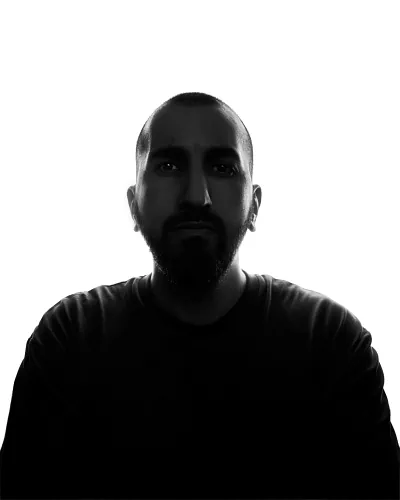
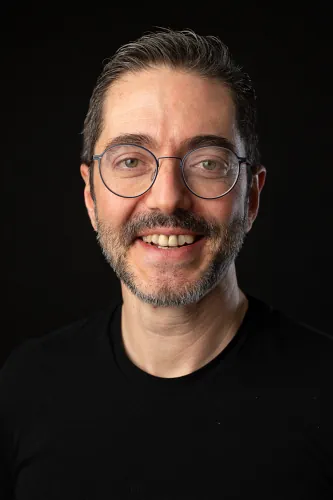
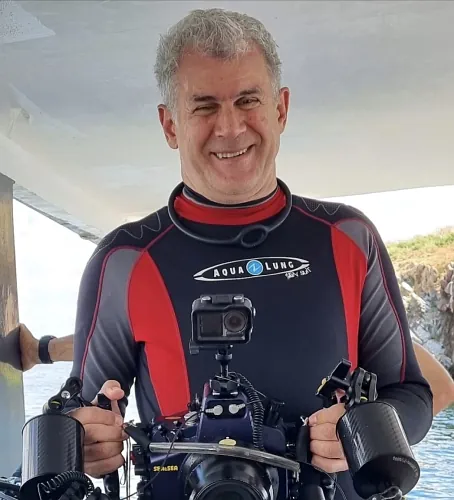
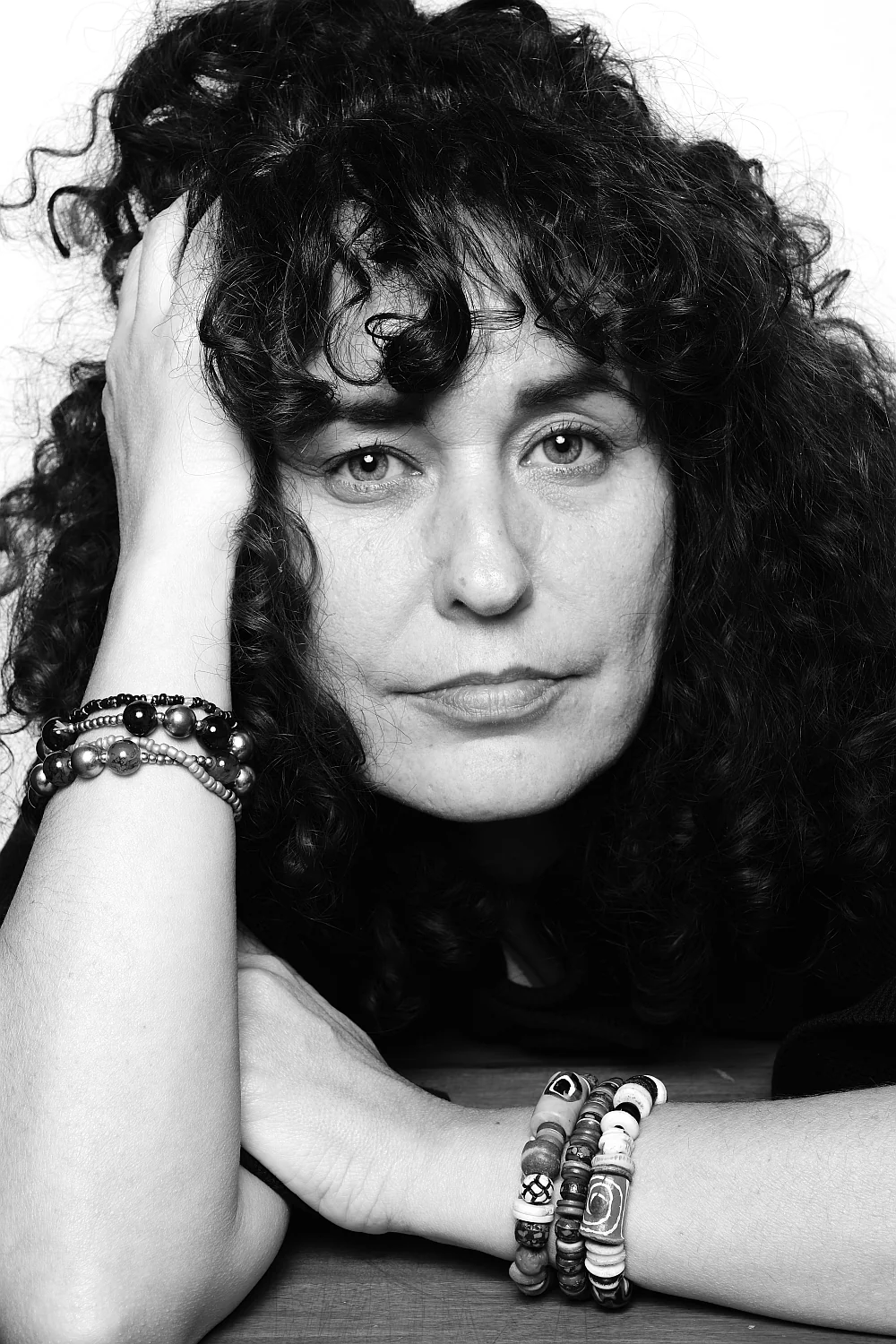
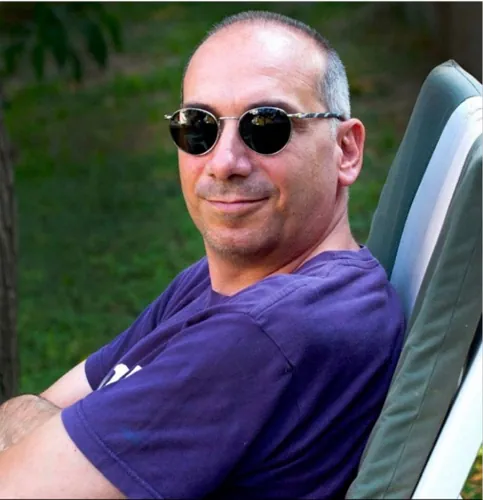
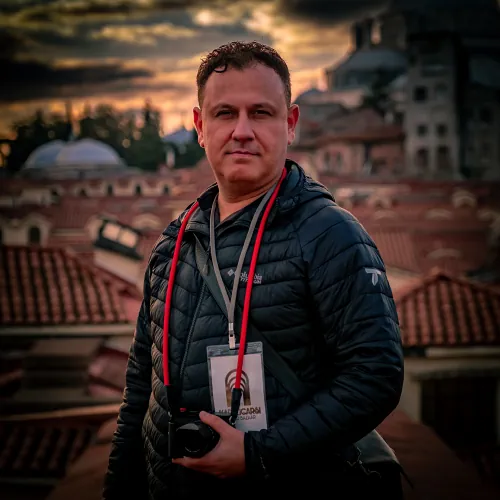
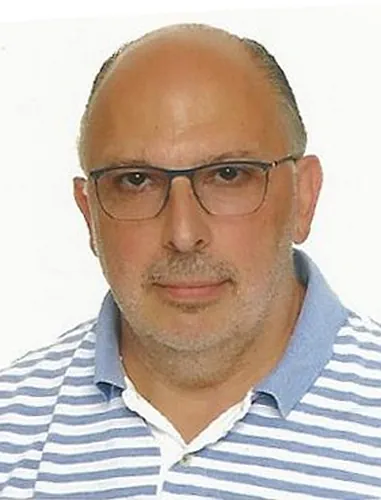
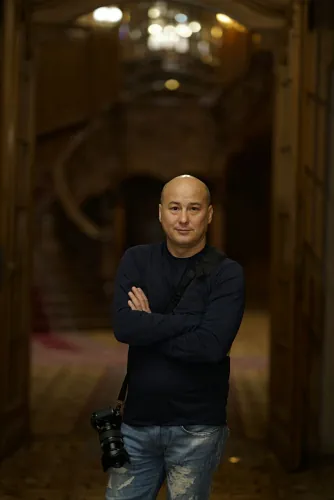
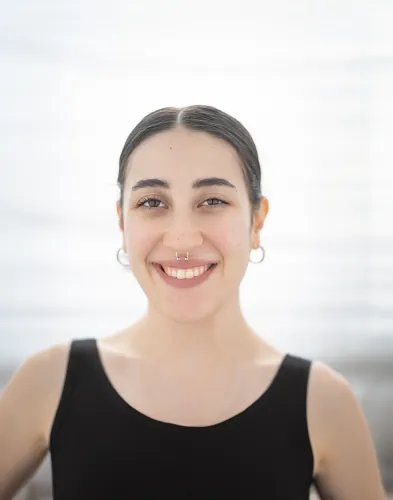
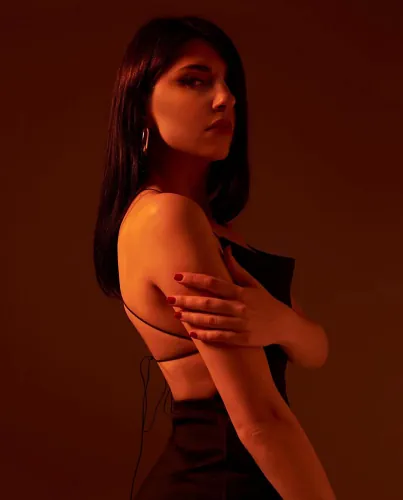
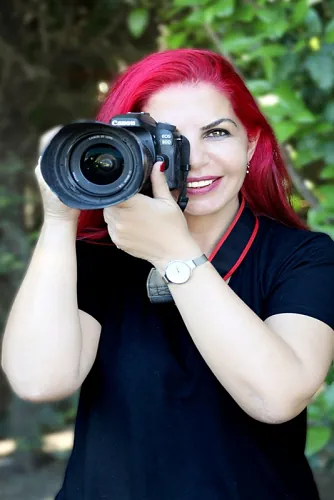
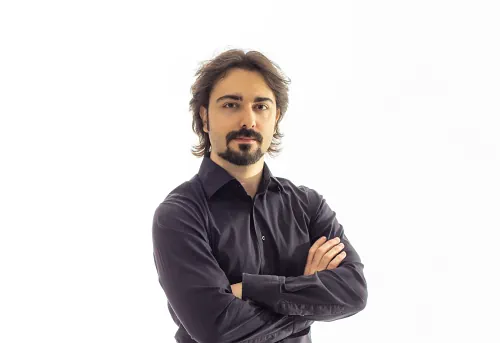
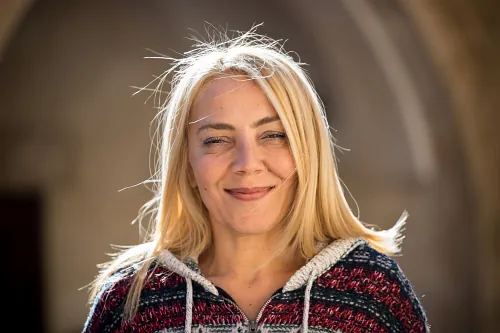
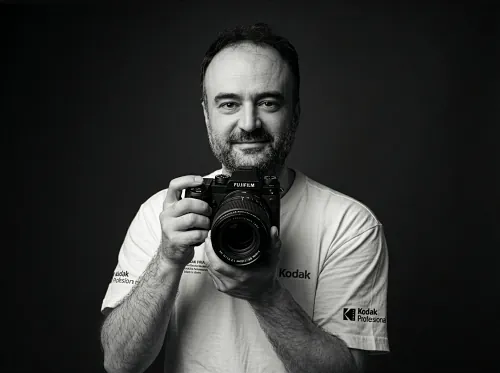
Drei Vorzeige-Autoren der Publikation
Drei Modelle, die für die Istanbuler Praxis von zentraler Bedeutung waren, tragen als Auftragsautoren zur Veröffentlichung bei. Ihre Essays sind neben den Fotografien ein struktureller Bestandteil des Buches - keine zusätzlichen Kommentare, sondern Stimmen, auf denen das Projekt aufbaut.
Die Entscheidung, sie als Autoren einzubeziehen, folgt aus der kuratorischen Position, dass Aktfotografie nicht nur ein Bild eines Körpers ist, sondern eine Beziehung zwischen der fotografierten Person, der fotografierenden Person und den Bedingungen des Vertrauens, der Sichtbarkeit und der Präsenz im Raum. Zeynep Renda und Su Yeşil schreiben unter ihrem eigenen Namen. Marmelat schreibt unter einem selbst gewählten Pseudonym, das ihrer bevorzugten öffentlichen Sichtbarkeit entspricht, und fügt eine selten dokumentierte Perspektive hinzu: das Aktmodellieren an der türkischen Kunsthochschule.
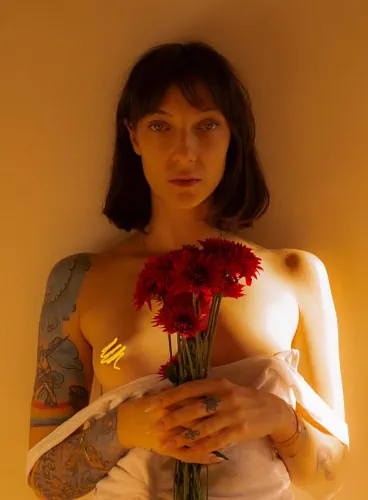
Grundsätzlicher Essay über eine jahrzehntelange Modellierpraxis: Vertrauen, Grenzen, Verträge, der Unterschied zwischen unsicheren und professionellen Bedingungen und der Wechsel vom Fotografiertwerden durch andere zum Selbstporträt.
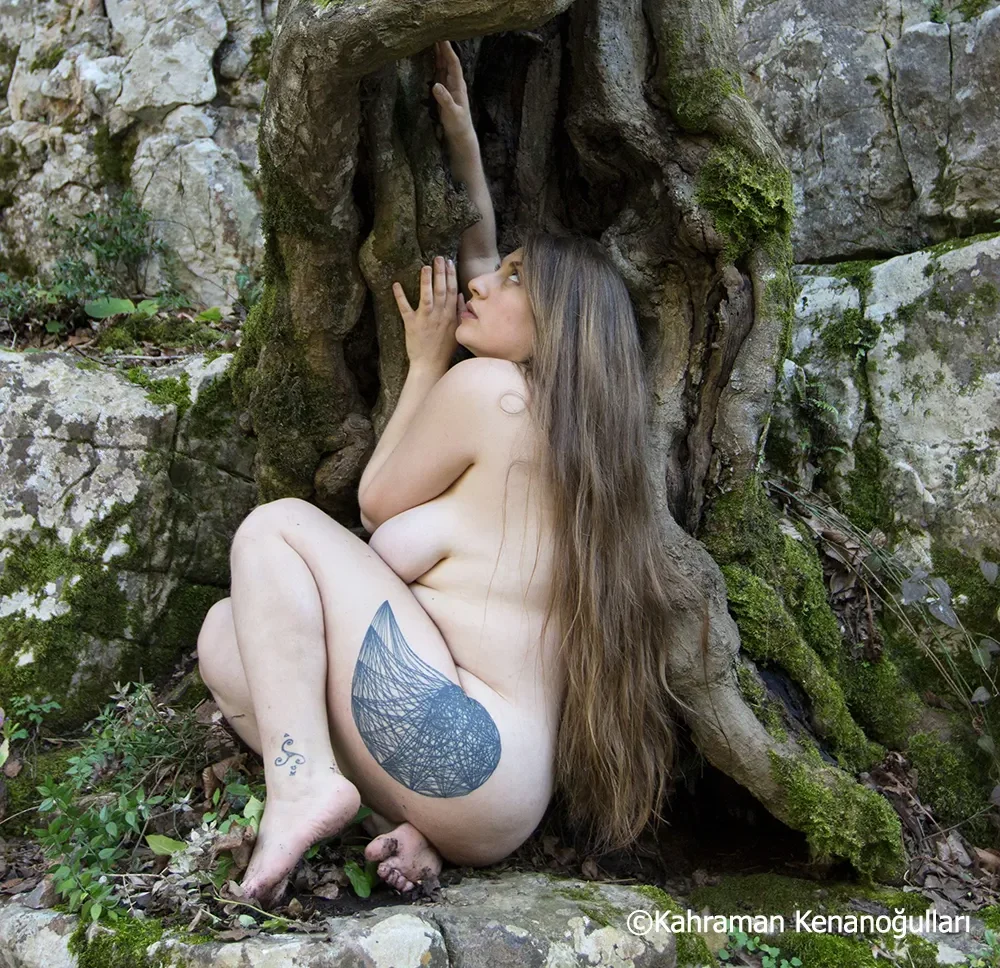
Essay über den Körper als gelebte Erfahrung: Reaktion der Familie, Scham, geschlechtsspezifische Normen, Körperdysphorie, Bewegung, Natur, Performance und die Weigerung, Nacktheit auf Sexualität zu reduzieren.
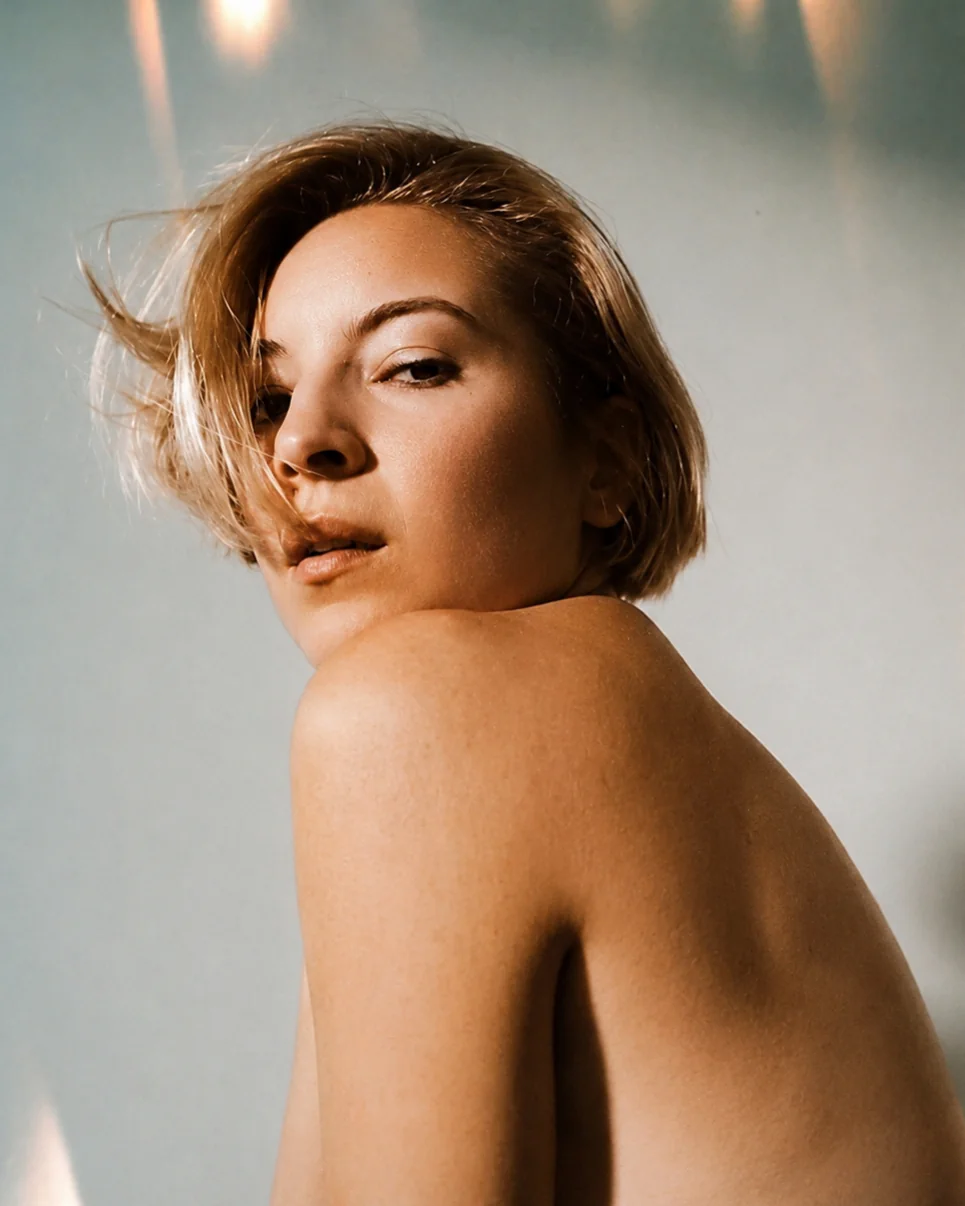
Ein Essay über akademisches Aktmodellieren in der Türkei, der sich auf drei Jahre Arbeit als Aktmodell an einer Kunstfakultät stützt und eine selten dokumentierte Form der Arbeit an der Schnittstelle von Kunstausbildung und nacktem Körper thematisiert.
Ausstellungsprogramm
Ausstellungen
Aktbilder von Istanbul Die Ausstellung wurde im Juli 2026 in der Die Akt Galerie in Berlin eröffnet und ist vom 20. November bis zum 4. Dezember 2026 in der Uxval Gochez Gallery in Barcelona zu sehen. Beide Ausstellungen zeigen denselben gemeinsamen Werkkomplex von vierzehn Fotografen, der anhand der sechs kuratorischen Kategorien des Projekts gegliedert ist.
Galerie Uxval Gochez, Barcelona
- Veranstaltungsort
- Uxval Gochez Galerie (Uxval Gochez Galerie)
Sicilia 382, 08025 Barcelona, Spanien - Dauer
- –
- Eröffnung
- Freitag,
- Buchvorstellung
- Samstag,
präsentiert von Burak Bulut Yıldırım und Uxval Gochez - Galerie-Stunden
- Montag – Freitag, 11:00 – 14:00 Uhr
- Andere Zeiten
- Nach Vereinbarung · +34 627 864 011
- Galerie Telefon
- +34 931 020 001
- Anreise
- In der Nähe der Sagrada Família · nächstgelegene U-Bahn-Station: Sagrada Família (L2 / L5)
- Galerie-Seite
- uxvalgochez.com — Aktfotos aus Istanbul
Die Akt Galerie, Berlin
- Veranstaltungsort
- Die Akt Galerie
Krossener Str. 34, 10245 Berlin, Deutschland - Dauer
- –
- Eröffnungsempfang
- Freitag,
- Galerie-Stunden
- Freitag - Sonntag, 15:00 - 19:00
- Anreise
- 15 Minuten Fußweg von S+U Warschauer Straße - kurzer Fußweg von U Samariterstraße (U5)
- Zulassung
- Kostenlos
- Status
- Erste öffentliche Präsentation des Projekts; Beginn der internationalen Verbreitung.
Die Ausstellung in Barcelona ist eine Fortsetzung der bestehenden Zusammenarbeit zwischen Burak Bulut Yıldırım und der Galerie Uxval Gochez. Die Galerie hatte zuvor Werke von Yıldırım in der Gruppenausstellung präsentiert Eros und Thanatos im Jahr 2023. Drei Jahre später kehrt er nicht als ausstellender Fotograf im Rahmen der Auswahl zurück, sondern als Kurator und Herausgeber eines Gemeinschaftsprojekts, an dem vierzehn Fotografen mitgewirkt haben.
Barcelona bettet das Projekt in eine Stadt mit einer starken unabhängigen Galeriekultur, einer langen Geschichte der Fotografie, einer langjährigen Verlagstradition und einem internationalen Kunstpublikum ein. Die Ausstellung bringt das in Istanbul entwickelte Projekt in einen zweiten europäischen Ausstellungskontext, während die begleitende Publikation weiterhin unabhängig über Bibliotheken, institutionelle Sammlungen, kuratorische Gespräche und Fotobuch-Netzwerke verbreitet wird.
Presseanfragen in Barcelona · Pressevorbesichtigung anfordern
Der kuratorische Grund
Burak Bulut Yıldırım ist der alleinige Kurator von Aktbilder von Istanbul und stellt seine eigenen fotografischen Arbeiten nicht innerhalb der Auswahl aus.
Das Projekt baut auf seiner zwanzigjährigen Erfahrung in den Bereichen Kunstakt, Porträtfotografie, körperbezogene Fotografie, fortgeschrittene Beleuchtungstechniken und inszenierte Studioaufnahmen auf. Seit der Eröffnung seines ersten Studios in Istanbul im Jahr 2005 ist Yıldırım in den Bereichen Werbefotografie, kunstnerische körperbezogene Projekte, Fotografieausbildung und kuratorisch geleitete Produktionsumgebungen tätig.
Seit fast zwanzig Jahren hat er Hunderte von Models in Hunderttausenden von Kunstaktfotos fotografiert; diese Arbeiten in mehreren europäischen Städten ausgestellt; und in Istanbul vierzehn Jahre lang seine Erfahrungen in Aktfotografie-Workshops in verschiedenen konzeptionellen Formaten an Hunderte von Fotografen weitergegeben.
Sein langjähriger Einsatz von kontrolliertem Licht, physikalischen Materialien, Modellführung, UV-reaktiven Pigmenten, reflektierenden Oberflächen, Langzeitbelichtung, optischer Verzerrung und im Studio geschaffenen visuellen Rahmenbedingungen bildet die konzeptionelle und technische Grundlage, auf der sich dieses Projekt entwickelt hat.
Aktbilder von Istanbul ist sein zweites kuratorisches Projekt nach LandAkt, die 2015 in der Galerie Artcore in Thessaloniki präsentiert wurde. In beiden Projekten wird der Körper nicht als dekoratives Motiv betrachtet, sondern als ein Ort, an dem Licht, Raum, Material, Autorenschaft und kulturelle Sichtbarkeit aufeinandertreffen.
Seine Rolle in Aktbilder von Istanbul soll die Autorenschaft der teilnehmenden Fotografen nicht ersetzen. Es geht darum, das kuratorische Feld zu definieren, in dem ihre Autorenschaft lesbar wird: die Prämisse, das Umfeld, die ethischen Bedingungen, die Auswahl, die Taxonomie und der Publikationsrahmen.
Veröffentlichung
Aktbilder von Istanbul ist ein englischsprachiger Fotoband in gebundener Ausgabe, der 2026 bei Mijuk Papers, Berlin, erschienen ist und 133 Fotografien von vierzehn Fotografen sowie einen kuratorischen Essay von Burak Bulut Yıldırım und Auftragsbeiträge von drei Model-Autoren enthält. ISBN 978-3-00-087439-0.
Bei der Publikation handelt es sich nicht um einen Ausstellungskatalog. Sie ist als autonome Aufzeichnung einer seltenen kollektiven Aktfotografiepraxis aus der Türkei in Buchlänge konzipiert.
Das Buch enthält 133 Fotos und ist so konzipiert, dass es unabhängig vom Ausstellungsprogramm funktioniert, wobei jeder der vierzehn teilnehmenden Fotografen durch eine eigene Auswahl vertreten ist. Es wurde herausgegeben von Mijuk Papers, Berlin, im Jahr 2026. ISBN 978-3-00-087439-0.
Die Publikation enthält ein Vorwort und einen ausführlichen kuratorischen Essay von Burak Bulut Yıldırım, ein historischer Abriss der Aktfotografie in der Türkei, der sich auf Alberto Modianos Sammelband Türk Fotoğrafında Çıplak (2004) und die wissenschaftliche Studie von Işık Özdal von 2011 Türk Fotoğrafında Nü Sergilerin Analizi, die sechs Register umfassende Taxonomie, nach der das Werk gegliedert ist, sowie drei in Auftrag gegebene Aufsätze von Zeynep Renda, Su Yeşilund Marmelat.
Die Struktur positioniert das Projekt als eine anhaltende kollektive Praxis, die durch gemeinsame Bedingungen und eine eindeutige fotografische Autorenschaft geprägt ist. Außerdem werden die Modelle nicht als stumme Subjekte, sondern als Zeugen, Mitarbeiter und Autoren der intellektuellen und ethischen Struktur des Buches anerkannt.
Das Buch wird auf eigenständigem Wege über den Kunstbuchvertrieb, den Direktvertrieb, institutionelle Kontakte, akademische Referenzbibliotheken, den Bibliothekserwerb und kuratorische Recherchen verbreitet.
Institutionelle Verbreitung
Seit seiner Veröffentlichung wurde das Buch in drei Ländern in institutionelle Bestände und Bibliotheksbestände aufgenommen. Die drei Anschaffungen unterscheiden sich in ihrer Art und werden hier so beschrieben, wie sie stattfanden.
Ein Exemplar wurde in den Bestand der Bibliothek aufgenommen.
Die Publikation befindet sich in der Museumsbibliothek.
Die Pflichtexemplare wurden an die Deutsche Nationalbibliothek geliefert.
Diese Platzierungen sind Teil der langfristig angestrebten Funktion der Publikation: ein Gesamtwerk fotografischer Arbeiten aus dem begrenzten Umlauf in dauerhafte öffentliche, institutionelle, wissenschaftliche und archivarische Kontexte zu überführen.
Für Anfragen zu Bibliotheksbeschaffungen, institutionellen Käufen, Rezensionen von Publikationen, Zugang zu Forschungsmaterialien, Vertrieb oder kuratorischen Belangen: [email protected].
Herkunft der Fotografien
Jedes Foto in Aktbilder von Istanbul wurde vor der Kamera aufgenommen, wobei ein Modell physisch im Raum anwesend war, unter Bedingungen einer dokumentierten Einwilligung. Keines der Werke in der Ausstellung oder in der Publikation wurde durch generative künstliche Intelligenz erzeugt, erweitert, retuschiert oder ersetzt. Wo Materialien auf der Haut zu sehen sind – Pigmente, Wasser, Stoff, Glas, Puder, projiziertes oder farbiges Licht –, waren diese zum Zeitpunkt der Belichtung physisch vorhanden.
Dies wird ausdrücklich erwähnt, da es nicht mehr als selbstverständlich vorausgesetzt werden kann. Die kuratorische Argumentation des Projekts hängt davon ab: Der Unterschied zwischen einer Fotografie eines Körpers und einem synthetischen Bild eines Körpers ist kein stilistischer, sondern ein ontologischer und ethischer. Einwilligung, Präsenz und Dauer sind Eigenschaften des fotografischen Ereignisses, und sie lassen sich nicht nachträglich auf ein generiertes Bild übertragen.
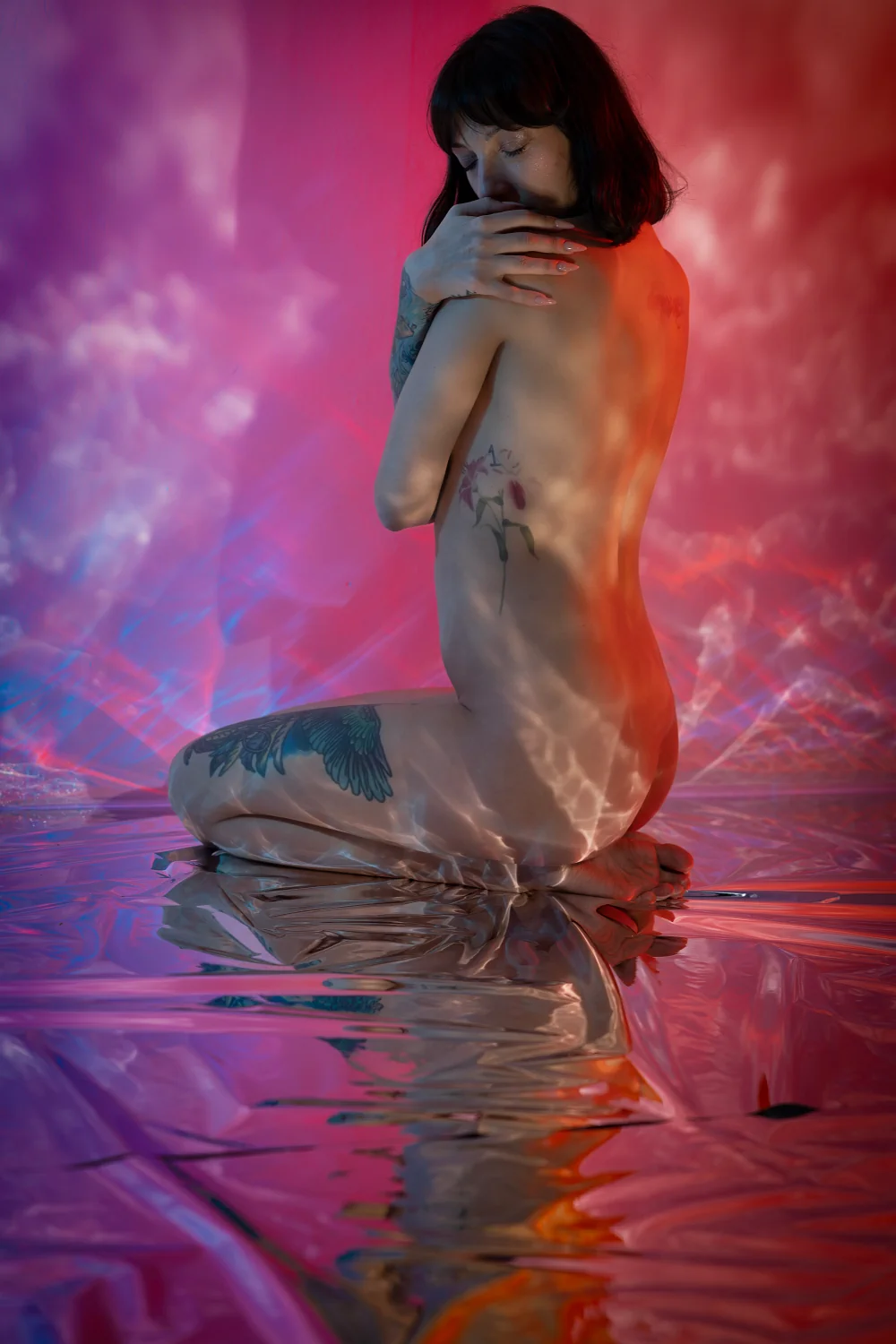
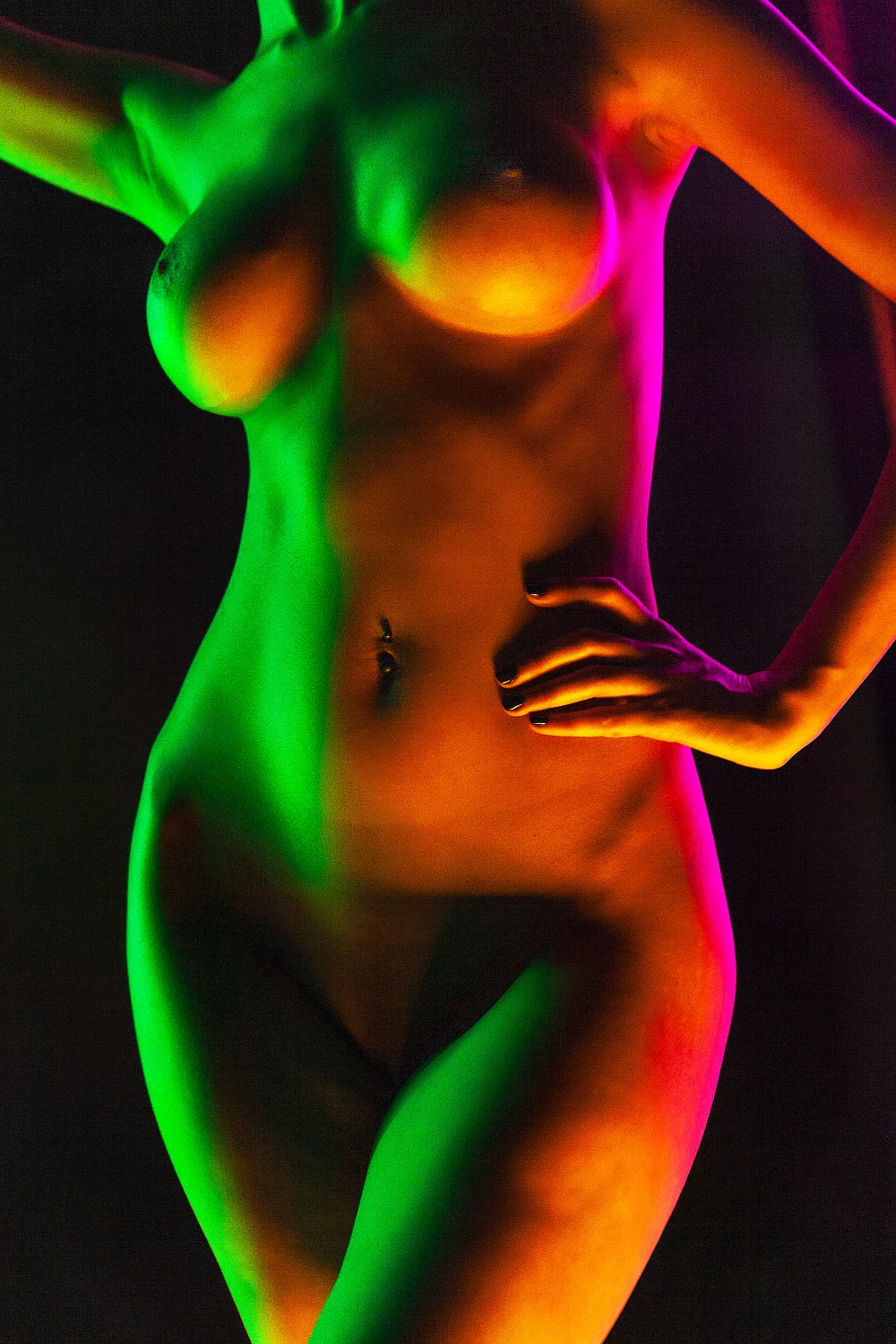
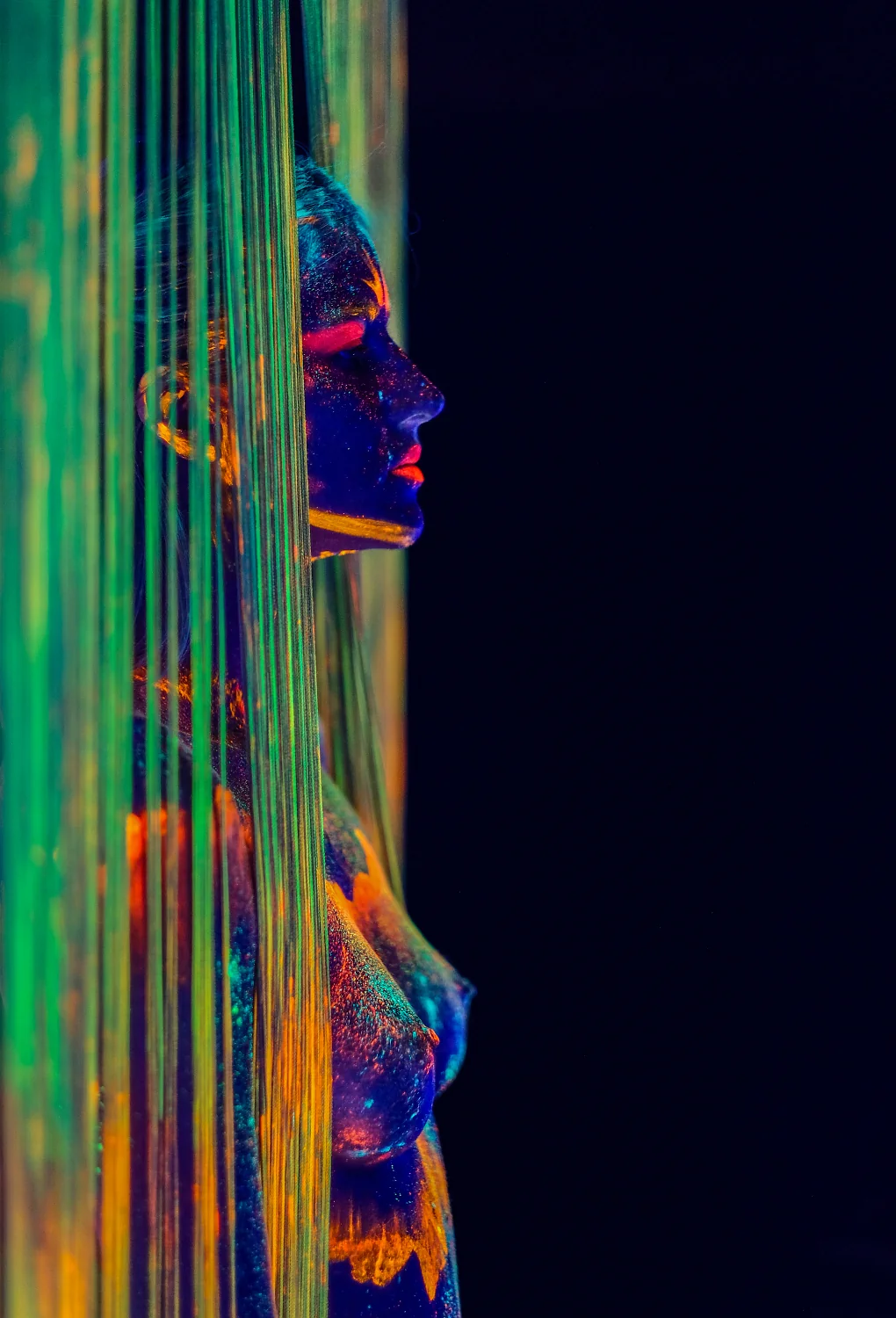
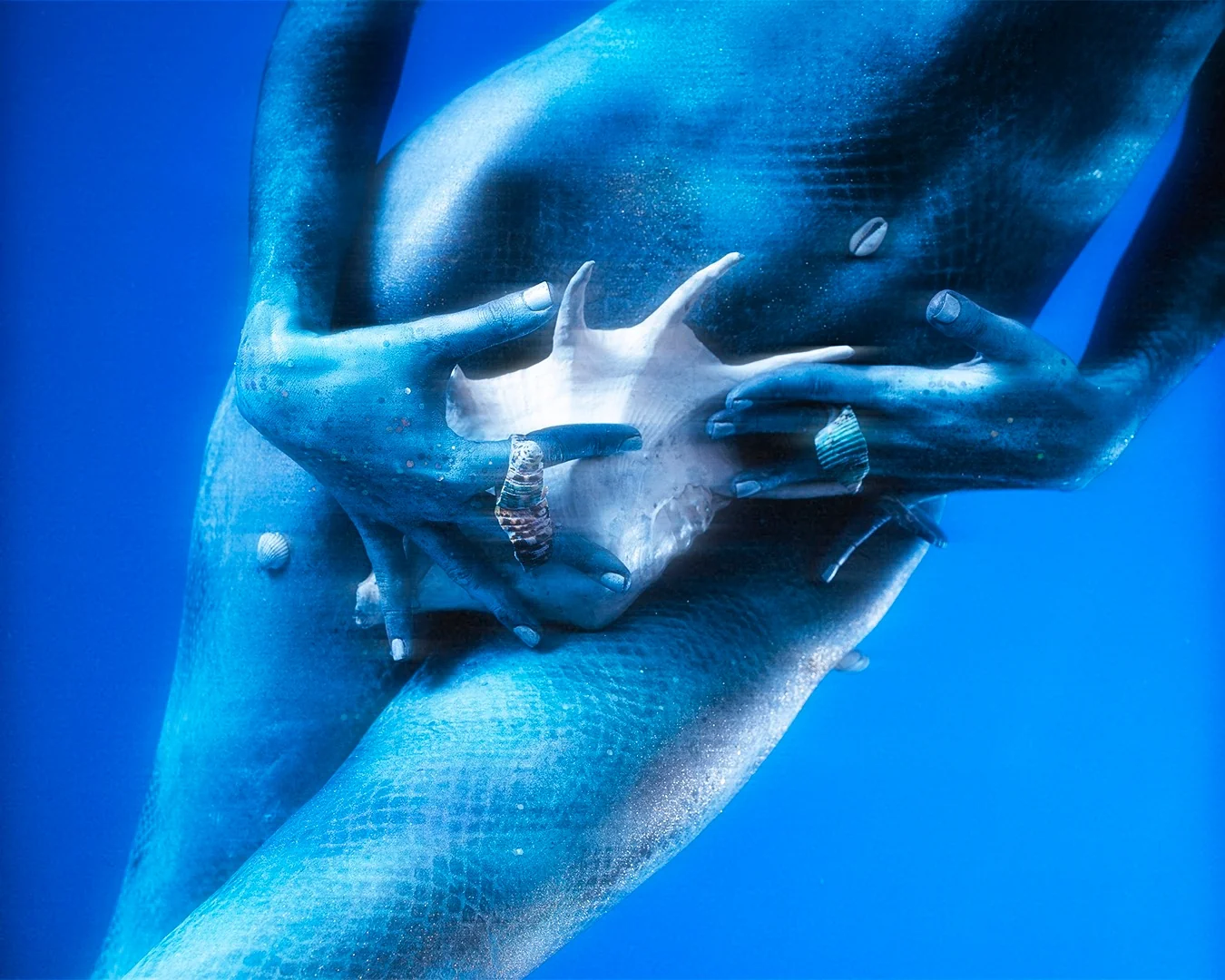
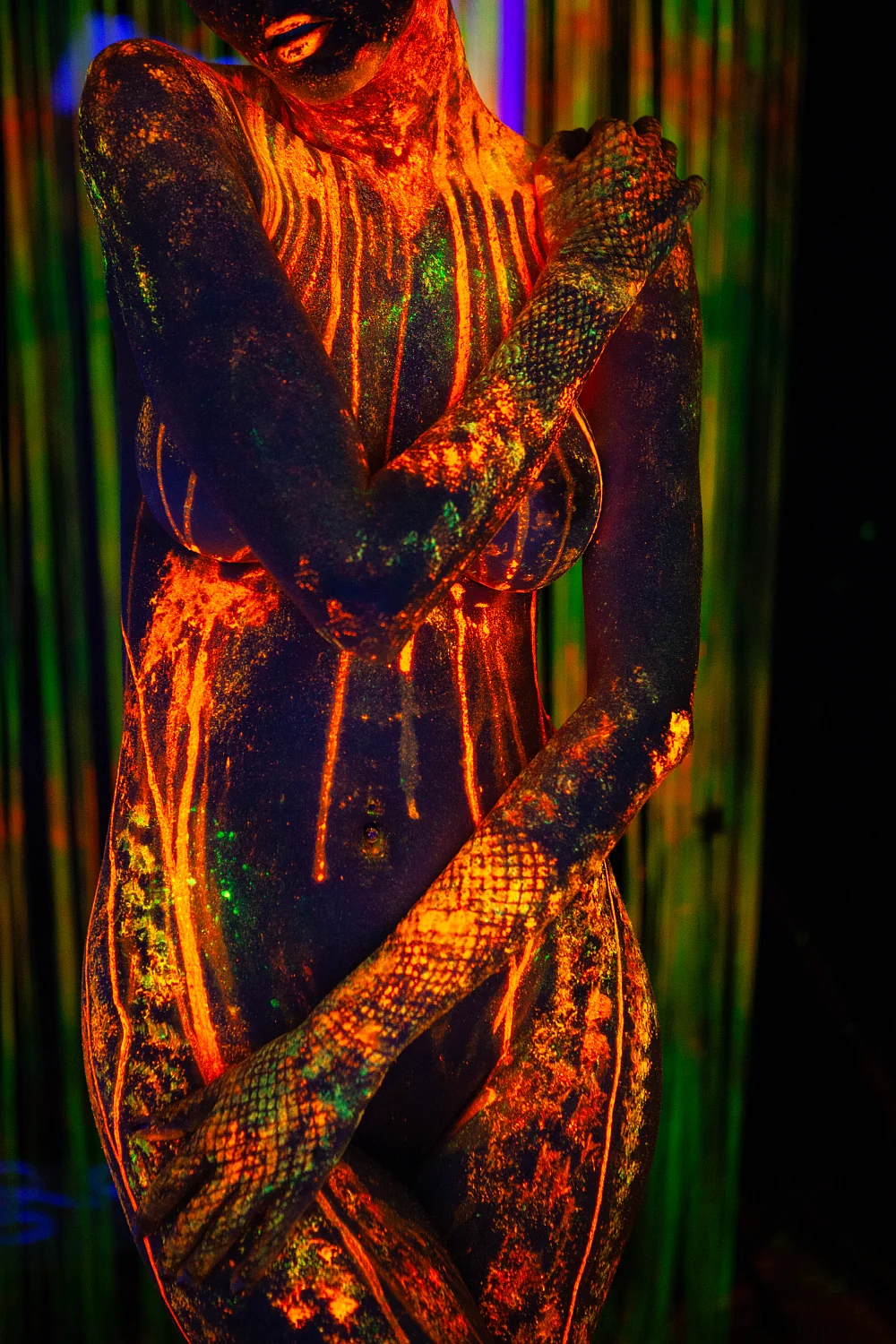
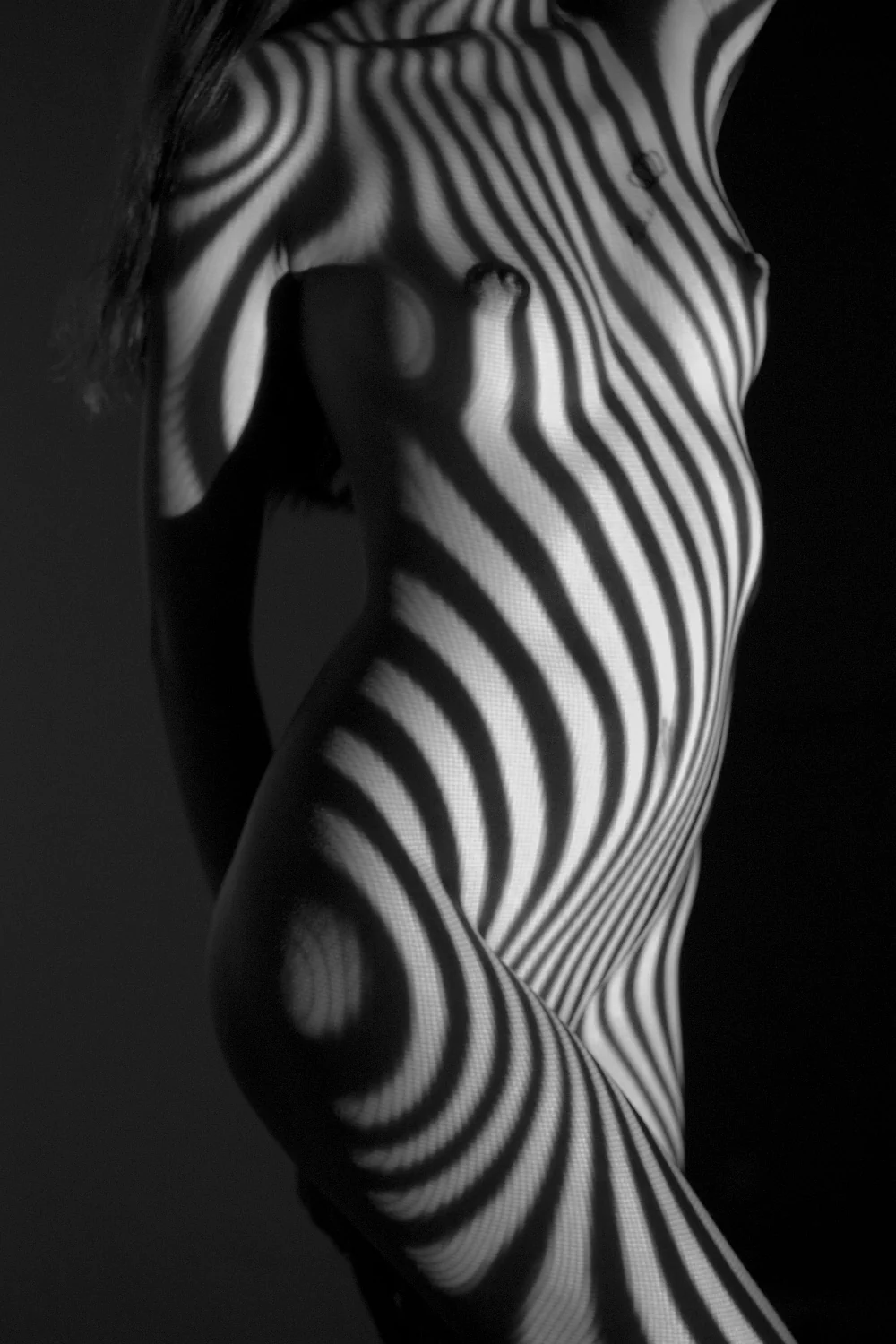
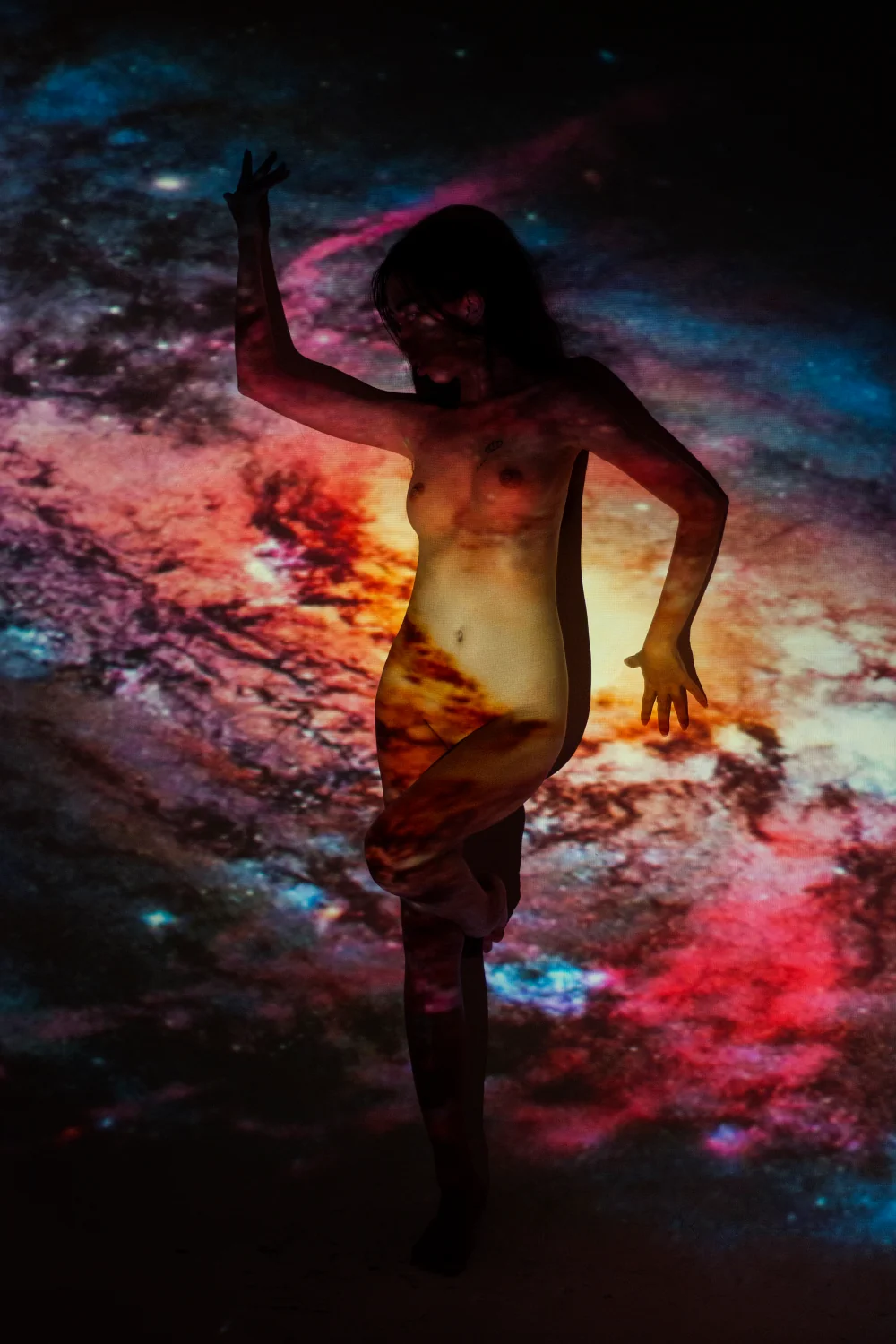
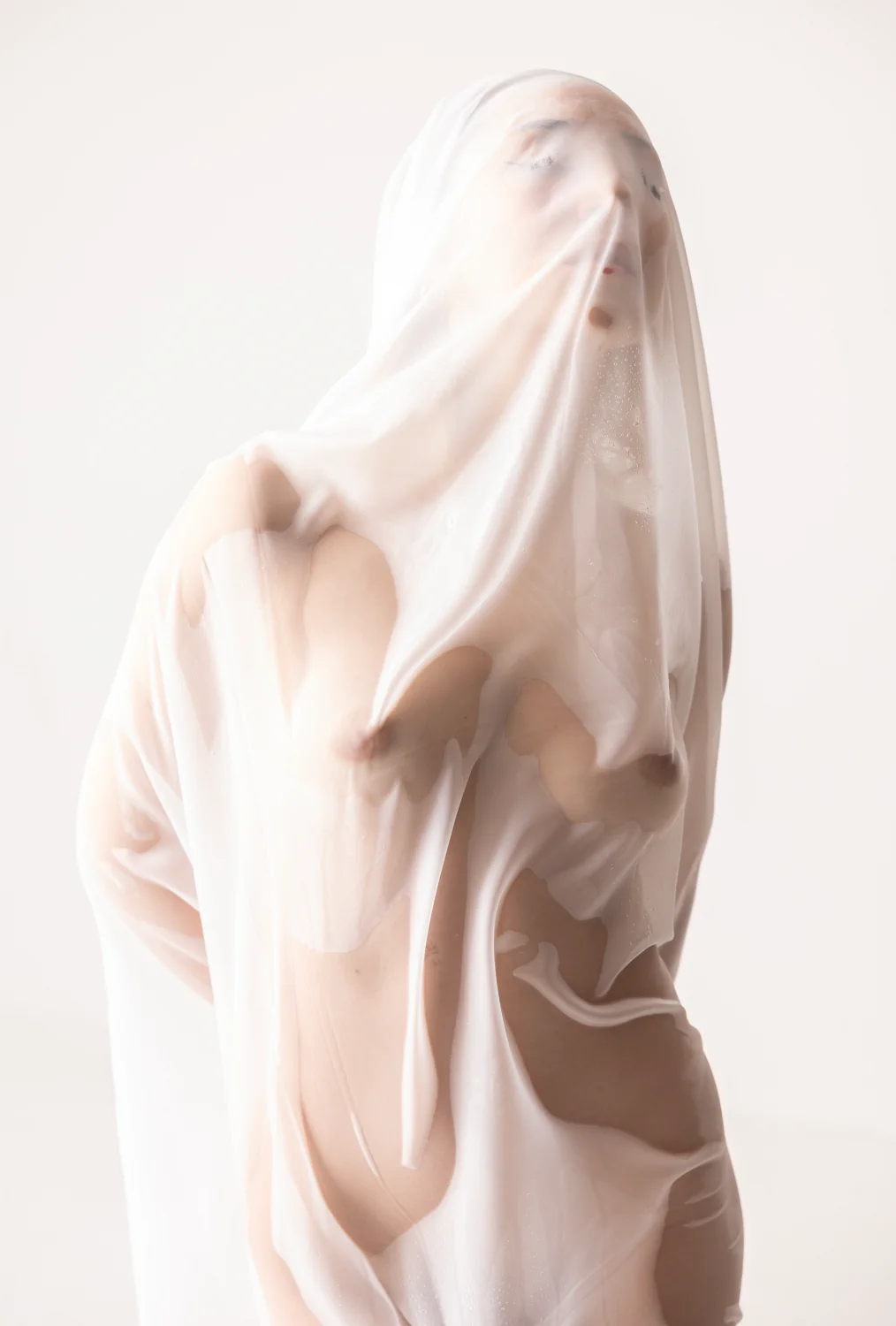
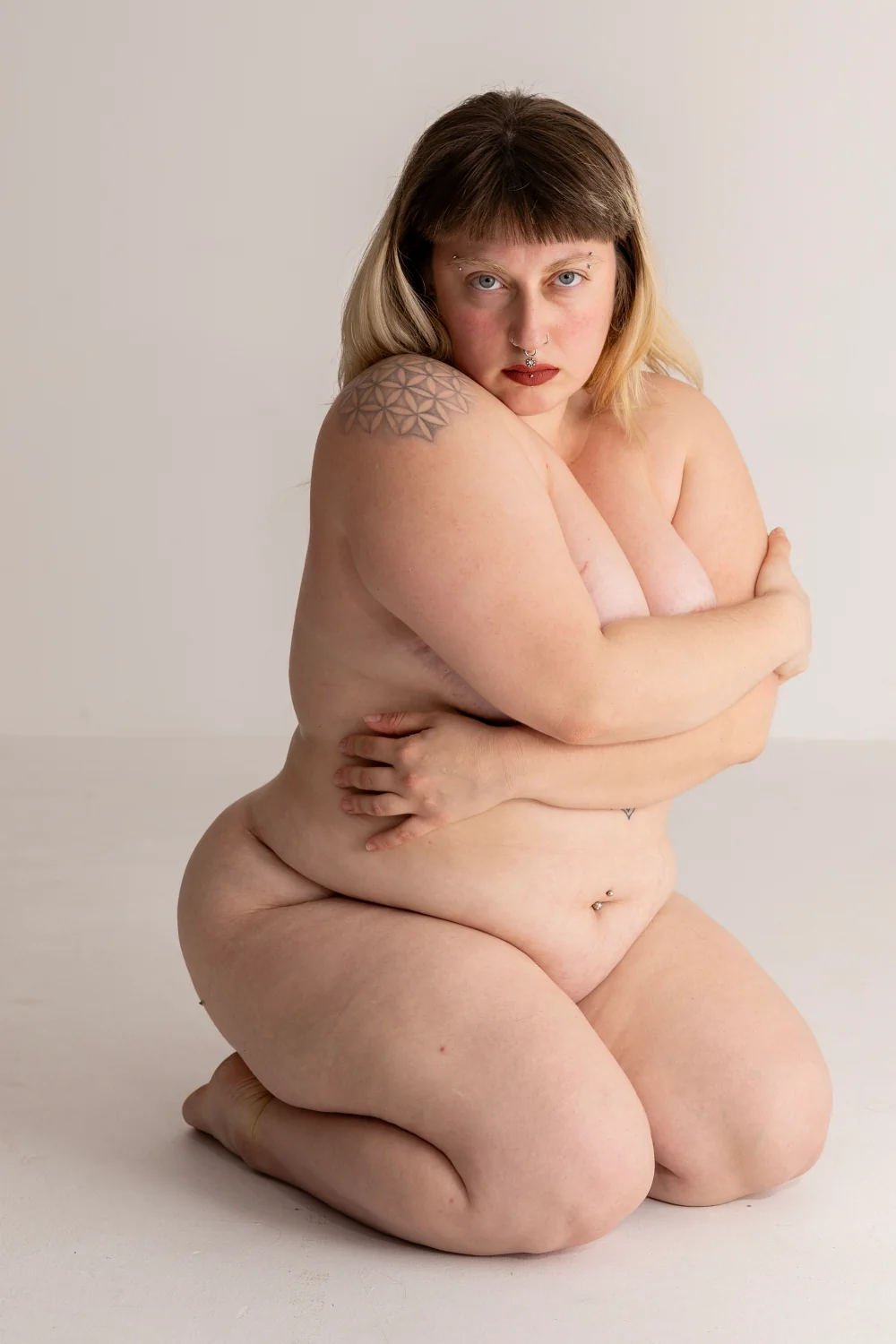
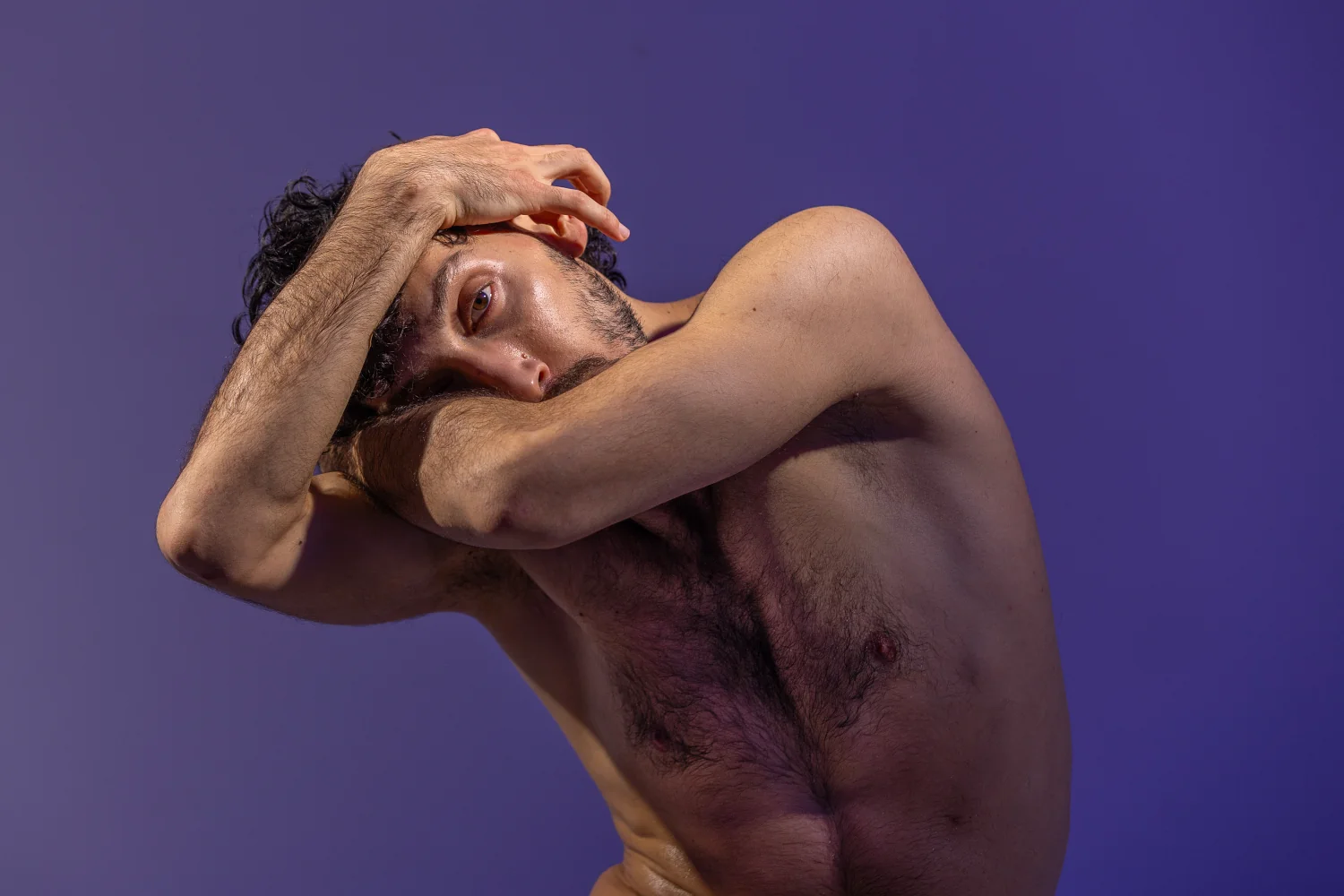
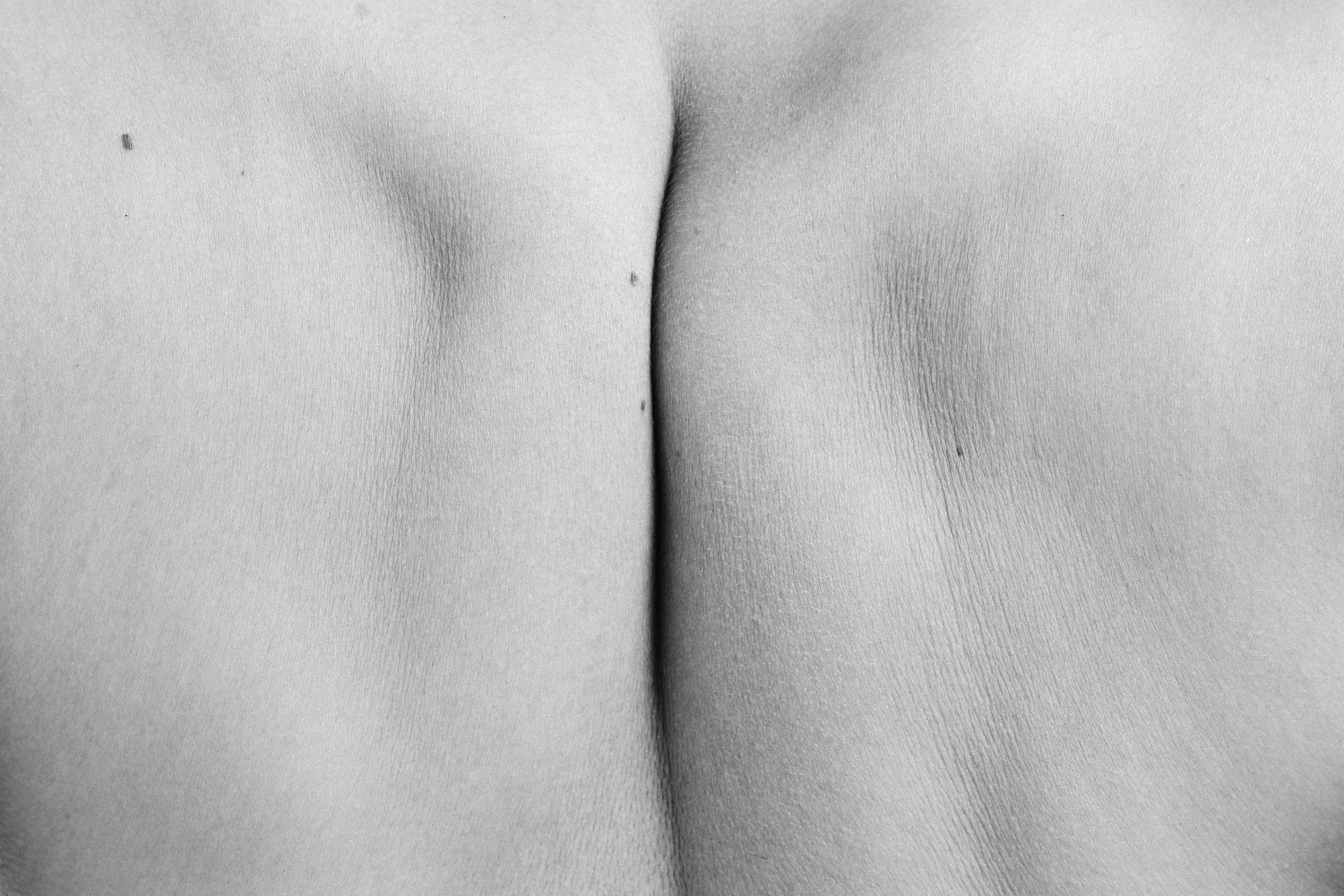
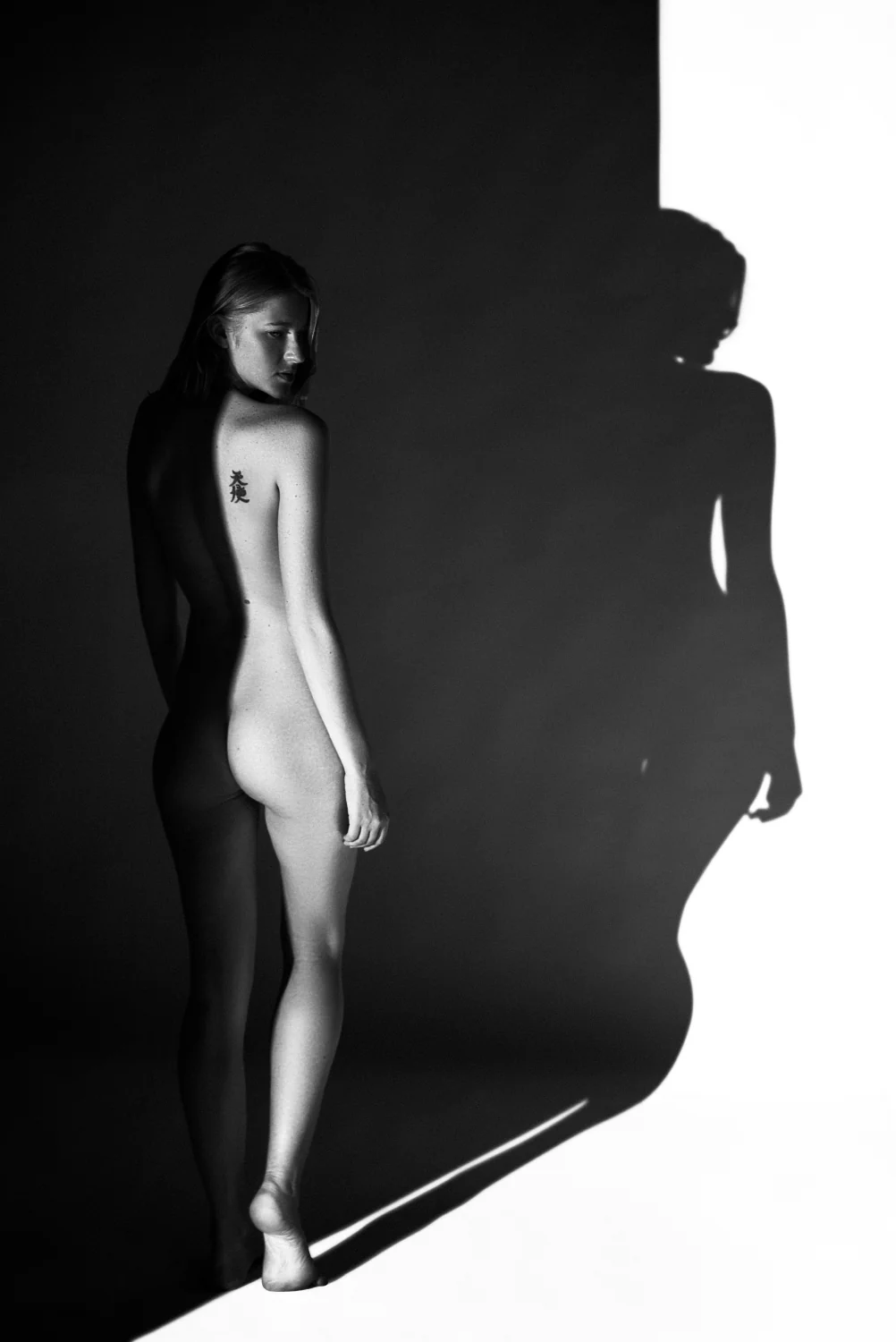
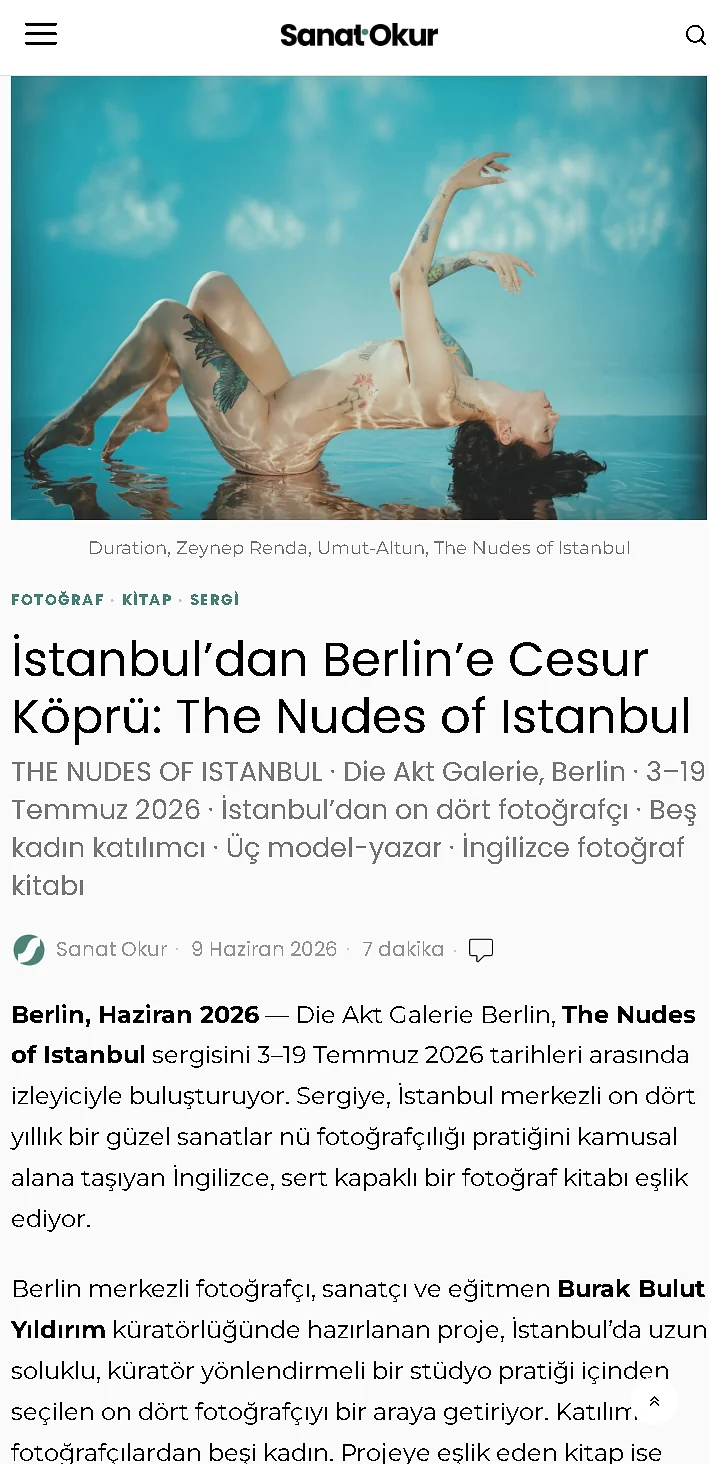
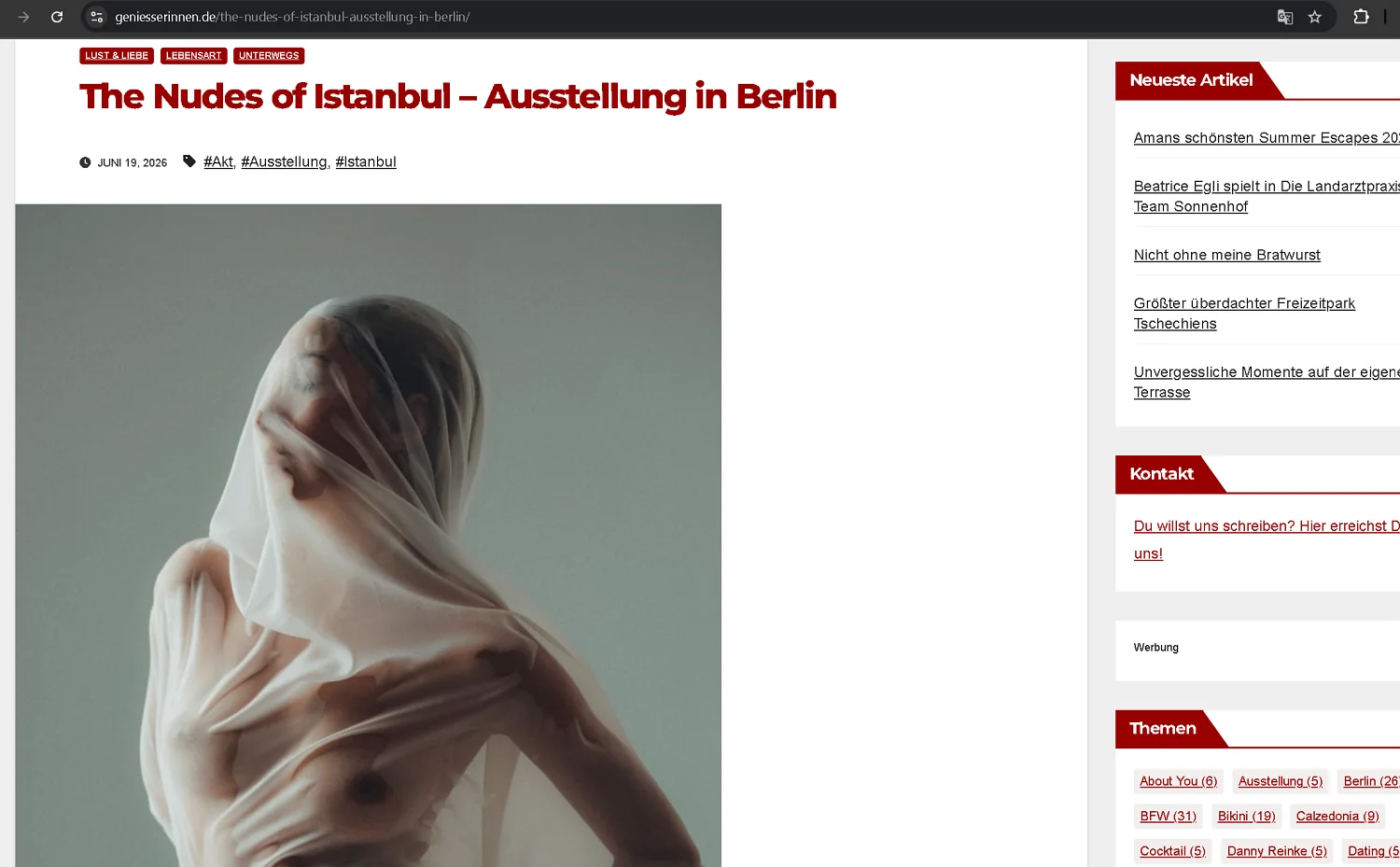
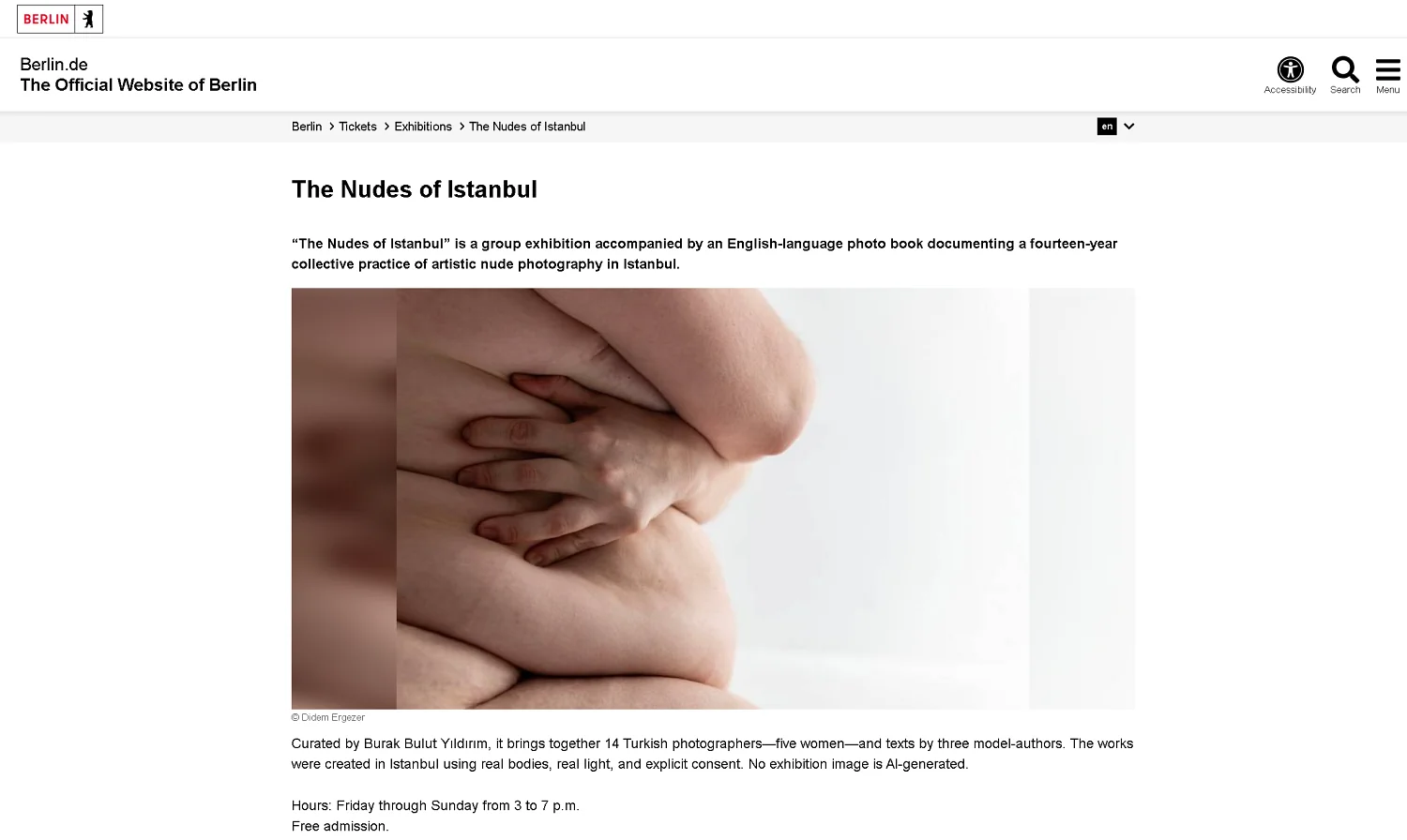
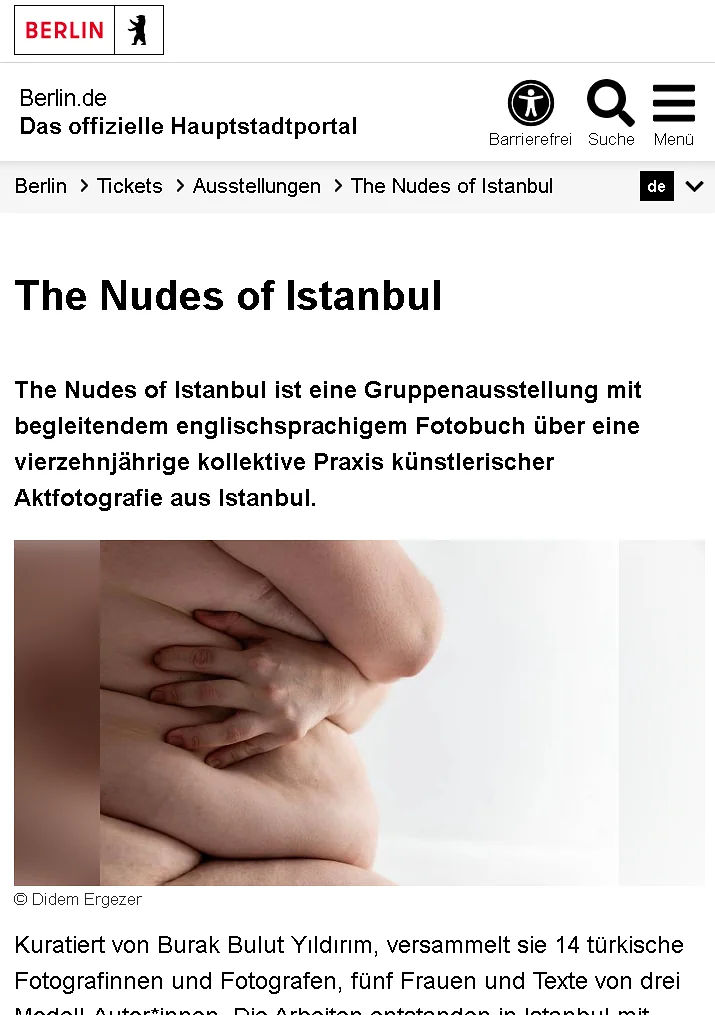
Dauer - Materie - Opazität - Zimmer - Selbstbehauptung - Oberfläche
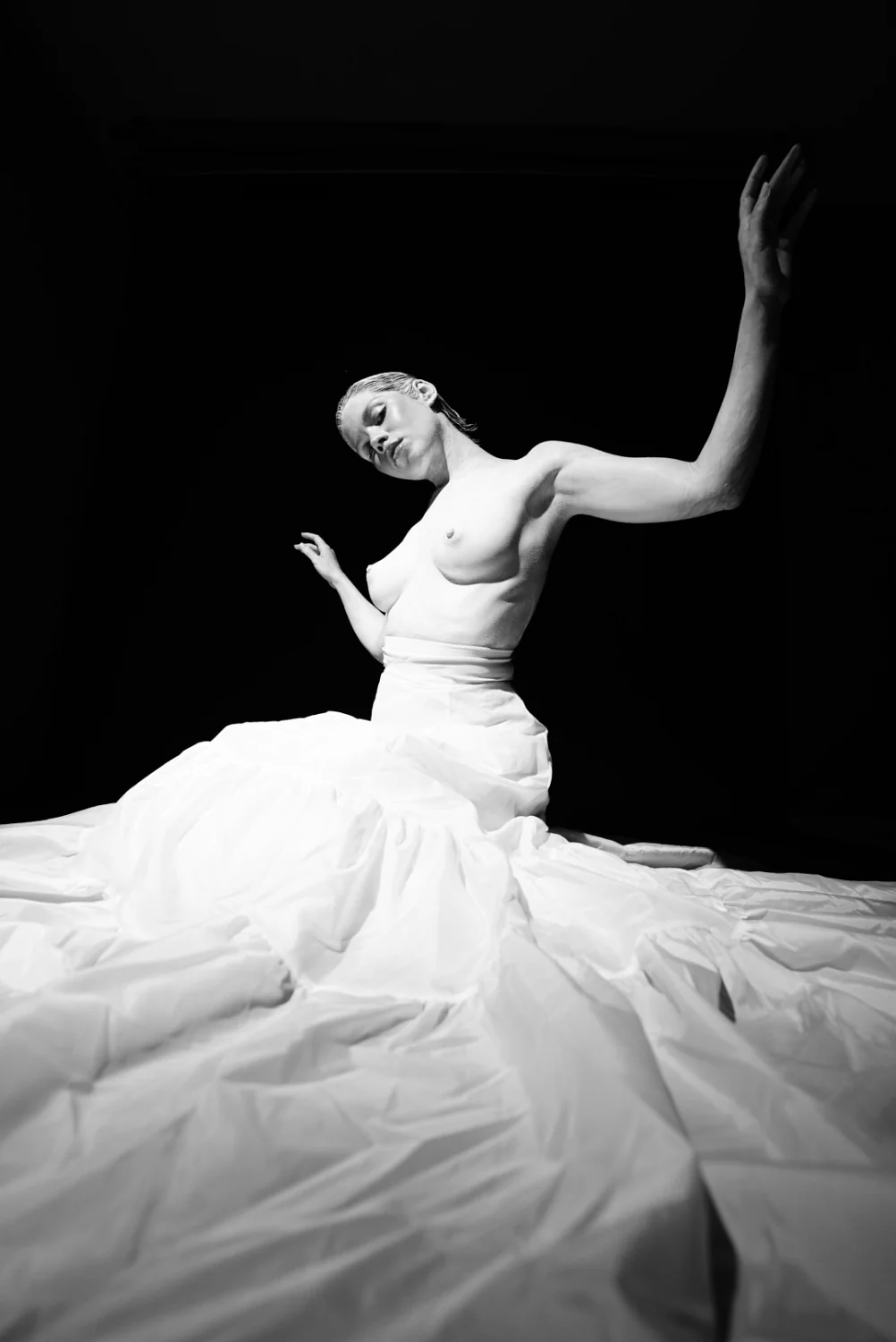
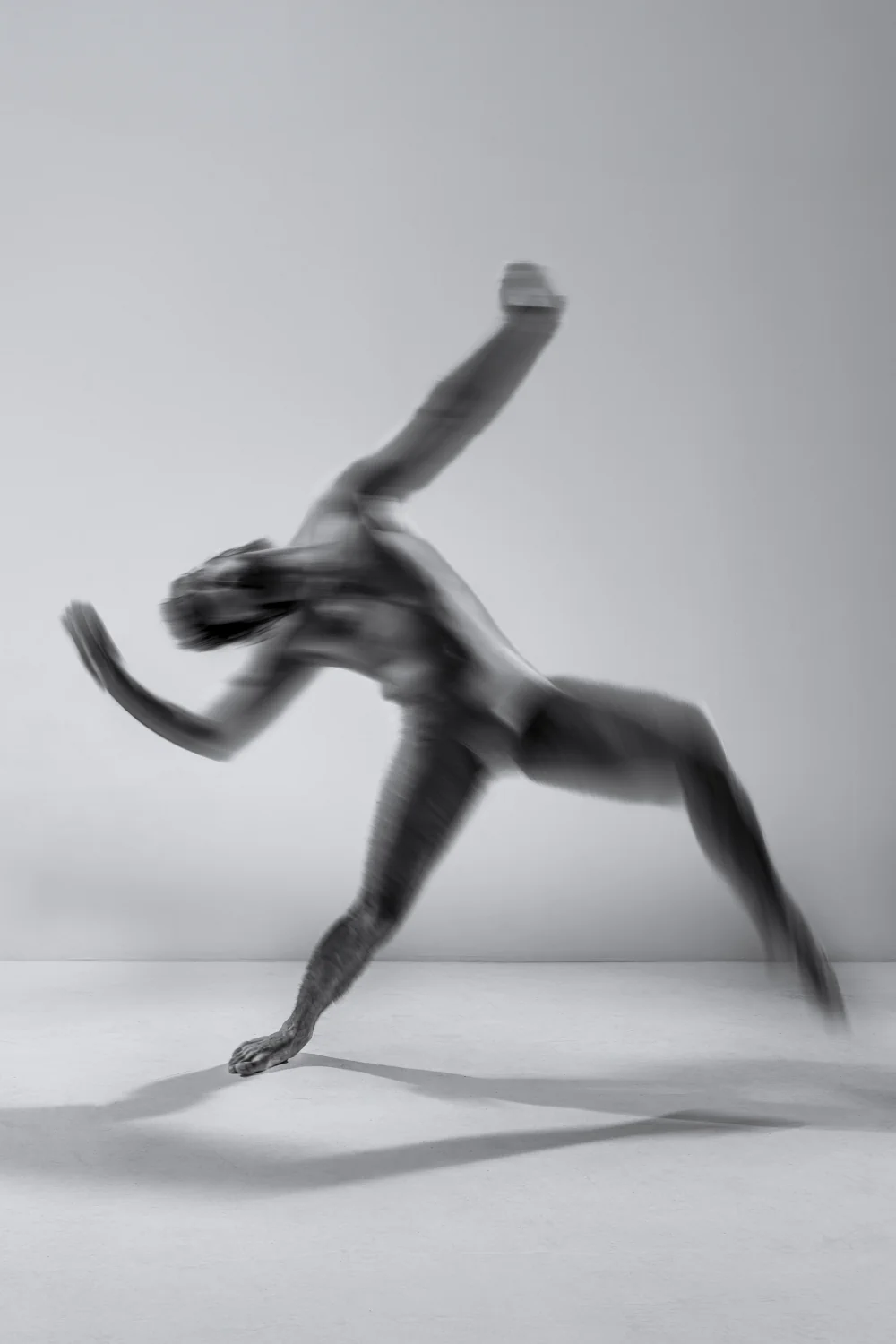
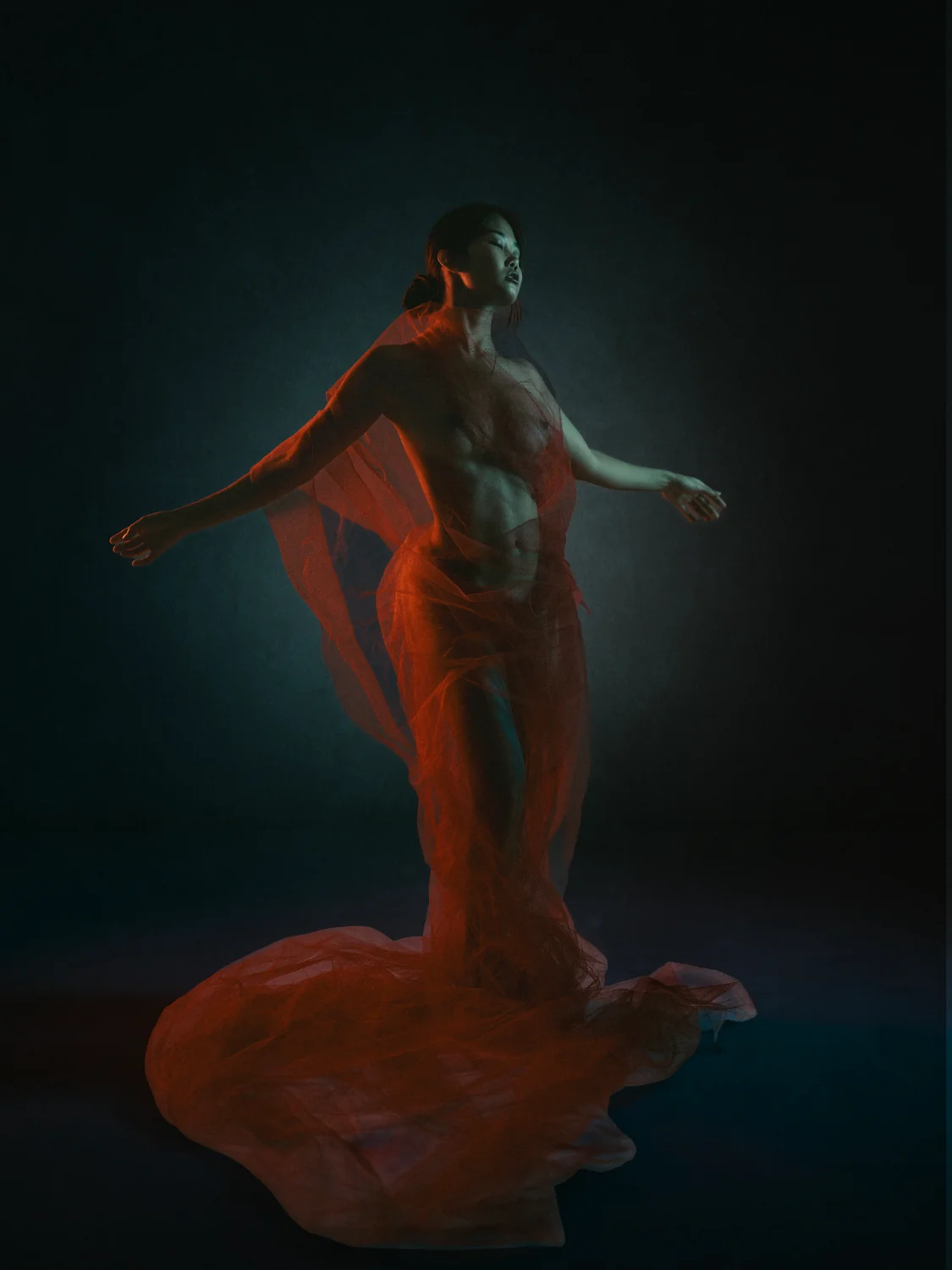
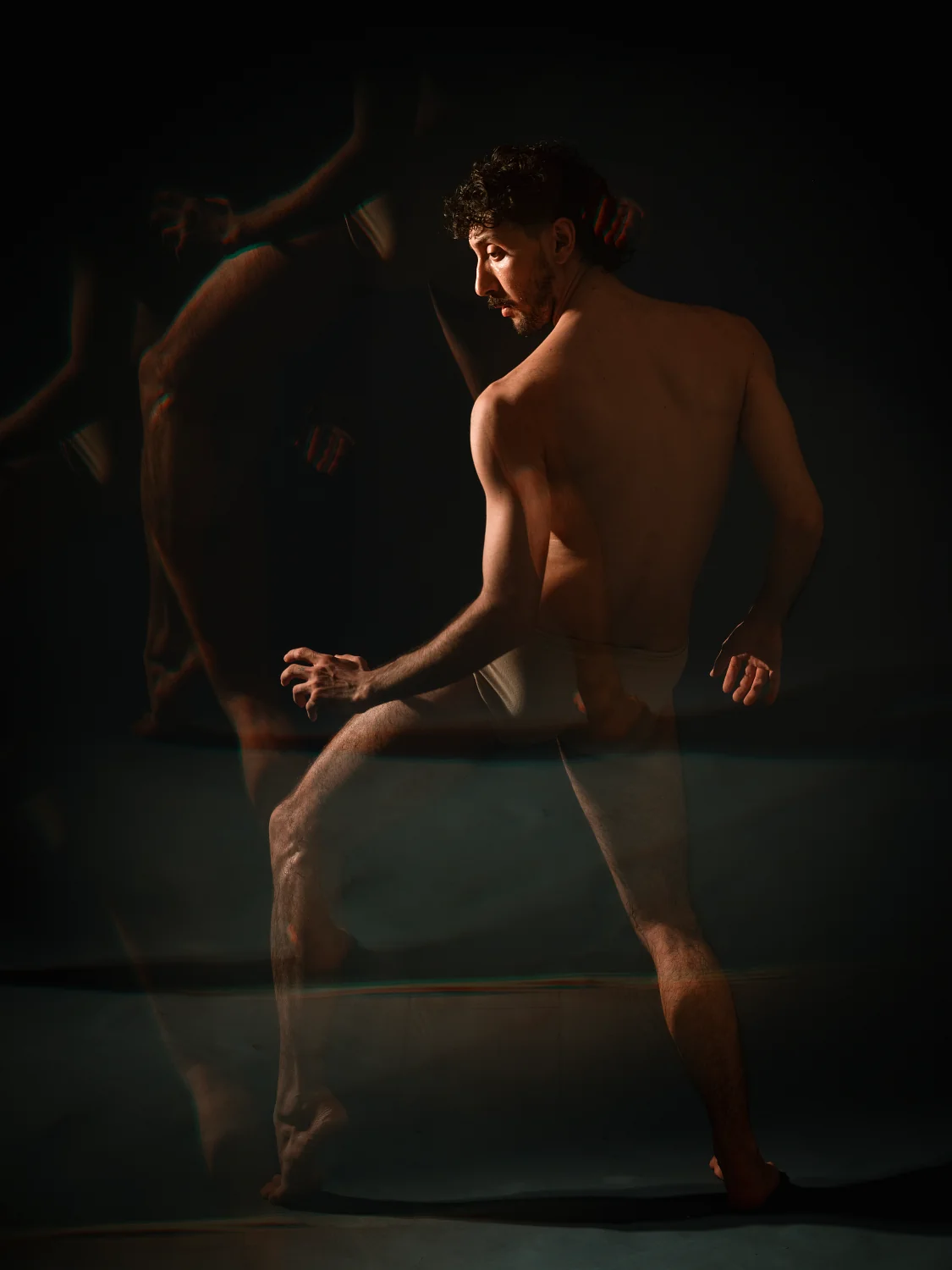
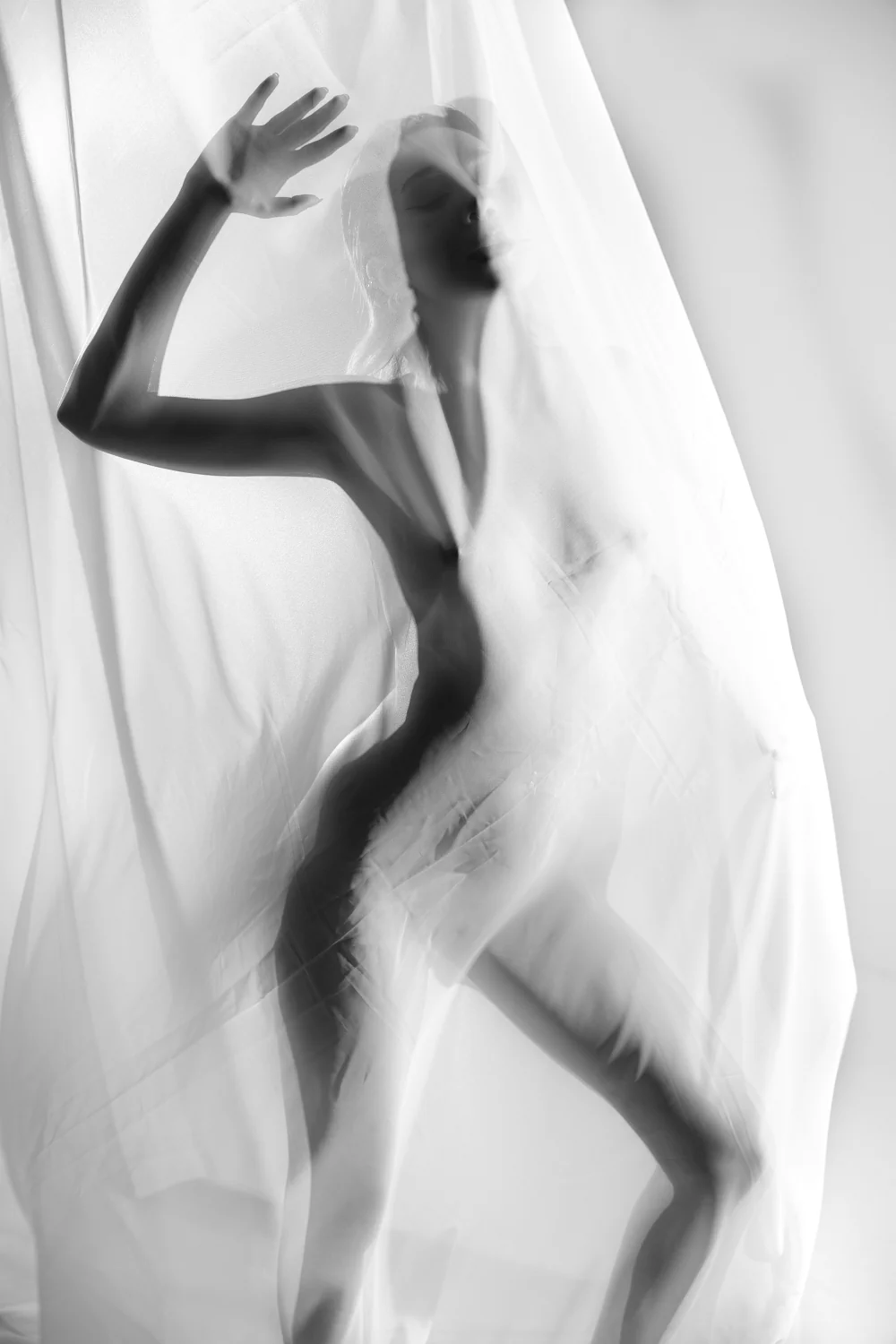
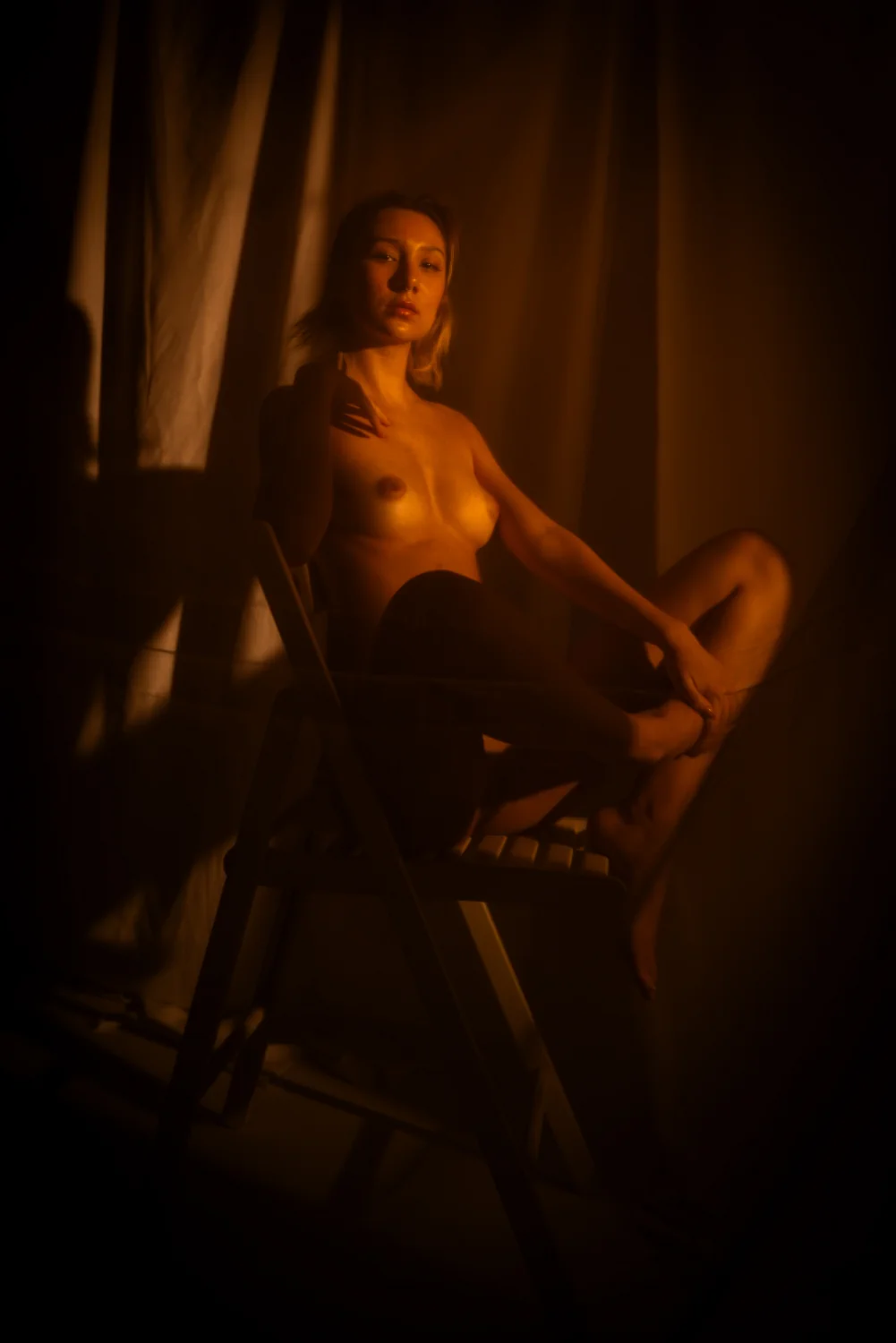
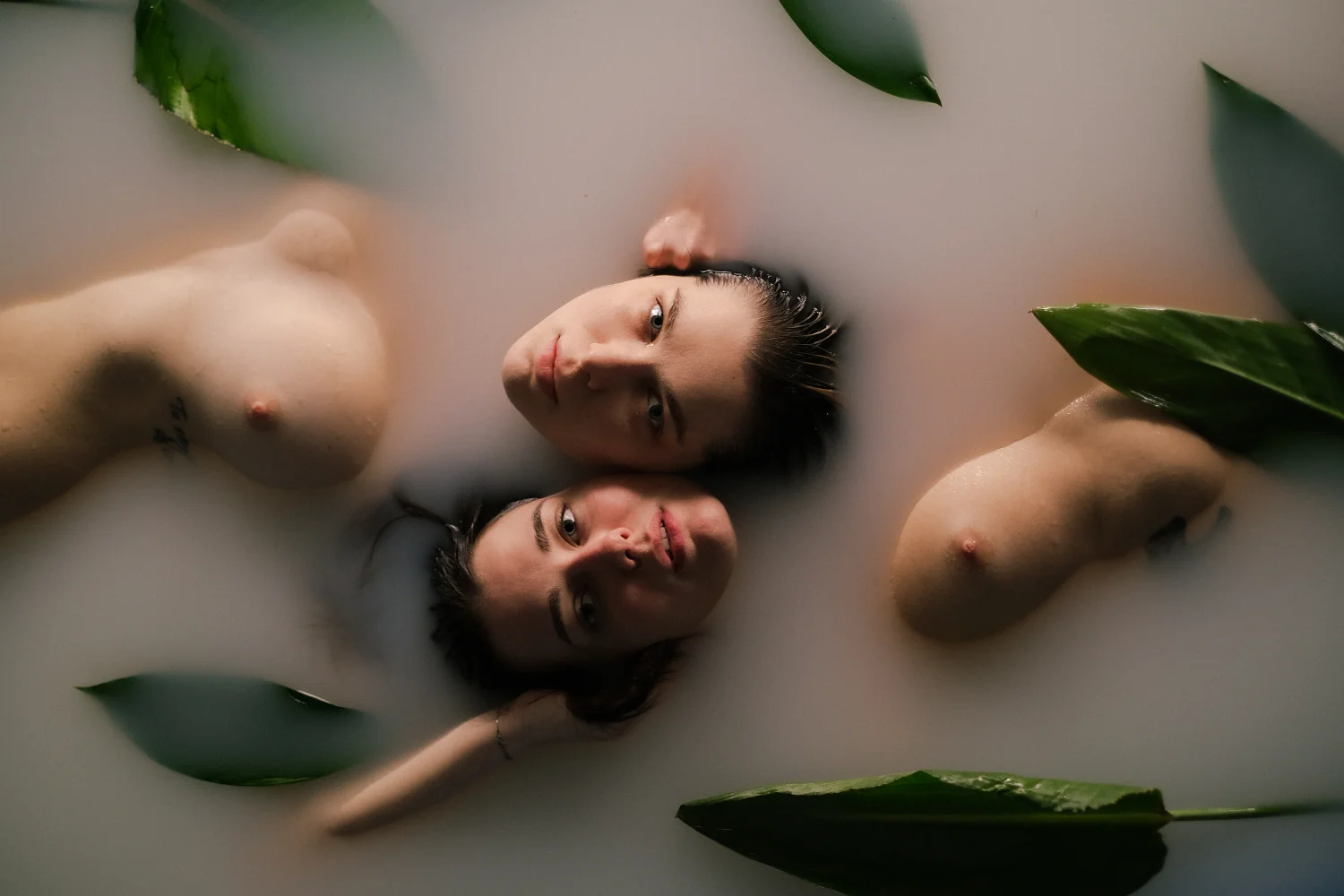
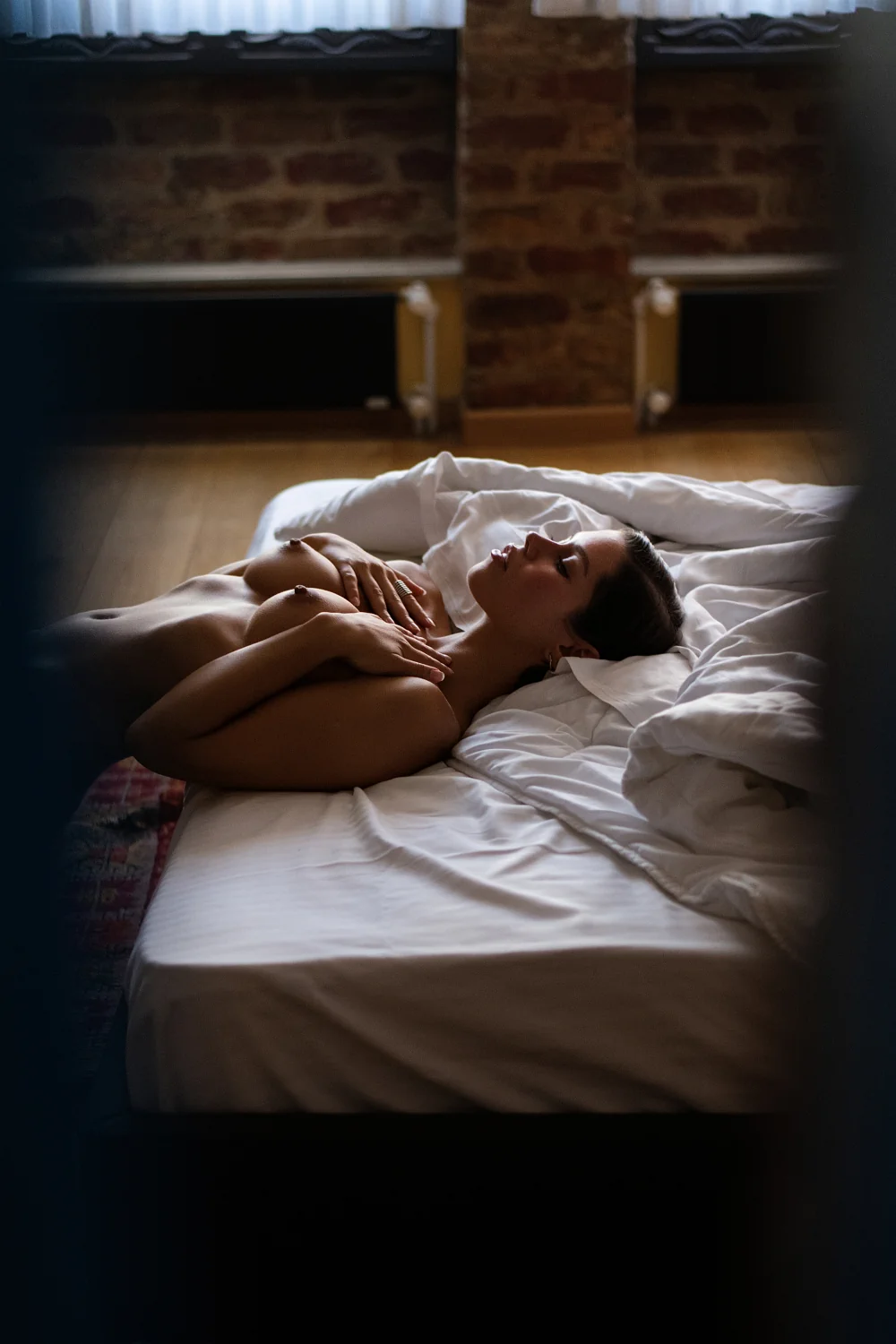
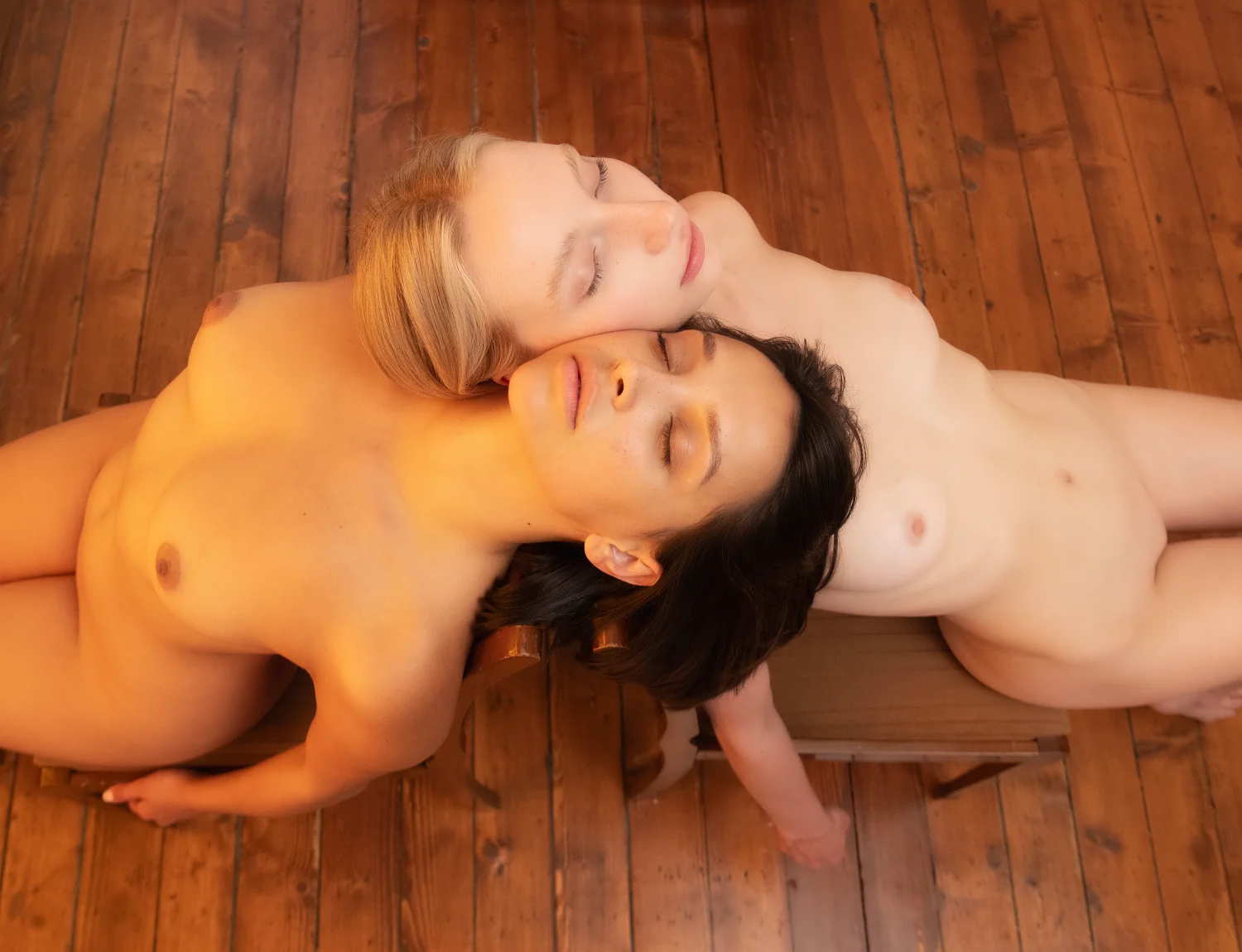
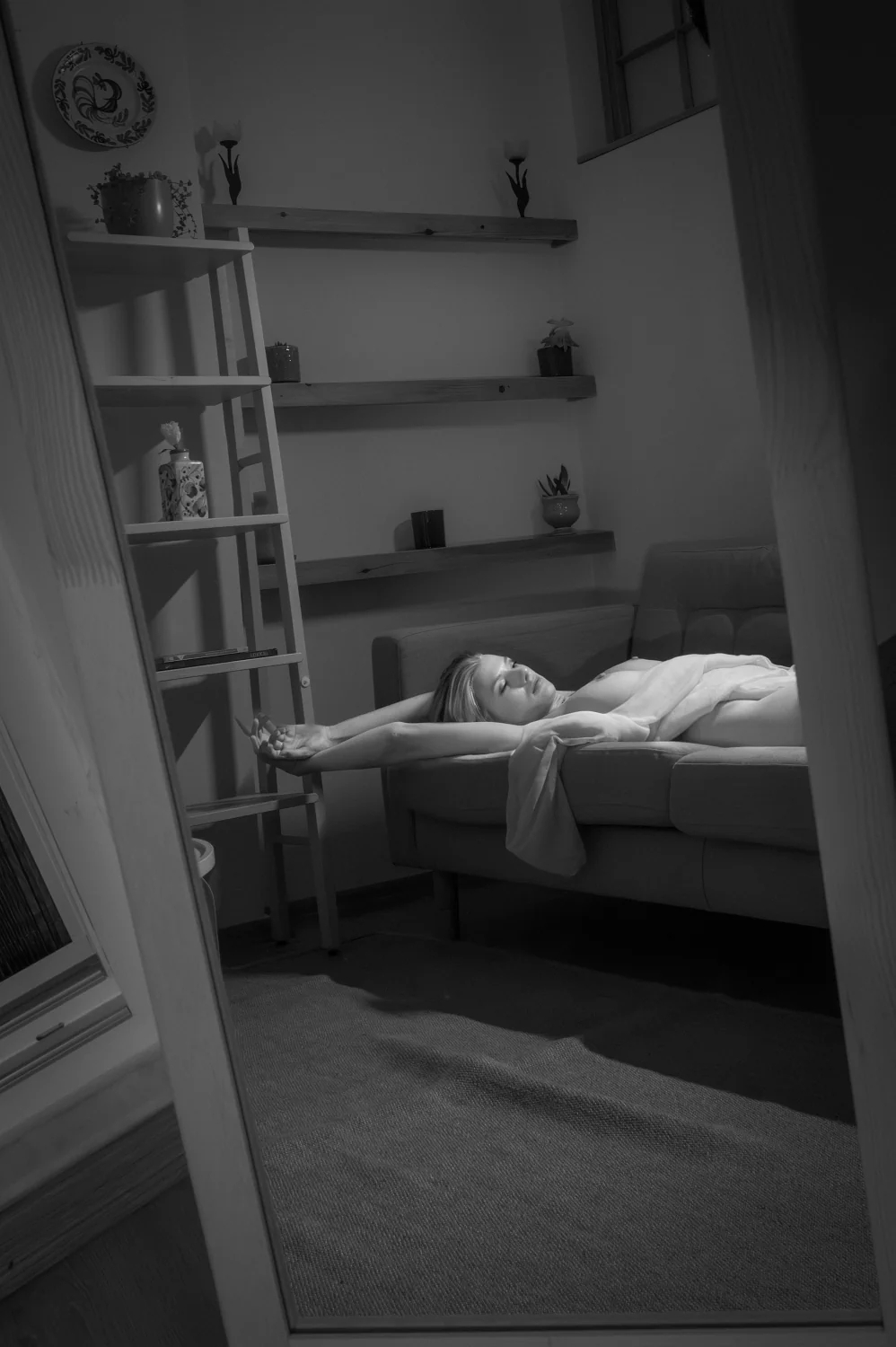
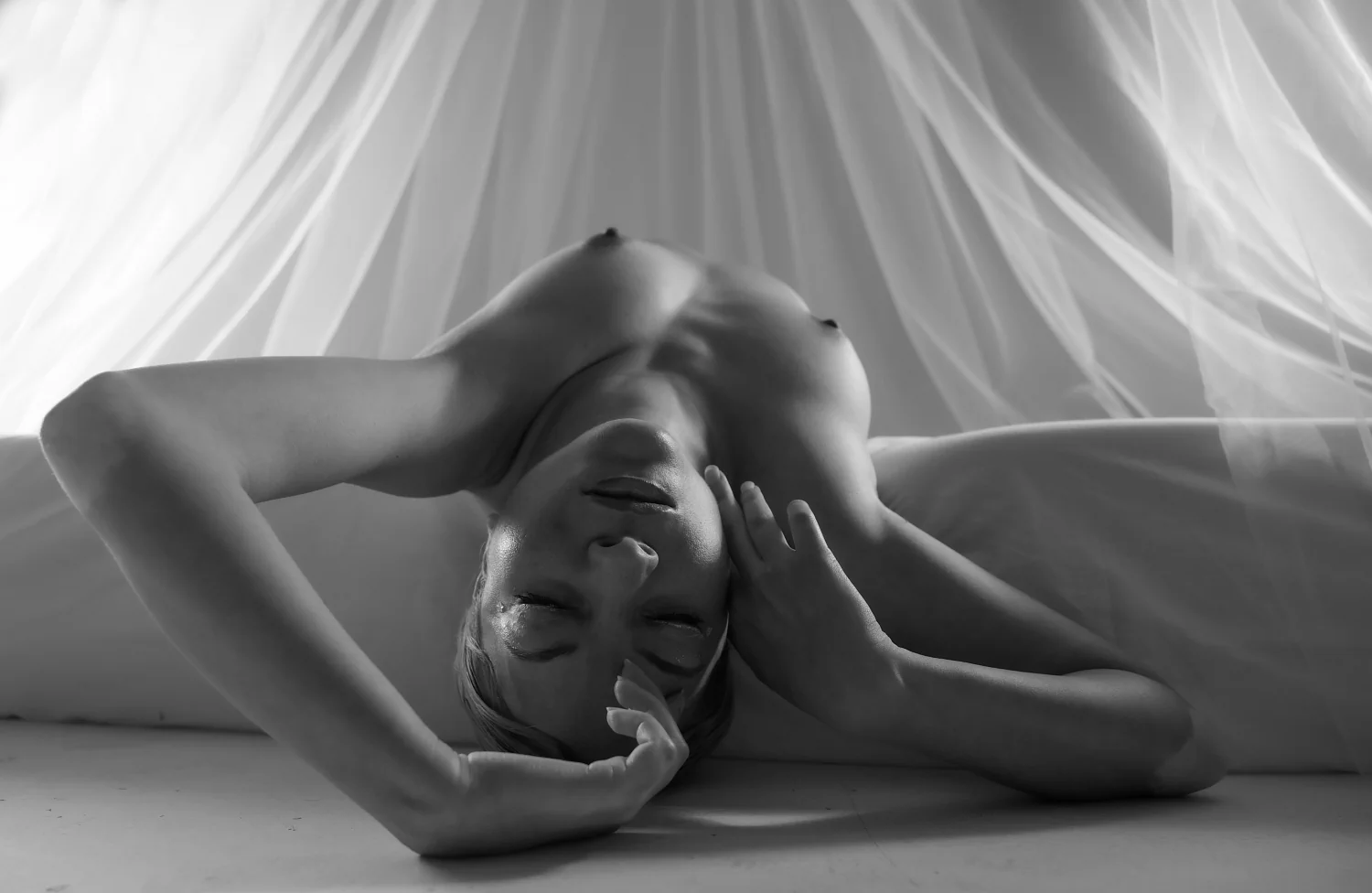
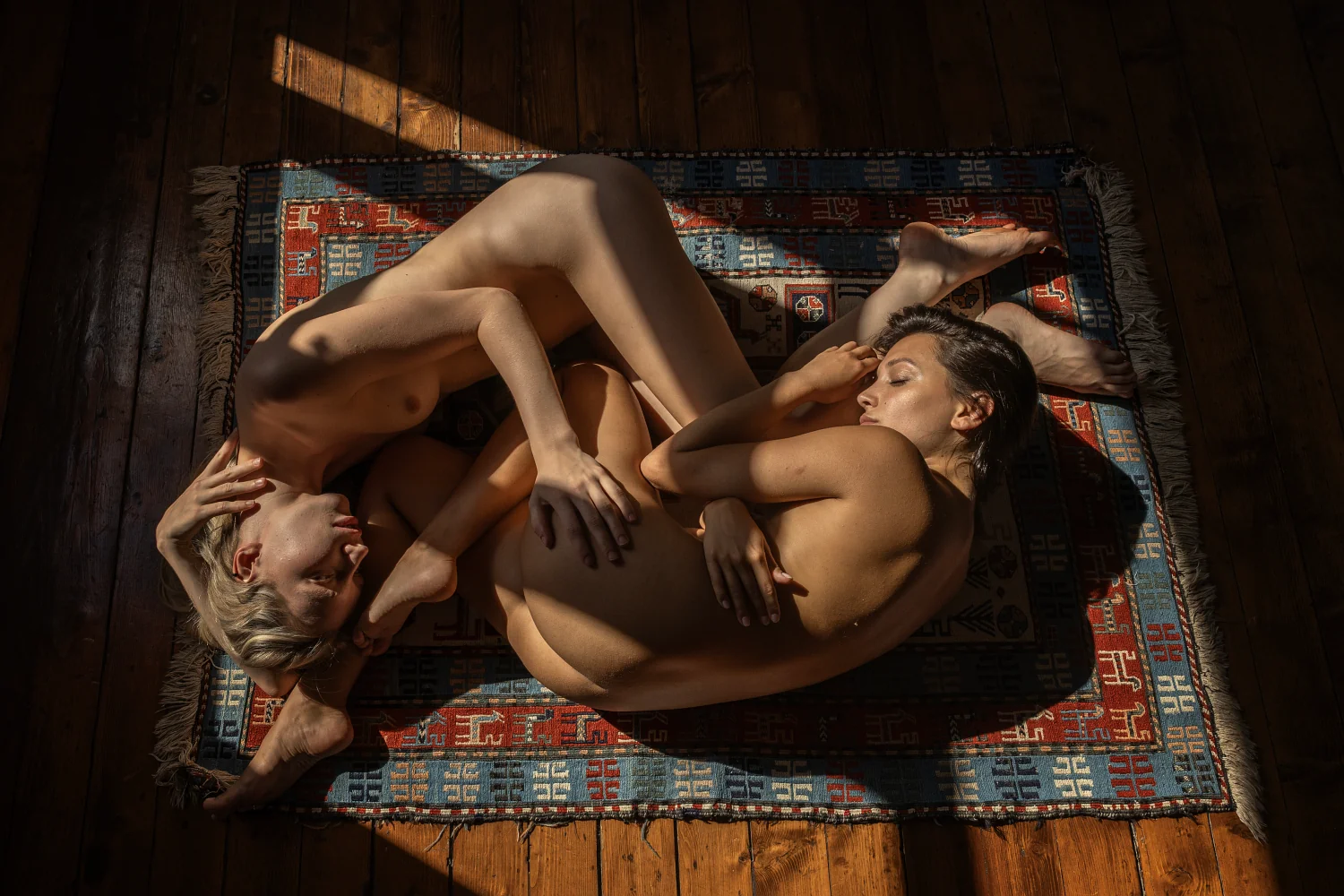
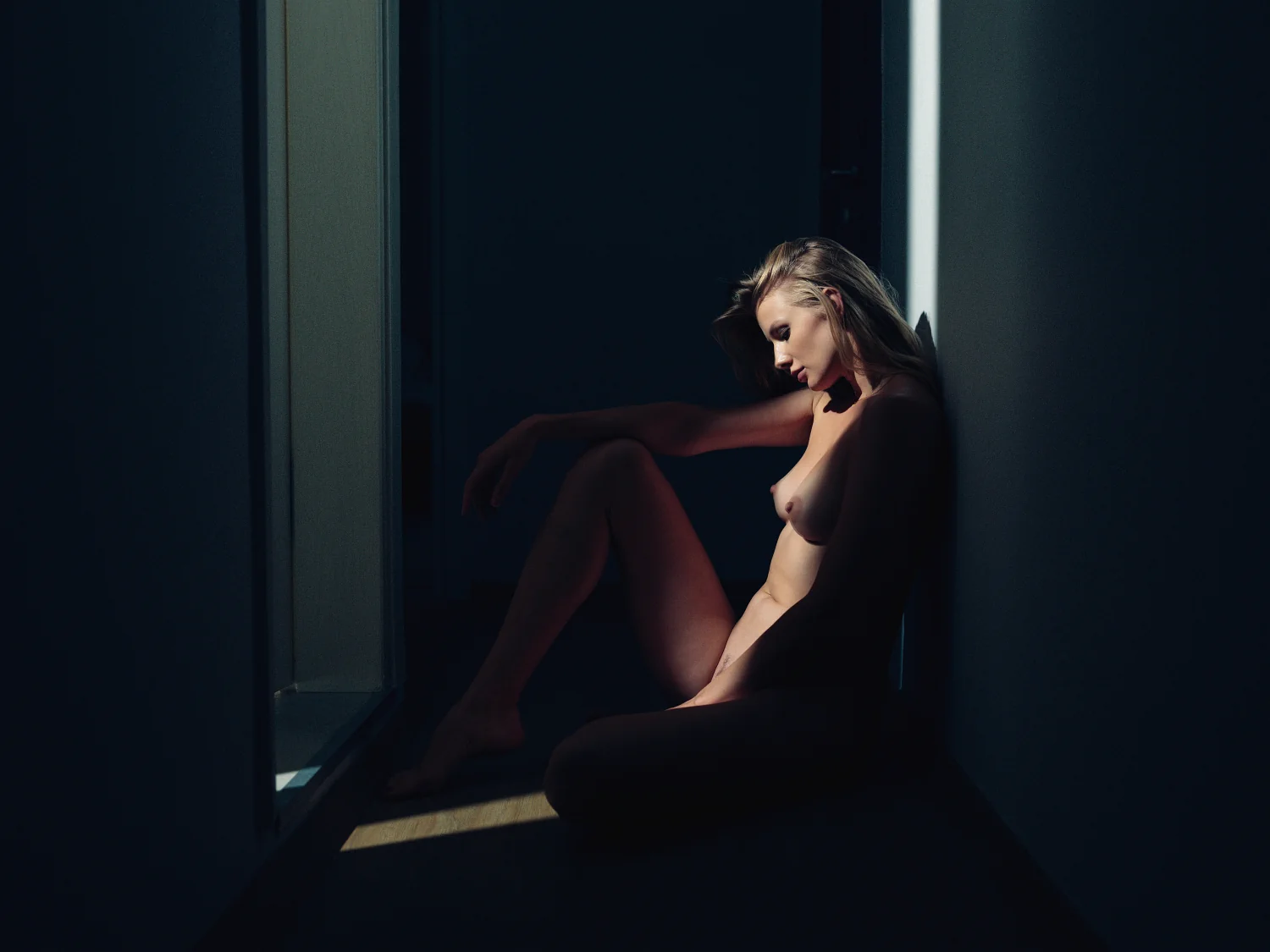
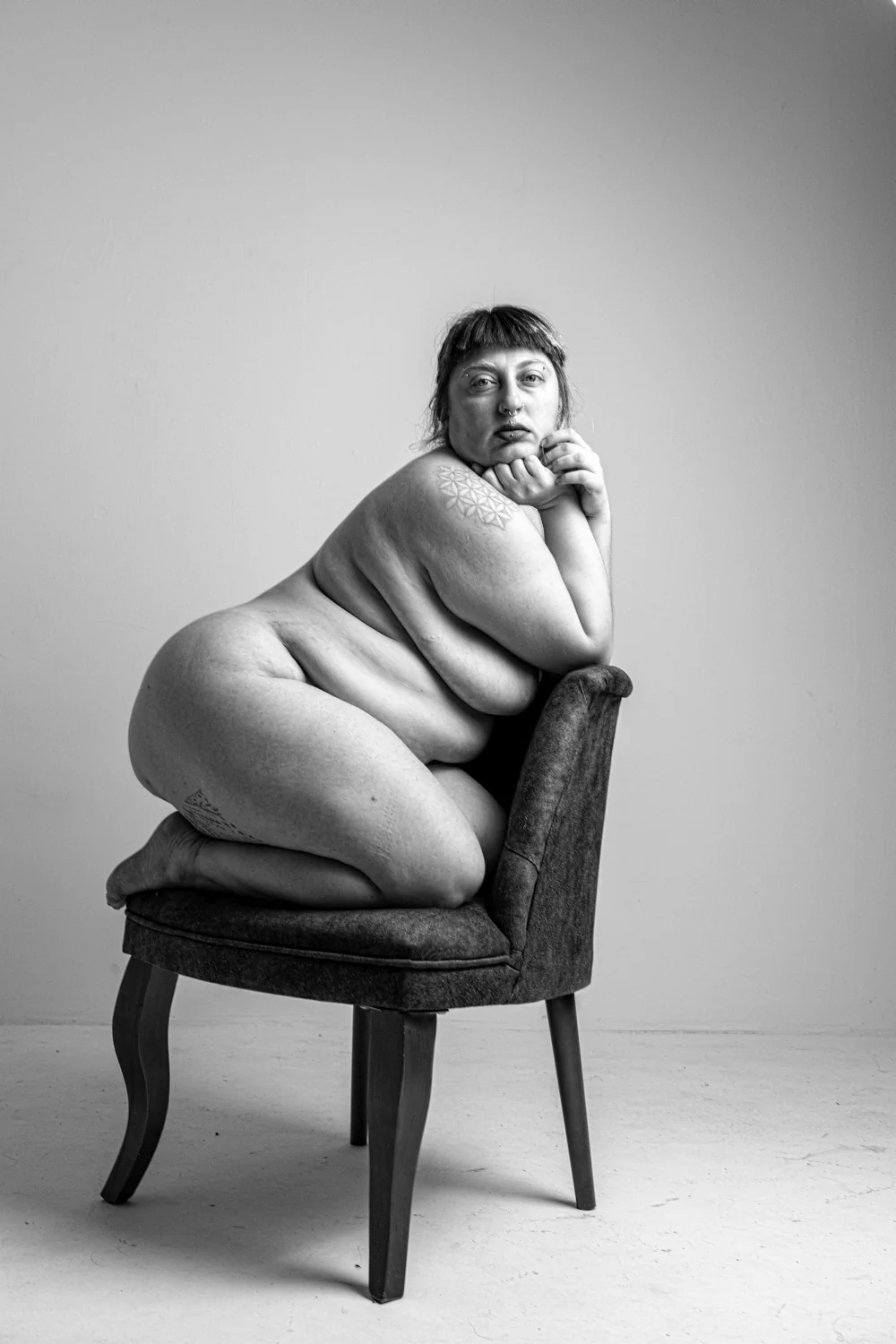
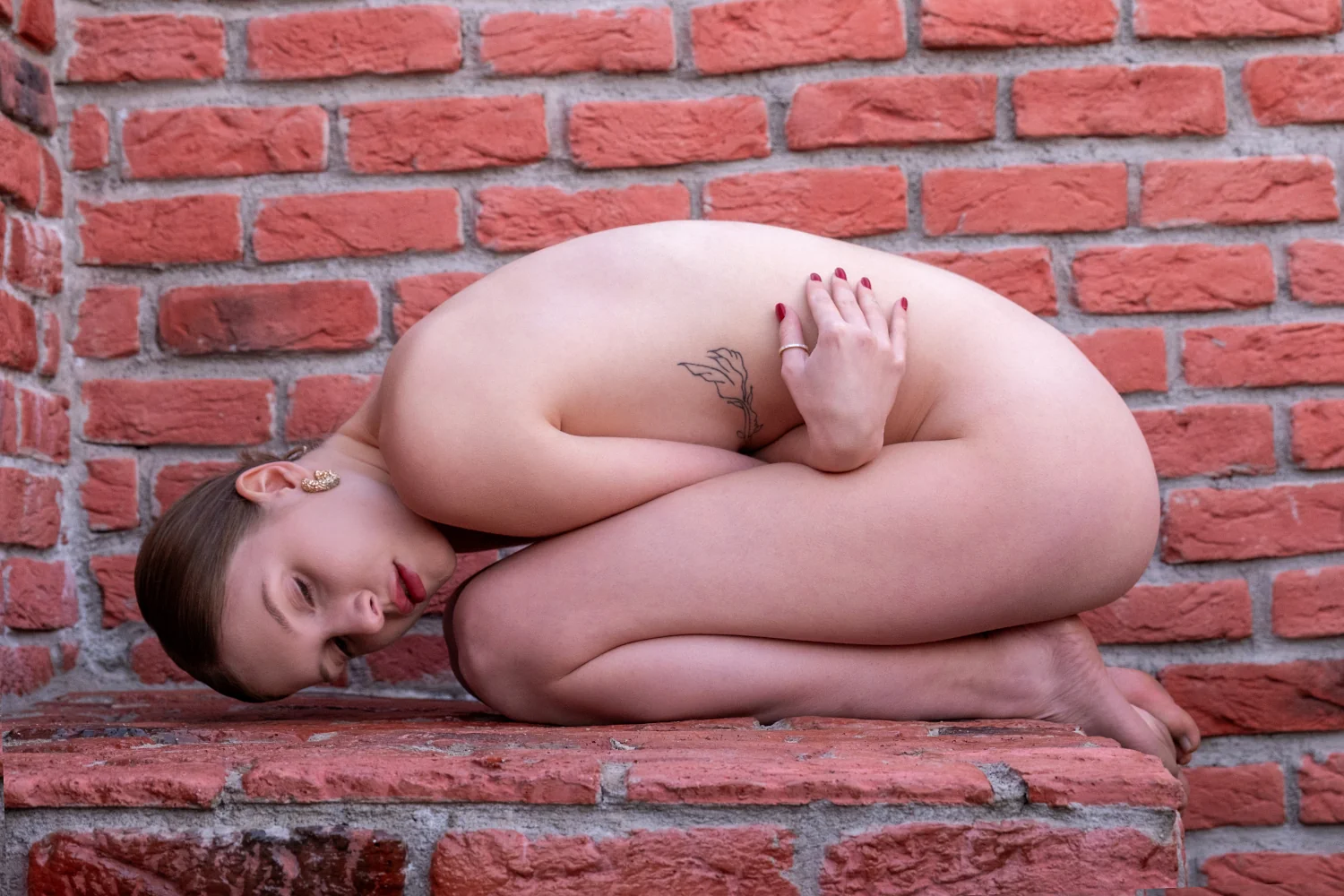
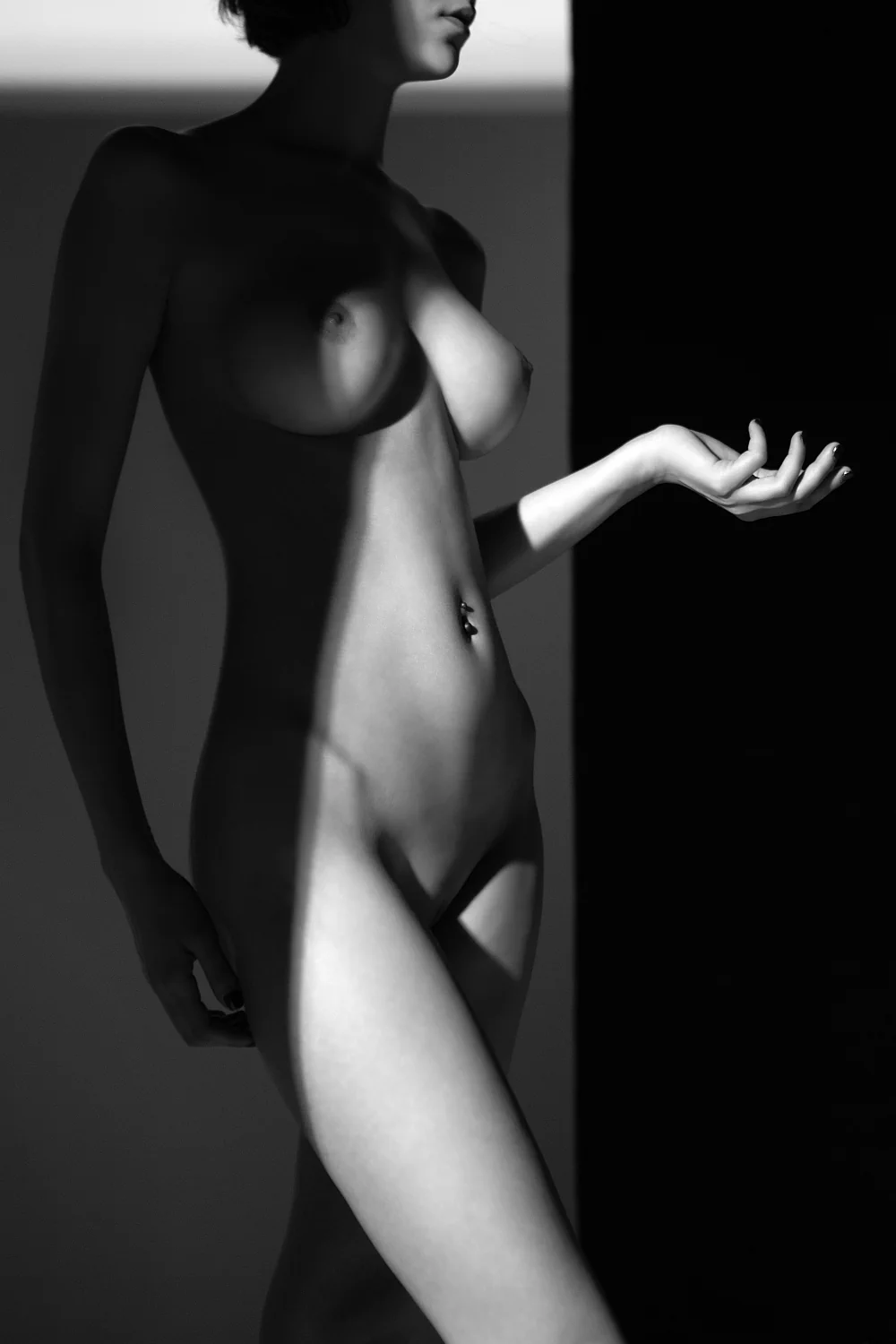
PRESSE
Warum dieses Projekt wichtig ist
Ein seltener Sammelnachweis aus der Türkei
Das öffentliche Bild der Aktfotografie aus der Türkei ist begrenzt und unregelmäßig - geprägt von Einzelausstellungen, wenigen Veröffentlichungen und einer geringen Anzahl dokumentierter Referenzpunkte. Aktbilder von Istanbul erscheint in diesem engen Bereich als seltenes kollektives Buchprojekt, das sich der Aktfotografie in der Türkei widmet.
Eine dauerhafte Praxis, kein Workshop-Archiv
Das Projekt entstand durch vierzehn Jahre wiederholter, von Kuratoren geleiteter Fotoproduktionen in Istanbul. Jede Produktion schuf eine anspruchsvolle fotografische Situation: einen Körper, eine visuelle Prämisse, eine Lichtumgebung, eine Reihe von materiellen Bedingungen und einen gemeinsamen ethischen Raum. Bei den ausgewählten Arbeiten handelt es sich nicht um Übungen, sondern um individuelle Fotografien, die in einem anhaltenden kollektiven Feld entstanden sind.
Gemeinsame Bedingungen, unterschiedliche Urheberschaft
Die Ausstellung hält zwei Schichten zusammen: das kuratorische Feld, das Burak Bulut Yıldırım über vierzehn Jahre hinweg entwickelt hat - Konzept, Beleuchtung, Casting, Setbau, Materialregie, Publikationsrahmen - und die fotografische Autorschaft jedes teilnehmenden Fotografen in seinem Rahmen, seiner Distanz, seinem Timing, seiner Zurückhaltung, seiner tonalen Sensibilität und seinem Moment der Veröffentlichung. Gemeinsame Bedingungen werden nicht als Schwäche behandelt, sondern als die Struktur, durch die Unterschiede im Sehen sichtbar werden.
Modelle als Autoren, nicht nur als Subjekte
Die Publikation enthält in Auftrag gegebene Essays von drei für die Istanbuler Praxis zentralen Modellautoren: Zeynep Renda, Su Yeşilund Marmelat. Renda und Yeşil schreiben unter ihrem eigenen Namen; Marmelat schreibt unter einem selbst gewählten Pseudonym und berichtet über das Aktmodellieren an der türkischen Kunstakademie, wobei sie auf drei Jahre Erfahrung als Aktmodell an einer Kunstfakultät zurückgreift. Ihre Texte sind strukturelle Bestandteile des Buches, keine ergänzenden Kommentare. Die Entscheidung, die Stimmen der Modelle einzubeziehen, folgt aus der kuratorischen Position, dass Aktfotografie nicht nur ein Bild eines Körpers ist, sondern eine Beziehung zwischen der fotografierten Person, der fotografierenden Person und dem Licht, das den Raum hält.
Berlin als Auftakt, Barcelona als zweite Ausstellung
Die Berliner Ausstellung hat das Werk nicht aus Istanbul wegverlegt. Sie hat ein öffentliches und internationales Kapitel für eine Fotoserie eröffnet, die in Istanbul entstanden ist und jahrelang nur in begrenzten Kreisen zirkulierte. Dieses Kapitel wird vom 20. November bis zum 4. Dezember 2026 in Barcelona in der Galerie Uxval Gochez fortgesetzt und schafft damit einen zweiten europäischen Ausstellungskontext für denselben gemeinsamen Werkkomplex.
Kuratorischer Essay
Das Argument der Aktbilder von Istanbul geht von einem strukturellen Widerspruch aus. Istanbul hat ein beständiges und technisch versiertes Feld der Akt- und Körperfotografie hervorgebracht, doch sind diese Arbeiten nur selten durch Bücher, Institutionen, spezielle Plattformen oder Kollektivausstellungen international in Umlauf gebracht worden. Die Gründe dafür sind eher struktureller als künstlerischer Natur: eine dünne Publikationsliste, begrenzte Ausstellungsorte, unregelmäßige Ausstellungspräsenz und eine historische Aufzeichnung, die weitgehend von einzelnen männlichen Autoren geprägt ist.
Die Ausstellung thematisiert diese Abwesenheit durch eine spezifische kollektive Praxis. Vierzehn Fotografen, die aus einer vierzehnjährigen kuratorisch geleiteten Praxis in Istanbul ausgewählt wurden, werden als kohärente kollektive Formation auf einer internationalen Plattform präsentiert. Fünf der vierzehn teilnehmenden Fotografen sind Frauen. Dies ist nicht als numerische Korrektur von Bedeutung, sondern als Teil der Struktur der Autorenschaft des Projekts: verschiedene Positionen des Blicks entscheiden mit darüber, wie der Körper gesehen, gerahmt, zurückgehalten und in die Öffentlichkeit entlassen wird.
Die theoretische Lektüre ist mit drei zentralen Fragen verbunden. Jean Baudrillard ist nützlich, um zu erkennen, wie sich das Bild von dem Körper, den es abzubilden vorgibt, lösen kann - eine Frage, die heute durch synthetische und durch KI generierte Körperbilder verschärft wird. Laura Mulvey ist für jede ernsthafte Diskussion über den Blick unverzichtbar, nicht als eine These, die mechanisch auf jede Aktfotografie anzuwenden ist, sondern als das Feld, in dem Bilder des Körpers weiterhin gemacht und gelesen werden. Maurice Merleau-Ponty bietet ein phänomenologisches Verständnis des Körpers als Grund der Wahrnehmung, nicht einfach als ein von außen betrachtetes Objekt.
Das Projekt fügt sich auch in einen breiteren türkischen Diskurs über Körperpolitik und -darstellung ein. Künstler wie İpek Duben und Nilbar Güreş haben sich in verschiedenen Medien und Registern mit Geschlecht, Intimität, sozialen Codes, dem Körper und der Selbstdarstellung in der türkischen Bildkultur auseinandergesetzt. Ahu Antmens Schriften zu Körper, Identität, Geschlecht und Kunst bieten einen wichtigen kunsthistorischen Rahmen für das Verständnis, wie der dargestellte Körper durch die Moderne, kulturelle Codes und Identitätspolitik in der Türkei geformt wurde. Aktbilder von Istanbul beansprucht keine direkte Kontinuität mit diesen Praktiken. Sie steht neben ihnen als Teil derselben umfassenderen Frage: Wie darf der Körper gesehen werden, von wem, unter welchen Bedingungen und durch welche Formen der öffentlichen Aufzeichnung?
Diese Frage bleibt strukturell aufgeladen. Die öffentliche Ausstellung von Aktfotografie aus der Türkei hat sich oft in begrenzten Kanälen bewegt: private Ateliers, kleine Kreise, unregelmäßige Ausstellungen und eine relativ geringe Zahl von Veröffentlichungen. Dieses Muster ist nicht spezifisch für ein Land. Im November 2024 wurde das Video von İnci Eviner Harem (2009) wurde aus der Ausstellung des Mathaf Arab Museum of Modern Art zurückgezogen Sehen ist Glauben kurz vor der Eröffnung, ein Fall, der weithin als Zensur diskutiert wird. Zusammengenommen erinnern uns diese Beispiele daran, dass die Politik der Darstellung des Körpers nach wie vor aktiv, aktuell und ungleichmäßig über kulturelle Kontexte verteilt ist.
Die Ausstellung argumentiert schließlich folgendermaßen: Die Aktfotografie - mit der Kamera, mit physischen Eingriffen, in einem Raum, in dem der Körper tatsächlich anwesend ist - bleibt ein ernsthafter künstlerischer Akt in einer Zeit, in der synthetische Körperbilder zunehmend normalisiert werden. In diesen Fotografien ist der Körper nicht nur ein Motiv. Er ist das Arbeitsmaterial des Bildes und gleichzeitig eine Person, die eingewilligt hat, posierte, wartete, sich bewegte, Widerstand leistete und den Raum hielt. Das Licht ist echtes Licht. Die Oberfläche ist echtes Glas, echter Stoff, echtes Pigment, echtes Wasser, echter Schatten, echte Haut.
Die Ausstellung nimmt diesen physischen und ethischen Grund als Ausgangspunkt.
Kuratorische Taxonomie
Die Arbeiten sind nach sechs Registern des fotografierten Körpers geordnet. Anstatt den Akt als festes Genre zu behandeln, folgt die Sequenz der dominanten Bedingung, durch die jede Fotografie gelesen werden will: als Oberfläche, als Materie, als zurückgehaltenes Bild, als Figur in Räumen, als Dauer oder als selbstbeherrschte Präsenz. Eine Fotografie wird nach ihrer primären visuellen Kraft platziert, nicht einfach nach dem, was innerhalb des Rahmens erscheint. Die Frage ist immer eine kuratorische: Was macht die Fotografie im Grunde mit dem Körper?
1. Oberfläche
Der Körper als Kontur, Terrain und Bildfläche
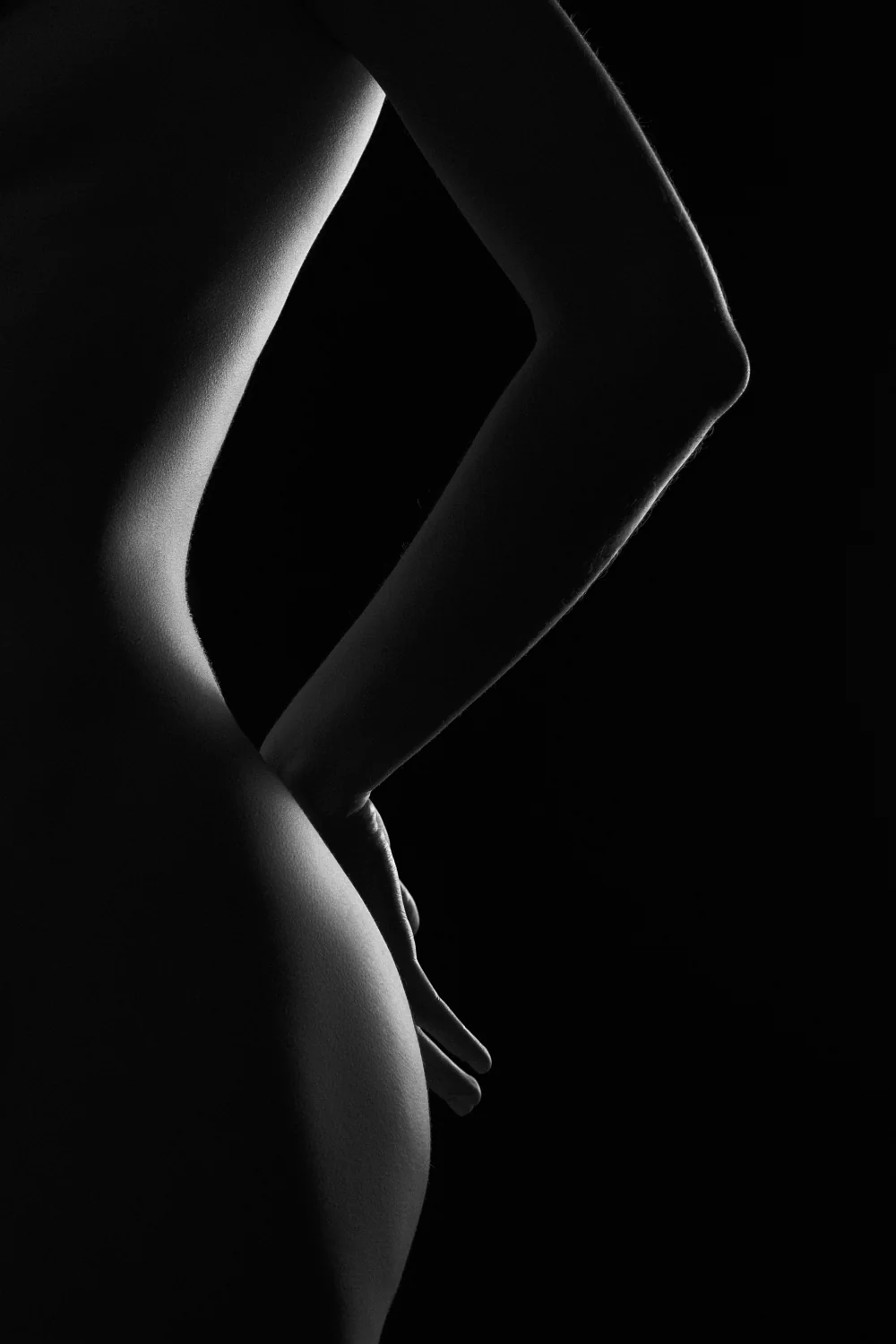
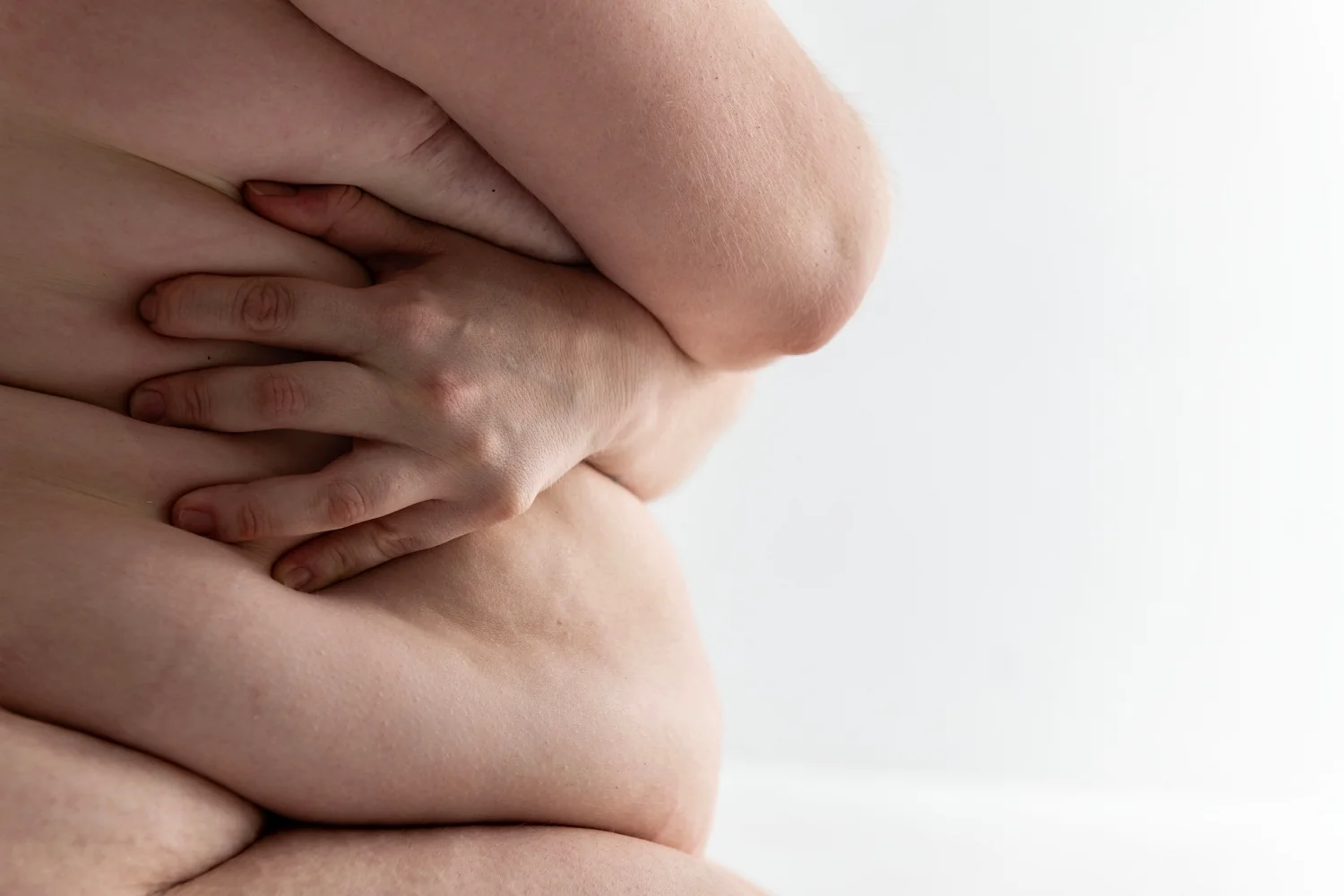
Ein Werk gehört zu Oberfläche wenn der Körper vor der Identität gelesen wird: als Kontur, Volumen, Licht, Schatten, Linie und Terrain. Ein enger Bildausschnitt, ein reduzierter Kontext, gedämpftes Licht oder ein neutraler Untergrund können die Haut in eine Bildfläche verwandeln. Diese Fotografien fragen nicht in erster Linie, wer der Körper ist, wo er sich befindet oder welches Material ihn berührt - sie fragen, wie das Licht die Form sichtbar macht. Ein Gesicht kann auftauchen, aber es sollte nicht dominieren; wenn der Blick oder die selbst eingenommene Haltung zur zentralen Kraft wird, bewegt sich die Arbeit in Richtung Selbstbeschlagnahme, und wenn Pigmente, Flüssigkeiten, Stoffe oder farbiges Licht die Haut aktiv verändern, in Richtung Materie.
2. Materie
Pigment, Flüssigkeit, Stoff, Metall und Licht, das auf die Haut einwirkt
Ein Werk gehört zu Materie wenn die Oberfläche des Körpers durch physischen oder optischen Kontakt verändert wird. Pigment, Pulver, Farbe, Glitter, Wasser, Öl, Stoff, Metall, reflektierendes Material, projiziertes Licht oder farbiges Licht können die Haut beflecken, bedecken, markieren, reflektieren oder umgestalten. Der Körper wird nicht einfach nur abgebildet, er nimmt den Kontakt auf und registriert ihn. Wenn ein Material die Oberfläche des Körpers verändert, gehört das Bild hierher; wenn es vor allem den Zugang des Betrachters zum Körper unterbricht - indem es ihn verschleiert, verdunkelt oder ihm die Sichtbarkeit vorenthält -, bewegt sich das Bild in Richtung Deckkraft. Die Materie berührt den Körper; die Opazität steht zwischen dem Körper und dem Betrachter.
3. Opazität
Die Verweigerung der vollen Sichtbarkeit
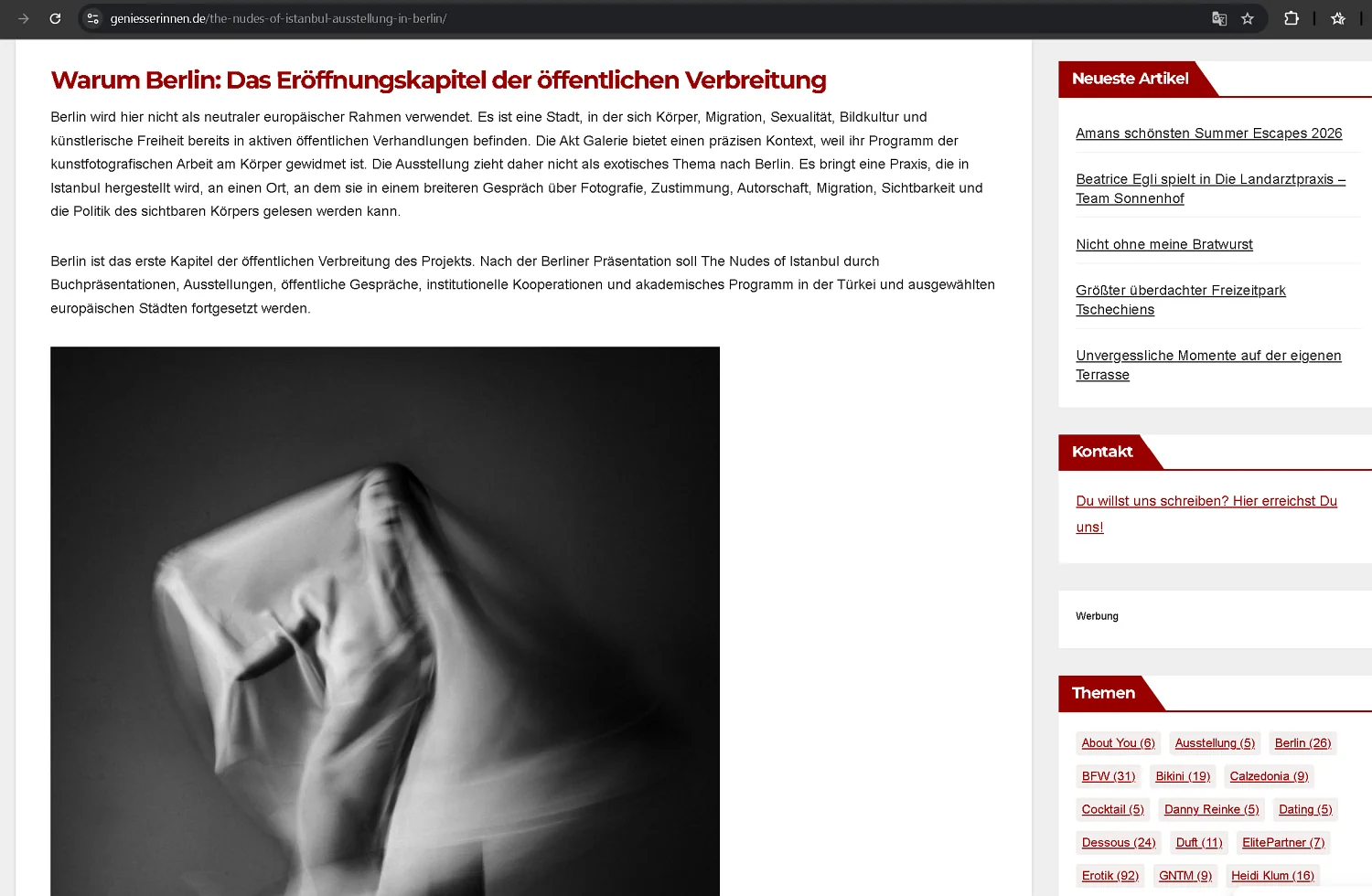
Ein Werk gehört zu Deckkraft wenn der Zugang des Betrachters zum Körper unterbrochen wird. Stoff, Wasser, Dunst, Schatten, Reflexion, Glas, durchscheinende Oberflächen, Schleier, Netze oder atmosphärisches Licht können die Figur präsent, aber nicht vollständig verfügbar machen - das Bild bietet den Körper nicht als transparente Information an; es verzögert, filtert oder destabilisiert den Blick. Opazität ist nicht einfach Atmosphäre oder Dunkelheit; wenn Dunkelheit den Körper als Form zeichnet, kann das Werk zu den Oberfläche, und wenn der direkte Blick oder die selbstbewusste Haltung der Person stärker wird als das Hindernis, kann sich die Arbeit in Richtung Selbstbeschlagnahme.
4. Zimmer
Private Innenräume, öffentlicher Druck
Ein Werk gehört zu Zimmer wenn der Innenraum zu einem bestimmenden Element der Fotografie wird. Betten, Stühle, Sofas, Vorhänge, Teppiche, Wände, Fenster, Türen, Ecken, Badezimmer und temporäre Ateliereinrichtungen können mehr sein als nur Kulissen - sie platzieren den Körper in einem sozialen und psychologischen Feld: Privatsphäre, Erlaubnis, Entblößung, Häuslichkeit und Druck. Das Vorhandensein von Möbeln allein reicht nicht aus; der Raum muss die Art und Weise beeinflussen, wie der Körper gelesen wird. Wenn der Körper als Form isoliert bleibt, kann die Arbeit zu Oberfläche; wenn die Innerlichkeit oder der Blick der Figur die stärkste Kraft ist, um Selbstbeschlagnahme.
5. Dauer
Bewegung, Aufhängung, Schwerkraft und Zeit
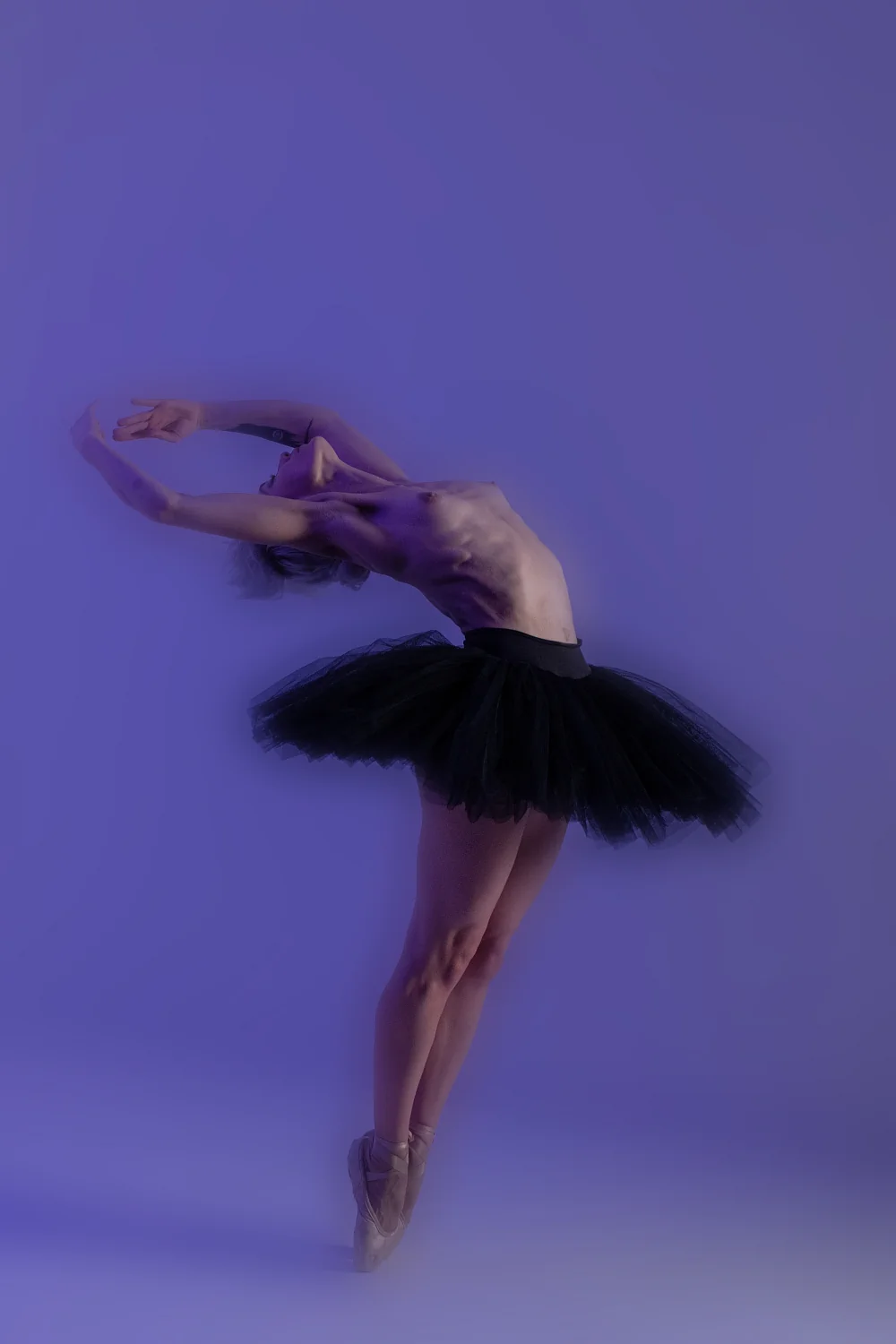
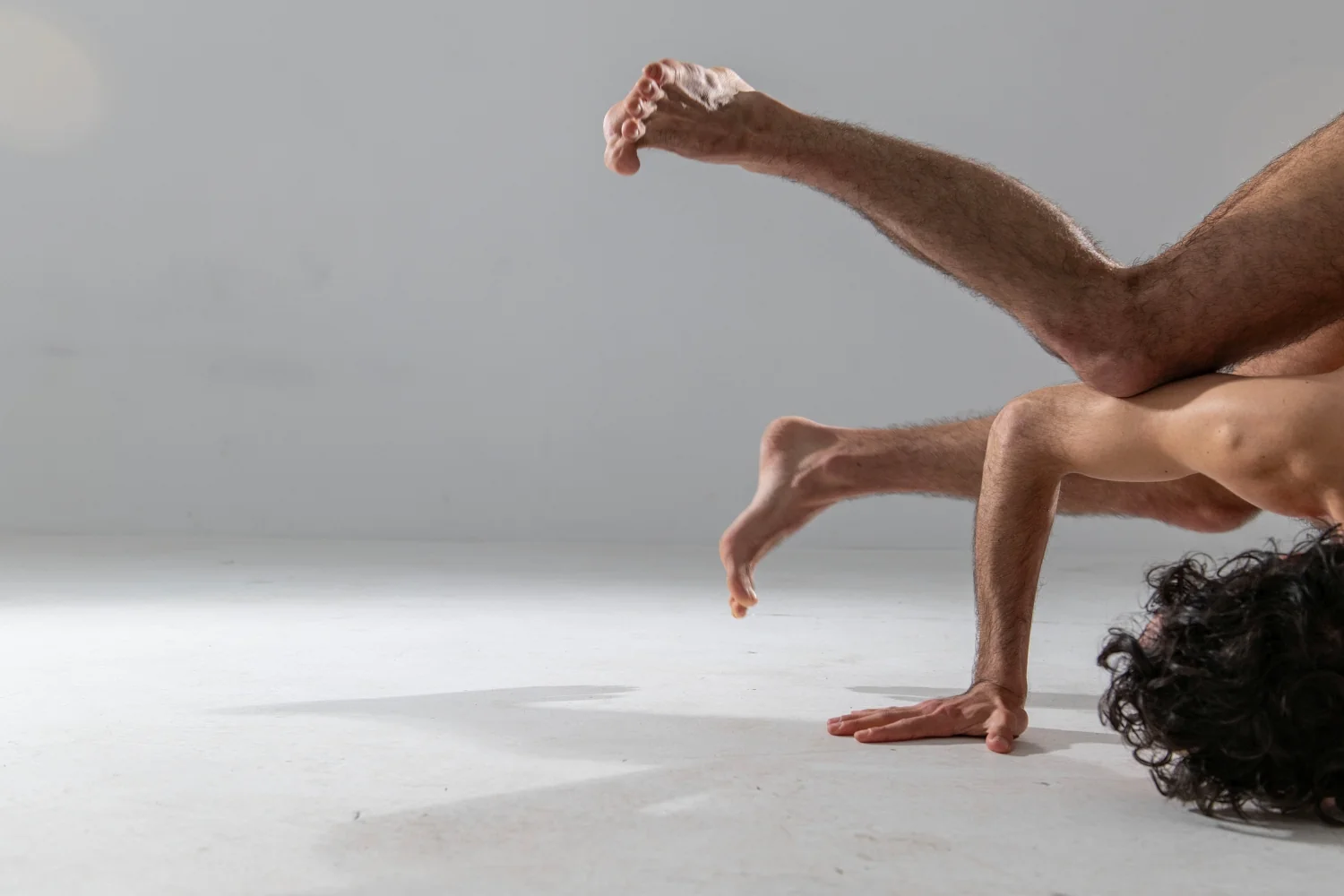
Ein Werk gehört zu Dauer wenn der Körper als ein Ereignis in der Zeit gelesen wird. Bewegung, Aufhängung, Gleichgewicht, Unschärfe, Langzeitbelichtung, Tanz, Akrobatik, Fallen, Halten, Dehnen oder Widerstehen der Schwerkraft ersetzen die starre Pose durch einen Sinn für physische Dauer. Die Fotografie hält nicht nur einen Körper fest, sondern auch die Zeit, die er braucht, um sich zu halten, zu bewegen, zu fallen, in der Schwebe zu bleiben oder dem Zusammenbruch zu widerstehen. Dauer erfordert keine sichtbare Unschärfe - ein Standbild kann hier hingehören, wenn der Körper eine starke physische Spannung aufweist: Muskelanspannung, Gleichgewicht, Schweben oder Widerstand.
6. Selbstbesessenheit
Der von der abgebildeten Person gehaltene Körper
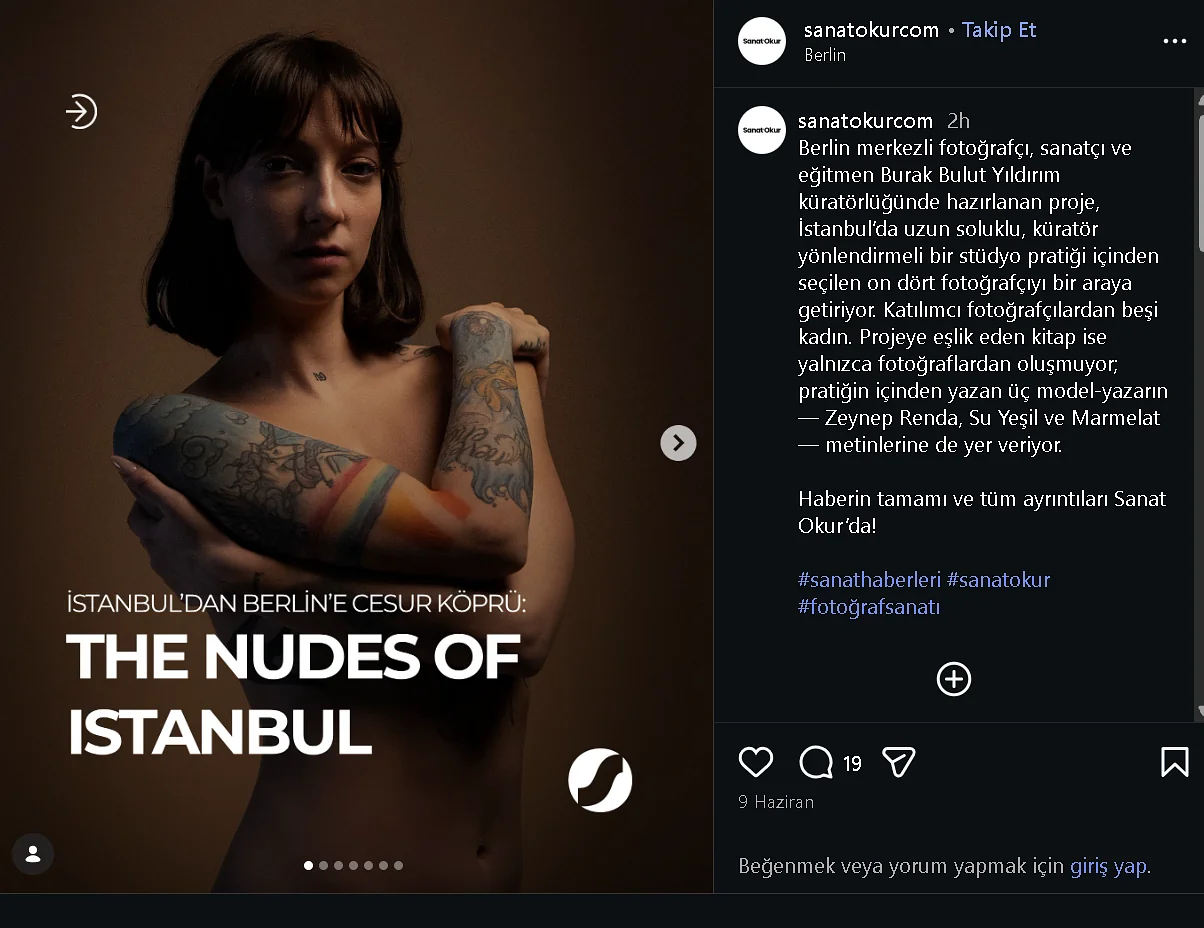
Ein Werk gehört zu Selbstbeschlagnahme wenn der Körper nicht dem Betrachter überlassen wird, sondern von der Person im Bild gehalten wird. Dies kann durch direkten Blick, Verweigerung, Stille, Innerlichkeit, eine geschlossene Körperhaltung, eine selbstschützende Geste oder ein stilles Beharren auf Präsenz geschehen. In dieser Kategorie geht es nicht um Verwundbarkeit, sondern um den Körper als Teil von jemandem. Ein sichtbares Gesicht ist ein starkes Signal, aber keine Bedingung; ein umgedrehter Rücken, ein gefalteter Körper oder eine zurückgezogene Haltung können ebenfalls Selbstbeherrschung erzeugen, wenn die Figur als eine Person lesbar bleibt, die die Bedingungen der Sichtbarkeit festlegt.
Die türkische Genealogie
Es gibt eine türkische Genealogie der Aktfotografie, aber sie ist eher sporadisch als kumulativ. Işık Özdals wissenschaftliche Studie von 2011, Türk Fotoğrafında Nü Sergilerin Analizi, eine Aufzeichnung, die mit Çerkes Karadağs Nüans - die 1988 in Köln und 1989 in Istanbul gezeigt wurde - gefolgt von einer begrenzten Reihe weiterer Ausstellungen von Fotografen wie Mehmet Koştumoğlu, Levent Öget, İbrahim Göğer, Orhan Alptürk, Saygun Dura, Cem Boyner und Niko Guido.
Özdals Überblick zeigt ein von Diskontinuität geprägtes Feld auf. Die Praxis ist größtenteils durch Einzelausstellungen und nicht durch dauerhafte kollektive Strukturen in Erscheinung getreten. Es gibt nur wenige Veröffentlichungen, darunter Alberto Modianos Türk Fotoğrafında Çıplak (2004) als eine der wenigen substantiellen Abhandlungen des Themas in Buchform. Die historische Aufzeichnung zeigt auch ein ausgeprägtes Ungleichgewicht in der Autorenschaft, da Fotografinnen in der frühen Ausstellungsgeschichte, die in der Übersicht dokumentiert ist, weitgehend fehlen.
Die Zeit nach 2011 hat keine kontinuierliche, weithin sichtbare institutionelle Dokumentation der Aktfotografie in der Türkei hervorgebracht. Die Körperpolitik blieb jedoch ein zentrales Thema in der türkischen visuellen Kultur. Im breiteren Feld der Kunstgeschichte und der zeitgenössischen Praxis definieren Ahu Antmens Schriften zu Körper, Identität, Geschlecht und Repräsentation, İpek Dubens langjährige Beschäftigung mit Körper, Identität, Geschlecht und Selbstdarstellung, die historische Rahmung des Aktes in der modernen türkischen Malerei und Nilbar Güreş' anhaltende Praxis rund um Geschlecht, soziale Codes und verkörperte Identität ein breiteres kulturelles Feld, in dem die Sichtbarkeit des Körpers umstritten bleibt.
Diese Praktiken bilden keine direkte Abstammung für Aktbilder von Istanbul. Das Projekt ist fotografisch, kollektiv und in einem langfristigen Istanbuler Arbeitsumfeld verwurzelt. Aber sie helfen, die umfassendere Frage zu definieren, zu der das Projekt gehört: Wie wird der Körper in der türkischen visuellen Kultur sichtbar, wer darf ihn rahmen, und durch welche Strukturen kann er in die öffentliche Aufzeichnung gelangen?
Aktbilder von Istanbul wird in Bezug zu diesen Bedingungen gesetzt. Die begleitende Publikation erscheint als seltenes kollektives Projekt in Buchlänge, das sich nach Modianos Band von 2004 der Aktfotografie in der Türkei widmet. Sie präsentiert eher eine nachhaltige kollektive Praxis als einen einzelnen Autor. Fünf der vierzehn beteiligten Fotografen sind Frauen. Es enthält in Auftrag gegebene Essays von drei Model-Autoren. Und es organisiert die Arbeit explizit durch sechs zeitgenössische Register - Oberfläche, Materie, Opazität, Räume, Dauer und Selbstbesessenheit -, die die Istanbuler Praxis mit aktuellen Rahmenbedingungen in der Kunstfotografie verbinden.
Die Ausstellung hat nicht den Anspruch, die historische Lücke zu schließen. Sie erhebt den Anspruch, den Punkt zu markieren, an dem ein anderes Gespräch möglich wird.
Berlin → Barcelona: Internationaler Verkehr
Berlin hat die öffentliche internationale Verbreitung des Projekts eingeleitet; Barcelona setzt sie fort. Die Publikation verbreitet sich auf eigenem Weg, unabhängig von beiden Veranstaltungsorten.
Die erste öffentliche Präsentation fand vom 3. bis 19. Juli 2026 in der Akt Galerie in Berlin statt. Die zweite Ausstellung ist in der Uxval Gochez Gallery in Barcelona vom 20. November bis zum 4. Dezember 2026 bestätigt, mit einer Vernissage am Freitag, dem 20. November, um 19:30 Uhr und einer öffentlichen Buchvorstellung am Samstag, dem 21. November, um 12:00 Uhr.
London bleibt ein vorrangiger Schauplatz für die internationale Veröffentlichung und institutionelle Verbreitung des Projekts, einschließlich Pressearbeit mit Fokus auf Großbritannien, Gesprächen mit Bibliotheken und Museen, Möglichkeiten zur Buchvorstellung sowie künftigen Anfragen für Ausstellungen. Die National Art Library im Victoria and Albert Museum hat bereits ein Exemplar der Publikation in ihren Bestand aufgenommen.
Aktbilder von Istanbul soll auch durch Buchpräsentationen, Ausstellungen, öffentliche Gespräche, institutionelle Kooperationen und akademische Programme in der Türkei und ausgewählten europäischen Städten fortgesetzt werden. Künftige Präsentationen in Istanbul, der Türkei, und in anderen europäischen Kontexten werden derzeit erkundet.
Die Publikation ist so konzipiert, dass sie unabhängig von einem bestimmten Ausstellungsort über den Kunstbuchvertrieb, den Direktvertrieb, institutionelle Öffentlichkeitsarbeit, den Erwerb durch ausgewählte Bibliotheken und die Hinterlegung in Archiven verbreitet wird. Neben der National Art Library im V&A in London befindet sich das Buch im Bestand der Istanbul Modern Library, und Pfandexemplare wurden an die Deutsche Nationalbibliothek in Deutschland geliefert. Lesexemplare oder digitale Vorschauen können Kuratoren, Redakteuren, Verlegern, Kritikern und wissenschaftlichen Forschern nach Absprache zur Verfügung gestellt werden.
Institutionen, die daran interessiert sind, die Ausstellung auszurichten, ein öffentliches Gespräch zu organisieren, ein akademisches Programm rund um die Publikation zu erstellen, den Buchvertrieb zu besprechen oder das Buch für eine Bibliothek oder ein Archiv zu erwerben, können sich gerne an uns wenden.
Presse, Verlage und institutionelle Anfragen
Pressematerialien stehen zur Verfügung: ausgewählte hochauflösende Bilder, kuratorische Statements, Biografien der Fotografen, sachliche Pressemitteilungen, Vorabmaterial zu Publikationen, Leseexemplare nach Absprache, Verfügbarkeit für Interviews, Ausstellungsdetails sowie Informationen zu Bildnachweisen und Einwilligungen. Die kuratorischen Statements liegen auf Englisch, Deutsch und Türkisch vor; spezielle Pressematerialien für Barcelona sind verfügbar in Englisch, Spanisch und Katalanisch.
Die Ausstellung in Barcelona steht während der Ausstellungsdauer nach vorheriger Absprache für Vorbesichtigungen durch Journalisten, Interviewanfragen, Besuche von Wissenschaftlern, Gespräche mit Verlegern, Anfragen von Institutionen bezüglich der Ausrichtung der Ausstellung sowie kuratorische Besprechungen offen. Der Kurator ist anlässlich der Eröffnung am 20. November 2026 sowie zur öffentlichen Buchvorstellung in der Uxval Gochez Gallery am Samstag, dem 21. November 2026, um 12:00 Uhr in Barcelona anwesend.
Kuratoren, Kunstkritiker, Redakteure, Verleger, Bibliothekare und Wissenschaftler, die sich mit zeitgenössischer Fotografie, Aktkunst, türkischer visueller Kultur, Gender, Bildpolitik, körperbasierter Praxis, Publikationsgeschichte oder kollektiver Autorschaft beschäftigen, sind besonders willkommen.
Theoretische Referenzen
Der kuratorische Rahmen stützt sich auf die folgenden primären Referenzen.
- Antmen, Ahu. Kimlikli Bedenler: Sanat, Kimlik, Cinsiyet. Sel Yayıncılık, Istanbul, 2014.
- Baudrillard, Jean. Simulakren und Simulation. University of Michigan Press, 1994.
- Berger, John. Wege des Sehens. Penguin Books, 1972.
- Merleau-Ponty, Maurice. Phänomenologie der Wahrnehmung. Routledge, 2012 (1945).
- Modiano, Alberto (Hrsg.). Türk Fotoğrafında Çıplak. Bileşim Yayınevi, Istanbul, 2004.
- Mulvey, Laura. "Visuelles Vergnügen und narratives Kino"." Bildschirm 16:3, 1975.
- Özdal, Işık. "Türk Fotoğrafında Nü Sergilerin Analizi." SDÜ ART-E, 2011.
- Sontag, Susan. Zur Fotografie. Farrar, Straus und Giroux, 1977.
Die vollständige Bibliografie - einschließlich der Primärquellen für die türkische Ausstellungsgeschichte und die oben erwähnten Referenzen zur Körperpolitik nach 2011 - ist in der Publikation enthalten.