Antemortem
Der Körper vor der Stille
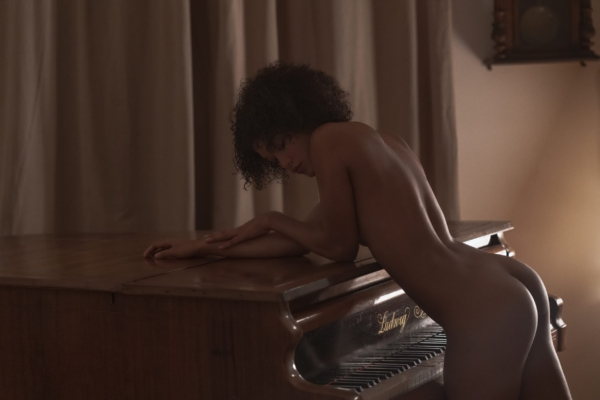
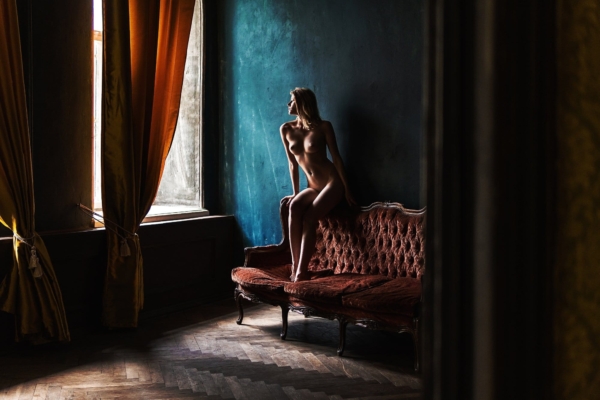
Fotografien, die sich im Raum zwischen Präsenz und Abwesenheit bewegen: Körper, die bereits zu Spuren werden.
Der Begriff antemortem, aus dem Lateinischen ante mortem, bedeutet vor dem Tod
. In der Rechtsmedizin unterscheidet man damit zwischen Verletzungen, die zu Lebzeiten entstanden sind, und solchen, die nach dem Tod aufgetreten sind. Bei der forensischen Identifizierung bezeichnet derselbe Begriff die im Laufe des Lebens einer Person gesammelten Unterlagen – darunter auch Fotos –, mit denen nicht identifizierte Leichenteile abgeglichen werden. In diesem Sinne kann jedes Porträt zu Antemortem-Daten werden. Antemortem holt diese kühle Terminologie zurück und verleiht ihr eine zarte Note. Die Serie versammelt Fotografien, die zwischen Leben und Tod zu schweben scheinen: Körper, die noch da sind, doch schon dabei zu sein scheinen, sich zu verabschieden.
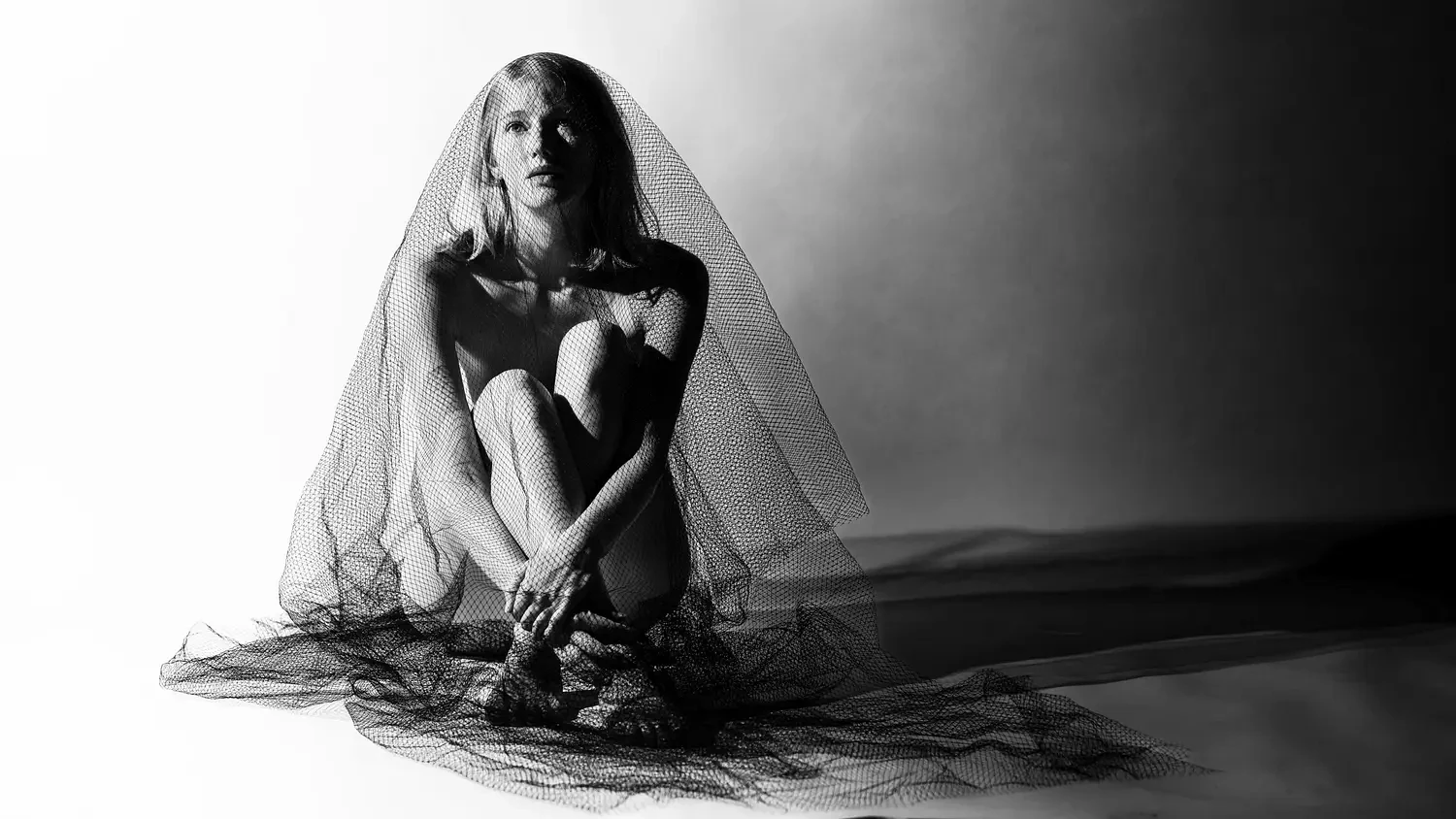
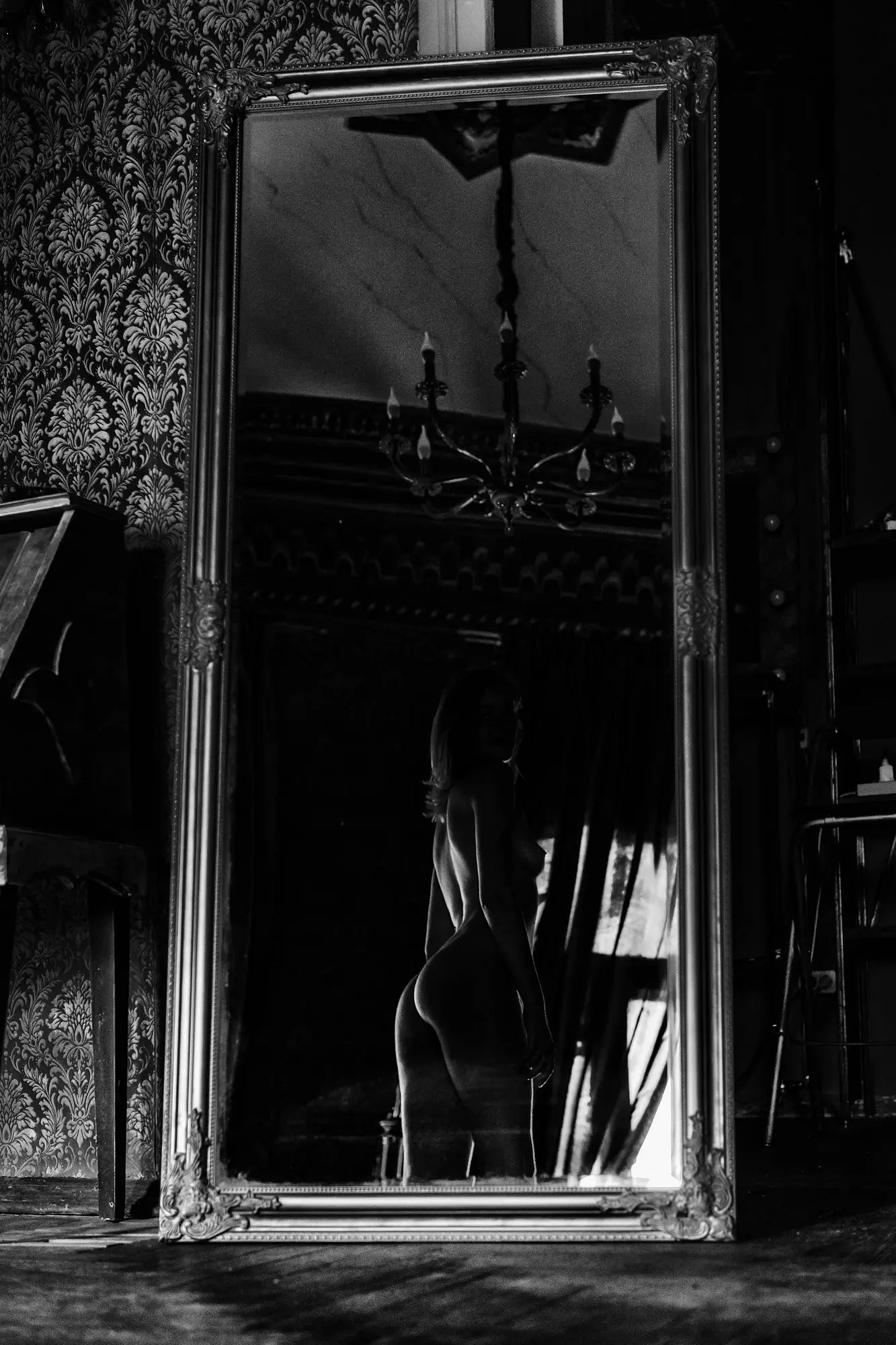
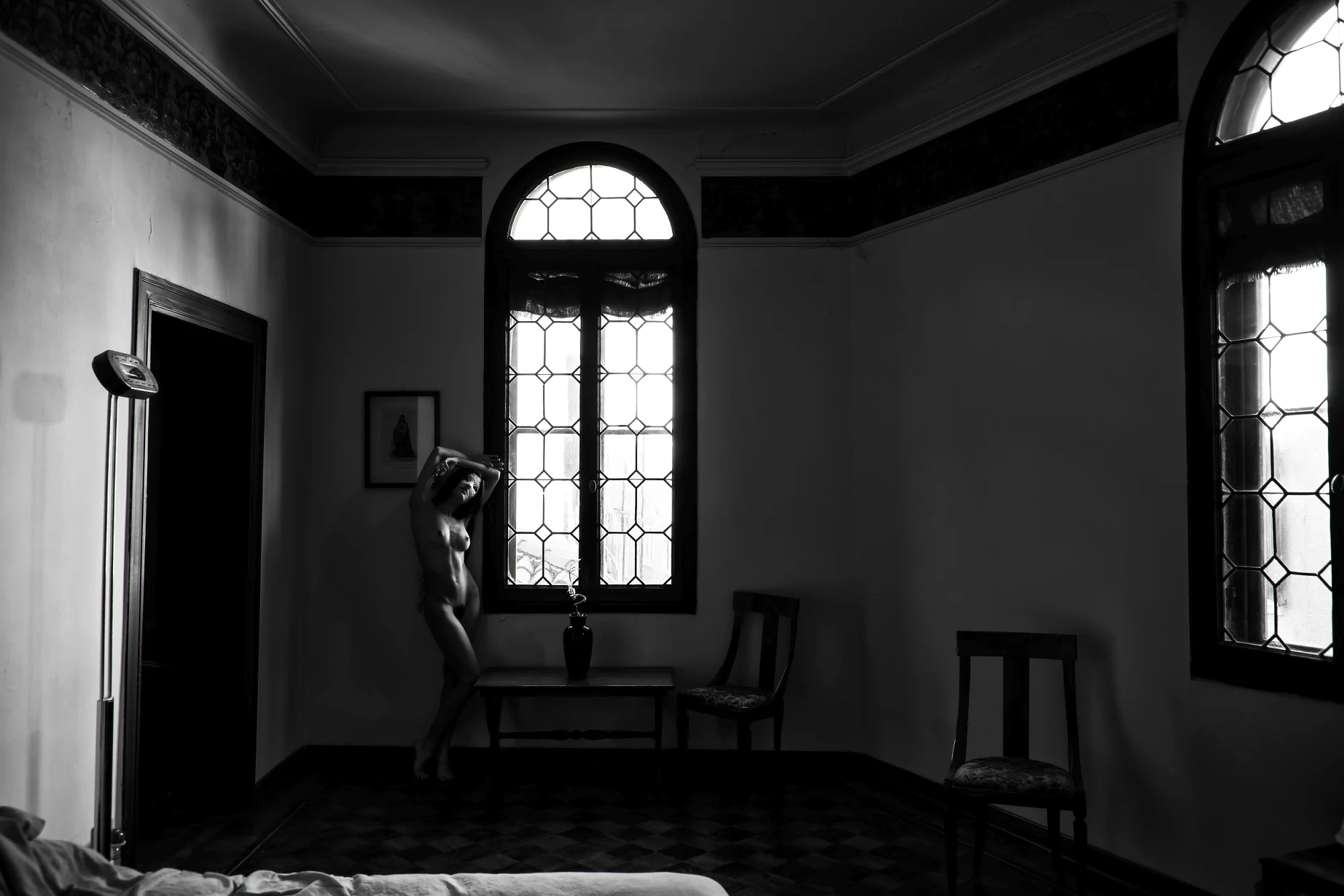
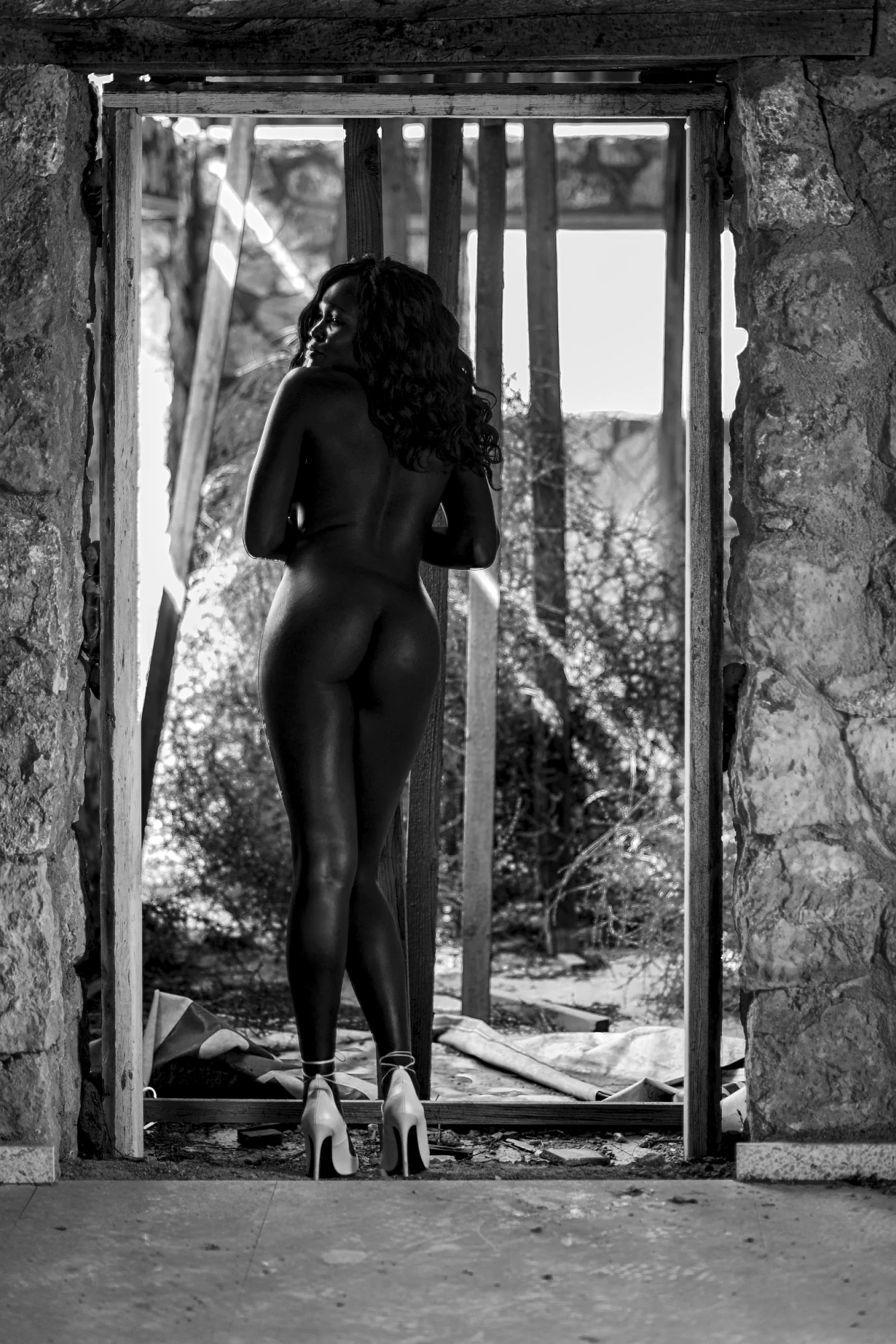
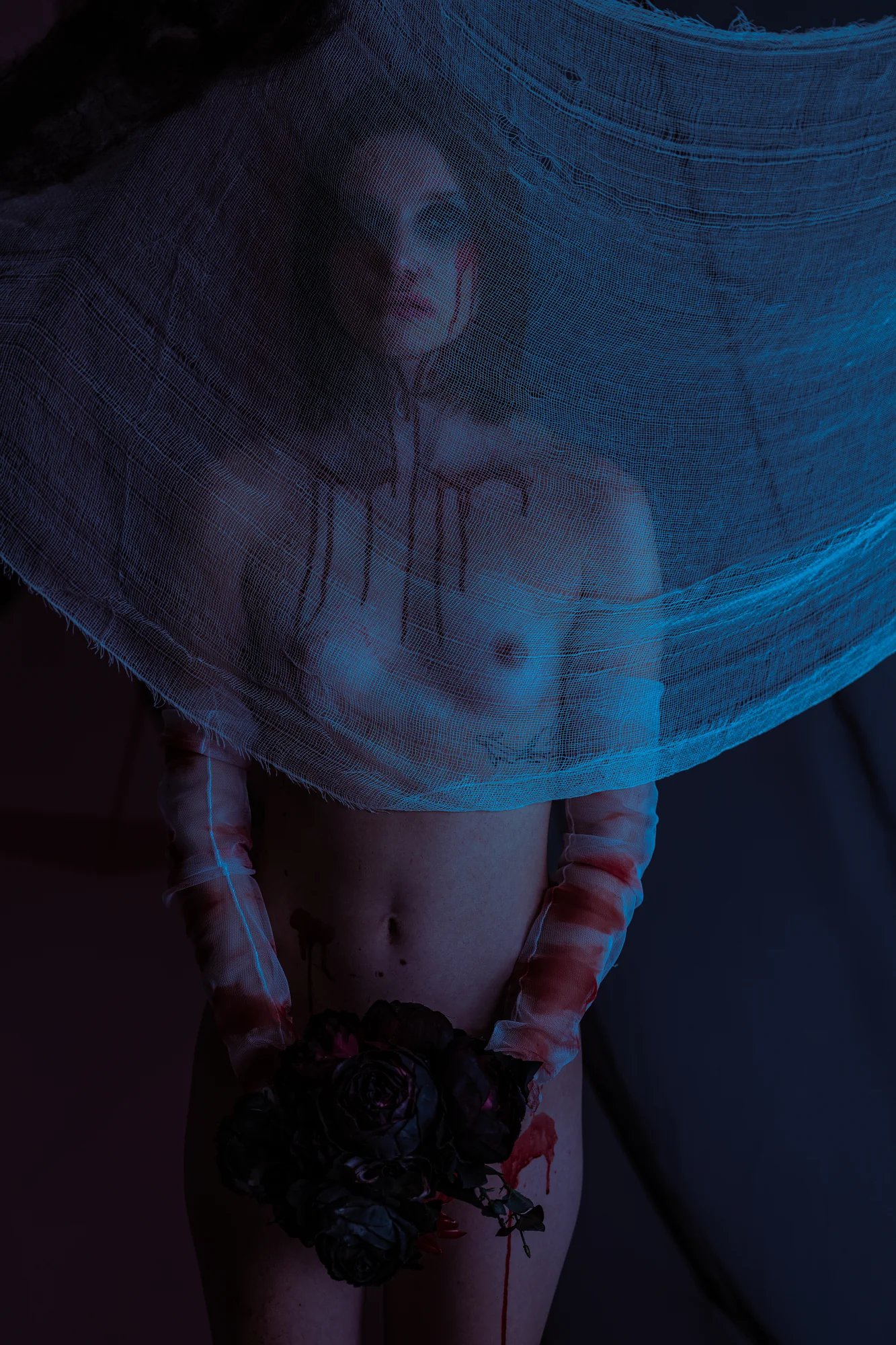
Die Serie bringt die Zeichen des Todes in direkten Kontakt mit dem lebendigen Körper. Warme Haut wird an das gedrückt, was sie überdauern wird. Ein Körper wird eingewickelt, als sei er bereits auf sein Ende vorbereitet, bleibt doch im Inneren der Hülle wach und wachsam. Manchmal überlebt die Gestalt nur als Spiegelbild, als eine Präsenz, die das Auge im Glas, nicht aber im Raum finden kann. Manche Räume sind als Orte gekennzeichnet, die niemand betreten sollte, sodass sich das Betrachten selbst wie ein Eindringen anfühlt und der Betrachter als Zeuge erscheint, der etwas zu früh gekommen ist.
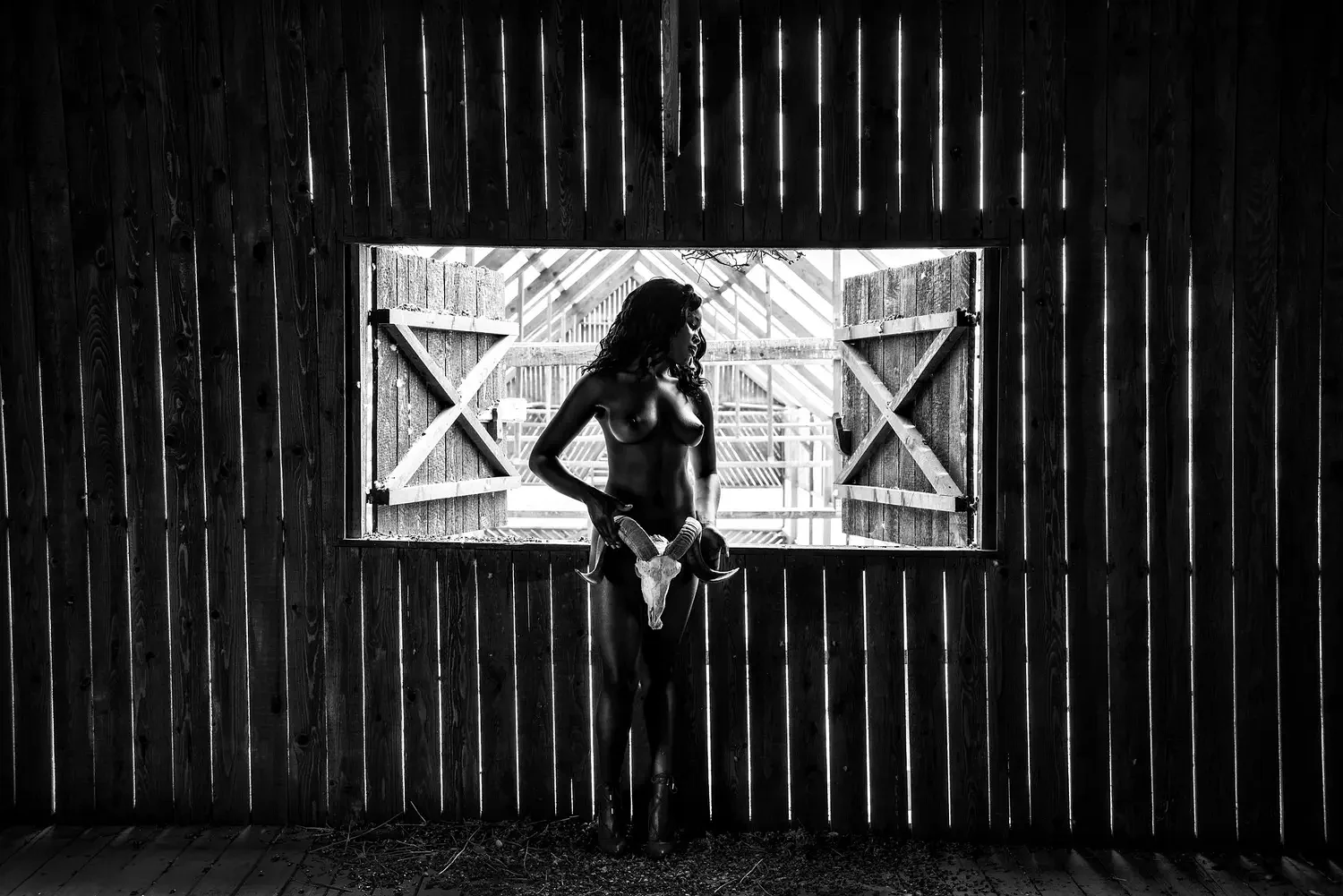
Jedes Foto hält etwas fest, das einmal existierte und nun der Vergangenheit angehört. Ein Porträt von jemandem, dessen Ende nahe ist, vereint zwei Zeitformen zugleich: Auf dem Bild lebt die Person noch, doch das Ende rückt bereits näher. Antemortem lebt in dieser zweiten Zeitform. Seine Fotografien entstehen vor einem Ende und tragen es bereits in sich. Sie wirken wie Fotografien von Fotografien, Aufzeichnungen von Präsenzen, die bereits zu Geistern werden. Schädel, Leichentücher und verblassende Dinge werden seit jeher dazu verwendet, die Lebenden daran zu erinnern, dass sie sterben werden – meist verbunden mit einer Lehre. Hier gibt es keine Lehre, sondern nur die anhaltende Aufmerksamkeit dafür, wie vergänglich ein Körper ist.
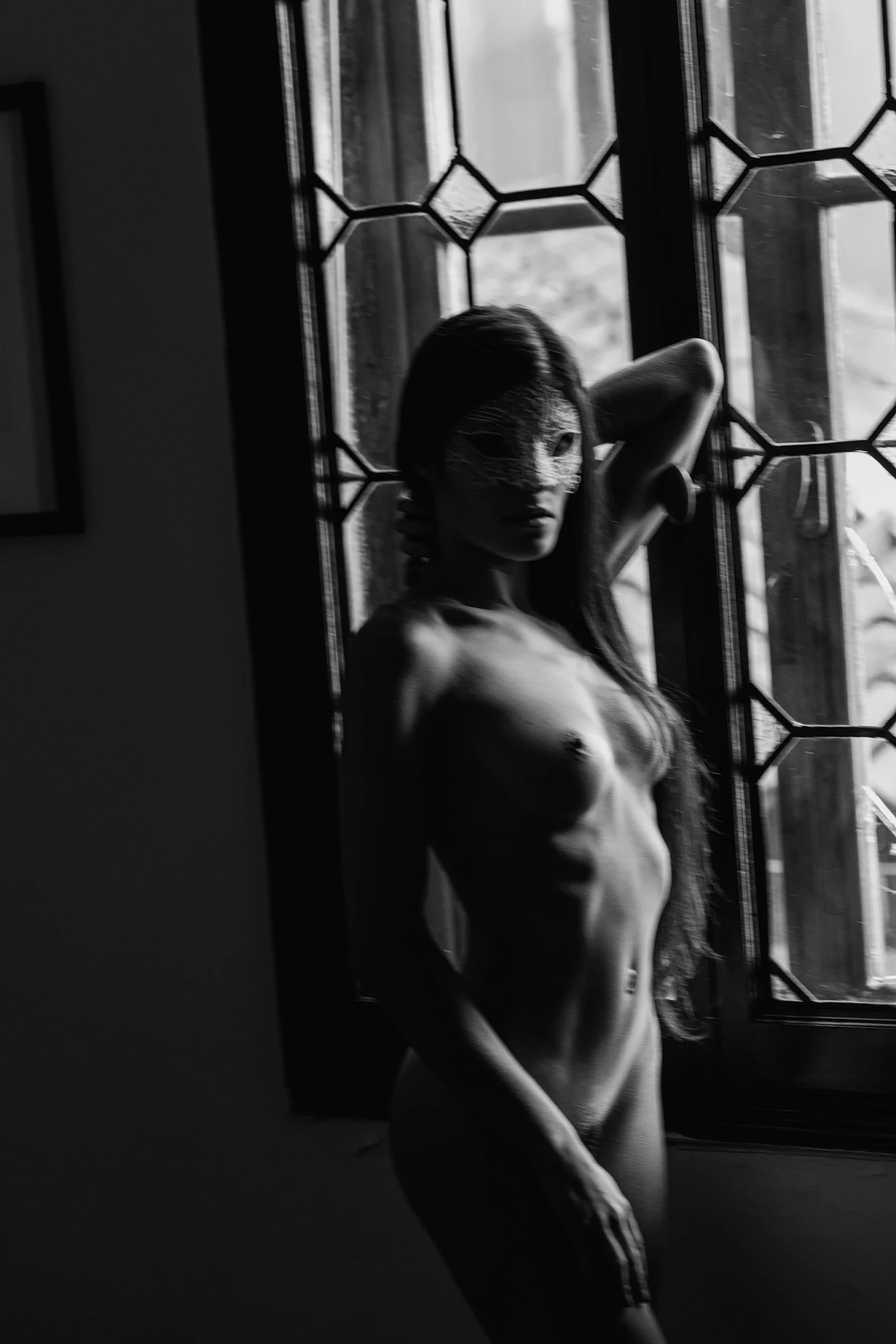
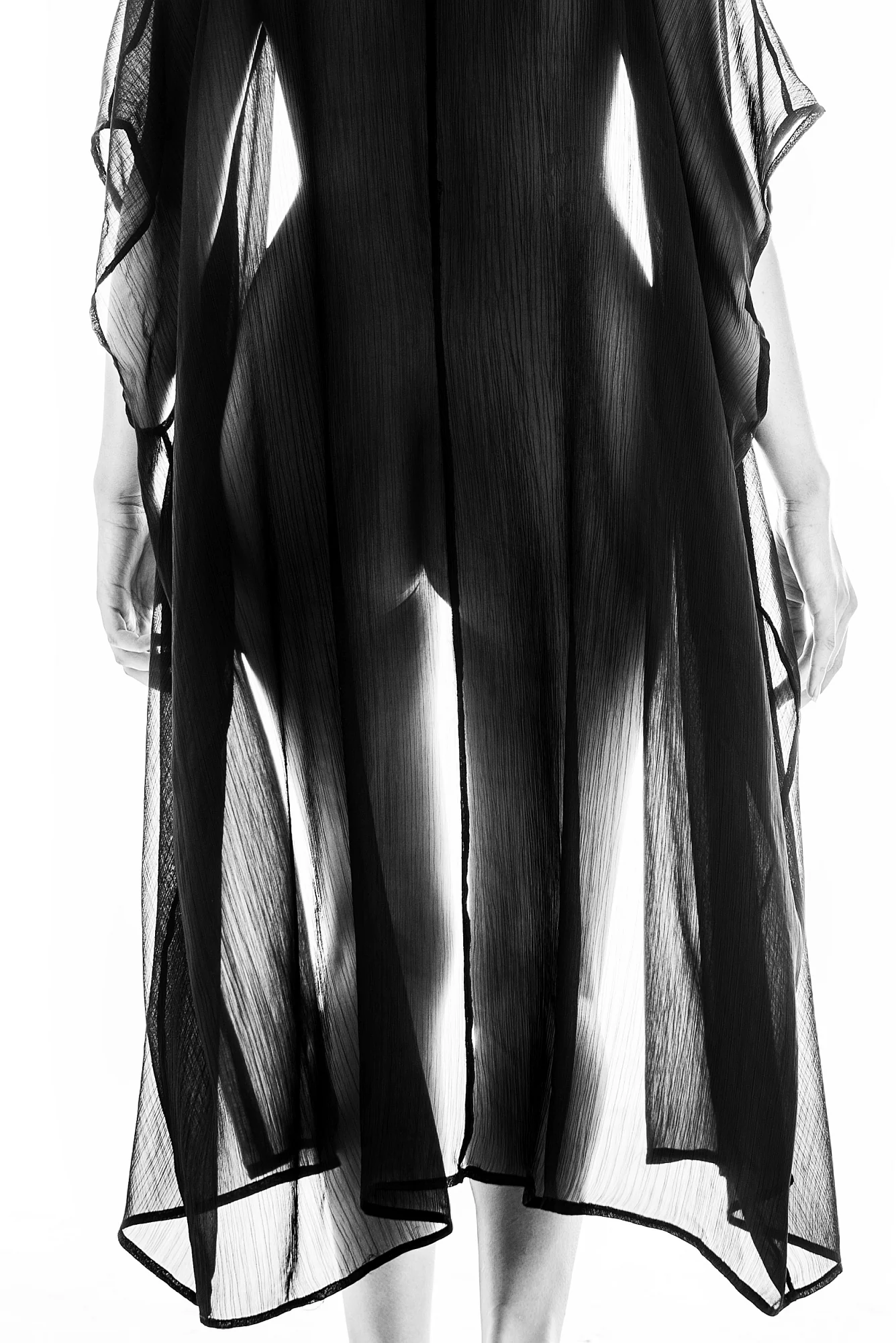
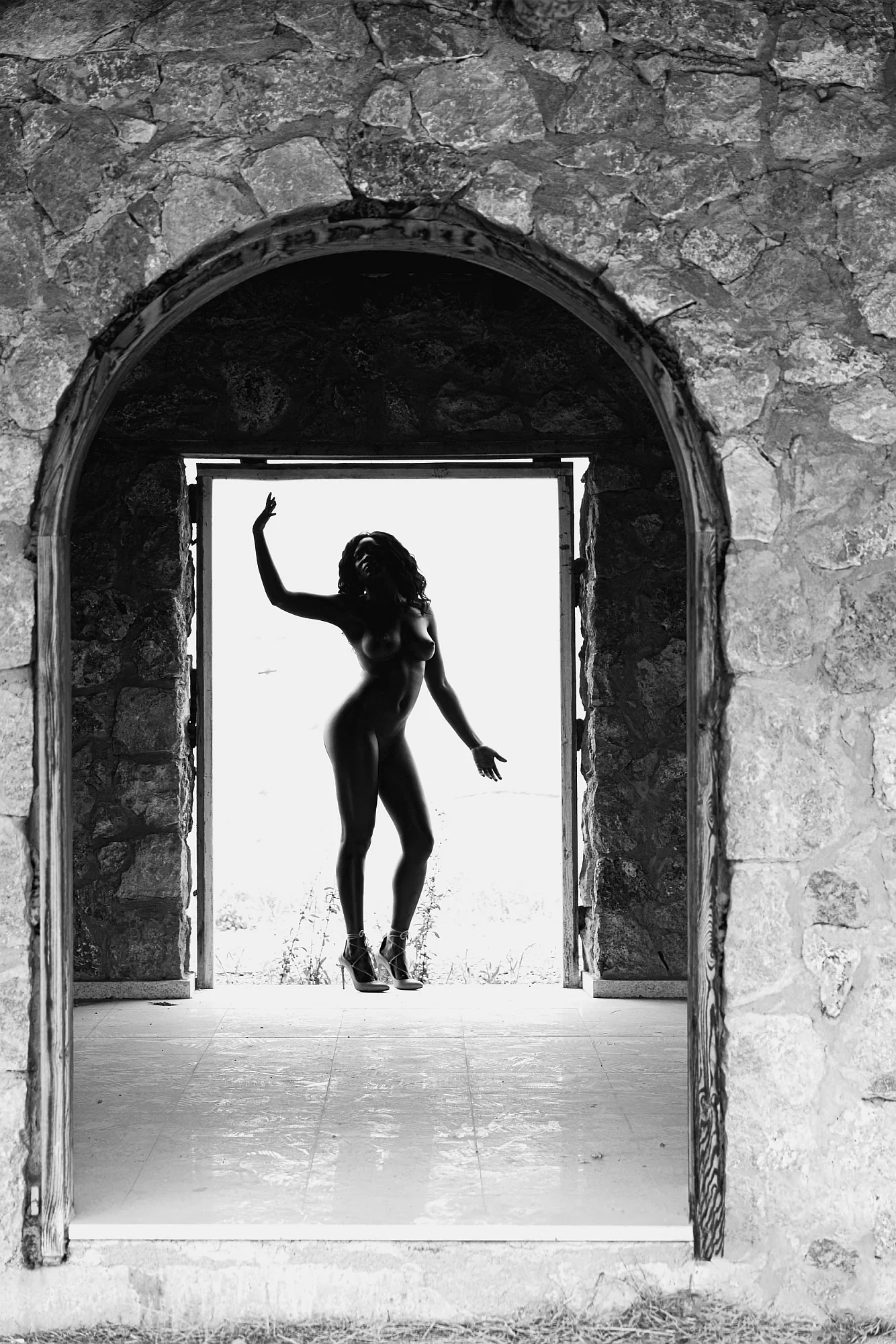
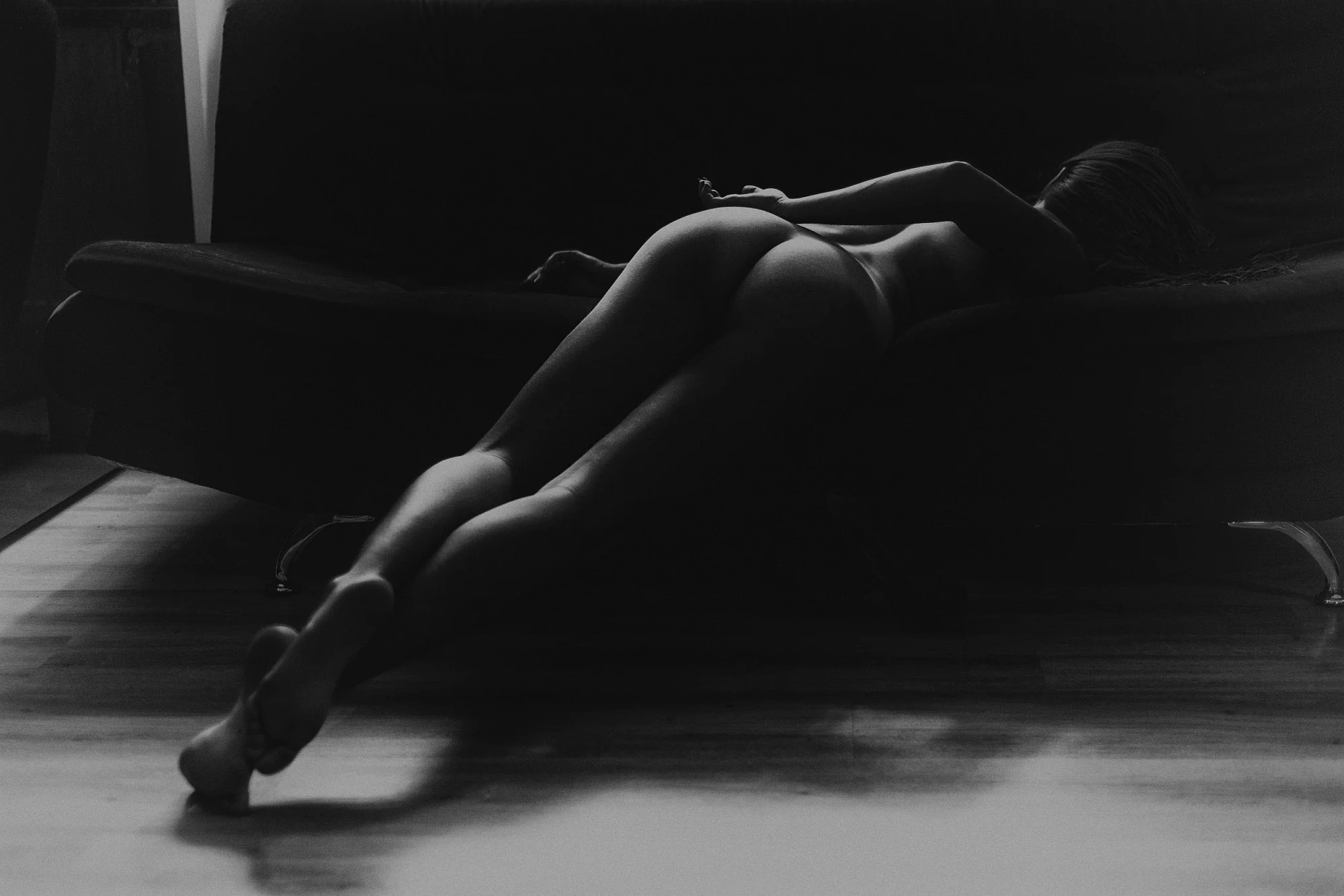
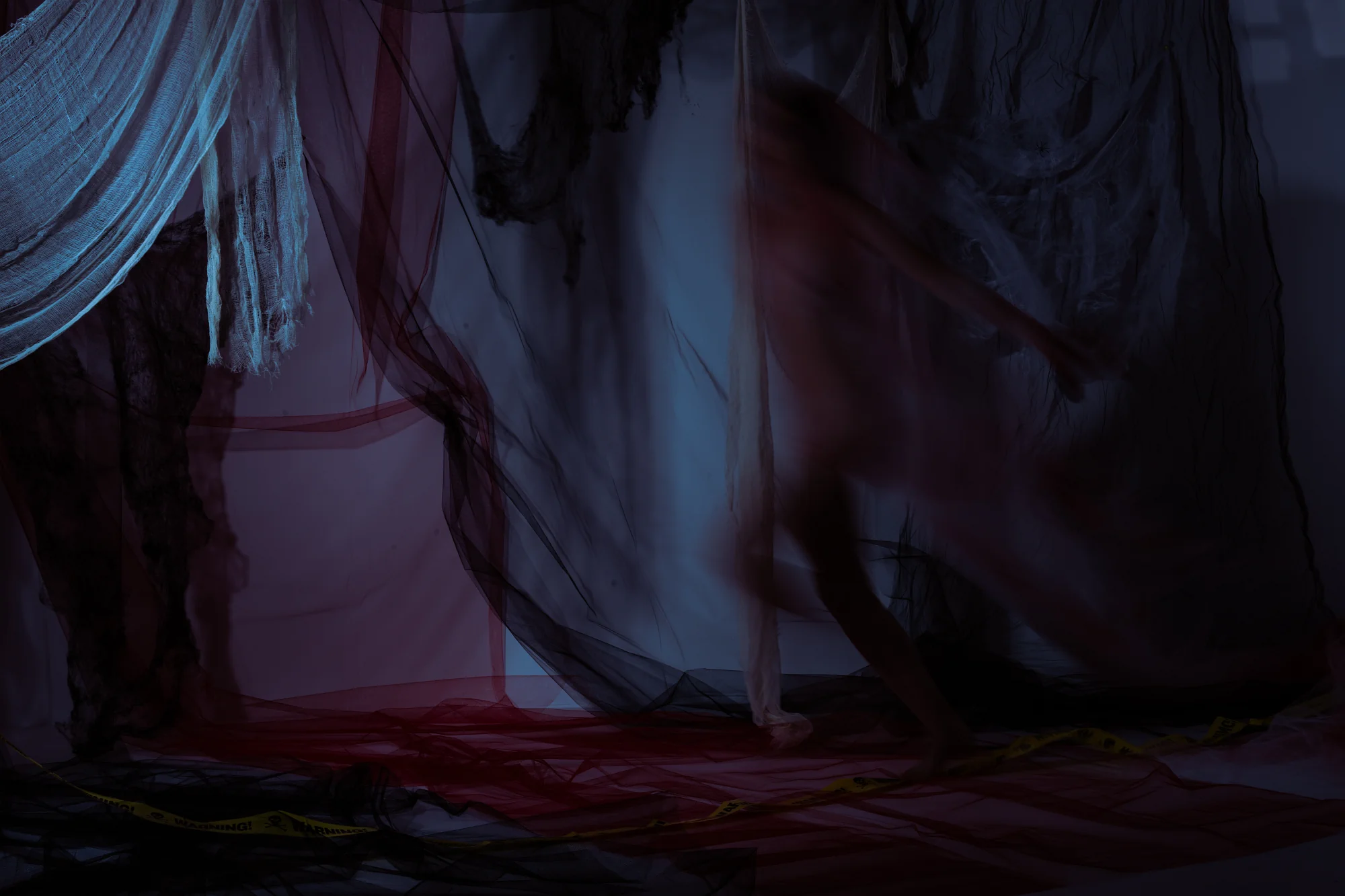
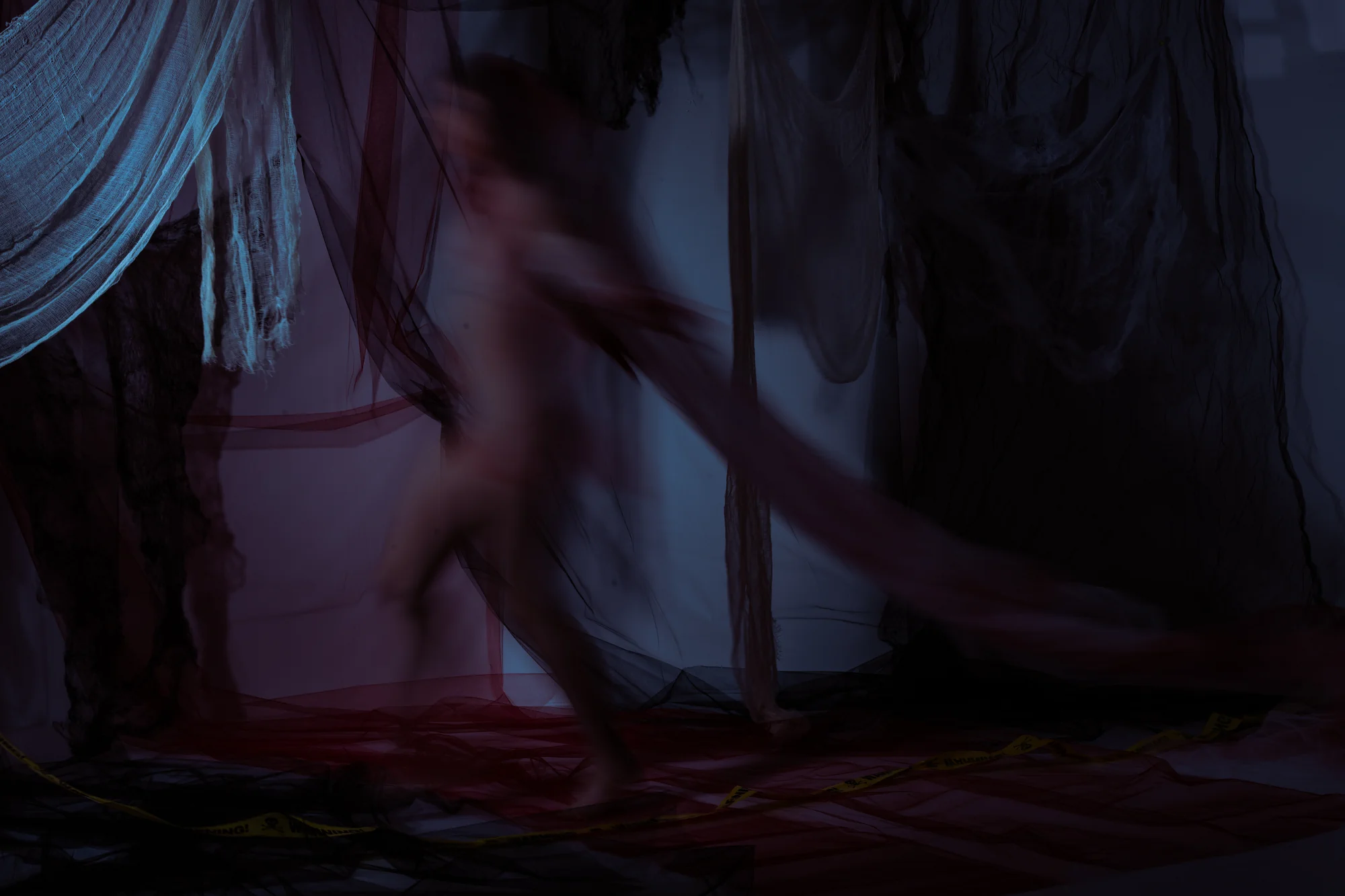
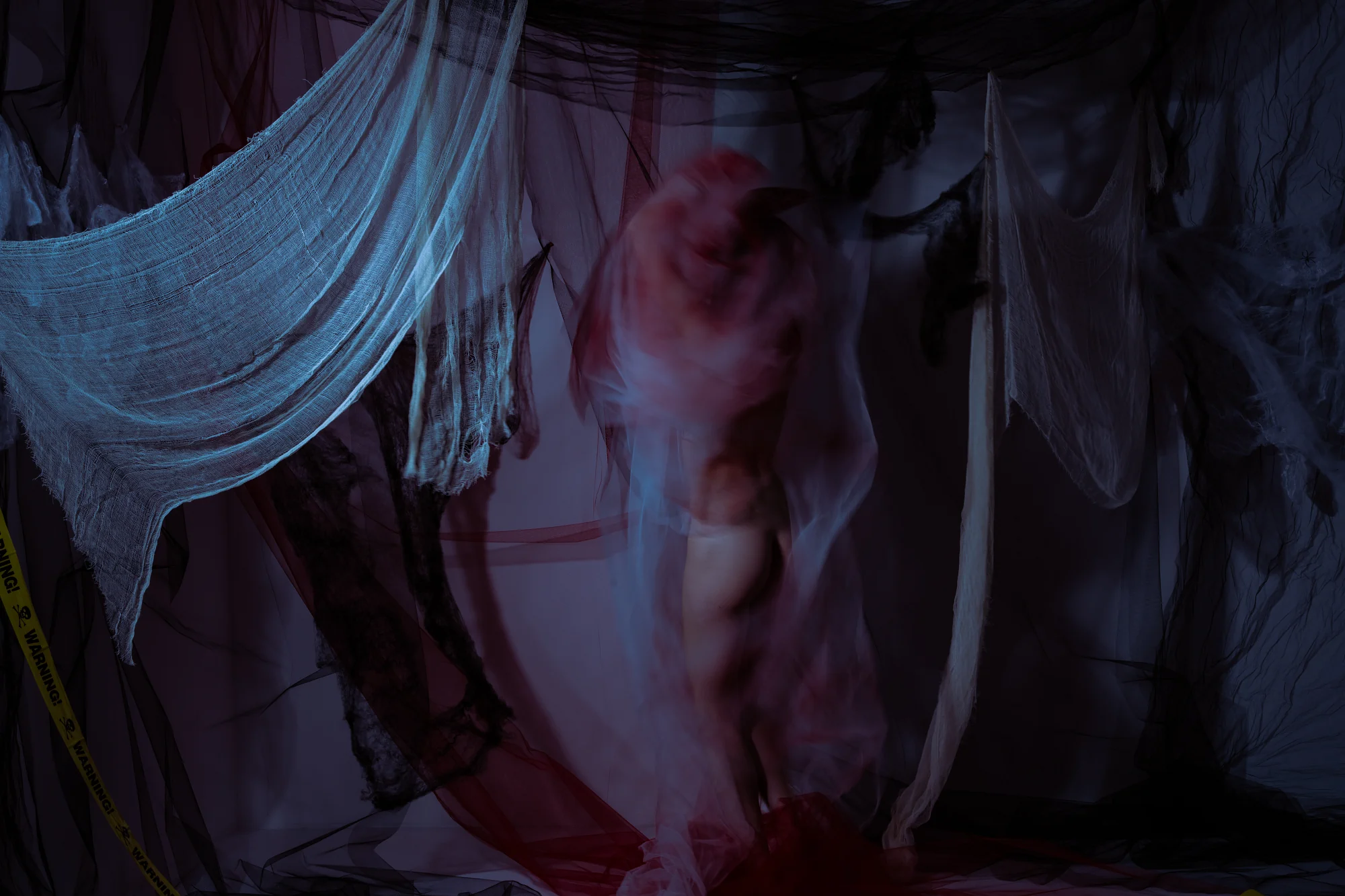
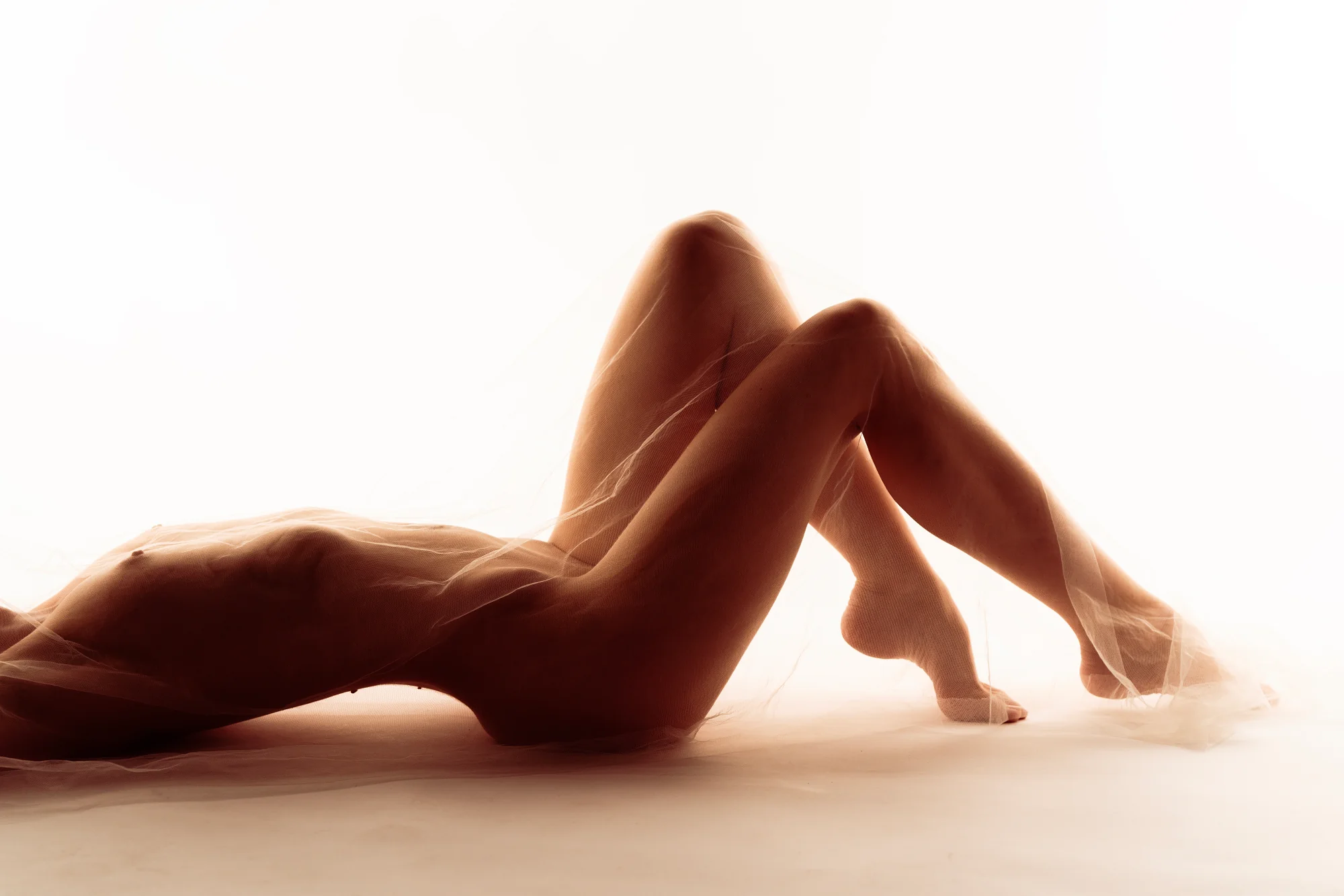
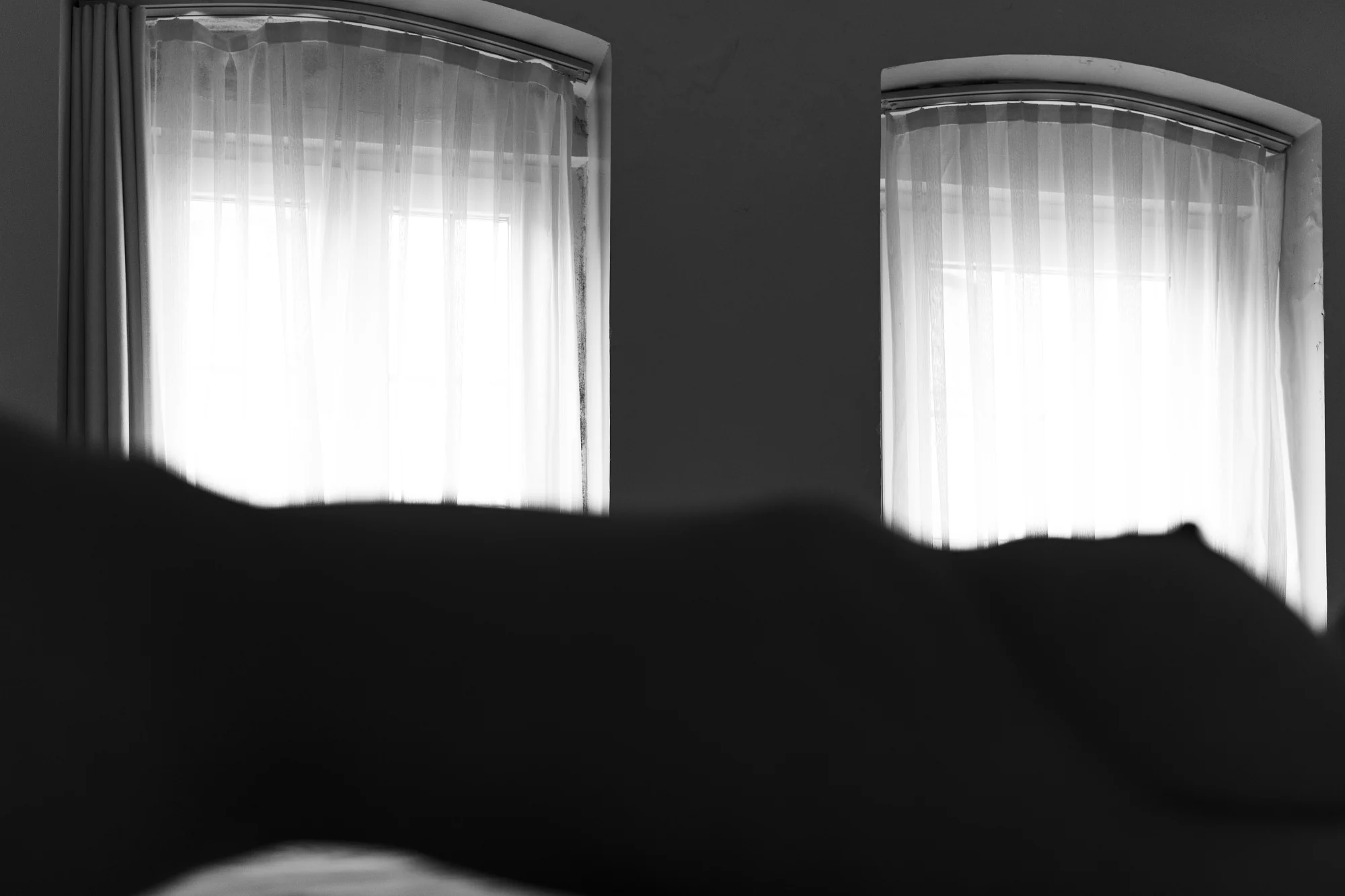
Antemortem wechselt zwischen verschiedenen Stilrichtungen. Kontrastreiche Schwarz-Weiß-Bilder, formell und unbeweglich wie ein letztes Porträt, weichen Werken in tiefen Blautönen, gedämpften Rottönen und spektralen Farbtönen, die an die Schwelle zwischen Schlaf und Wachsein erinnern, und am anderen Ende des Spektrums an weißes Licht, in dem der Körper fast zu verschwinden scheint. Verlassene Gebäude, Scheunen, leere Villen, Räume, in denen antike Oberflächen angelaufene Reflexe fangen, erscheinen neben kontrollierten Innenräumen, in denen schwere Vorhänge und natürliches Licht den größten Teil der Wirkung ausmachen.
Schleier und durchscheinende Materialien tauchen in mehreren Fotografien immer wieder auf. Stoff ist eine Membran: zwischen Sichtbarkeit und Verschwinden, zwischen dem Körper und dem Raum, zwischen dem Moment der Belichtung und der späteren Begegnung des Betrachters mit dem Bild. Der Körper wird durch Schichten hindurch erahnt, teilweise ausgelöscht, niemals vollständig präsent. Lange Belichtungszeiten lassen Bewegungen verschwimmen und die Gestalt vervielfachen, sodass ein einzelner Körper sich scheinbar über die Zeit hinweg auflöst. Es handelt sich um zeitliche Aufnahmen, die in der Kamera entstehen, wobei der Vorbeizug des Körpers als Spur festgehalten wird.
Die Nacktheit in Antemortem hat keinerlei erotische Konnotation. Nackt wird die Figur zu etwas Elementarem: der Körper in seinem verletzlichsten und sterblichsten Zustand, schmucklos und ungeschützt.
Ausgewählte Werke





Ausgaben
Archivalische Pigmentdrucke erscheinen in limitierten Auflagen von 5 + 1 Artist Proof, gedruckt auf Hahnemühle Photo Rag und FineArt Pearl Papieren. Ausgewählte Werke sind vertreten auf Artsper, Saatchi Kunstund Artmajeur. Für direkte Anfragen, Leihgaben für Ausstellungen oder Preise für Sammler: print@burakbulut.org.