忧郁症
慢光之重中的身体
Melancholy as a weight the body carries.
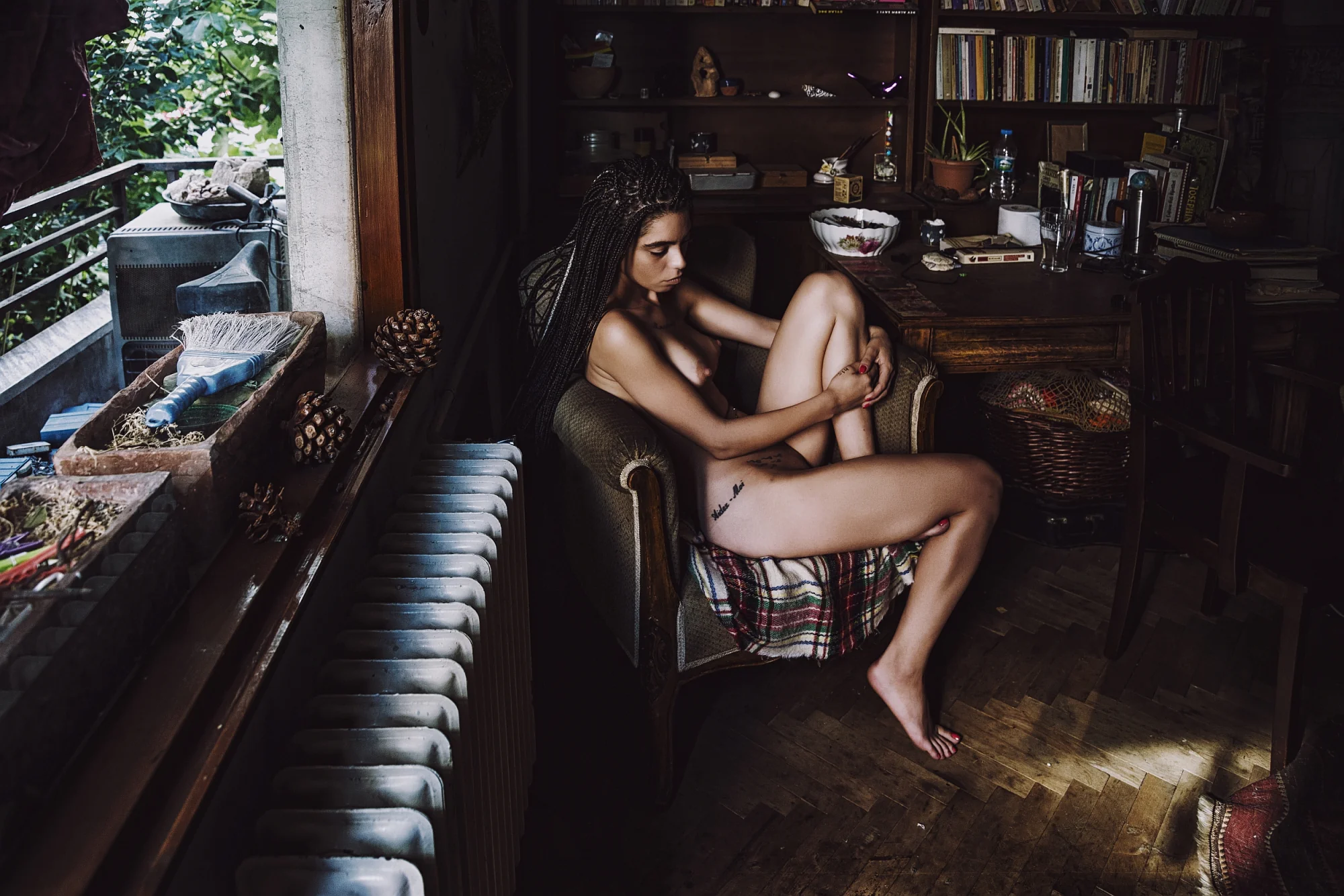
忧郁症 它捕捉了内心世界的一种特定温度,并从身体中解读出这种温度。悲伤和抑郁有着各自的视觉语言,也有着属于它们的摄影师。忧郁则更为沉静、更为古老:这是一种身体变得迟缓、沉重,并对周围的事物更加敏锐的状态。 这一系列作品让这种沉重感塑造了身体的姿态。头部低垂,双眼紧闭或别开,四肢向内蜷缩,身体倚靠在身边的任何事物上,仿佛已无法独自支撑自己。.
Grief usually has an occasion and a direction: something has been lost, and mourning moves, however slowly, toward an end. Melancholy has duration without an event. It needs no cause to begin and gives no sign of when it will finish, so it settles into rooms, afternoons, and habits. For a medium built on the instant, it is one of the hardest states to photograph.
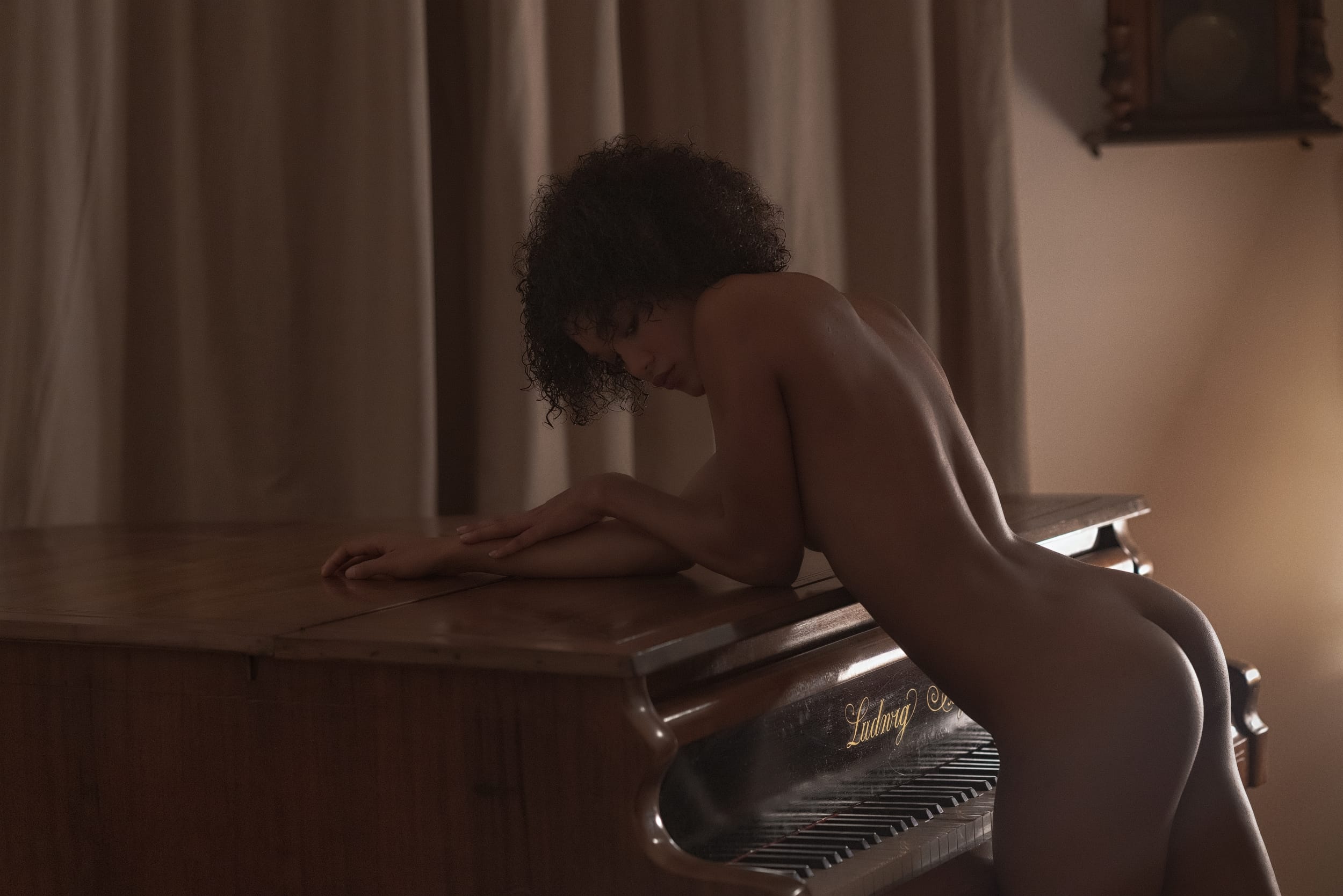
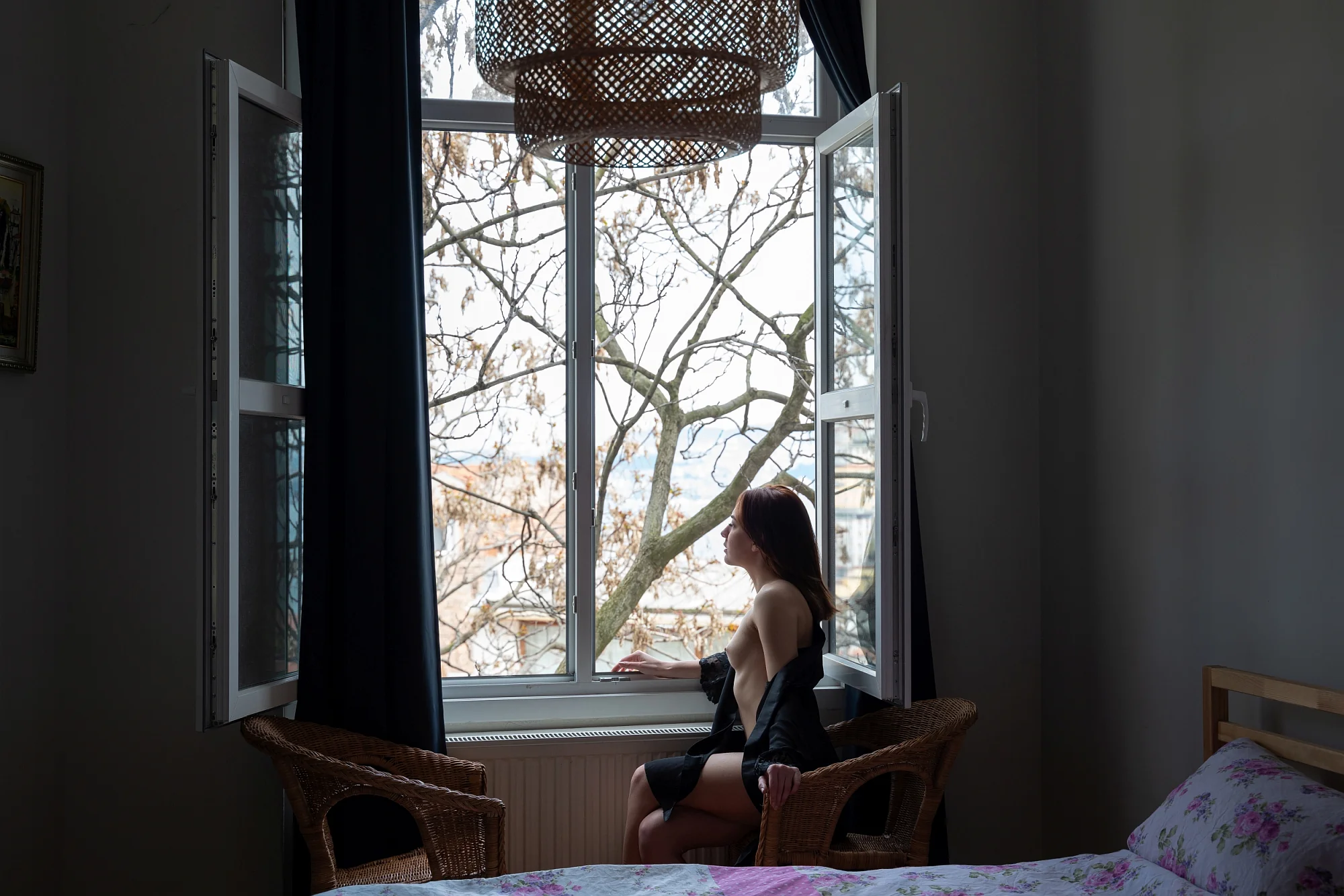
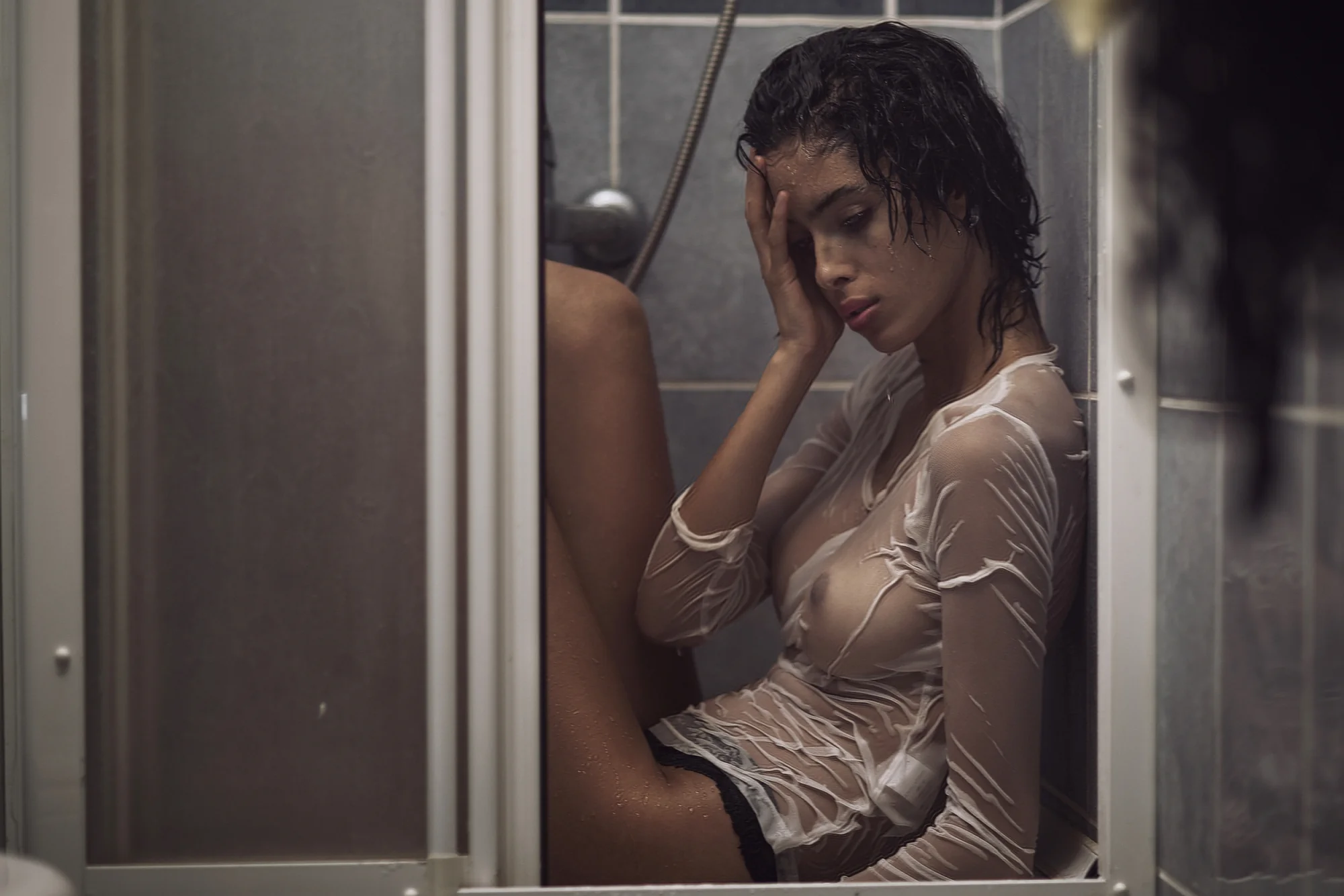
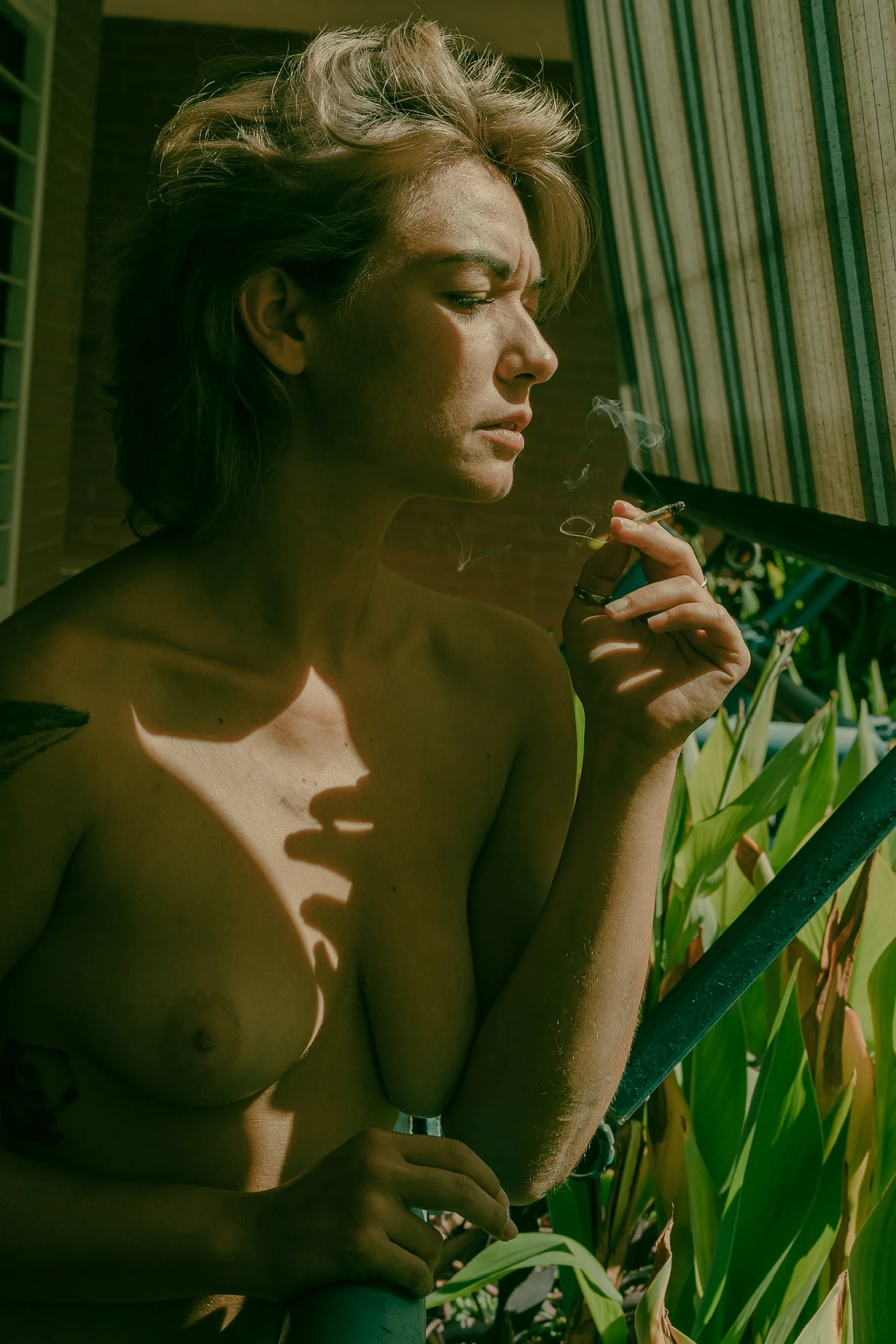
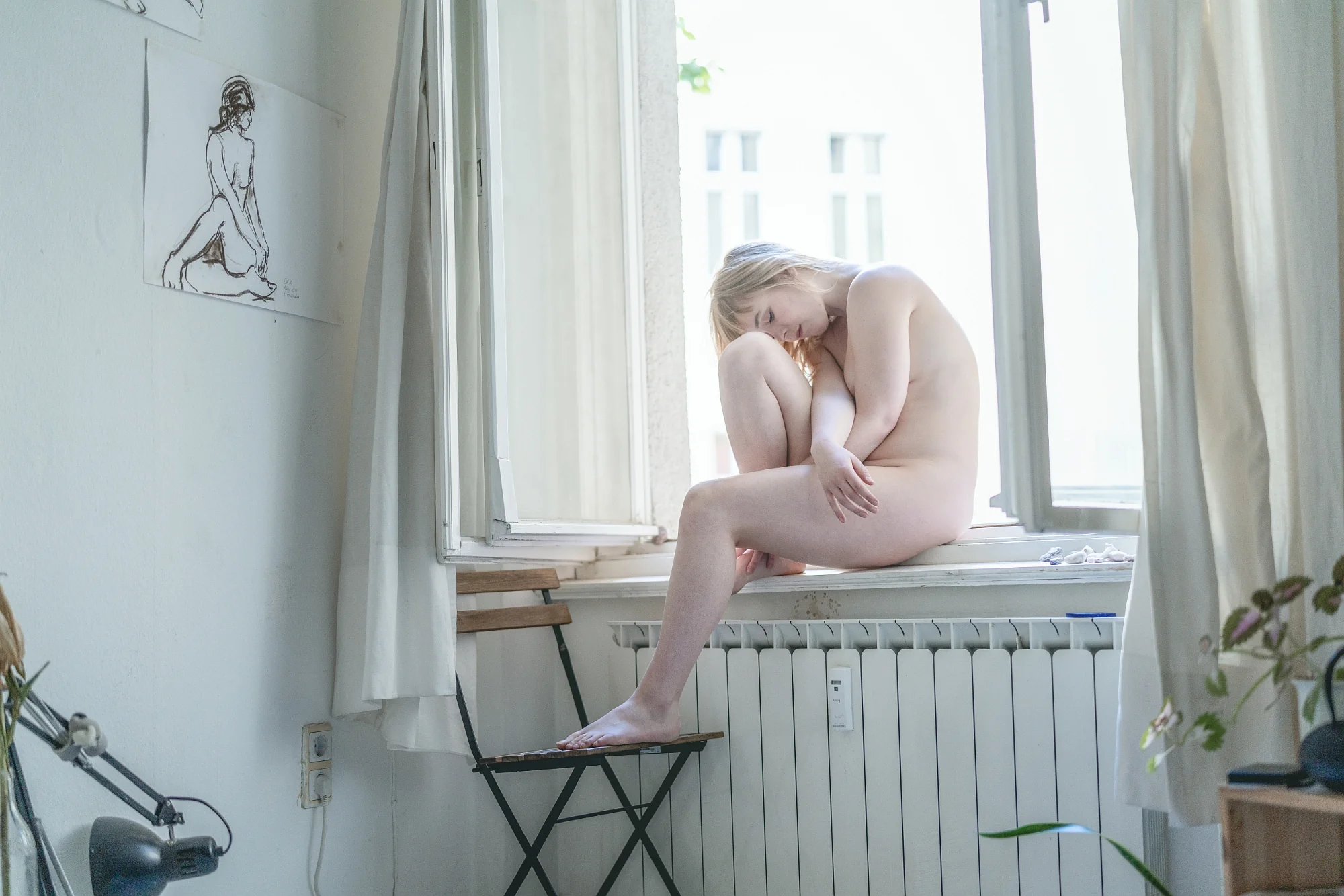
在一张照片中,一位女子在微弱的日光下蜷缩在窗台上,脸颊枕在膝盖上,双眼紧闭,而窗外的街道却依然如常地运转着。在另一张照片中,一位女子俯身倚在钢琴上,低垂着头,仿佛这架钢琴正支撑着她。 有人坐在淋浴间的地板上,湿漉漉的衬衫紧贴着皮肤,目光漫无目的地垂落。在一张旧铁床上,一位女子双臂枕在脑后,目光凝视着窗外。夜幕降临,一条空荡的街道上,一位女子背靠墙壁,闭着眼睛,一只手按在胸口。.
这种图像传统源远流长。阿尔布雷希特·丢勒的 梅兰科利亚 I (1514) gave Western art its most familiar image of the melancholic temperament: a seated figure surrounded by the tools of geometry and making, all of them left idle. Renaissance thought, following Marsilio Ficino, also linked melancholy with intellectual and creative gifts. Sigmund Freud's essay 哀悼与忧郁 (1917)将其转化为一种精神分析的范式,一种留住已然失去之物的途径。朱莉娅·克里斯蒂娃在 黑太阳 (1987),在语言的极限处读出忧郁,在那里,言语变得支支吾吾,而艺术则承担起为失去之物命名的工作。. 忧郁症 belongs to this long tradition without illustrating it. Its argument is made in posture and expression: the head Dürer's figure rests on her fist, returned to living bodies.
在 忧郁症 the stillness belongs to the figure, turned inward and keeping its weight to itself. The viewer is admitted to a mood and offered nothing more.
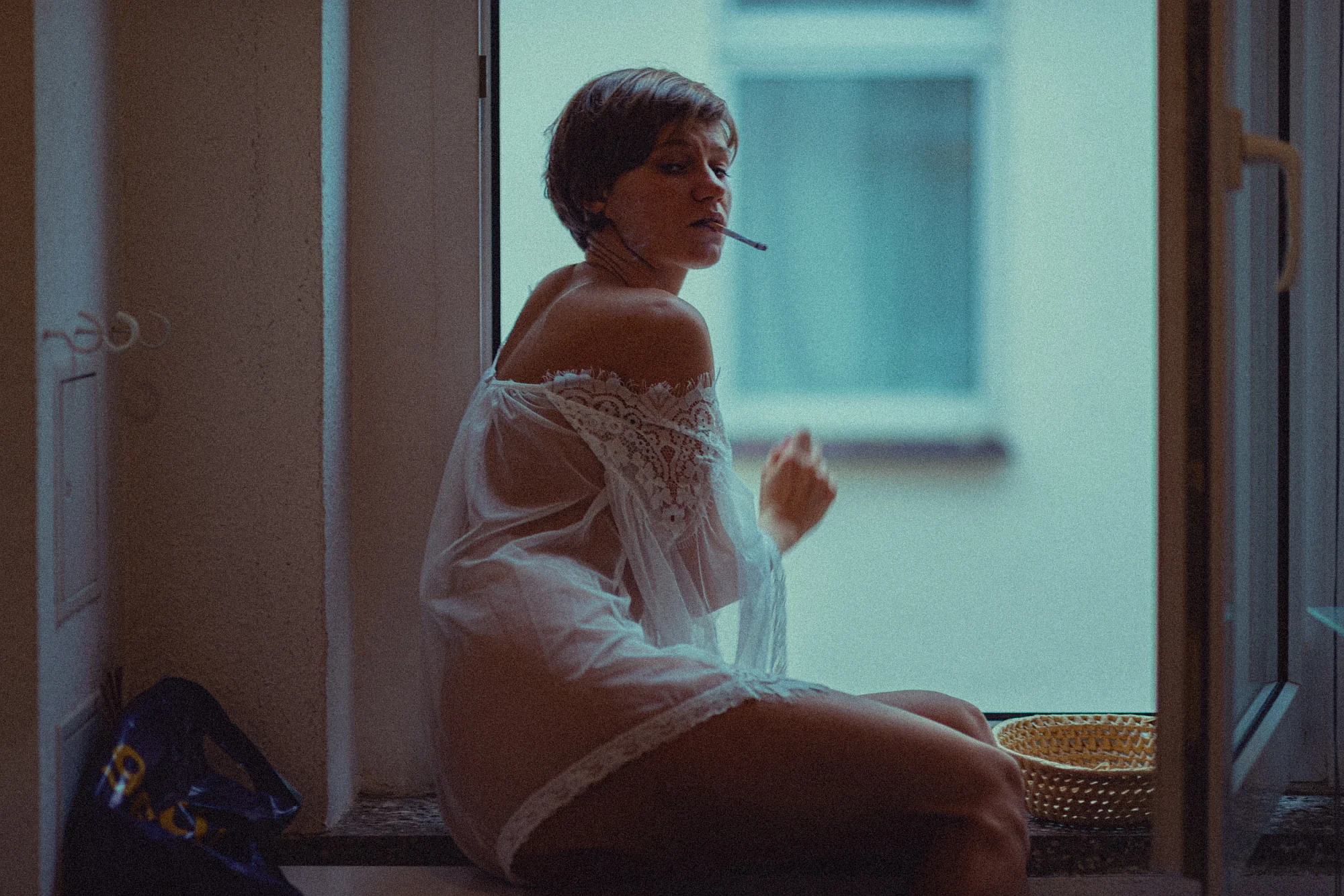
The visual grammar of the series depends on slow light: late afternoon light slipping past heavy curtains, lamp light in a room no one has fully entered, smoke from a single source catching a sliver of daylight, the distant glow of a street at night. The light seems to have arrived reluctantly. The approach is closer to Vilhelm Hammershøi's Copenhagen interiors or Edward Hopper's hotel rooms than to the drama of chiaroscuro: light that describes time more than form, and makes a place feel as if it has been waiting.
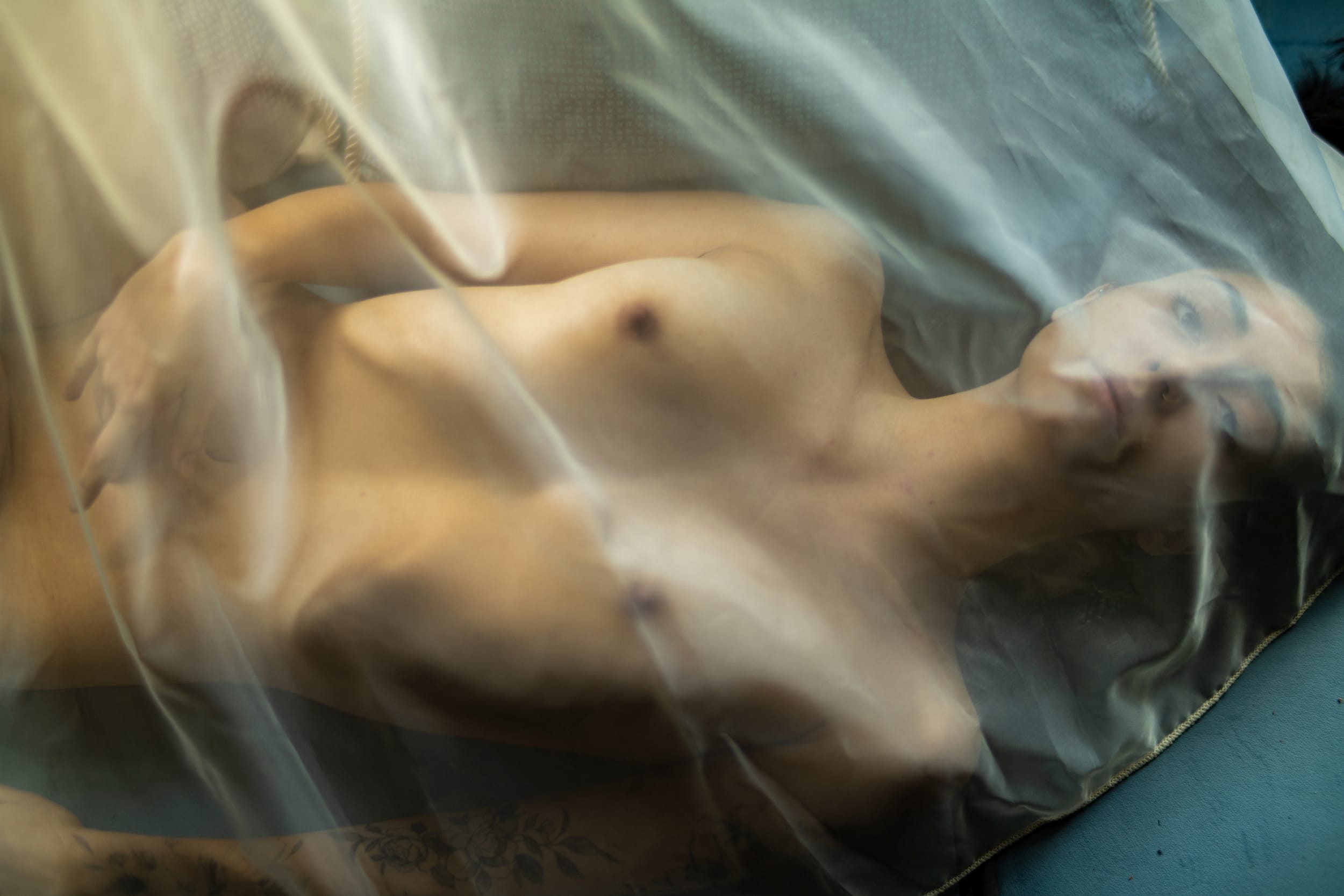
The melancholic body has withdrawn from the economy of gesture. Clothing would give it a direction, a social context, an errand; in the shower photograph, the wet shirt no longer serves any of them. Draped fabric, smoke, a piano's dark wood, an empty corner: these surround the figure as the material conditions of the mood, not as props.
The expressions in these photographs arrive slowly, out of long sessions in which very little happens. A subject adjusts a shoulder, shifts a glance, breathes out.
作品选