








Melancholia
Melancholia
The Weight of Quiet Rooms
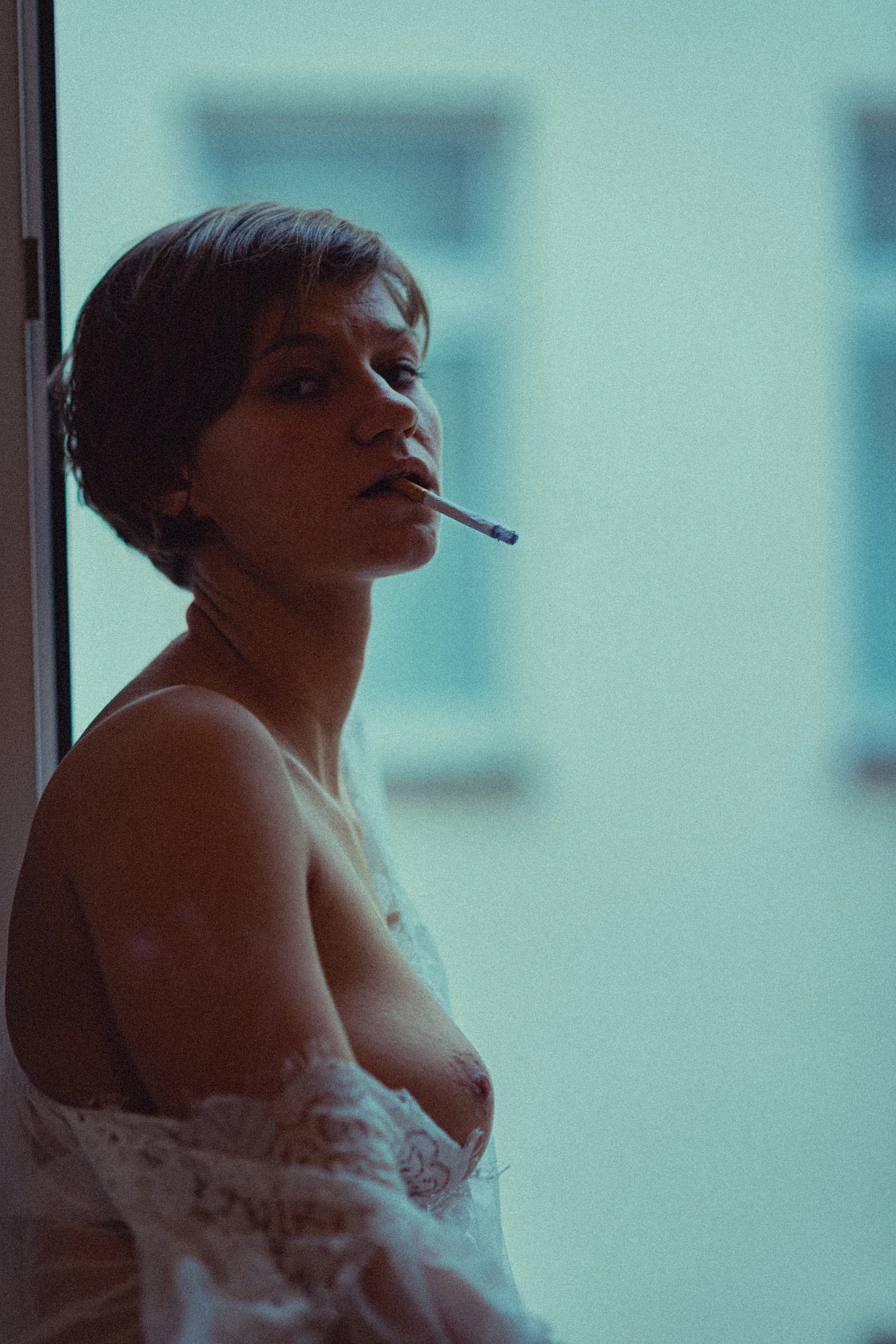
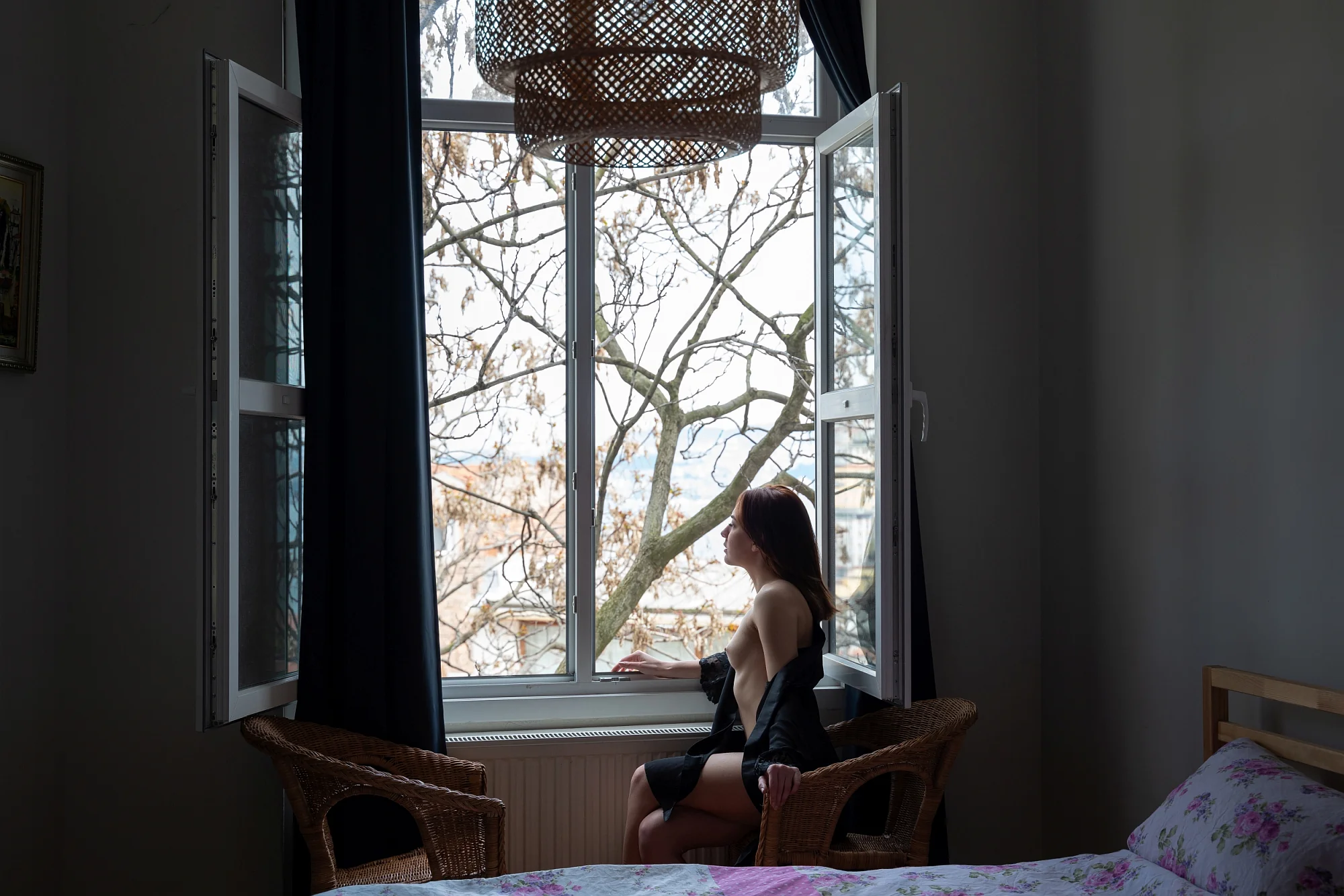
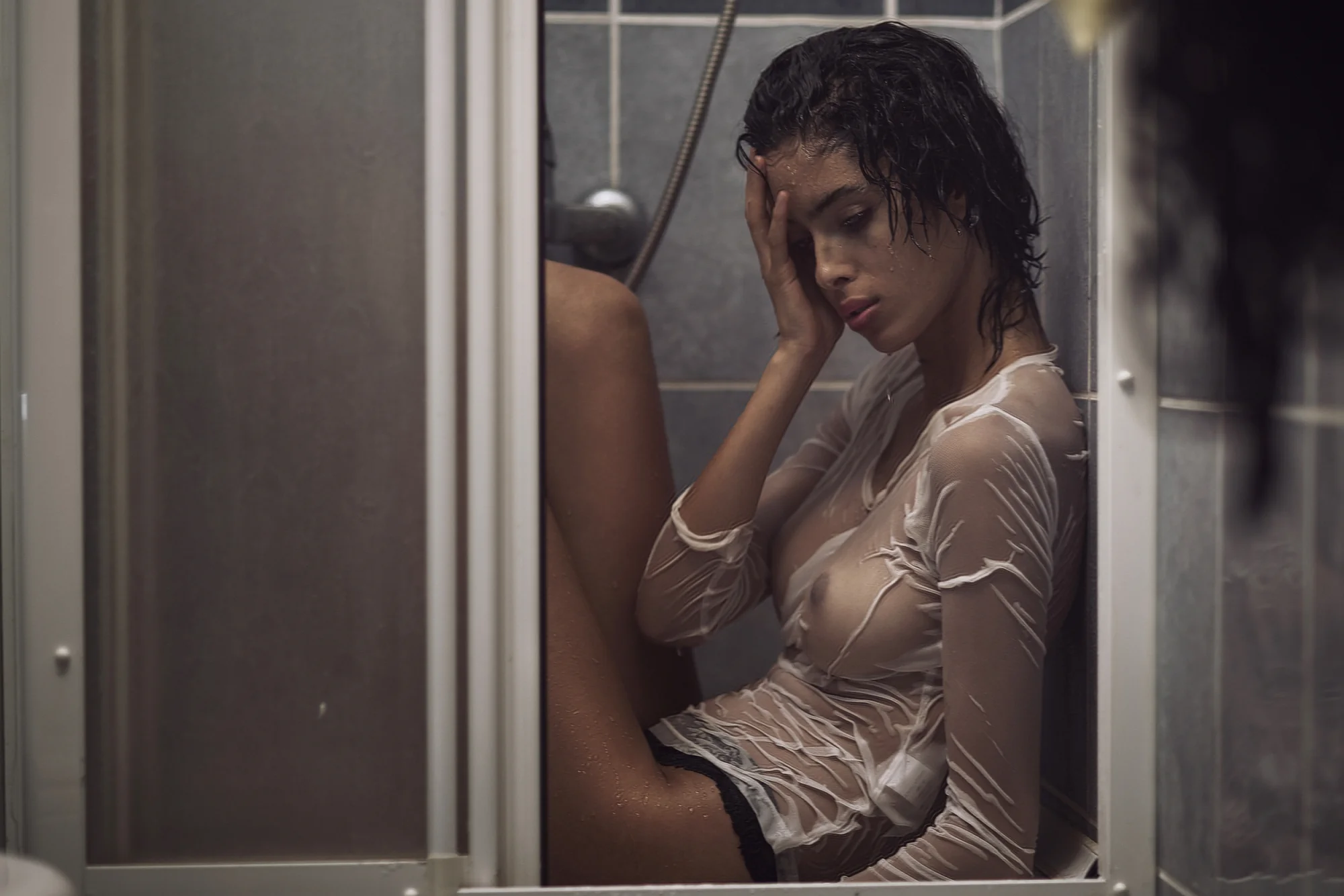
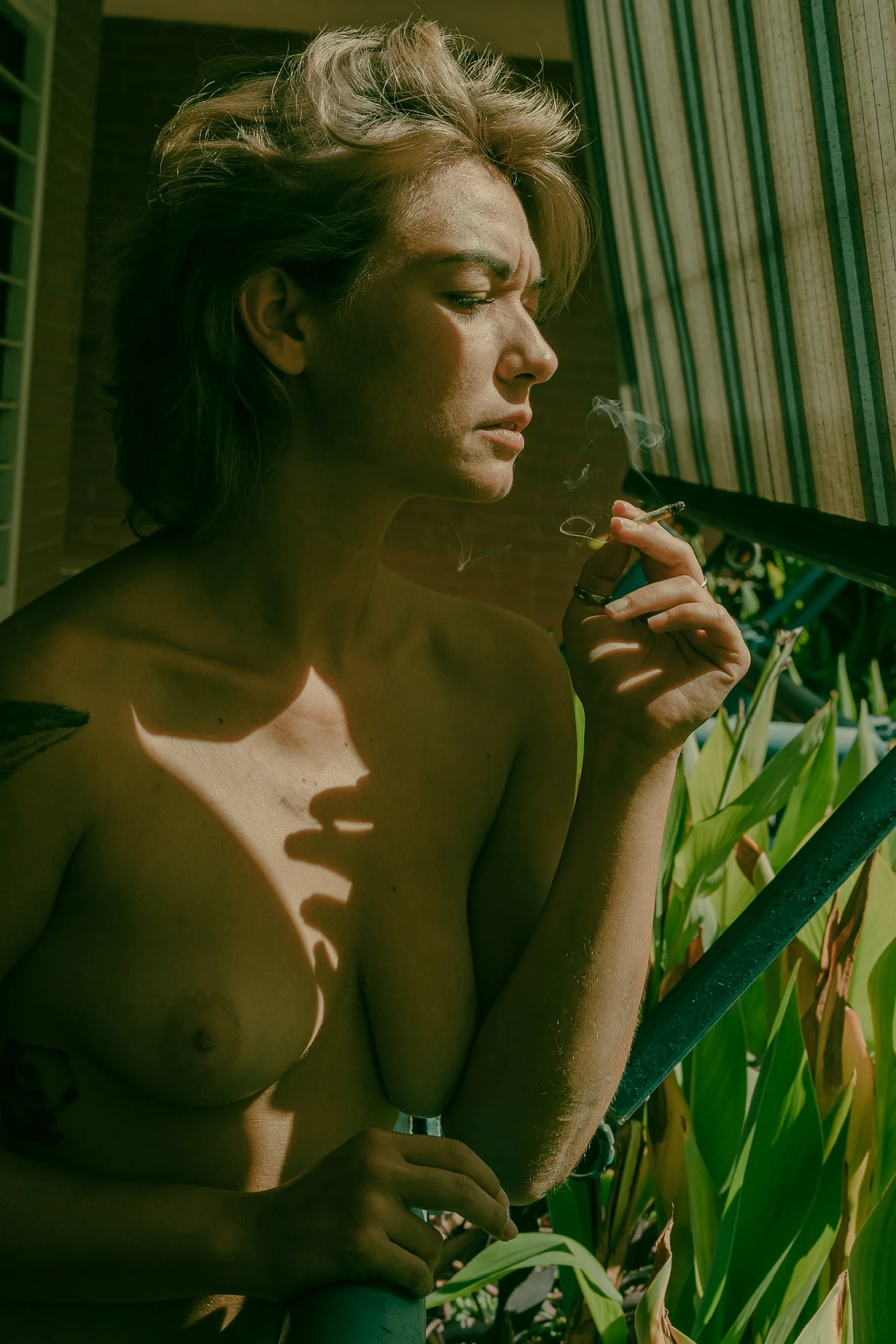
Melancholia doesn’t shout—it lingers. These images carry silence, like a breath held too long.
There is a difference between sadness and melancholia. Sadness has an object: we grieve something specific, and when the cause passes, so does the feeling. Melancholia is sadness without a clear object—a loss that cannot be named or mourned to completion. It is not acute; it is atmospheric. Melancholia photographs this atmosphere.
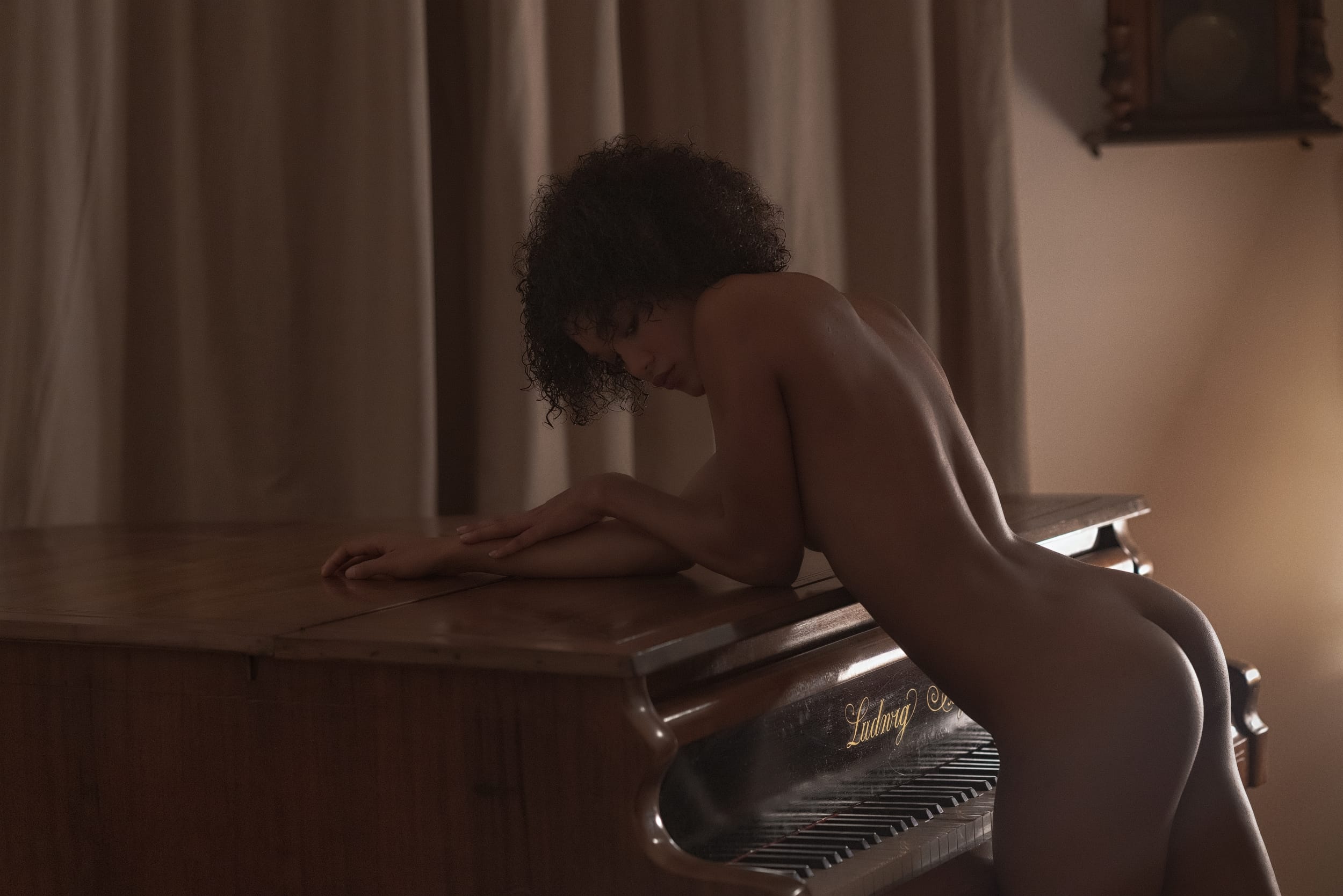
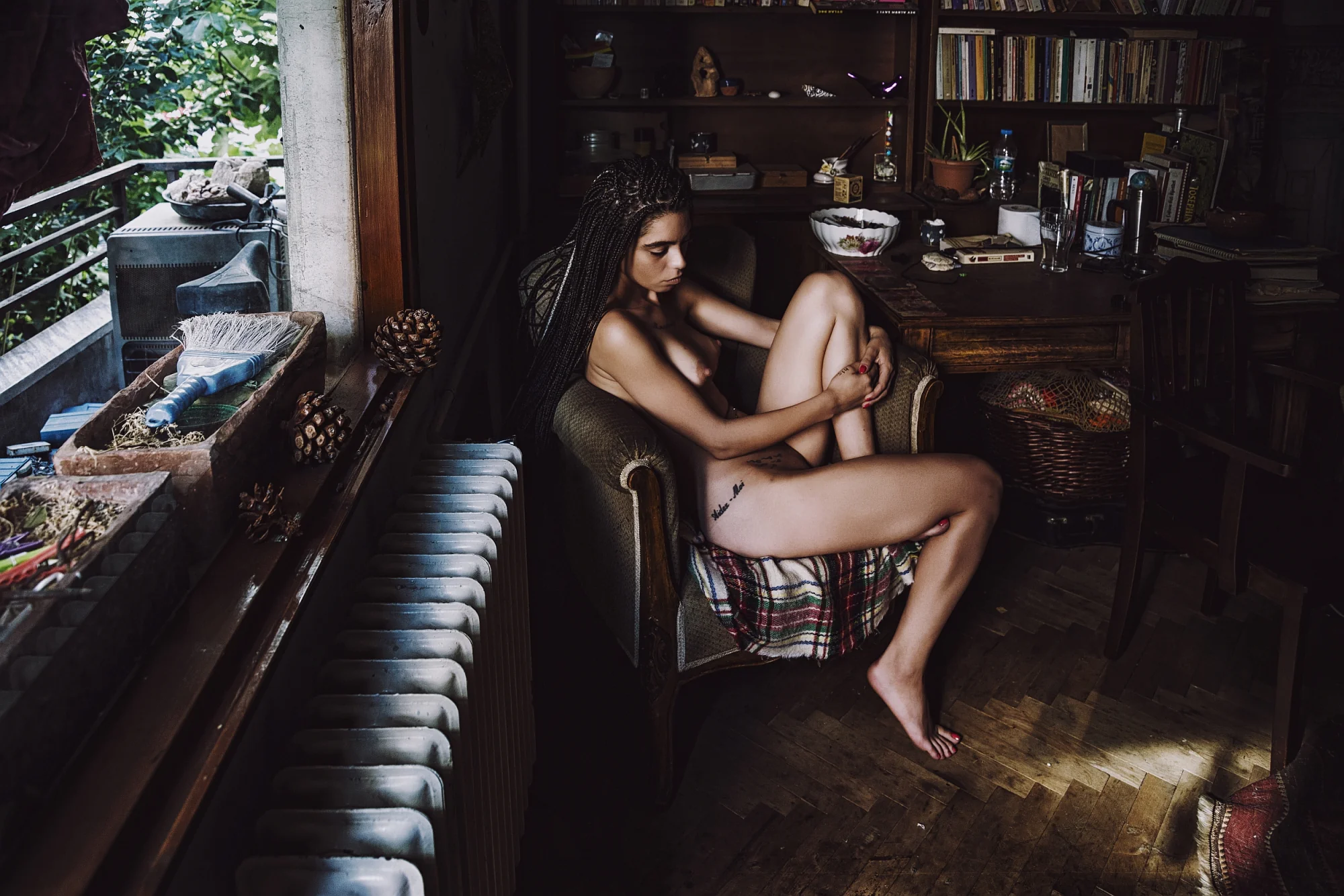
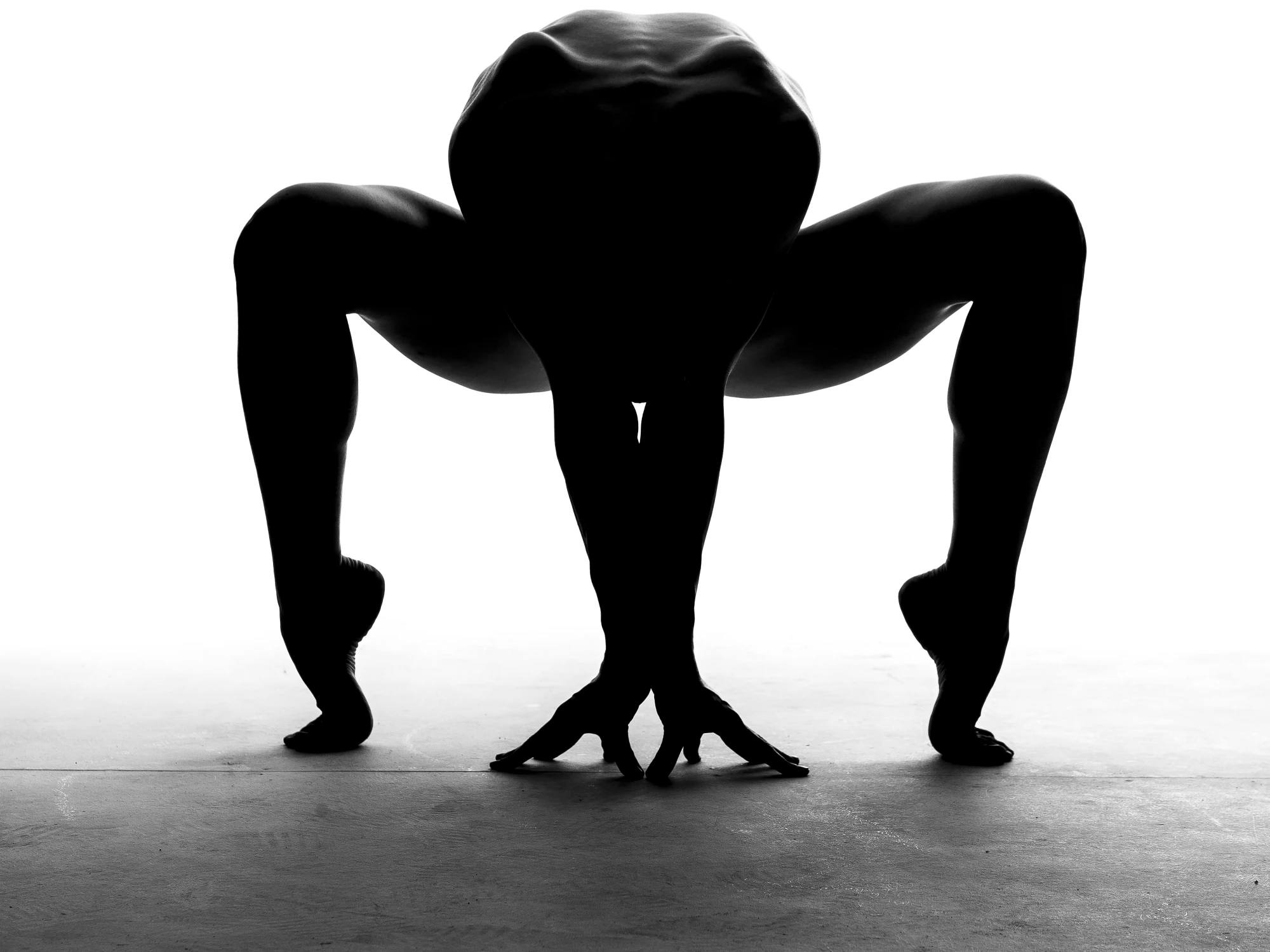
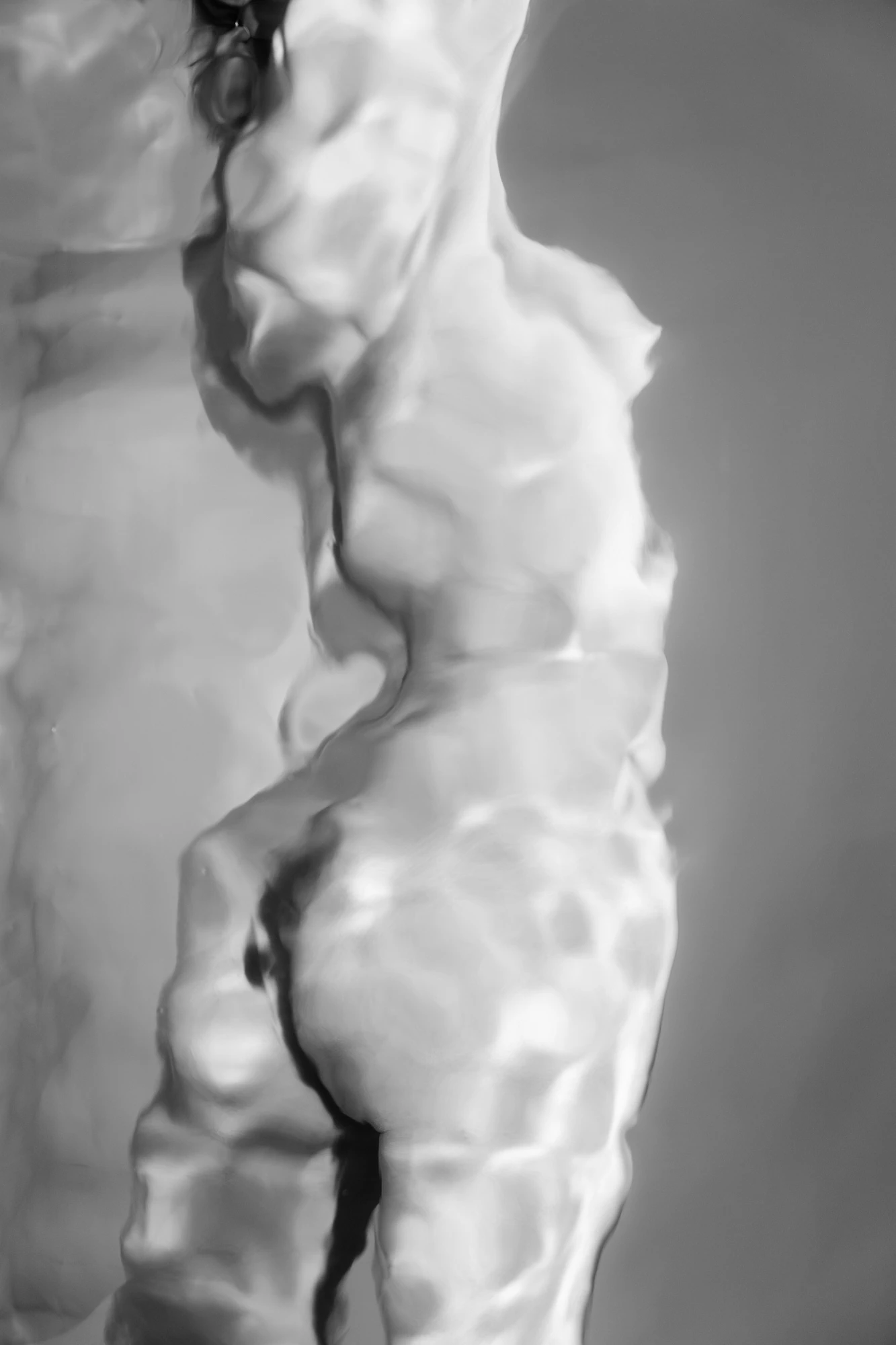
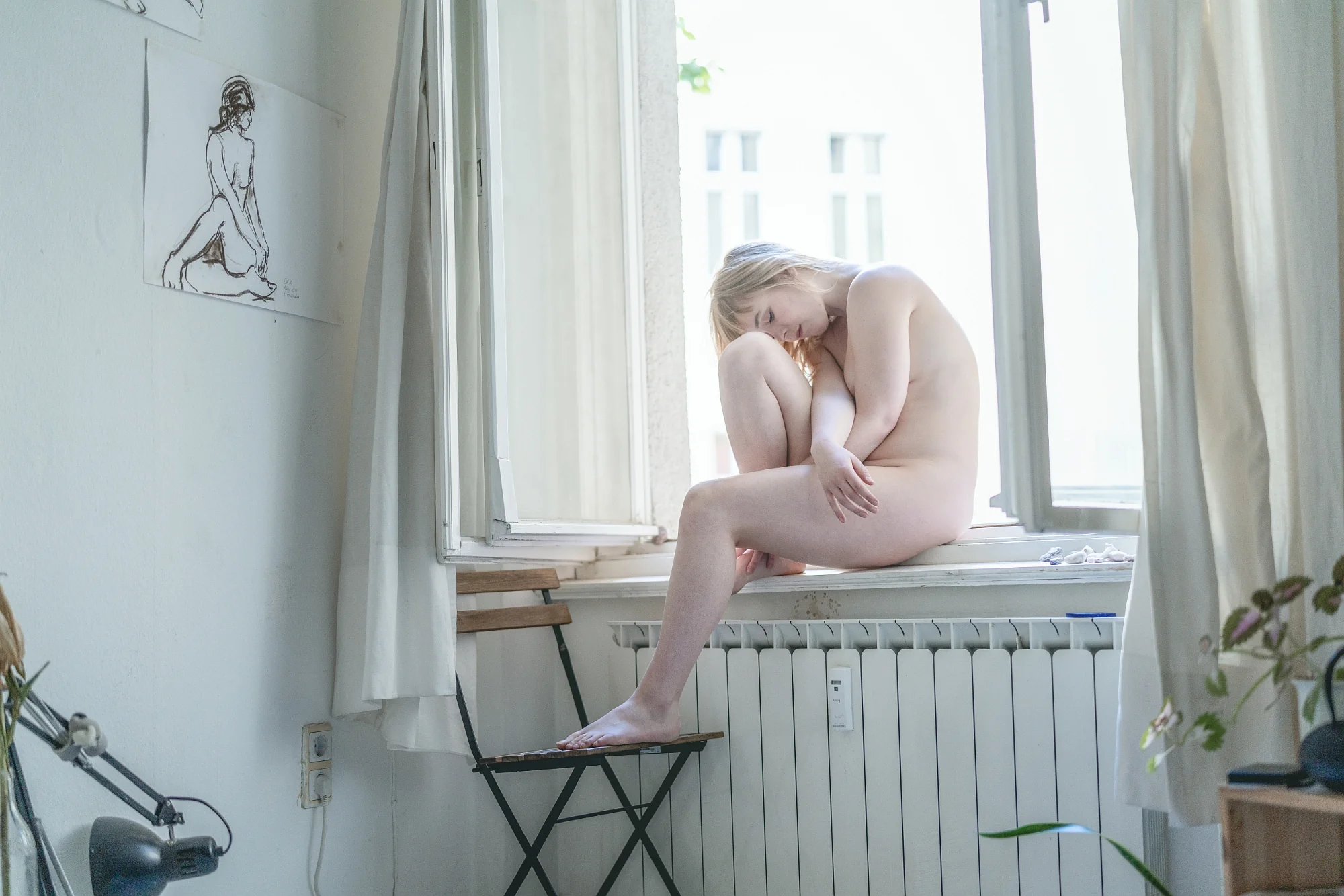
The figures in these images are caught in states of quiet withdrawal. The body finds the positions it settles into when alone with its own weight—not dramatic gestures but the unconscious arrangements of solitude. These are the postures of someone who has stopped performing for any audience, including themselves.
Julia Kristeva described melancholia as a relationship to loss that shapes the self—not simply pathology, but a psychic structure that can become, paradoxically, generative. The melancholic inhabits a space of perpetual mourning. Melancholia does not illustrate this theory; it inhabits the same territory through visual means.
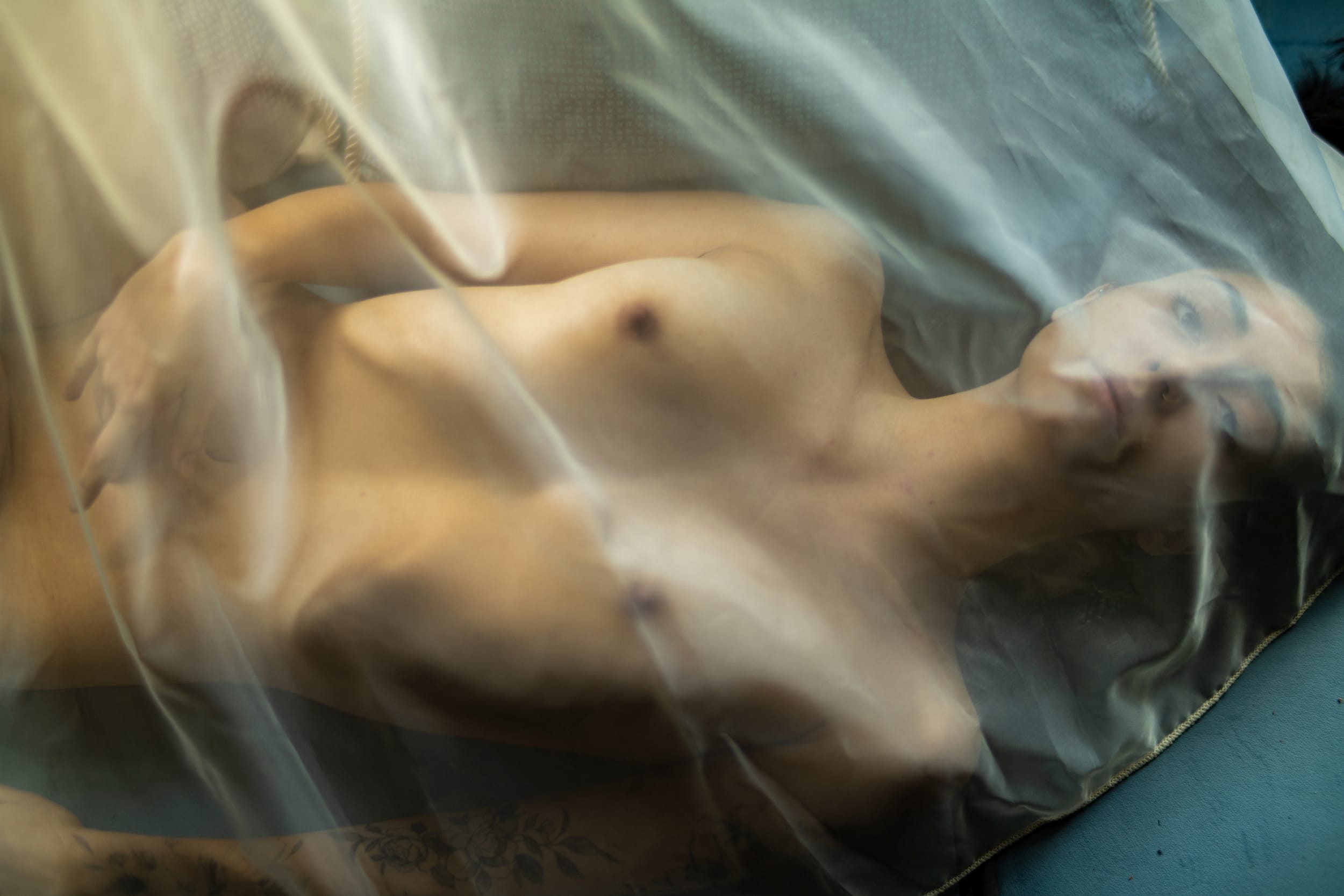
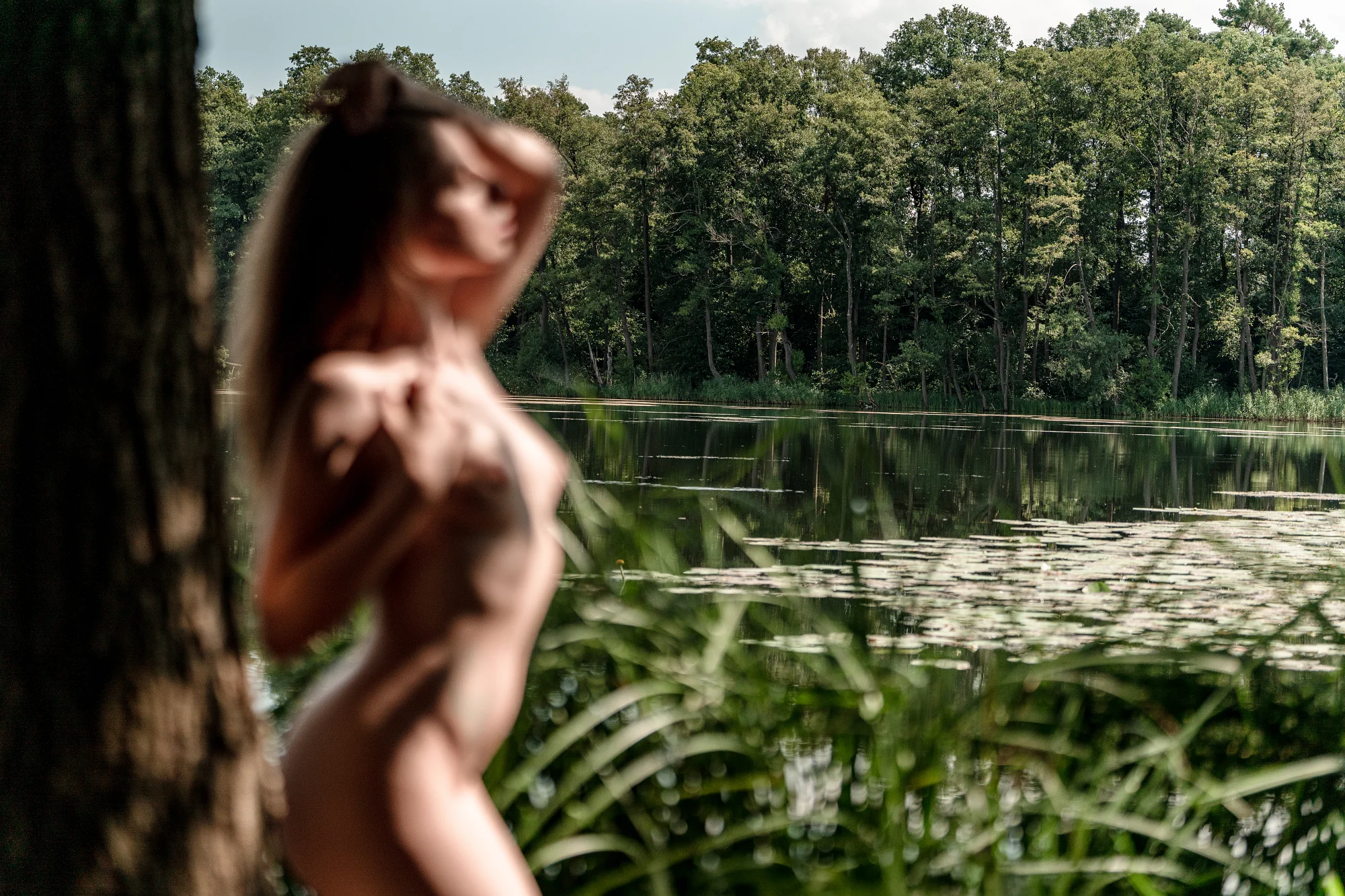
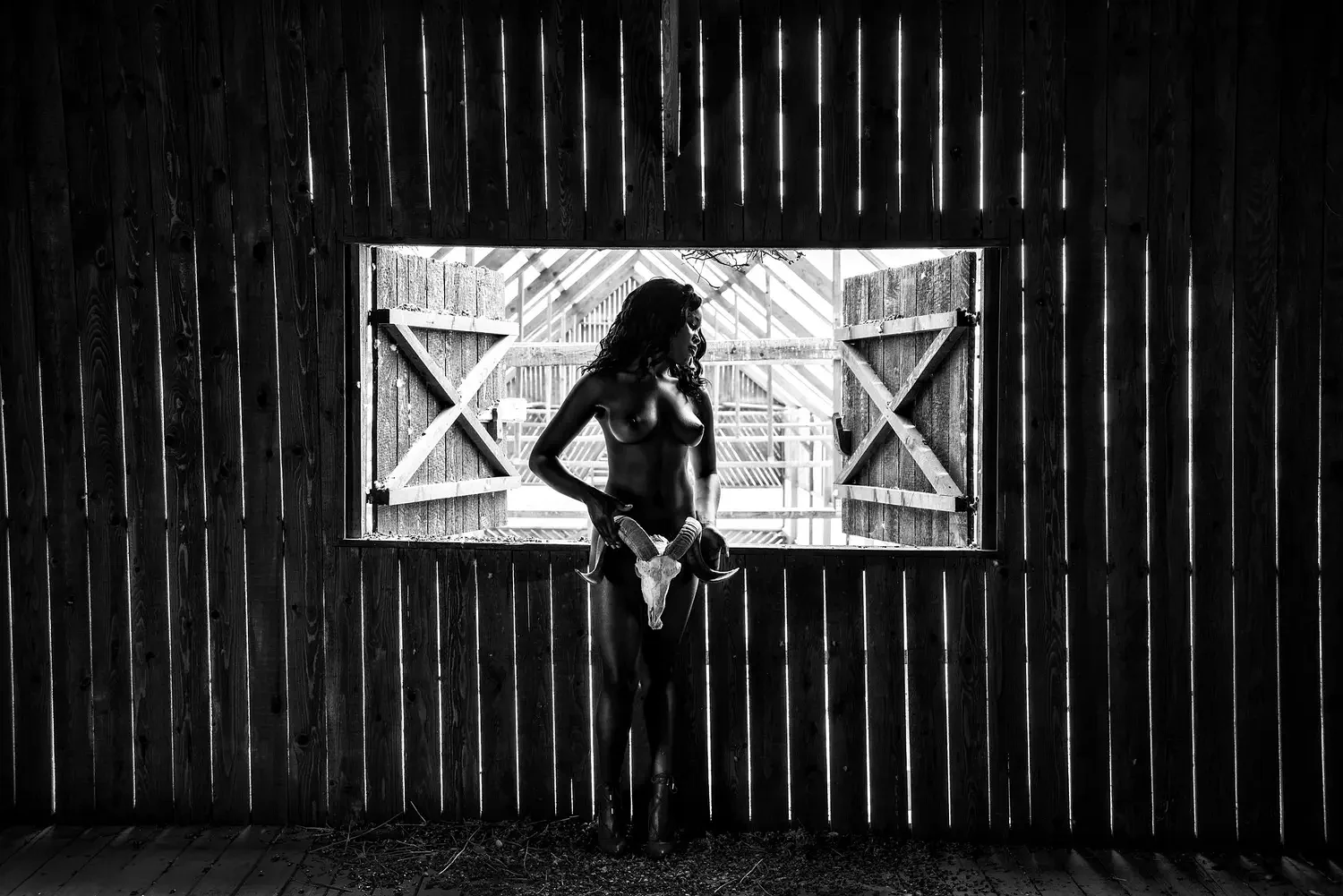
Yıldırım works almost exclusively with available light, allowing the quality of illumination to shape emotional register. The work moves between overexposure and shadow, between dissolution and obscurity. The colour palette shifts according to interior and hour: cool blues for detachment, warm ambers for intimacy, green-gold tones where organic elements introduce a sense of slow decay.
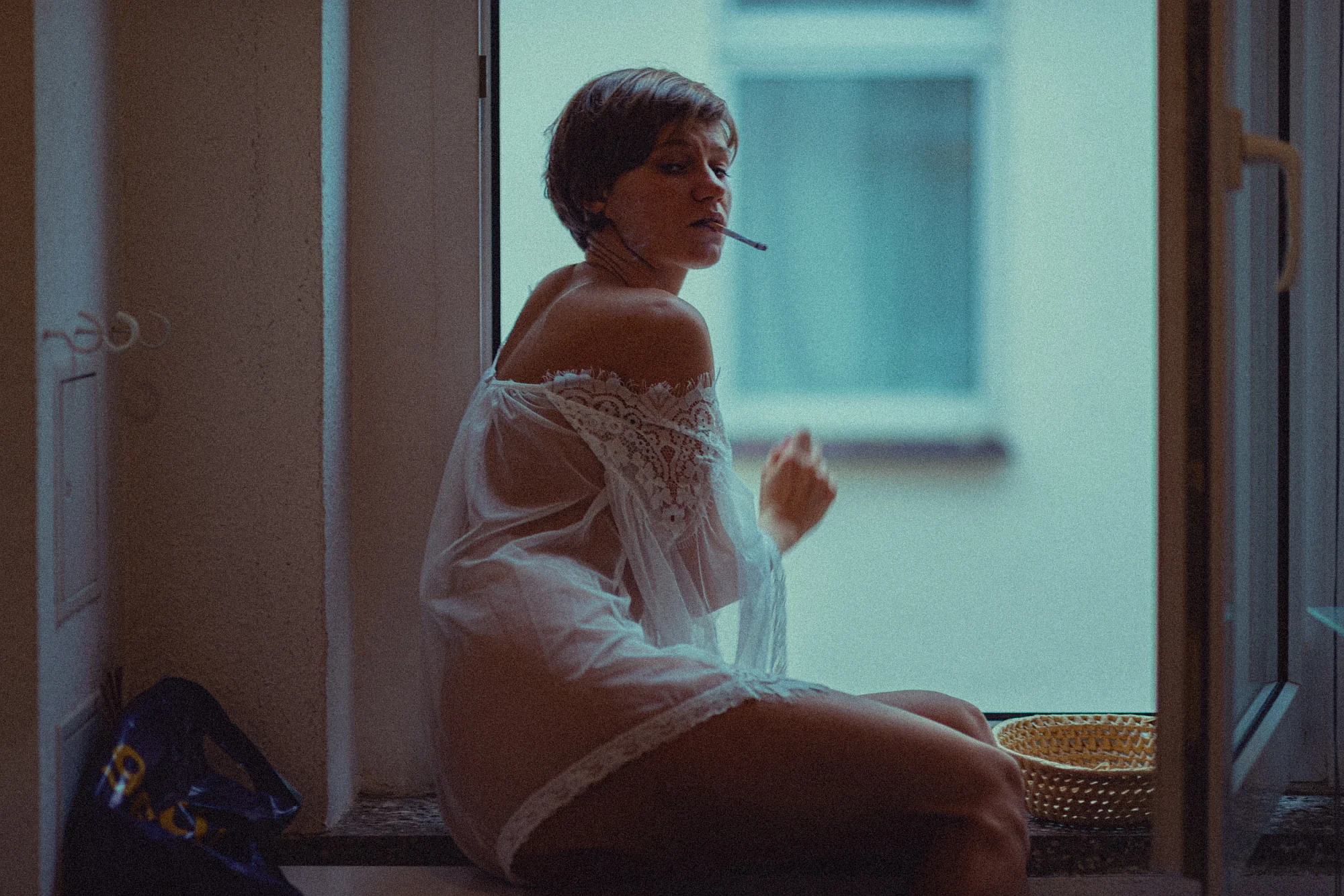
Fabric and translucent materials play a crucial role—veils and curtains that filter figures into soft focus, wet textiles that make skin visible through interference. These are not concealment but delayed revelation. The viewer sees, but through layers.
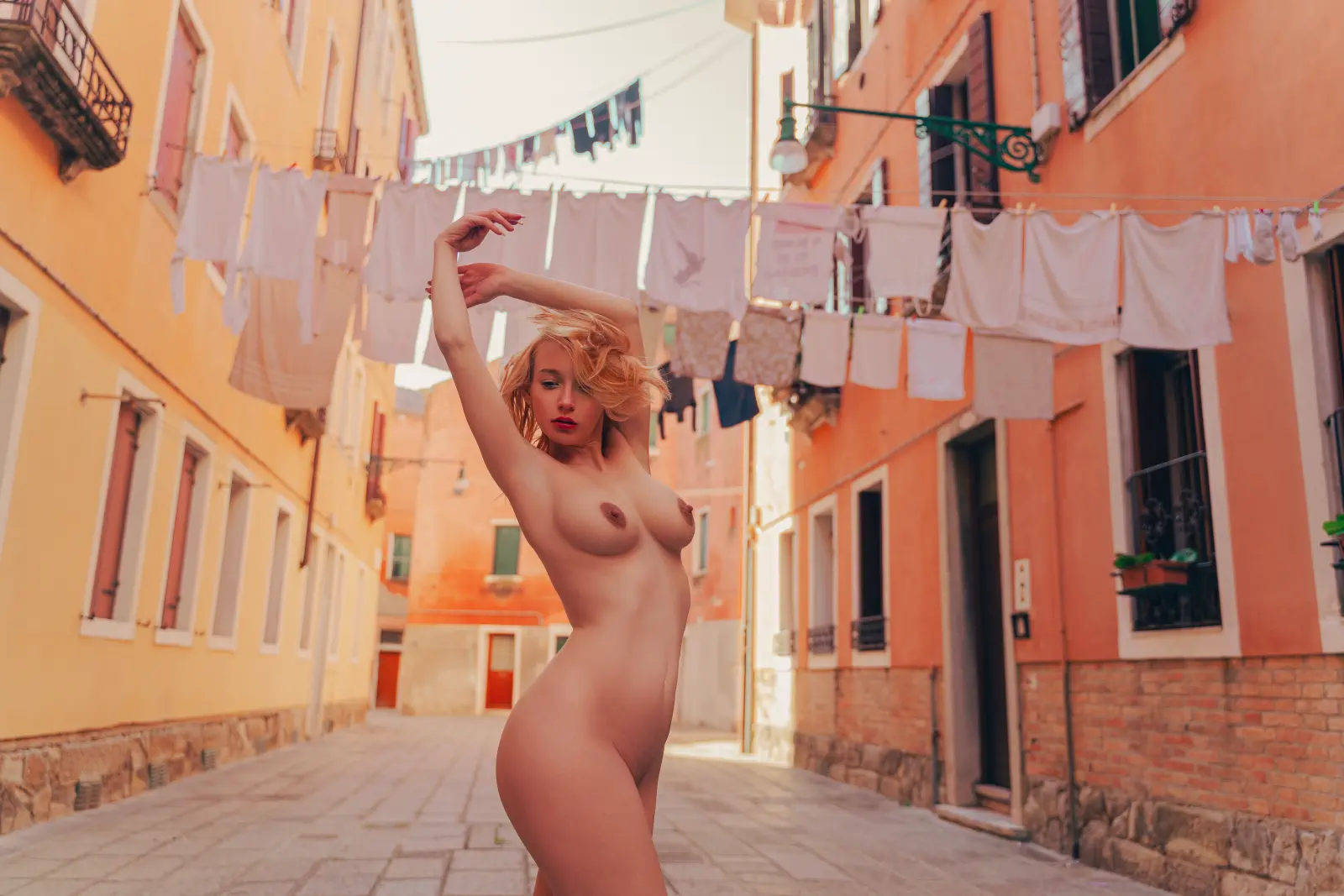
Certain motifs recur across the series: the held cigarette, the wilting flower, the hand pressed to glass, the body curled into itself. These are not symbols but residues—traces of time passing in rooms where nothing happens and everything weighs. The nude figures are bodies that have withdrawn from the economy of looking and being looked at. Nudity here signifies vulnerability, not availability—the condition of being undefended.
Melancholia has developed over more than twelve years, accumulating images across Berlin, Istanbul, Venice, and numerous private spaces. The series functions as an ongoing archive of quiet states rather than a fixed project with beginning and end. Selected works are available as limited edition archival prints through Artsper, Saatchi Art, and Artmajeur.