




Motus
The Body in Relation to Movement
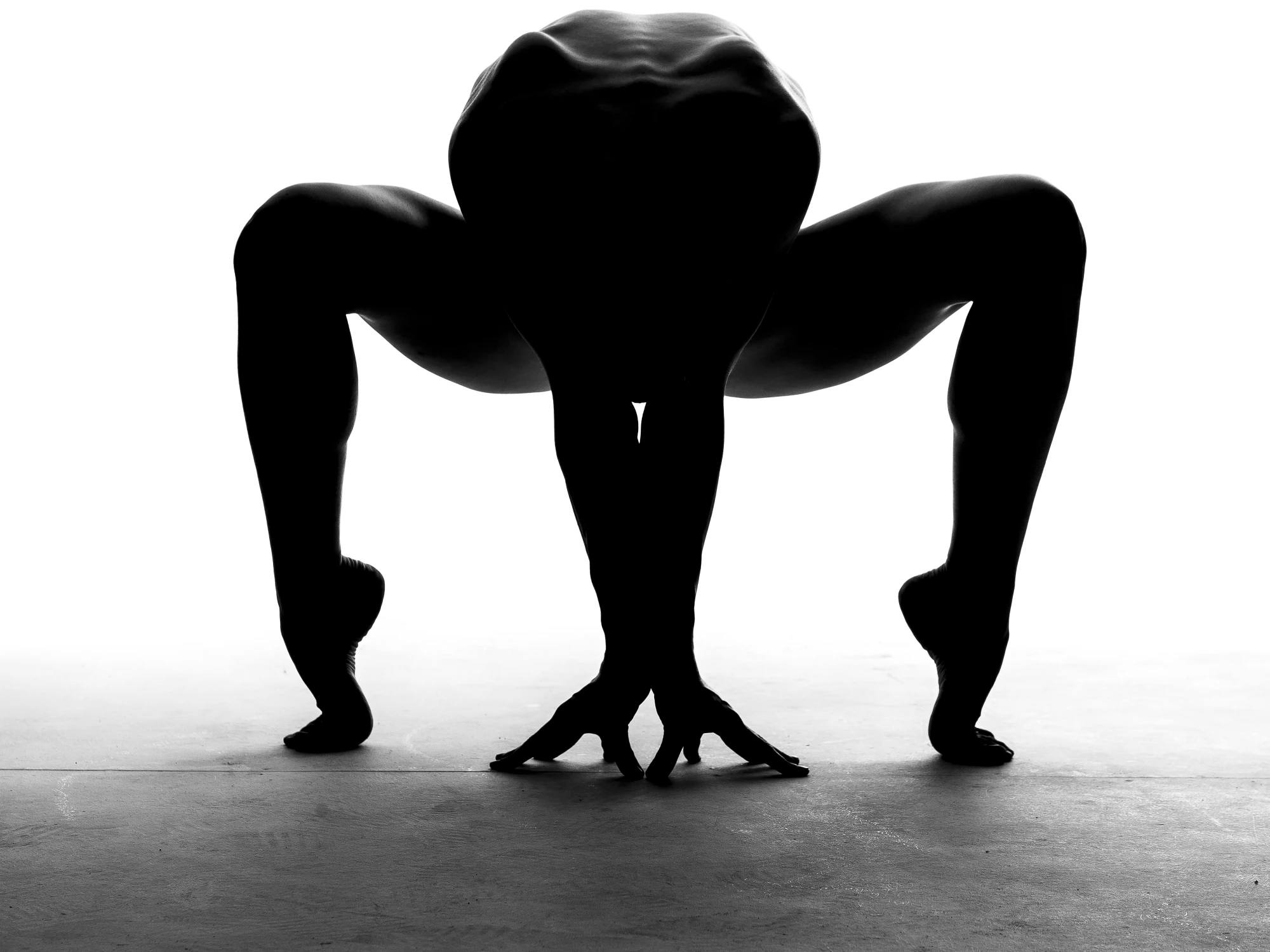
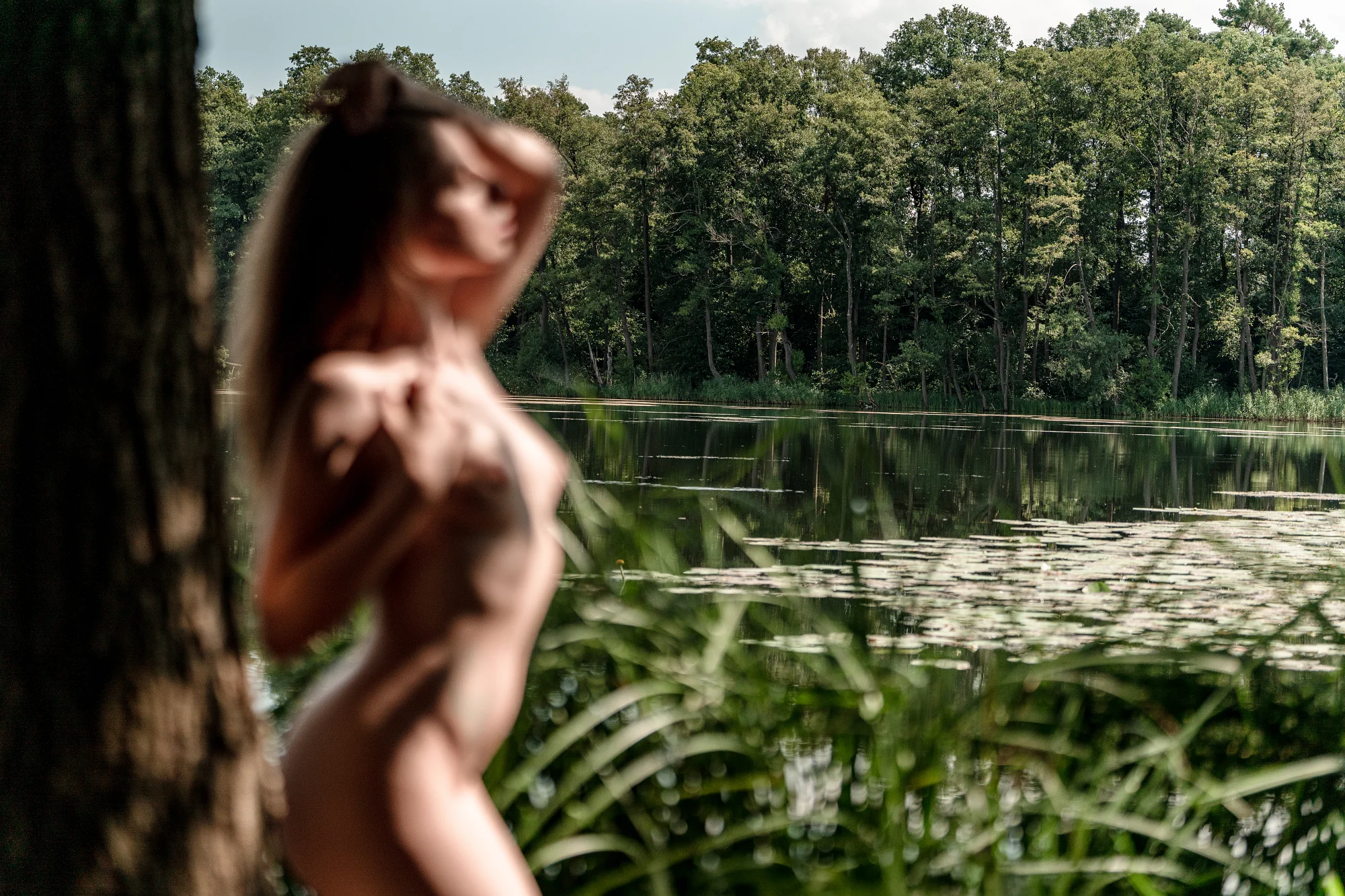
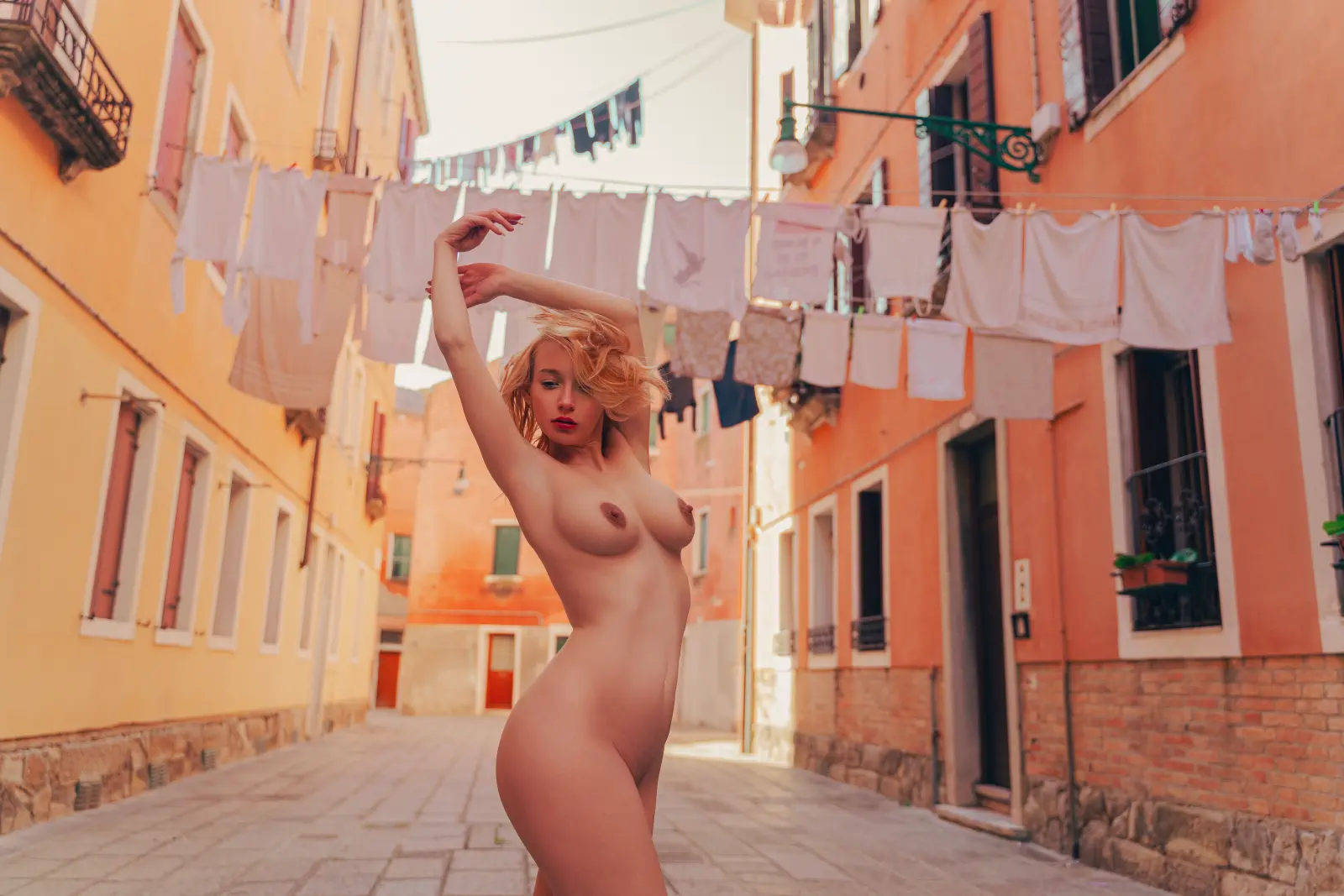
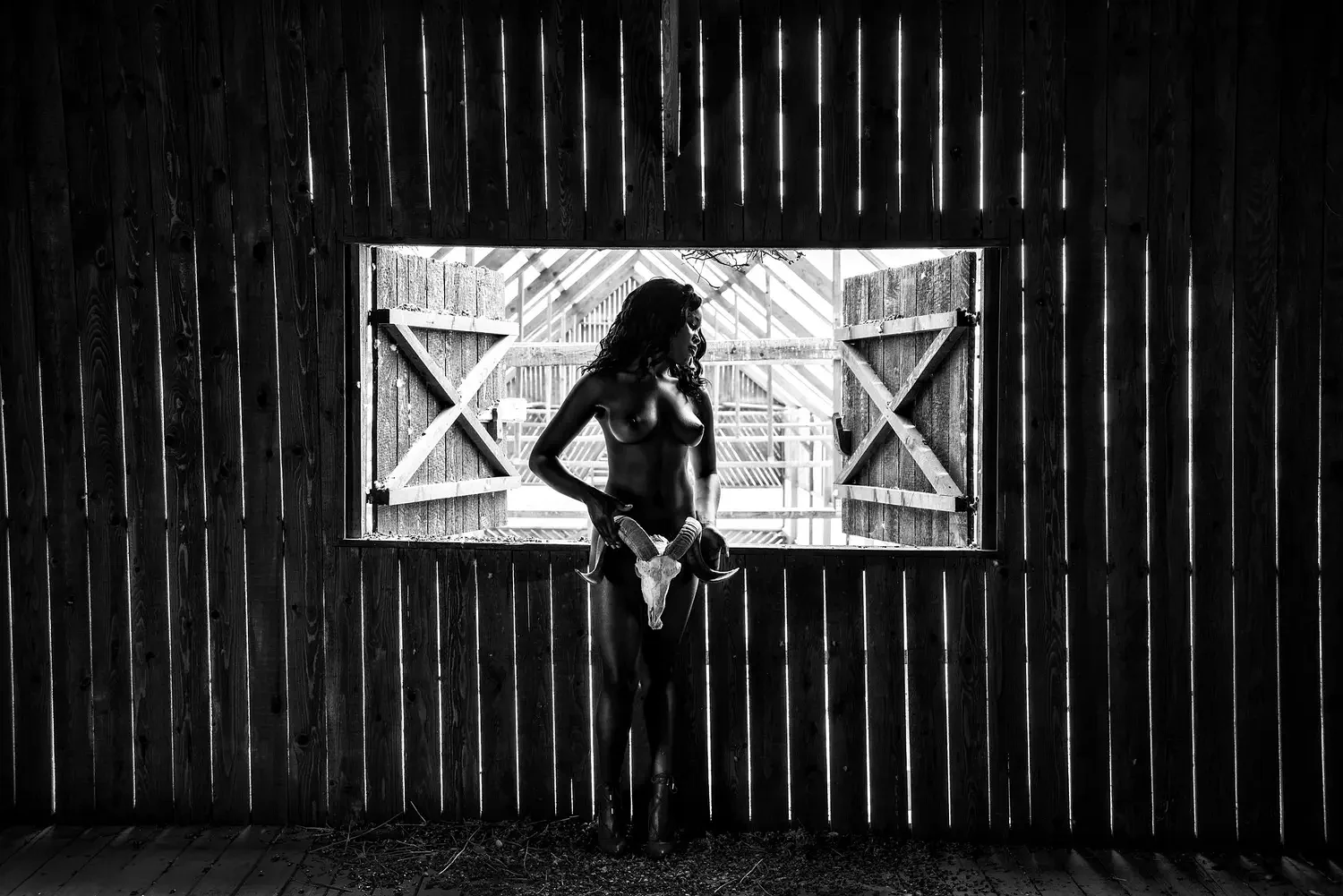
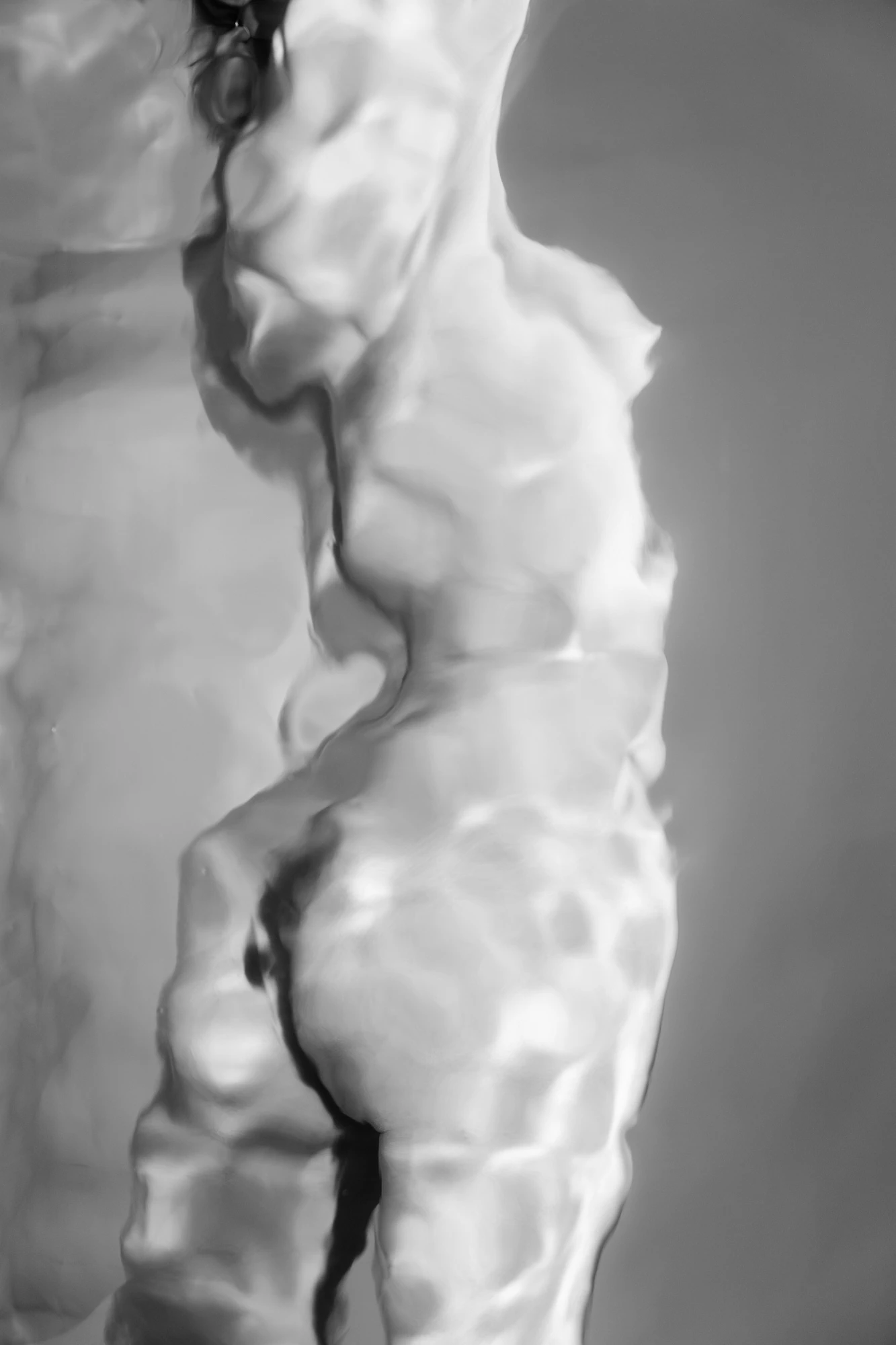
Not frozen moments, but moving echoes. Motus captures the body in flux—between gesture and memory, rhythm and breath.
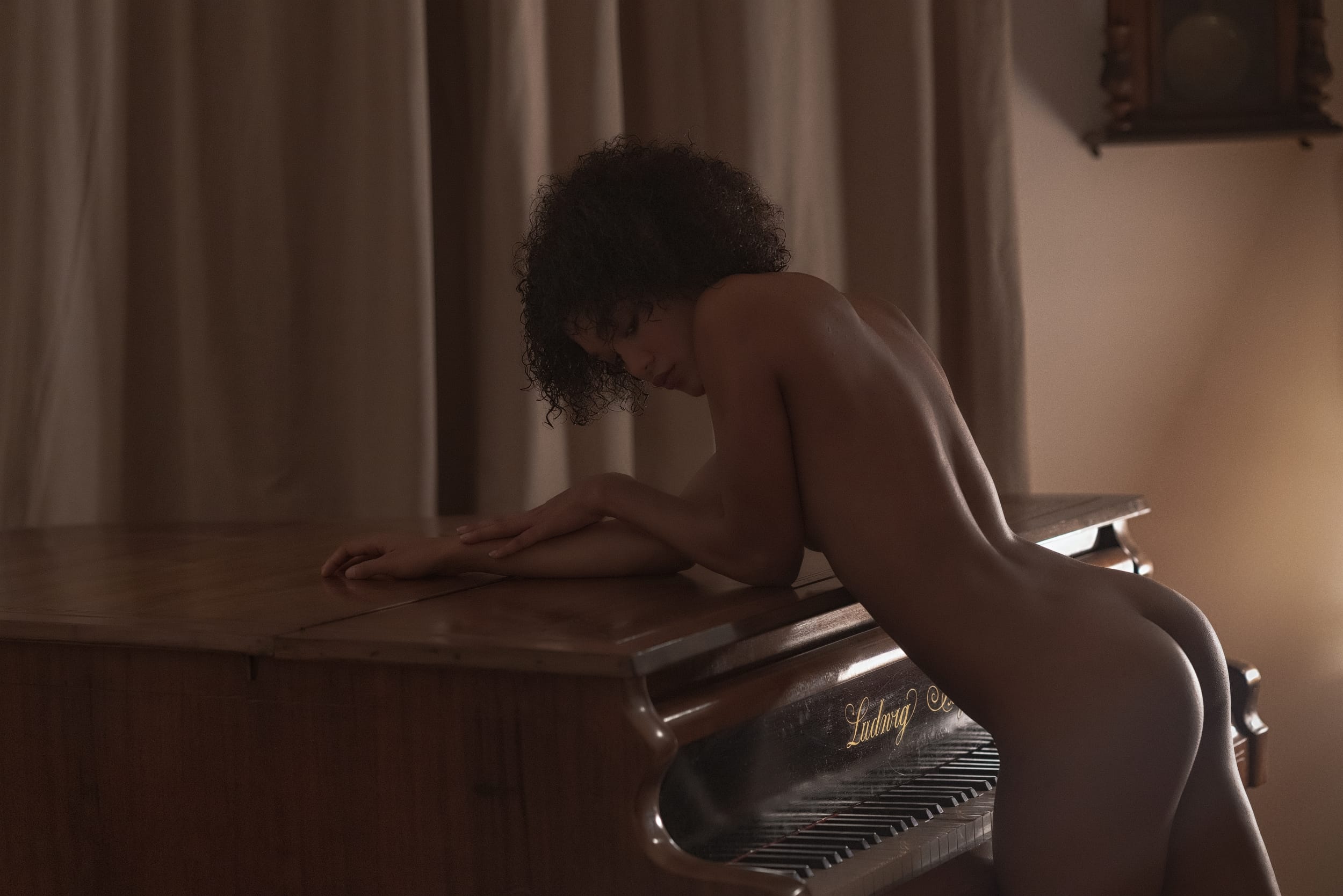
Motus is an umbrella project exploring the relationship between the body and movement. Not movement as athletic performance or choreographed spectacle, but movement as emotional residue—the tension held in a shoulder, the arc of a breath, the echo left behind after a gesture has passed. The project spans multiple modes, each with its own visual language, methodology, and context, ranging from studio work to street encounters, from long-exposure blur to frozen instants of improvisation.
In Flux, the body exists in states of transition and indeterminacy. Some images use long exposures to render flesh in soft blur—skin and hair dissolving into warm gradients against darkness, the body accumulating rather than freezing. Others are sharp but no less fluid: figures interact with white fabric or paper that folds, unfurls, and shapes itself around them, creating forms that are part origami, part wing, part breath made visible. In both modes, the boundary between body and material, between stillness and motion, remains deliberately unstable. The reference is painterly—Gerhard Richter’s photo-paintings, where certainty dissolves into atmosphere—but also sculptural, recalling the draped figures of Hellenistic marble where cloth and flesh become indistinguishable.
Stills, developed in collaboration with art director Meryem Aydın, introduces a different methodology. Five contemporary dancers were shown a series of everyday objects—a mirror, a suspended fish, a sponge, roses, a crumpled paper—and asked to respond through improvised movement, not by imitating the object’s form but by embodying the feeling it evoked. The resulting photographs are presented as diptychs: Aydın’s object photographs paired with Yıldırım’s dancer images. Here, stillness is not the absence of movement but its crystallisation—the instant where impulse becomes form.
In Haste / Ayaküstü takes the project into the street. Over four years, ballerinas appeared spontaneously in Istanbul’s urban fabric—stepping from traditional stages into subways, alleys, cafes, and historical squares. The focus, however, is not on the dancers themselves but on the expressions of the city’s residents who witness these extraordinary moments: astonishment, curiosity, nonchalance. The mirror held up to the city finds its meaning in the faces of passersby. The project was exhibited in Istanbul in 2014 and at the Volksbank Heilbronn in Germany in 2019, and continues in Berlin’s streets. With their elegance set against the metropolis’s ever-transforming places, the ballerinas create an intentional distance between performer and pedestrian—expressing alienation while reminding us of the transient soul of urban life.
Across all modes, Motus asks the same question: what does the body know that the mind has not yet named? Étienne-Jules Marey’s chronophotographs decomposed movement into sequential phases; Eadweard Muybridge froze the galloping horse. Motus takes the opposite approach—not analysis but synthesis, not separation but merge. Whether the shutter stays open to accumulate blur or snaps shut to capture a single breath, the project treats motion not as action to be documented but as something felt in the body before it reaches the mind.
The project is ongoing, with new modes in development. Selected works are available as limited edition archival prints through Artsper, Saatchi Art, and Artmajeur.


FLUX