Başka bir yerde
Kamusal Alanda Çıplak
İzin verilmeyen bir yere konmuş bir beden ve o bedenin orada sadece var olduğu an.
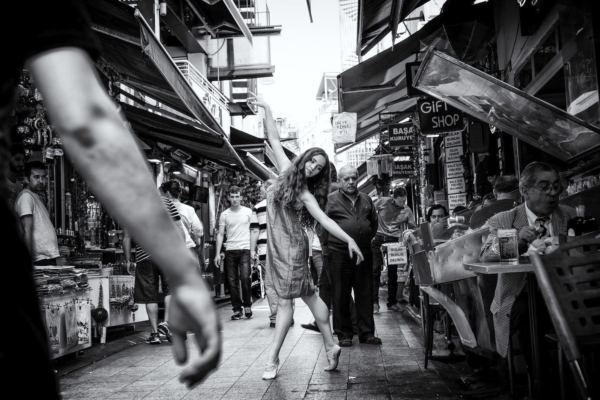
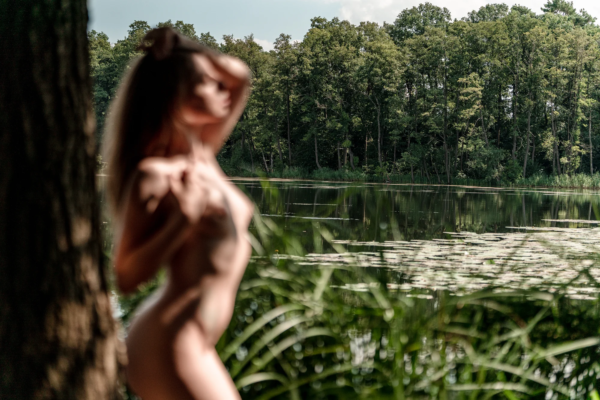
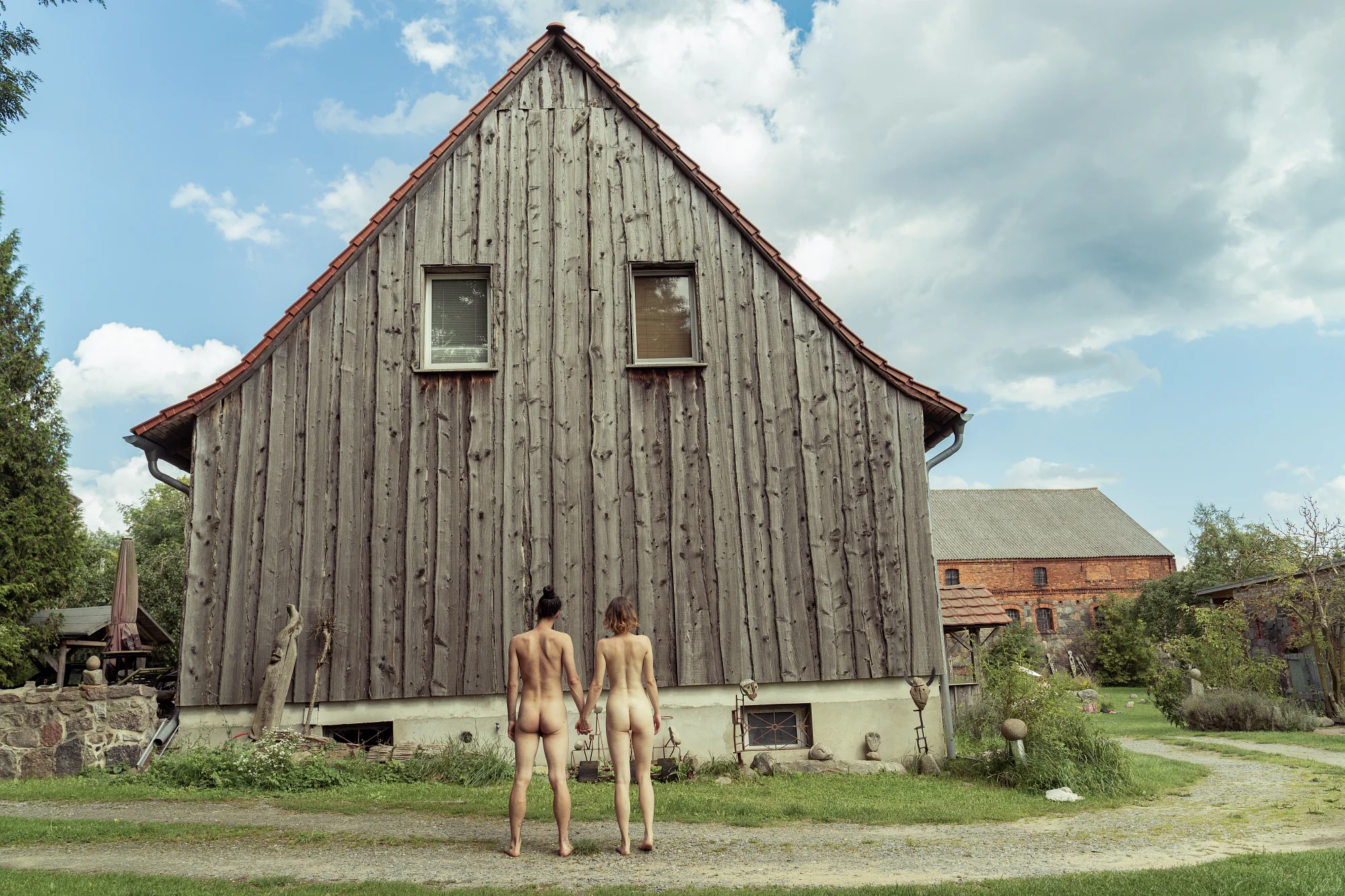
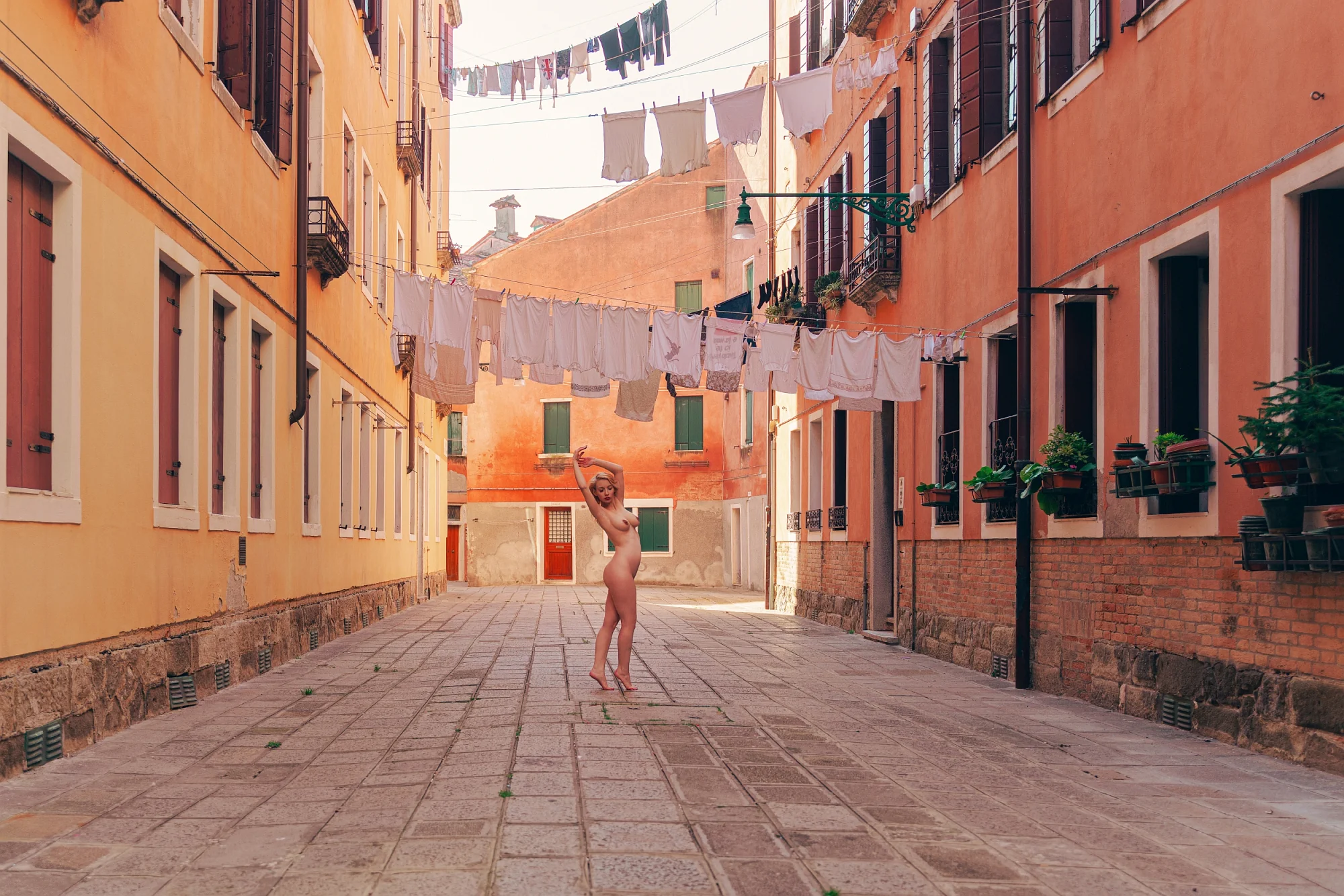
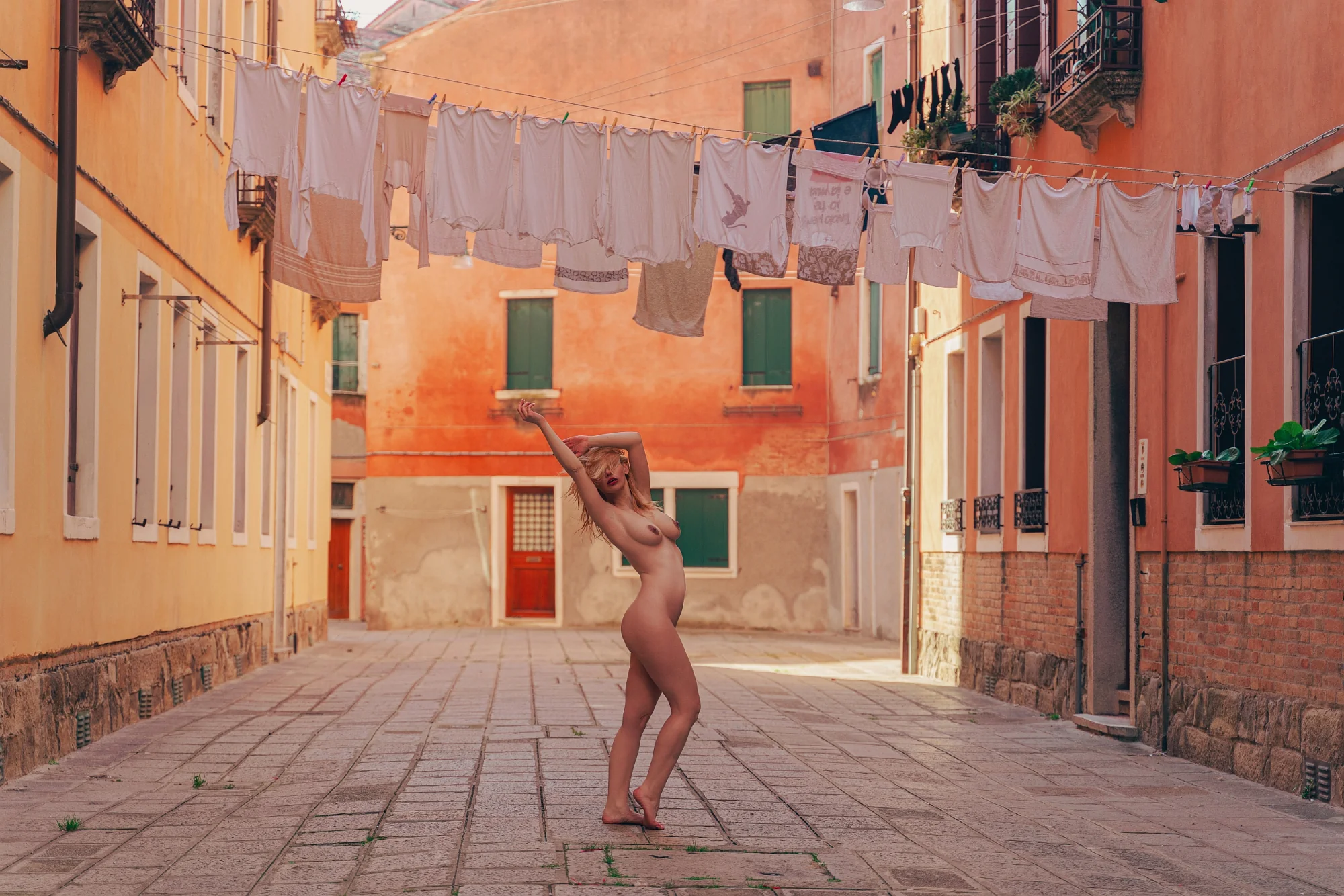
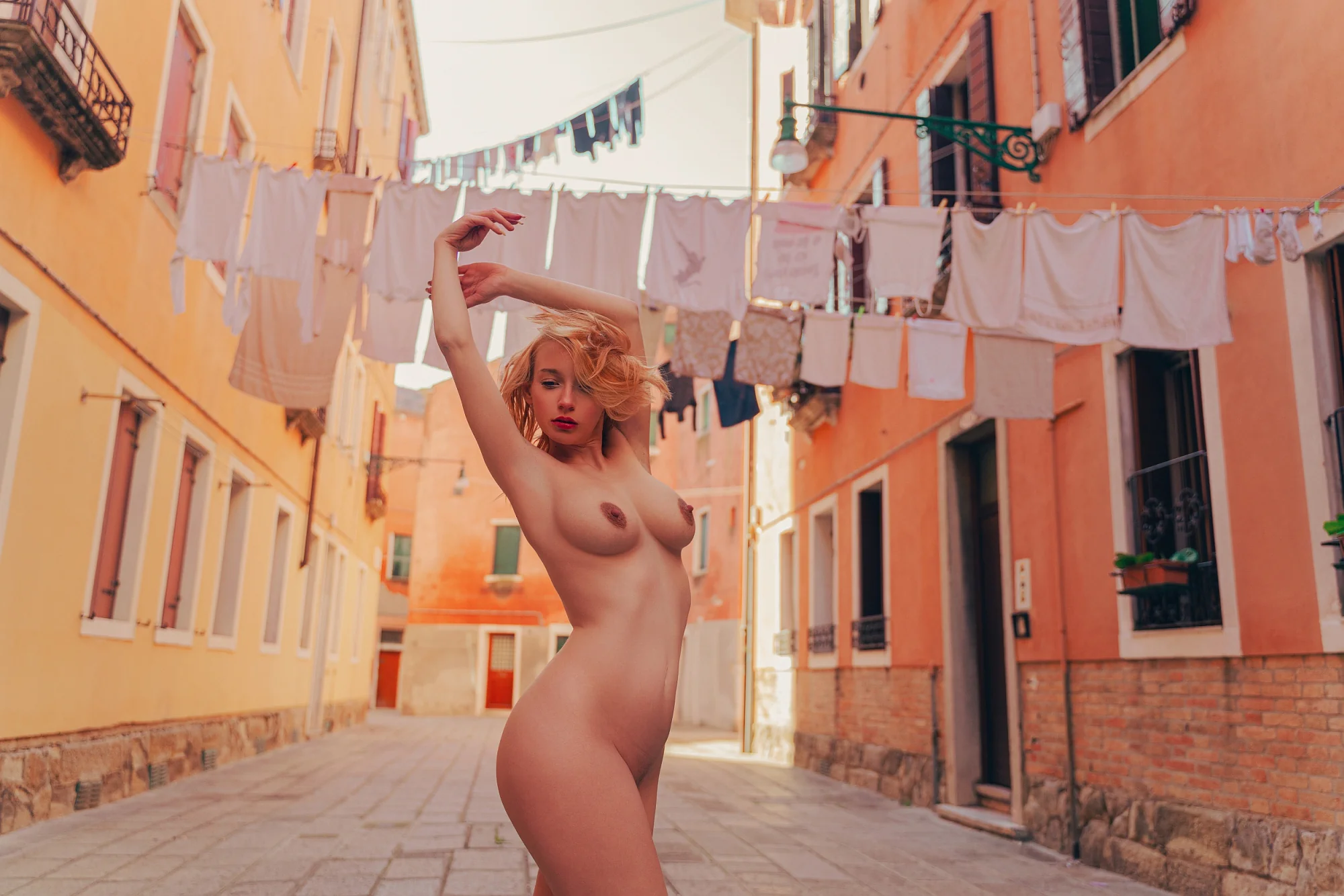
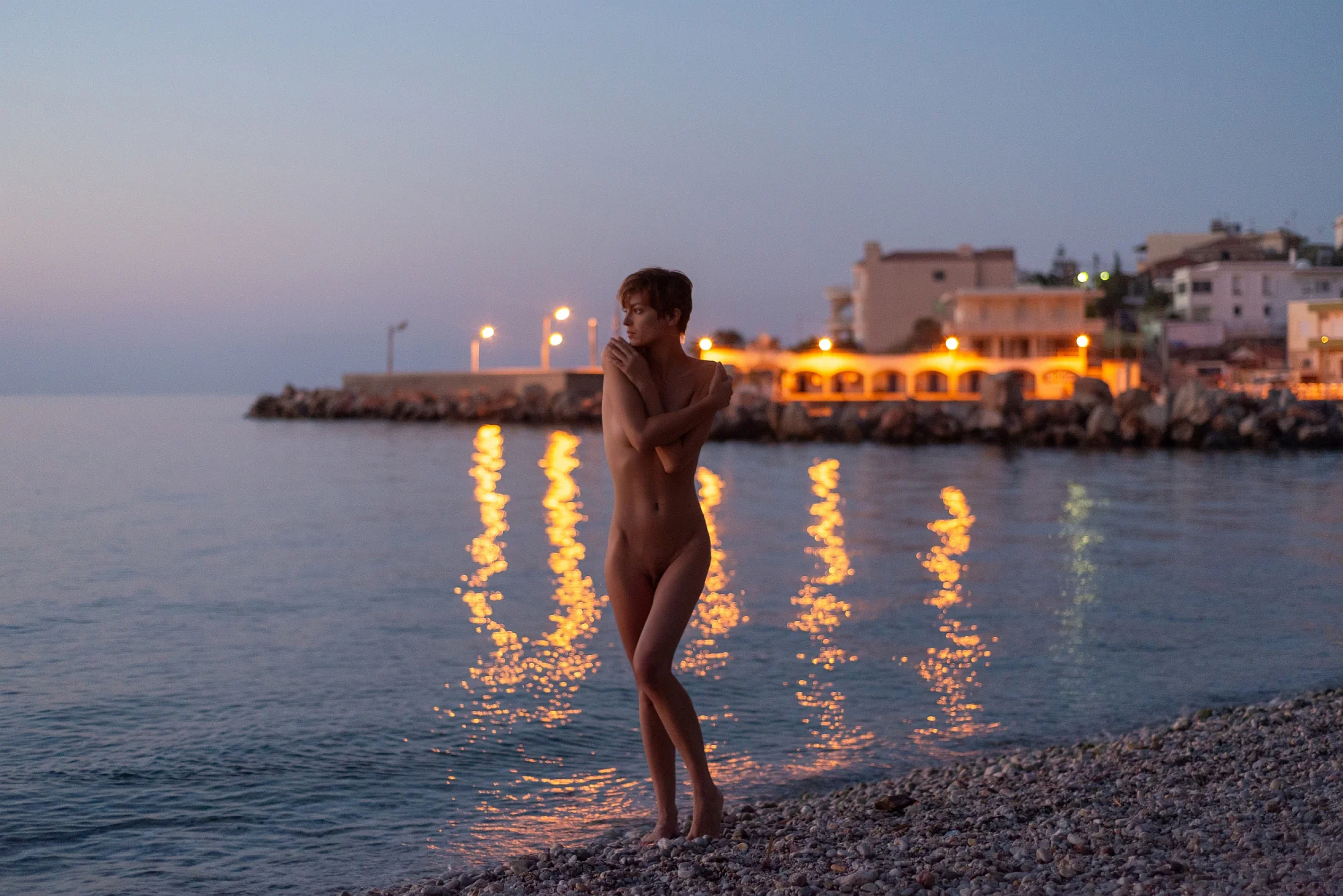
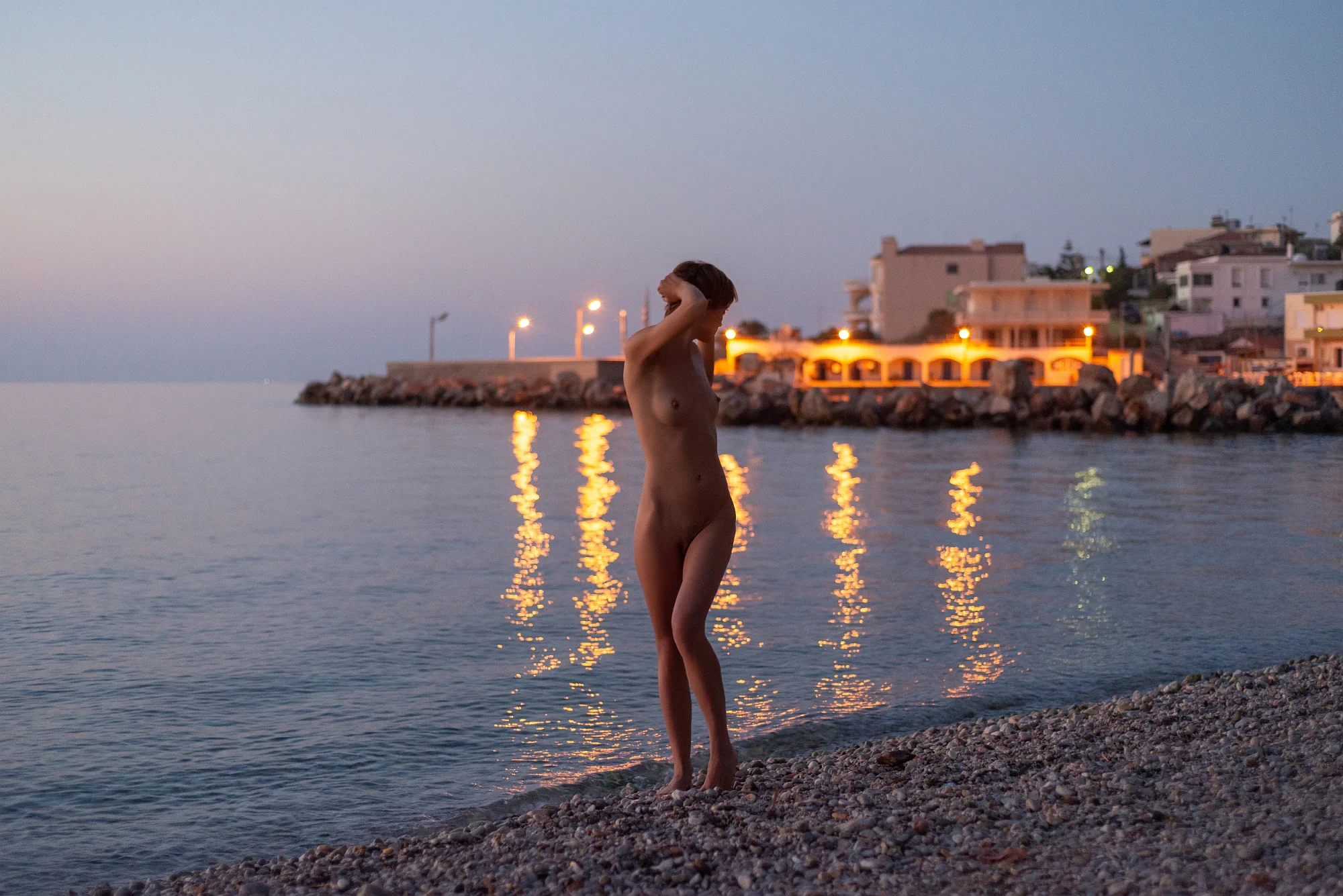
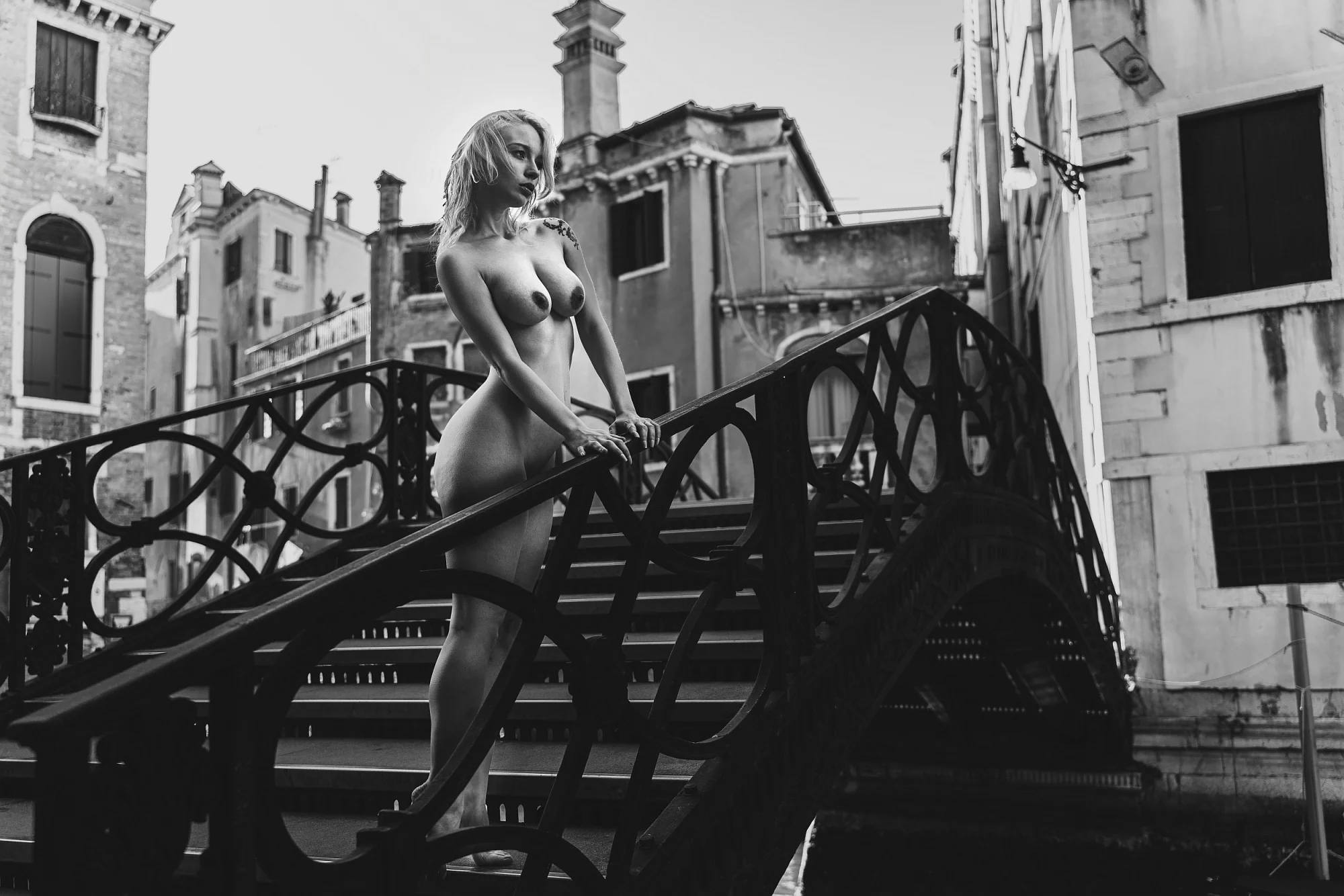
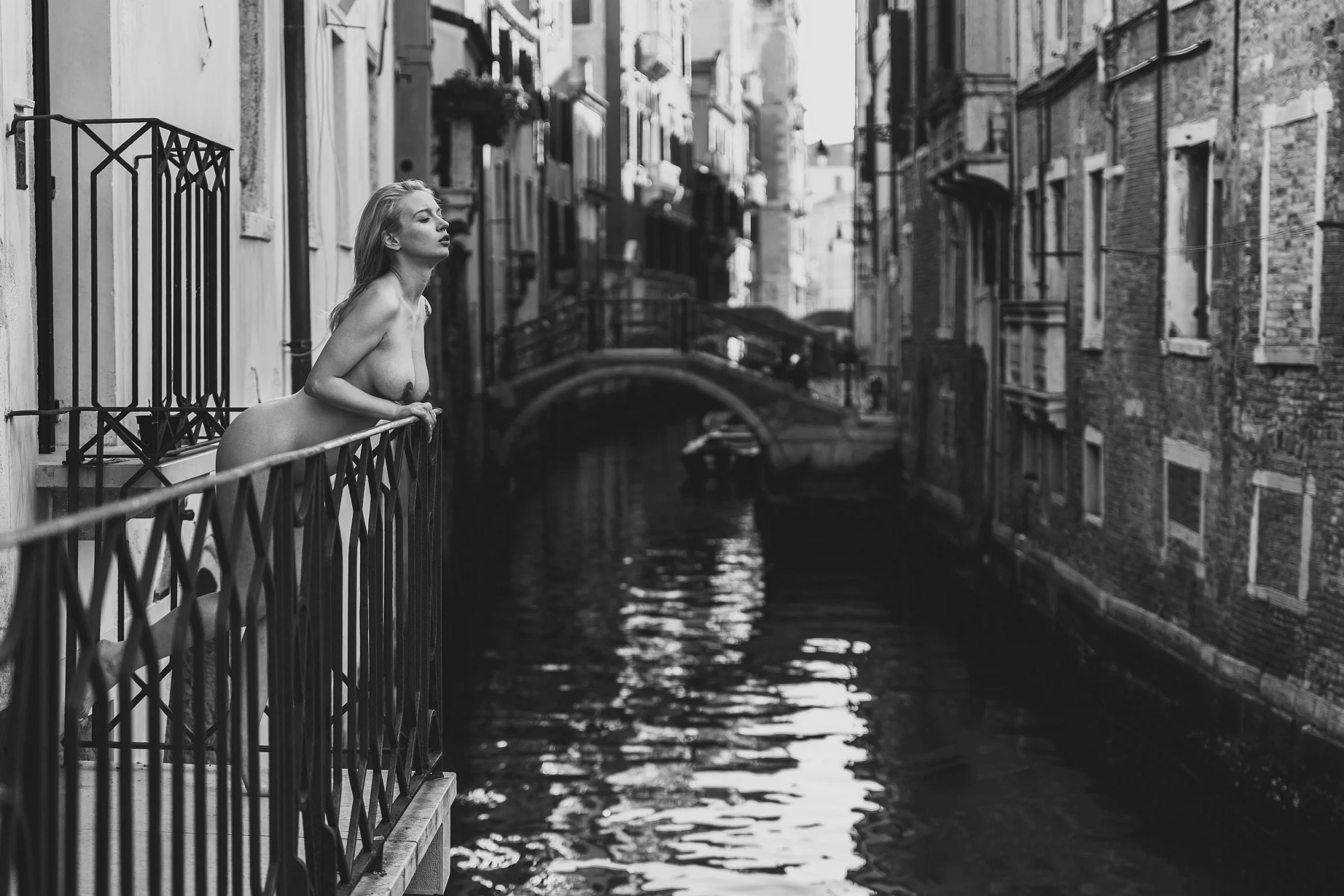
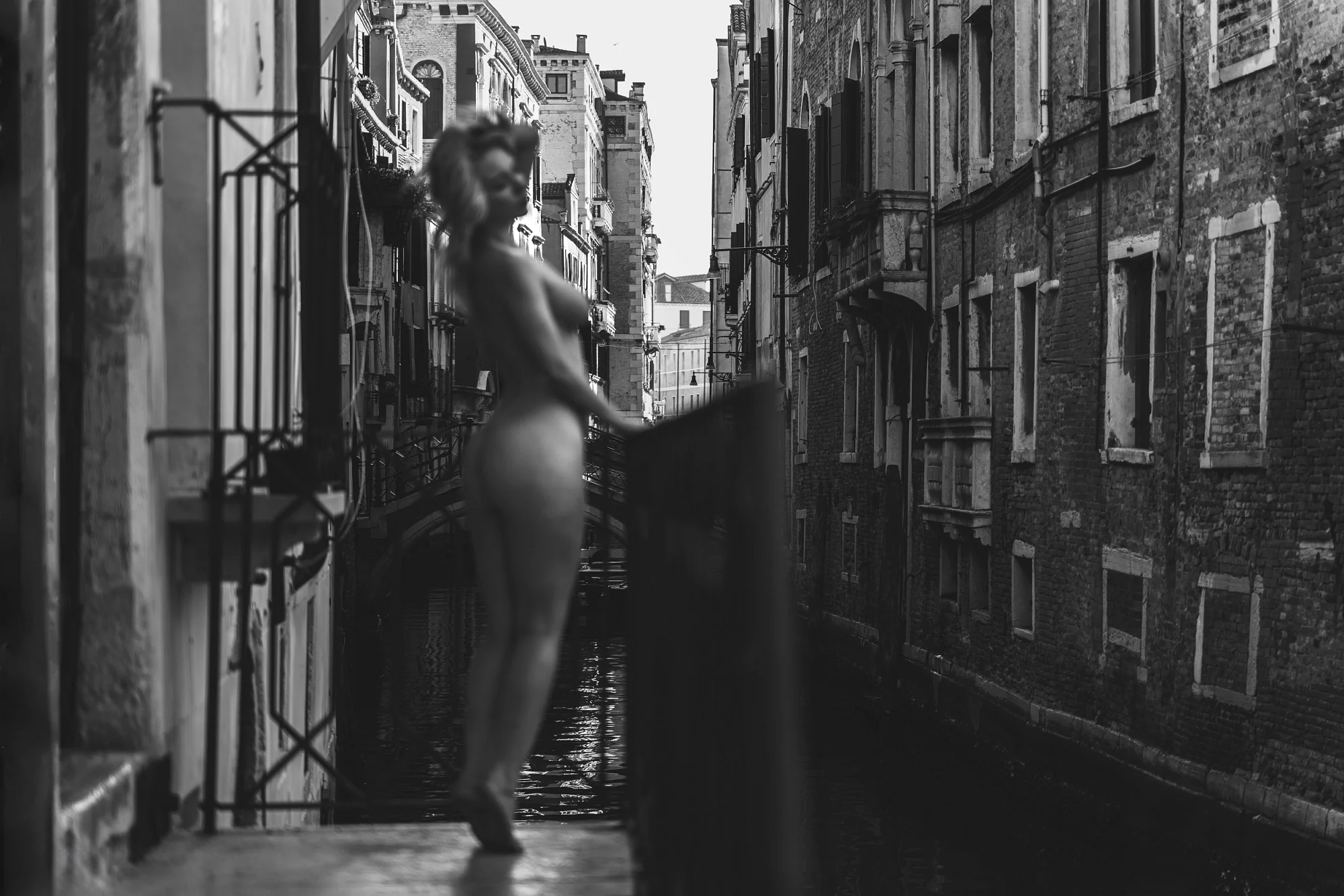
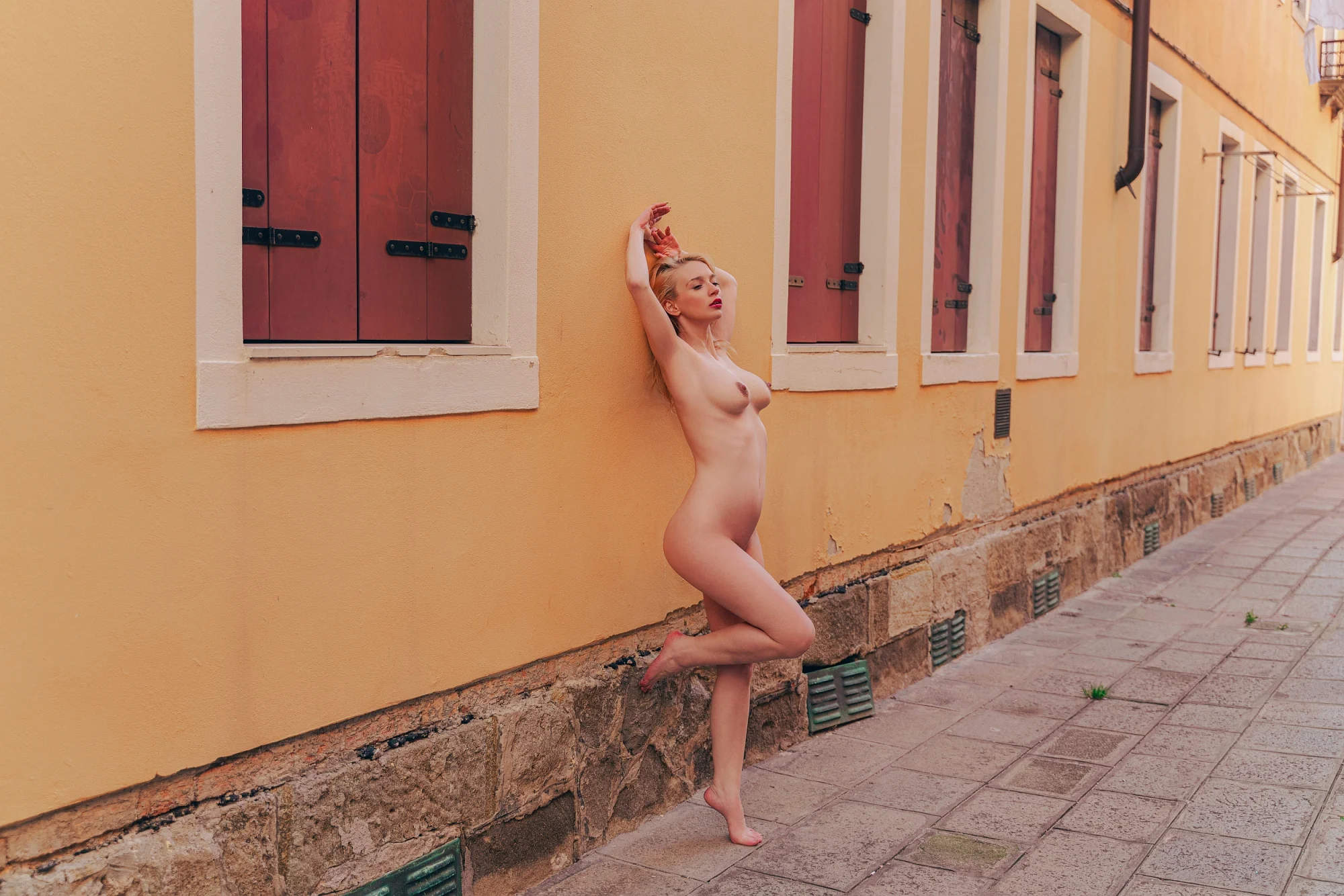
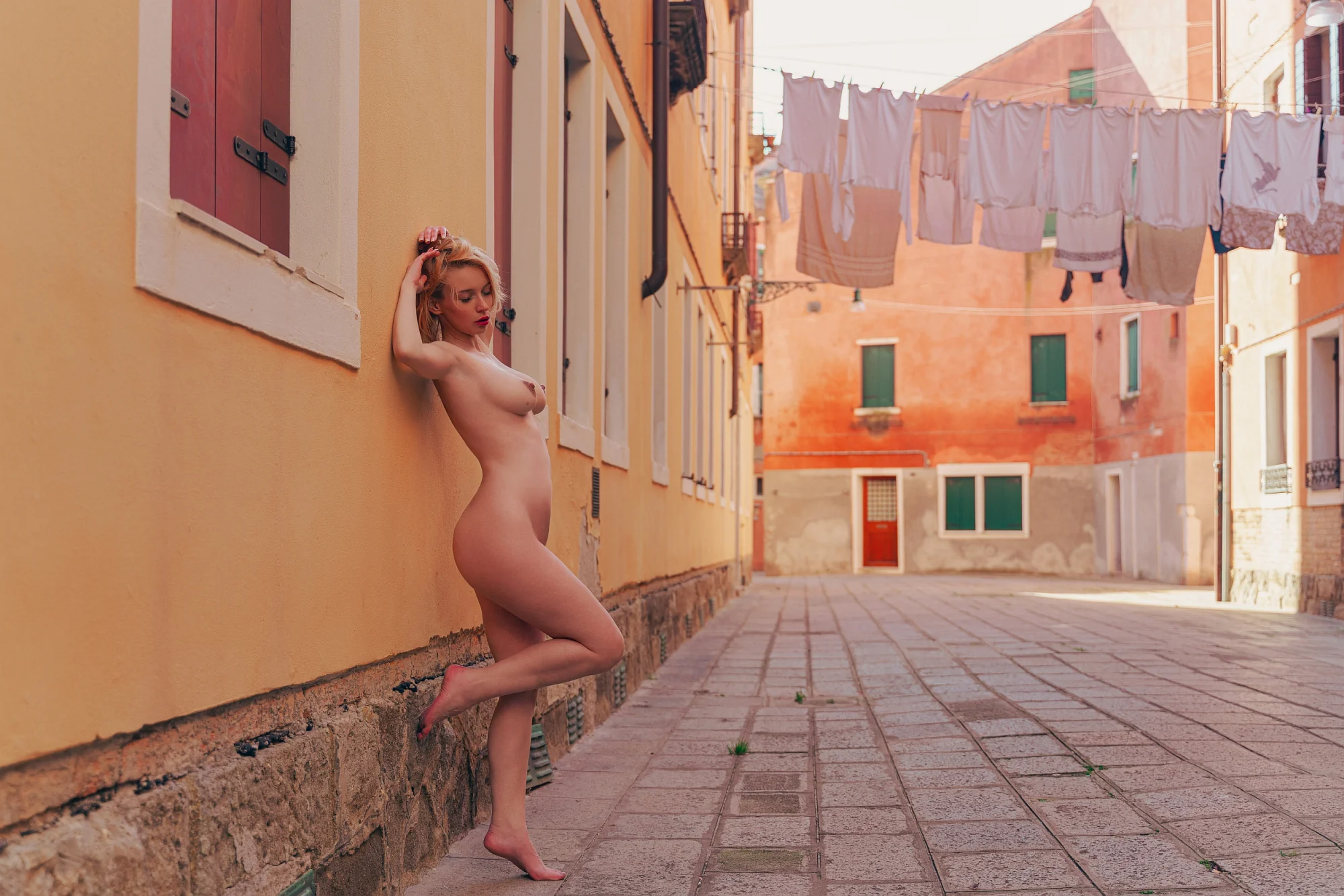
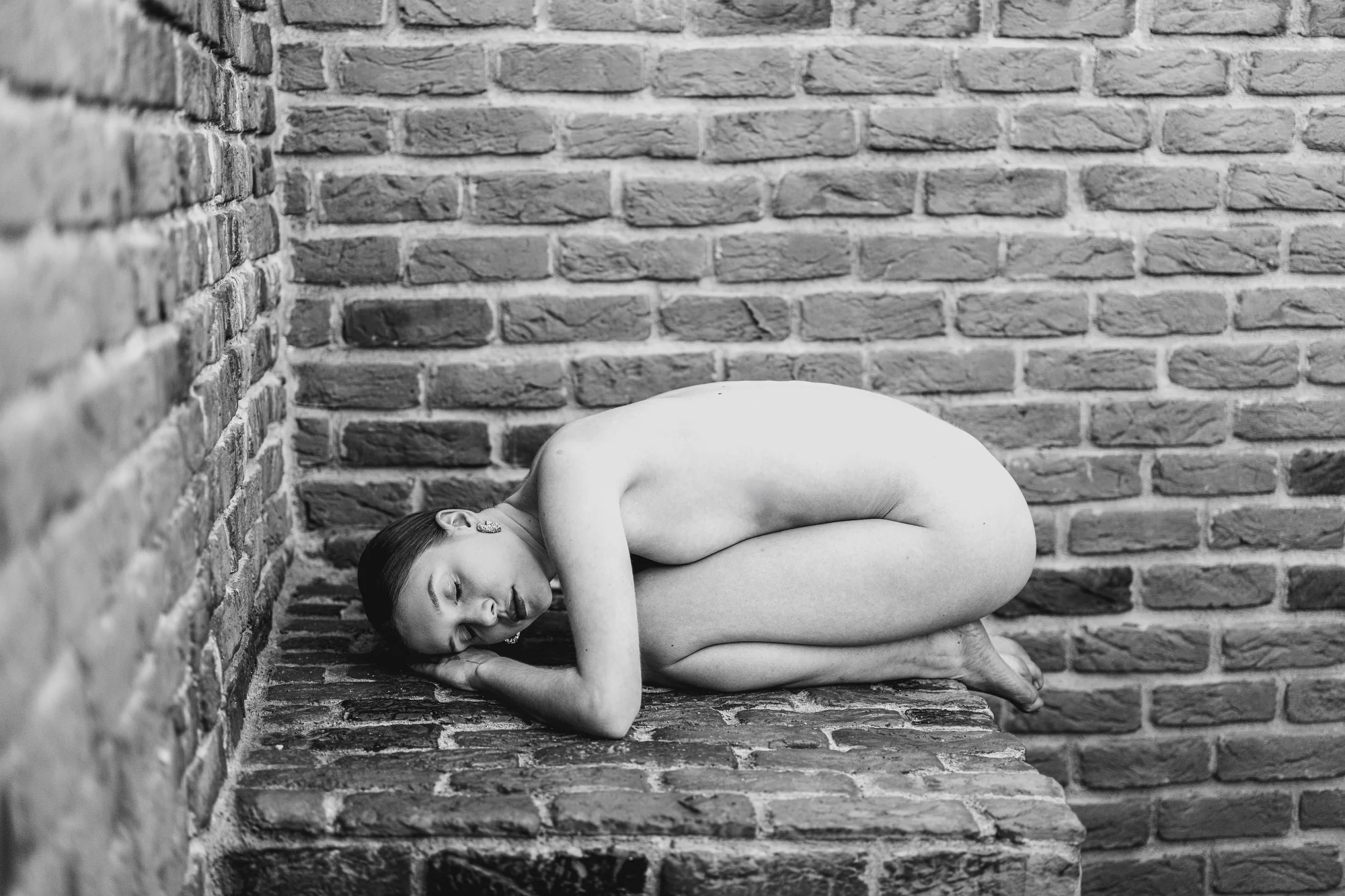
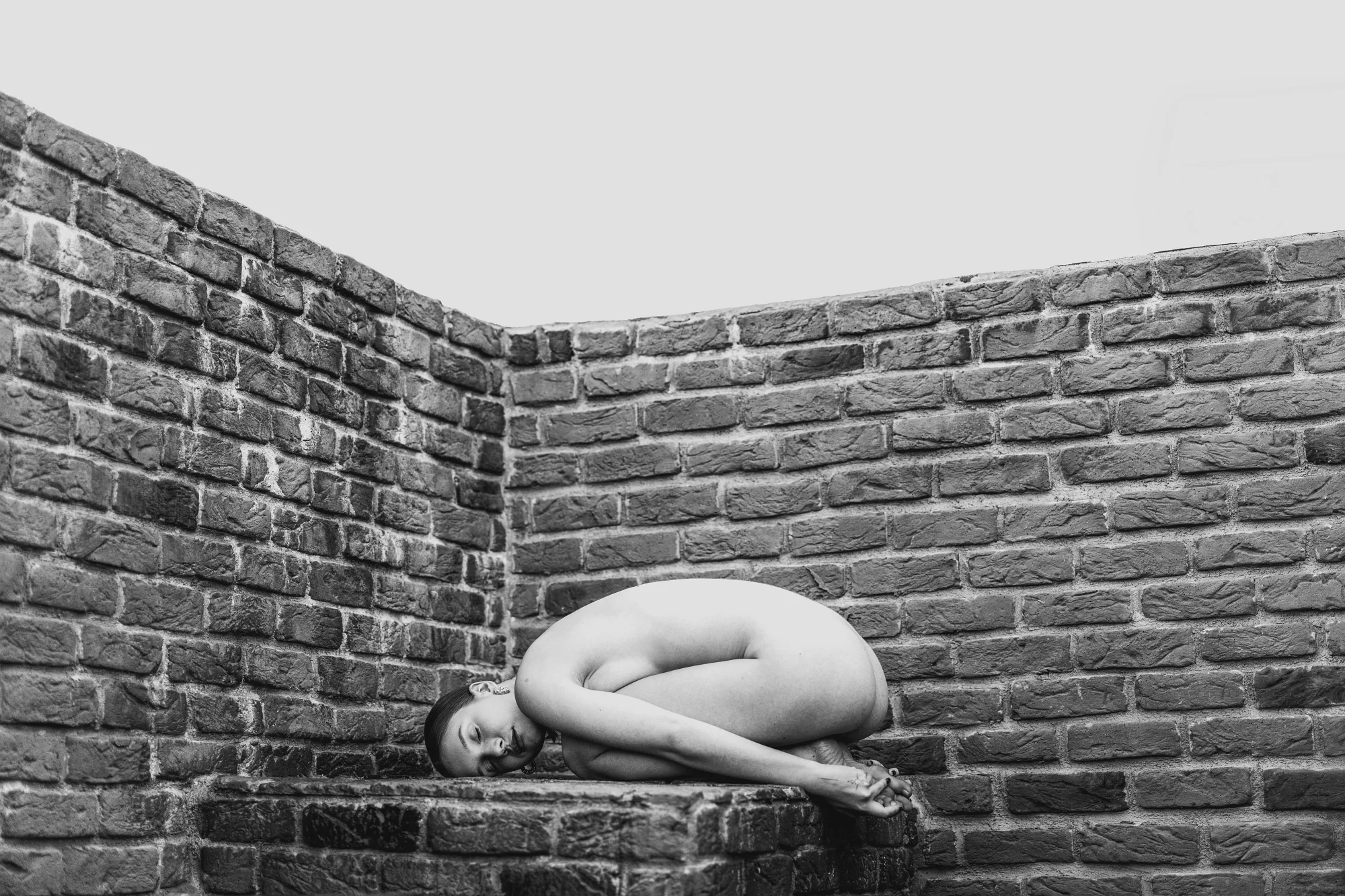
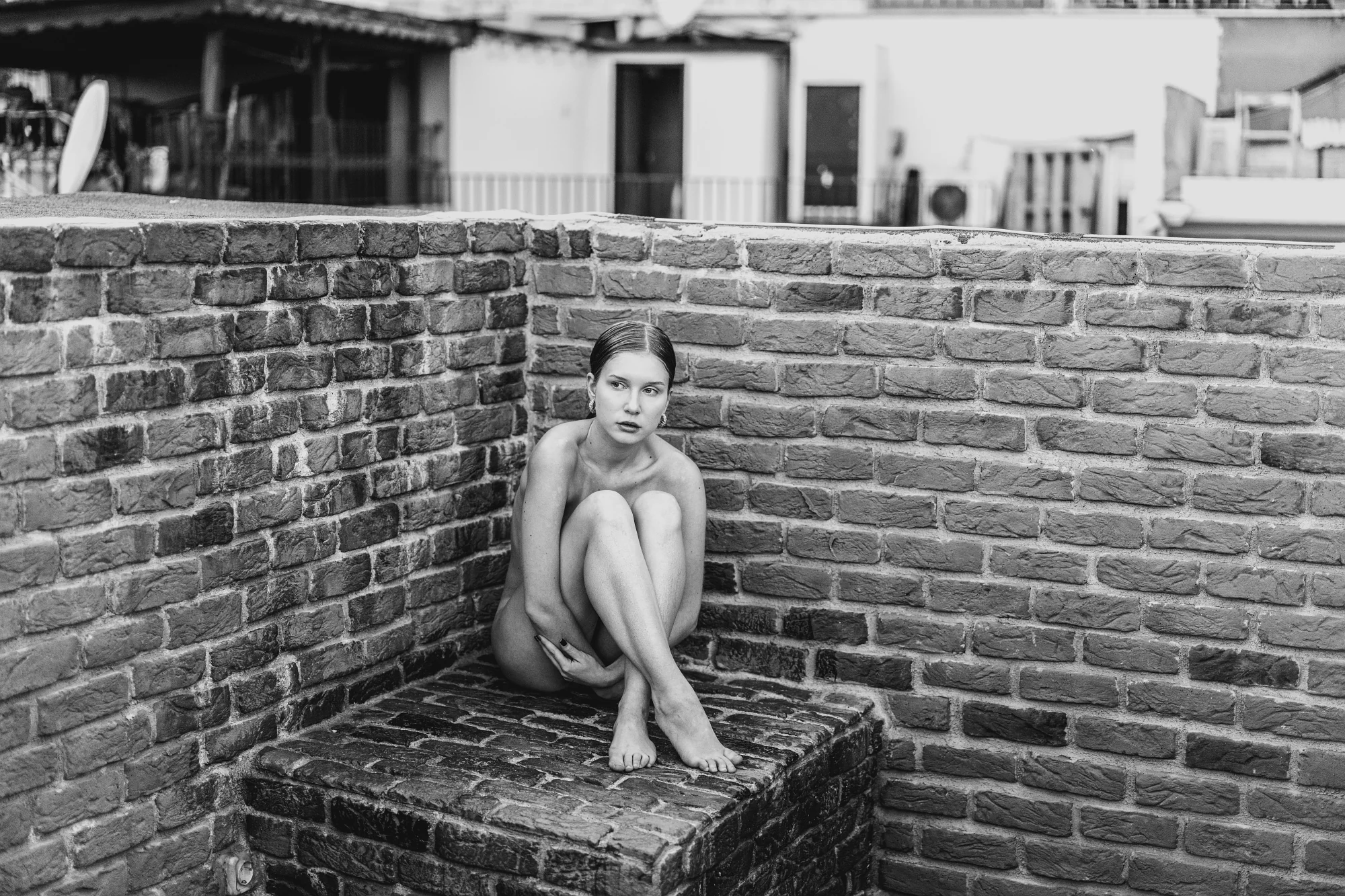
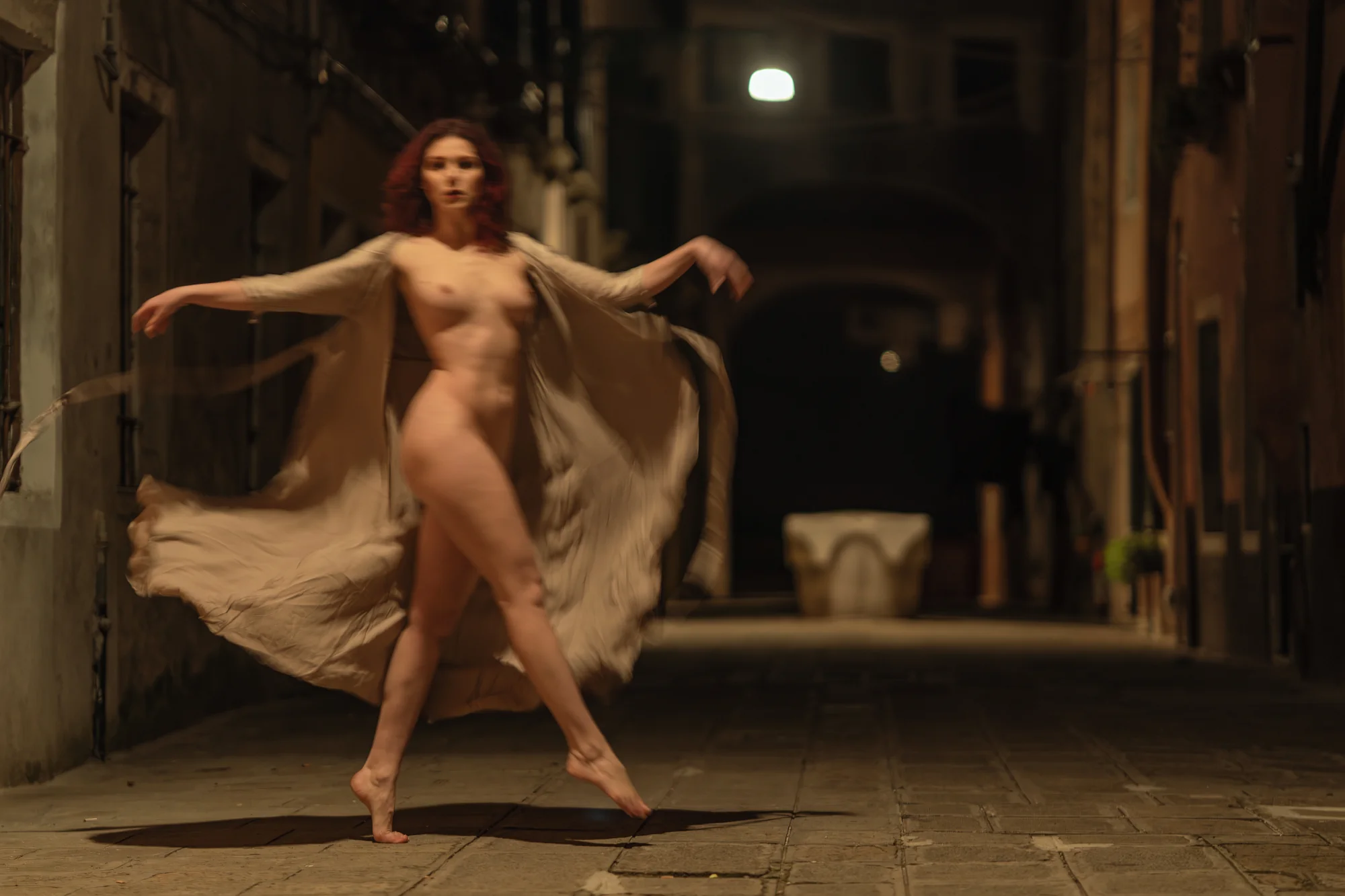
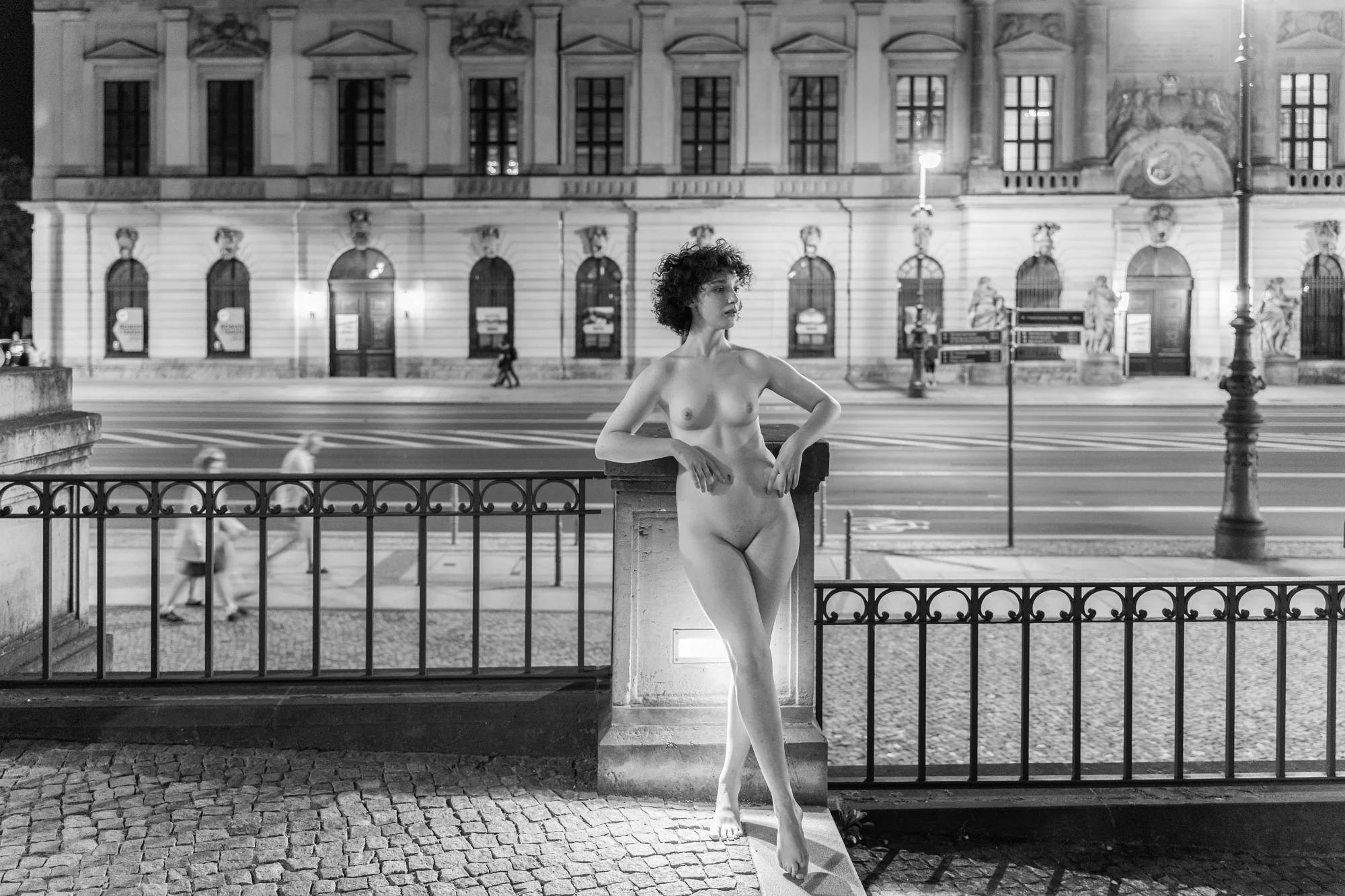
Başka bir yerde kamusal alanda çıplak bedeni fotoğraflıyor. Bu seri, varoluşla ilgili basit bir soru soruyor: Bir bedenin, başkalarıyla paylaşıldığı bir mekânda çıplak olarak bulunması ne anlama gelir? Bunlar, aktivist anlamda performanslar ya da müdahaleler değildir. Daha sessizdirler: Oraya ait olmayan bir bedenin tutulduğu, fotoğraflandığı ve tekrar şehrin içine salındığı kısa anlardır.
Özgürlük, hassasiyet, açığa çıkma ve kendini koruma yan yana yer alıyor: beden her görüntüde mevcut ve bu varlığın biçimi mekâna göre değişiyor.
Kamusal alan, nadiren yazılı hale getirilen kurallara göre işler: yabancılar birbirlerine ne kadar yaklaşabilir, gözler nereye bakabilir, sokağın görmeye razı olduğu vücut kısımları nelerdir. Çıplak bir beden, tüm bunları bir anda görünür kılar ve etrafındaki her şeyin anlamını değiştirir. Kaldırım bir sınır haline gelir, pencere bir tanık olur, yoldan geçen kişi ise fotoğrafın yarattığı gerilimin bir parçası haline gelir.
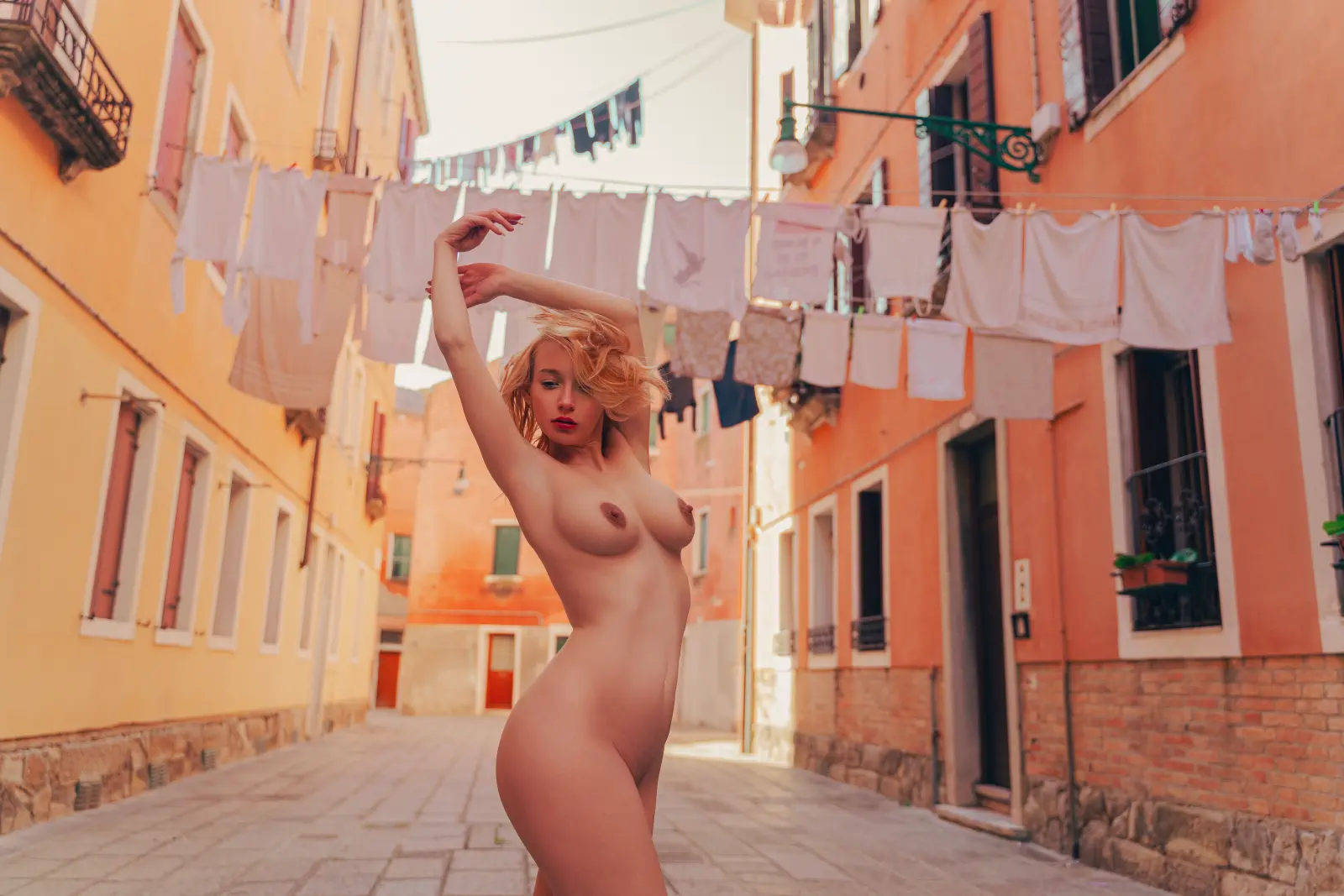
Bu seri, şehirden iki farklı mesafede ele alınmaktadır. Yakından bakıldığında beden şehrin içinde durmaktadır: kurutulan çamaşırların asılı olduğu dar bir sokakta, güneş ışığıyla aydınlanan bir duvarın önünde, bir kanal köprüsünde, su üzerinde bir balkondan sarkmış halde. Daha uzaktan bakıldığında ise beden şehrin önünde durmaktadır. Alacakaranlıkta bir sahil şeridinde, bir figür kameraya bakarken, arkasında şehrin ışıkları suyun üzerinde yayılıyor. Bu açıdan bakıldığında şehir bir silüet, bir çatı ve aydınlık pencereler dizisi haline gelir; buna zıt olarak duran tek bir çıplak beden, şehrin inşa ettiği her şeyin karşısında bir kişinin ne kadar küçük olduğunu ve yine de onu gözden kaçırmanın ne kadar imkânsız olduğunu gösterir.
Fotoğraflar özenle kurgulanır ve çoğu, yoldan geçenleri rahatsız etmemek için hızlıca çekilir. Her çekim, katılımcının rızasına dayanır ve katılımcı istediği an çekimi durdurma özgürlüğüne sahiptir. Mekânlar, mimari özellikleri nedeniyle seçilir. Vücut bu mekanlara girer ve ne süsleyici ne de meydan okuyan bir duruş sergiler. Kamusal alanda çıplak bir figür, stüdyodaki bir çıplak figürden farklı türde bir fotoğraf ortaya çıkarır: çevre, bir işbirlikçi, bazen de bir rakip haline gelir.
Başka bir yerde samimi bir ölçekte işler: bir ya da iki beden, bir sokak ya da bir sahil şeridi; ve hiçbir gösteri unsuru yoktur. Beden asla bir kalabalık ya da kolektif bir siyasi simgeye dönüşmez. Bazı görüntüler hayaletvari bir hava taşır; sanki figür, insanların yaşadığı bir sokakta sadece yarı yarıya varmış gibi. Bu yöntem, sabit bir rota olmadan şehirde dolaşmaktan doğar ve bu dolaşma, beklenmedik bir yerde, sadece orada bulunan bir bedene ulaşır.
Fotoğraf sakin görünüyor; ancak çekildiği an öyle değildi. Her bir figürün arkasında, her an yön değiştirebilecek bir şehrin ritmi yatıyor ve o ritim, şehir ortadan kaybolduktan sonra bile görüntüde kalmaya devam ediyor.
Seçilmiş Çalışmalar

Edisyonlar
Arşivsel pigment baskılar, Hahnemühle kağıtları üzerine 5 + 1 Artist Proof olarak sınırlı sayıda basılmaktadır. Seçilen eserler şu yollarla temin edilebilir Artsper, Saatchi Sanatve Artmajeur. Sorularınız için: print@burakbulut.org.